1553


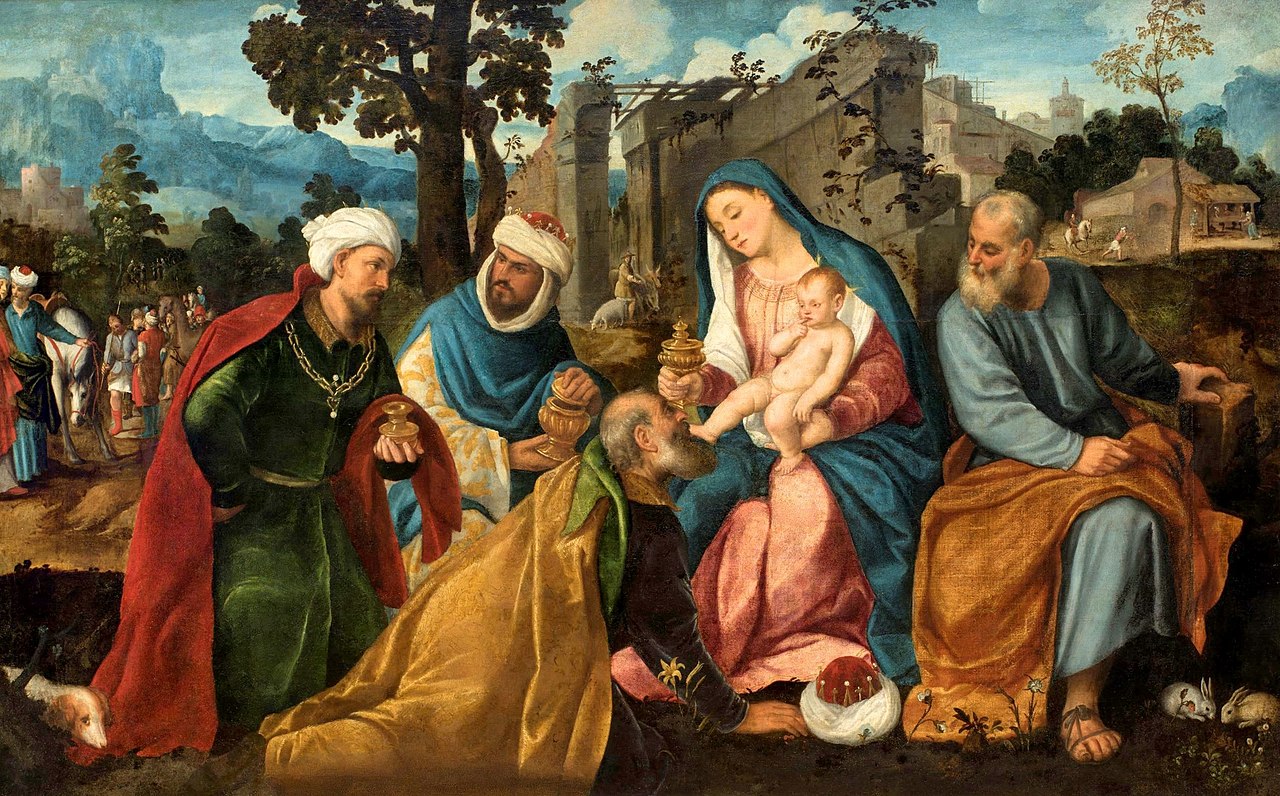
Bonifacio Veronese, a Venetian painter born in 1487 and active until his death in 1553, was a masterful exponent of the High Renaissance style. His work, deeply rooted in the rich art and culture of Venice, exemplified the era's fascination with color, light, and religious themes.
Bonifacio's paintings are celebrated for their vivid portrayal of religious narratives, often infused with a sense of grace and serenity. His use of vibrant colors and ability to create depth and emotion through his characters set him apart from his contemporaries. One of his notable works, the "Virgin and Child with Saints," showcases his skill in composition and his delicate treatment of figures and landscapes.
His contributions to Venetian painting were significant, helping to shape the course of art history during a period teeming with artistic innovation. Bonifacio's works, found in various museums and galleries, offer a glimpse into the artistic fervor that characterized Venice during the Renaissance.
For collectors and connoisseurs, Bonifacio Veronese's art represents a pivotal chapter in the history of painting. His mastery in depicting religious themes with a unique blend of realism and emotion makes his works a valuable addition to any collection.
To stay informed about upcoming sales and auction events featuring Bonifacio Veronese's works, sign up for our updates. This service ensures you receive timely information on new acquisitions and opportunities to add to your collection, focusing exclusively on Bonifacio Veronese's art.
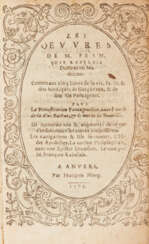

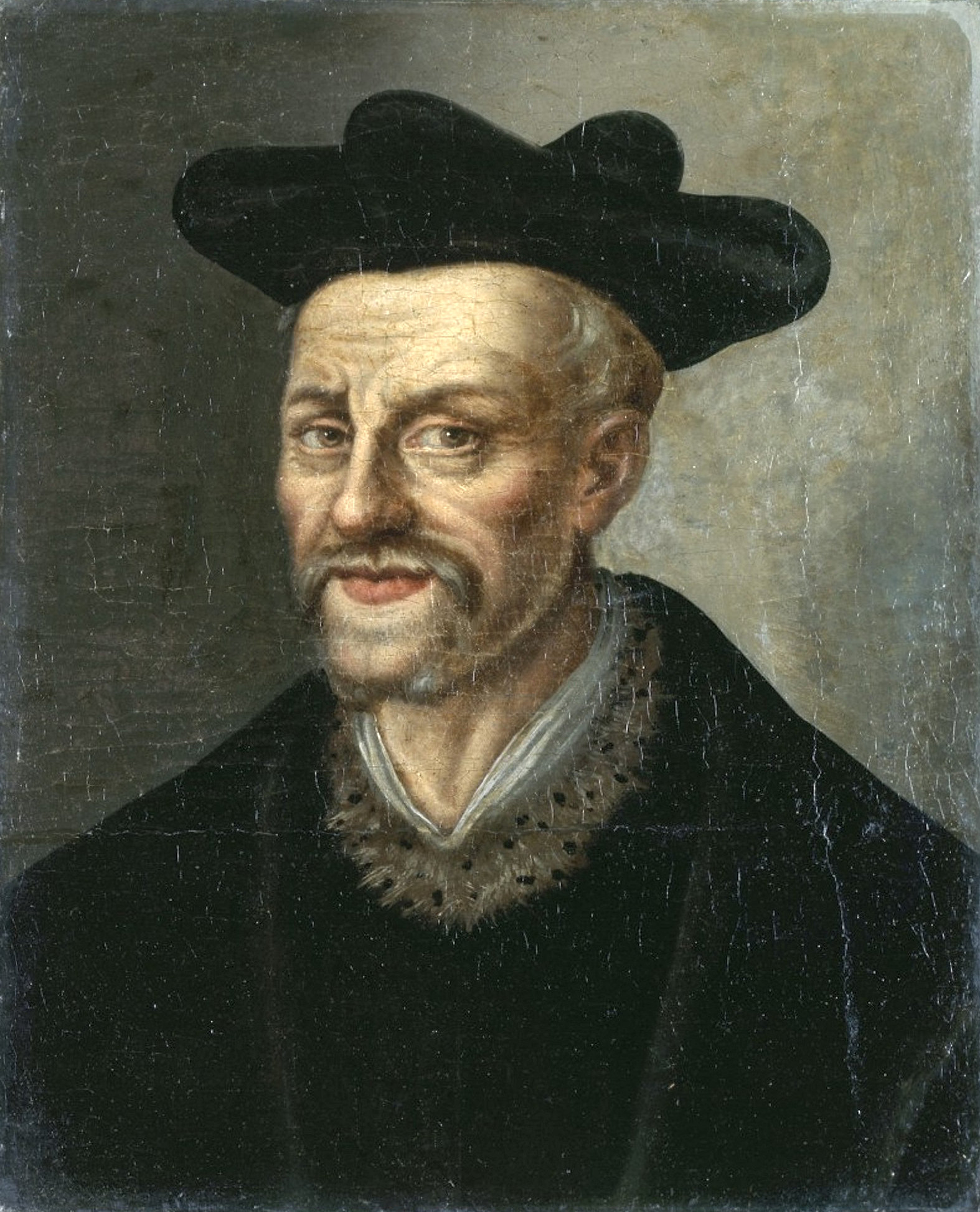
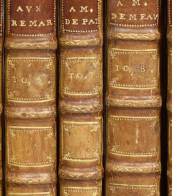
François Rabelais was a French Renaissance writer, physician, Renaissance humanist, monk and Greek scholar. He is primarily known as a writer of satire, of the grotesque, and of bawdy jokes and songs.
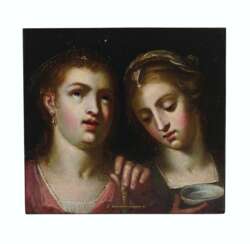

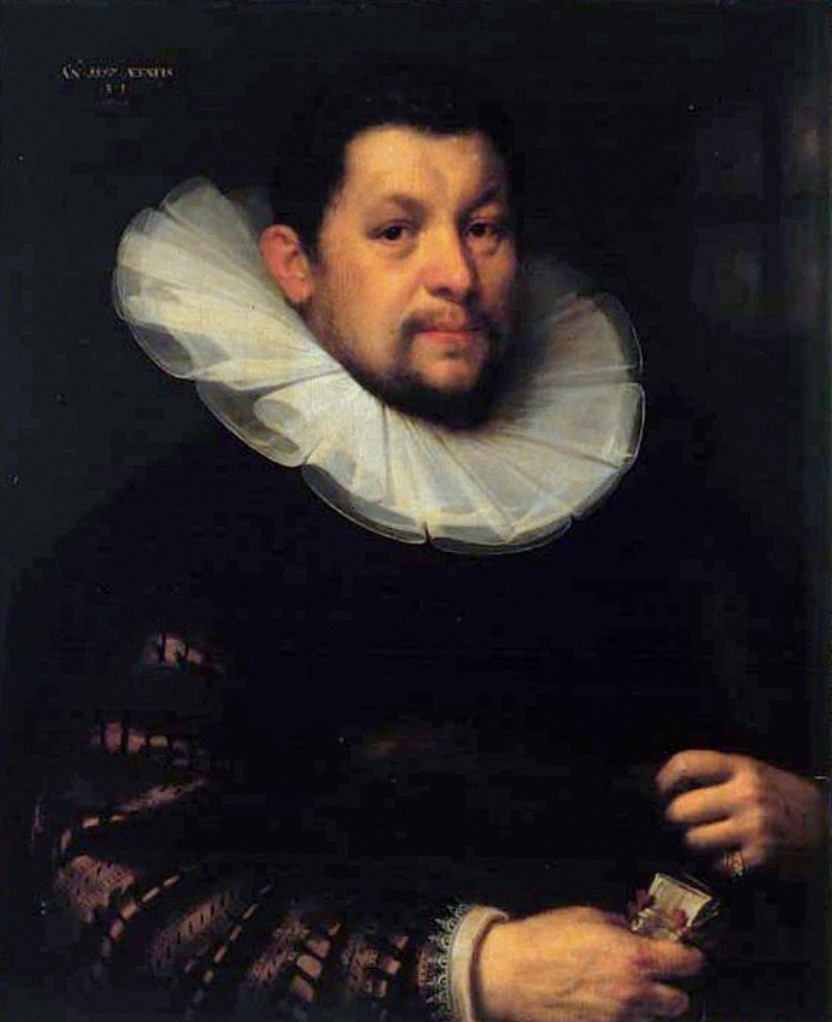
Gortzius Geldorp was a Flemish Renaissance painter who painted mainly portraits, including group portraits, and historical scenes. The painter Georg Geldorp was his son, who worked in England.


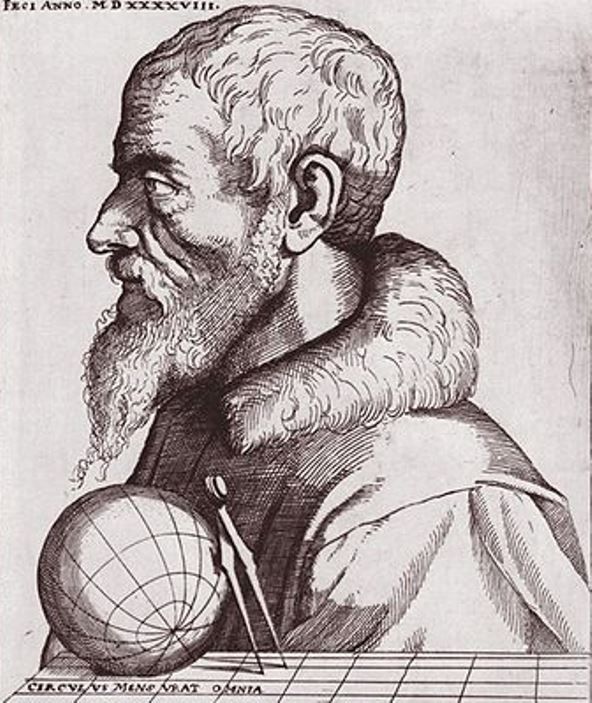
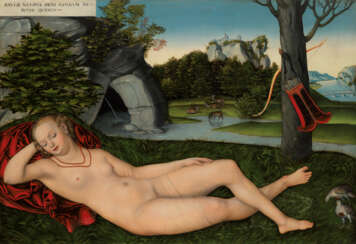

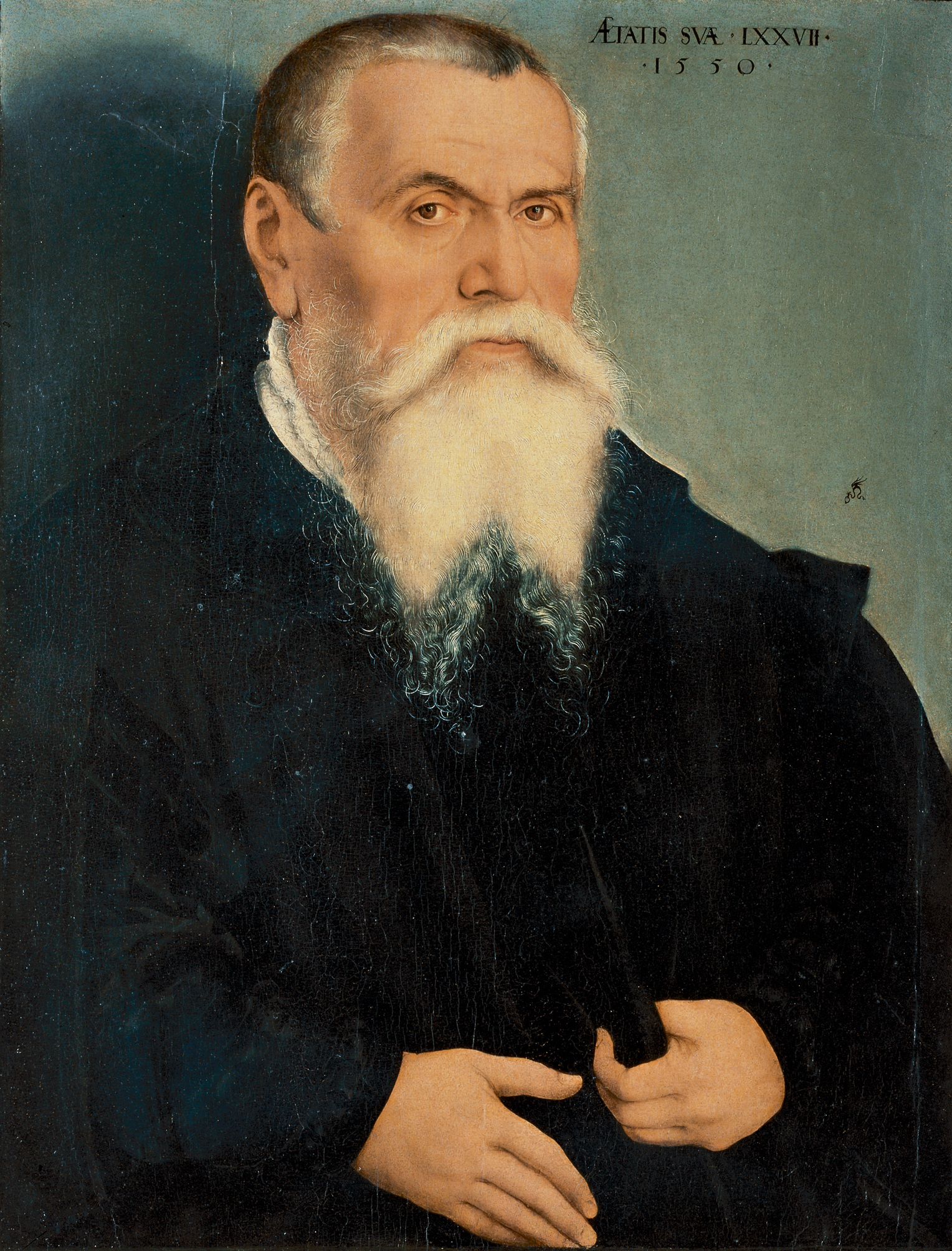
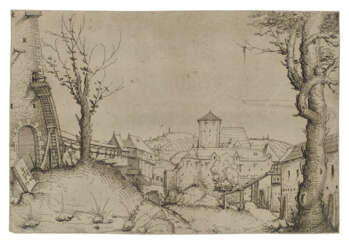
Lucas Cranach the Elder was a pivotal figure in German Renaissance art. As a leading painter of Saxony, his influence spanned across the 16th century, making significant contributions through his paintings, woodcuts, and engravings. His artistic journey began under the tutelage of his father, Hans Maler, and saw him becoming court painter to the Elector of Saxony, where he produced a vast array of works including altarpieces, court portraits, and notably, portraits of Protestant Reformers.
Cranach's artistry was not confined to any single genre. He was renowned for his portraits of the aristocracy, deeply symbolic religious paintings, and engaging mythological scenes. His ability to capture the essence of the Protestant Reformation, notably through his portraits of Martin Luther, showcases his close connection to the movement and his role as a key figure in conveying its ideals through art.
A significant part of Cranach's legacy is his workshop in Wittenberg, which was a hub of artistic production. This workshop produced numerous works that bore his distinctive winged serpent signature, a mark of quality and innovation in the art of the period. Cranach's workshop was known for its efficient operation, enabling the production of a large volume of works that catered to the high demand of his time.
For collectors and experts in art and antiques, Lucas Cranach the Elder's work represents an intriguing intersection of art, culture, and history. His contributions to Renaissance art and his unique portrayal of religious and mythological themes continue to captivate audiences, making his work highly sought after in the world of art collection.
To explore more about Lucas Cranach the Elder's fascinating contributions to art and to stay updated on new discoveries or auction events related to his works, consider signing up for specialized updates. This subscription is designed for enthusiasts keen on delving deeper into the rich tapestry of Renaissance art and history, ensuring they remain well-informed of relevant sales and scholarly insights.


François Rabelais was a French Renaissance writer, physician, Renaissance humanist, monk and Greek scholar. He is primarily known as a writer of satire, of the grotesque, and of bawdy jokes and songs.


Lucas Cranach the Elder was a pivotal figure in German Renaissance art. As a leading painter of Saxony, his influence spanned across the 16th century, making significant contributions through his paintings, woodcuts, and engravings. His artistic journey began under the tutelage of his father, Hans Maler, and saw him becoming court painter to the Elector of Saxony, where he produced a vast array of works including altarpieces, court portraits, and notably, portraits of Protestant Reformers.
Cranach's artistry was not confined to any single genre. He was renowned for his portraits of the aristocracy, deeply symbolic religious paintings, and engaging mythological scenes. His ability to capture the essence of the Protestant Reformation, notably through his portraits of Martin Luther, showcases his close connection to the movement and his role as a key figure in conveying its ideals through art.
A significant part of Cranach's legacy is his workshop in Wittenberg, which was a hub of artistic production. This workshop produced numerous works that bore his distinctive winged serpent signature, a mark of quality and innovation in the art of the period. Cranach's workshop was known for its efficient operation, enabling the production of a large volume of works that catered to the high demand of his time.
For collectors and experts in art and antiques, Lucas Cranach the Elder's work represents an intriguing intersection of art, culture, and history. His contributions to Renaissance art and his unique portrayal of religious and mythological themes continue to captivate audiences, making his work highly sought after in the world of art collection.
To explore more about Lucas Cranach the Elder's fascinating contributions to art and to stay updated on new discoveries or auction events related to his works, consider signing up for specialized updates. This subscription is designed for enthusiasts keen on delving deeper into the rich tapestry of Renaissance art and history, ensuring they remain well-informed of relevant sales and scholarly insights.
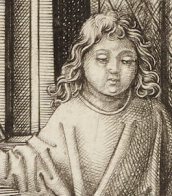
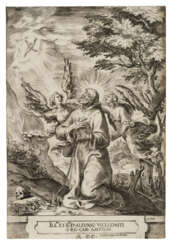

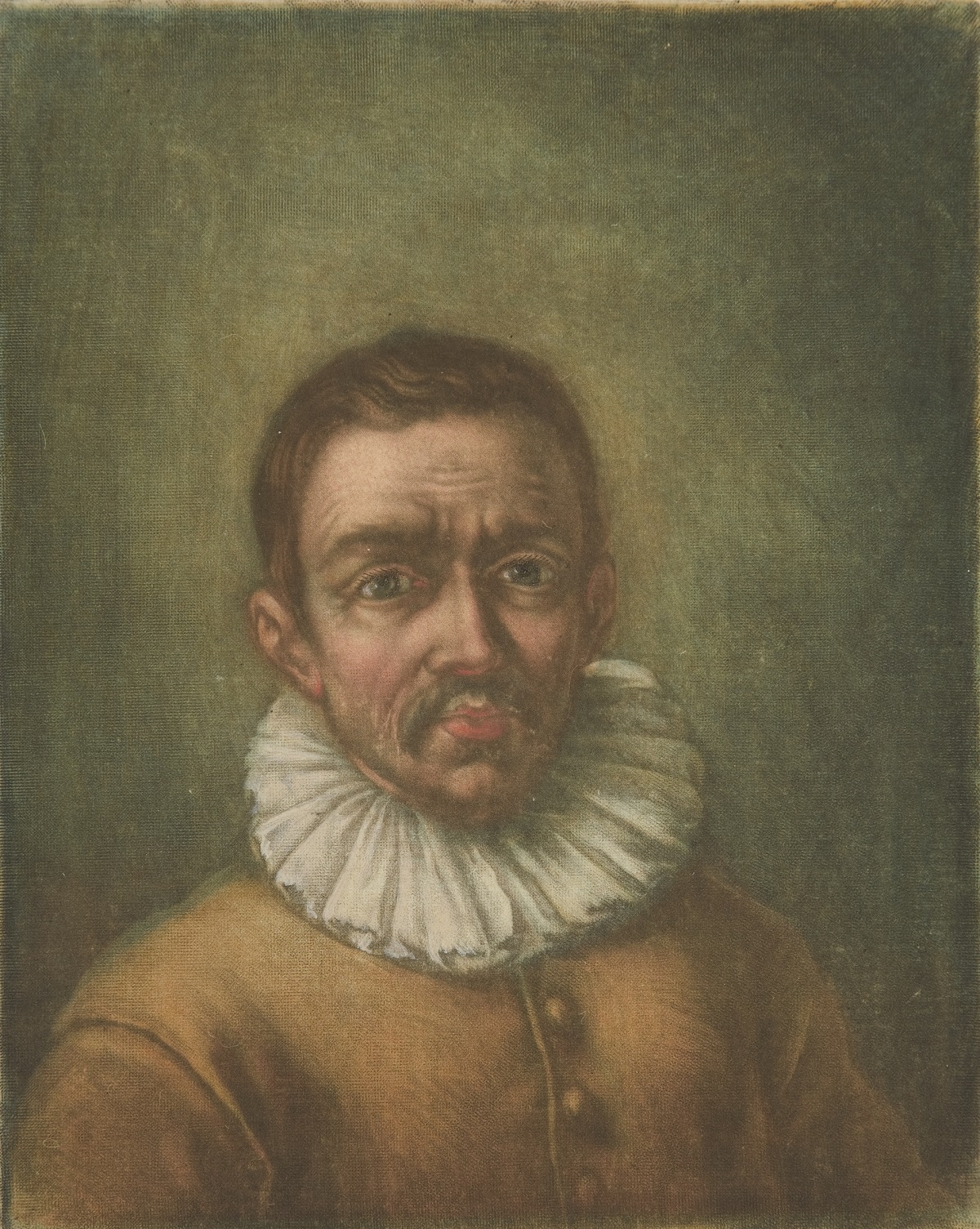
Cherubino Alberti, also called Borghegiano, was an Italian engraver and painter. He is most often remembered for the Roman frescoes completed with his brother Giovanni Alberti during the papacy of Clement VIII. He was most prolific as an engraver of copper plates.
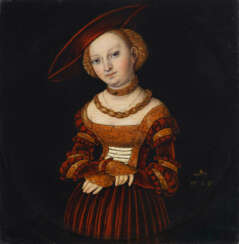

Lucas Cranach the Elder was a pivotal figure in German Renaissance art. As a leading painter of Saxony, his influence spanned across the 16th century, making significant contributions through his paintings, woodcuts, and engravings. His artistic journey began under the tutelage of his father, Hans Maler, and saw him becoming court painter to the Elector of Saxony, where he produced a vast array of works including altarpieces, court portraits, and notably, portraits of Protestant Reformers.
Cranach's artistry was not confined to any single genre. He was renowned for his portraits of the aristocracy, deeply symbolic religious paintings, and engaging mythological scenes. His ability to capture the essence of the Protestant Reformation, notably through his portraits of Martin Luther, showcases his close connection to the movement and his role as a key figure in conveying its ideals through art.
A significant part of Cranach's legacy is his workshop in Wittenberg, which was a hub of artistic production. This workshop produced numerous works that bore his distinctive winged serpent signature, a mark of quality and innovation in the art of the period. Cranach's workshop was known for its efficient operation, enabling the production of a large volume of works that catered to the high demand of his time.
For collectors and experts in art and antiques, Lucas Cranach the Elder's work represents an intriguing intersection of art, culture, and history. His contributions to Renaissance art and his unique portrayal of religious and mythological themes continue to captivate audiences, making his work highly sought after in the world of art collection.
To explore more about Lucas Cranach the Elder's fascinating contributions to art and to stay updated on new discoveries or auction events related to his works, consider signing up for specialized updates. This subscription is designed for enthusiasts keen on delving deeper into the rich tapestry of Renaissance art and history, ensuring they remain well-informed of relevant sales and scholarly insights.
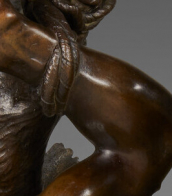


François Rabelais was a French Renaissance writer, physician, Renaissance humanist, monk and Greek scholar. He is primarily known as a writer of satire, of the grotesque, and of bawdy jokes and songs.
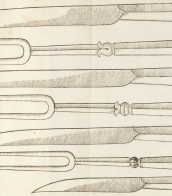
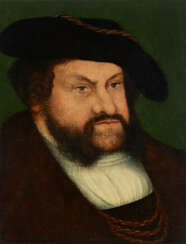

Lucas Cranach the Elder was a pivotal figure in German Renaissance art. As a leading painter of Saxony, his influence spanned across the 16th century, making significant contributions through his paintings, woodcuts, and engravings. His artistic journey began under the tutelage of his father, Hans Maler, and saw him becoming court painter to the Elector of Saxony, where he produced a vast array of works including altarpieces, court portraits, and notably, portraits of Protestant Reformers.
Cranach's artistry was not confined to any single genre. He was renowned for his portraits of the aristocracy, deeply symbolic religious paintings, and engaging mythological scenes. His ability to capture the essence of the Protestant Reformation, notably through his portraits of Martin Luther, showcases his close connection to the movement and his role as a key figure in conveying its ideals through art.
A significant part of Cranach's legacy is his workshop in Wittenberg, which was a hub of artistic production. This workshop produced numerous works that bore his distinctive winged serpent signature, a mark of quality and innovation in the art of the period. Cranach's workshop was known for its efficient operation, enabling the production of a large volume of works that catered to the high demand of his time.
For collectors and experts in art and antiques, Lucas Cranach the Elder's work represents an intriguing intersection of art, culture, and history. His contributions to Renaissance art and his unique portrayal of religious and mythological themes continue to captivate audiences, making his work highly sought after in the world of art collection.
To explore more about Lucas Cranach the Elder's fascinating contributions to art and to stay updated on new discoveries or auction events related to his works, consider signing up for specialized updates. This subscription is designed for enthusiasts keen on delving deeper into the rich tapestry of Renaissance art and history, ensuring they remain well-informed of relevant sales and scholarly insights.

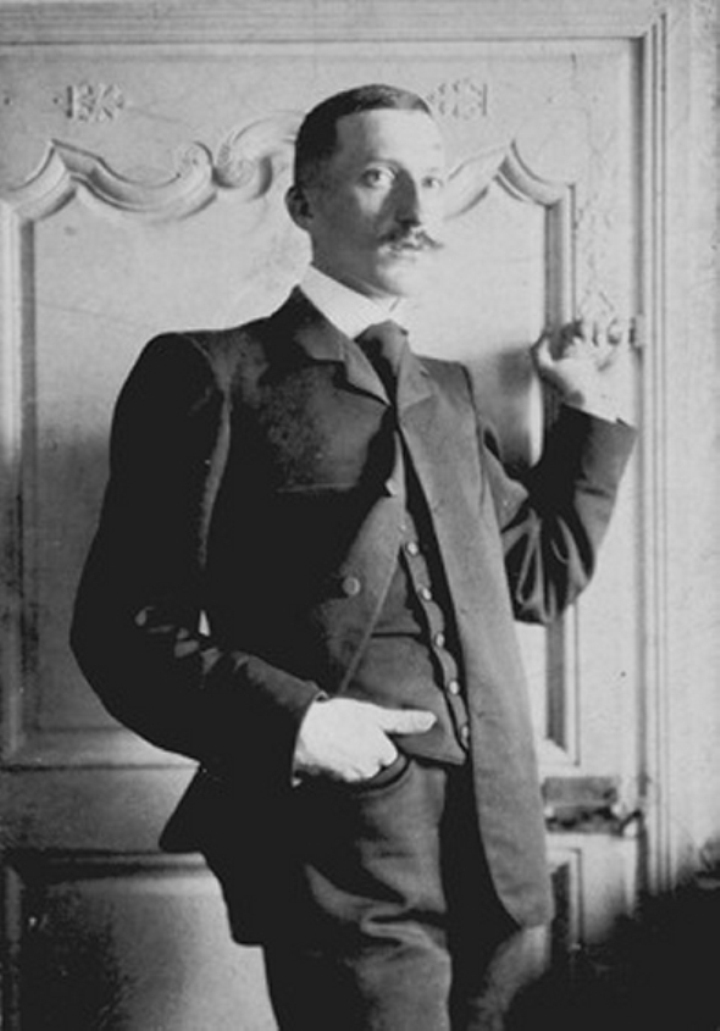
André Derain was a French artist, renowned as a painter, sculptor, and a pivotal figure in the development of Fauvism alongside Henri Matisse. Born on June 10, 1880, in Chatou, Yvelines, just outside Paris, Derain's artistic journey began in his youth. Despite initially studying to become an engineer, his passion for art led him to the Académie Julian and to acquaintances with notable artists like Matisse and Maurice de Vlaminck.
Derain's work, especially his paintings, is celebrated for its vibrant, expressive use of color and innovative compositions. His contributions to Fauvism, a movement characterized by the use of bold, non-naturalistic colors, marked a significant shift in the art world. The Fauvist period, particularly his collaboration with Matisse in the summer of 1905 in Collioure, culminated in works that were distinguished by their startling hues and wild brushwork, earning them the nickname "the wild beasts" or "les Fauves."
A notable period in Derain's career was his time in London in 1906, commissioned by art dealer Ambroise Vollard. His London series, including views of the Thames and Tower Bridge, are celebrated for their unique perspective and use of color, differing significantly from the traditional depictions of the city by artists like Whistler or Monet. These works stand out for their Pointillist influence and the effective conveyance of light and movement.
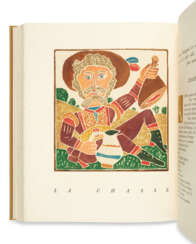
Derain's artistic evolution continued as he experimented with Cubism and was influenced by African art, as seen in his primitivist woodcuts for Guillaume Apollinaire's book "L'enchanteur pourrissant" (1909). His career, however, was not without controversy, particularly during World War II, when he was perceived as a collaborator due to his interactions with the Germans.
Despite the challenges and transformations in his career, André Derain left an indelible mark on the art world. His works are held in prestigious collections worldwide, including the Musée Cantini in Marseille and the Musée d'art moderne de Troyes. Derain's contribution to modern art, particularly through Fauvism, remains a subject of admiration and study among art collectors and experts.
If you're captivated by the artistic journey and pioneering spirit of André Derain, don't miss the opportunity to stay updated on his legacy. Sign up now to receive exclusive alerts on new product sales and auction events related to André Derain's work. Embrace your passion for art and culture, and ensure you're always informed about the latest offerings and unique pieces linked to this iconic artist.
François Rabelais was a French Renaissance writer, physician, Renaissance humanist, monk and Greek scholar. He is primarily known as a writer of satire, of the grotesque, and of bawdy jokes and songs.

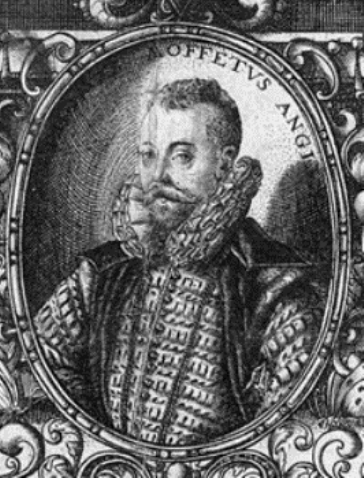
Thomas Moffet was a British naturalist-naturalist and physician.
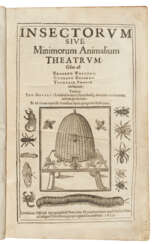
After receiving his MD degree in 1580, Thomas Moffet studied the anatomy of the mulberry silkworm in Italy, then returned to England to study arthropods in general, especially spiders. He edited and expanded the work Insectorum sive Minimorum Animalium Theatrum ("Insect Theater"), an illustrated guide to the classification and life of insects.
Moffet was also an ardent supporter of the Paracelsian system of medicine.
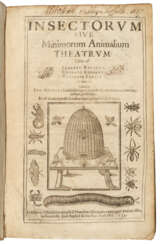

Thomas Moffet was a British naturalist-naturalist and physician.
After receiving his MD degree in 1580, Thomas Moffet studied the anatomy of the mulberry silkworm in Italy, then returned to England to study arthropods in general, especially spiders. He edited and expanded the work Insectorum sive Minimorum Animalium Theatrum ("Insect Theater"), an illustrated guide to the classification and life of insects.
Moffet was also an ardent supporter of the Paracelsian system of medicine.
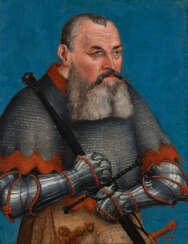

Lucas Cranach the Elder was a pivotal figure in German Renaissance art. As a leading painter of Saxony, his influence spanned across the 16th century, making significant contributions through his paintings, woodcuts, and engravings. His artistic journey began under the tutelage of his father, Hans Maler, and saw him becoming court painter to the Elector of Saxony, where he produced a vast array of works including altarpieces, court portraits, and notably, portraits of Protestant Reformers.
Cranach's artistry was not confined to any single genre. He was renowned for his portraits of the aristocracy, deeply symbolic religious paintings, and engaging mythological scenes. His ability to capture the essence of the Protestant Reformation, notably through his portraits of Martin Luther, showcases his close connection to the movement and his role as a key figure in conveying its ideals through art.
A significant part of Cranach's legacy is his workshop in Wittenberg, which was a hub of artistic production. This workshop produced numerous works that bore his distinctive winged serpent signature, a mark of quality and innovation in the art of the period. Cranach's workshop was known for its efficient operation, enabling the production of a large volume of works that catered to the high demand of his time.
For collectors and experts in art and antiques, Lucas Cranach the Elder's work represents an intriguing intersection of art, culture, and history. His contributions to Renaissance art and his unique portrayal of religious and mythological themes continue to captivate audiences, making his work highly sought after in the world of art collection.
To explore more about Lucas Cranach the Elder's fascinating contributions to art and to stay updated on new discoveries or auction events related to his works, consider signing up for specialized updates. This subscription is designed for enthusiasts keen on delving deeper into the rich tapestry of Renaissance art and history, ensuring they remain well-informed of relevant sales and scholarly insights.
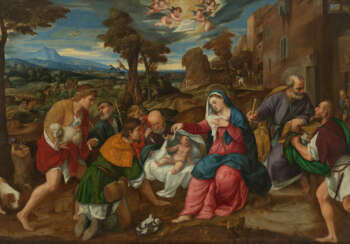

Bonifacio Veronese, a Venetian painter born in 1487 and active until his death in 1553, was a masterful exponent of the High Renaissance style. His work, deeply rooted in the rich art and culture of Venice, exemplified the era's fascination with color, light, and religious themes.
Bonifacio's paintings are celebrated for their vivid portrayal of religious narratives, often infused with a sense of grace and serenity. His use of vibrant colors and ability to create depth and emotion through his characters set him apart from his contemporaries. One of his notable works, the "Virgin and Child with Saints," showcases his skill in composition and his delicate treatment of figures and landscapes.
His contributions to Venetian painting were significant, helping to shape the course of art history during a period teeming with artistic innovation. Bonifacio's works, found in various museums and galleries, offer a glimpse into the artistic fervor that characterized Venice during the Renaissance.
For collectors and connoisseurs, Bonifacio Veronese's art represents a pivotal chapter in the history of painting. His mastery in depicting religious themes with a unique blend of realism and emotion makes his works a valuable addition to any collection.
To stay informed about upcoming sales and auction events featuring Bonifacio Veronese's works, sign up for our updates. This service ensures you receive timely information on new acquisitions and opportunities to add to your collection, focusing exclusively on Bonifacio Veronese's art.
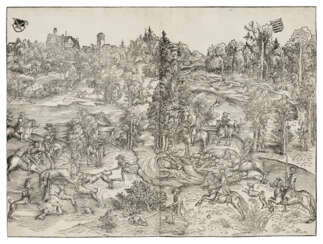

Lucas Cranach the Elder was a pivotal figure in German Renaissance art. As a leading painter of Saxony, his influence spanned across the 16th century, making significant contributions through his paintings, woodcuts, and engravings. His artistic journey began under the tutelage of his father, Hans Maler, and saw him becoming court painter to the Elector of Saxony, where he produced a vast array of works including altarpieces, court portraits, and notably, portraits of Protestant Reformers.
Cranach's artistry was not confined to any single genre. He was renowned for his portraits of the aristocracy, deeply symbolic religious paintings, and engaging mythological scenes. His ability to capture the essence of the Protestant Reformation, notably through his portraits of Martin Luther, showcases his close connection to the movement and his role as a key figure in conveying its ideals through art.
A significant part of Cranach's legacy is his workshop in Wittenberg, which was a hub of artistic production. This workshop produced numerous works that bore his distinctive winged serpent signature, a mark of quality and innovation in the art of the period. Cranach's workshop was known for its efficient operation, enabling the production of a large volume of works that catered to the high demand of his time.
For collectors and experts in art and antiques, Lucas Cranach the Elder's work represents an intriguing intersection of art, culture, and history. His contributions to Renaissance art and his unique portrayal of religious and mythological themes continue to captivate audiences, making his work highly sought after in the world of art collection.
To explore more about Lucas Cranach the Elder's fascinating contributions to art and to stay updated on new discoveries or auction events related to his works, consider signing up for specialized updates. This subscription is designed for enthusiasts keen on delving deeper into the rich tapestry of Renaissance art and history, ensuring they remain well-informed of relevant sales and scholarly insights.
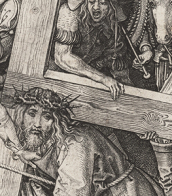
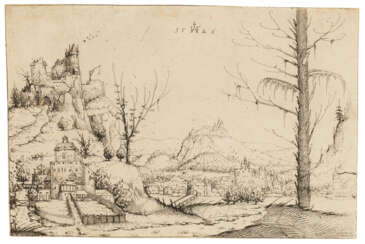

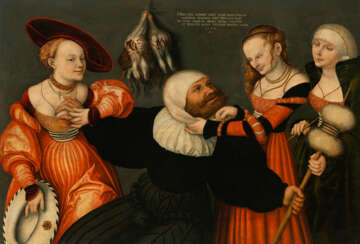

Lucas Cranach the Elder was a pivotal figure in German Renaissance art. As a leading painter of Saxony, his influence spanned across the 16th century, making significant contributions through his paintings, woodcuts, and engravings. His artistic journey began under the tutelage of his father, Hans Maler, and saw him becoming court painter to the Elector of Saxony, where he produced a vast array of works including altarpieces, court portraits, and notably, portraits of Protestant Reformers.
Cranach's artistry was not confined to any single genre. He was renowned for his portraits of the aristocracy, deeply symbolic religious paintings, and engaging mythological scenes. His ability to capture the essence of the Protestant Reformation, notably through his portraits of Martin Luther, showcases his close connection to the movement and his role as a key figure in conveying its ideals through art.
A significant part of Cranach's legacy is his workshop in Wittenberg, which was a hub of artistic production. This workshop produced numerous works that bore his distinctive winged serpent signature, a mark of quality and innovation in the art of the period. Cranach's workshop was known for its efficient operation, enabling the production of a large volume of works that catered to the high demand of his time.
For collectors and experts in art and antiques, Lucas Cranach the Elder's work represents an intriguing intersection of art, culture, and history. His contributions to Renaissance art and his unique portrayal of religious and mythological themes continue to captivate audiences, making his work highly sought after in the world of art collection.
To explore more about Lucas Cranach the Elder's fascinating contributions to art and to stay updated on new discoveries or auction events related to his works, consider signing up for specialized updates. This subscription is designed for enthusiasts keen on delving deeper into the rich tapestry of Renaissance art and history, ensuring they remain well-informed of relevant sales and scholarly insights.
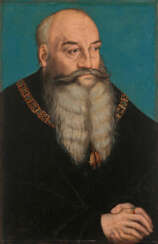

Lucas Cranach the Elder was a pivotal figure in German Renaissance art. As a leading painter of Saxony, his influence spanned across the 16th century, making significant contributions through his paintings, woodcuts, and engravings. His artistic journey began under the tutelage of his father, Hans Maler, and saw him becoming court painter to the Elector of Saxony, where he produced a vast array of works including altarpieces, court portraits, and notably, portraits of Protestant Reformers.
Cranach's artistry was not confined to any single genre. He was renowned for his portraits of the aristocracy, deeply symbolic religious paintings, and engaging mythological scenes. His ability to capture the essence of the Protestant Reformation, notably through his portraits of Martin Luther, showcases his close connection to the movement and his role as a key figure in conveying its ideals through art.
A significant part of Cranach's legacy is his workshop in Wittenberg, which was a hub of artistic production. This workshop produced numerous works that bore his distinctive winged serpent signature, a mark of quality and innovation in the art of the period. Cranach's workshop was known for its efficient operation, enabling the production of a large volume of works that catered to the high demand of his time.
For collectors and experts in art and antiques, Lucas Cranach the Elder's work represents an intriguing intersection of art, culture, and history. His contributions to Renaissance art and his unique portrayal of religious and mythological themes continue to captivate audiences, making his work highly sought after in the world of art collection.
To explore more about Lucas Cranach the Elder's fascinating contributions to art and to stay updated on new discoveries or auction events related to his works, consider signing up for specialized updates. This subscription is designed for enthusiasts keen on delving deeper into the rich tapestry of Renaissance art and history, ensuring they remain well-informed of relevant sales and scholarly insights.
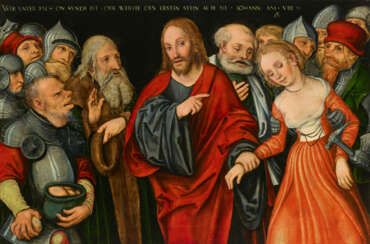

Lucas Cranach the Elder was a pivotal figure in German Renaissance art. As a leading painter of Saxony, his influence spanned across the 16th century, making significant contributions through his paintings, woodcuts, and engravings. His artistic journey began under the tutelage of his father, Hans Maler, and saw him becoming court painter to the Elector of Saxony, where he produced a vast array of works including altarpieces, court portraits, and notably, portraits of Protestant Reformers.
Cranach's artistry was not confined to any single genre. He was renowned for his portraits of the aristocracy, deeply symbolic religious paintings, and engaging mythological scenes. His ability to capture the essence of the Protestant Reformation, notably through his portraits of Martin Luther, showcases his close connection to the movement and his role as a key figure in conveying its ideals through art.
A significant part of Cranach's legacy is his workshop in Wittenberg, which was a hub of artistic production. This workshop produced numerous works that bore his distinctive winged serpent signature, a mark of quality and innovation in the art of the period. Cranach's workshop was known for its efficient operation, enabling the production of a large volume of works that catered to the high demand of his time.
For collectors and experts in art and antiques, Lucas Cranach the Elder's work represents an intriguing intersection of art, culture, and history. His contributions to Renaissance art and his unique portrayal of religious and mythological themes continue to captivate audiences, making his work highly sought after in the world of art collection.
To explore more about Lucas Cranach the Elder's fascinating contributions to art and to stay updated on new discoveries or auction events related to his works, consider signing up for specialized updates. This subscription is designed for enthusiasts keen on delving deeper into the rich tapestry of Renaissance art and history, ensuring they remain well-informed of relevant sales and scholarly insights.
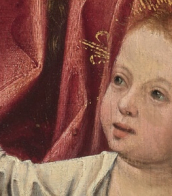


Lucas Cranach the Elder was a pivotal figure in German Renaissance art. As a leading painter of Saxony, his influence spanned across the 16th century, making significant contributions through his paintings, woodcuts, and engravings. His artistic journey began under the tutelage of his father, Hans Maler, and saw him becoming court painter to the Elector of Saxony, where he produced a vast array of works including altarpieces, court portraits, and notably, portraits of Protestant Reformers.
Cranach's artistry was not confined to any single genre. He was renowned for his portraits of the aristocracy, deeply symbolic religious paintings, and engaging mythological scenes. His ability to capture the essence of the Protestant Reformation, notably through his portraits of Martin Luther, showcases his close connection to the movement and his role as a key figure in conveying its ideals through art.
A significant part of Cranach's legacy is his workshop in Wittenberg, which was a hub of artistic production. This workshop produced numerous works that bore his distinctive winged serpent signature, a mark of quality and innovation in the art of the period. Cranach's workshop was known for its efficient operation, enabling the production of a large volume of works that catered to the high demand of his time.
For collectors and experts in art and antiques, Lucas Cranach the Elder's work represents an intriguing intersection of art, culture, and history. His contributions to Renaissance art and his unique portrayal of religious and mythological themes continue to captivate audiences, making his work highly sought after in the world of art collection.
To explore more about Lucas Cranach the Elder's fascinating contributions to art and to stay updated on new discoveries or auction events related to his works, consider signing up for specialized updates. This subscription is designed for enthusiasts keen on delving deeper into the rich tapestry of Renaissance art and history, ensuring they remain well-informed of relevant sales and scholarly insights.
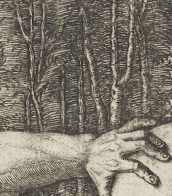


Lucas Cranach the Elder was a pivotal figure in German Renaissance art. As a leading painter of Saxony, his influence spanned across the 16th century, making significant contributions through his paintings, woodcuts, and engravings. His artistic journey began under the tutelage of his father, Hans Maler, and saw him becoming court painter to the Elector of Saxony, where he produced a vast array of works including altarpieces, court portraits, and notably, portraits of Protestant Reformers.
Cranach's artistry was not confined to any single genre. He was renowned for his portraits of the aristocracy, deeply symbolic religious paintings, and engaging mythological scenes. His ability to capture the essence of the Protestant Reformation, notably through his portraits of Martin Luther, showcases his close connection to the movement and his role as a key figure in conveying its ideals through art.
A significant part of Cranach's legacy is his workshop in Wittenberg, which was a hub of artistic production. This workshop produced numerous works that bore his distinctive winged serpent signature, a mark of quality and innovation in the art of the period. Cranach's workshop was known for its efficient operation, enabling the production of a large volume of works that catered to the high demand of his time.
For collectors and experts in art and antiques, Lucas Cranach the Elder's work represents an intriguing intersection of art, culture, and history. His contributions to Renaissance art and his unique portrayal of religious and mythological themes continue to captivate audiences, making his work highly sought after in the world of art collection.
To explore more about Lucas Cranach the Elder's fascinating contributions to art and to stay updated on new discoveries or auction events related to his works, consider signing up for specialized updates. This subscription is designed for enthusiasts keen on delving deeper into the rich tapestry of Renaissance art and history, ensuring they remain well-informed of relevant sales and scholarly insights.


Lucas Cranach the Elder was a pivotal figure in German Renaissance art. As a leading painter of Saxony, his influence spanned across the 16th century, making significant contributions through his paintings, woodcuts, and engravings. His artistic journey began under the tutelage of his father, Hans Maler, and saw him becoming court painter to the Elector of Saxony, where he produced a vast array of works including altarpieces, court portraits, and notably, portraits of Protestant Reformers.
Cranach's artistry was not confined to any single genre. He was renowned for his portraits of the aristocracy, deeply symbolic religious paintings, and engaging mythological scenes. His ability to capture the essence of the Protestant Reformation, notably through his portraits of Martin Luther, showcases his close connection to the movement and his role as a key figure in conveying its ideals through art.
A significant part of Cranach's legacy is his workshop in Wittenberg, which was a hub of artistic production. This workshop produced numerous works that bore his distinctive winged serpent signature, a mark of quality and innovation in the art of the period. Cranach's workshop was known for its efficient operation, enabling the production of a large volume of works that catered to the high demand of his time.
For collectors and experts in art and antiques, Lucas Cranach the Elder's work represents an intriguing intersection of art, culture, and history. His contributions to Renaissance art and his unique portrayal of religious and mythological themes continue to captivate audiences, making his work highly sought after in the world of art collection.
To explore more about Lucas Cranach the Elder's fascinating contributions to art and to stay updated on new discoveries or auction events related to his works, consider signing up for specialized updates. This subscription is designed for enthusiasts keen on delving deeper into the rich tapestry of Renaissance art and history, ensuring they remain well-informed of relevant sales and scholarly insights.


François Rabelais was a French Renaissance writer, physician, Renaissance humanist, monk and Greek scholar. He is primarily known as a writer of satire, of the grotesque, and of bawdy jokes and songs.