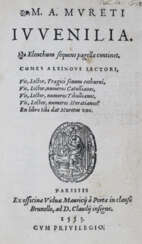
1553



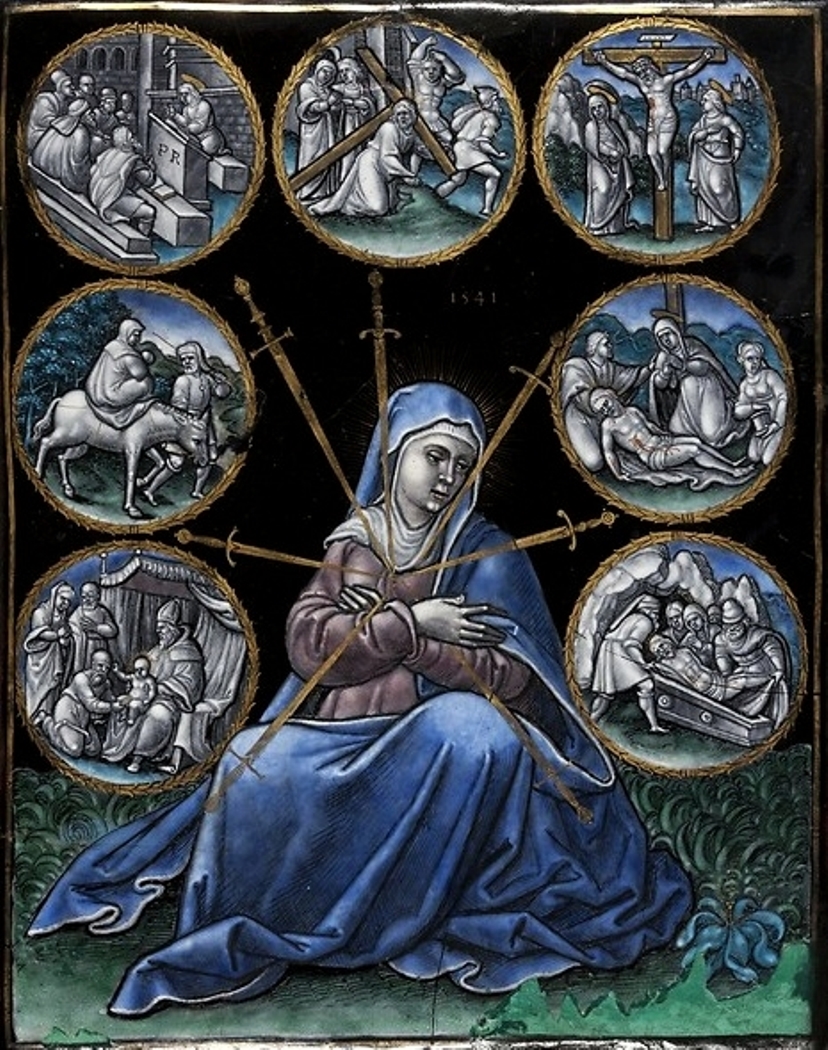
Pierre Reymond was a French painter and enameler.
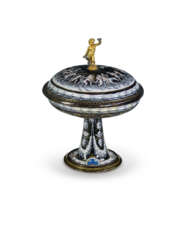
Reymond ran a large workshop in Limoges, where one of his apprentices was Pierre Court. He specialized in tableware decorated with mythological scenes, including cups, plates, bowls and platters.

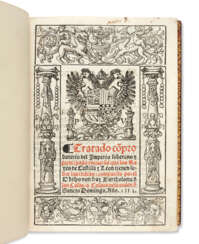




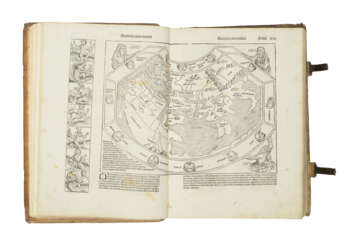

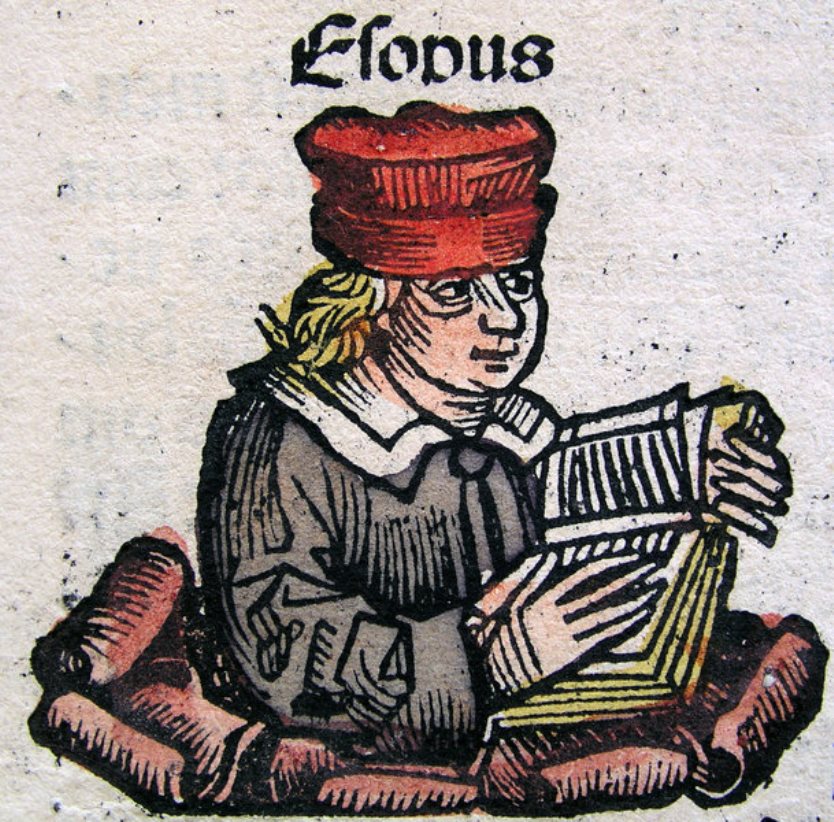
Hartmann Schedel was a German humanist, medical scientist, historian and chronicler.
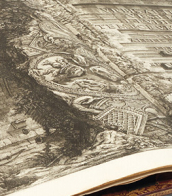
Schedel was the first to compile a world chronicle, the so-called Visual History of the Earth from the Creation of the World to the 1490s, known as Schedelsche Weltchronik (Schedel's World Chronicle). It was published in 1493 in Nuremberg. About 600 woodcuts for this book were created by the artists and engravers Michael Wolgemuth (1434-1519) and Albrecht Dürer (1471-1528). The illustrations depict biblical scenes, family trees, portraits of famous personalities, and fairy tale or legendary creatures. However, the main ones here were maps of the world, Germany and Central Europe.
Hartmann Schedel was one of the first cartographers to use machine printing. He was also a renowned collector of books, artworks and engravings by old masters.









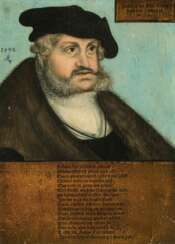





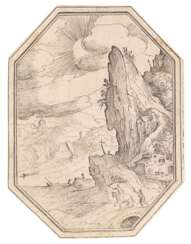















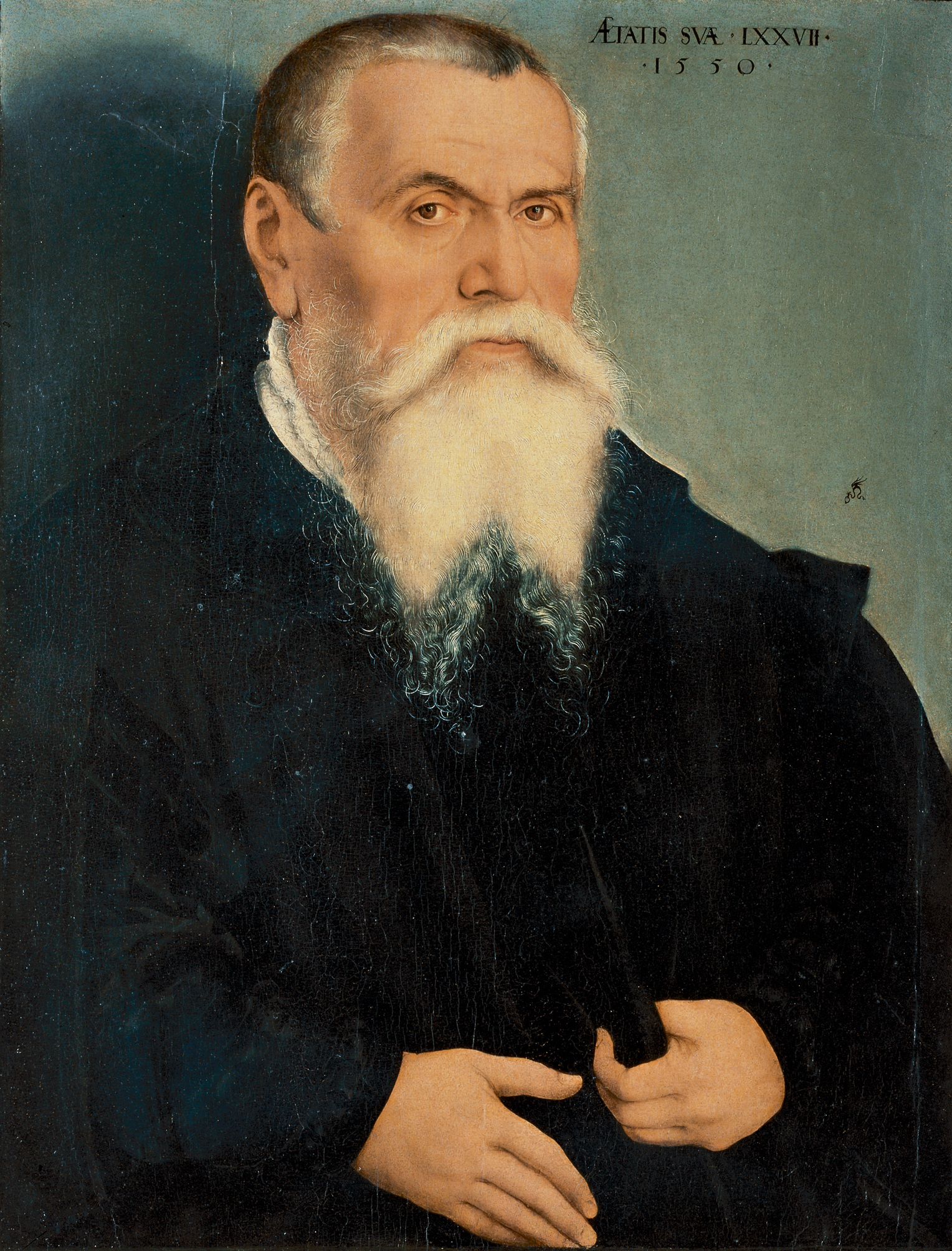
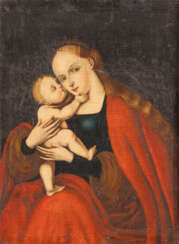
Lucas Cranach the Elder was a pivotal figure in German Renaissance art. As a leading painter of Saxony, his influence spanned across the 16th century, making significant contributions through his paintings, woodcuts, and engravings. His artistic journey began under the tutelage of his father, Hans Maler, and saw him becoming court painter to the Elector of Saxony, where he produced a vast array of works including altarpieces, court portraits, and notably, portraits of Protestant Reformers.
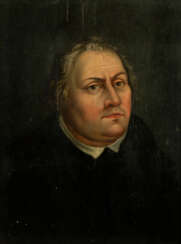
Cranach's artistry was not confined to any single genre. He was renowned for his portraits of the aristocracy, deeply symbolic religious paintings, and engaging mythological scenes. His ability to capture the essence of the Protestant Reformation, notably through his portraits of Martin Luther, showcases his close connection to the movement and his role as a key figure in conveying its ideals through art.
A significant part of Cranach's legacy is his workshop in Wittenberg, which was a hub of artistic production. This workshop produced numerous works that bore his distinctive winged serpent signature, a mark of quality and innovation in the art of the period. Cranach's workshop was known for its efficient operation, enabling the production of a large volume of works that catered to the high demand of his time.
For collectors and experts in art and antiques, Lucas Cranach the Elder's work represents an intriguing intersection of art, culture, and history. His contributions to Renaissance art and his unique portrayal of religious and mythological themes continue to captivate audiences, making his work highly sought after in the world of art collection.
To explore more about Lucas Cranach the Elder's fascinating contributions to art and to stay updated on new discoveries or auction events related to his works, consider signing up for specialized updates. This subscription is designed for enthusiasts keen on delving deeper into the rich tapestry of Renaissance art and history, ensuring they remain well-informed of relevant sales and scholarly insights.


Lucas Cranach the Elder was a pivotal figure in German Renaissance art. As a leading painter of Saxony, his influence spanned across the 16th century, making significant contributions through his paintings, woodcuts, and engravings. His artistic journey began under the tutelage of his father, Hans Maler, and saw him becoming court painter to the Elector of Saxony, where he produced a vast array of works including altarpieces, court portraits, and notably, portraits of Protestant Reformers.
Cranach's artistry was not confined to any single genre. He was renowned for his portraits of the aristocracy, deeply symbolic religious paintings, and engaging mythological scenes. His ability to capture the essence of the Protestant Reformation, notably through his portraits of Martin Luther, showcases his close connection to the movement and his role as a key figure in conveying its ideals through art.
A significant part of Cranach's legacy is his workshop in Wittenberg, which was a hub of artistic production. This workshop produced numerous works that bore his distinctive winged serpent signature, a mark of quality and innovation in the art of the period. Cranach's workshop was known for its efficient operation, enabling the production of a large volume of works that catered to the high demand of his time.
For collectors and experts in art and antiques, Lucas Cranach the Elder's work represents an intriguing intersection of art, culture, and history. His contributions to Renaissance art and his unique portrayal of religious and mythological themes continue to captivate audiences, making his work highly sought after in the world of art collection.
To explore more about Lucas Cranach the Elder's fascinating contributions to art and to stay updated on new discoveries or auction events related to his works, consider signing up for specialized updates. This subscription is designed for enthusiasts keen on delving deeper into the rich tapestry of Renaissance art and history, ensuring they remain well-informed of relevant sales and scholarly insights.