15th&16th c







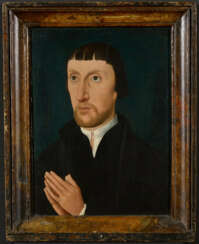

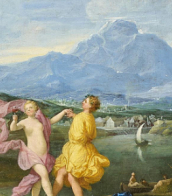



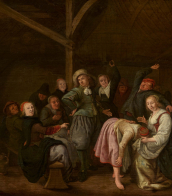
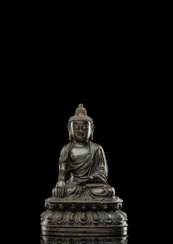

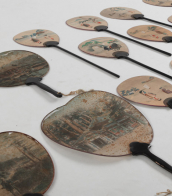
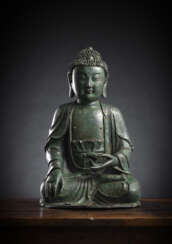





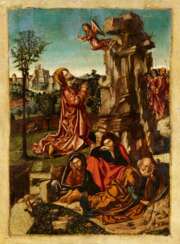



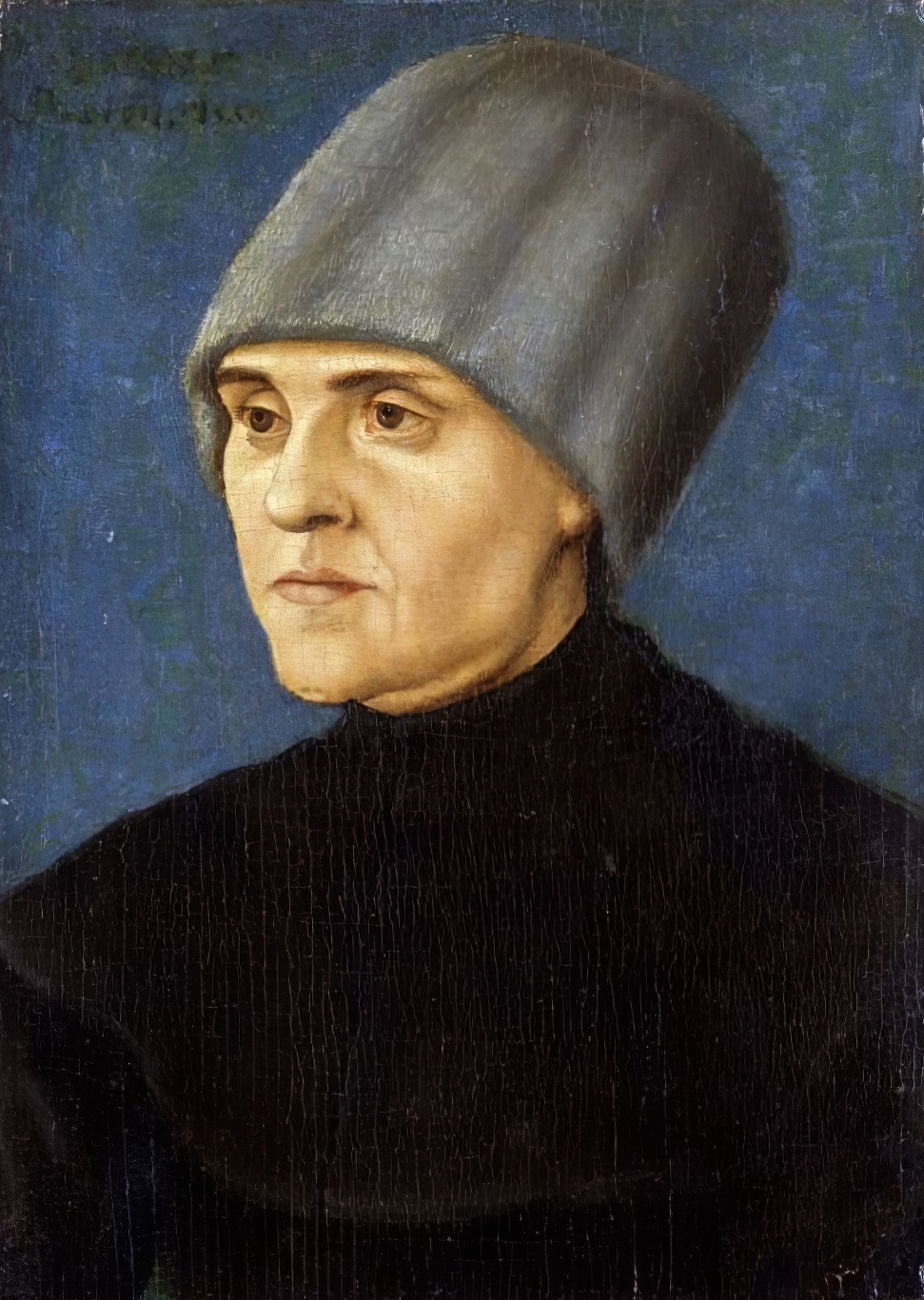
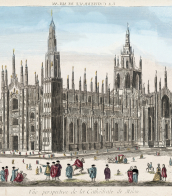
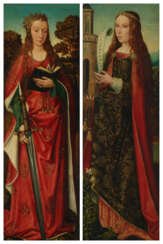
Hans Burgkmair the Elder was a German Renaissance painter, graphic artist and sculptor. He came from a family of painters. He studied painting with Martin Schongauer in Colmar from 1488.
Hans Burgkmayr was a versatile artist, working in various techniques including painting, woodcuts, stained glass designs and tapestries. He was known for his complex and detailed style, which included elements of naturalism and symbolism.
Burgkmayr's paintings often depicted religious and mythological themes, as well as historical events. His style is influenced by the Italian Renaissance, particularly in its attention to anatomical accuracy and use of perspective.
One of Hans Burgkmayr's significant contributions was in the field of engraving. His woodcuts were highly regarded for their technical skill and artistic quality.
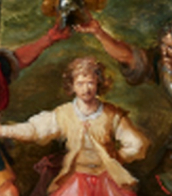
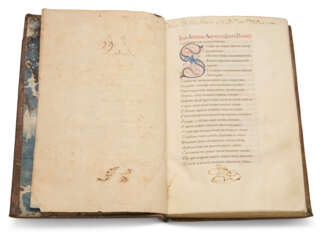
![FIBONACCI, Leonardo [c.1170-c.1250]; BOETHIUS, Anicius Manlius Severinus [c.480-524], GROSSETESTE, Robert [1175-1253]; [DE PULCHRO RIVO, Johannes, attrib.]](/assets/image/picture_2279440/69ac3/5672d49f6fe2176fe5b0465502ca1a9b1657663200jpg__fix_374_244.jpeg)
![FIBONACCI, Leonardo [c.1170-c.1250]; BOETHIUS, Anicius Manlius Severinus [c.480-524], GROSSETESTE, Robert [1175-1253]; [DE PULCHRO RIVO, Johannes, attrib.]](https://veryimportantlot.com/assets/image/picture_2279440/69ac3/5672d49f6fe2176fe5b0465502ca1a9b1657663200jpg__fix_374_244.jpeg)


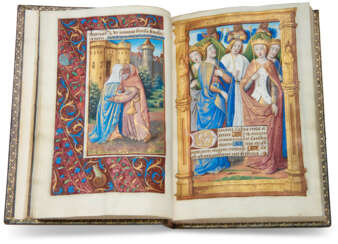

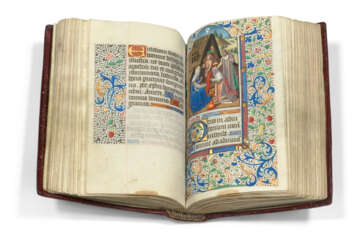

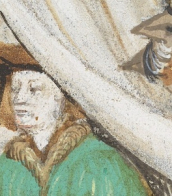
Maître François was a French illustrator who worked in Paris in the 1460s-1480s.
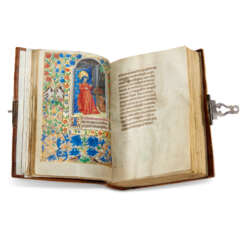
The identity of Maître François as an artist is first mentioned in a letter written by Robert Gauguin in 1473. Most of the prestigious commissions from the court and leading ecclesiastical figures of the time were carried out in François' studio. In Paris in the second half of the fifteenth century, one can trace the predominant style of illumination by the works of Master Jean Rolin, Maître François, and Master Jacques de Besançon. Bibliophiles close to the royal court encouraged the work of miniaturists through private commissions. In particular, Jacques d'Armagnac owned six manuscripts of Maitre Francois and his entourage.
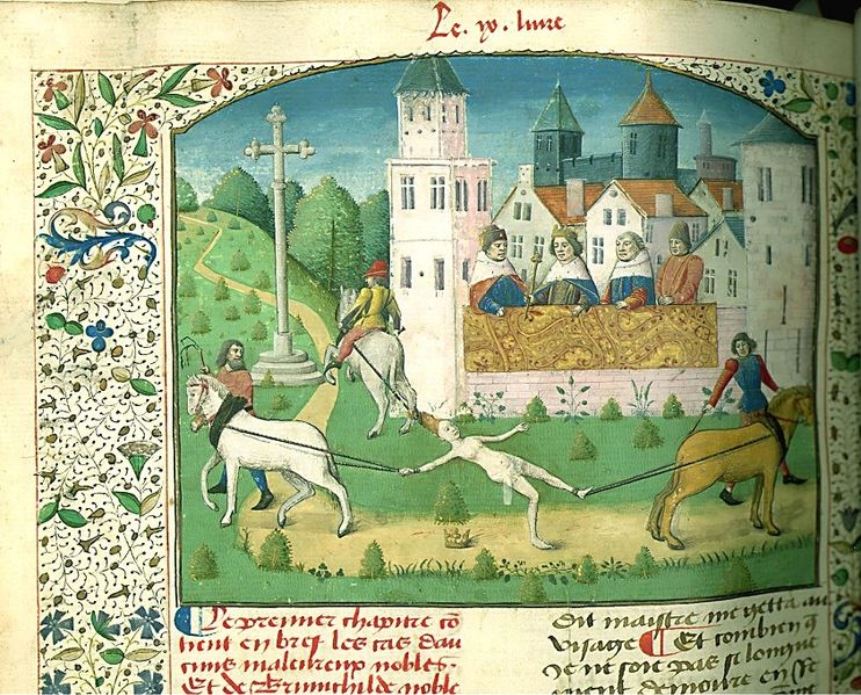
Boccaccio's De casibus virorum illustrium was very popular in the 15th century, where the author retells the fates and downfalls of famous personalities from the Bible, antiquity and medieval history, ending with Boccaccio's own contemporaries in 14th-century Florence. For a long time this book was even more famous and successful than Boccaccio's Decameron. The text was translated into French in 1409 for Jean, Duke de Berry, by his secretary Laurent Premieffe. And the illustrations for the book were later created in the workshop of the then respected Maître François.





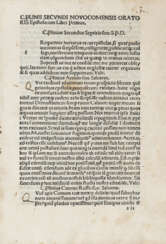
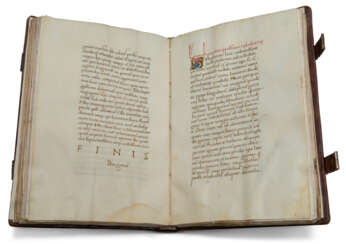
![[PS. PLINY or SEXTUS AURELIUS VICTOR (c.320-390), here attributed to SUETONIUS (c.69-c.122)]](/assets/image/picture_2279392/a798a/95cf59293202b19a9dc4a52962fc9d1c1657663200jpg__fix_374_244.jpeg)
![[PS. PLINY or SEXTUS AURELIUS VICTOR (c.320-390), here attributed to SUETONIUS (c.69-c.122)]](https://veryimportantlot.com/assets/image/picture_2279392/a798a/95cf59293202b19a9dc4a52962fc9d1c1657663200jpg__fix_374_244.jpeg)