1620
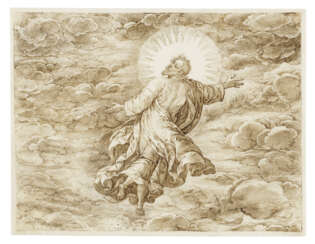

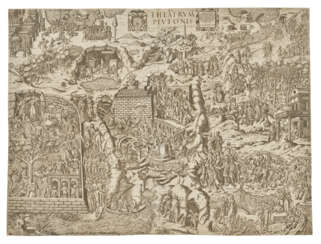
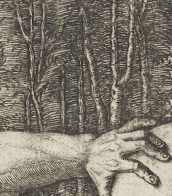
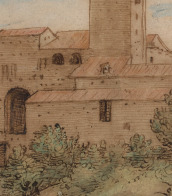
Johannes (Jan) Wierix was a Flemish engraver, draughtsman, and publisher. He was a very accomplished engraver who made prints after his own designs as well as designs by local and foreign artists.
Together with other members of the Wierix family of engravers he played an important role in spreading appreciation for Netherlandish art abroad as well as in creating art that supported the Catholic cause in the Southern Netherlands. Johannes Wierix is also known for his miniature pen drawings.
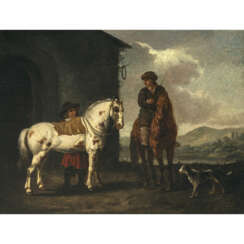

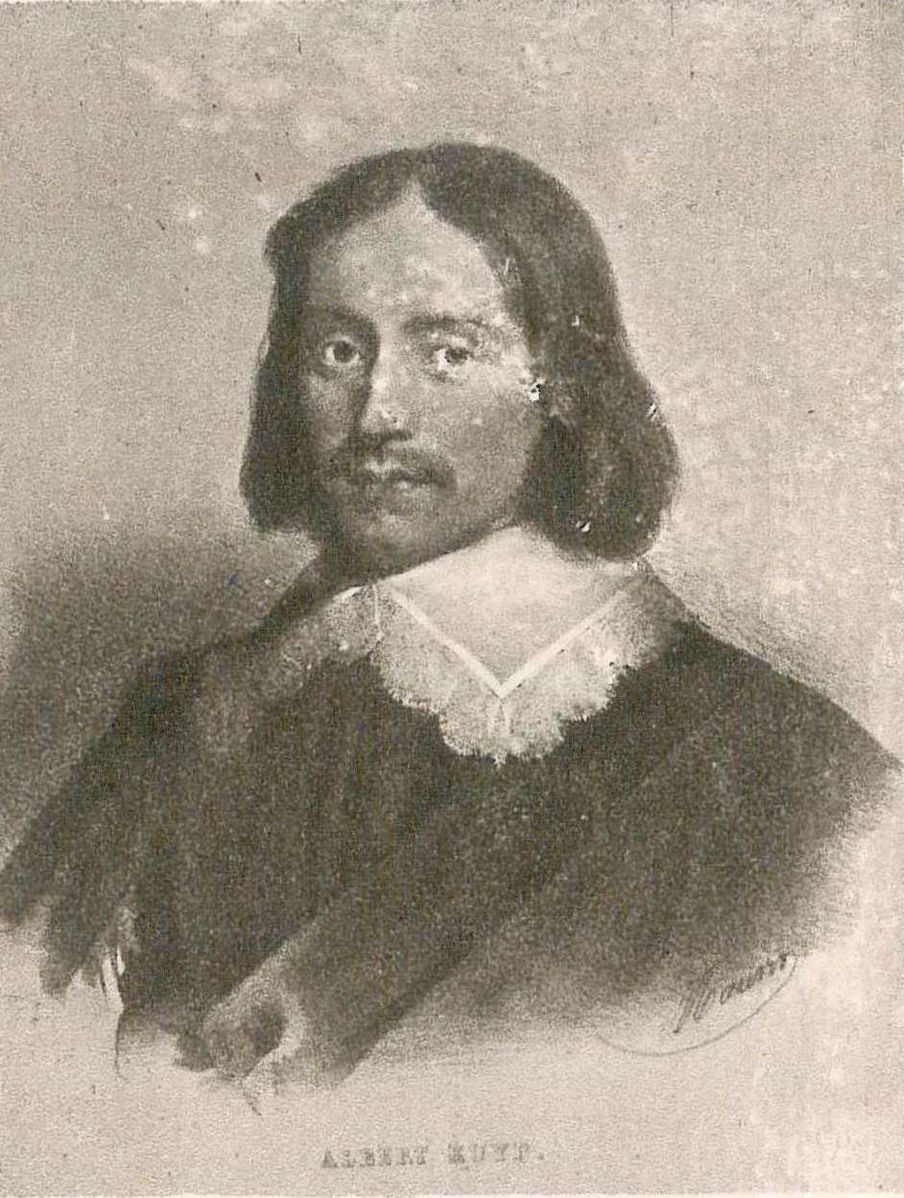
Aelbert Jacobsz. Cuyp was a Dutch Baroque painter, graphic artist and printmaker.
Aelbert is the successor of a dynasty of painters from Dordrecht. He was one of the leading Dutch landscape painters of the Dutch Golden Age. A pupil of his father, the painter Jacob Gerritsz. Cuyp (1594-1651), he is known primarily for his landscapes of the Dutch countryside in the light of early morning or late evening. But Aelbert Cuyp also painted canvases on biblical, mythological, and historical themes, still lifes, and portraits. The Italian style is evident in his works.
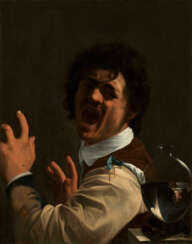

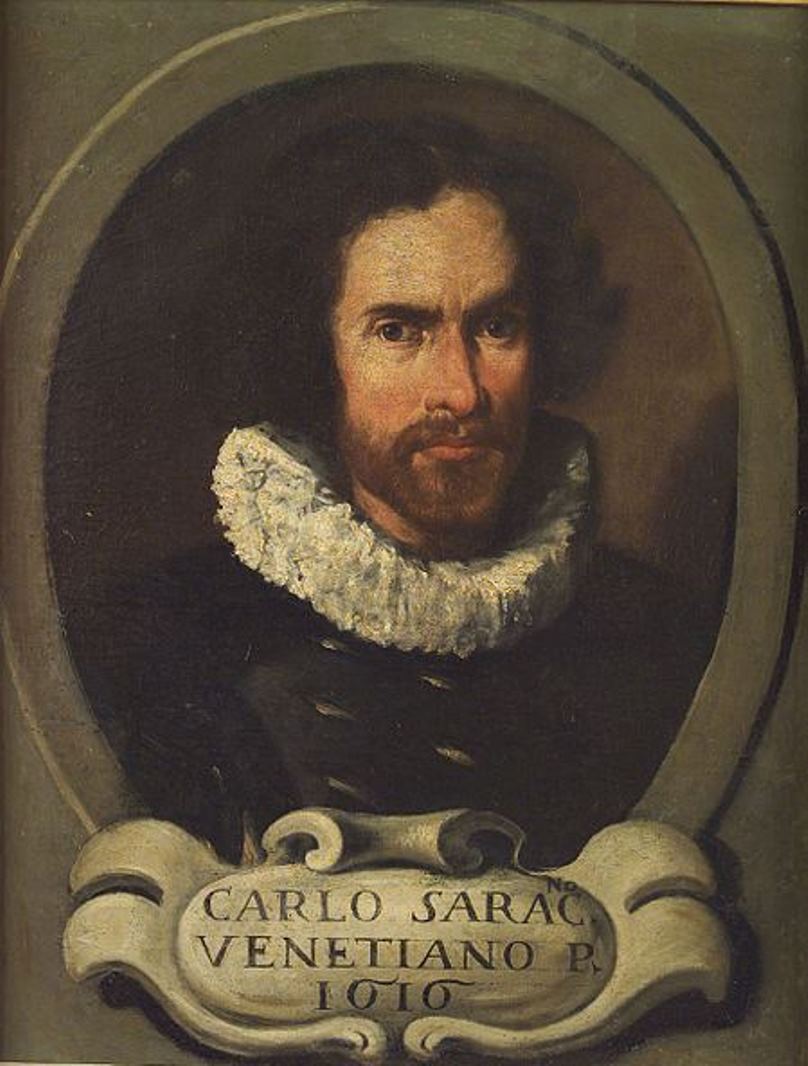
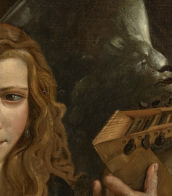
Carlo Saraceni was an Italian painter, renowned for his contributions to the Baroque art movement. Born in Venice around 1579, Saraceni spent a significant portion of his career in Rome, where he was deeply influenced by the works of Caravaggio and Elsheimer. His art is celebrated for its vivid naturalism and meticulous detail, reflecting the stylistic transitions of early 17th-century Italian painting.
Saraceni's ability to blend Venetian colorism with Roman naturalism allowed him to create works that resonated with patrons across Europe, securing commissions from prominent ecclesiastical and aristocratic figures. His paintings, such as "Judith and the Head of Holofernes" at the Kunsthistorisches Museum in Vienna and "Saint Sebastian" at the Picture Gallery of the Prague Castle, showcase his mastery in depicting biblical and mythological scenes with emotional depth and realism.
Notably, Saraceni's work "The Dormition of the Virgin" was commissioned to replace a rejected painting by Caravaggio, indicating his stature and recognition in the artistic community of Rome. This commission highlights the nuanced differences in interpretation and representation of religious themes that distinguished Saraceni's approach from Caravaggio's.
Throughout his career, Saraceni remained connected to the vibrant artistic scene in Rome, engaging with the broader European context through his international relations. His legacy is preserved in the numerous works held in galleries and museums worldwide, reflecting his enduring influence on the Baroque art movement.
For art collectors and experts, Saraceni's oeuvre represents a pivotal moment in the transition of artistic styles, offering a rich tapestry of themes and techniques that continue to inspire and captivate audiences.
To stay updated on new product sales and auction events related to Carlo Saraceni's works, consider signing up for updates. This subscription is a great way to remain informed about opportunities to engage with the art and legacy of this influential Baroque painter.
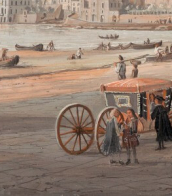
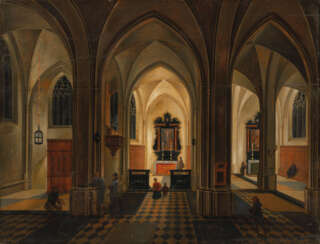

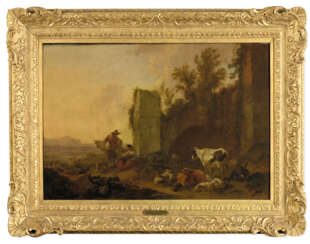

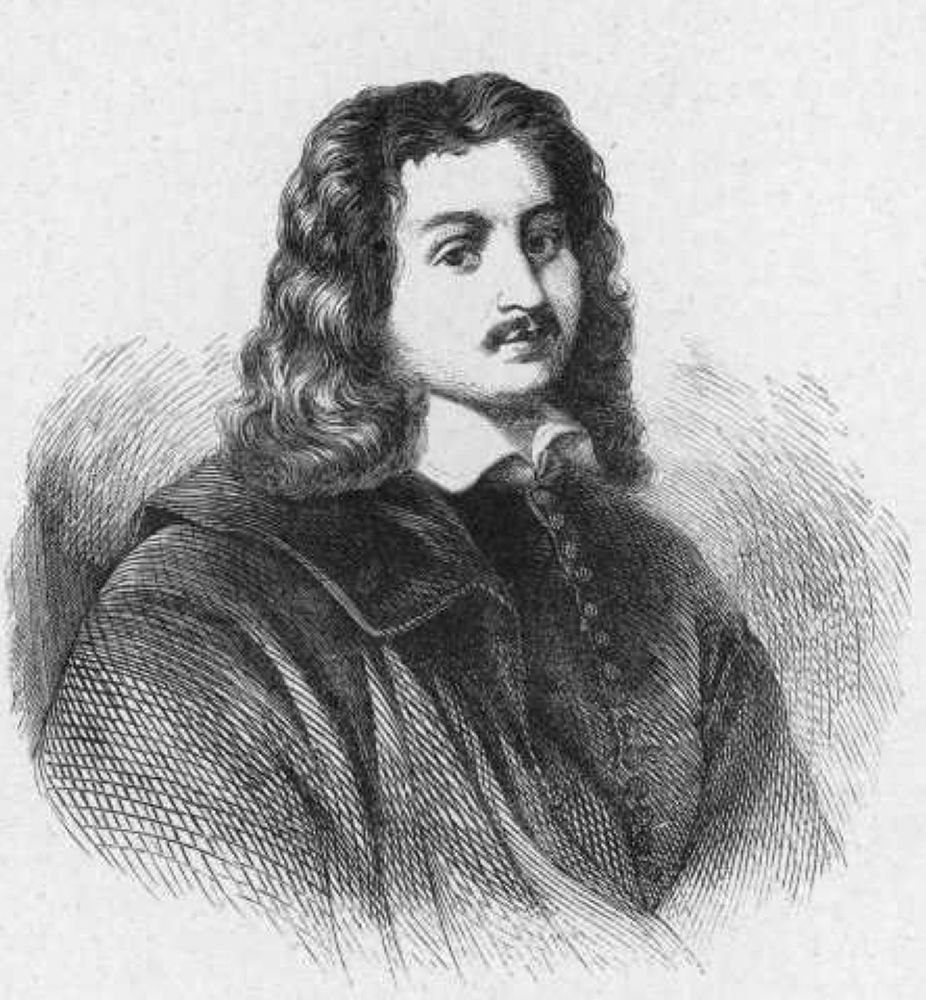
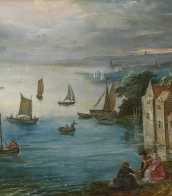
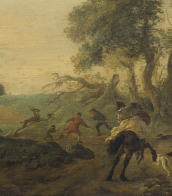
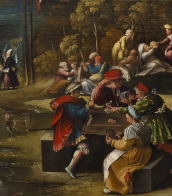
Nicolaes Pieterszoon Berchem was a highly esteemed and prolific Dutch Golden Age painter of pastoral landscapes, populated with mythological or biblical figures, but also of a number of allegories and genre pieces.
He was a member of the second generation of "Dutch Italianate landscape" painters. These were artists who travelled to Italy, or aspired to, in order to soak up the romanticism of the country, bringing home sketchbooks full of drawings of classical ruins and pastoral imagery. His paintings, of which he produced an immense number, (Hofstede de Groot claimed around 850, although many are misattributed), were in great demand, as were his 80 etchings and 500 drawings. His landscapes, painted in the Italian style of idealized rural scenes, with hills, mountains, cliffs and trees in a golden dawn are sought after. Berchem also painted inspired and attractive human and animal figures (staffage) in works of other artists, like Allaert van Everdingen, Jan Hackaert, Gerrit Dou, Meindert Hobbema and Willem Schellinks.










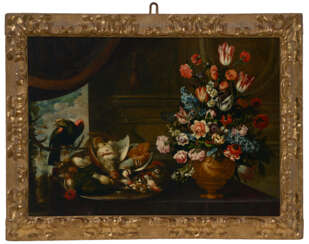

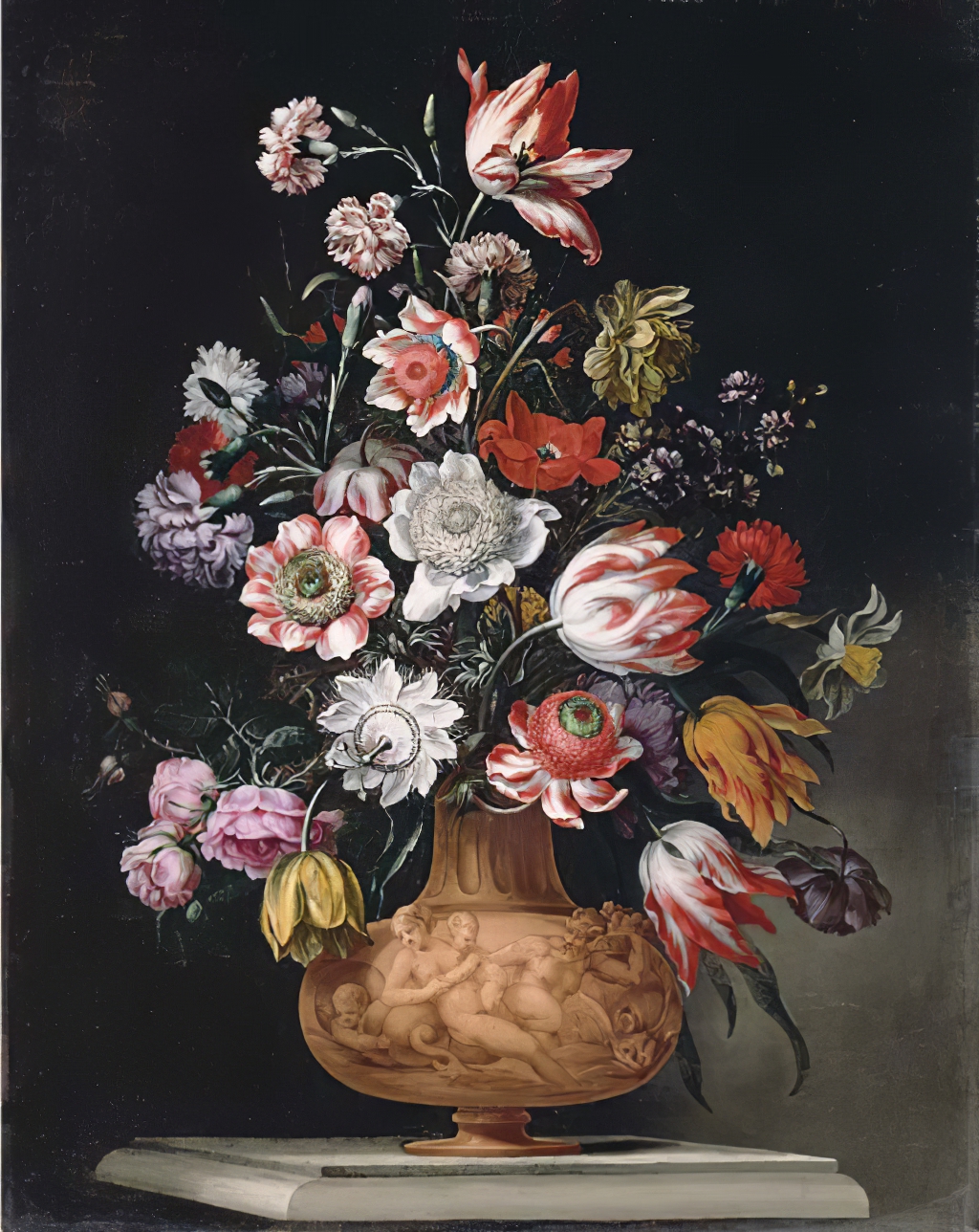
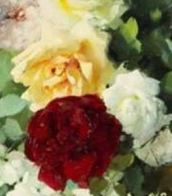
Bartolommeo Ligozzi was an Italian painter known for his colourful and detailed still lifes with flowers and fruit. He belonged to the famous Ligozzi family of artists.
Bartolomeo Ligozzi's paintings influenced botanical illustration. He brought scientific precision to his images, providing valuable documentation of plant species.
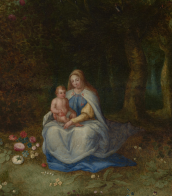


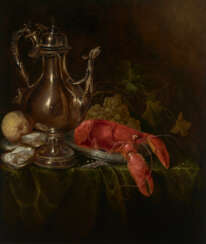
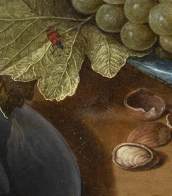
Abraham van Beyeren was a Dutch Baroque painter of still lifes. Little recognized in his day and initially active as a marine painter, he is now considered one of the most important painters of still lifes, and still lifes of fish and so-called 'pronkstillevens', i.e. sumptuous still lifes of luxurious objects.

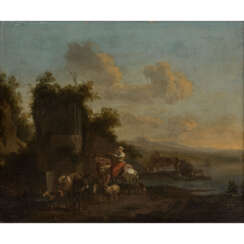

Nicolaes Pieterszoon Berchem was a highly esteemed and prolific Dutch Golden Age painter of pastoral landscapes, populated with mythological or biblical figures, but also of a number of allegories and genre pieces.
He was a member of the second generation of "Dutch Italianate landscape" painters. These were artists who travelled to Italy, or aspired to, in order to soak up the romanticism of the country, bringing home sketchbooks full of drawings of classical ruins and pastoral imagery. His paintings, of which he produced an immense number, (Hofstede de Groot claimed around 850, although many are misattributed), were in great demand, as were his 80 etchings and 500 drawings. His landscapes, painted in the Italian style of idealized rural scenes, with hills, mountains, cliffs and trees in a golden dawn are sought after. Berchem also painted inspired and attractive human and animal figures (staffage) in works of other artists, like Allaert van Everdingen, Jan Hackaert, Gerrit Dou, Meindert Hobbema and Willem Schellinks.
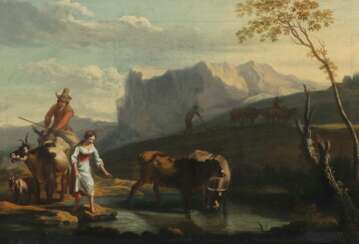

Nicolaes Pieterszoon Berchem was a highly esteemed and prolific Dutch Golden Age painter of pastoral landscapes, populated with mythological or biblical figures, but also of a number of allegories and genre pieces.
He was a member of the second generation of "Dutch Italianate landscape" painters. These were artists who travelled to Italy, or aspired to, in order to soak up the romanticism of the country, bringing home sketchbooks full of drawings of classical ruins and pastoral imagery. His paintings, of which he produced an immense number, (Hofstede de Groot claimed around 850, although many are misattributed), were in great demand, as were his 80 etchings and 500 drawings. His landscapes, painted in the Italian style of idealized rural scenes, with hills, mountains, cliffs and trees in a golden dawn are sought after. Berchem also painted inspired and attractive human and animal figures (staffage) in works of other artists, like Allaert van Everdingen, Jan Hackaert, Gerrit Dou, Meindert Hobbema and Willem Schellinks.


Aelbert Jacobsz. Cuyp was a Dutch Baroque painter, graphic artist and printmaker.
Aelbert is the successor of a dynasty of painters from Dordrecht. He was one of the leading Dutch landscape painters of the Dutch Golden Age. A pupil of his father, the painter Jacob Gerritsz. Cuyp (1594-1651), he is known primarily for his landscapes of the Dutch countryside in the light of early morning or late evening. But Aelbert Cuyp also painted canvases on biblical, mythological, and historical themes, still lifes, and portraits. The Italian style is evident in his works.



Aelbert Jacobsz. Cuyp was a Dutch Baroque painter, graphic artist and printmaker.
Aelbert is the successor of a dynasty of painters from Dordrecht. He was one of the leading Dutch landscape painters of the Dutch Golden Age. A pupil of his father, the painter Jacob Gerritsz. Cuyp (1594-1651), he is known primarily for his landscapes of the Dutch countryside in the light of early morning or late evening. But Aelbert Cuyp also painted canvases on biblical, mythological, and historical themes, still lifes, and portraits. The Italian style is evident in his works.


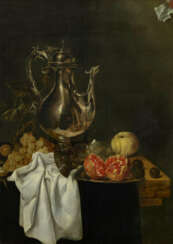
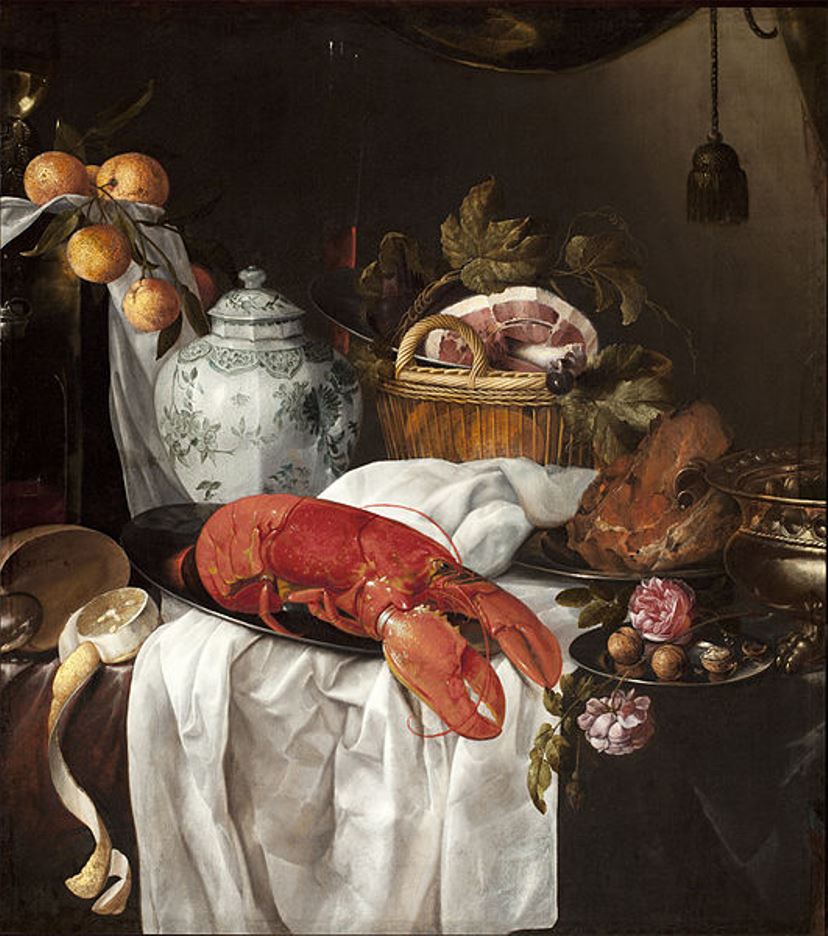
Abraham van Beyeren was a Dutch Baroque painter of still lifes. Little recognized in his day and initially active as a marine painter, he is now considered one of the most important painters of still lifes, and still lifes of fish and so-called 'pronkstillevens', i.e. sumptuous still lifes of luxurious objects.