1710






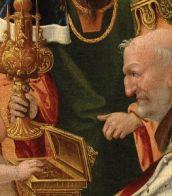


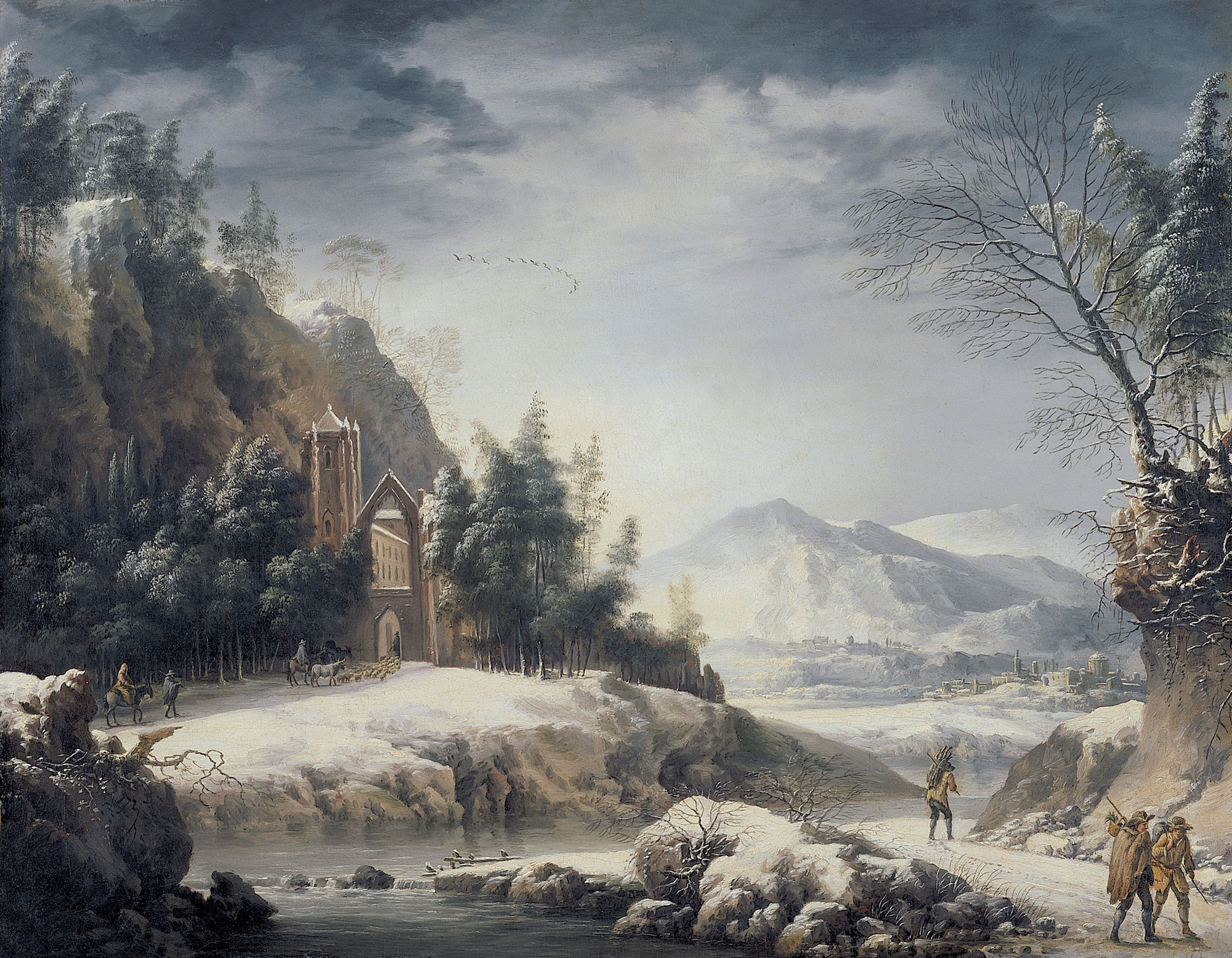
Francesco Foschi was an Italian painter best known for painting winter landscapes.
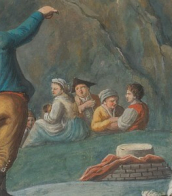


Francesco Foschi was an Italian painter best known for painting winter landscapes.


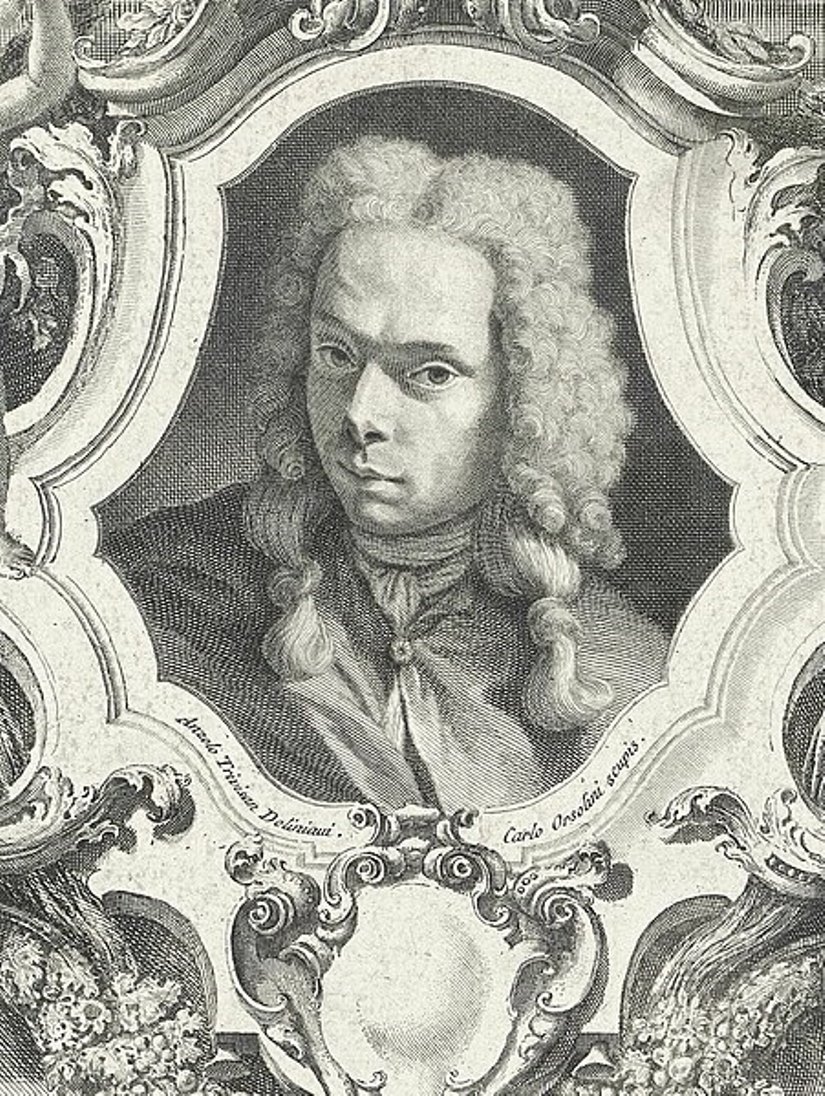
Michele Marieschi was an Italian painter, known for his landscape and cityscape paintings, primarily of Venice. Born in 1696, Marieschi was a pivotal figure in the veduta genre, a style focusing on detailed and often idealized representations of cityscapes. His works are celebrated for their architectural detail and the lively, fresh use of paint, distinguishing him from his contemporaries like Canaletto. Michele Marieschi's paintings often featured exaggerated perspectives, infusing scenes from life with the novelty of capricious invention.
His career included a significant period from 1735 to 1741 when he was registered with the Venetian painters' guild, indicating his recognition and establishment within the Venetian art community. In 1741, Marieschi published a set of 21 prints of Venice, providing a lasting legacy of his perspective on the city's unique landscape. This collection, titled "Magnificentiores Selectioresque Urbis Venetiarum Prospectus," included a self-portrait, underscoring his role in documenting Venice's architectural splendor.
Michele Marieschi's approach to vedute was influenced by his early work in scenery painting, allowing him to create urban views marked by an inventive use of perspective. This stylistic choice offered a new dimension to scenes taken from life, setting Marieschi apart from his peers.
For collectors and experts in art and antiques, Michele Marieschi's works represent a unique blend of architectural precision and imaginative composition. His influence on later painters, including Francesco Guardi, underscores his importance in the development of the veduta genre.
To stay informed about new discoveries, sales, and auction events related to Michele Marieschi's work, signing up for updates from relevant art institutions and auction houses is recommended. This subscription ensures that enthusiasts and collectors remain abreast of the latest developments related to this master of the Italian cityscape.
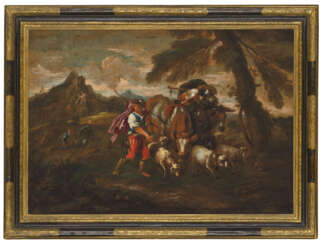

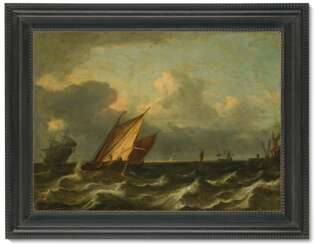

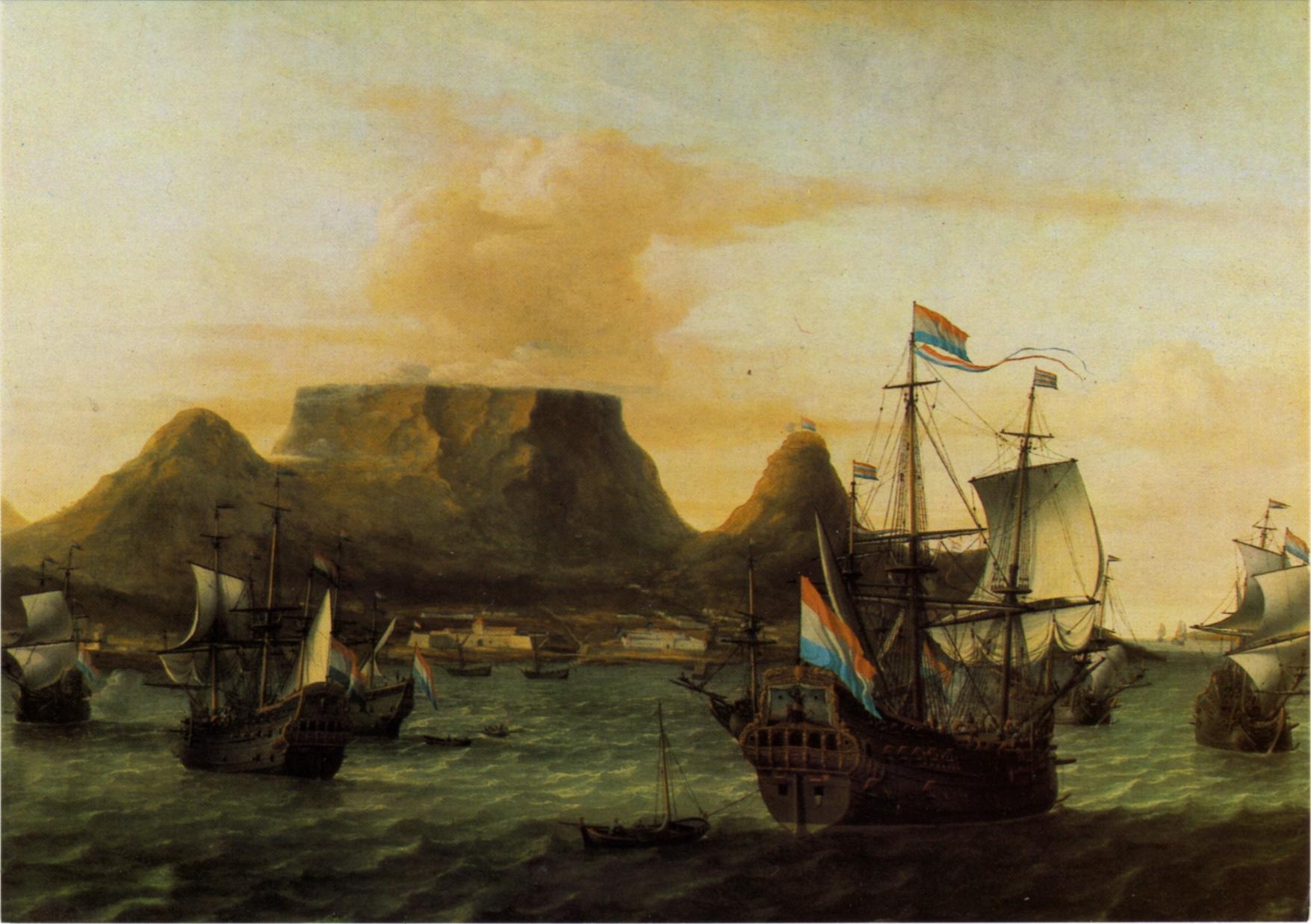
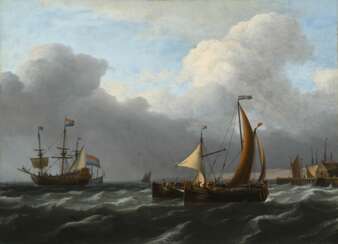
Aernout Smit is a Dutch marine painter.
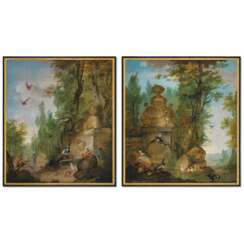

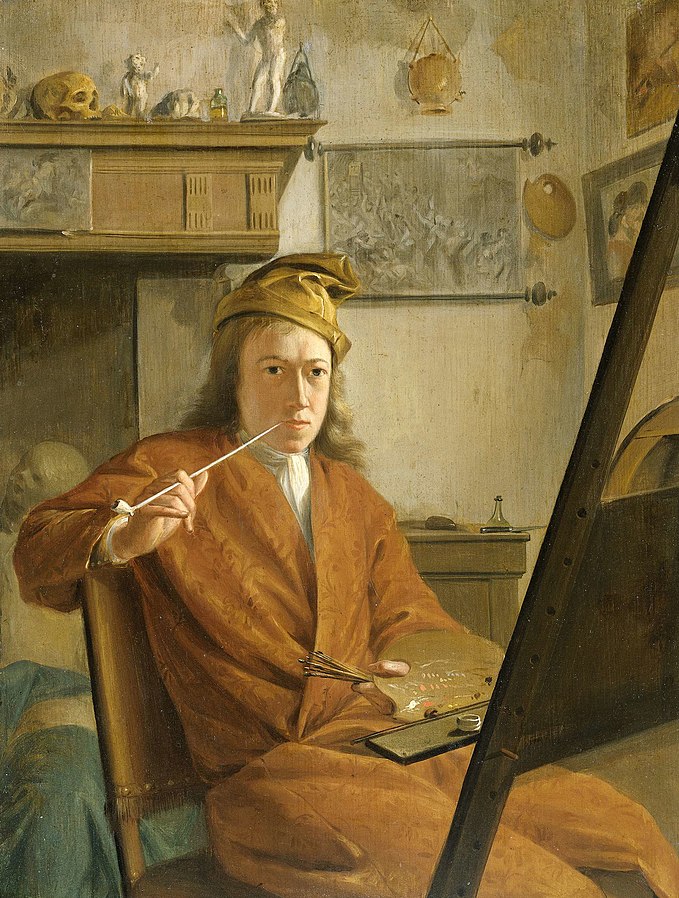
Aert Schouman or Aart Schouman was an 18th-century painter, now better known as a glass engraver, from the Dutch Republic. He was a prolific and versatile Dutch painter, glass engraver, printmaker, collector and dealer, who produced still lifes, biblical and mythological themes, natural history studies, genre, historical and topographical works, portraits, sketches, etchings and mezzotints. He designed tapestries, painted wall-hangings and decorated objects such as fans, snuffboxes and even the glass windows of a magic lantern. From 1742 until 1792 he was head of the Dordrecht Guild of St. Luke, and in 1751 he became regent of the Hague drawing school associated with the Confrerie Pictura of The Hague. In 1736 he founded the "Brotherhood" of the Confrerie in The Hague, a fraternity of amateur art lovers from Dordrecht and environs, of which he was headman during the years 1752–1762.


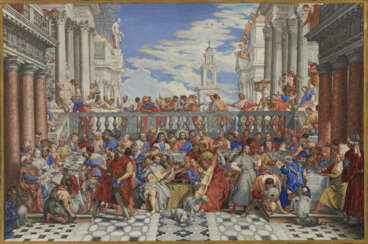

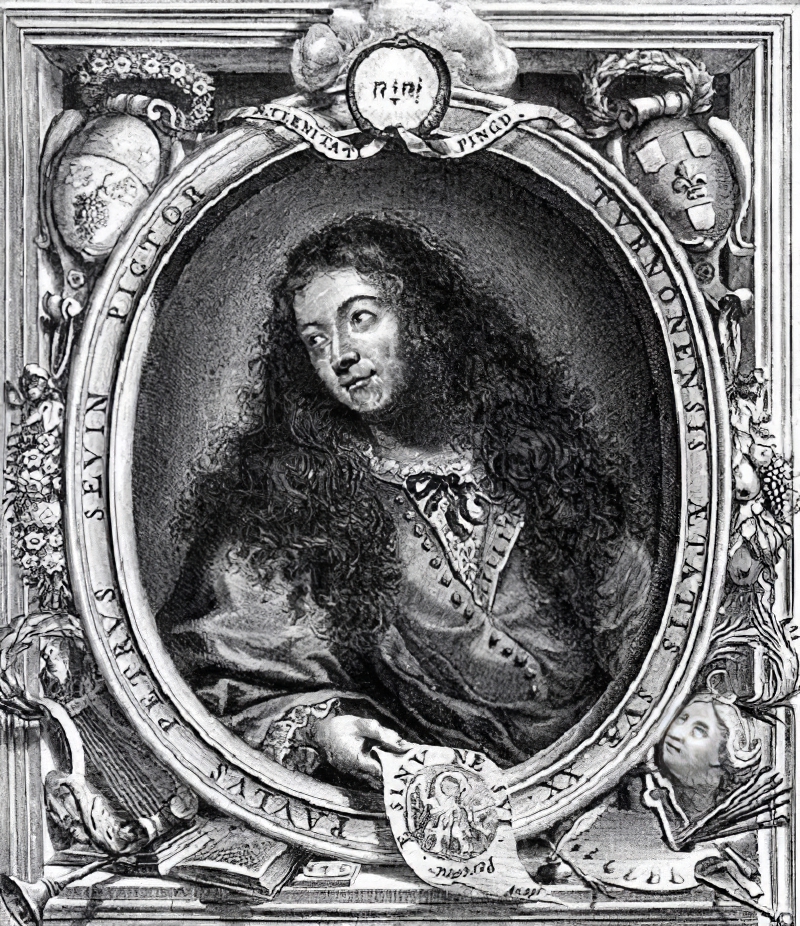
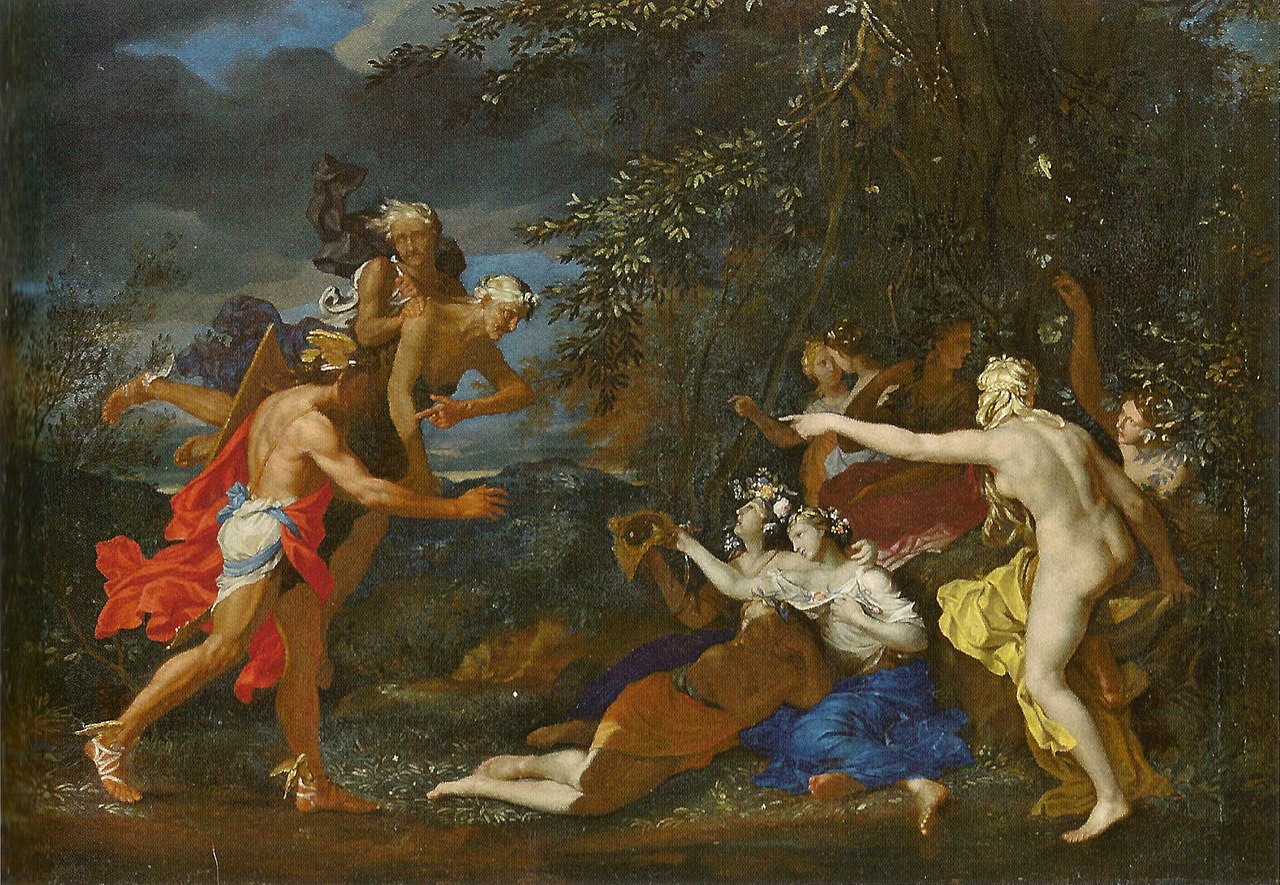
Pierre-Paul Sevin is a history painter and illustrator of allegorical compositions in the century of Louis XIV.



Pierre-Paul Sevin is a history painter and illustrator of allegorical compositions in the century of Louis XIV.


Francesco Foschi was an Italian painter best known for painting winter landscapes.
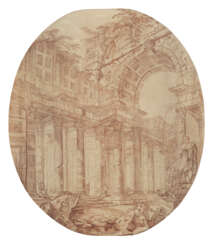

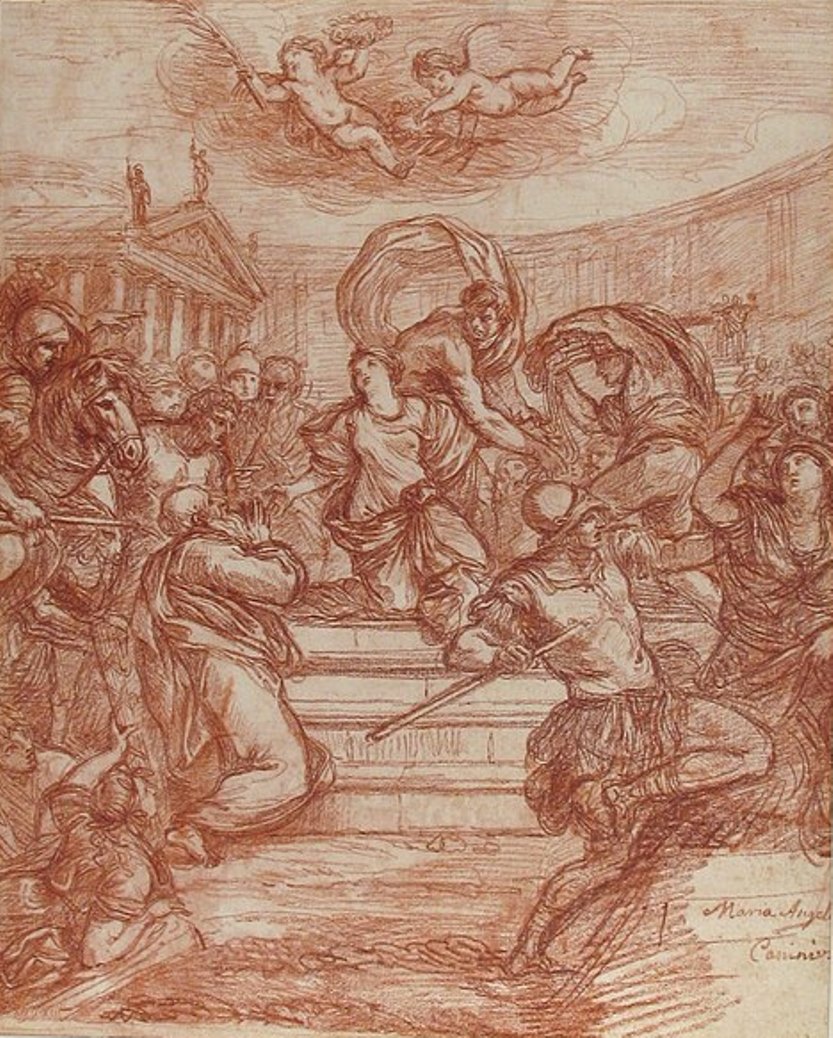
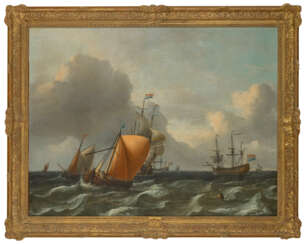

Aernout Smit is a Dutch marine painter.
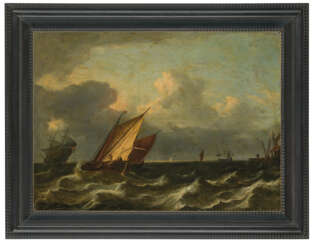

Aernout Smit is a Dutch marine painter.


Michele Marieschi was an Italian painter, known for his landscape and cityscape paintings, primarily of Venice. Born in 1696, Marieschi was a pivotal figure in the veduta genre, a style focusing on detailed and often idealized representations of cityscapes. His works are celebrated for their architectural detail and the lively, fresh use of paint, distinguishing him from his contemporaries like Canaletto. Michele Marieschi's paintings often featured exaggerated perspectives, infusing scenes from life with the novelty of capricious invention.
His career included a significant period from 1735 to 1741 when he was registered with the Venetian painters' guild, indicating his recognition and establishment within the Venetian art community. In 1741, Marieschi published a set of 21 prints of Venice, providing a lasting legacy of his perspective on the city's unique landscape. This collection, titled "Magnificentiores Selectioresque Urbis Venetiarum Prospectus," included a self-portrait, underscoring his role in documenting Venice's architectural splendor.
Michele Marieschi's approach to vedute was influenced by his early work in scenery painting, allowing him to create urban views marked by an inventive use of perspective. This stylistic choice offered a new dimension to scenes taken from life, setting Marieschi apart from his peers.
For collectors and experts in art and antiques, Michele Marieschi's works represent a unique blend of architectural precision and imaginative composition. His influence on later painters, including Francesco Guardi, underscores his importance in the development of the veduta genre.
To stay informed about new discoveries, sales, and auction events related to Michele Marieschi's work, signing up for updates from relevant art institutions and auction houses is recommended. This subscription ensures that enthusiasts and collectors remain abreast of the latest developments related to this master of the Italian cityscape.
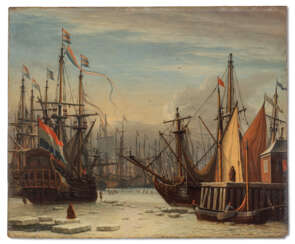



Pierre-Paul Sevin is a history painter and illustrator of allegorical compositions in the century of Louis XIV.
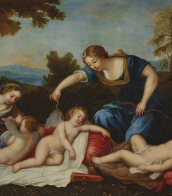


Francesco Foschi was an Italian painter best known for painting winter landscapes.
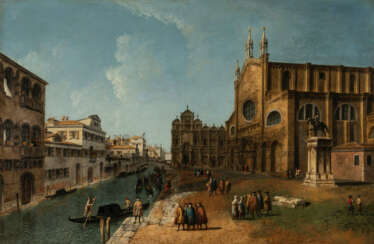

Michele Marieschi was an Italian painter, known for his landscape and cityscape paintings, primarily of Venice. Born in 1696, Marieschi was a pivotal figure in the veduta genre, a style focusing on detailed and often idealized representations of cityscapes. His works are celebrated for their architectural detail and the lively, fresh use of paint, distinguishing him from his contemporaries like Canaletto. Michele Marieschi's paintings often featured exaggerated perspectives, infusing scenes from life with the novelty of capricious invention.
His career included a significant period from 1735 to 1741 when he was registered with the Venetian painters' guild, indicating his recognition and establishment within the Venetian art community. In 1741, Marieschi published a set of 21 prints of Venice, providing a lasting legacy of his perspective on the city's unique landscape. This collection, titled "Magnificentiores Selectioresque Urbis Venetiarum Prospectus," included a self-portrait, underscoring his role in documenting Venice's architectural splendor.
Michele Marieschi's approach to vedute was influenced by his early work in scenery painting, allowing him to create urban views marked by an inventive use of perspective. This stylistic choice offered a new dimension to scenes taken from life, setting Marieschi apart from his peers.
For collectors and experts in art and antiques, Michele Marieschi's works represent a unique blend of architectural precision and imaginative composition. His influence on later painters, including Francesco Guardi, underscores his importance in the development of the veduta genre.
To stay informed about new discoveries, sales, and auction events related to Michele Marieschi's work, signing up for updates from relevant art institutions and auction houses is recommended. This subscription ensures that enthusiasts and collectors remain abreast of the latest developments related to this master of the Italian cityscape.
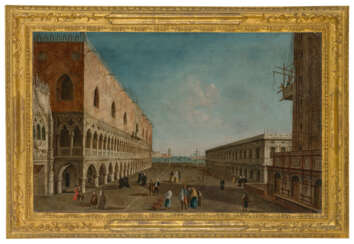

Michele Marieschi was an Italian painter, known for his landscape and cityscape paintings, primarily of Venice. Born in 1696, Marieschi was a pivotal figure in the veduta genre, a style focusing on detailed and often idealized representations of cityscapes. His works are celebrated for their architectural detail and the lively, fresh use of paint, distinguishing him from his contemporaries like Canaletto. Michele Marieschi's paintings often featured exaggerated perspectives, infusing scenes from life with the novelty of capricious invention.
His career included a significant period from 1735 to 1741 when he was registered with the Venetian painters' guild, indicating his recognition and establishment within the Venetian art community. In 1741, Marieschi published a set of 21 prints of Venice, providing a lasting legacy of his perspective on the city's unique landscape. This collection, titled "Magnificentiores Selectioresque Urbis Venetiarum Prospectus," included a self-portrait, underscoring his role in documenting Venice's architectural splendor.
Michele Marieschi's approach to vedute was influenced by his early work in scenery painting, allowing him to create urban views marked by an inventive use of perspective. This stylistic choice offered a new dimension to scenes taken from life, setting Marieschi apart from his peers.
For collectors and experts in art and antiques, Michele Marieschi's works represent a unique blend of architectural precision and imaginative composition. His influence on later painters, including Francesco Guardi, underscores his importance in the development of the veduta genre.
To stay informed about new discoveries, sales, and auction events related to Michele Marieschi's work, signing up for updates from relevant art institutions and auction houses is recommended. This subscription ensures that enthusiasts and collectors remain abreast of the latest developments related to this master of the Italian cityscape.




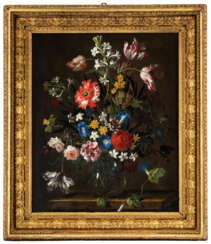

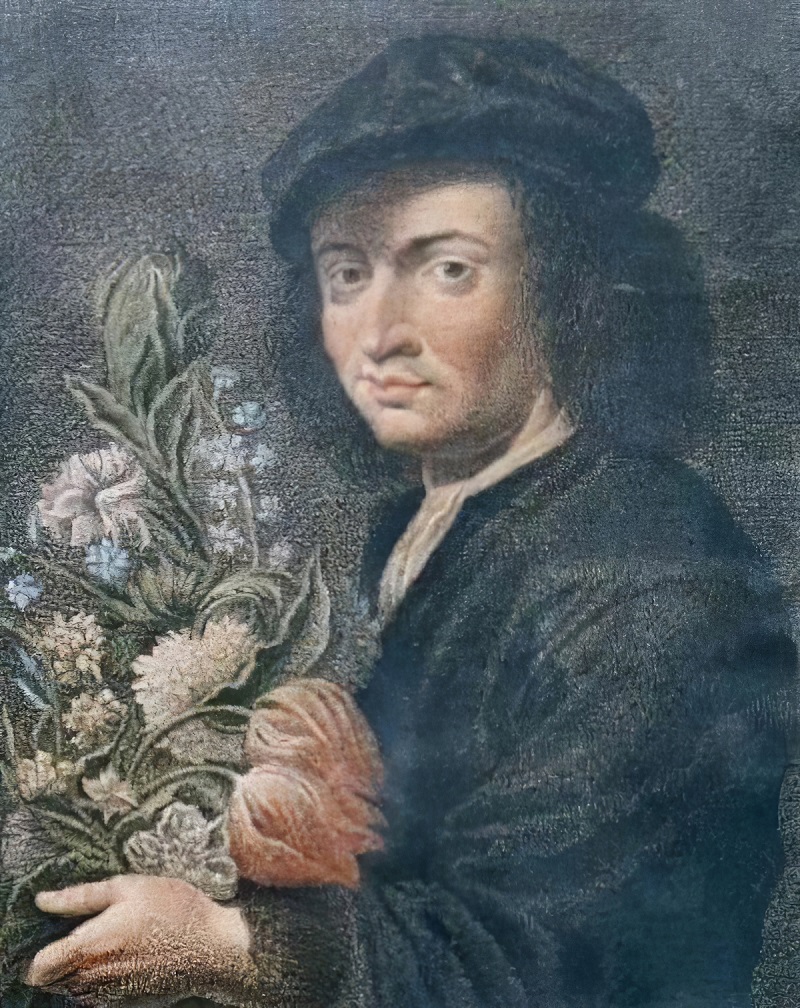
Andrea Scacciati was an Italian painter in the Baroque style, known mostly for his flower paintings.

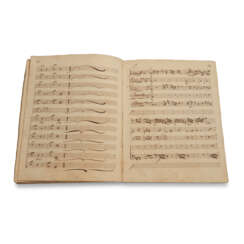

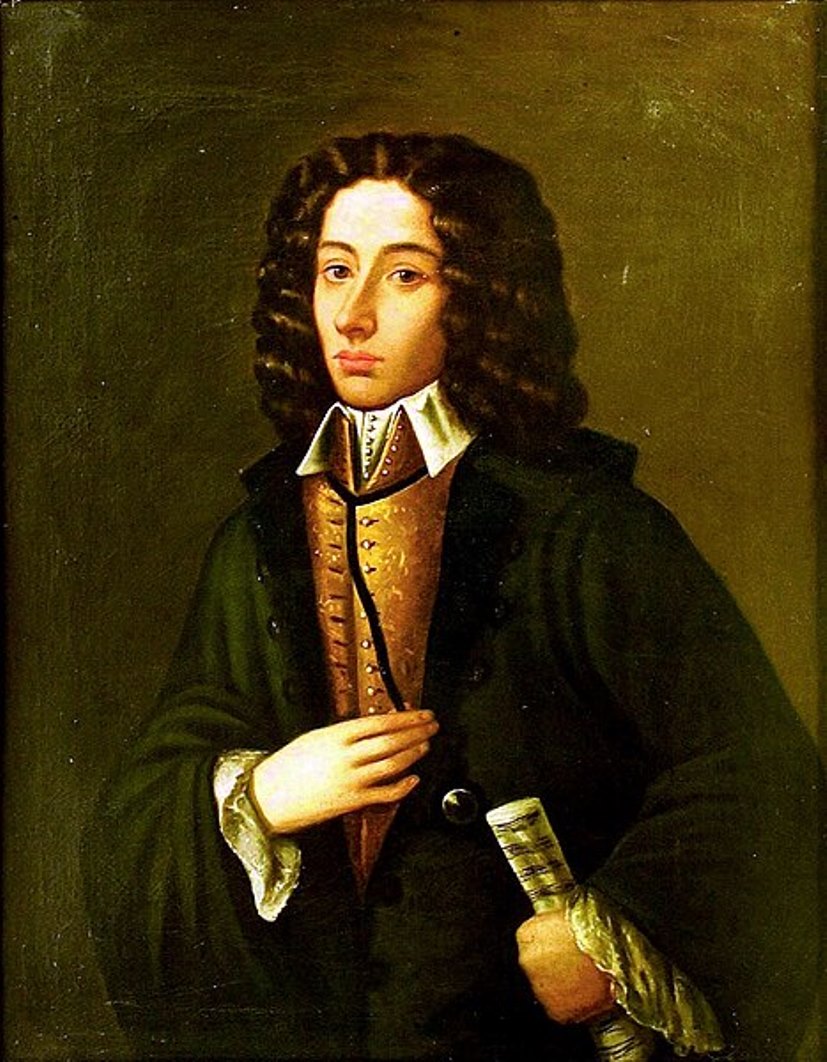
Giovanni Battista Pergolesi, born Giovanni Battista Draghi, was an Italian composer, violinist and organist, a leading representative of the Baroque and Neapolitan school.
Around 1720 he entered the Poveri Conservatory in Naples, where he earned a high reputation as a violinist. In 1732 Pergolesi was appointed maestro of the Prince of Stigliano's Chapel in Naples and soon composed his most successful work, the opera-buffa The Lady's Maid, which quickly gained popularity. His subsequent operas did not achieve the same success.
The Lady's Maid became much more popular when it was staged in Paris in 1752 after the composer's death. It also sparked fierce debate between conservatives, supporters of traditional French opera, and fans of the new Italian comic style. Pergolesi's opera-buffa became a forerunner of subsequent classical works: these are W. A. Mozart's The Marriage of Figaro, J. Rossini's The Barber of Seville, G. Verdi's Falstaff, I. Stravinsky's The Moor, and others.
Alongside secular music Pergolesi composed sacred music. His masses and hymns demonstrate the composer's ability to cope with large choral and instrumental forces, as well as with chamber music. Shortly before his death, he composed the cantata Stabat Mater, one of the composer's most inspired works, written for a small chamber ensemble (soprano, viola, string quartet and organ), filled with sublime, sincere and heartfelt lyrical feeling.
Fate, however, was not favorable to the young talent: Giovanni Battista Pergolesi died of tuberculosis in extreme poverty at the age of 26.


Giovanni Battista Pergolesi, born Giovanni Battista Draghi, was an Italian composer, violinist and organist, a leading representative of the Baroque and Neapolitan school.
Around 1720 he entered the Poveri Conservatory in Naples, where he earned a high reputation as a violinist. In 1732 Pergolesi was appointed maestro of the Prince of Stigliano's Chapel in Naples and soon composed his most successful work, the opera-buffa The Lady's Maid, which quickly gained popularity. His subsequent operas did not achieve the same success.
The Lady's Maid became much more popular when it was staged in Paris in 1752 after the composer's death. It also sparked fierce debate between conservatives, supporters of traditional French opera, and fans of the new Italian comic style. Pergolesi's opera-buffa became a forerunner of subsequent classical works: these are W. A. Mozart's The Marriage of Figaro, J. Rossini's The Barber of Seville, G. Verdi's Falstaff, I. Stravinsky's The Moor, and others.
Alongside secular music Pergolesi composed sacred music. His masses and hymns demonstrate the composer's ability to cope with large choral and instrumental forces, as well as with chamber music. Shortly before his death, he composed the cantata Stabat Mater, one of the composer's most inspired works, written for a small chamber ensemble (soprano, viola, string quartet and organ), filled with sublime, sincere and heartfelt lyrical feeling.
Fate, however, was not favorable to the young talent: Giovanni Battista Pergolesi died of tuberculosis in extreme poverty at the age of 26.
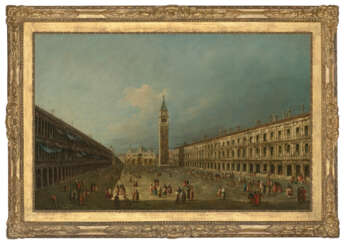

Michele Marieschi was an Italian painter, known for his landscape and cityscape paintings, primarily of Venice. Born in 1696, Marieschi was a pivotal figure in the veduta genre, a style focusing on detailed and often idealized representations of cityscapes. His works are celebrated for their architectural detail and the lively, fresh use of paint, distinguishing him from his contemporaries like Canaletto. Michele Marieschi's paintings often featured exaggerated perspectives, infusing scenes from life with the novelty of capricious invention.
His career included a significant period from 1735 to 1741 when he was registered with the Venetian painters' guild, indicating his recognition and establishment within the Venetian art community. In 1741, Marieschi published a set of 21 prints of Venice, providing a lasting legacy of his perspective on the city's unique landscape. This collection, titled "Magnificentiores Selectioresque Urbis Venetiarum Prospectus," included a self-portrait, underscoring his role in documenting Venice's architectural splendor.
Michele Marieschi's approach to vedute was influenced by his early work in scenery painting, allowing him to create urban views marked by an inventive use of perspective. This stylistic choice offered a new dimension to scenes taken from life, setting Marieschi apart from his peers.
For collectors and experts in art and antiques, Michele Marieschi's works represent a unique blend of architectural precision and imaginative composition. His influence on later painters, including Francesco Guardi, underscores his importance in the development of the veduta genre.
To stay informed about new discoveries, sales, and auction events related to Michele Marieschi's work, signing up for updates from relevant art institutions and auction houses is recommended. This subscription ensures that enthusiasts and collectors remain abreast of the latest developments related to this master of the Italian cityscape.
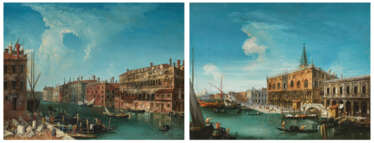

Michele Marieschi was an Italian painter, known for his landscape and cityscape paintings, primarily of Venice. Born in 1696, Marieschi was a pivotal figure in the veduta genre, a style focusing on detailed and often idealized representations of cityscapes. His works are celebrated for their architectural detail and the lively, fresh use of paint, distinguishing him from his contemporaries like Canaletto. Michele Marieschi's paintings often featured exaggerated perspectives, infusing scenes from life with the novelty of capricious invention.
His career included a significant period from 1735 to 1741 when he was registered with the Venetian painters' guild, indicating his recognition and establishment within the Venetian art community. In 1741, Marieschi published a set of 21 prints of Venice, providing a lasting legacy of his perspective on the city's unique landscape. This collection, titled "Magnificentiores Selectioresque Urbis Venetiarum Prospectus," included a self-portrait, underscoring his role in documenting Venice's architectural splendor.
Michele Marieschi's approach to vedute was influenced by his early work in scenery painting, allowing him to create urban views marked by an inventive use of perspective. This stylistic choice offered a new dimension to scenes taken from life, setting Marieschi apart from his peers.
For collectors and experts in art and antiques, Michele Marieschi's works represent a unique blend of architectural precision and imaginative composition. His influence on later painters, including Francesco Guardi, underscores his importance in the development of the veduta genre.
To stay informed about new discoveries, sales, and auction events related to Michele Marieschi's work, signing up for updates from relevant art institutions and auction houses is recommended. This subscription ensures that enthusiasts and collectors remain abreast of the latest developments related to this master of the Italian cityscape.