1756



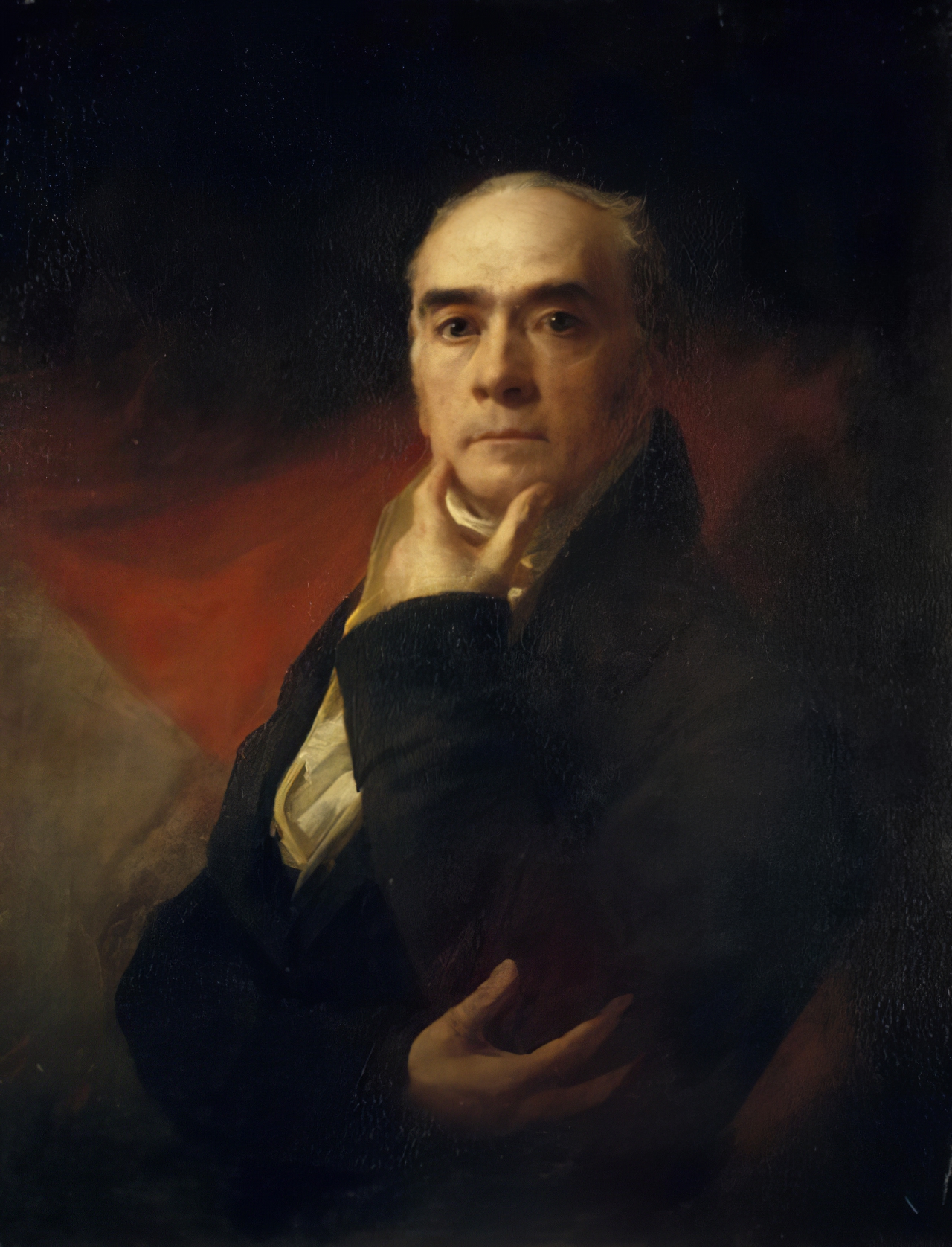
Henry Raeburn was a Scottish portrait painter. He served as Portrait Painter to King George IV in Scotland.










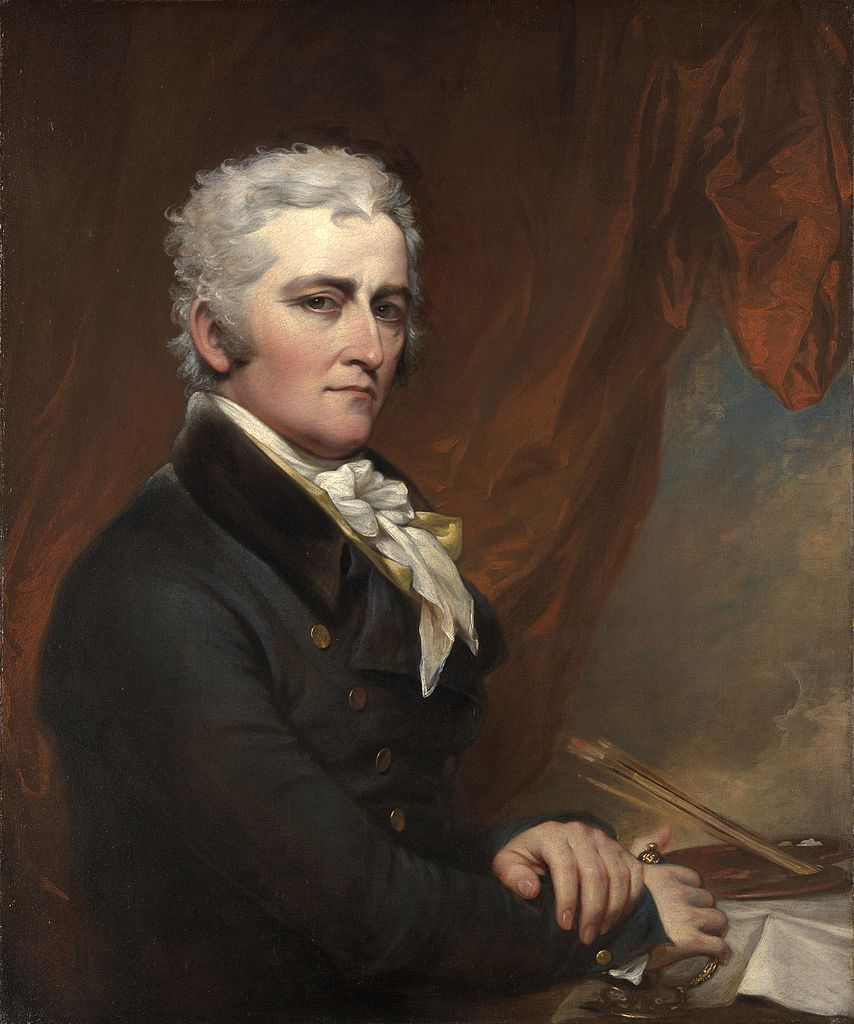
John Trumbull was an American artist of the early independence period, notable for his historical paintings of the American Revolutionary War, of which he was a veteran. He has been called the "Painter of the Revolution".
Trumbull's Declaration of Independence (1817), one of his four paintings that hang in the United States Capitol rotunda, is used on the reverse of the current United States two-dollar bill.




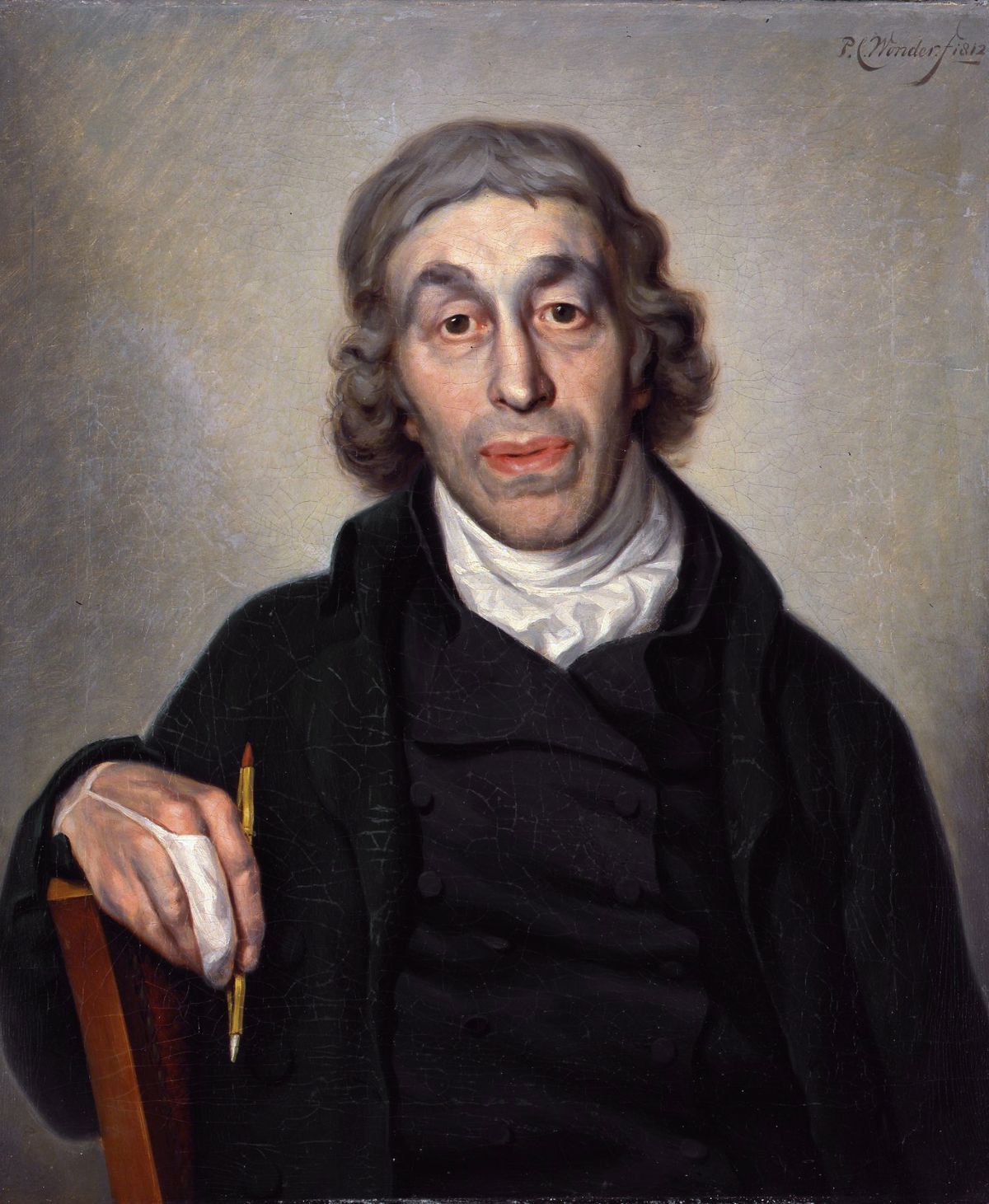
Jacob van Strij was a Dutch painter and printmaker, a member of the Guild of St. Luke in Dordrecht, his older brother Abraham van Strij. Jacob created wall decorations, decorative panels and was mainly interested in landscape painting, including mountain, sea and especially winter landscapes.
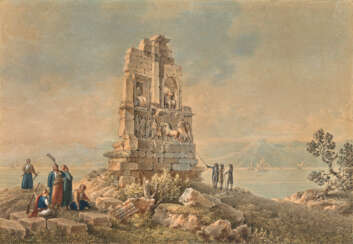

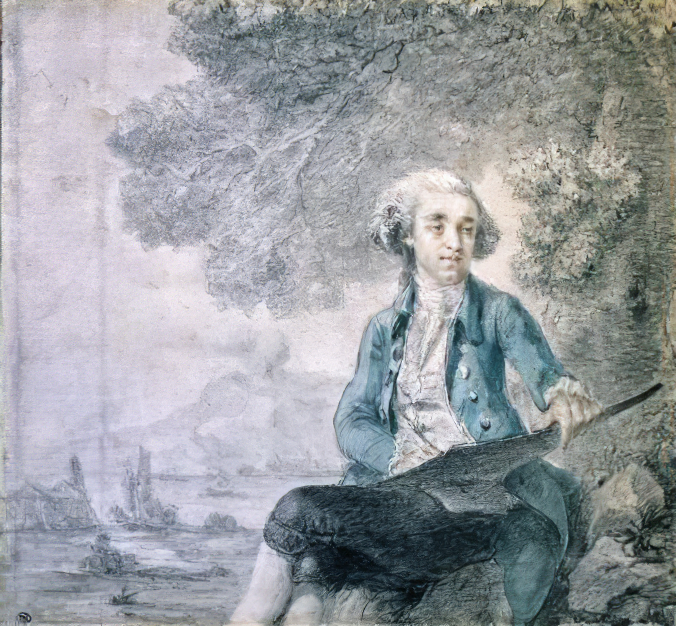
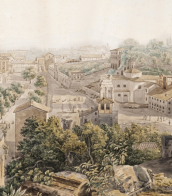
Louis-François Cassas was a distinguished French landscape painter, sculptor, architect, archeologist and antiquary.
Besides his architectural and archaeological drawings and sketches, he drew numerous costumes studies, views and processions, as well as scenes from daily life, plants and animals of all sorts. He also exhibited views of his travels at the "Salons", which were periodic art exhibitions sponsored by the French Académie Royale, in 1804 and 1814, and published Picturesque views of the Principal Sites and Monuments of Greece, of Sicily, and of the Seven Hills of Rome, of which thirty parts had already been published by 1813.
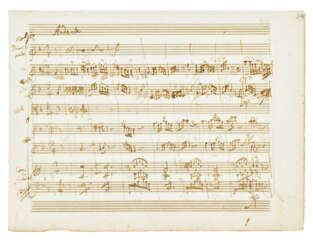

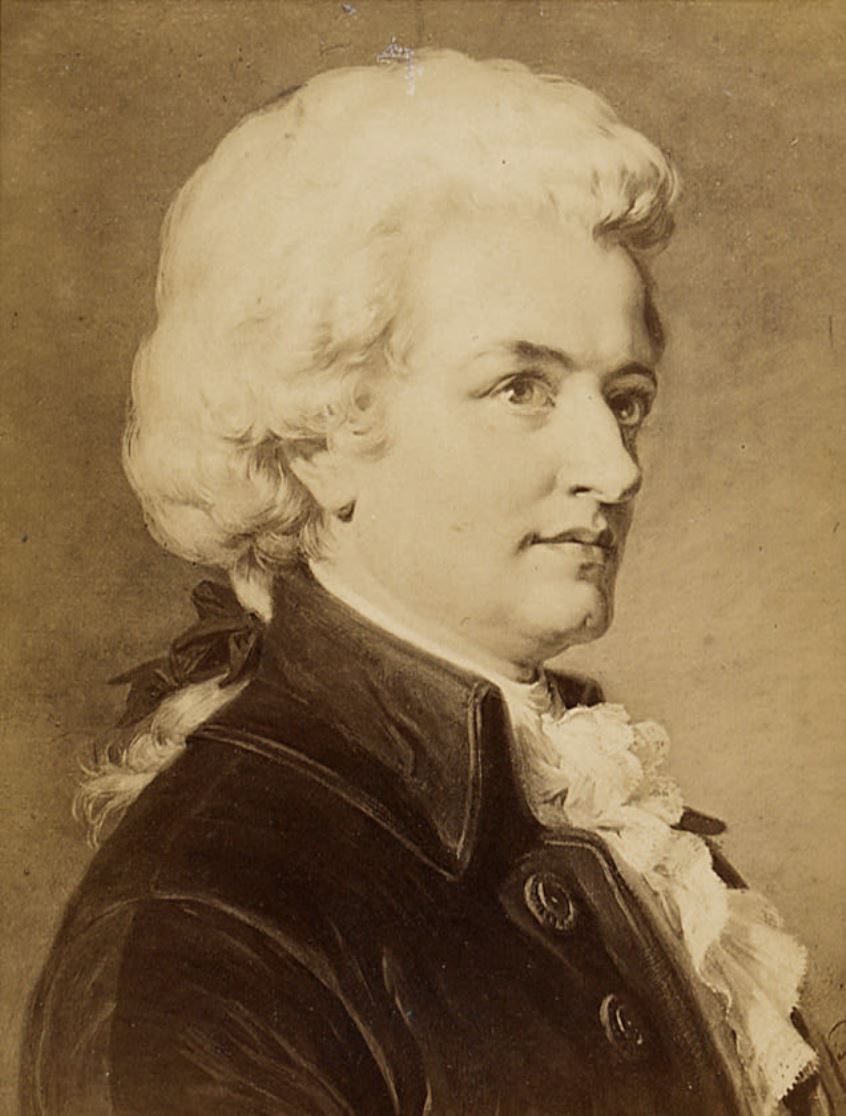
Wolfgang Amadeus Mozart, full name Johann Chrysostomus Wolfgang Amadeus Mozart, was an Austrian composer and virtuoso musician. Mozart is one of the greatest composers in music history on par with Beethoven and Haydn.
Wolfgang was born into the family of violinist and composer Leopold Mozart (1719-1787), at the age of five he had already begun composing and gave his first public performance. His older sister Maria Anna (1751-1829) was also a prodigy, and from 1763 Leopold and his children began traveling around Europe with performances.
Mozart had a phenomenal musical ear, memory and was a superb improviser. Unlike any other composer in music history, he was versatile and wrote in all musical genres of his time. During his short life, Mozart composed more than 800 works, many of which are recognized as the pinnacle of the symphonic, concert, chamber, opera and choral repertoire. The general public is familiar with the composer's three operas: The Marriage of Figaro, Don Giovanni and The Magic Flute.
Society did not immediately appreciate the scale of Mozart's genius. It was only many years later that the vivid image of a prodigy, a refined salon composer who could miraculously think through an entire work in his head, gave way to the image of a serious, meticulous and brilliant creator of music.
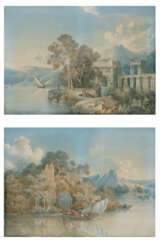

Louis-François Cassas was a distinguished French landscape painter, sculptor, architect, archeologist and antiquary.
Besides his architectural and archaeological drawings and sketches, he drew numerous costumes studies, views and processions, as well as scenes from daily life, plants and animals of all sorts. He also exhibited views of his travels at the "Salons", which were periodic art exhibitions sponsored by the French Académie Royale, in 1804 and 1814, and published Picturesque views of the Principal Sites and Monuments of Greece, of Sicily, and of the Seven Hills of Rome, of which thirty parts had already been published by 1813.
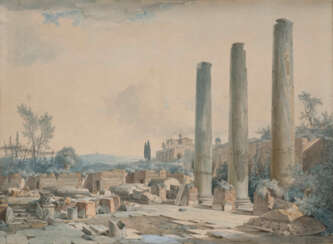

Louis-François Cassas was a distinguished French landscape painter, sculptor, architect, archeologist and antiquary.
Besides his architectural and archaeological drawings and sketches, he drew numerous costumes studies, views and processions, as well as scenes from daily life, plants and animals of all sorts. He also exhibited views of his travels at the "Salons", which were periodic art exhibitions sponsored by the French Académie Royale, in 1804 and 1814, and published Picturesque views of the Principal Sites and Monuments of Greece, of Sicily, and of the Seven Hills of Rome, of which thirty parts had already been published by 1813.
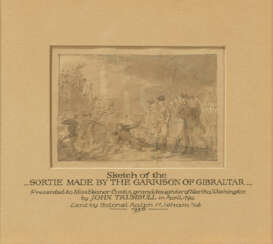

John Trumbull was an American artist of the early independence period, notable for his historical paintings of the American Revolutionary War, of which he was a veteran. He has been called the "Painter of the Revolution".
Trumbull's Declaration of Independence (1817), one of his four paintings that hang in the United States Capitol rotunda, is used on the reverse of the current United States two-dollar bill.
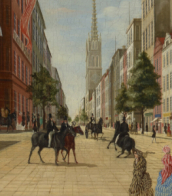


Henry Raeburn was a Scottish portrait painter. He served as Portrait Painter to King George IV in Scotland.
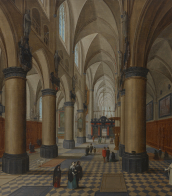
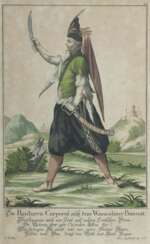

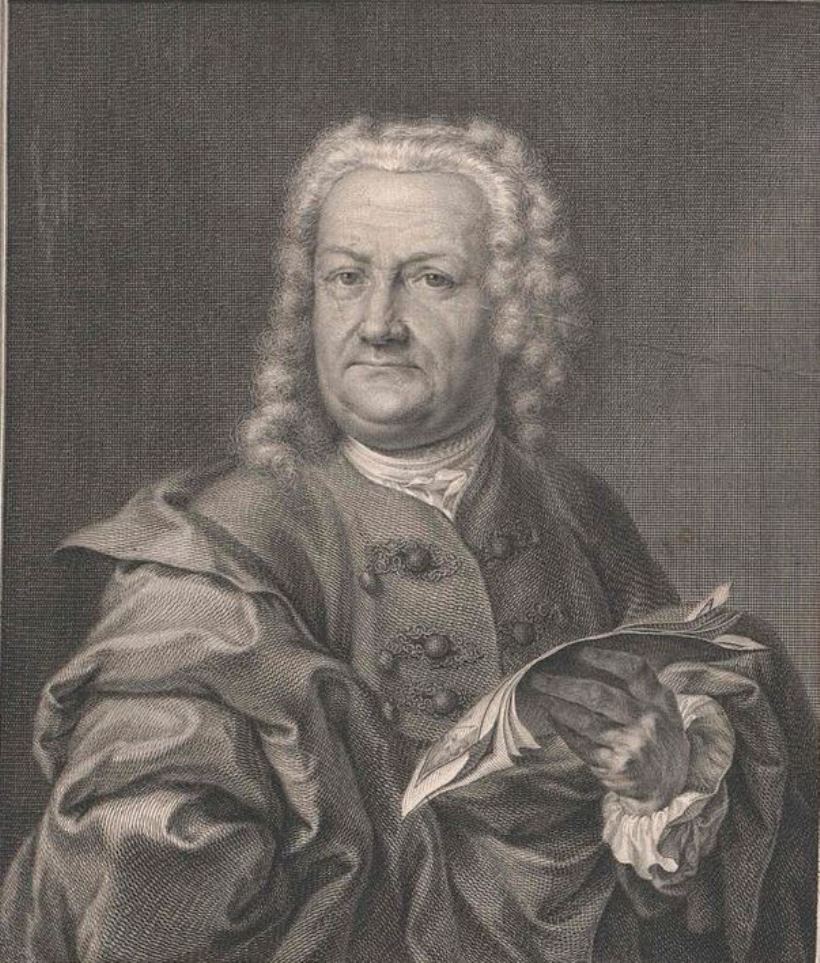
Martin Engelbrecht was a German Baroque painter and engraver, publisher, and inventor of the first miniature dioramas.
Martin and his brother Christian were skilled printers and engravers in Augsburg, Germany in the 18th century. Martin's works include illustrations for Ovid's Metamorphoses, The War of the Spanish Succession, P. Dekker's Les Architectes Princiers, 92 views of Venice, and the Assemblage Nouveau Des Manouvries Habilles, a series of engravings depicting laborers and their clothing, published in Augsburg around 1730.
Also around 1730. Martin Engelbrecht created maps for miniature theaters, which, inserted into a display box, showed religious scenes and pictures of everyday life in three-dimensional perspective. He devoted an entire series to Italian theater. These miniature theaters or Engelbrecht dioramas are considered the earliest paper theaters in history, and they became very popular in the 18th century as a means of home entertainment. Engelbrecht is known to have created at least forty-one sets of miniature theater dioramas.
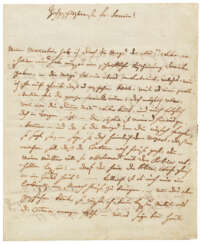

Wolfgang Amadeus Mozart, full name Johann Chrysostomus Wolfgang Amadeus Mozart, was an Austrian composer and virtuoso musician. Mozart is one of the greatest composers in music history on par with Beethoven and Haydn.
Wolfgang was born into the family of violinist and composer Leopold Mozart (1719-1787), at the age of five he had already begun composing and gave his first public performance. His older sister Maria Anna (1751-1829) was also a prodigy, and from 1763 Leopold and his children began traveling around Europe with performances.
Mozart had a phenomenal musical ear, memory and was a superb improviser. Unlike any other composer in music history, he was versatile and wrote in all musical genres of his time. During his short life, Mozart composed more than 800 works, many of which are recognized as the pinnacle of the symphonic, concert, chamber, opera and choral repertoire. The general public is familiar with the composer's three operas: The Marriage of Figaro, Don Giovanni and The Magic Flute.
Society did not immediately appreciate the scale of Mozart's genius. It was only many years later that the vivid image of a prodigy, a refined salon composer who could miraculously think through an entire work in his head, gave way to the image of a serious, meticulous and brilliant creator of music.
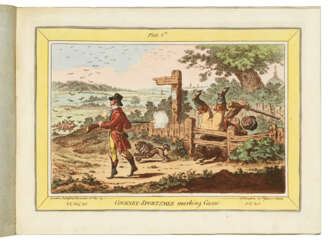

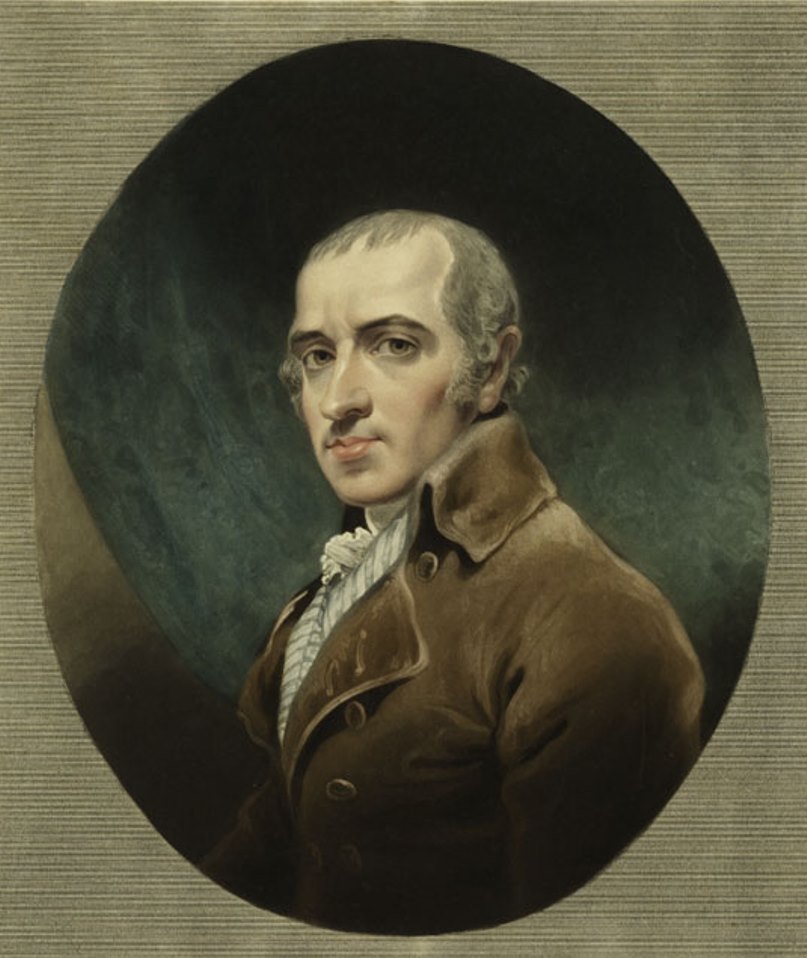
James Gillray was a British artist and caricaturist.
James Gillray was the most popular caricaturist of the second half of the 18th century. From about 1775 to 1810, he created about 1,000 political and social caricatures, often violent and even obscene. These include finished portrait drawings of the rich and famous, comic caricatures of bumbling people, and satirical caricatures of British political and social life during the Napoleonic era.
James Gillray's political cartoons are a historical record of the latter part of George III's reign. They were widely circulated in Britain and Europe and were produced as pamphlets. They sharply ridicule George III, the Queen, the Prince of Wales, Charles James Fox, Edmund Burke, William Pitt and Napoleon.
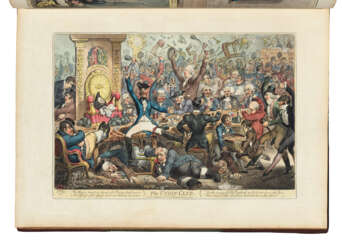

James Gillray was a British artist and caricaturist.
James Gillray was the most popular caricaturist of the second half of the 18th century. From about 1775 to 1810, he created about 1,000 political and social caricatures, often violent and even obscene. These include finished portrait drawings of the rich and famous, comic caricatures of bumbling people, and satirical caricatures of British political and social life during the Napoleonic era.
James Gillray's political cartoons are a historical record of the latter part of George III's reign. They were widely circulated in Britain and Europe and were produced as pamphlets. They sharply ridicule George III, the Queen, the Prince of Wales, Charles James Fox, Edmund Burke, William Pitt and Napoleon.
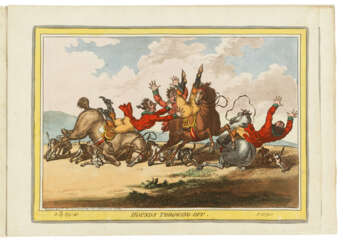

James Gillray was a British artist and caricaturist.
James Gillray was the most popular caricaturist of the second half of the 18th century. From about 1775 to 1810, he created about 1,000 political and social caricatures, often violent and even obscene. These include finished portrait drawings of the rich and famous, comic caricatures of bumbling people, and satirical caricatures of British political and social life during the Napoleonic era.
James Gillray's political cartoons are a historical record of the latter part of George III's reign. They were widely circulated in Britain and Europe and were produced as pamphlets. They sharply ridicule George III, the Queen, the Prince of Wales, Charles James Fox, Edmund Burke, William Pitt and Napoleon.


Wolfgang Amadeus Mozart, full name Johann Chrysostomus Wolfgang Amadeus Mozart, was an Austrian composer and virtuoso musician. Mozart is one of the greatest composers in music history on par with Beethoven and Haydn.
Wolfgang was born into the family of violinist and composer Leopold Mozart (1719-1787), at the age of five he had already begun composing and gave his first public performance. His older sister Maria Anna (1751-1829) was also a prodigy, and from 1763 Leopold and his children began traveling around Europe with performances.
Mozart had a phenomenal musical ear, memory and was a superb improviser. Unlike any other composer in music history, he was versatile and wrote in all musical genres of his time. During his short life, Mozart composed more than 800 works, many of which are recognized as the pinnacle of the symphonic, concert, chamber, opera and choral repertoire. The general public is familiar with the composer's three operas: The Marriage of Figaro, Don Giovanni and The Magic Flute.
Society did not immediately appreciate the scale of Mozart's genius. It was only many years later that the vivid image of a prodigy, a refined salon composer who could miraculously think through an entire work in his head, gave way to the image of a serious, meticulous and brilliant creator of music.
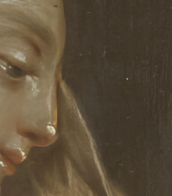
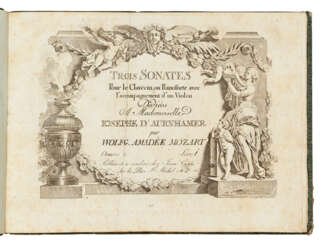

Wolfgang Amadeus Mozart, full name Johann Chrysostomus Wolfgang Amadeus Mozart, was an Austrian composer and virtuoso musician. Mozart is one of the greatest composers in music history on par with Beethoven and Haydn.
Wolfgang was born into the family of violinist and composer Leopold Mozart (1719-1787), at the age of five he had already begun composing and gave his first public performance. His older sister Maria Anna (1751-1829) was also a prodigy, and from 1763 Leopold and his children began traveling around Europe with performances.
Mozart had a phenomenal musical ear, memory and was a superb improviser. Unlike any other composer in music history, he was versatile and wrote in all musical genres of his time. During his short life, Mozart composed more than 800 works, many of which are recognized as the pinnacle of the symphonic, concert, chamber, opera and choral repertoire. The general public is familiar with the composer's three operas: The Marriage of Figaro, Don Giovanni and The Magic Flute.
Society did not immediately appreciate the scale of Mozart's genius. It was only many years later that the vivid image of a prodigy, a refined salon composer who could miraculously think through an entire work in his head, gave way to the image of a serious, meticulous and brilliant creator of music.


Wolfgang Amadeus Mozart, full name Johann Chrysostomus Wolfgang Amadeus Mozart, was an Austrian composer and virtuoso musician. Mozart is one of the greatest composers in music history on par with Beethoven and Haydn.
Wolfgang was born into the family of violinist and composer Leopold Mozart (1719-1787), at the age of five he had already begun composing and gave his first public performance. His older sister Maria Anna (1751-1829) was also a prodigy, and from 1763 Leopold and his children began traveling around Europe with performances.
Mozart had a phenomenal musical ear, memory and was a superb improviser. Unlike any other composer in music history, he was versatile and wrote in all musical genres of his time. During his short life, Mozart composed more than 800 works, many of which are recognized as the pinnacle of the symphonic, concert, chamber, opera and choral repertoire. The general public is familiar with the composer's three operas: The Marriage of Figaro, Don Giovanni and The Magic Flute.
Society did not immediately appreciate the scale of Mozart's genius. It was only many years later that the vivid image of a prodigy, a refined salon composer who could miraculously think through an entire work in his head, gave way to the image of a serious, meticulous and brilliant creator of music.
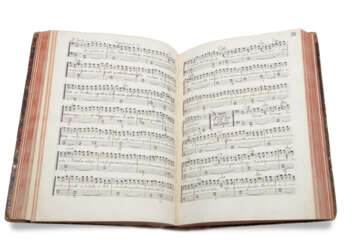

Wolfgang Amadeus Mozart, full name Johann Chrysostomus Wolfgang Amadeus Mozart, was an Austrian composer and virtuoso musician. Mozart is one of the greatest composers in music history on par with Beethoven and Haydn.
Wolfgang was born into the family of violinist and composer Leopold Mozart (1719-1787), at the age of five he had already begun composing and gave his first public performance. His older sister Maria Anna (1751-1829) was also a prodigy, and from 1763 Leopold and his children began traveling around Europe with performances.
Mozart had a phenomenal musical ear, memory and was a superb improviser. Unlike any other composer in music history, he was versatile and wrote in all musical genres of his time. During his short life, Mozart composed more than 800 works, many of which are recognized as the pinnacle of the symphonic, concert, chamber, opera and choral repertoire. The general public is familiar with the composer's three operas: The Marriage of Figaro, Don Giovanni and The Magic Flute.
Society did not immediately appreciate the scale of Mozart's genius. It was only many years later that the vivid image of a prodigy, a refined salon composer who could miraculously think through an entire work in his head, gave way to the image of a serious, meticulous and brilliant creator of music.
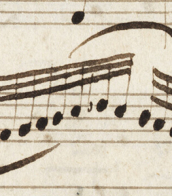
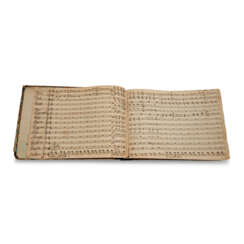

Wolfgang Amadeus Mozart, full name Johann Chrysostomus Wolfgang Amadeus Mozart, was an Austrian composer and virtuoso musician. Mozart is one of the greatest composers in music history on par with Beethoven and Haydn.
Wolfgang was born into the family of violinist and composer Leopold Mozart (1719-1787), at the age of five he had already begun composing and gave his first public performance. His older sister Maria Anna (1751-1829) was also a prodigy, and from 1763 Leopold and his children began traveling around Europe with performances.
Mozart had a phenomenal musical ear, memory and was a superb improviser. Unlike any other composer in music history, he was versatile and wrote in all musical genres of his time. During his short life, Mozart composed more than 800 works, many of which are recognized as the pinnacle of the symphonic, concert, chamber, opera and choral repertoire. The general public is familiar with the composer's three operas: The Marriage of Figaro, Don Giovanni and The Magic Flute.
Society did not immediately appreciate the scale of Mozart's genius. It was only many years later that the vivid image of a prodigy, a refined salon composer who could miraculously think through an entire work in his head, gave way to the image of a serious, meticulous and brilliant creator of music.
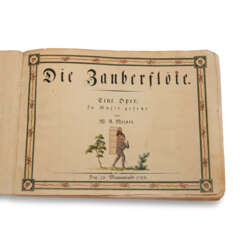

Wolfgang Amadeus Mozart, full name Johann Chrysostomus Wolfgang Amadeus Mozart, was an Austrian composer and virtuoso musician. Mozart is one of the greatest composers in music history on par with Beethoven and Haydn.
Wolfgang was born into the family of violinist and composer Leopold Mozart (1719-1787), at the age of five he had already begun composing and gave his first public performance. His older sister Maria Anna (1751-1829) was also a prodigy, and from 1763 Leopold and his children began traveling around Europe with performances.
Mozart had a phenomenal musical ear, memory and was a superb improviser. Unlike any other composer in music history, he was versatile and wrote in all musical genres of his time. During his short life, Mozart composed more than 800 works, many of which are recognized as the pinnacle of the symphonic, concert, chamber, opera and choral repertoire. The general public is familiar with the composer's three operas: The Marriage of Figaro, Don Giovanni and The Magic Flute.
Society did not immediately appreciate the scale of Mozart's genius. It was only many years later that the vivid image of a prodigy, a refined salon composer who could miraculously think through an entire work in his head, gave way to the image of a serious, meticulous and brilliant creator of music.
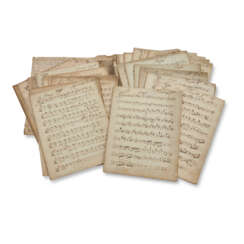

Wolfgang Amadeus Mozart, full name Johann Chrysostomus Wolfgang Amadeus Mozart, was an Austrian composer and virtuoso musician. Mozart is one of the greatest composers in music history on par with Beethoven and Haydn.
Wolfgang was born into the family of violinist and composer Leopold Mozart (1719-1787), at the age of five he had already begun composing and gave his first public performance. His older sister Maria Anna (1751-1829) was also a prodigy, and from 1763 Leopold and his children began traveling around Europe with performances.
Mozart had a phenomenal musical ear, memory and was a superb improviser. Unlike any other composer in music history, he was versatile and wrote in all musical genres of his time. During his short life, Mozart composed more than 800 works, many of which are recognized as the pinnacle of the symphonic, concert, chamber, opera and choral repertoire. The general public is familiar with the composer's three operas: The Marriage of Figaro, Don Giovanni and The Magic Flute.
Society did not immediately appreciate the scale of Mozart's genius. It was only many years later that the vivid image of a prodigy, a refined salon composer who could miraculously think through an entire work in his head, gave way to the image of a serious, meticulous and brilliant creator of music.


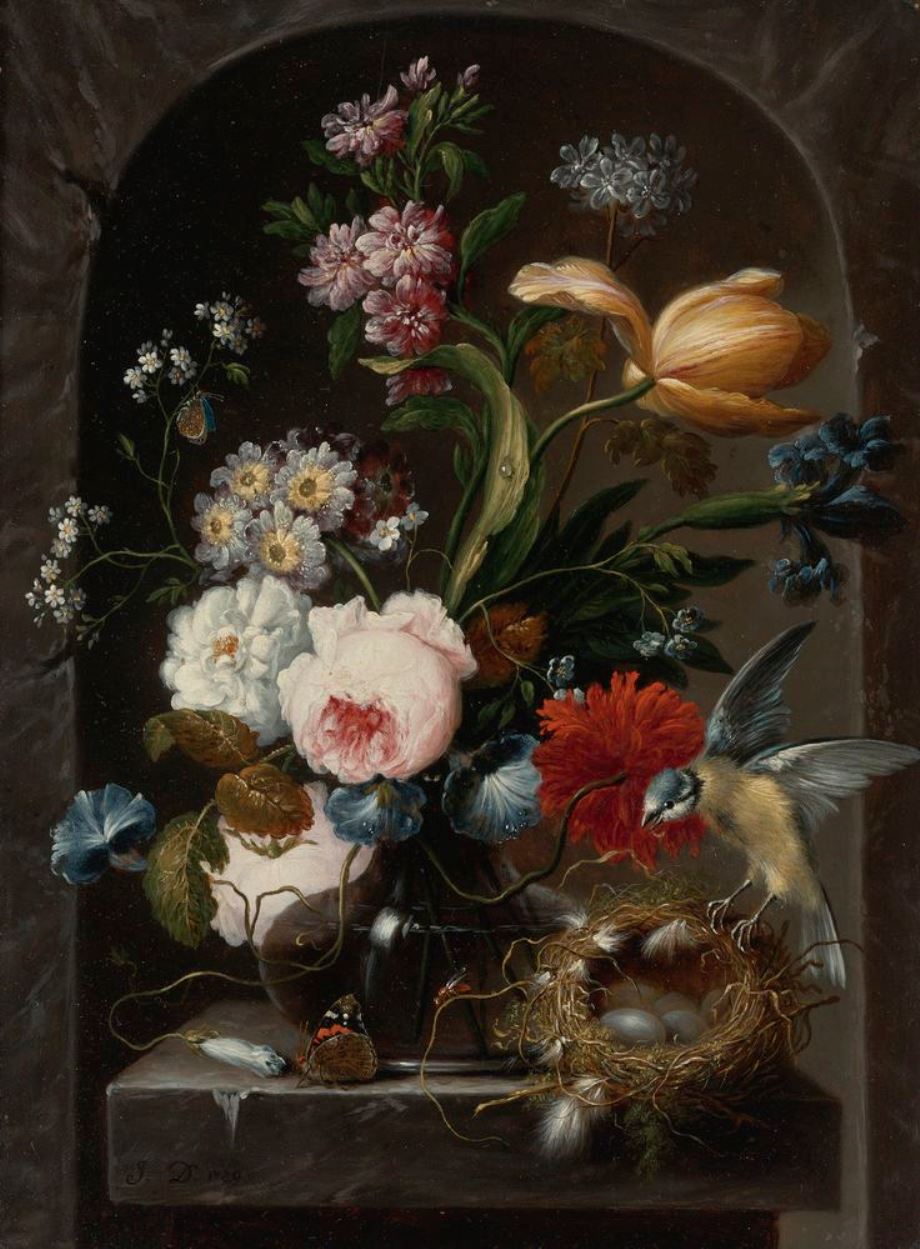
Johann Baptist Drechsler was an Austrian floral artist. He was born into a family of porcelain painters and worked for ten years at the Viennese porcelain manufactory. He is known for his colorful floral still lifes, including fruit and birds.