1826
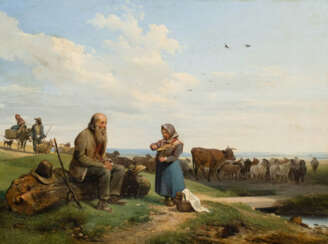

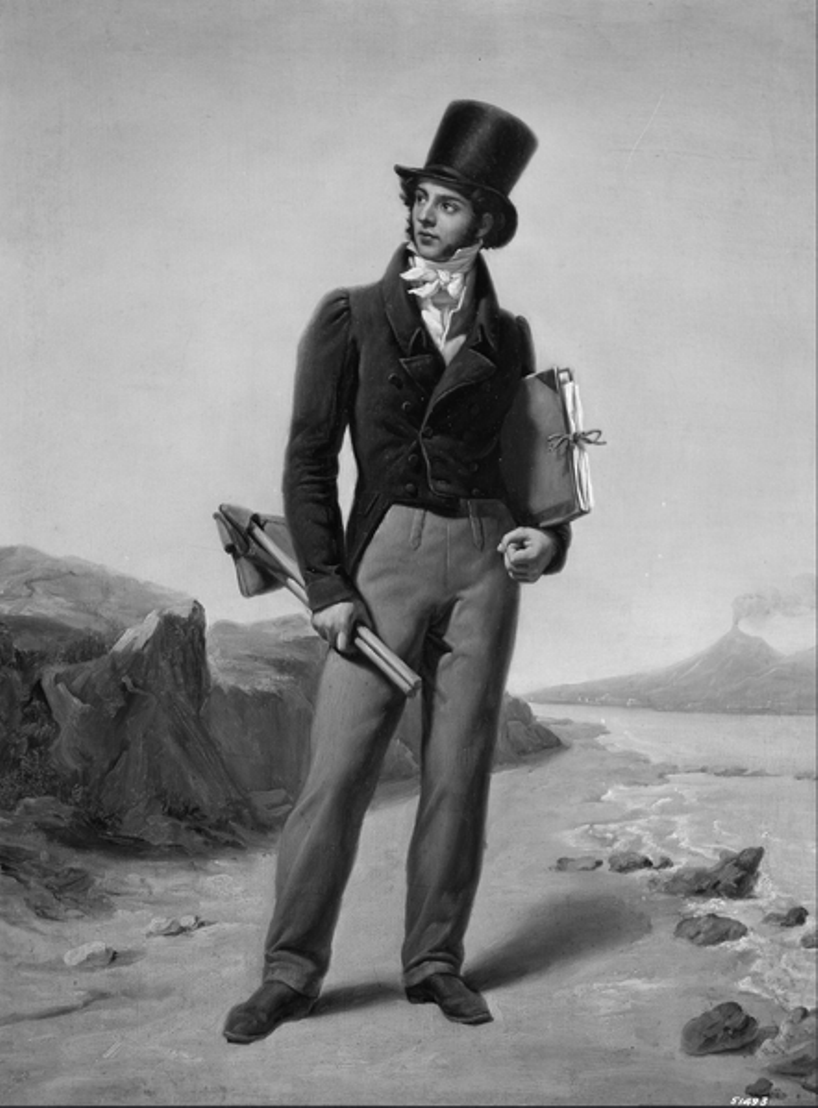
Auguste-Xavier Leprince was a French painter, lithographer, draughtsman and illustrator.
Leprince displayed his talent and pictorial genius in a variety of genres and techniques during his short but vivid life. He painted portraits and landscapes, scenes of rural and urban life, and illustrated books. Leprince's art left a deep trace in the painting of the early 19th century.


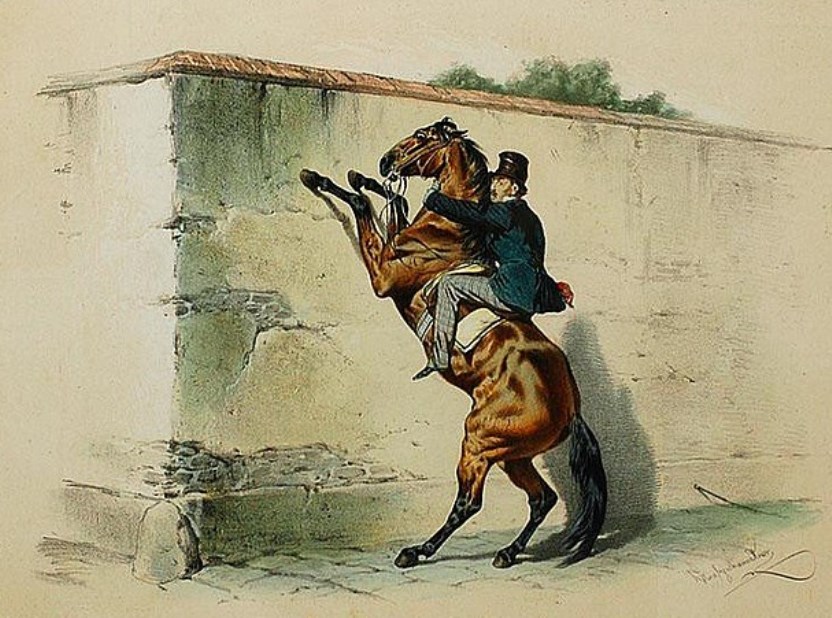
Josef Anton Strassgschwandtner was an Austrian painter and lithographer, celebrated for his detailed hunting, military, and genre scenes. Born in Vienna in 1826, he exhibited artistic talent from an early age, which was nurtured despite being orphaned and raised in an orphanage. His formal education in art commenced at the Academy of Fine Arts Vienna between 1843 and 1845, where he studied under notable instructors like Leopold Kupelwieser and Franz Steinfeld.
Josef Anton Strassgschwandtner's works gained prominence for their vibrant depiction of military and hunting scenes, earning him the nickname "Austrian Raffet" after the French lithographer Auguste Raffet. His client base was diverse, including hunting associations, horse enthusiasts, and military personnel, which reflects his versatility and appeal across different circles. Despite his success, Strassgschwandtner's life took a tragic turn when he became mentally deranged in 1879 and was subsequently institutionalized until his death in 1881.
His legacy continues to be celebrated, with a street in Vienna named after him and his works featured in various exhibitions. For collectors and experts in art and antiques, Josef Anton Strassgschwandtner's pieces represent a unique blend of historical and artistic significance, offering a glimpse into the Austrian culture of his time.
If you're intrigued by Josef Anton Strassgschwandtner's life and works and want to stay updated on sales or auction events featuring his art, consider subscribing for updates. This subscription will keep you informed about opportunities to acquire pieces by this notable Austrian artist.







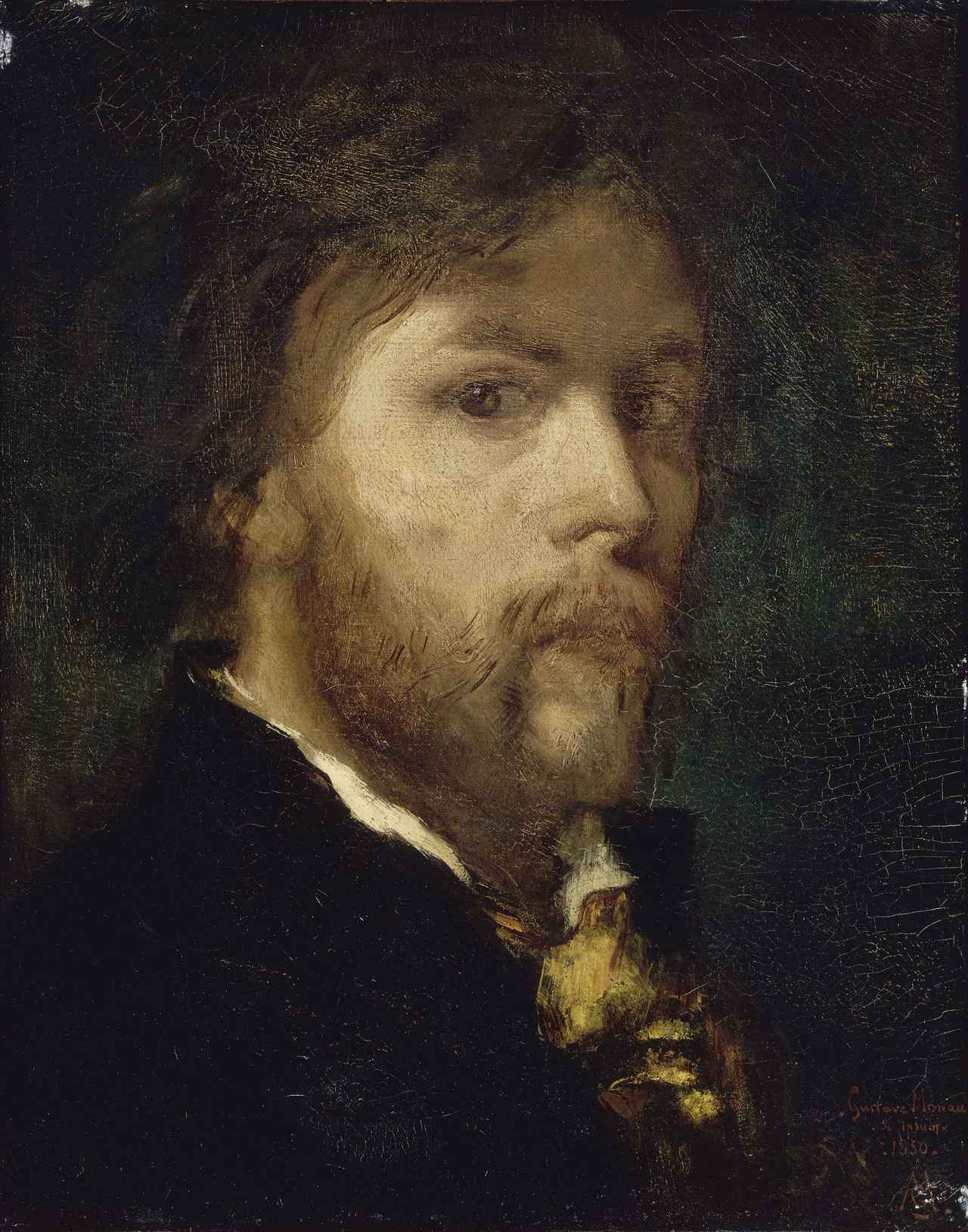
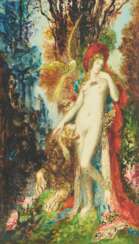
Gustave Moreau was a French artist and an important figure in the Symbolist movement. Jean Cassou called him "the Symbolist painter par excellence". He was an influential forerunner of symbolism in the visual arts in the 1860s, and at the height of the symbolist movement in the 1890s, he was among the most significant painters.
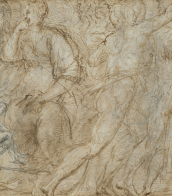


Gustave Moreau was a French artist and an important figure in the Symbolist movement. Jean Cassou called him "the Symbolist painter par excellence". He was an influential forerunner of symbolism in the visual arts in the 1860s, and at the height of the symbolist movement in the 1890s, he was among the most significant painters.
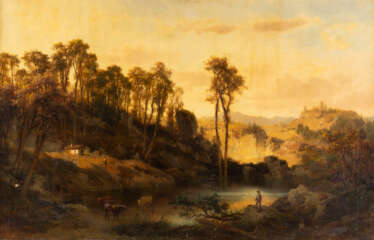

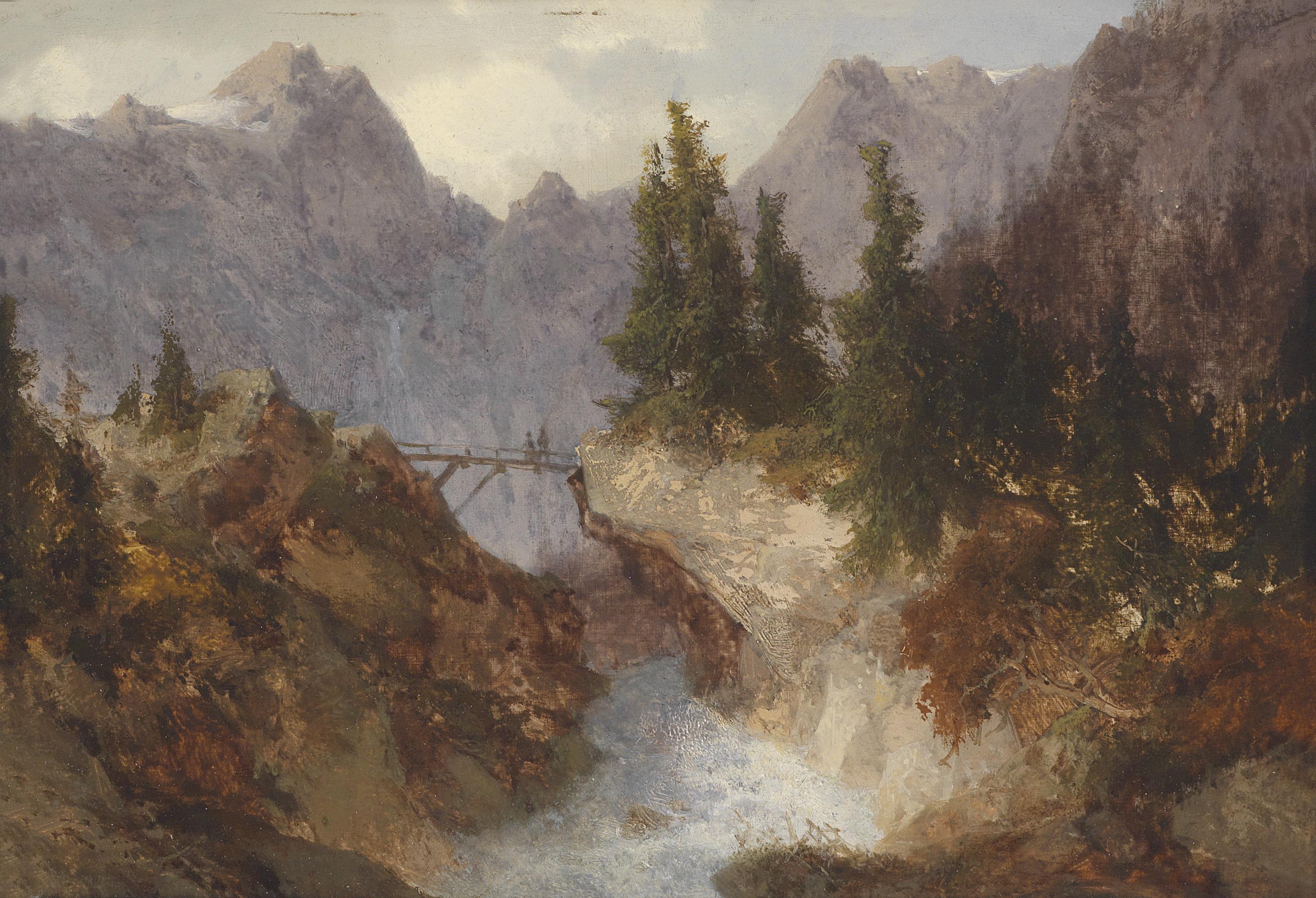
Joseph Brunner was a 19th century Austrian painter. He specialised in rural and mountain landscapes, sometimes painting portraits.
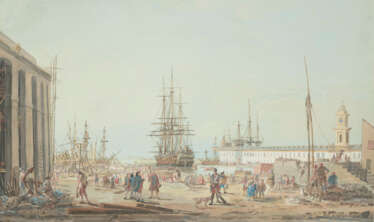

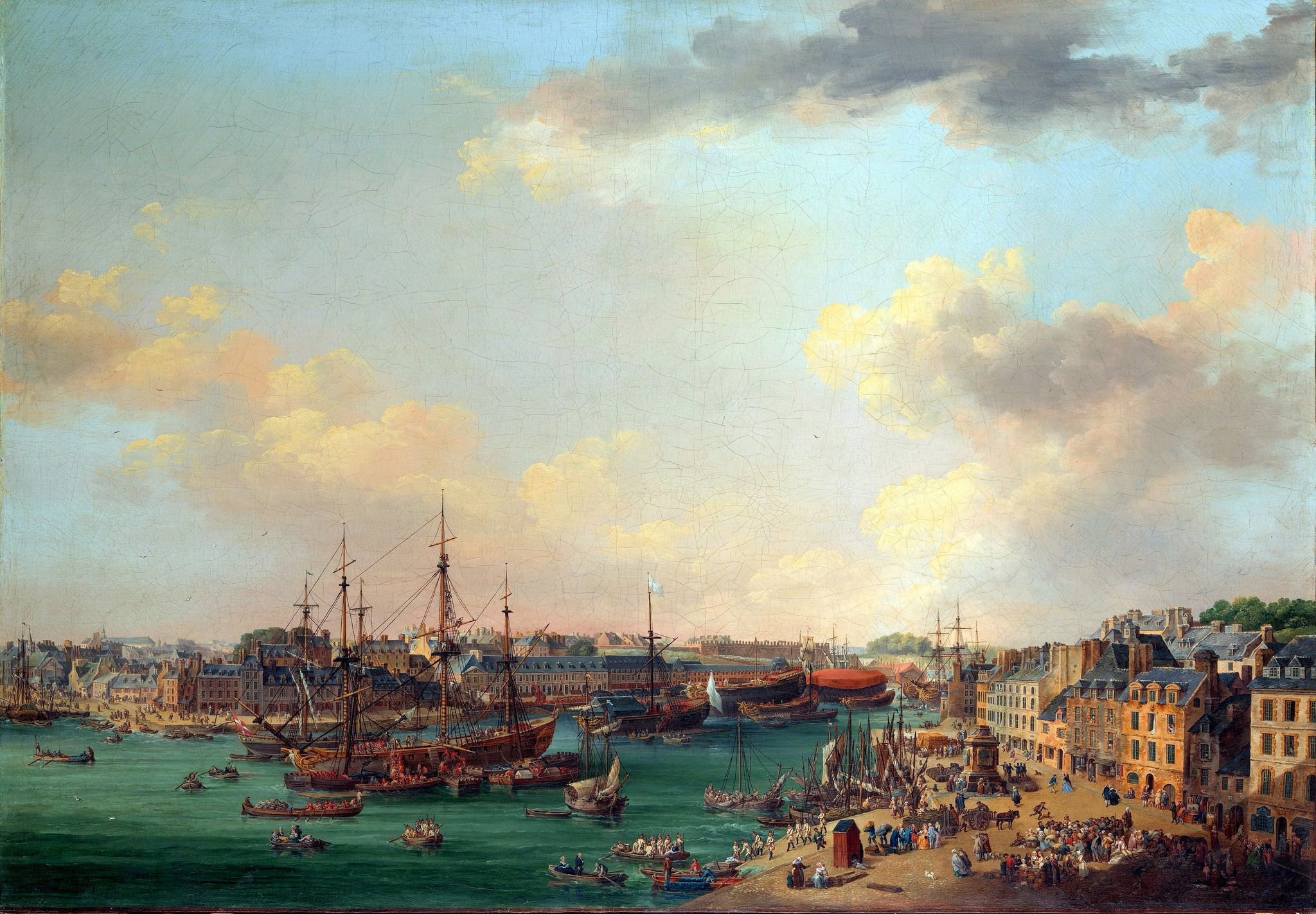
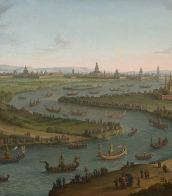
Henri-Joseph van Blarenberghe was a French painter.
During the reign of Louis XVI of France Henri-Joseph became a specialist of battle scenes, due to the fact that he was a military painter in the retinue of the French army, as was his father.
He also devoted himself to painting miniatures, to decorate boxes for smoking tobacco, made of wood or precious metals: gilded silver, gold, even gold and platinum. Excellent at capturing the details of clothing and decorations, he finished his little boxes with particular accuracy and grace.
During the period of the French Revolution Henri-Joseph Van Blarenberghe devoted himself to painting historical scenes. He made gouaches with court scenes, with pleasant animated landscapes. His paintings are a testimony to the life of the time in France.
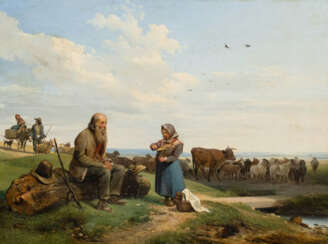

Auguste-Xavier Leprince was a French painter, lithographer, draughtsman and illustrator.
Leprince displayed his talent and pictorial genius in a variety of genres and techniques during his short but vivid life. He painted portraits and landscapes, scenes of rural and urban life, and illustrated books. Leprince's art left a deep trace in the painting of the early 19th century.
![EXPÉDITION D'ÉGYPTE [LE PÈRE, Jacques-Marie (1763-1841) et Gratien LE PÈRE (1769-1826)]](/assets/image/picture_4260212/a4ba1/sjjzgn9bhgtpyrvctoiua2rrkb9kfnhzrsxisikusj5ylgnuffmmrf39-g1nespn1729545597jpg__fix_374_244.jpeg)
![EXPÉDITION D'ÉGYPTE [LE PÈRE, Jacques-Marie (1763-1841) et Gratien LE PÈRE (1769-1826)]](https://veryimportantlot.com/assets/image/picture_4260212/a4ba1/sjjzgn9bhgtpyrvctoiua2rrkb9kfnhzrsxisikusj5ylgnuffmmrf39-g1nespn1729545597jpg__fix_374_244.jpeg)

Auguste-Xavier Leprince was a French painter, lithographer, draughtsman and illustrator.
Leprince displayed his talent and pictorial genius in a variety of genres and techniques during his short but vivid life. He painted portraits and landscapes, scenes of rural and urban life, and illustrated books. Leprince's art left a deep trace in the painting of the early 19th century.





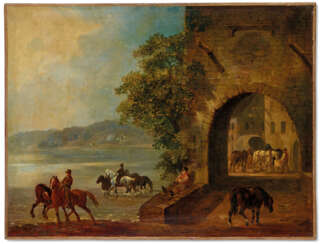

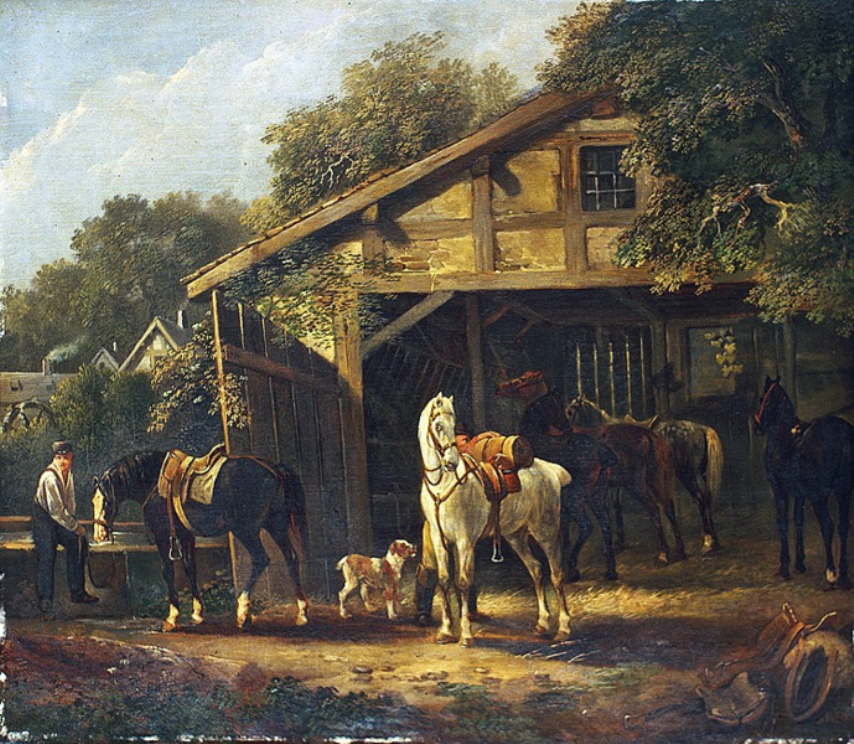
Johann Conrad Gessner was a Swiss battle painter and lithographer.
He studied painting first with his artist father Solomon Gessner (1730-1788), then at the Dresden Art Academy, before traveling to Naples and Rome. Back in Germany, Gessner became known for his equestrian and battle scenes, and his drawings and watercolors already had features of early Romanticism.
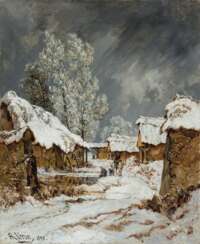

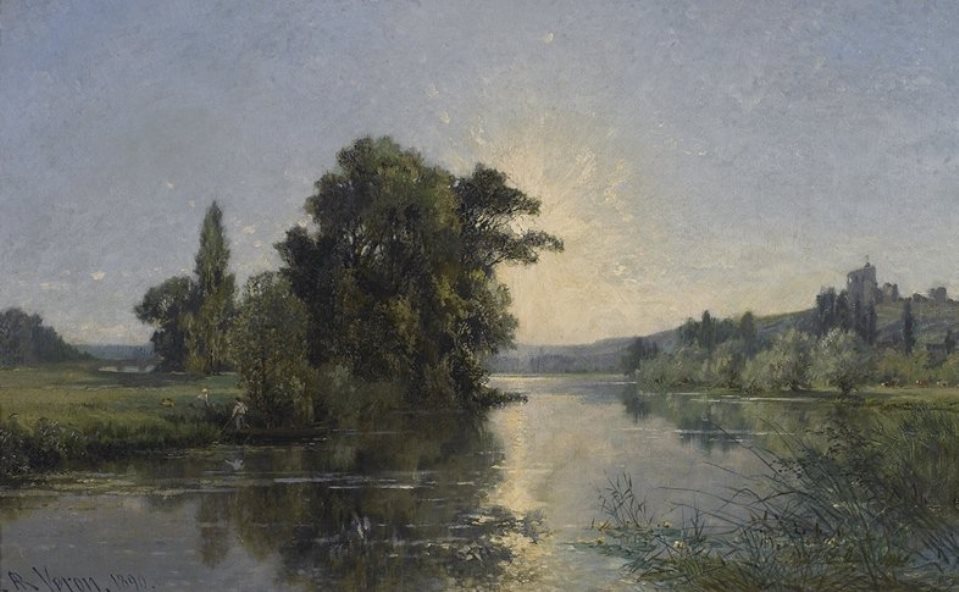
Alexandre René Véron is a French painter who devoted himself to landscape subjects. The best of his work captures the last moments of twilight, when all is quiet and peaceful. Ponds, pastoral scenes, city sketches, coastal landscapes are the favorite themes of Veron's works.
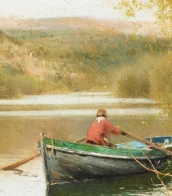


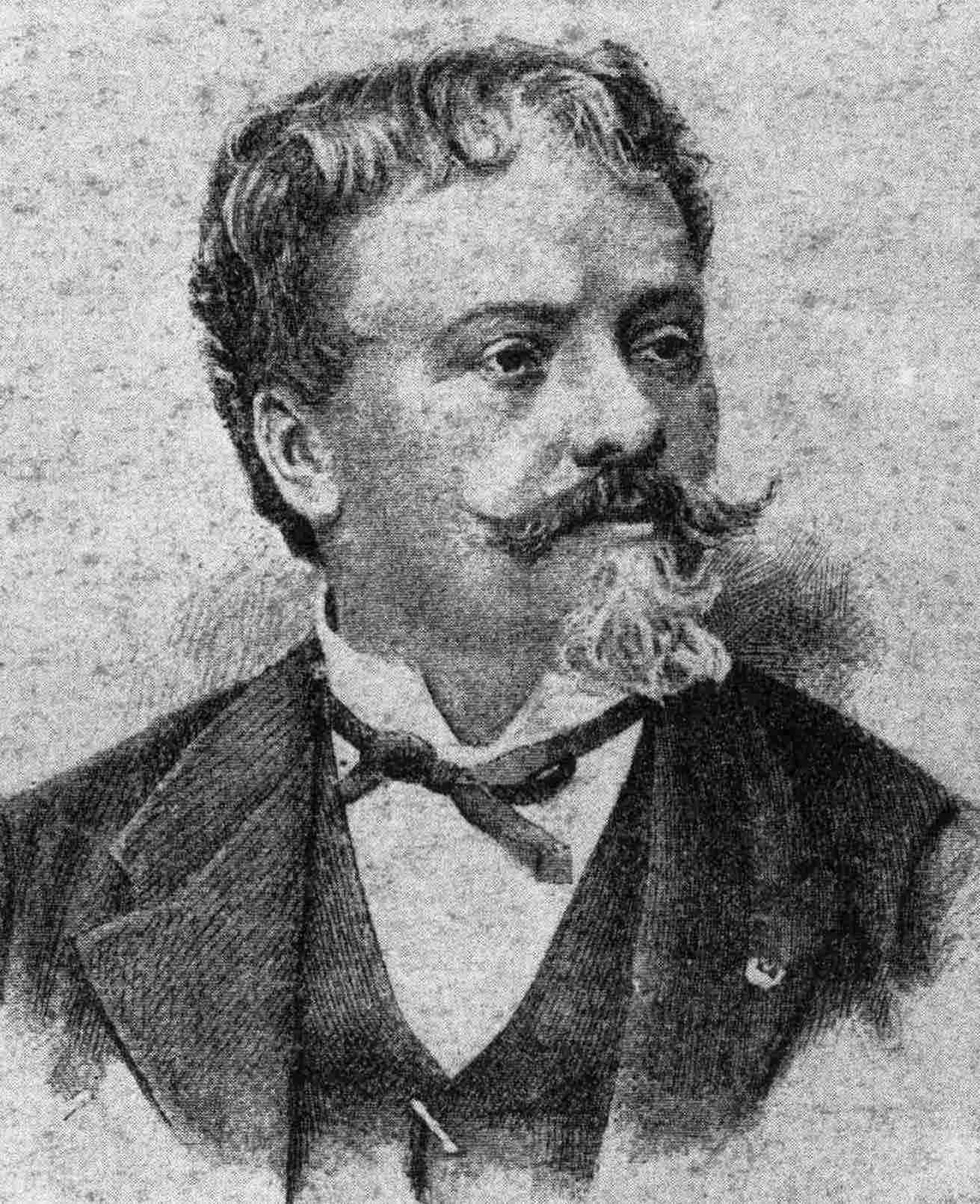
Alberto Pasini was an Italian painter. He is best known for depicting Orientalist subjects in a late-Romantic style.
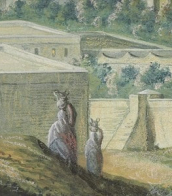
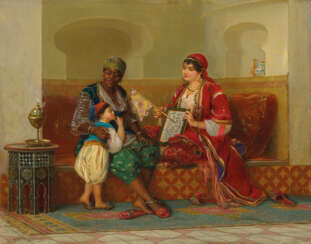

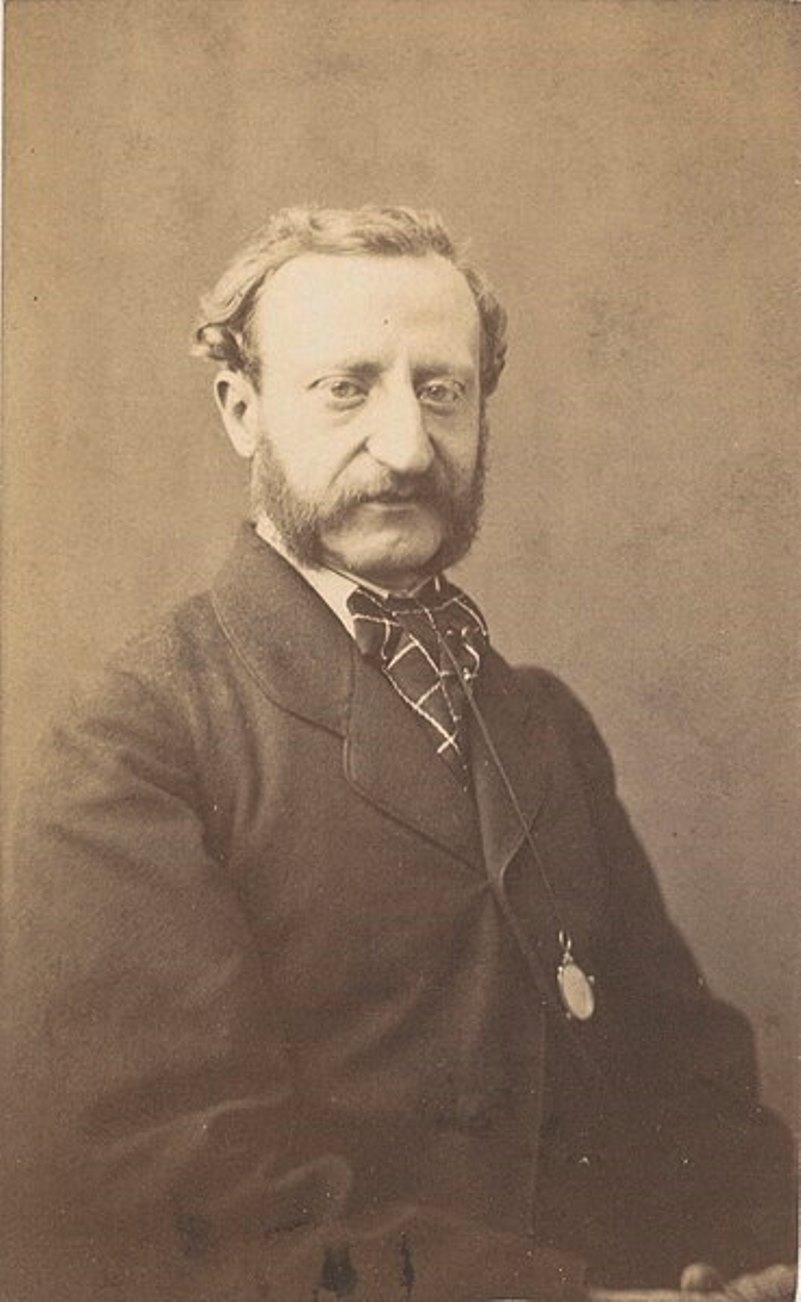
Jan Baptist Huysmans was a Belgian orientalist painter, traveler and writer.
After graduating from the Antwerp Academy, Jan Baptist Huysmans traveled extensively. During his long and prolific artistic career he visited Greece, Turkey, Syria, Palestine, Egypt and Algeria. These travels resulted in numerous sketches and studies, sketches, paintings and memoirs by the artist, who was fascinated by the culture and landscapes of the countries he saw.
In addition to genre paintings of Eastern life, the artist created religious compositions for churches in Jerusalem and decorative panels for church and municipal buildings in Belgian cities.
Huysmans lived most of his professional life in Paris and exhibited in France, England, and Scotland. He also published several illustrated books about his travels, notably Travels in Italy and the East in 1856-1857.
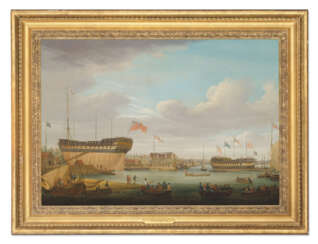


Gustave Moreau was a French artist and an important figure in the Symbolist movement. Jean Cassou called him "the Symbolist painter par excellence". He was an influential forerunner of symbolism in the visual arts in the 1860s, and at the height of the symbolist movement in the 1890s, he was among the most significant painters.



Gustave Moreau was a French artist and an important figure in the Symbolist movement. Jean Cassou called him "the Symbolist painter par excellence". He was an influential forerunner of symbolism in the visual arts in the 1860s, and at the height of the symbolist movement in the 1890s, he was among the most significant painters.