1860's
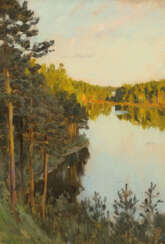

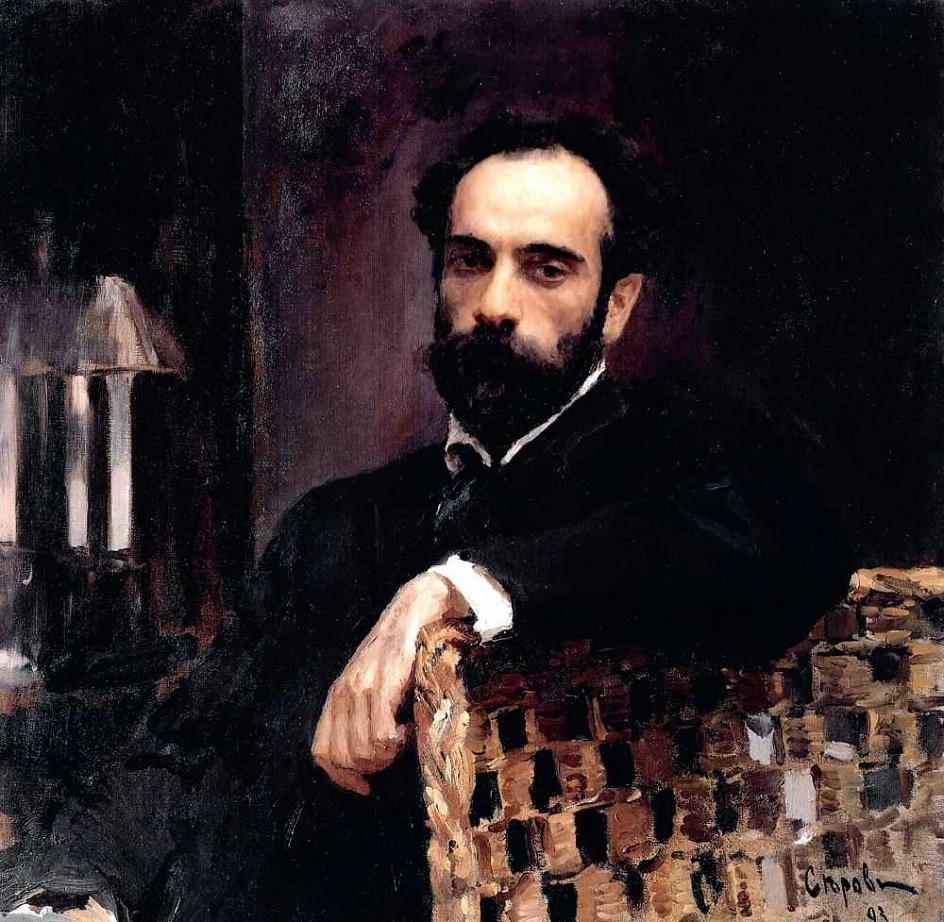
Isaac Ilyich Levitan (Russian: Исаак Ильич Левитан) was a distinguished Russian artist, celebrated for his profound contributions to the world of landscape painting. Born in 1860, Levitan's work is emblematic of the Russian landscape genre, capturing the emotive and atmospheric essence of the country's natural scenery. His artistry is not merely a depiction of the physical landscape but an exploration of the human emotion intertwined with the natural world, making his work resonate deeply with art collectors and experts alike.
Levitan's ability to infuse his landscapes with mood and emotion set him apart from his contemporaries. His paintings such as "The Vladimirka Road," "Above Eternal Peace," and "Golden Autumn" are lauded for their technical brilliance and emotive power. These works are showcased in prestigious museums, including the Tretyakov Gallery in Moscow, highlighting his importance in Russian culture and art history. Levitan's mastery in capturing the subtle transitions of light and his delicate portrayal of the seasons convey a profound sense of place and time, offering viewers a transcendent experience.
As an artist, Levitan's influence extends beyond his canvases, contributing significantly to the development of Russian landscape painting. His work embodies a unique blend of realism and impressionism, reflecting a deep connection to the Russian countryside. For collectors and experts in art and antiques, Levitan's paintings represent not only aesthetic beauty but also a rich cultural heritage. His legacy continues to inspire and captivate audiences, underscoring his status as a pivotal figure in the art world.
For those passionate about the intricacies of culture, art, and the storied canvas of history, Isaac Ilyich Levitan's oeuvre offers an unparalleled exploration of the Russian soul through landscape. We invite collectors and art enthusiasts to sign up for updates on new product sales and auction events related to Levitan's work. This subscription is your gateway to owning a piece of Russian artistic heritage, where the beauty of Levitan's landscapes can become a cherished part of your collection.
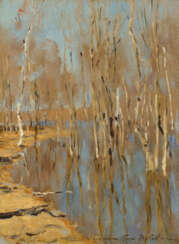

Isaac Ilyich Levitan (Russian: Исаак Ильич Левитан) was a distinguished Russian artist, celebrated for his profound contributions to the world of landscape painting. Born in 1860, Levitan's work is emblematic of the Russian landscape genre, capturing the emotive and atmospheric essence of the country's natural scenery. His artistry is not merely a depiction of the physical landscape but an exploration of the human emotion intertwined with the natural world, making his work resonate deeply with art collectors and experts alike.
Levitan's ability to infuse his landscapes with mood and emotion set him apart from his contemporaries. His paintings such as "The Vladimirka Road," "Above Eternal Peace," and "Golden Autumn" are lauded for their technical brilliance and emotive power. These works are showcased in prestigious museums, including the Tretyakov Gallery in Moscow, highlighting his importance in Russian culture and art history. Levitan's mastery in capturing the subtle transitions of light and his delicate portrayal of the seasons convey a profound sense of place and time, offering viewers a transcendent experience.
As an artist, Levitan's influence extends beyond his canvases, contributing significantly to the development of Russian landscape painting. His work embodies a unique blend of realism and impressionism, reflecting a deep connection to the Russian countryside. For collectors and experts in art and antiques, Levitan's paintings represent not only aesthetic beauty but also a rich cultural heritage. His legacy continues to inspire and captivate audiences, underscoring his status as a pivotal figure in the art world.
For those passionate about the intricacies of culture, art, and the storied canvas of history, Isaac Ilyich Levitan's oeuvre offers an unparalleled exploration of the Russian soul through landscape. We invite collectors and art enthusiasts to sign up for updates on new product sales and auction events related to Levitan's work. This subscription is your gateway to owning a piece of Russian artistic heritage, where the beauty of Levitan's landscapes can become a cherished part of your collection.


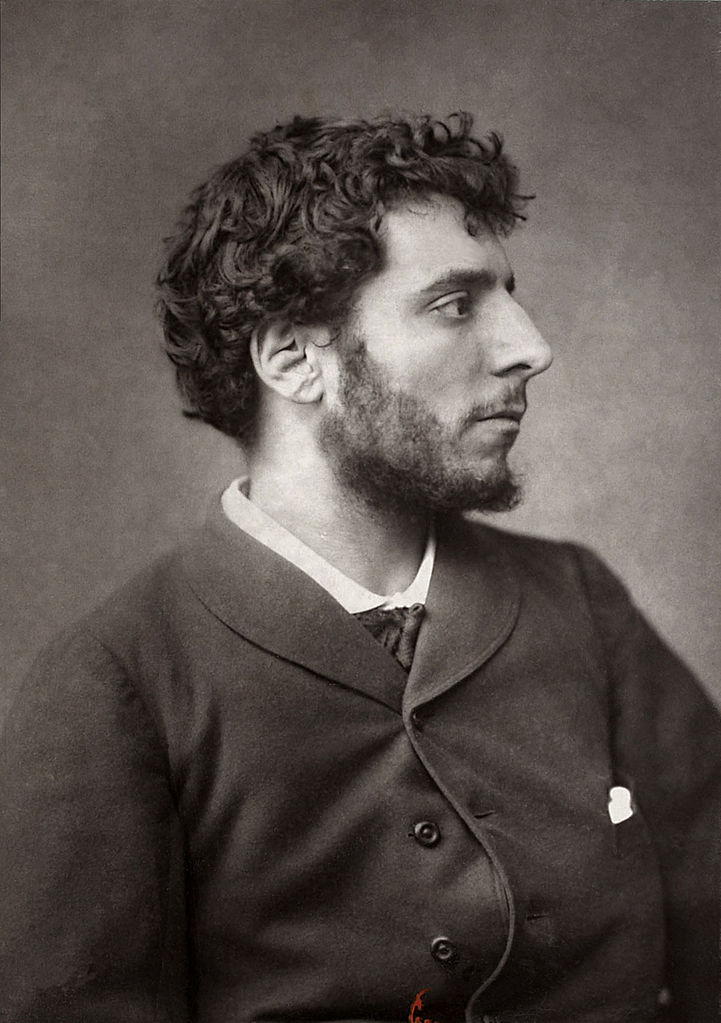
Henri-Jean Guillaume Martin was a French painter. Elected to the Académie des Beaux-Arts in 1917, he is known for his early 1920s work on the walls of the Salle de l'Assemblée générale, where the members of the Conseil d'État meet in the Palais-Royal in Paris. Other notable institutions that have featured his Post-Impressionist paintings in their halls through public procurement include the Élysée Palace, Sorbonne, Hôtel de Ville de Paris, Palais de Justice de Paris, as well as Capitole de Toulouse, although the Musée des Beaux-Arts de Bordeaux and Musée des Augustins also have sizeable public collections.


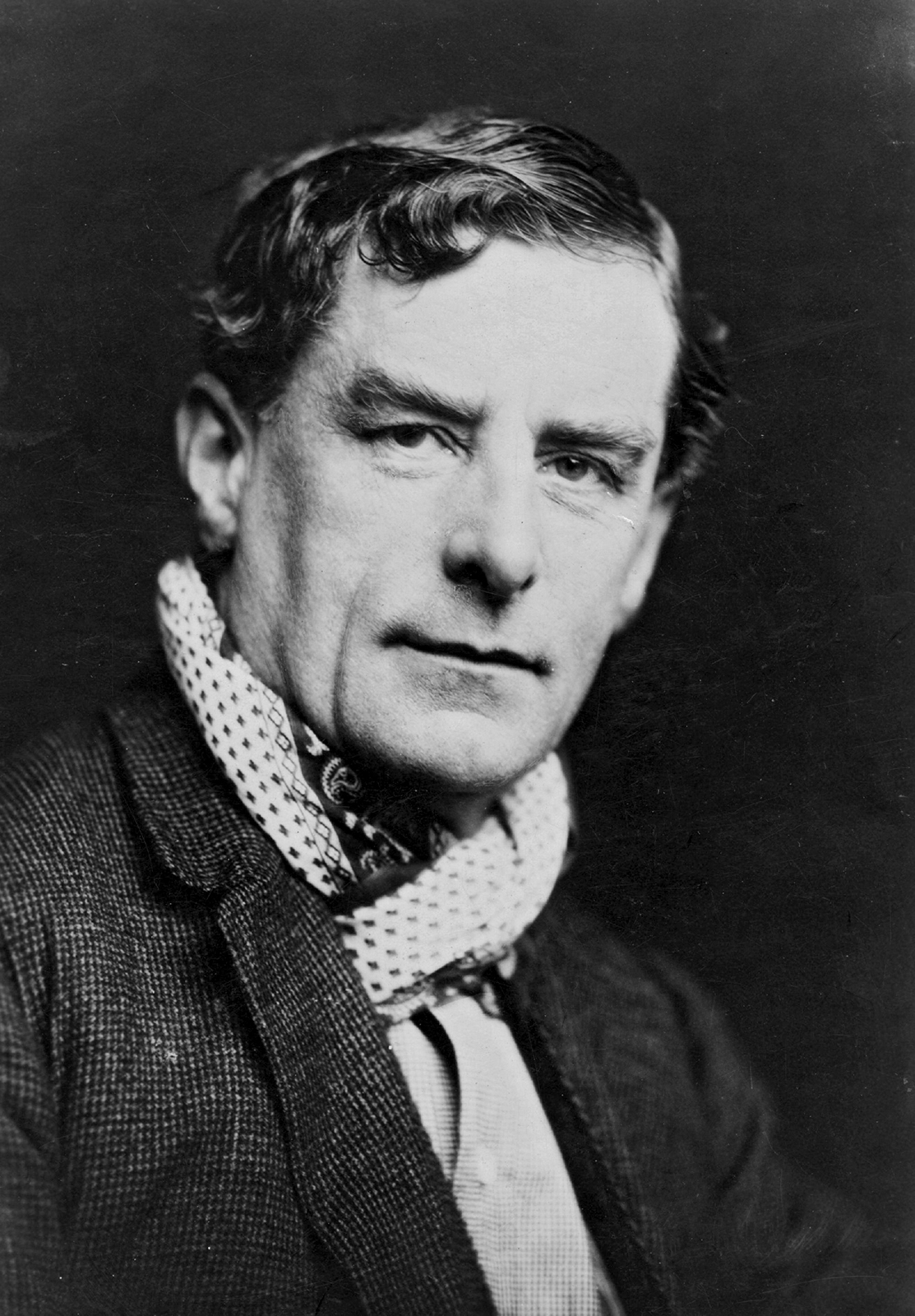
Walter Richard Sickert was a German-born British painter and printmaker who was a member of the Camden Town Group of Post-Impressionist artists in early 20th-century London. He was an important influence on distinctively British styles of avant-garde art in the mid- and late 20th century.
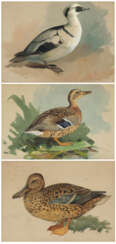

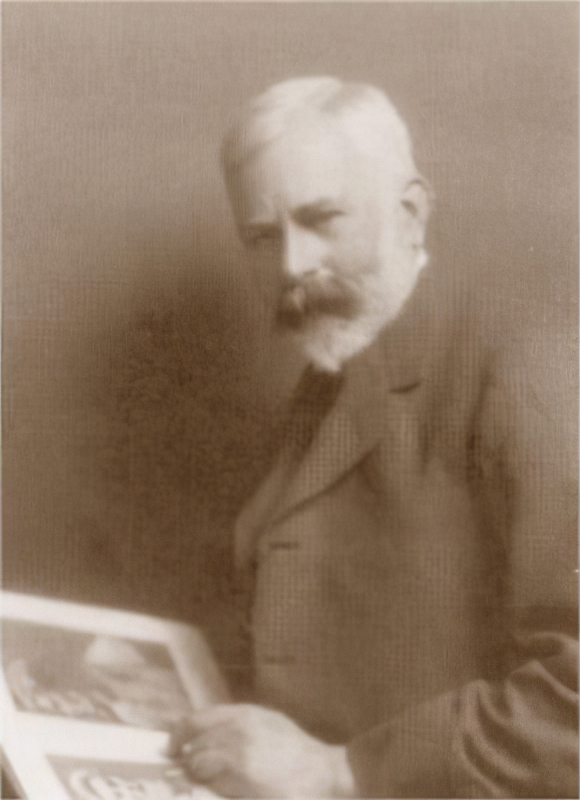
Archibald Thorburn was a Scottish artist who specialised in wildlife, painting mostly in watercolour. He regularly visited Scotland to sketch birds in the wild, his favourite haunt being the Forest of Gaick near Kingussie in Invernesshire. His widely reproduced images of British wildlife, with their evocative and dramatic backgrounds, are enjoyed as much today as they were by naturalists a century ago.
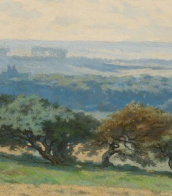
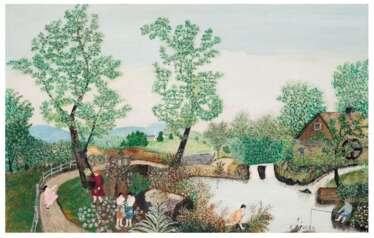

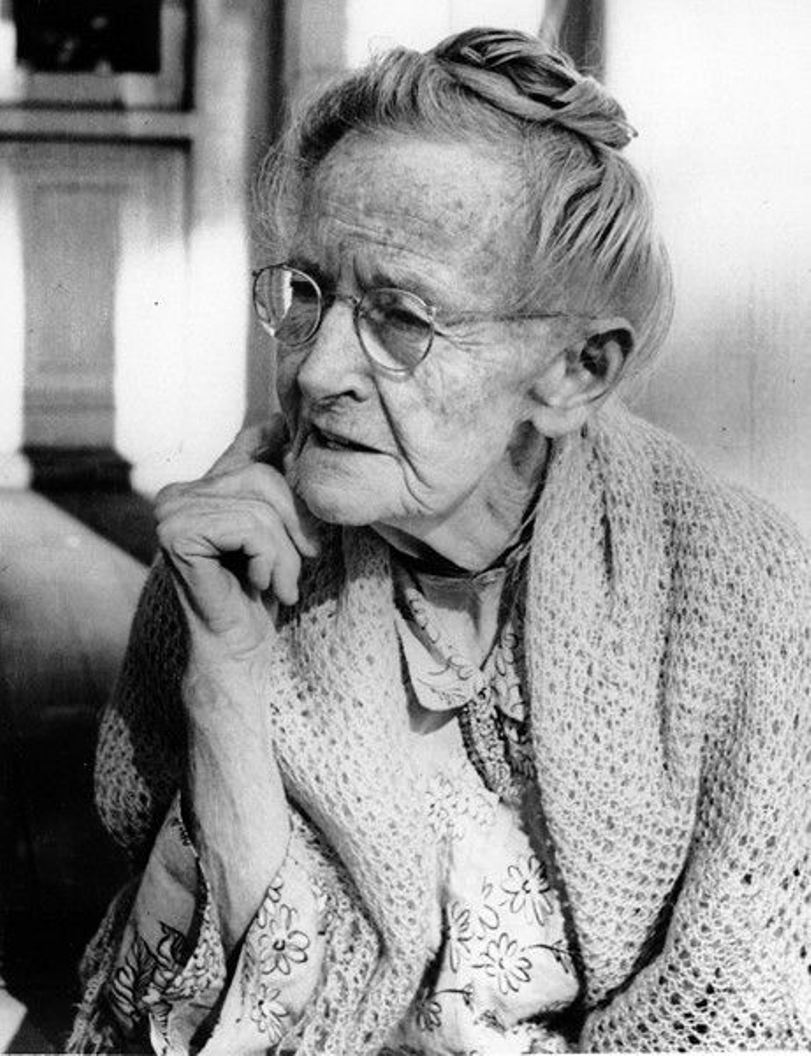
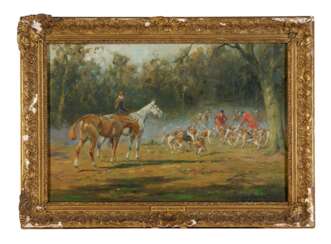

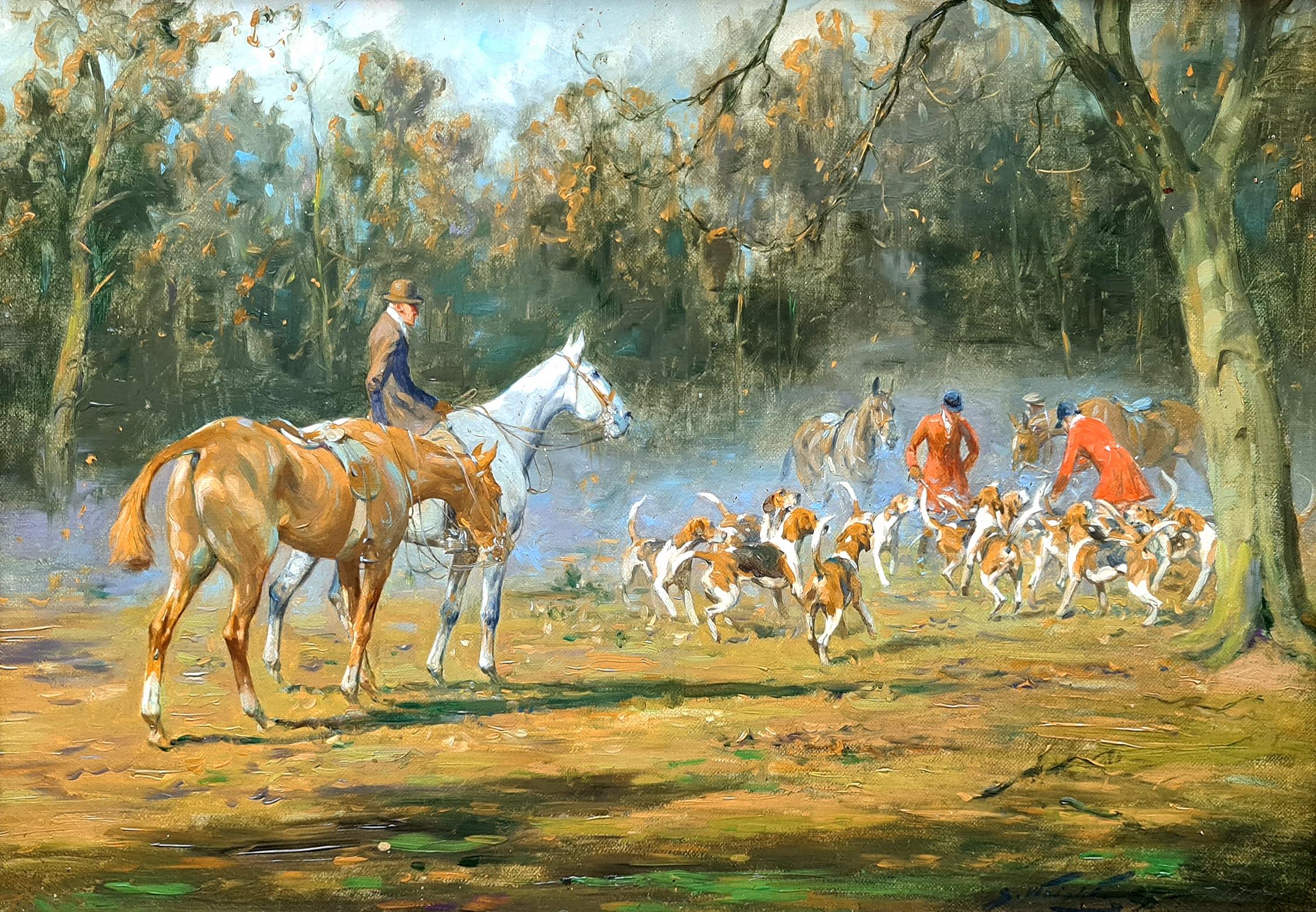
George Wright was a painter in oils whose subjects were mainly drawn from hunting, with which he was familiar, being a fox-hunter himself, coaching and other equestrian topics. George Wright was one of the foremost equestrian artists of his time. He was one of a family of seven children, five of whom were professional artists, either principally as painters, or as illustrators.

Henri-Jean Guillaume Martin was a French painter. Elected to the Académie des Beaux-Arts in 1917, he is known for his early 1920s work on the walls of the Salle de l'Assemblée générale, where the members of the Conseil d'État meet in the Palais-Royal in Paris. Other notable institutions that have featured his Post-Impressionist paintings in their halls through public procurement include the Élysée Palace, Sorbonne, Hôtel de Ville de Paris, Palais de Justice de Paris, as well as Capitole de Toulouse, although the Musée des Beaux-Arts de Bordeaux and Musée des Augustins also have sizeable public collections.
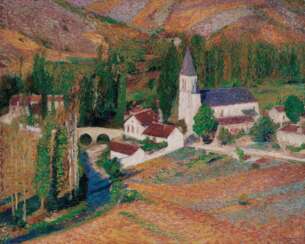

Henri-Jean Guillaume Martin was a French painter. Elected to the Académie des Beaux-Arts in 1917, he is known for his early 1920s work on the walls of the Salle de l'Assemblée générale, where the members of the Conseil d'État meet in the Palais-Royal in Paris. Other notable institutions that have featured his Post-Impressionist paintings in their halls through public procurement include the Élysée Palace, Sorbonne, Hôtel de Ville de Paris, Palais de Justice de Paris, as well as Capitole de Toulouse, although the Musée des Beaux-Arts de Bordeaux and Musée des Augustins also have sizeable public collections.
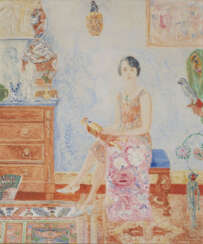

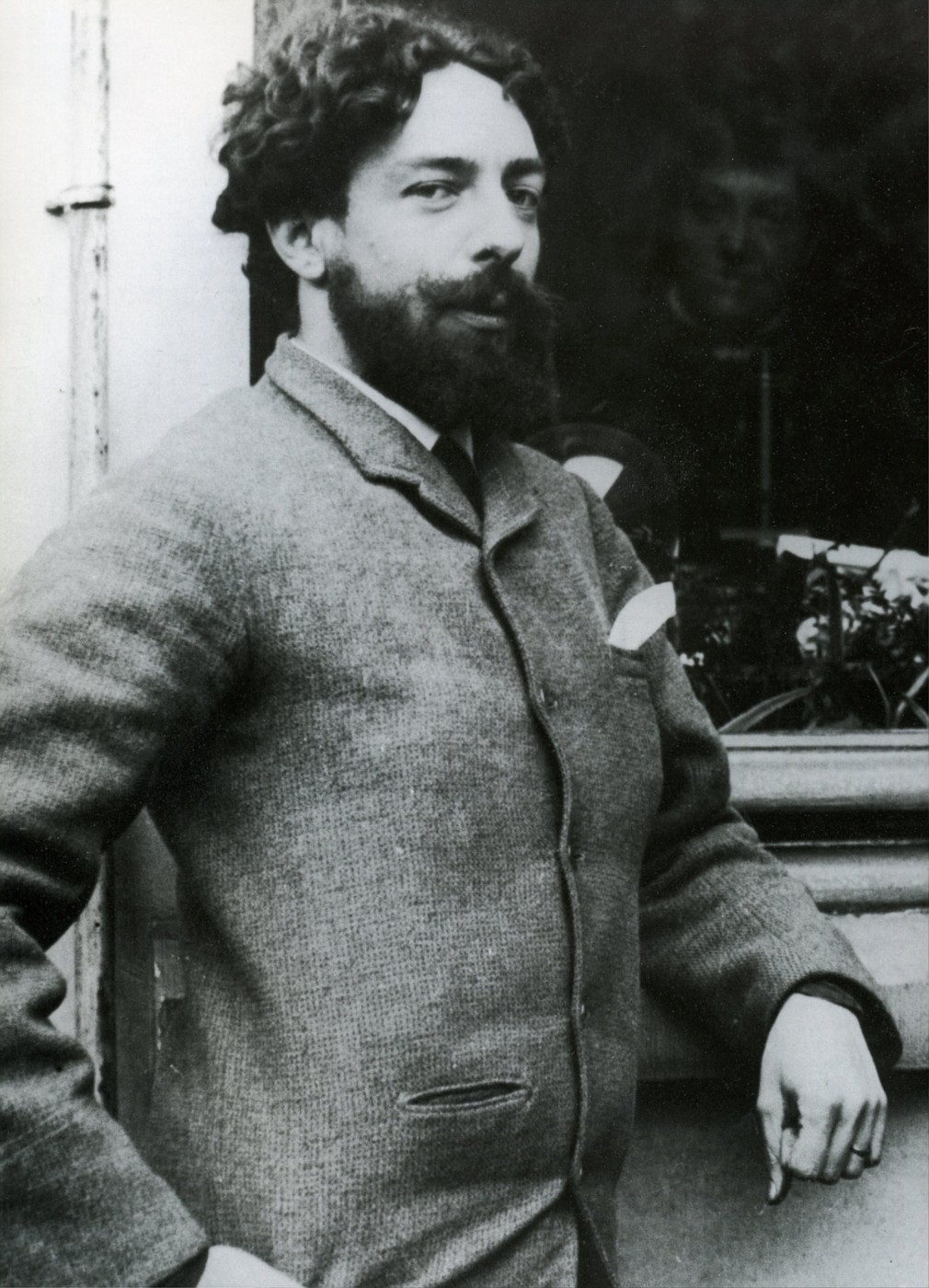
James Sidney Edouard, Baron Ensor was a Belgian painter and printmaker, an important influence on expressionism and surrealism who lived in Ostend for most of his life. He was associated with the artistic group Les XX.
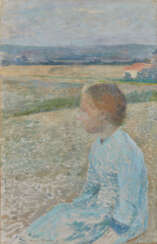

Henri-Jean Guillaume Martin was a French painter. Elected to the Académie des Beaux-Arts in 1917, he is known for his early 1920s work on the walls of the Salle de l'Assemblée générale, where the members of the Conseil d'État meet in the Palais-Royal in Paris. Other notable institutions that have featured his Post-Impressionist paintings in their halls through public procurement include the Élysée Palace, Sorbonne, Hôtel de Ville de Paris, Palais de Justice de Paris, as well as Capitole de Toulouse, although the Musée des Beaux-Arts de Bordeaux and Musée des Augustins also have sizeable public collections.
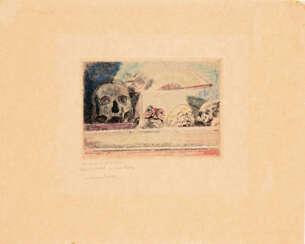

James Sidney Edouard, Baron Ensor was a Belgian painter and printmaker, an important influence on expressionism and surrealism who lived in Ostend for most of his life. He was associated with the artistic group Les XX.


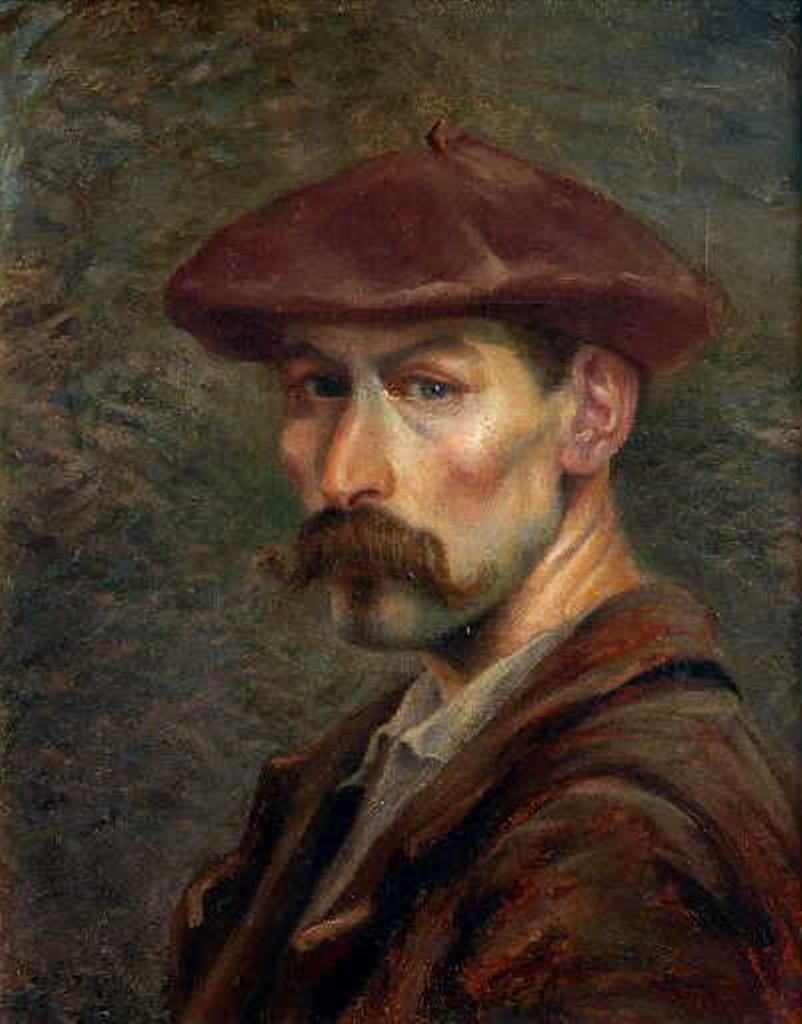

James Sidney Edouard, Baron Ensor was a Belgian painter and printmaker, an important influence on expressionism and surrealism who lived in Ostend for most of his life. He was associated with the artistic group Les XX.
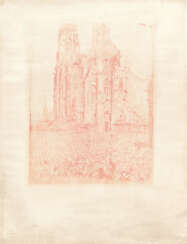

James Sidney Edouard, Baron Ensor was a Belgian painter and printmaker, an important influence on expressionism and surrealism who lived in Ostend for most of his life. He was associated with the artistic group Les XX.
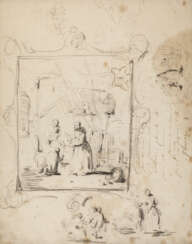

James Sidney Edouard, Baron Ensor was a Belgian painter and printmaker, an important influence on expressionism and surrealism who lived in Ostend for most of his life. He was associated with the artistic group Les XX.
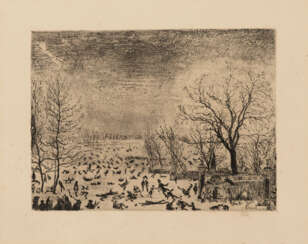

James Sidney Edouard, Baron Ensor was a Belgian painter and printmaker, an important influence on expressionism and surrealism who lived in Ostend for most of his life. He was associated with the artistic group Les XX.
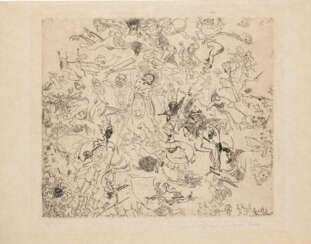

James Sidney Edouard, Baron Ensor was a Belgian painter and printmaker, an important influence on expressionism and surrealism who lived in Ostend for most of his life. He was associated with the artistic group Les XX.
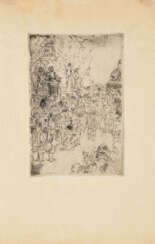

James Sidney Edouard, Baron Ensor was a Belgian painter and printmaker, an important influence on expressionism and surrealism who lived in Ostend for most of his life. He was associated with the artistic group Les XX.
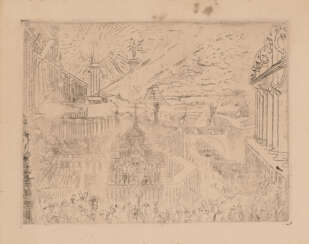

James Sidney Edouard, Baron Ensor was a Belgian painter and printmaker, an important influence on expressionism and surrealism who lived in Ostend for most of his life. He was associated with the artistic group Les XX.
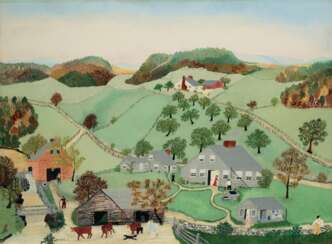

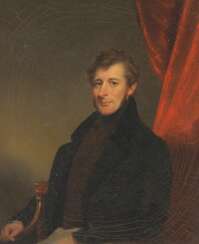

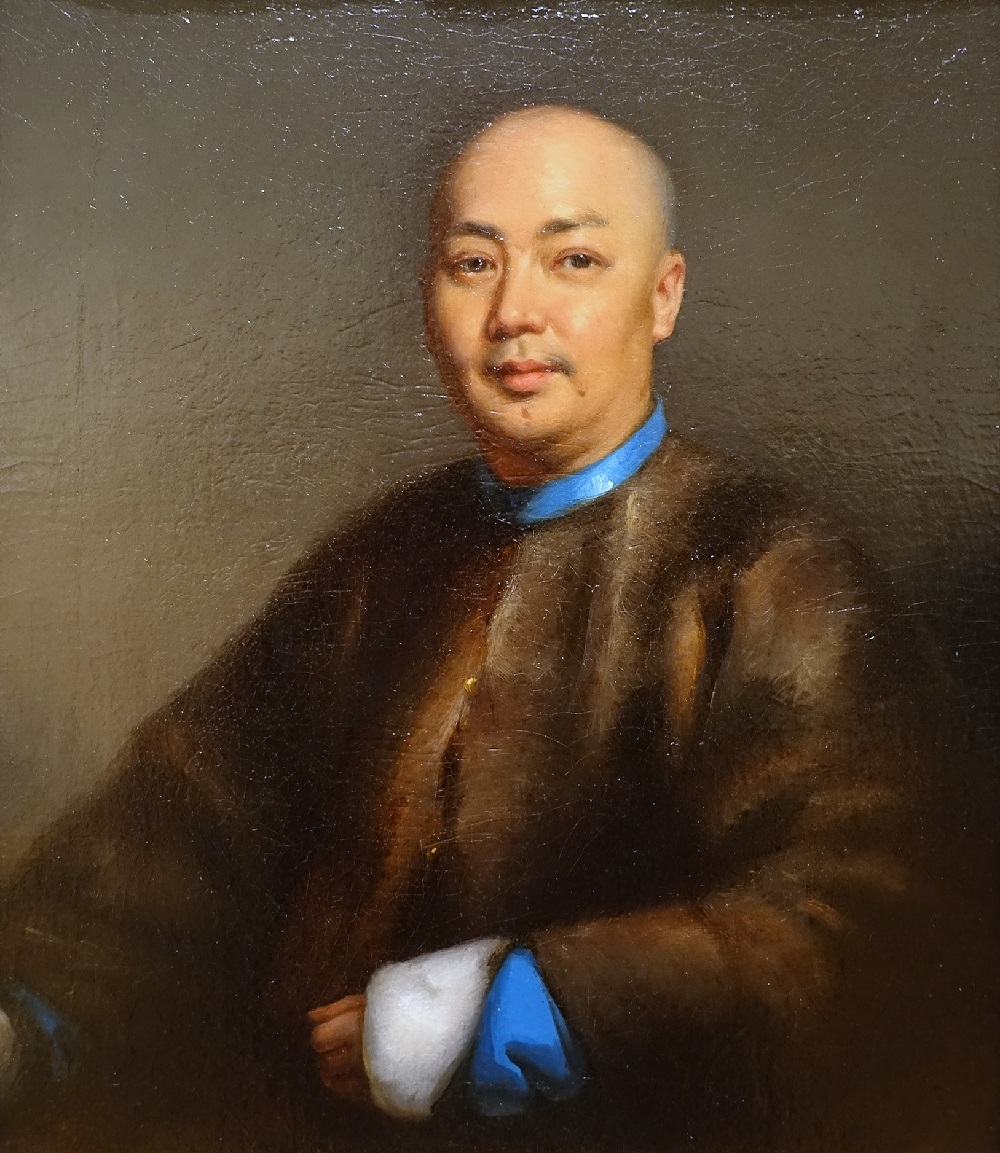
Lam Qua (Chinese: 林官) was a Chinese painter from the Canton province in Qing Dynasty China, who specialized in Western-style portraits intended largely for Western clients. Lam Qua was the first Chinese portrait painter to be exhibited in the West. He is known for his medical portraiture, and for his portraits of Western and Chinese merchants in Canton and Macau. He had a workshop in 'New China Street' among the Thirteen Factories in Canton.


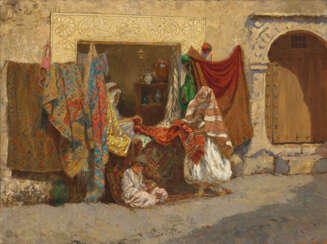

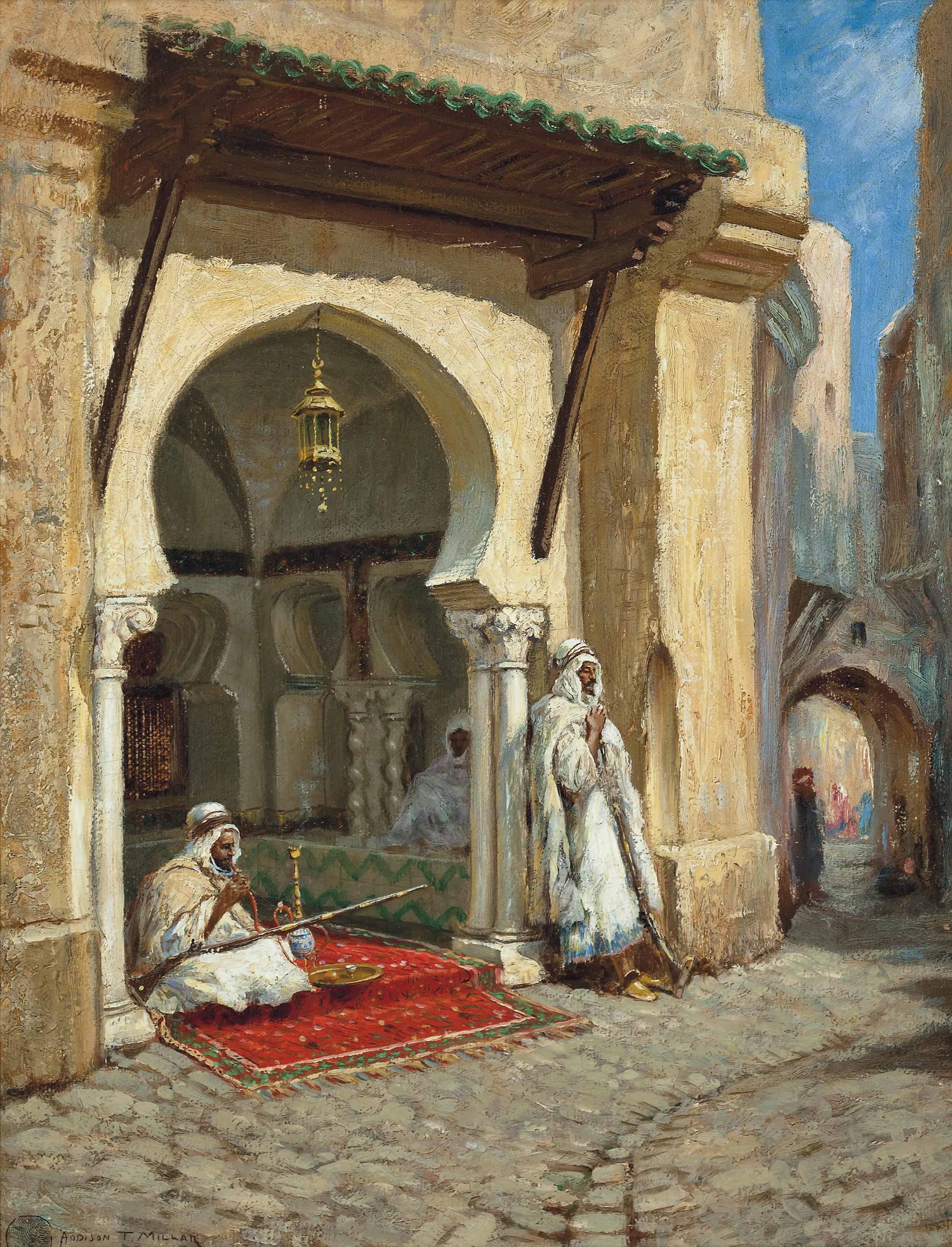
Addison Thomas Millar was an American painter and artist; best known for his genre scenes and Orientalist paintings.
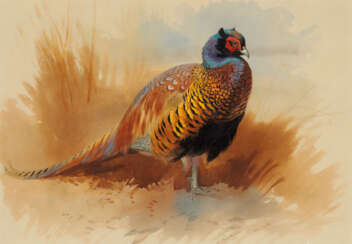

Archibald Thorburn was a Scottish artist who specialised in wildlife, painting mostly in watercolour. He regularly visited Scotland to sketch birds in the wild, his favourite haunt being the Forest of Gaick near Kingussie in Invernesshire. His widely reproduced images of British wildlife, with their evocative and dramatic backgrounds, are enjoyed as much today as they were by naturalists a century ago.


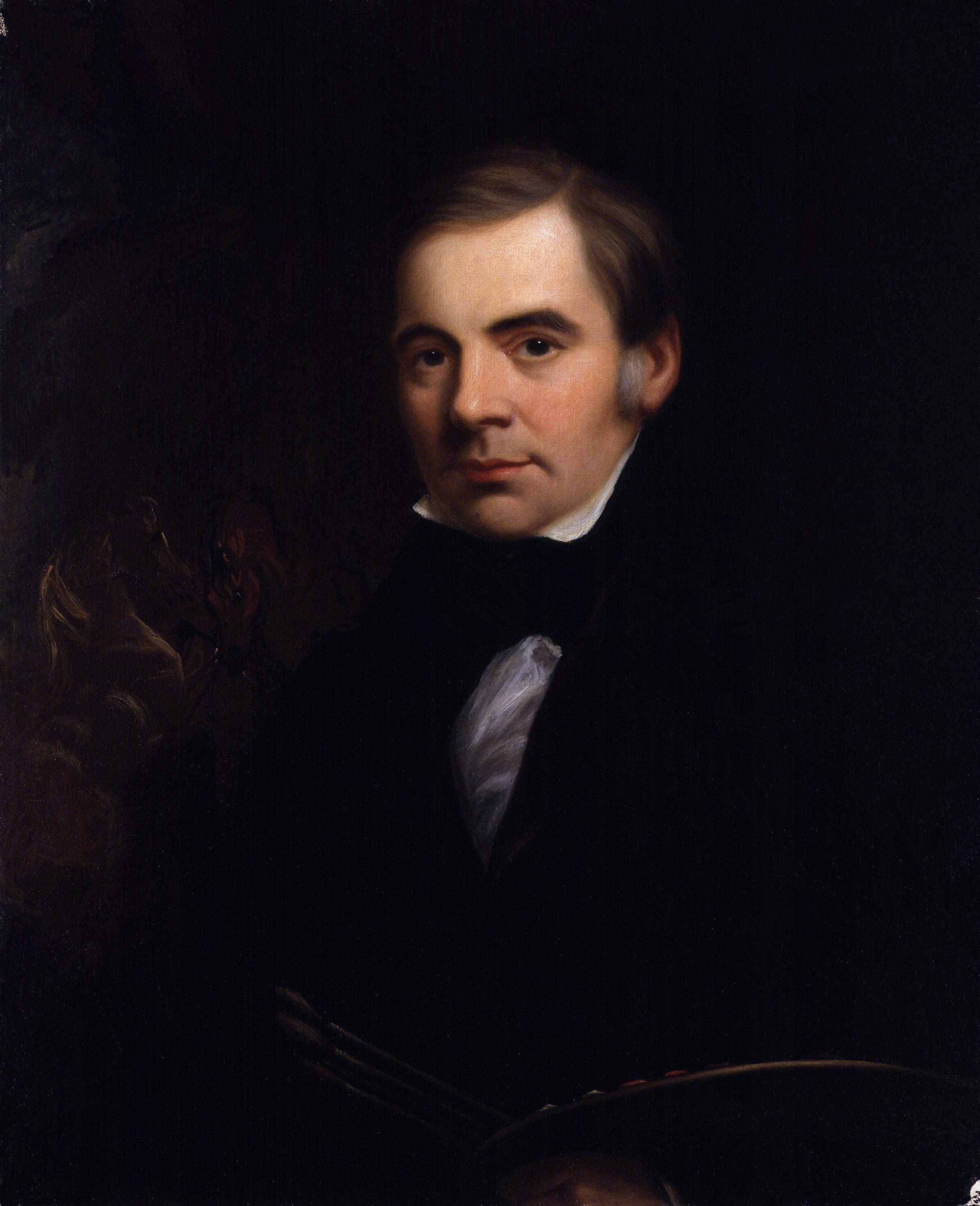
John E. Ferneley was an English artist who specialised in depicting sport horses and hunting scenes. Although his rendition of horses was stylised, he is regarded as one of the great British equine artists, second perhaps only to George Stubbs.

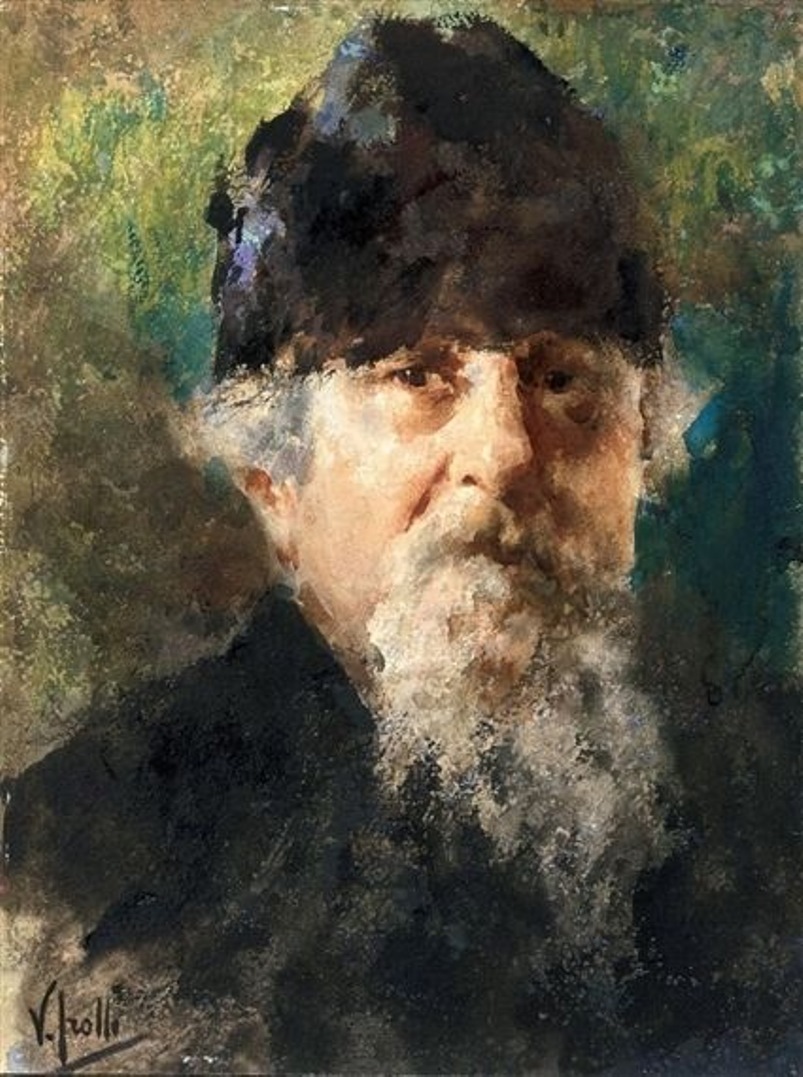

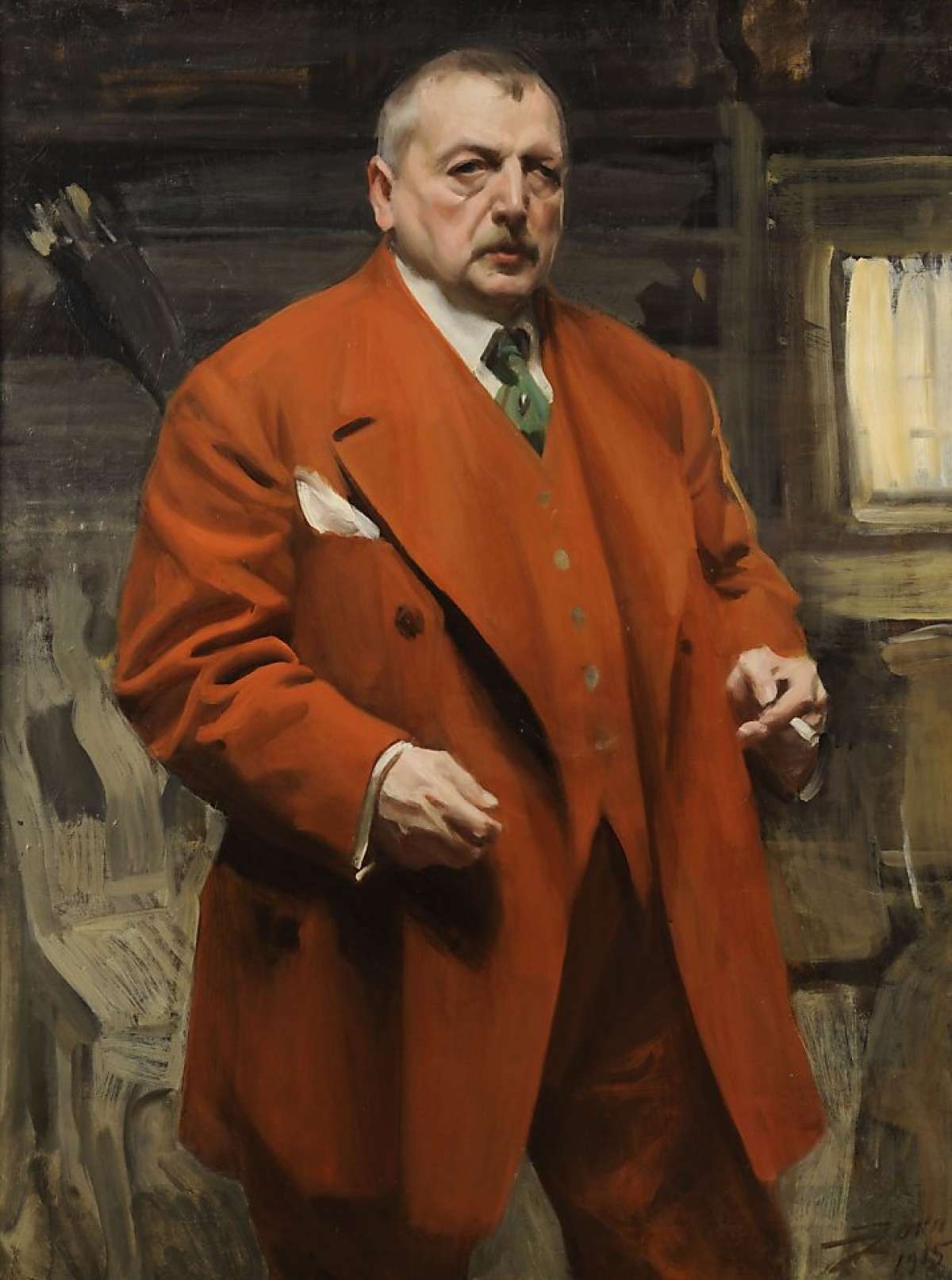
Anders Leonard Zorn was a Swedish painter, graphic artist, photographer and sculptor.
Zorn studied at the Stockholm Academy and then traveled extensively throughout Europe. After working in England, France and the United States, he returned to Mora in 1896. Zorn painted landscapes and portraits in watercolor and oil, and became known mainly for original salon painting and secular portraiture. Among his models were King Oscar II of Sweden, U.S. Presidents Grover Cleveland, William Taft, and Theodore Roosevelt. Through his work, Anders Zorn gained a reputation as one of the best genre painters and portraitists in Europe at the end of the 19th century, whose talent lay in his perceptive ability to convey the individual character of the model. At the age of 29, he was awarded the title of Chevalier of the Legion of Honor at the 1889 Universal Exposition in Paris.
Zorn also worked in etching, using the technique of drawing parallel lines across the plate; he was also a sculptor. Anders Zorn also amassed a significant art collection, which he bequeathed to the Swedish state. At the end of his life in 1920, he established the Swedish Bellman Prize for Literature.
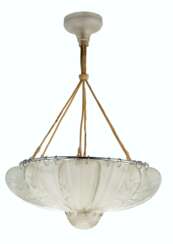

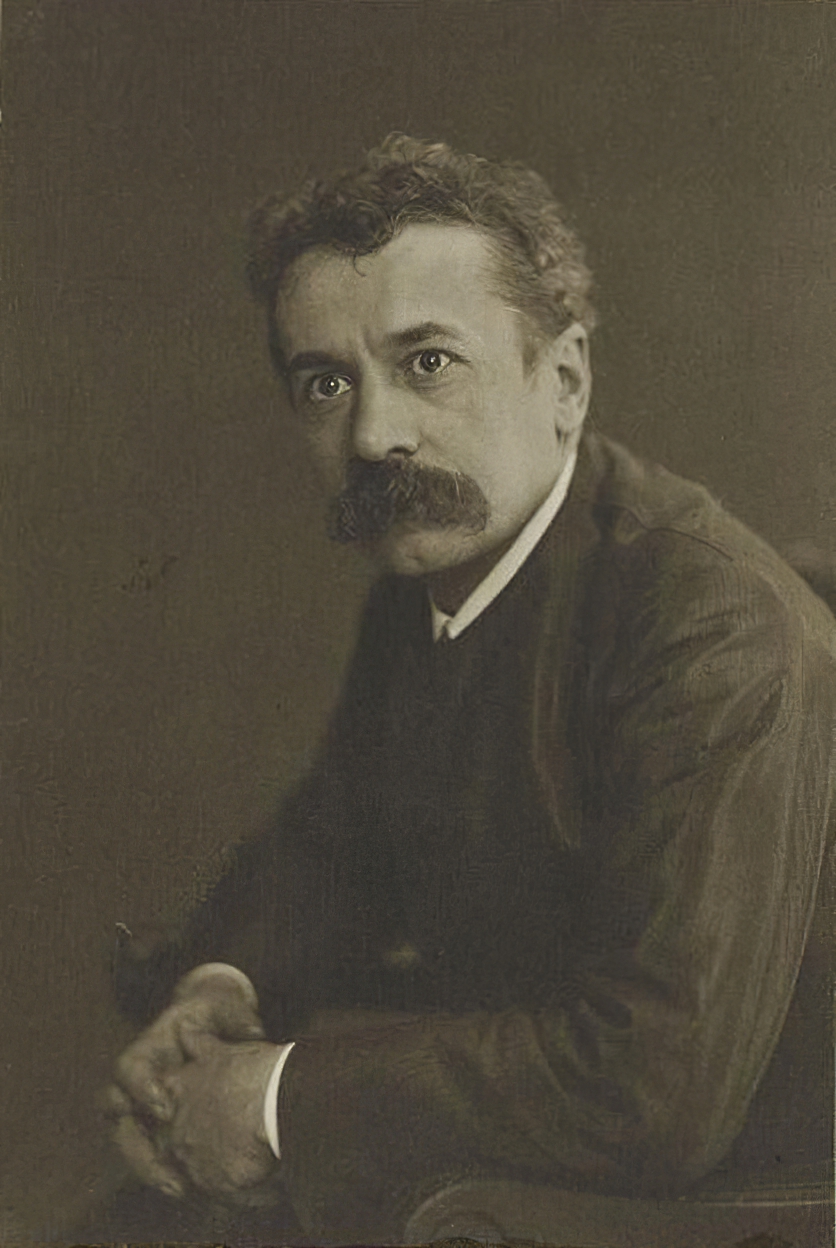
René Jules Lalique was a French jeweller, medallist, and glass designer known for his creations of glass art, perfume bottles, vases, jewellery, chandeliers, clocks, and automobile hood ornaments.
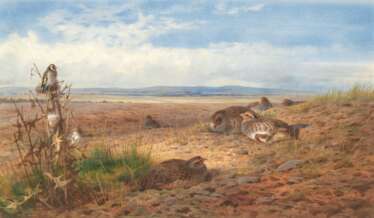

Archibald Thorburn was a Scottish artist who specialised in wildlife, painting mostly in watercolour. He regularly visited Scotland to sketch birds in the wild, his favourite haunt being the Forest of Gaick near Kingussie in Invernesshire. His widely reproduced images of British wildlife, with their evocative and dramatic backgrounds, are enjoyed as much today as they were by naturalists a century ago.