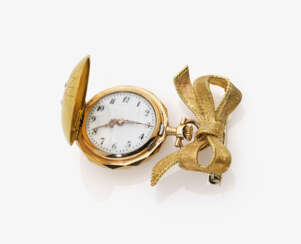
1905 uhr


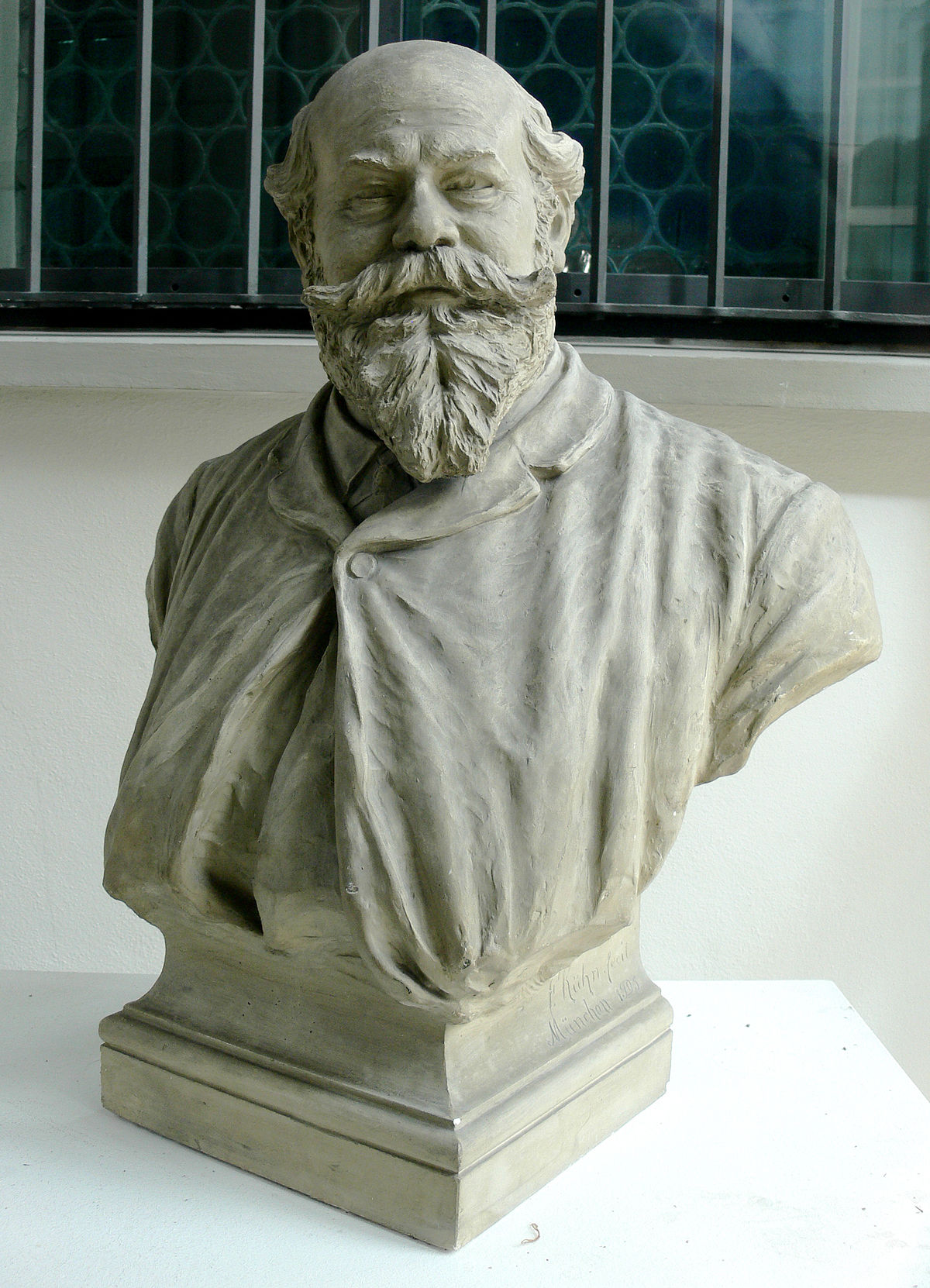
Anton Braith was a German painter of the second half of the nineteenth and early twentieth centuries. He is known as a painter, landscape painter and animalist.
Anton Braith was active for a total of 53 years. His creative path consists of four periods. At first, the artist imitated Dutch painting, then specialized in portraits of animals surrounded by nature. Between 1874 and 1894 he produced his most outstanding works, characterized by vividness and drama. In his last years he focused on animal scenes in mountain meadows, gradually retiring from active artistic endeavors.
Braith was professor of painting at the Munich Academy of Painting and an honorary member of the Royal Academy of Fine Arts Munich.


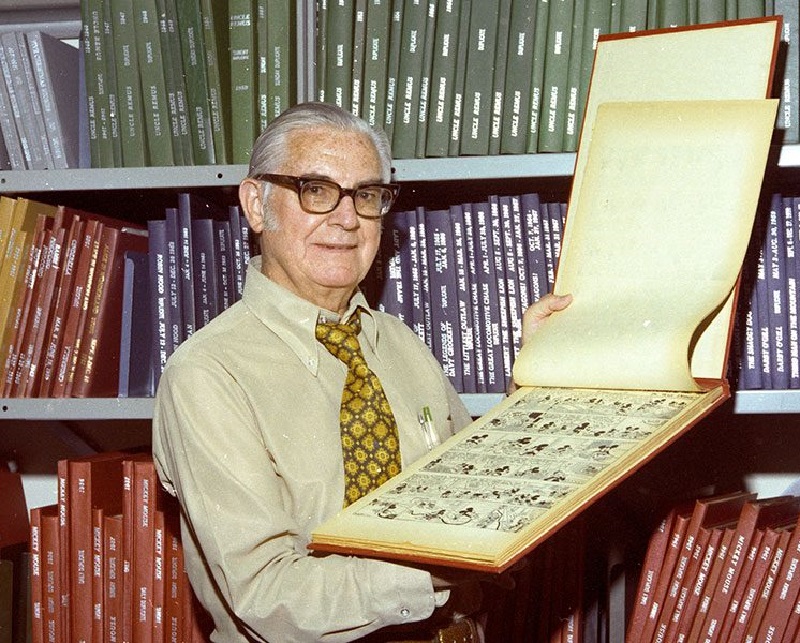
Arthur Floyd Gottfredson was an American cartoonist best known for his defining work on the Mickey Mouse comic strip, which he worked on from 1930 until his retirement in 1975. His contribution to Mickey Mouse comics is comparable to Carl Barks's on the Donald Duck comics. 17 years after his death, his memory was honored with the Disney Legends award in 2003 and induction into the Comic Book Hall of Fame in 2006.
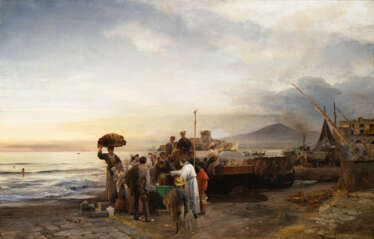

Oswald Achenbach was a German painter associated with the Düsseldorf school of painting. Though little known today, during his lifetime he was counted among the most important landscape painters of Europe. Through his teaching activities, he influenced the Kunstakademie Düsseldorf. His brother, Andreas Achenbach, who was twelve years older, was also among the most important German landscape painters of the 19th century. The two brothers were humorously called "the A and O of Landscapes" (a reference to their initials matching a common German reference to the Alpha and Omega).

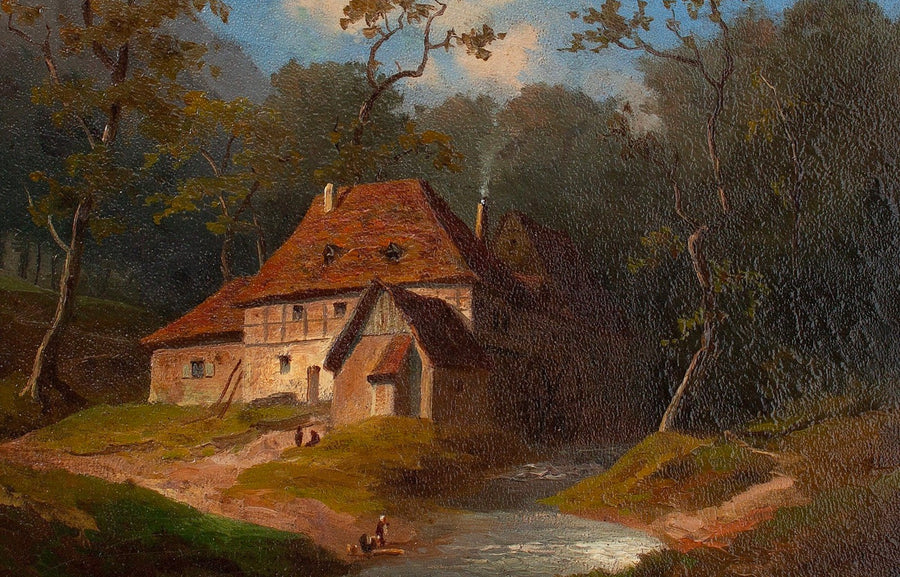
Emil von Ernst was a German landscape painter.
He lived and worked in Düsseldorf and exhibited at the Berlin Academy.

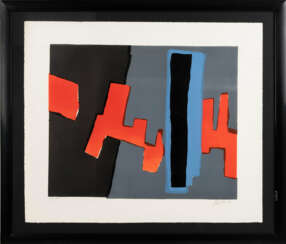

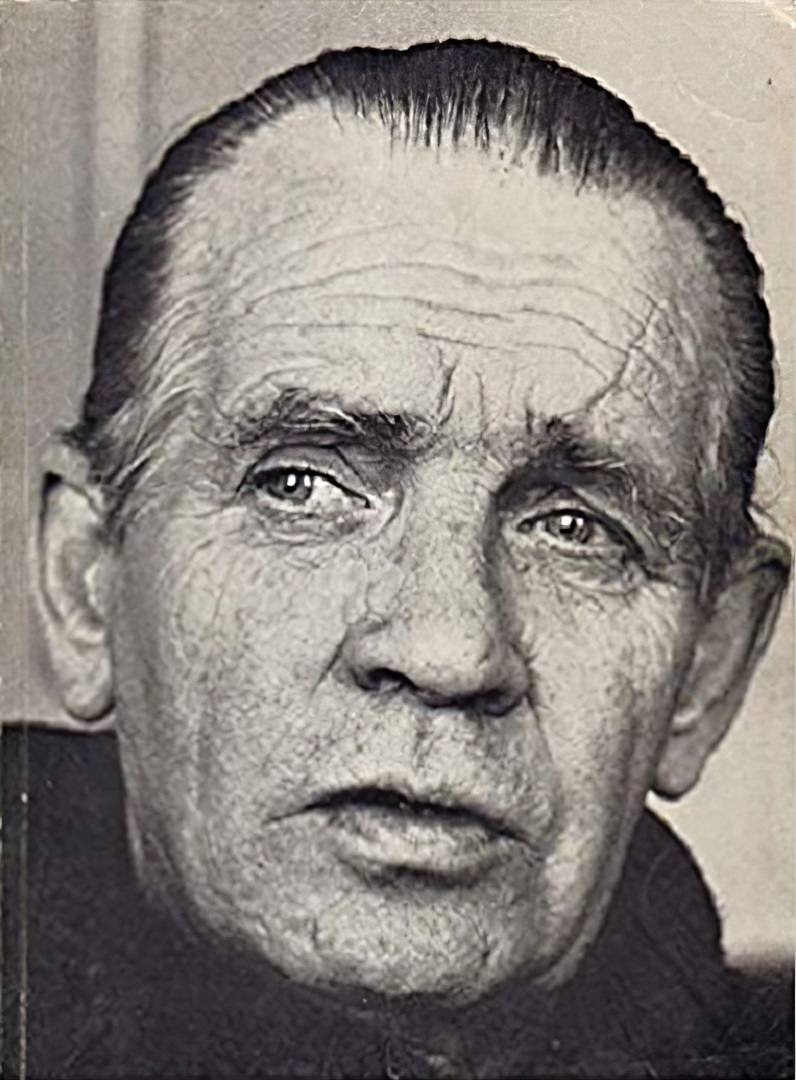
Fritz Winter was a German painter of the postwar period best known for his abstract works in the Art Informel style.


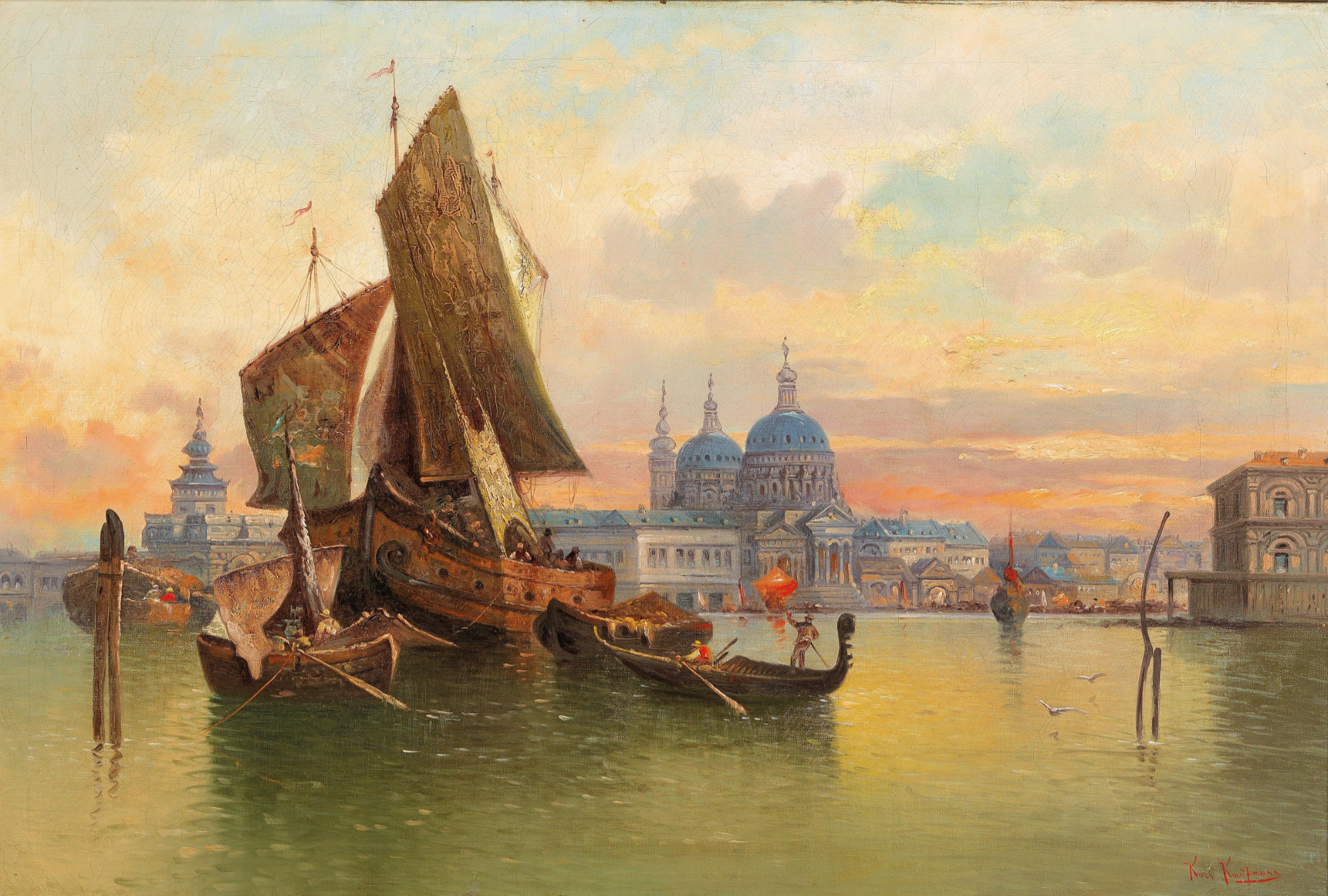
Karl Kaufmann was an Austrian landscape and architectural painter.
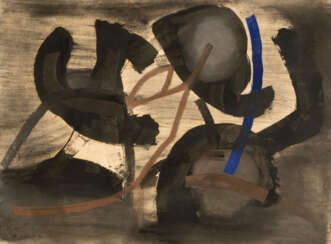

Fritz Winter was a German painter of the postwar period best known for his abstract works in the Art Informel style.
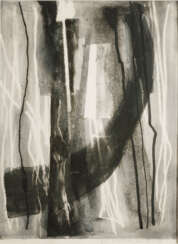

Fritz Winter was a German painter of the postwar period best known for his abstract works in the Art Informel style.
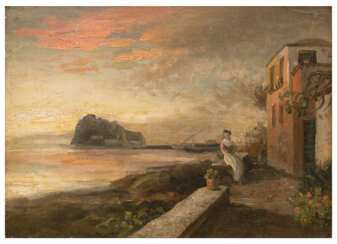

Oswald Achenbach was a German painter associated with the Düsseldorf school of painting. Though little known today, during his lifetime he was counted among the most important landscape painters of Europe. Through his teaching activities, he influenced the Kunstakademie Düsseldorf. His brother, Andreas Achenbach, who was twelve years older, was also among the most important German landscape painters of the 19th century. The two brothers were humorously called "the A and O of Landscapes" (a reference to their initials matching a common German reference to the Alpha and Omega).
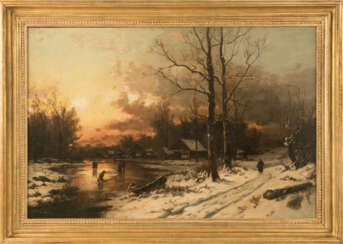

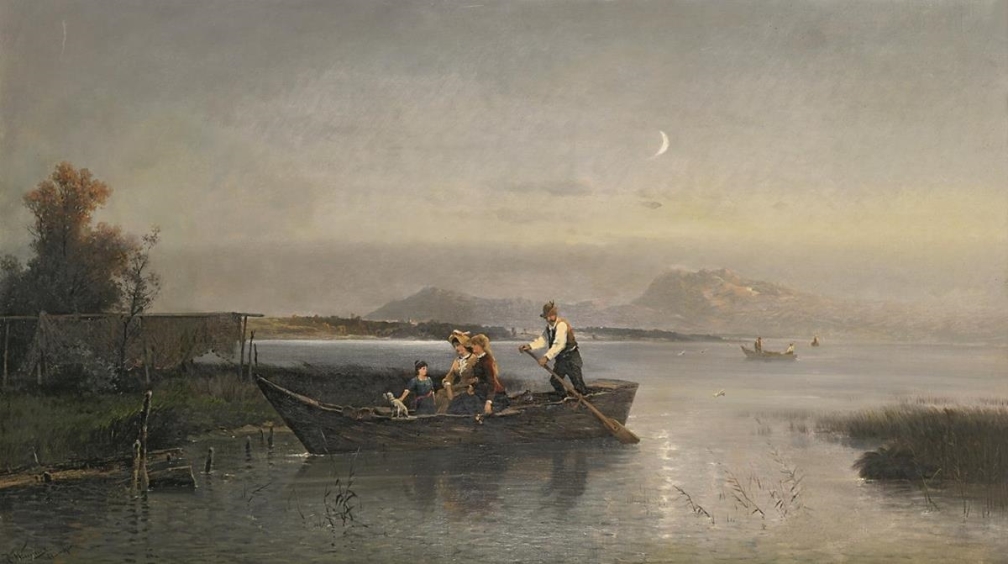
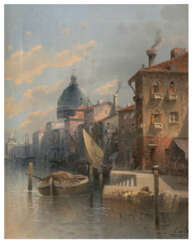

Karl Kaufmann was an Austrian landscape and architectural painter.
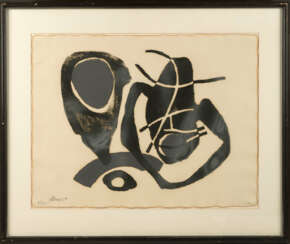

Fritz Winter was a German painter of the postwar period best known for his abstract works in the Art Informel style.
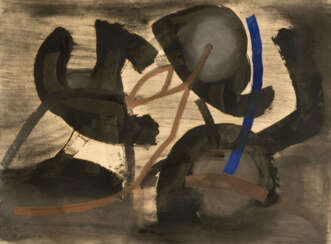

Fritz Winter was a German painter of the postwar period best known for his abstract works in the Art Informel style.


Fritz Winter was a German painter of the postwar period best known for his abstract works in the Art Informel style.



Oswald Achenbach was a German painter associated with the Düsseldorf school of painting. Though little known today, during his lifetime he was counted among the most important landscape painters of Europe. Through his teaching activities, he influenced the Kunstakademie Düsseldorf. His brother, Andreas Achenbach, who was twelve years older, was also among the most important German landscape painters of the 19th century. The two brothers were humorously called "the A and O of Landscapes" (a reference to their initials matching a common German reference to the Alpha and Omega).


Oswald Achenbach was a German painter associated with the Düsseldorf school of painting. Though little known today, during his lifetime he was counted among the most important landscape painters of Europe. Through his teaching activities, he influenced the Kunstakademie Düsseldorf. His brother, Andreas Achenbach, who was twelve years older, was also among the most important German landscape painters of the 19th century. The two brothers were humorously called "the A and O of Landscapes" (a reference to their initials matching a common German reference to the Alpha and Omega).


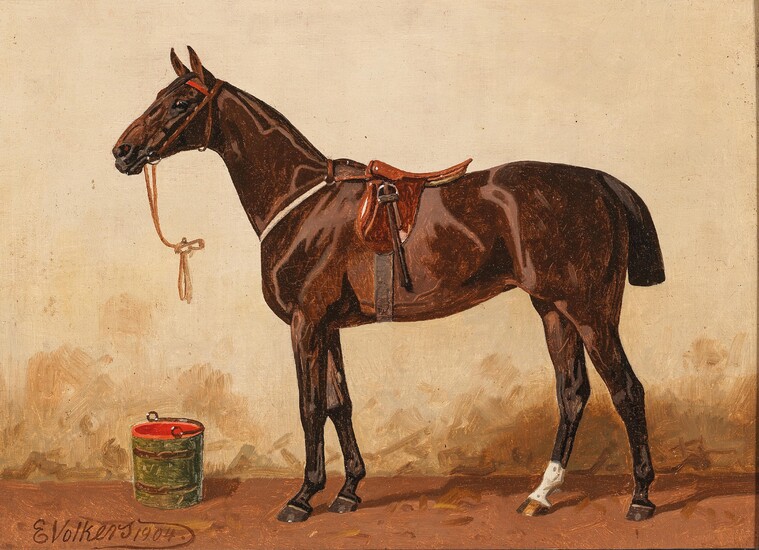
Emil Ferdinand Heinrich Volkers was a German equestrian and genre artist. A representative of the Munich and Düsseldorf schools.


Emil Ferdinand Heinrich Volkers was a German equestrian and genre artist. A representative of the Munich and Düsseldorf schools.


Karl Kaufmann was an Austrian landscape and architectural painter.


Emil Ferdinand Heinrich Volkers was a German equestrian and genre artist. A representative of the Munich and Düsseldorf schools.


Emil Ferdinand Heinrich Volkers was a German equestrian and genre artist. A representative of the Munich and Düsseldorf schools.


Emil Ferdinand Heinrich Volkers was a German equestrian and genre artist. A representative of the Munich and Düsseldorf schools.


Emil Ferdinand Heinrich Volkers was a German equestrian and genre artist. A representative of the Munich and Düsseldorf schools.


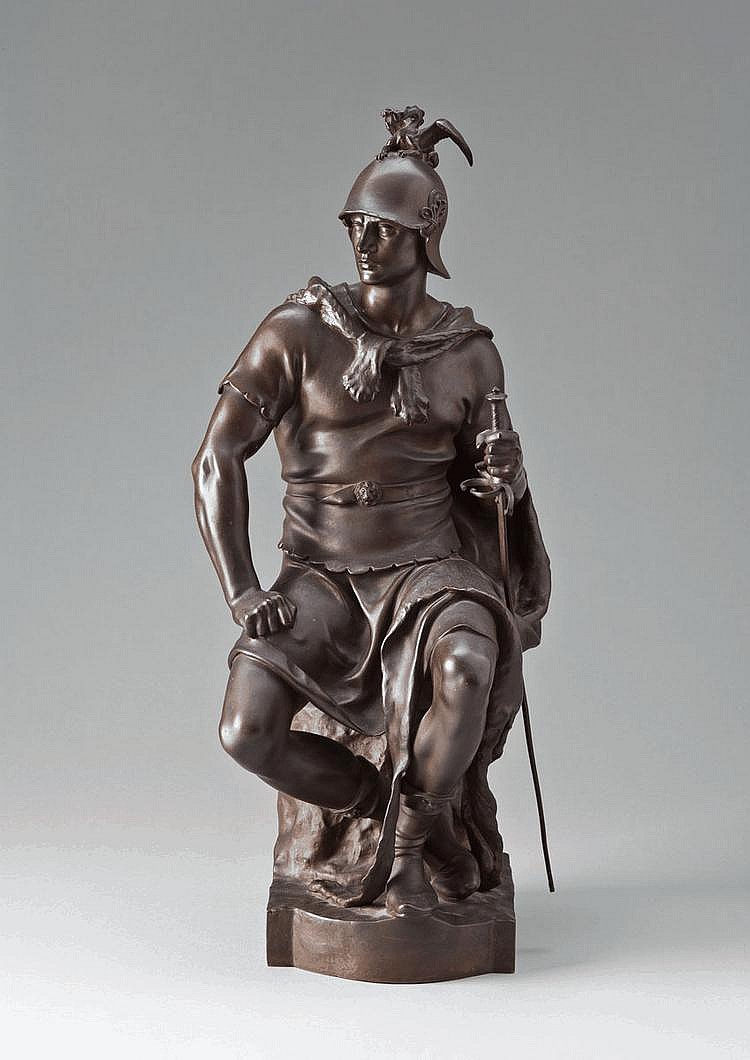
Paul Dubois, also known as Paul Dubois-Pigalle, was a 19th- and early 20th-century French sculptor and teacher. He is known as a master of neoclassicism. Paul Dubois also painted portraits, but he was less successful in this field. His sculptures are now in museums in France and also decorate the squares of Paris and Reims.
Paul Dubois was on his mother's side the grandson of the famous French sculptor Jean-Baptiste Pigalle and, as a sign of homage to his ancestor, he signed his creations "Dubois-Pigalle" early in his career.
Dubois held an honorary position as curator of the Musée du Luxembourg and for 27 years was head of the Ecole Nationale des Beaux-Arts in Paris. For his services to France, the sculptor was repeatedly awarded the highest state honors, in particular, he won all five degrees of the Legion of Honor.


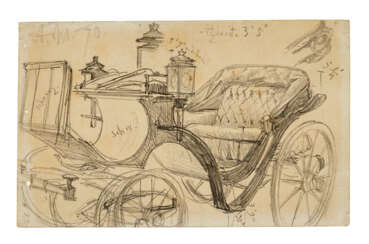

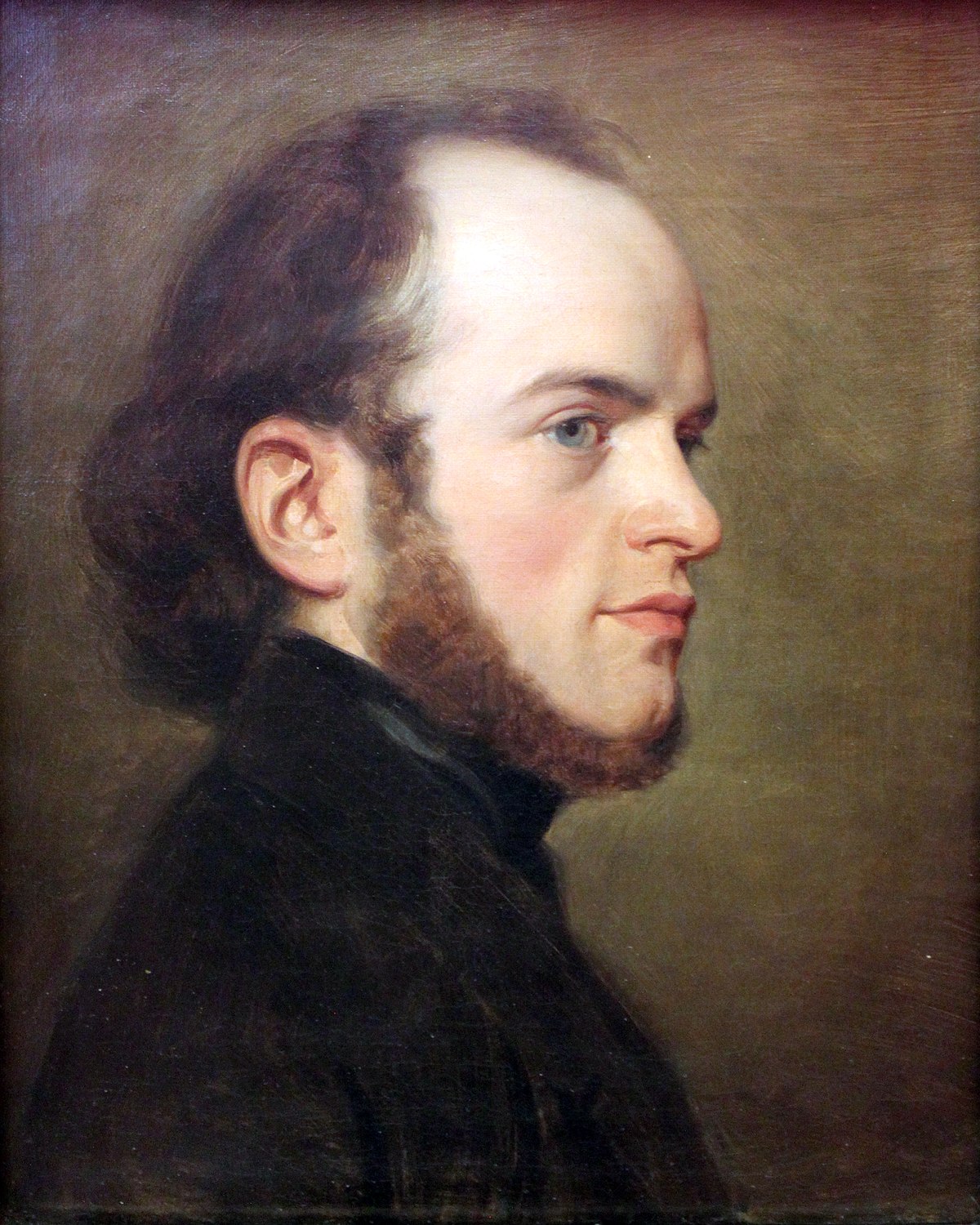
Adolph Friedrich Erdmann von Menzel was a German Realist artist noted for drawings, etchings, and paintings. Along with Caspar David Friedrich, he is considered one of the two most prominent German painters of the 19th century, and was the most successful artist of his era in Germany. First known as Adolph Menzel, he was knighted in 1898 and changed his name to Adolph von Menzel.
His popularity in his native country, owing especially to his history paintings, was such that few of his major paintings left Germany, as many were quickly acquired by museums in Berlin. Menzel's graphic work (and especially his drawings) were more widely disseminated; these, along with informal paintings not initially intended for display, have largely accounted for his posthumous reputation.



Fritz Winter was a German painter of the postwar period best known for his abstract works in the Art Informel style.