2024 por 2

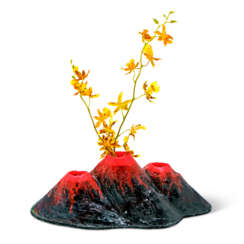

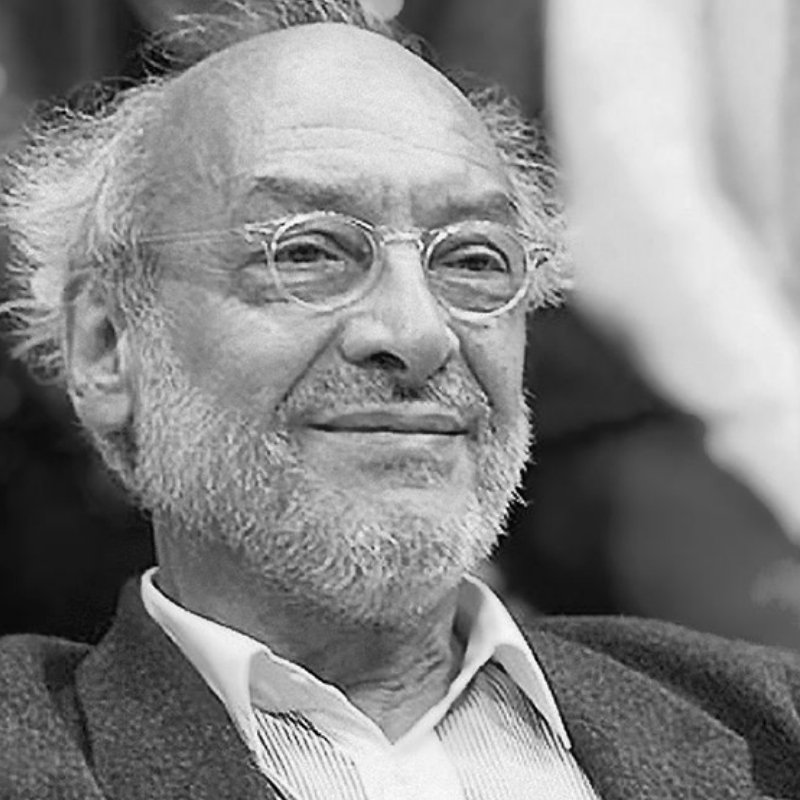
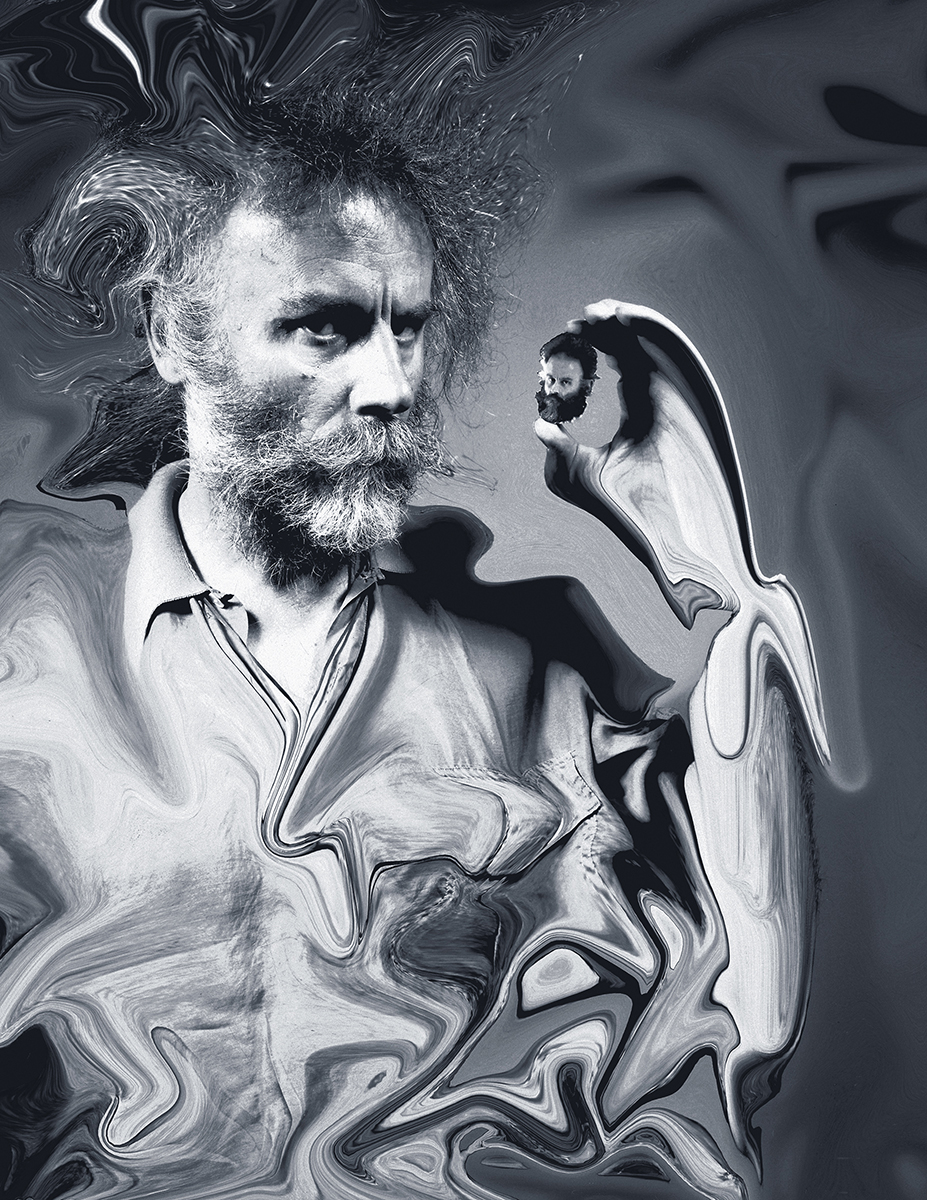
Gaetano Pesce is an Italian architect and a design pioneer of the 20th century. Pesce was born in La Spezia in 1939, and he grew up in Padua and Florence. During his 50-year career, Pesce has worked as an architect, urban planner, and industrial designer. His outlook is considered broad and humanistic, and his work is characterized by an inventive use of color and materials, asserting connections between the individual and society, through art, architecture, and design to reappraise mid-twentieth-century modern life.
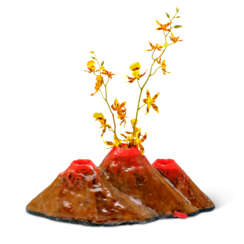

Gaetano Pesce is an Italian architect and a design pioneer of the 20th century. Pesce was born in La Spezia in 1939, and he grew up in Padua and Florence. During his 50-year career, Pesce has worked as an architect, urban planner, and industrial designer. His outlook is considered broad and humanistic, and his work is characterized by an inventive use of color and materials, asserting connections between the individual and society, through art, architecture, and design to reappraise mid-twentieth-century modern life.
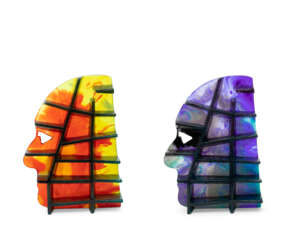

Gaetano Pesce is an Italian architect and a design pioneer of the 20th century. Pesce was born in La Spezia in 1939, and he grew up in Padua and Florence. During his 50-year career, Pesce has worked as an architect, urban planner, and industrial designer. His outlook is considered broad and humanistic, and his work is characterized by an inventive use of color and materials, asserting connections between the individual and society, through art, architecture, and design to reappraise mid-twentieth-century modern life.



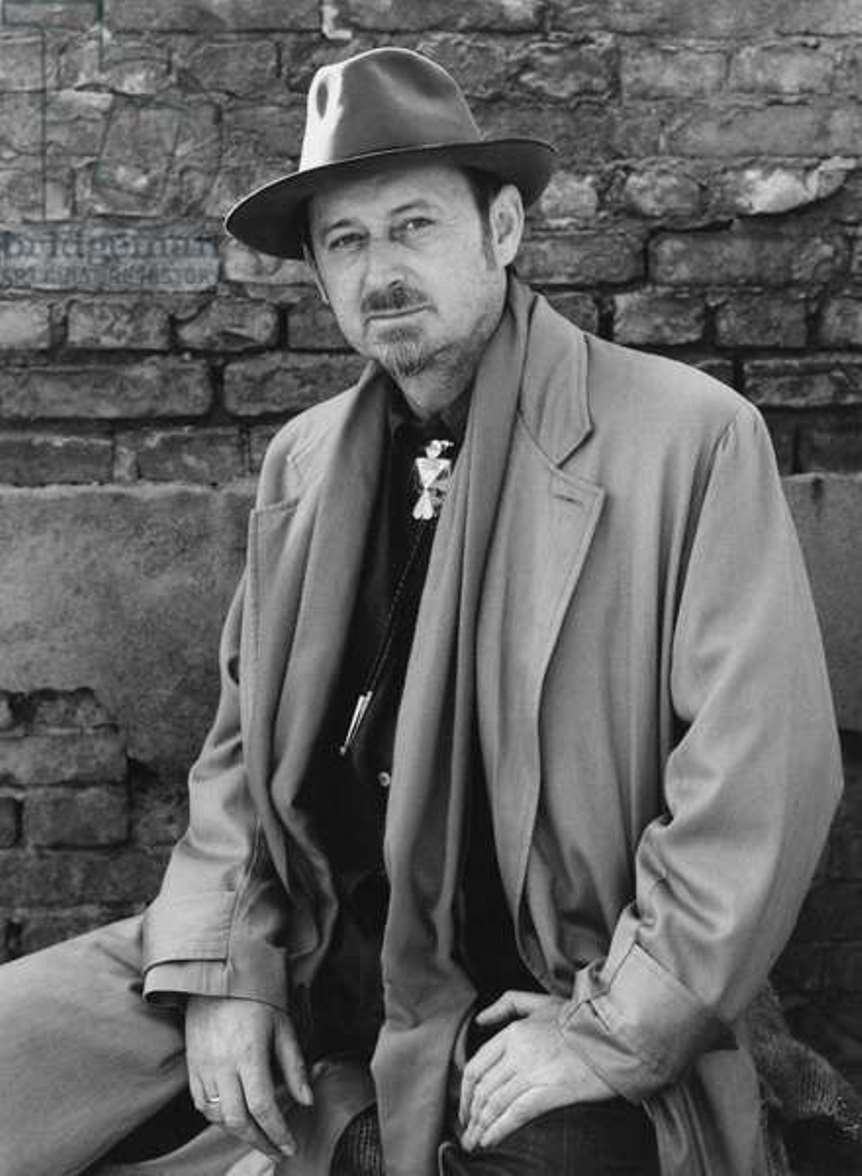
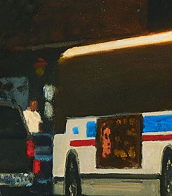
Karl Horst Hödicke is a German artist, a pioneer of German Neo-Expressionism and new figuration, and one of the most important representatives of German post-war painting.
After moving to Berlin in 1957, Hödicke encountered the eventful history of Berlin - the construction of the Berlin Wall, the Cold War, and reunification - and reflected it in his paintings.


.jpg)
Jean Elysée Puiforcat was a French silversmith, sculptor and designer. Miller's Antiques Encyclopedia calls Puiforcat the «most important French Art Deco silversmith».
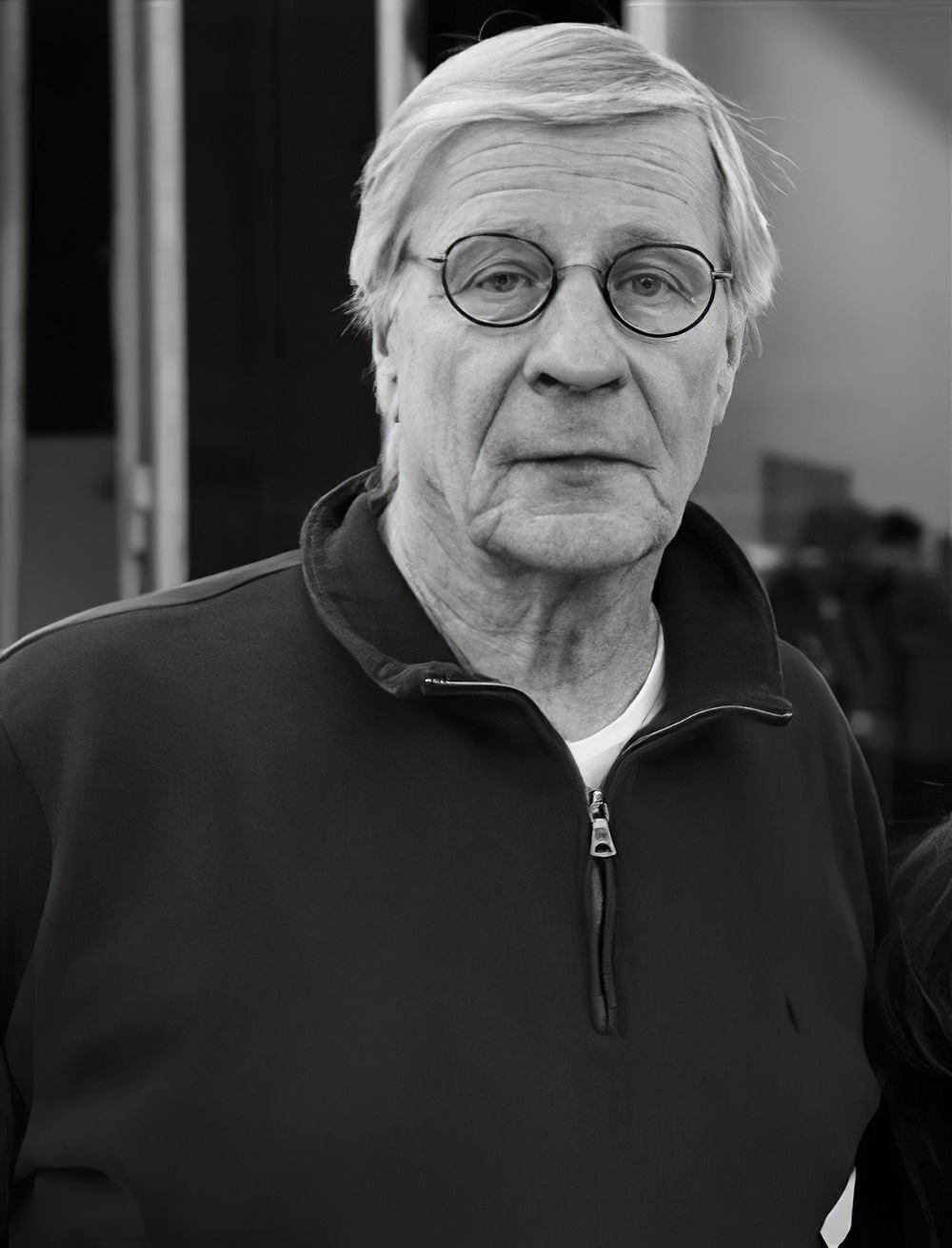
Louis Cane is a contemporary French painter, sculptor and furniture designer. Louis Cane attended the National School of Decorative Arts in Nice then the Superior School of Decorative arts in Paris in 1961. Cane was a part of the Supports/Surfaces Movement in France that lasted from 1969 to 1972 and co-founded and edited the Peinture, Cahiers Theoriques. In 1978, began sculpting again. They consisted of female figures in a traditional style. Cane focused on the concept of deconstruction of the canvas. By 1970, Cane transitioned into a series of cut-out paintings, the toiles découpées, which he worked with for several years. From 1972 to 1972, he produced a series called Sol/Mur as apart of the Supports/Surfaces movement. In 1978, Cane went from abstract painting to figuration. He reflected on the history of pictorial forms. He also started integrating sculpture into his practice. The statues were almost exclusively female occasionally appearing in form of burlesque or baroque expressionism.


Jean Elysée Puiforcat was a French silversmith, sculptor and designer. Miller's Antiques Encyclopedia calls Puiforcat the «most important French Art Deco silversmith».
Louis Cane is a contemporary French painter, sculptor and furniture designer. Louis Cane attended the National School of Decorative Arts in Nice then the Superior School of Decorative arts in Paris in 1961. Cane was a part of the Supports/Surfaces Movement in France that lasted from 1969 to 1972 and co-founded and edited the Peinture, Cahiers Theoriques. In 1978, began sculpting again. They consisted of female figures in a traditional style. Cane focused on the concept of deconstruction of the canvas. By 1970, Cane transitioned into a series of cut-out paintings, the toiles découpées, which he worked with for several years. From 1972 to 1972, he produced a series called Sol/Mur as apart of the Supports/Surfaces movement. In 1978, Cane went from abstract painting to figuration. He reflected on the history of pictorial forms. He also started integrating sculpture into his practice. The statues were almost exclusively female occasionally appearing in form of burlesque or baroque expressionism.


Jean Elysée Puiforcat was a French silversmith, sculptor and designer. Miller's Antiques Encyclopedia calls Puiforcat the «most important French Art Deco silversmith».
Louis Cane is a contemporary French painter, sculptor and furniture designer. Louis Cane attended the National School of Decorative Arts in Nice then the Superior School of Decorative arts in Paris in 1961. Cane was a part of the Supports/Surfaces Movement in France that lasted from 1969 to 1972 and co-founded and edited the Peinture, Cahiers Theoriques. In 1978, began sculpting again. They consisted of female figures in a traditional style. Cane focused on the concept of deconstruction of the canvas. By 1970, Cane transitioned into a series of cut-out paintings, the toiles découpées, which he worked with for several years. From 1972 to 1972, he produced a series called Sol/Mur as apart of the Supports/Surfaces movement. In 1978, Cane went from abstract painting to figuration. He reflected on the history of pictorial forms. He also started integrating sculpture into his practice. The statues were almost exclusively female occasionally appearing in form of burlesque or baroque expressionism.


Jean Elysée Puiforcat was a French silversmith, sculptor and designer. Miller's Antiques Encyclopedia calls Puiforcat the «most important French Art Deco silversmith».
Louis Cane is a contemporary French painter, sculptor and furniture designer. Louis Cane attended the National School of Decorative Arts in Nice then the Superior School of Decorative arts in Paris in 1961. Cane was a part of the Supports/Surfaces Movement in France that lasted from 1969 to 1972 and co-founded and edited the Peinture, Cahiers Theoriques. In 1978, began sculpting again. They consisted of female figures in a traditional style. Cane focused on the concept of deconstruction of the canvas. By 1970, Cane transitioned into a series of cut-out paintings, the toiles découpées, which he worked with for several years. From 1972 to 1972, he produced a series called Sol/Mur as apart of the Supports/Surfaces movement. In 1978, Cane went from abstract painting to figuration. He reflected on the history of pictorial forms. He also started integrating sculpture into his practice. The statues were almost exclusively female occasionally appearing in form of burlesque or baroque expressionism.


Jean Elysée Puiforcat was a French silversmith, sculptor and designer. Miller's Antiques Encyclopedia calls Puiforcat the «most important French Art Deco silversmith».
Louis Cane is a contemporary French painter, sculptor and furniture designer. Louis Cane attended the National School of Decorative Arts in Nice then the Superior School of Decorative arts in Paris in 1961. Cane was a part of the Supports/Surfaces Movement in France that lasted from 1969 to 1972 and co-founded and edited the Peinture, Cahiers Theoriques. In 1978, began sculpting again. They consisted of female figures in a traditional style. Cane focused on the concept of deconstruction of the canvas. By 1970, Cane transitioned into a series of cut-out paintings, the toiles découpées, which he worked with for several years. From 1972 to 1972, he produced a series called Sol/Mur as apart of the Supports/Surfaces movement. In 1978, Cane went from abstract painting to figuration. He reflected on the history of pictorial forms. He also started integrating sculpture into his practice. The statues were almost exclusively female occasionally appearing in form of burlesque or baroque expressionism.


Jean Elysée Puiforcat was a French silversmith, sculptor and designer. Miller's Antiques Encyclopedia calls Puiforcat the «most important French Art Deco silversmith».
Louis Cane is a contemporary French painter, sculptor and furniture designer. Louis Cane attended the National School of Decorative Arts in Nice then the Superior School of Decorative arts in Paris in 1961. Cane was a part of the Supports/Surfaces Movement in France that lasted from 1969 to 1972 and co-founded and edited the Peinture, Cahiers Theoriques. In 1978, began sculpting again. They consisted of female figures in a traditional style. Cane focused on the concept of deconstruction of the canvas. By 1970, Cane transitioned into a series of cut-out paintings, the toiles découpées, which he worked with for several years. From 1972 to 1972, he produced a series called Sol/Mur as apart of the Supports/Surfaces movement. In 1978, Cane went from abstract painting to figuration. He reflected on the history of pictorial forms. He also started integrating sculpture into his practice. The statues were almost exclusively female occasionally appearing in form of burlesque or baroque expressionism.


Jean Elysée Puiforcat was a French silversmith, sculptor and designer. Miller's Antiques Encyclopedia calls Puiforcat the «most important French Art Deco silversmith».
Louis Cane is a contemporary French painter, sculptor and furniture designer. Louis Cane attended the National School of Decorative Arts in Nice then the Superior School of Decorative arts in Paris in 1961. Cane was a part of the Supports/Surfaces Movement in France that lasted from 1969 to 1972 and co-founded and edited the Peinture, Cahiers Theoriques. In 1978, began sculpting again. They consisted of female figures in a traditional style. Cane focused on the concept of deconstruction of the canvas. By 1970, Cane transitioned into a series of cut-out paintings, the toiles découpées, which he worked with for several years. From 1972 to 1972, he produced a series called Sol/Mur as apart of the Supports/Surfaces movement. In 1978, Cane went from abstract painting to figuration. He reflected on the history of pictorial forms. He also started integrating sculpture into his practice. The statues were almost exclusively female occasionally appearing in form of burlesque or baroque expressionism.


Jean Elysée Puiforcat was a French silversmith, sculptor and designer. Miller's Antiques Encyclopedia calls Puiforcat the «most important French Art Deco silversmith».
Louis Cane is a contemporary French painter, sculptor and furniture designer. Louis Cane attended the National School of Decorative Arts in Nice then the Superior School of Decorative arts in Paris in 1961. Cane was a part of the Supports/Surfaces Movement in France that lasted from 1969 to 1972 and co-founded and edited the Peinture, Cahiers Theoriques. In 1978, began sculpting again. They consisted of female figures in a traditional style. Cane focused on the concept of deconstruction of the canvas. By 1970, Cane transitioned into a series of cut-out paintings, the toiles découpées, which he worked with for several years. From 1972 to 1972, he produced a series called Sol/Mur as apart of the Supports/Surfaces movement. In 1978, Cane went from abstract painting to figuration. He reflected on the history of pictorial forms. He also started integrating sculpture into his practice. The statues were almost exclusively female occasionally appearing in form of burlesque or baroque expressionism.


Jean Elysée Puiforcat was a French silversmith, sculptor and designer. Miller's Antiques Encyclopedia calls Puiforcat the «most important French Art Deco silversmith».
Louis Cane is a contemporary French painter, sculptor and furniture designer. Louis Cane attended the National School of Decorative Arts in Nice then the Superior School of Decorative arts in Paris in 1961. Cane was a part of the Supports/Surfaces Movement in France that lasted from 1969 to 1972 and co-founded and edited the Peinture, Cahiers Theoriques. In 1978, began sculpting again. They consisted of female figures in a traditional style. Cane focused on the concept of deconstruction of the canvas. By 1970, Cane transitioned into a series of cut-out paintings, the toiles découpées, which he worked with for several years. From 1972 to 1972, he produced a series called Sol/Mur as apart of the Supports/Surfaces movement. In 1978, Cane went from abstract painting to figuration. He reflected on the history of pictorial forms. He also started integrating sculpture into his practice. The statues were almost exclusively female occasionally appearing in form of burlesque or baroque expressionism.


Jean Elysée Puiforcat was a French silversmith, sculptor and designer. Miller's Antiques Encyclopedia calls Puiforcat the «most important French Art Deco silversmith».
Louis Cane is a contemporary French painter, sculptor and furniture designer. Louis Cane attended the National School of Decorative Arts in Nice then the Superior School of Decorative arts in Paris in 1961. Cane was a part of the Supports/Surfaces Movement in France that lasted from 1969 to 1972 and co-founded and edited the Peinture, Cahiers Theoriques. In 1978, began sculpting again. They consisted of female figures in a traditional style. Cane focused on the concept of deconstruction of the canvas. By 1970, Cane transitioned into a series of cut-out paintings, the toiles découpées, which he worked with for several years. From 1972 to 1972, he produced a series called Sol/Mur as apart of the Supports/Surfaces movement. In 1978, Cane went from abstract painting to figuration. He reflected on the history of pictorial forms. He also started integrating sculpture into his practice. The statues were almost exclusively female occasionally appearing in form of burlesque or baroque expressionism.


Jean Elysée Puiforcat was a French silversmith, sculptor and designer. Miller's Antiques Encyclopedia calls Puiforcat the «most important French Art Deco silversmith».
Louis Cane is a contemporary French painter, sculptor and furniture designer. Louis Cane attended the National School of Decorative Arts in Nice then the Superior School of Decorative arts in Paris in 1961. Cane was a part of the Supports/Surfaces Movement in France that lasted from 1969 to 1972 and co-founded and edited the Peinture, Cahiers Theoriques. In 1978, began sculpting again. They consisted of female figures in a traditional style. Cane focused on the concept of deconstruction of the canvas. By 1970, Cane transitioned into a series of cut-out paintings, the toiles découpées, which he worked with for several years. From 1972 to 1972, he produced a series called Sol/Mur as apart of the Supports/Surfaces movement. In 1978, Cane went from abstract painting to figuration. He reflected on the history of pictorial forms. He also started integrating sculpture into his practice. The statues were almost exclusively female occasionally appearing in form of burlesque or baroque expressionism.


Jean Elysée Puiforcat was a French silversmith, sculptor and designer. Miller's Antiques Encyclopedia calls Puiforcat the «most important French Art Deco silversmith».
Louis Cane is a contemporary French painter, sculptor and furniture designer. Louis Cane attended the National School of Decorative Arts in Nice then the Superior School of Decorative arts in Paris in 1961. Cane was a part of the Supports/Surfaces Movement in France that lasted from 1969 to 1972 and co-founded and edited the Peinture, Cahiers Theoriques. In 1978, began sculpting again. They consisted of female figures in a traditional style. Cane focused on the concept of deconstruction of the canvas. By 1970, Cane transitioned into a series of cut-out paintings, the toiles découpées, which he worked with for several years. From 1972 to 1972, he produced a series called Sol/Mur as apart of the Supports/Surfaces movement. In 1978, Cane went from abstract painting to figuration. He reflected on the history of pictorial forms. He also started integrating sculpture into his practice. The statues were almost exclusively female occasionally appearing in form of burlesque or baroque expressionism.


Jean Elysée Puiforcat was a French silversmith, sculptor and designer. Miller's Antiques Encyclopedia calls Puiforcat the «most important French Art Deco silversmith».
Louis Cane is a contemporary French painter, sculptor and furniture designer. Louis Cane attended the National School of Decorative Arts in Nice then the Superior School of Decorative arts in Paris in 1961. Cane was a part of the Supports/Surfaces Movement in France that lasted from 1969 to 1972 and co-founded and edited the Peinture, Cahiers Theoriques. In 1978, began sculpting again. They consisted of female figures in a traditional style. Cane focused on the concept of deconstruction of the canvas. By 1970, Cane transitioned into a series of cut-out paintings, the toiles découpées, which he worked with for several years. From 1972 to 1972, he produced a series called Sol/Mur as apart of the Supports/Surfaces movement. In 1978, Cane went from abstract painting to figuration. He reflected on the history of pictorial forms. He also started integrating sculpture into his practice. The statues were almost exclusively female occasionally appearing in form of burlesque or baroque expressionism.