2025 rav 4


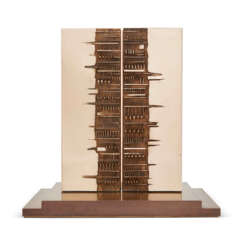

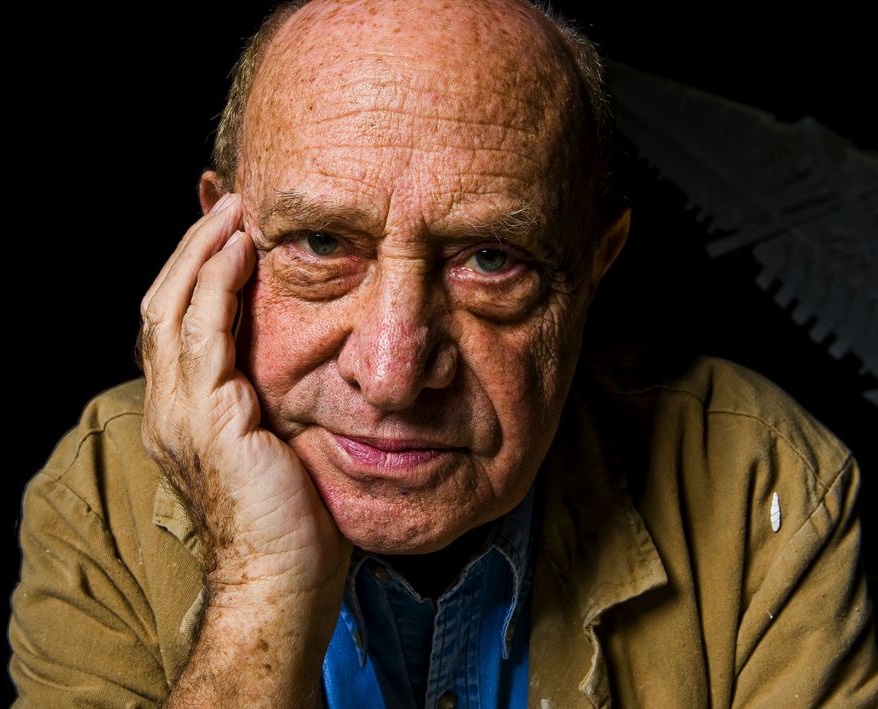
Arnaldo Pomodoro is an Italian sculptor. He was born in Morciano, Romagna, and lives and works in Milan. His brother, Giò Pomodoro (1930-2002) was also a sculptor.
Pomodoro designed a controversial fiberglass crucifix for the Cathedral of St. John the Evangelist in Milwaukee, Wisconsin. The piece is topped with a fourteen-foot diameter crown of thorns which hovers over the figure of Christ.
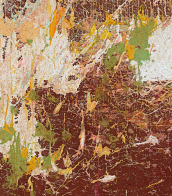
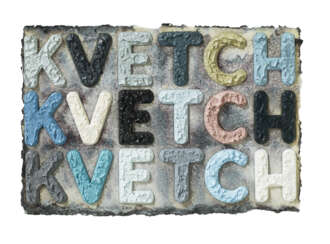

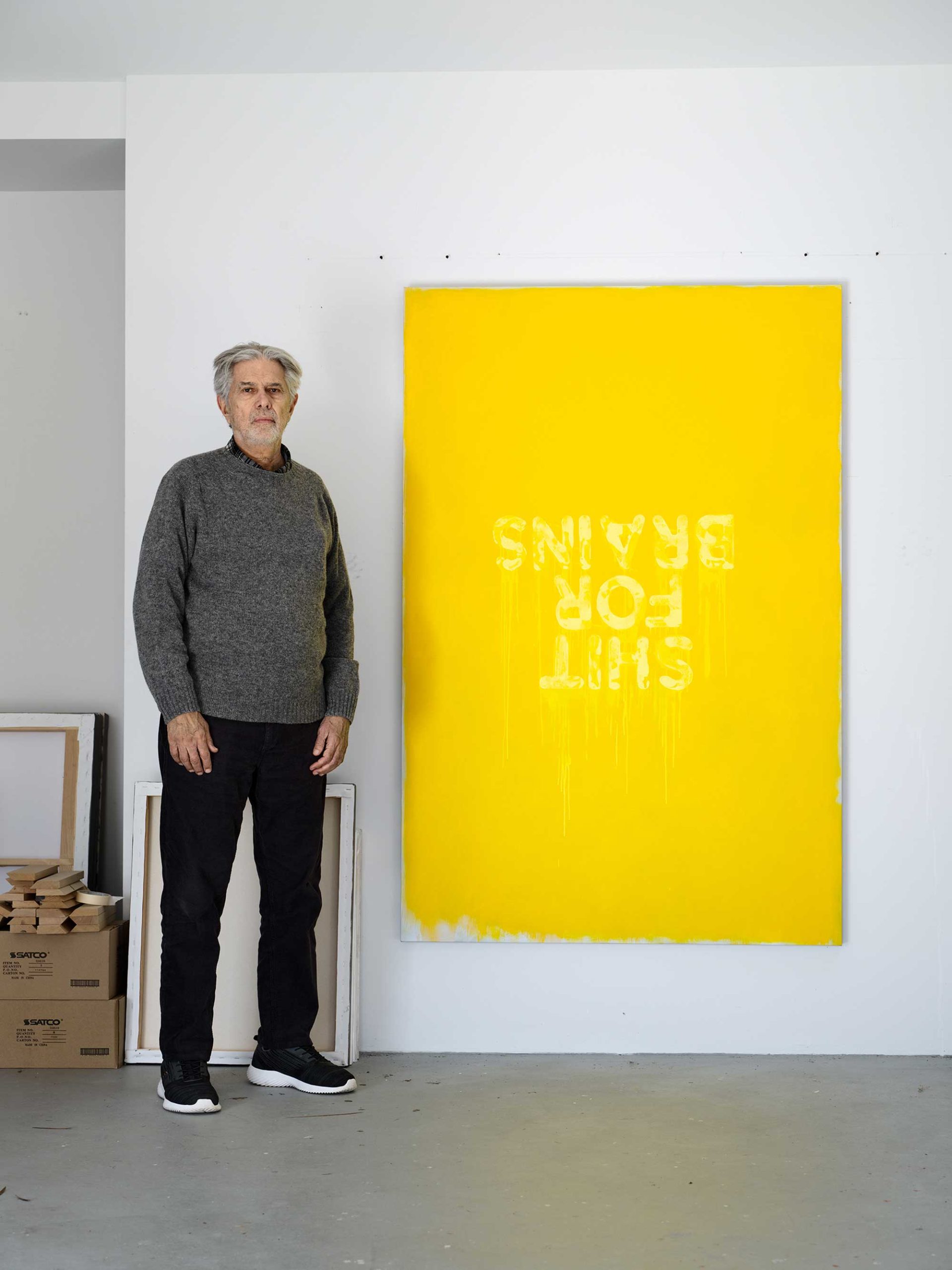
Mel Bochner is an American conceptual artist. Bochner received his BFA in 1962 and honorary Doctor of Fine Arts in 2005 from the School of Art at Carnegie Mellon University.
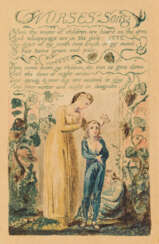

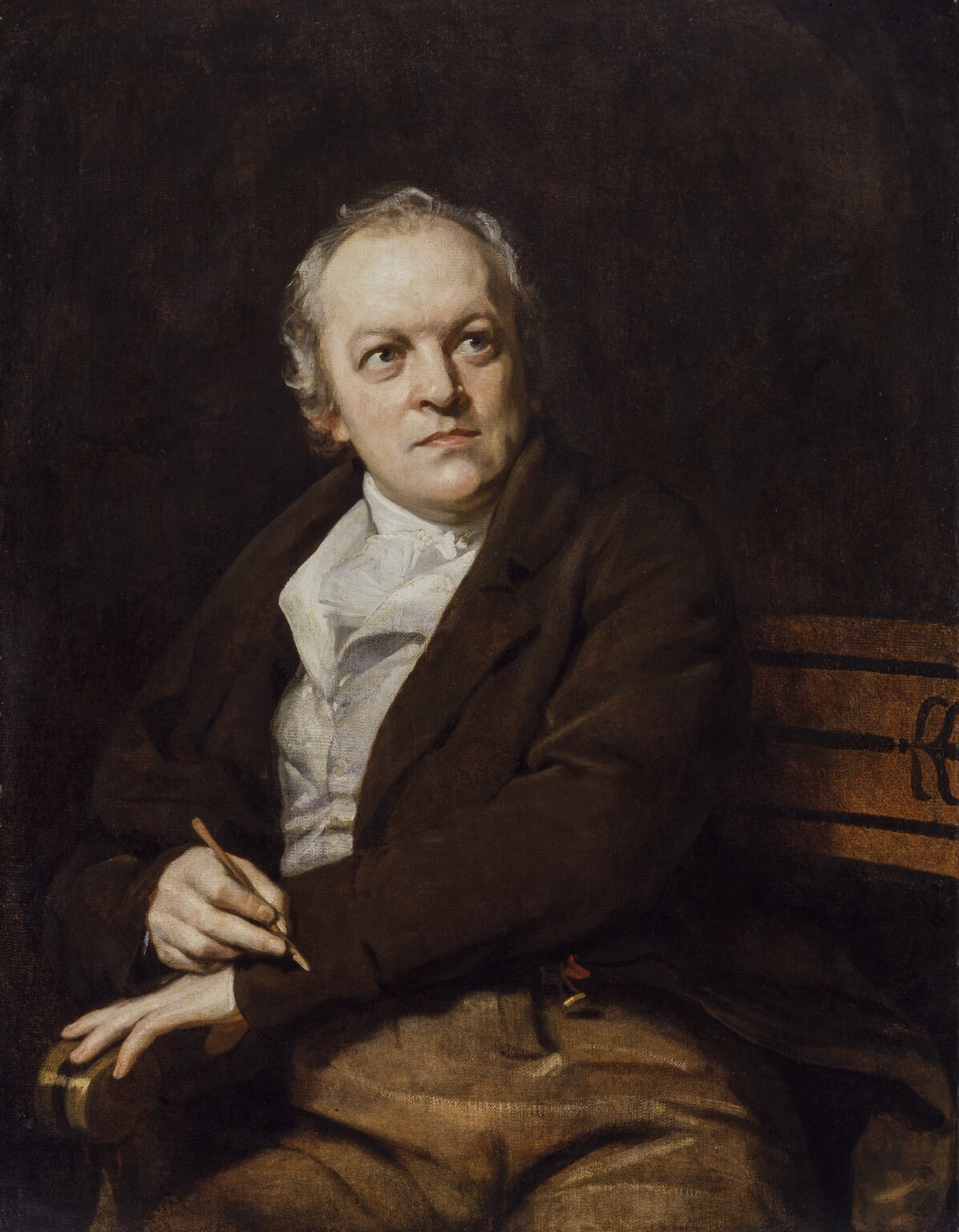
William Blake was an English poet, painter, and printmaker. Largely unrecognised during his life, Blake is now considered a seminal figure in the history of the poetry and visual art of the Romantic Age. What he called his "prophetic works" were said by 20th-century critic Northrop Frye to form "what is in proportion to its merits the least read body of poetry in the English language". His visual artistry led 21st-century critic Jonathan Jones to proclaim him "far and away the greatest artist Britain has ever produced". In 2002, Blake was placed at number 38 in the BBC's poll of the 100 Greatest Britons. While he lived in London his entire life, except for three years spent in Felpham, he produced a diverse and symbolically rich collection of works, which embraced the imagination as "the body of God" or "human existence itself".

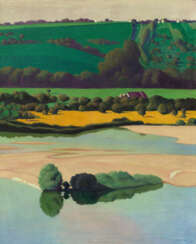

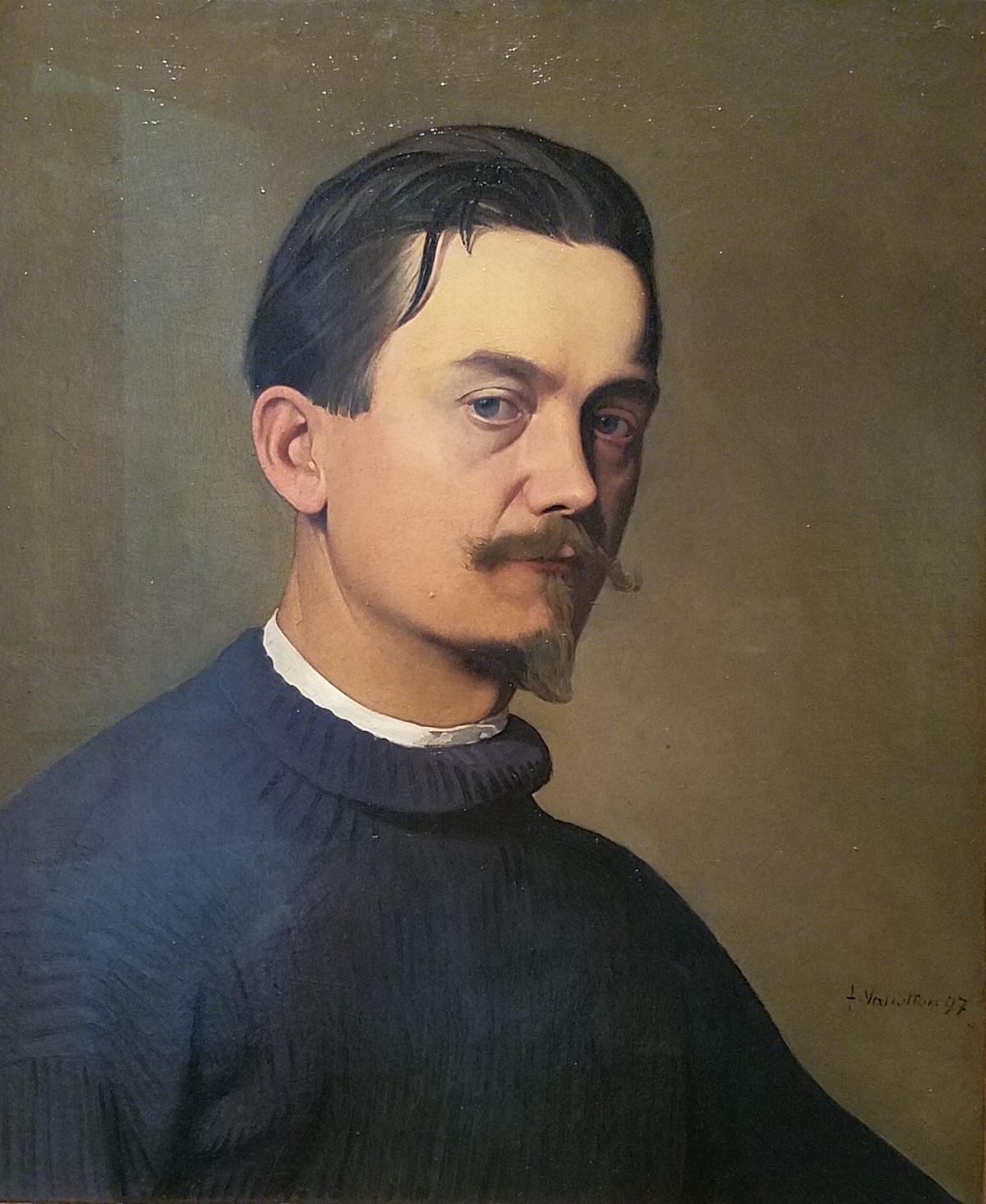
Félix Vallotton, a Swiss-born French graphic artist and painter, is recognized for his distinctive woodcuts and paintings of nudes and interiors. Vallotton's journey into art began in Paris, where he attended the Académie Julian, fostering a unique style that broke from traditional norms. His early works, characterized by extreme realism, were showcased at the Salon des Artistes Français and the Paris Universal Exposition of 1889. This period also marked Vallotton's encounter with Japanese prints, notably those by Hokusai, profoundly influencing his artistic direction.
In 1892, Vallotton joined Les Nabis, a group of avant-garde artists including Pierre Bonnard, Maurice Denis, and Édouard Vuillard, which led to a significant evolution in his style. His paintings from this era, such as "Bathers on a Summer Evening" and "Moonlight," exhibited at the Kunsthaus Zürich and the Musée d'Orsay respectively, reveal a departure from realism towards a more symbolic and abstract representation. The works from this period are characterized by flat areas of color, hard edges, and simplified details, mirroring the style he developed in his woodcuts.
Vallotton's woodcuts, like "Intimités" (Intimacies), a series published in 1898, showcased his mastery in capturing the nuances of human relationships, particularly the tensions between men and women. His graphic art, which included depictions of domestic scenes, bathing women, and street crowds, was not just celebrated in Europe but also influenced artists like Edvard Munch, Aubrey Beardsley, and Ernst Ludwig Kirchner.
Towards the end of his career, Vallotton continued to innovate, combining elements of realism and abstraction, evident in paintings like "La Malade" (The Sick Girl) and "Clair de lune" (Moonlight). His works remain a testament to his ability to merge technical precision with a poignant exploration of human emotions and societal themes.
For art collectors and experts, Vallotton's body of work offers a rich and diverse exploration of early 20th-century art movements, especially his role in the development of modern woodcut techniques and his contribution to the Nabis movement. His works are a study in the fusion of realism and symbolism, marked by a distinctive style that makes his art enduringly relevant and compelling.
For those interested in discovering more about Félix Vallotton and staying updated on related product sales and auction events, signing up for updates is a great opportunity. This subscription will exclusively alert you to new sales and events pertaining to Vallotton's works, ensuring you remain informed in the dynamic world of art and antiques.

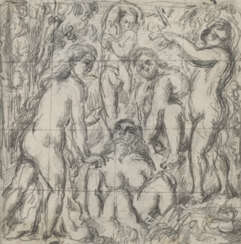

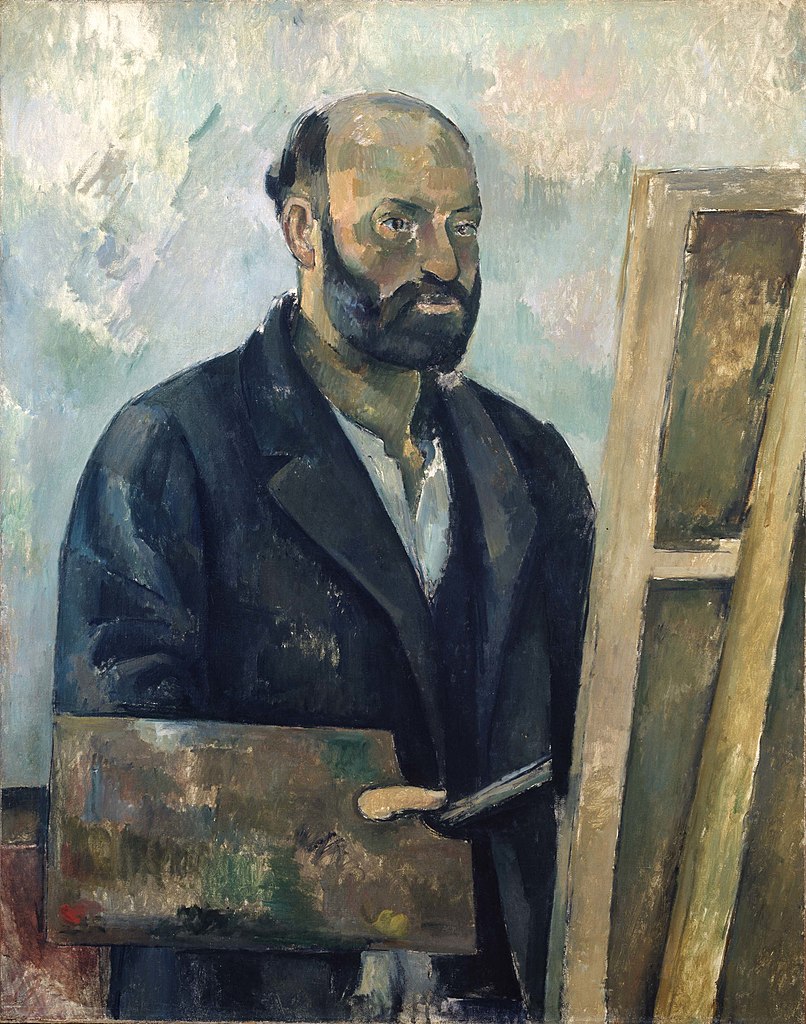
Paul Cézanne, a French Post-Impressionist painter, was pivotal in shaping the transition from 19th-century art to a new, revolutionary approach in the 20th century. His unique and exploratory brushstrokes, utilizing planes of color to form complex fields, made his work instantly recognizable and influential in the development of Cubism.
Cézanne’s early works, influenced by Romanticism and Realism, evolved into a groundbreaking artistic language. He challenged traditional perspective and academic art rules, focusing on objects' structural aspects and art's formal qualities. This approach led to a renewed emphasis on impressionistic color space and modulation principles.
His most notable works, like “Mont Sainte-Victoire,” “The Card Players,” and “The Bathers,” display his mastery in creating depth and dimension through color gradations. These paintings, initially met with skepticism, eventually cemented Cézanne’s reputation as a pioneering artist. His exhibitions, particularly the one-man show by dealer Ambroise Vollard in 1895, played a critical role in his recognition.
Cézanne’s impact on art history is profound, with greats like Henri Matisse and Pablo Picasso acknowledging him as a significant influence. His exploration of geometric forms and innovative use of light and color laid the groundwork for subsequent movements, particularly Cubism.
For collectors and art experts, Cézanne's works are more than just paintings; they are pivotal chapters in the narrative of modern art. His creations, bridging Impressionism and Cubism, continue to inspire and challenge contemporary artists.
To stay updated on new product sales and auction events related to Paul Cézanne, sign up for our updates. This subscription ensures you remain informed about the latest developments in the world of this revolutionary artist.









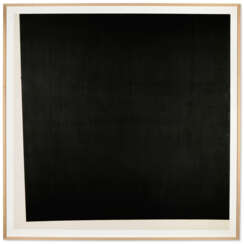


Richard Serra was a prominent American sculptor, renowned for his monumental steel sculptures that transform viewers' perceptions of space and environment. Born on November 2, 1938, in San Francisco, California, Serra pursued his education in Art History and Fine Arts at Yale University, where he graduated with a BA and an MFA in 1964. His early career was marked by experimentation with nontraditional materials such as rubber, neon, and lead, reflecting a departure from traditional sculptural forms towards more abstract expressions.
Serra's work is characterized by its engagement with the physical properties of his materials and the spatial dynamics of his installation sites. He is perhaps best known for "Tilted Arc" (1981), a controversial installation in New York City's Federal Plaza, which was eventually removed following public debate over its presence. Despite the controversy, "Tilted Arc" exemplifies Serra's interest in site-specificity and the relationship between artwork, site, and viewer.
Throughout his career, Serra's sculptures have been exhibited globally, with significant works like "Snake" (1994-97) at the Guggenheim Bilbao and "Torqued Ellipse" series, reflecting his ongoing exploration of curvilinear forms and the interaction between space, viewer, and sculpture. His contributions to art have been acknowledged with awards such as the Praemium Imperiale in 1994.
For collectors and experts in art and antiques, Serra's work represents a pivotal shift in contemporary sculpture, emphasizing the materiality and physical engagement of artworks within their environments. To stay updated on exhibitions and auction events related to Richard Serra's influential sculptures, signing up for updates is highly recommended, ensuring enthusiasts are informed about the latest developments and opportunities to engage with his groundbreaking work.