211











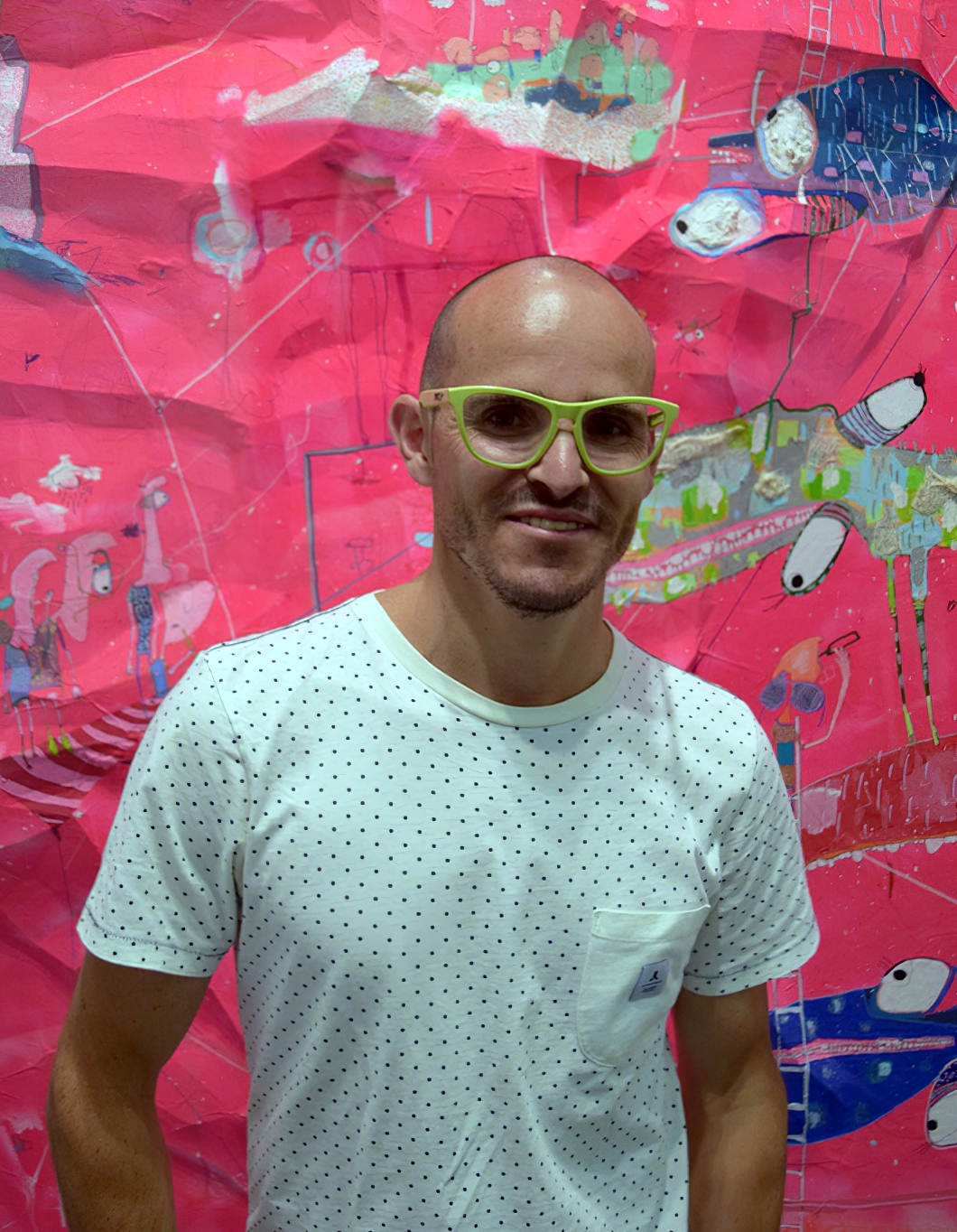
Rafa Macarrón is a contemporary Spanish self-taught artist.
His work leaves the imprint of dreamy influences and childhood memories. Despite the drama and ugliness of his characters, the scenes depict tenderness, kindness and harmony.
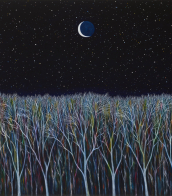
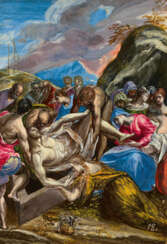

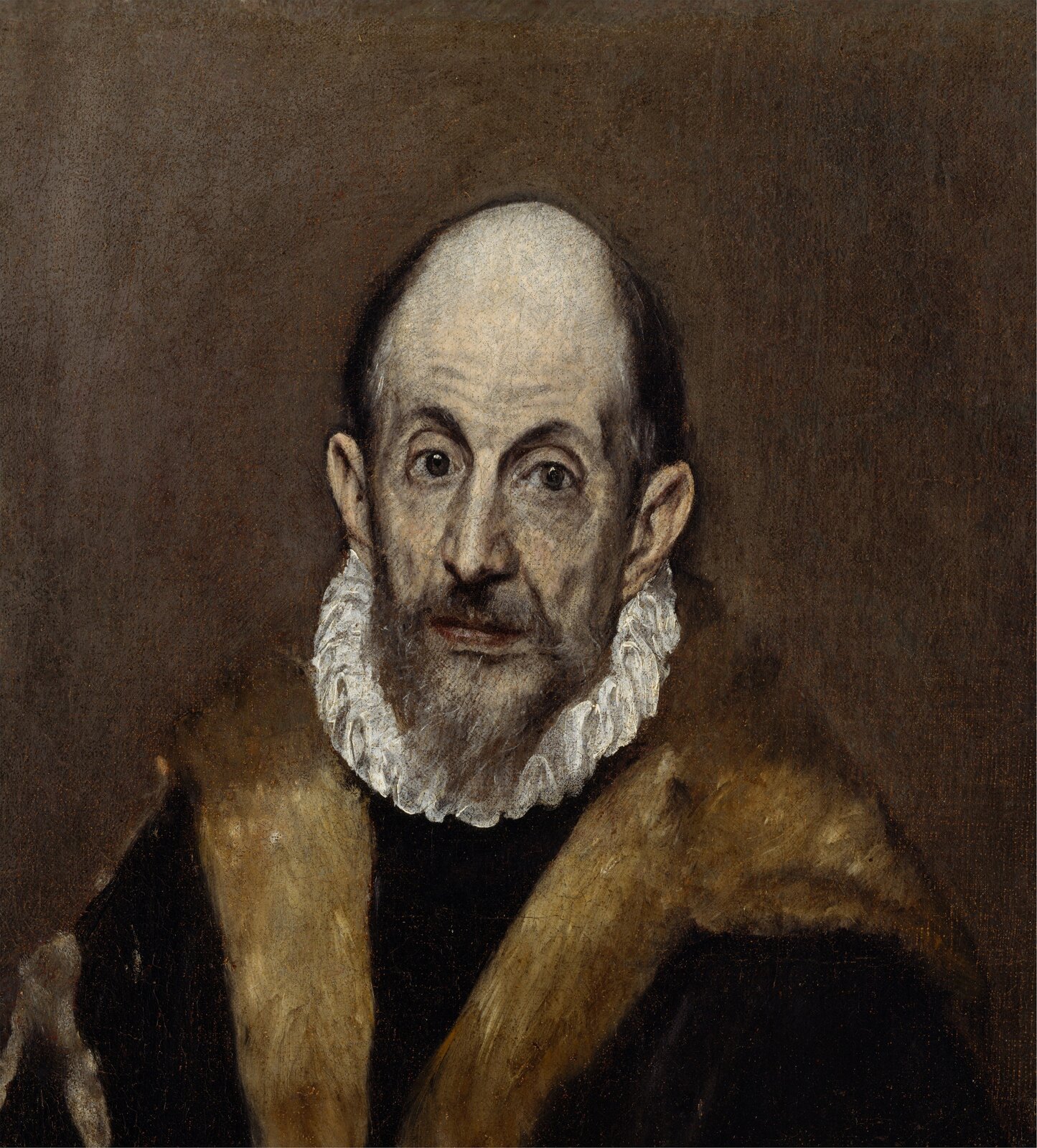
Domínikos Theotokópoulos, most widely known as El Greco ("The Greek"), was a Greek painter, sculptor and architect of the Spanish Renaissance.
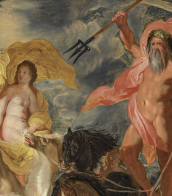
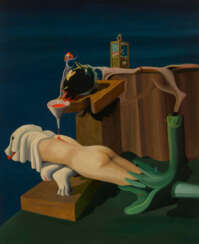

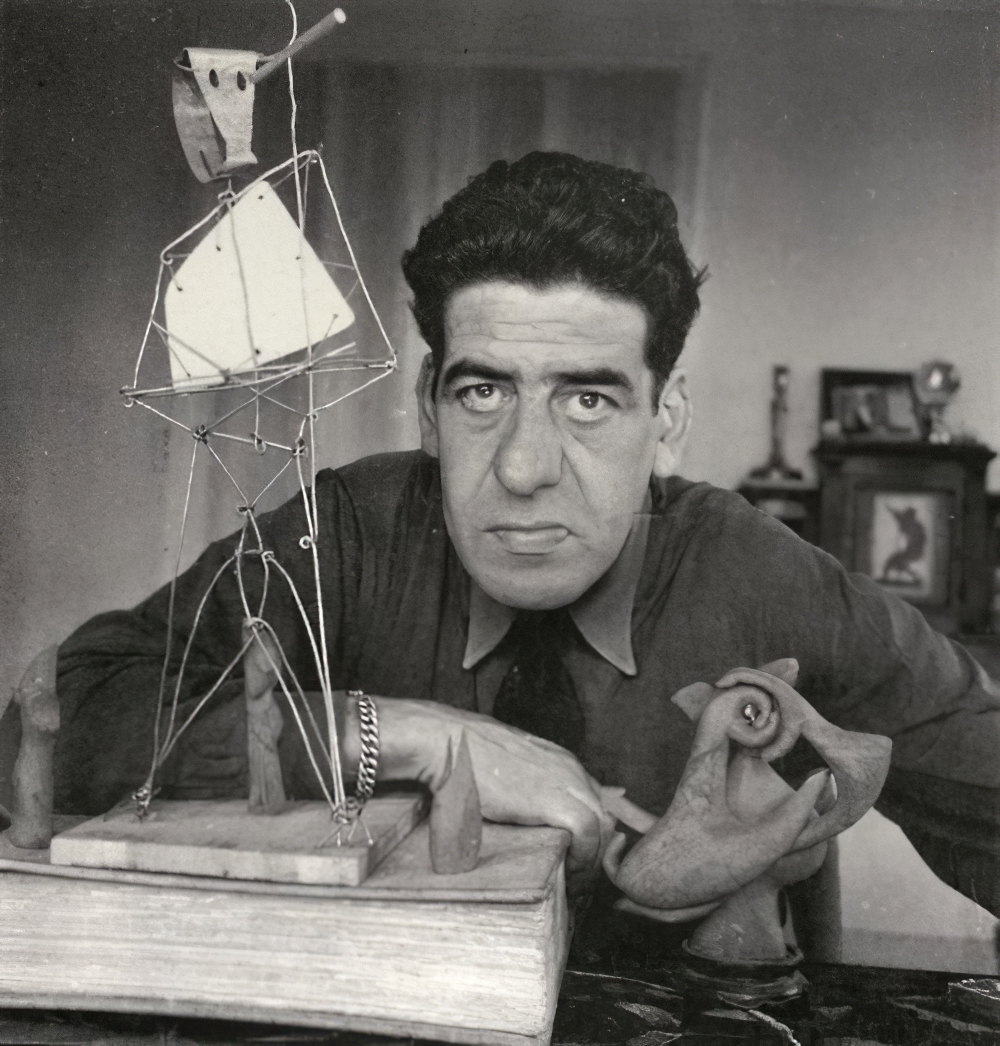
Óscar Domínguez was a Spanish Surrealist painter and sculptor. He was born in San Cristóbal de La Laguna, Tenerife, in the Canary Islands, and later moved to Paris, where he became part of the Surrealist movement.
Domínguez's art was characterized by its dreamlike and surreal imagery, often featuring fantastic landscapes, strange creatures, and distorted human figures. He worked in a variety of media, including painting, drawing, sculpture, and collage, and was known for his use of automatic drawing and other Surrealist techniques.
In addition to his art, Domínguez was also involved in politics, and was a member of the French Communist Party. He fought in the Spanish Civil War as a member of the Republican Army, and later lived in exile in Paris.
Domínguez's work was exhibited widely during his lifetime, including at the Museum of Modern Art in New York City and the Tate Gallery in London.
Today, Domínguez is considered one of the leading figures of the Surrealist movement, and his work continues to inspire artists around the world.


Óscar Domínguez was a Spanish Surrealist painter and sculptor. He was born in San Cristóbal de La Laguna, Tenerife, in the Canary Islands, and later moved to Paris, where he became part of the Surrealist movement.
Domínguez's art was characterized by its dreamlike and surreal imagery, often featuring fantastic landscapes, strange creatures, and distorted human figures. He worked in a variety of media, including painting, drawing, sculpture, and collage, and was known for his use of automatic drawing and other Surrealist techniques.
In addition to his art, Domínguez was also involved in politics, and was a member of the French Communist Party. He fought in the Spanish Civil War as a member of the Republican Army, and later lived in exile in Paris.
Domínguez's work was exhibited widely during his lifetime, including at the Museum of Modern Art in New York City and the Tate Gallery in London.
Today, Domínguez is considered one of the leading figures of the Surrealist movement, and his work continues to inspire artists around the world.


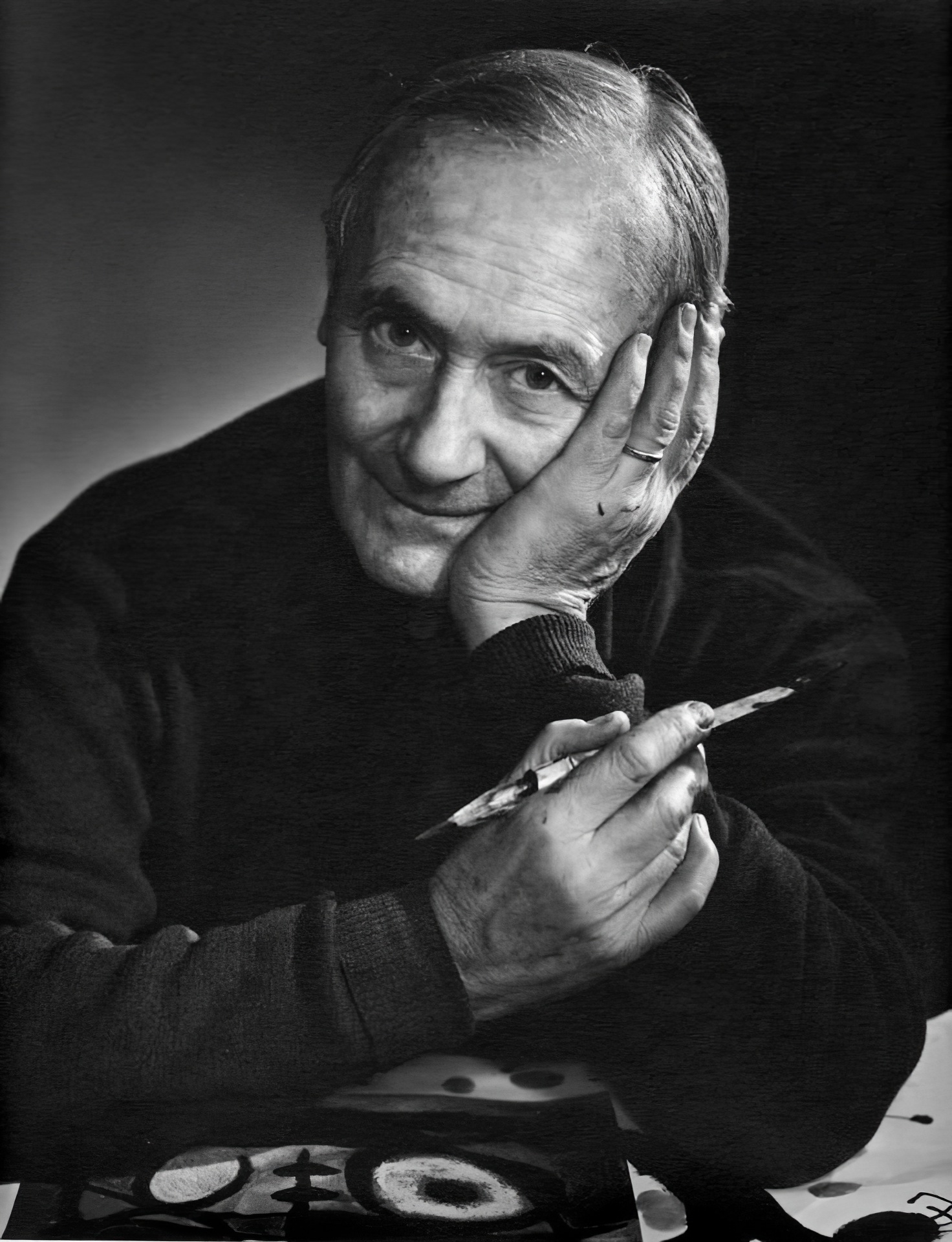
Joan Miró, a celebrated Spanish artist, was a master in painting, sculpture, and ceramics, renowned for his unique style that blurred the lines between Surrealism, Fauvism, and Expressionism. Born in Barcelona to a family of a goldsmith and a watchmaker, Miró grew up immersed in the rich cultural heritage of the Barri Gòtic neighborhood. His artistic journey began with drawing classes at the age of seven and continued at the prestigious La Llotja art academy. Despite an initial venture into the business world, Miró's passion for art prevailed, leading him to abandon his clerical career after a nervous breakdown.
Miró's work is noted for its exploration of the subconscious, often depicting a childlike perspective. This approach was both a critique of traditional painting methods and a means of expressing Catalan pride. His art, challenging to categorize, often featured symbolic elements and nationalistic qualities. One of his notable early works, "The Farm," reflects a transition to a more individual style, blending elements of his Catalan roots with broader artistic influences. This piece, later purchased by Ernest Hemingway, encapsulated the essence of Spain in its imagery.
In Paris, Miró joined the Surrealist movement in 1924, where his work began to reflect the influence of automatism, emphasizing spontaneous, automatic, or subconscious creation. He experimented with various mediums, including painting-poetry and collage, and even ventured into set and costume design for Sergei Diaghilev's Ballets Russes.
During World War II, Miró remained in Spain, and his work from this period, including the 22 Constellations series, reflected an interest in the night, music, and stars. His forms became increasingly abstracted, and he experimented with various techniques, often incorporating primary colors and evocative titles.
Miró's career spanned several decades, during which he continually evolved his style and explored new mediums. His contributions to art were recognized with numerous awards and retrospectives, including a major career retrospective at MoMA in 1941 and the Spanish Gold Medal for Fine Arts in 1980. Among his last major works was a tapestry for the World Trade Center in New York City, created in 1974.
For art collectors and enthusiasts, Joan Miró remains a figure of immense interest, not only for his distinct style and contributions to Surrealism but also for his ability to blend poetic imagery with political commentary. To stay updated on new product sales and auction events related to Joan Miró, sign up for our updates and immerse yourself in the world of this extraordinary artist.
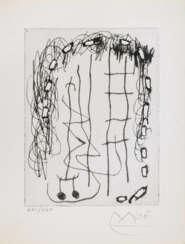

Joan Miró, a celebrated Spanish artist, was a master in painting, sculpture, and ceramics, renowned for his unique style that blurred the lines between Surrealism, Fauvism, and Expressionism. Born in Barcelona to a family of a goldsmith and a watchmaker, Miró grew up immersed in the rich cultural heritage of the Barri Gòtic neighborhood. His artistic journey began with drawing classes at the age of seven and continued at the prestigious La Llotja art academy. Despite an initial venture into the business world, Miró's passion for art prevailed, leading him to abandon his clerical career after a nervous breakdown.
Miró's work is noted for its exploration of the subconscious, often depicting a childlike perspective. This approach was both a critique of traditional painting methods and a means of expressing Catalan pride. His art, challenging to categorize, often featured symbolic elements and nationalistic qualities. One of his notable early works, "The Farm," reflects a transition to a more individual style, blending elements of his Catalan roots with broader artistic influences. This piece, later purchased by Ernest Hemingway, encapsulated the essence of Spain in its imagery.
In Paris, Miró joined the Surrealist movement in 1924, where his work began to reflect the influence of automatism, emphasizing spontaneous, automatic, or subconscious creation. He experimented with various mediums, including painting-poetry and collage, and even ventured into set and costume design for Sergei Diaghilev's Ballets Russes.
During World War II, Miró remained in Spain, and his work from this period, including the 22 Constellations series, reflected an interest in the night, music, and stars. His forms became increasingly abstracted, and he experimented with various techniques, often incorporating primary colors and evocative titles.
Miró's career spanned several decades, during which he continually evolved his style and explored new mediums. His contributions to art were recognized with numerous awards and retrospectives, including a major career retrospective at MoMA in 1941 and the Spanish Gold Medal for Fine Arts in 1980. Among his last major works was a tapestry for the World Trade Center in New York City, created in 1974.
For art collectors and enthusiasts, Joan Miró remains a figure of immense interest, not only for his distinct style and contributions to Surrealism but also for his ability to blend poetic imagery with political commentary. To stay updated on new product sales and auction events related to Joan Miró, sign up for our updates and immerse yourself in the world of this extraordinary artist.
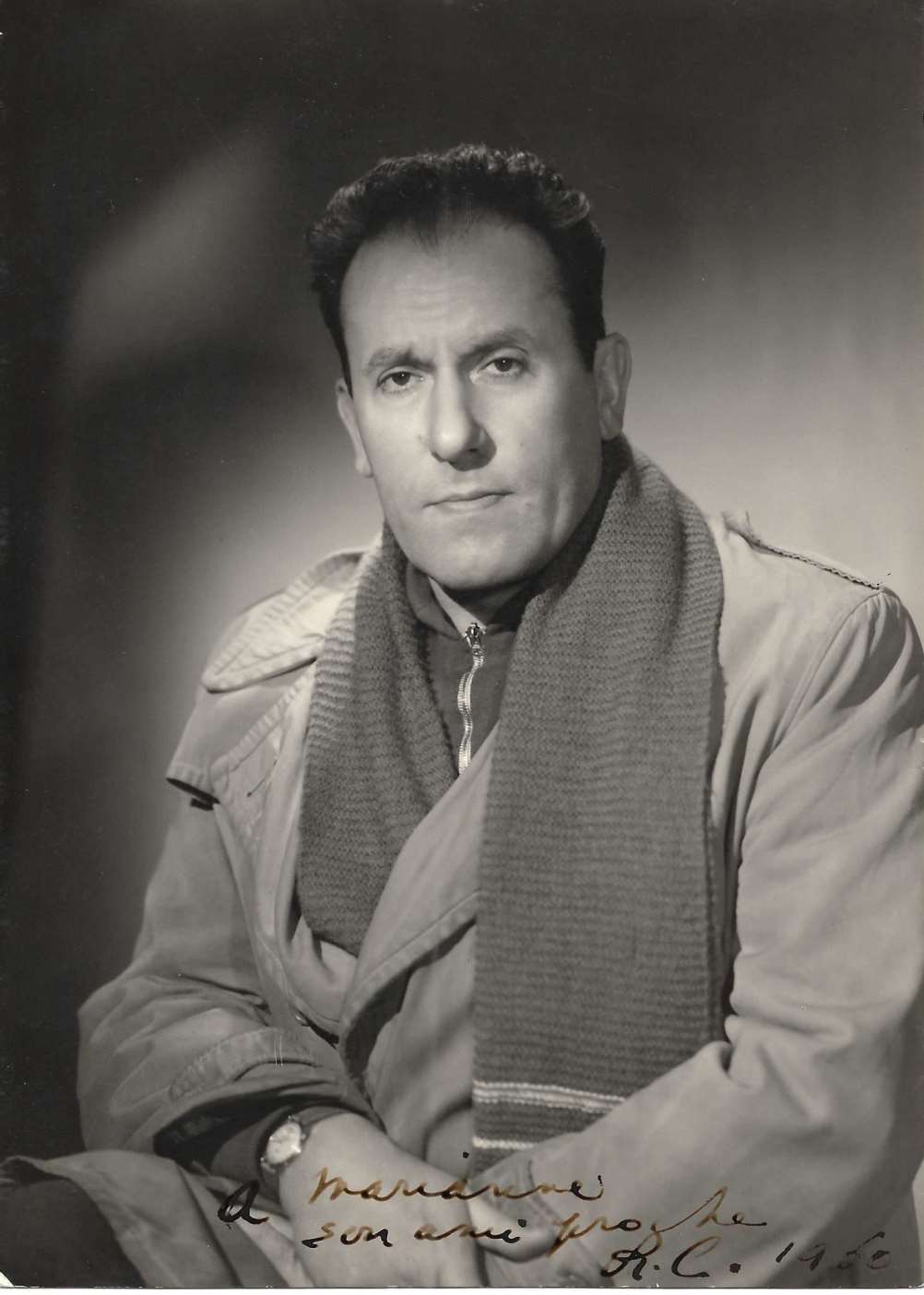


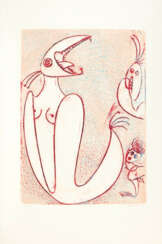



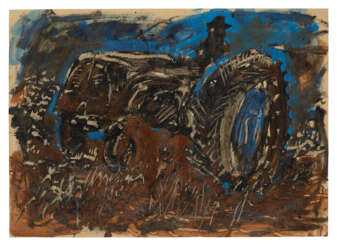

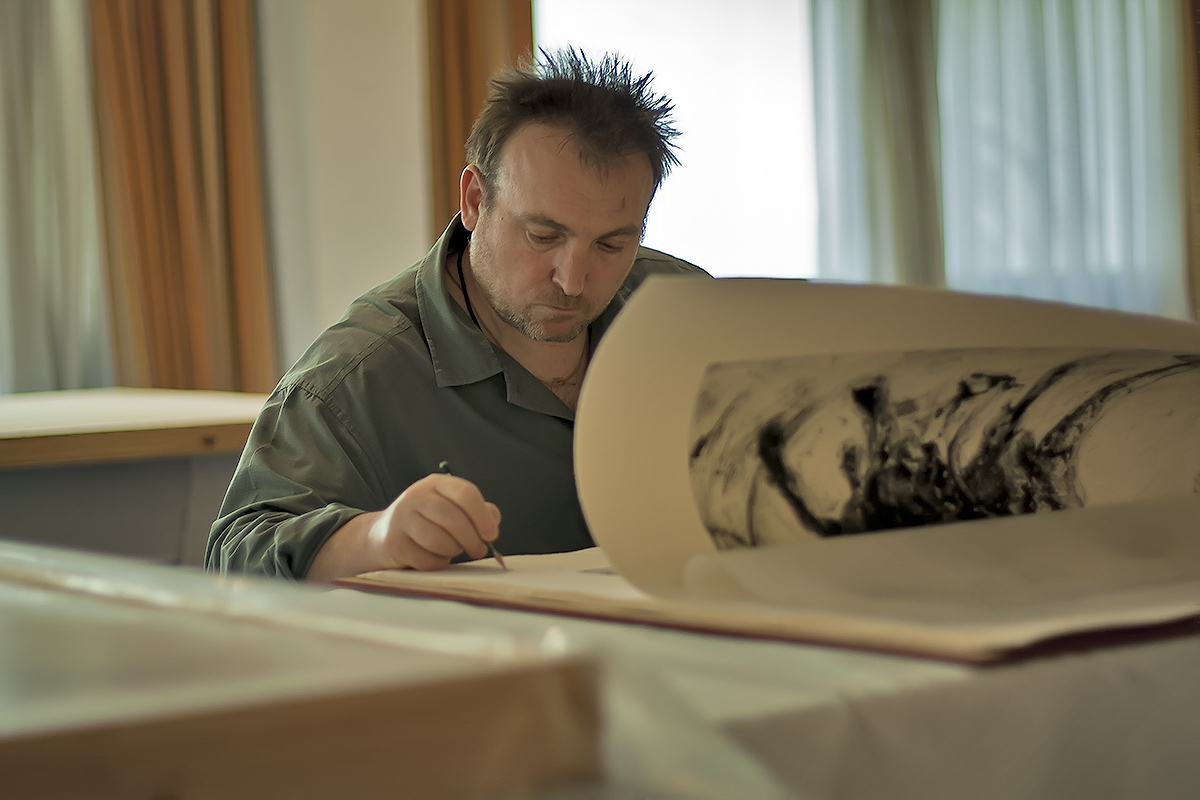
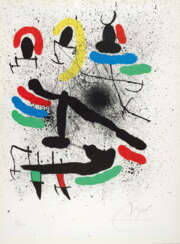

Joan Miró, a celebrated Spanish artist, was a master in painting, sculpture, and ceramics, renowned for his unique style that blurred the lines between Surrealism, Fauvism, and Expressionism. Born in Barcelona to a family of a goldsmith and a watchmaker, Miró grew up immersed in the rich cultural heritage of the Barri Gòtic neighborhood. His artistic journey began with drawing classes at the age of seven and continued at the prestigious La Llotja art academy. Despite an initial venture into the business world, Miró's passion for art prevailed, leading him to abandon his clerical career after a nervous breakdown.
Miró's work is noted for its exploration of the subconscious, often depicting a childlike perspective. This approach was both a critique of traditional painting methods and a means of expressing Catalan pride. His art, challenging to categorize, often featured symbolic elements and nationalistic qualities. One of his notable early works, "The Farm," reflects a transition to a more individual style, blending elements of his Catalan roots with broader artistic influences. This piece, later purchased by Ernest Hemingway, encapsulated the essence of Spain in its imagery.
In Paris, Miró joined the Surrealist movement in 1924, where his work began to reflect the influence of automatism, emphasizing spontaneous, automatic, or subconscious creation. He experimented with various mediums, including painting-poetry and collage, and even ventured into set and costume design for Sergei Diaghilev's Ballets Russes.
During World War II, Miró remained in Spain, and his work from this period, including the 22 Constellations series, reflected an interest in the night, music, and stars. His forms became increasingly abstracted, and he experimented with various techniques, often incorporating primary colors and evocative titles.
Miró's career spanned several decades, during which he continually evolved his style and explored new mediums. His contributions to art were recognized with numerous awards and retrospectives, including a major career retrospective at MoMA in 1941 and the Spanish Gold Medal for Fine Arts in 1980. Among his last major works was a tapestry for the World Trade Center in New York City, created in 1974.
For art collectors and enthusiasts, Joan Miró remains a figure of immense interest, not only for his distinct style and contributions to Surrealism but also for his ability to blend poetic imagery with political commentary. To stay updated on new product sales and auction events related to Joan Miró, sign up for our updates and immerse yourself in the world of this extraordinary artist.
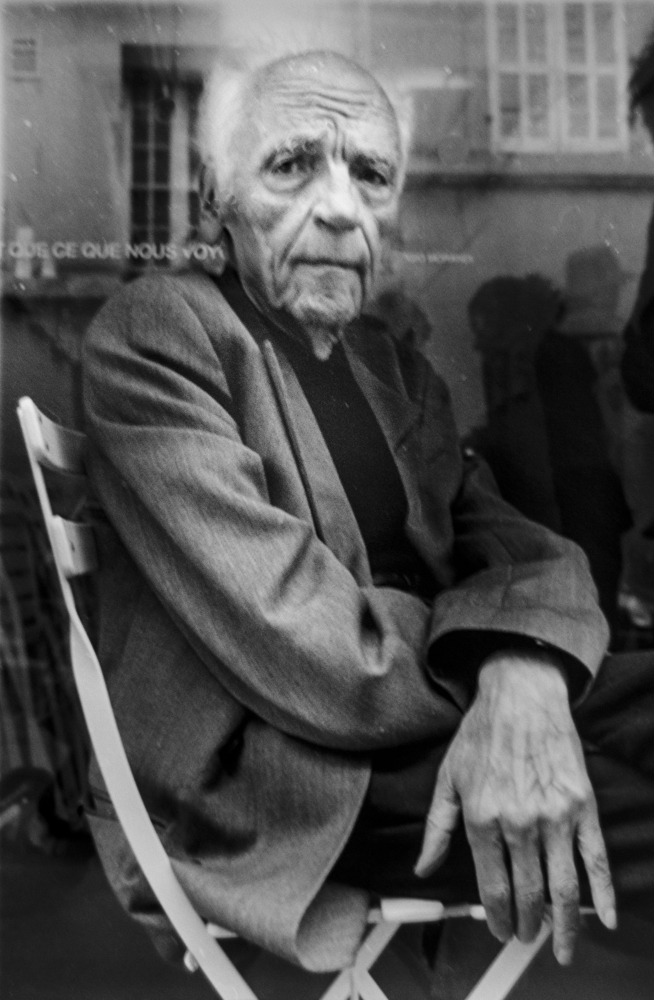
Alain Jouffroy is a French poet, writer and art critic.

Joan Miró, a celebrated Spanish artist, was a master in painting, sculpture, and ceramics, renowned for his unique style that blurred the lines between Surrealism, Fauvism, and Expressionism. Born in Barcelona to a family of a goldsmith and a watchmaker, Miró grew up immersed in the rich cultural heritage of the Barri Gòtic neighborhood. His artistic journey began with drawing classes at the age of seven and continued at the prestigious La Llotja art academy. Despite an initial venture into the business world, Miró's passion for art prevailed, leading him to abandon his clerical career after a nervous breakdown.
Miró's work is noted for its exploration of the subconscious, often depicting a childlike perspective. This approach was both a critique of traditional painting methods and a means of expressing Catalan pride. His art, challenging to categorize, often featured symbolic elements and nationalistic qualities. One of his notable early works, "The Farm," reflects a transition to a more individual style, blending elements of his Catalan roots with broader artistic influences. This piece, later purchased by Ernest Hemingway, encapsulated the essence of Spain in its imagery.
In Paris, Miró joined the Surrealist movement in 1924, where his work began to reflect the influence of automatism, emphasizing spontaneous, automatic, or subconscious creation. He experimented with various mediums, including painting-poetry and collage, and even ventured into set and costume design for Sergei Diaghilev's Ballets Russes.
During World War II, Miró remained in Spain, and his work from this period, including the 22 Constellations series, reflected an interest in the night, music, and stars. His forms became increasingly abstracted, and he experimented with various techniques, often incorporating primary colors and evocative titles.
Miró's career spanned several decades, during which he continually evolved his style and explored new mediums. His contributions to art were recognized with numerous awards and retrospectives, including a major career retrospective at MoMA in 1941 and the Spanish Gold Medal for Fine Arts in 1980. Among his last major works was a tapestry for the World Trade Center in New York City, created in 1974.
For art collectors and enthusiasts, Joan Miró remains a figure of immense interest, not only for his distinct style and contributions to Surrealism but also for his ability to blend poetic imagery with political commentary. To stay updated on new product sales and auction events related to Joan Miró, sign up for our updates and immerse yourself in the world of this extraordinary artist.
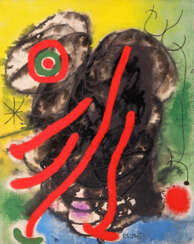

Joan Miró, a celebrated Spanish artist, was a master in painting, sculpture, and ceramics, renowned for his unique style that blurred the lines between Surrealism, Fauvism, and Expressionism. Born in Barcelona to a family of a goldsmith and a watchmaker, Miró grew up immersed in the rich cultural heritage of the Barri Gòtic neighborhood. His artistic journey began with drawing classes at the age of seven and continued at the prestigious La Llotja art academy. Despite an initial venture into the business world, Miró's passion for art prevailed, leading him to abandon his clerical career after a nervous breakdown.
Miró's work is noted for its exploration of the subconscious, often depicting a childlike perspective. This approach was both a critique of traditional painting methods and a means of expressing Catalan pride. His art, challenging to categorize, often featured symbolic elements and nationalistic qualities. One of his notable early works, "The Farm," reflects a transition to a more individual style, blending elements of his Catalan roots with broader artistic influences. This piece, later purchased by Ernest Hemingway, encapsulated the essence of Spain in its imagery.
In Paris, Miró joined the Surrealist movement in 1924, where his work began to reflect the influence of automatism, emphasizing spontaneous, automatic, or subconscious creation. He experimented with various mediums, including painting-poetry and collage, and even ventured into set and costume design for Sergei Diaghilev's Ballets Russes.
During World War II, Miró remained in Spain, and his work from this period, including the 22 Constellations series, reflected an interest in the night, music, and stars. His forms became increasingly abstracted, and he experimented with various techniques, often incorporating primary colors and evocative titles.
Miró's career spanned several decades, during which he continually evolved his style and explored new mediums. His contributions to art were recognized with numerous awards and retrospectives, including a major career retrospective at MoMA in 1941 and the Spanish Gold Medal for Fine Arts in 1980. Among his last major works was a tapestry for the World Trade Center in New York City, created in 1974.
For art collectors and enthusiasts, Joan Miró remains a figure of immense interest, not only for his distinct style and contributions to Surrealism but also for his ability to blend poetic imagery with political commentary. To stay updated on new product sales and auction events related to Joan Miró, sign up for our updates and immerse yourself in the world of this extraordinary artist.

.jfif)
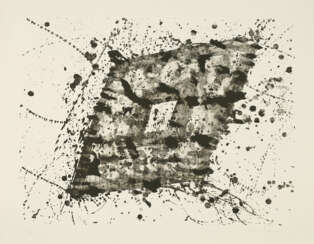
Samuel Lewis Francis, an American painter and printmaker, was known for his pivotal role in postwar American painting and his contributions to the Abstract Expressionism and Color Field painting movements. Born in San Mateo, California, Francis' early life was marked by a deep personal loss and a significant injury during his service in the Army Air Corps, which led him to pursue painting while recovering in a hospital. His work, characterized by splashes of bright contrasting colors against expansive white canvases, drew international acclaim, particularly in Europe and Japan, underscoring his influence on the global art scene.
Francis' art evolved through various phases, from monochromatic works to vibrant, large-scale pieces, and was deeply influenced by his time in Paris and Japan, reflecting elements of Tachisme and possibly Zen Buddhism. Notable for creating large murals and his "Edge" series, Francis also founded The Lapis Press, further contributing to the art community by producing visually compelling texts. Despite facing health challenges towards the end of his life, he remained prolific, leaving behind a legacy celebrated through the Sam Francis Foundation, which aims to perpetuate his creative legacy.
Francis' artworks are held in prestigious collections worldwide, including The Metropolitan Museum of Art, The Museum of Modern Art, New York, and the Centre Pompidou-Musee National d'Art Moderne, Paris, highlighting his enduring influence on contemporary art. His auction records and continued recognition in solo exhibitions posthumously underscore the lasting impact of his work on both collectors and the art community.
For those passionate about modern art and its history, staying informed about Samuel Lewis Francis' contributions and the ongoing exhibitions of his works can be enriching. Sign up for updates related to Francis to ensure you don't miss out on new sales and auction events showcasing his vibrant legacy.