5 x 137


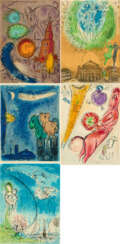

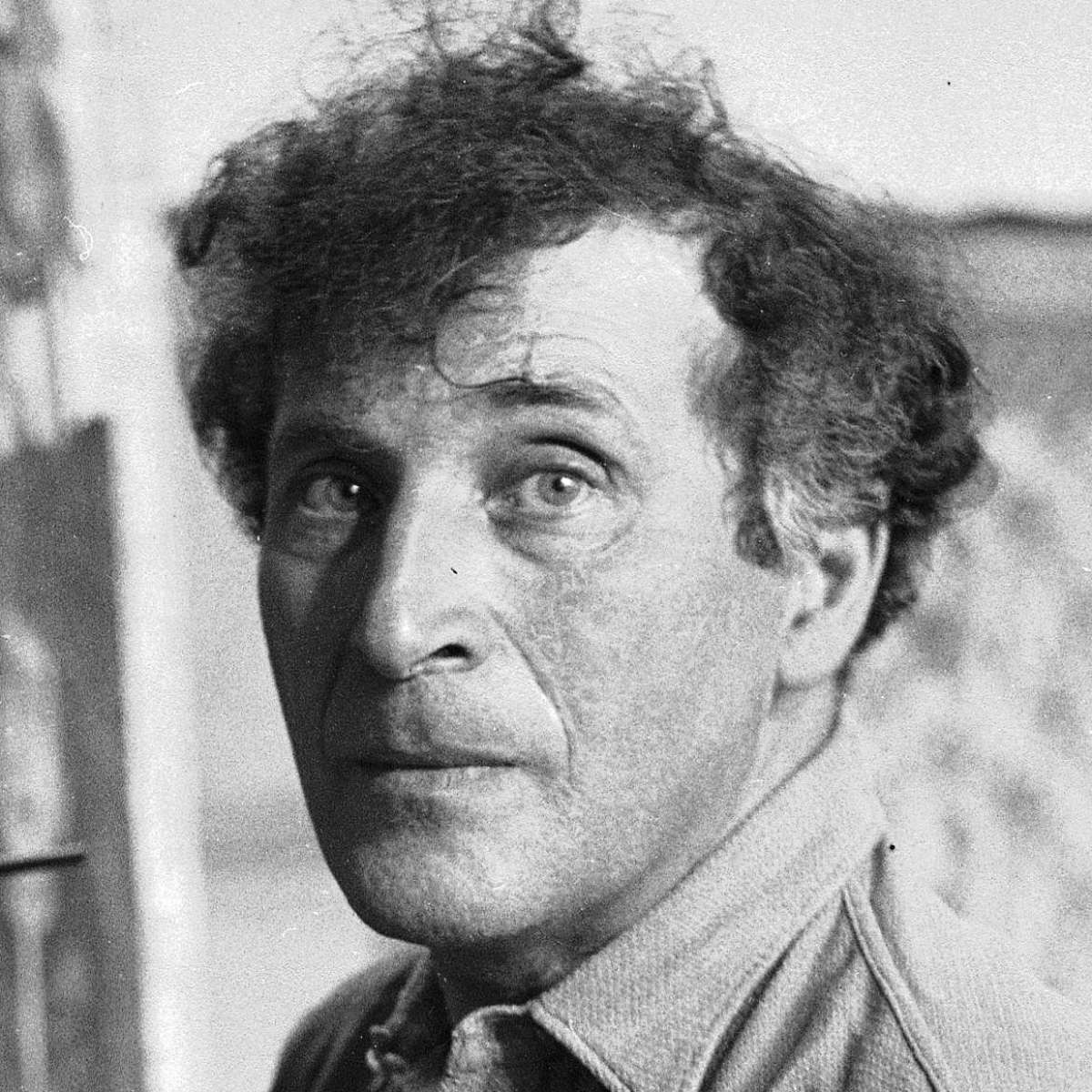
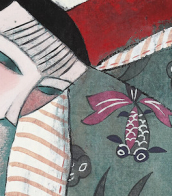
Marc Chagall (Russian: Марк Заха́рович Шага́л), born Moishe Shagal in 1887 near Vitebsk, Belarus (then part of the Russian Empire), was a Belarusian and French artist celebrated for his pivotal role in the avant-garde movement and his unique integration of Eastern European Jewish culture into modern art. His contributions spanned several artistic formats including painting, stained glass, stage sets, ceramics, tapestries, and fine art prints. Chagall's early modernist tendencies were enriched by his experiences across Saint Petersburg, Paris, and Berlin before World War I, leading to a distinctive style that melded Cubism, Symbolism, and Fauvism with his Jewish heritage.
Chagall's work is recognized for its emotional depth, often exploring themes of love, memory, and Jewish folklore through vibrant colors and dreamlike imagery. Notably, art critic Robert Hughes described him as "the quintessential Jewish artist of the twentieth century," a sentiment echoed by art historian Michael J. Lewis who regarded Chagall as a significant figure within European modernism and as the world's preeminent Jewish artist of his time.
Among Chagall's famed contributions are his stained-glass windows for the cathedrals of Reims and Metz, the UN, and the Jerusalem Windows in Israel. His monumental paintings include parts of the ceiling of the Paris Opéra and works that explore biblical themes, a hallmark of his oeuvre that underscores his enduring engagement with spiritual and religious motifs.
For art collectors and antiques experts, Chagall's works are notable not only for their artistic innovation but also for their rich cultural and historical significance. His art is housed in many prestigious museums worldwide, including the Marc Chagall National Museum in Nice, France, which focuses on his works inspired by religion and houses the series of paintings illustrating the biblical message.
For those interested in exploring Chagall's legacy and the vibrant intersection of culture, art, and history his work represents, signing up for updates on new product sales and auction events related to Marc Chagall can provide invaluable insights and opportunities. This is an invitation to engage more deeply with the world of art and culture that Chagall so uniquely encapsulated in his work.

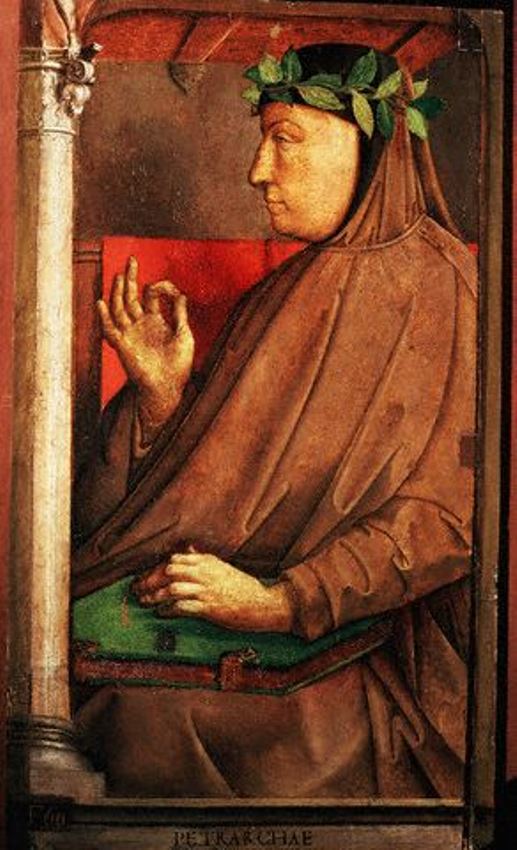
Francesco Petrarca was an Italian poet, the founder of European humanism, and one of the greatest figures of the Italian Proto-Renaissance.
Petrarca studied at the University of Montpellier, then at the University of Bologna, in 1330 entered the service of Cardinal Giovanni Colonna as a chaplain. Then he made various pilgrimages, in 1353 settled in Milan at the court of Archbishop Giovanni Visconti, and carried out important diplomatic missions. Petrarca spent the last years of his life in the village of Arquà near Padua.
Since 1337 Petrarca began to write literary works: these were historical poems in Latin and lyric poems in Italian. In 1327 Francesco saw Laura for the first time, undivided love for which was the main source of his poetry. Laura was for him an object of adoration and pure platonic love. Despite the fact that they saw each other only a few times and were not really acquainted, Petrarca carried this feeling through his life.
Passionate about ancient culture, Petrarch deciphered and commented on the manuscripts of Cicero, Quintilian and others. He opposed medieval scholasticism interest in the earthly purpose of man, argued that the nobility of man depends not on the nobility of origin, but on his virtue. Petrarca highly valued the mind and creative abilities of man, and these humanistic ideas found vivid expression in his lyrics, revealing the inner world of man. Petrarca's work laid the foundation for the formation of Italian humanism. He also dreamed of the unification of Italy, the revival of the former greatness of Rome.
Francesco Petrarca had one of the richest libraries of his time, where ancient Roman writers, poets, historians, philosophers were represented. He was one of the brightest representatives of the culture of the Renaissance. Petrarca's works are characterized by perfection of form and musicality of verse, which played a significant role in the development of European poetry. Among his works are the poem "Africa" about the Second Punic War in Latin, allegorical pastoral eclogues "Bucolics" (1346/1357), a book of songs "My Italy", "Noble Spirit", sonnets, etc.






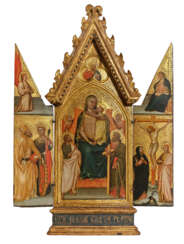



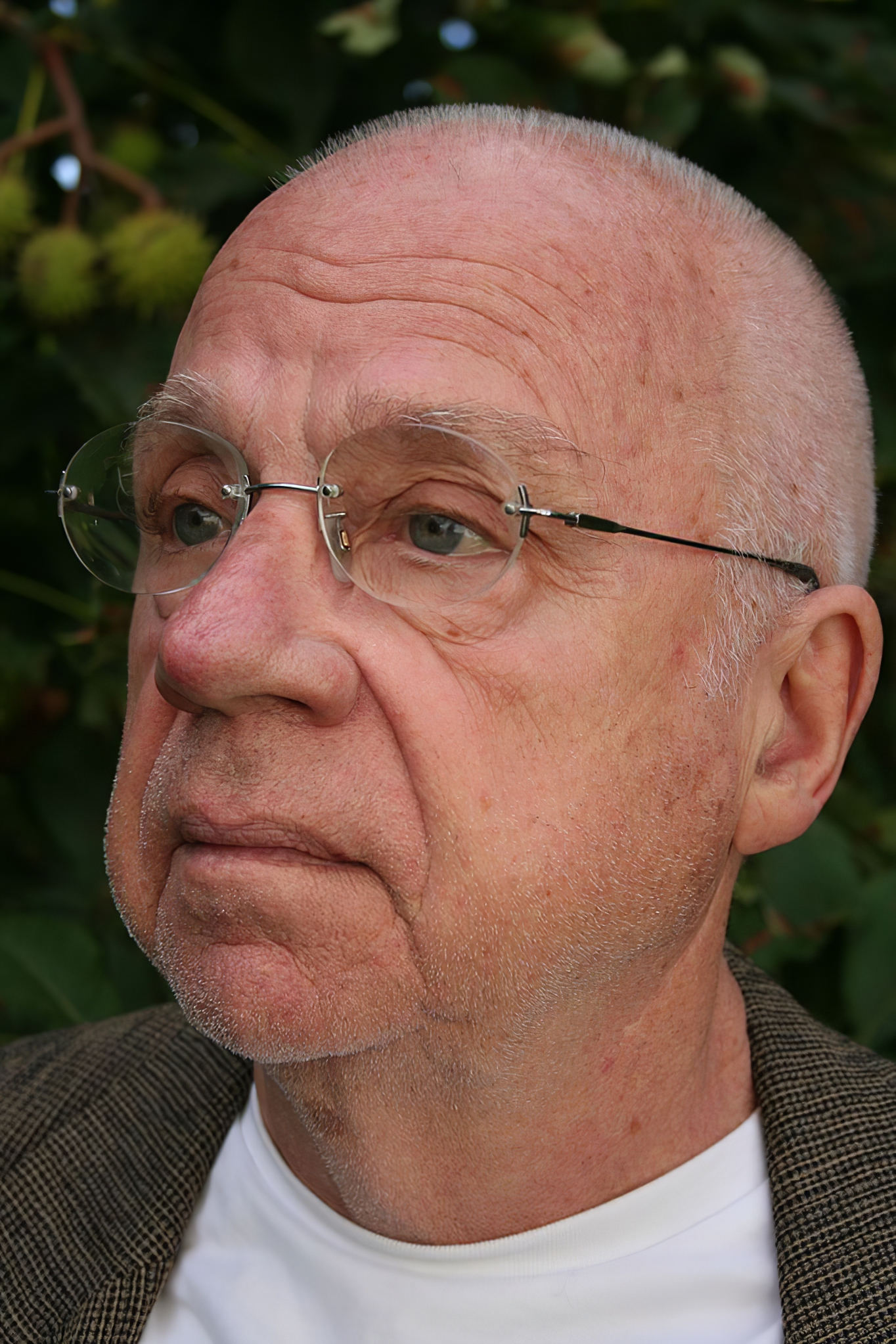
Peter Dreher was a German artist and academic teacher. He painted series of landscapes, interiors, flowers and skulls, beginning his series Tag um Tag guter Tag in 1974. As a professor of painting, he influenced artists including Anselm Kiefer. His works have been exhibited internationally.
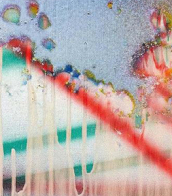
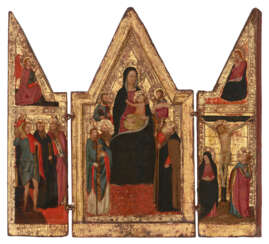

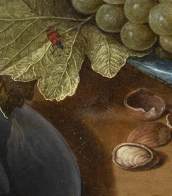
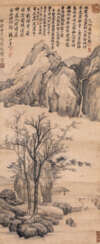



















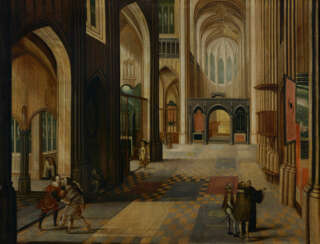

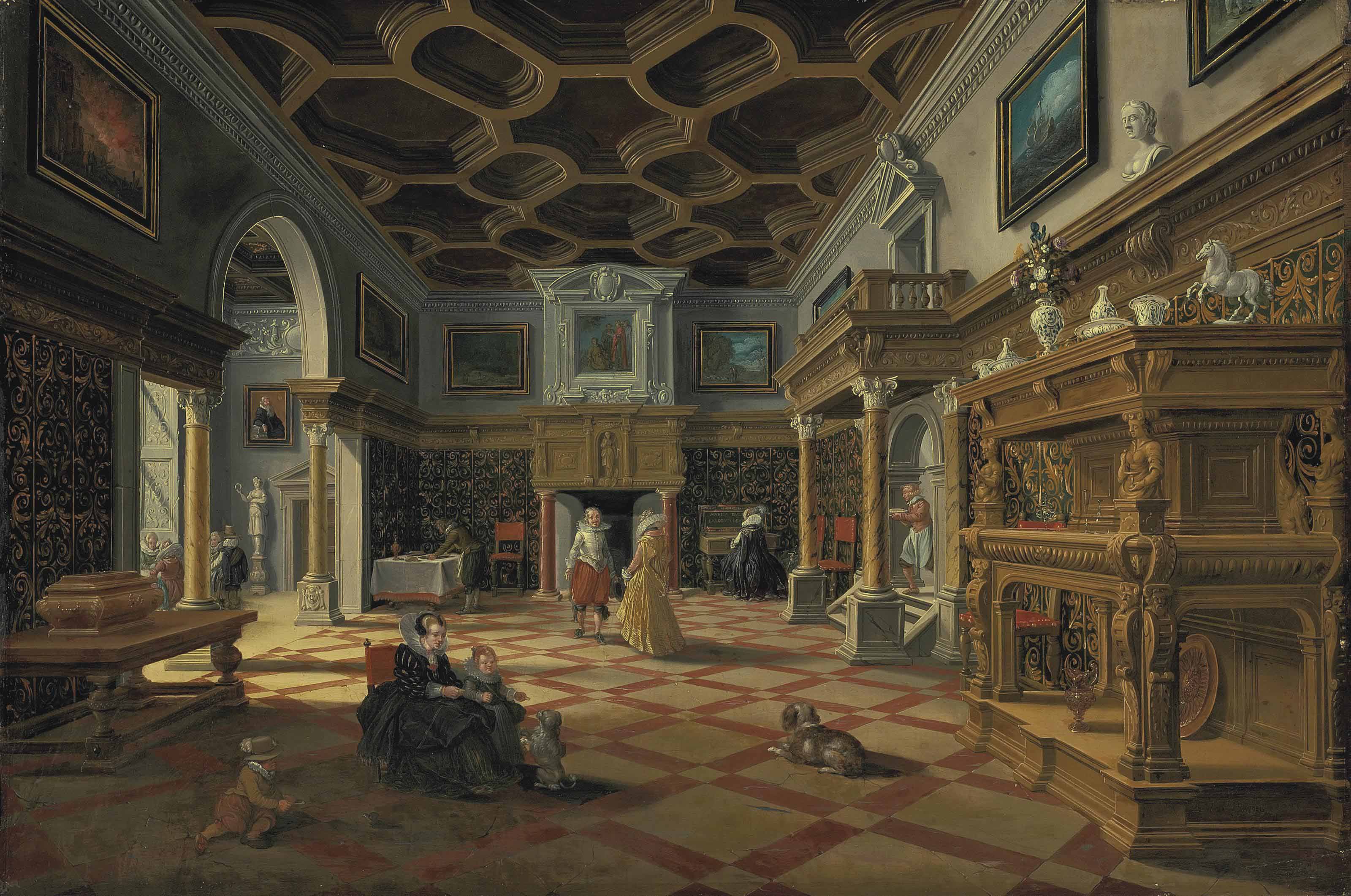
Bartholomeus Corneliszoon van Bassen was a Dutch Golden Age painter and architect.




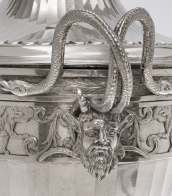


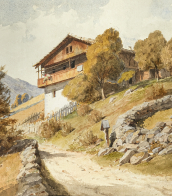
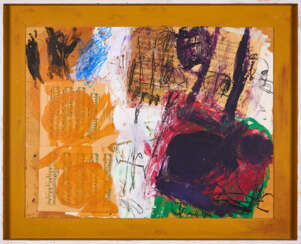

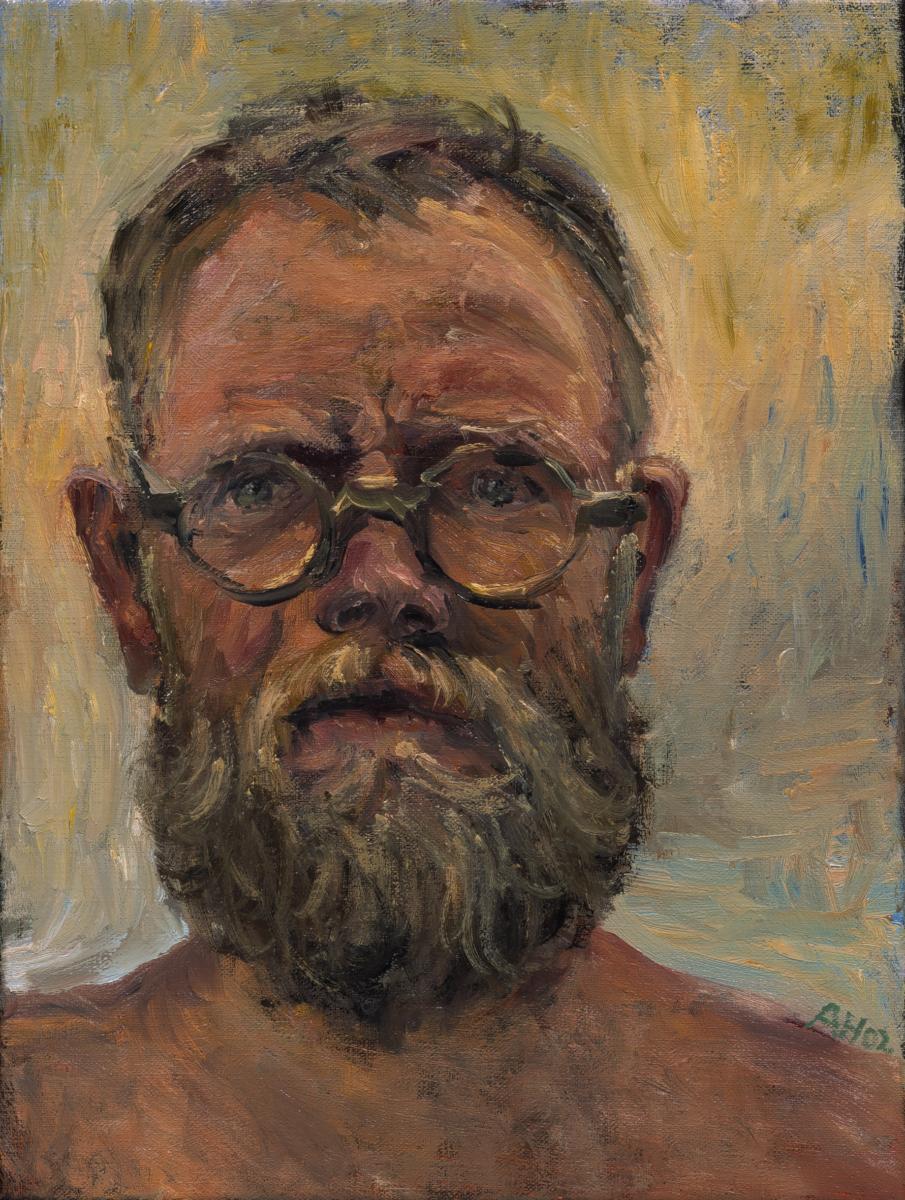
Anton Henning is a German self-taught artist, designer, sculptor and installer.
He lives and works in Berlin, London and New York and has established himself as a talented and extraordinary furniture and interior designer. Henning is inspired by views of world capitals while developing his own avant-garde styles. He also wittily analyzes art history through his installations, sculptures and paintings.