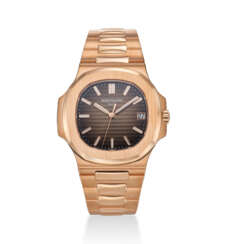
711
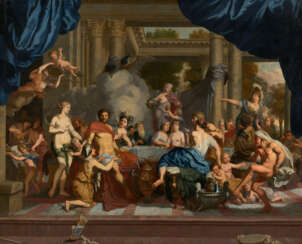

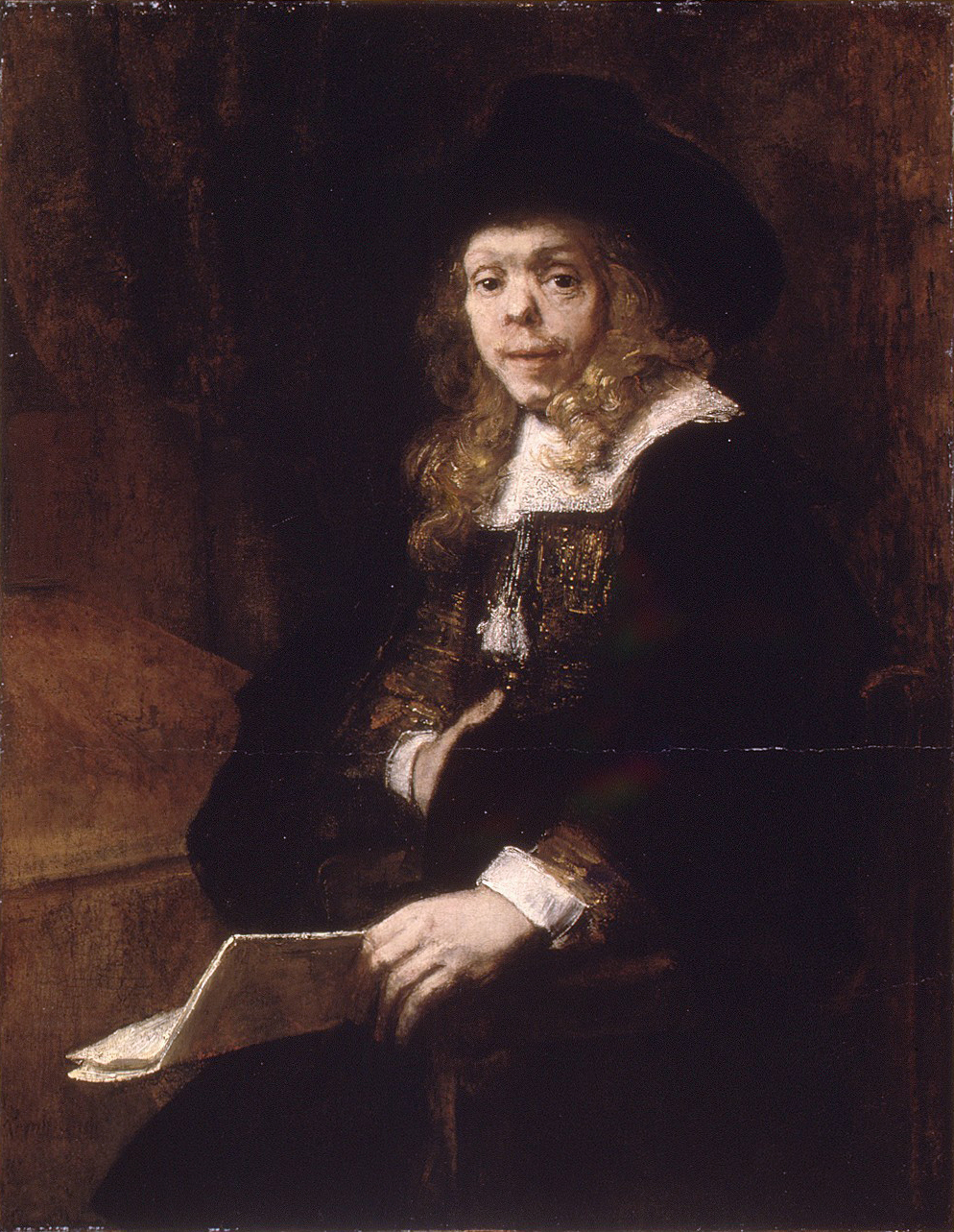
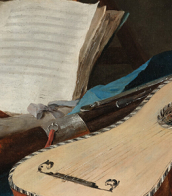
Gerard de Lairesse was a Dutch painter, printmaker, and art theorist. Known for his classical approach, de Lairesse's work marked a departure from the Baroque style prevalent in the Dutch Golden Age, leaning instead towards the neoclassicism that would dominate European art in the 18th century. His art and theories were deeply influenced by the ideals of beauty, grace, and moral edification, advocating for the selection of the most perfect manifestations of natural phenomena rather than their random imitation.
De Lairesse was not only a prolific painter but also an influential art theorist. His treatises, "Grondlegginge ter teekenkonst" (1701) and "Het groot schilderboeck" (1707), were seminal works that laid down principles of art and aesthetics that influenced not just his contemporaries but also generations of artists to come. He emphasized the importance of adhering to theoretical knowledge and the study of nature, albeit through a lens that filtered out its imperfections, to achieve ideal beauty in art.
Despite facing personal challenges, including a congenital condition that led to the loss of his sight in his later years, de Lairesse remained a central figure in the artistic and intellectual circles of Amsterdam. His lectures, delivered from his home, attracted a wide array of students and enthusiasts, eager to learn from his extensive knowledge and experience.
Today, works by Gerard de Lairesse can be found in prestigious institutions worldwide, including the Rijksmuseum and the Amsterdam Museum in the Netherlands, the Louvre in Paris, the Metropolitan Museum of Art in New York, and the National Gallery in London, among others. His legacy as the 'Dutch Poussin' speaks to his enduring influence on the evolution of European art, bridging the gap between the Baroque and the Neoclassical.
For collectors and experts in art and antiques, Gerard de Lairesse represents an intriguing study in the transition of art styles from the Baroque to Neoclassicism. His dedication to the theory and practice of art makes his work a valuable addition to any collection.
To stay informed about exhibitions, sales, and auction events related to Gerard de Lairesse's work, consider signing up for updates. This will ensure you are always up to date with the latest opportunities to engage with the remarkable legacy of this influential Dutch artist.


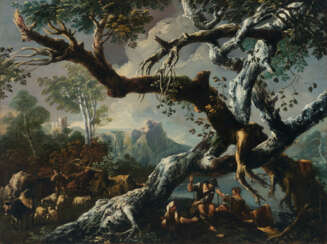

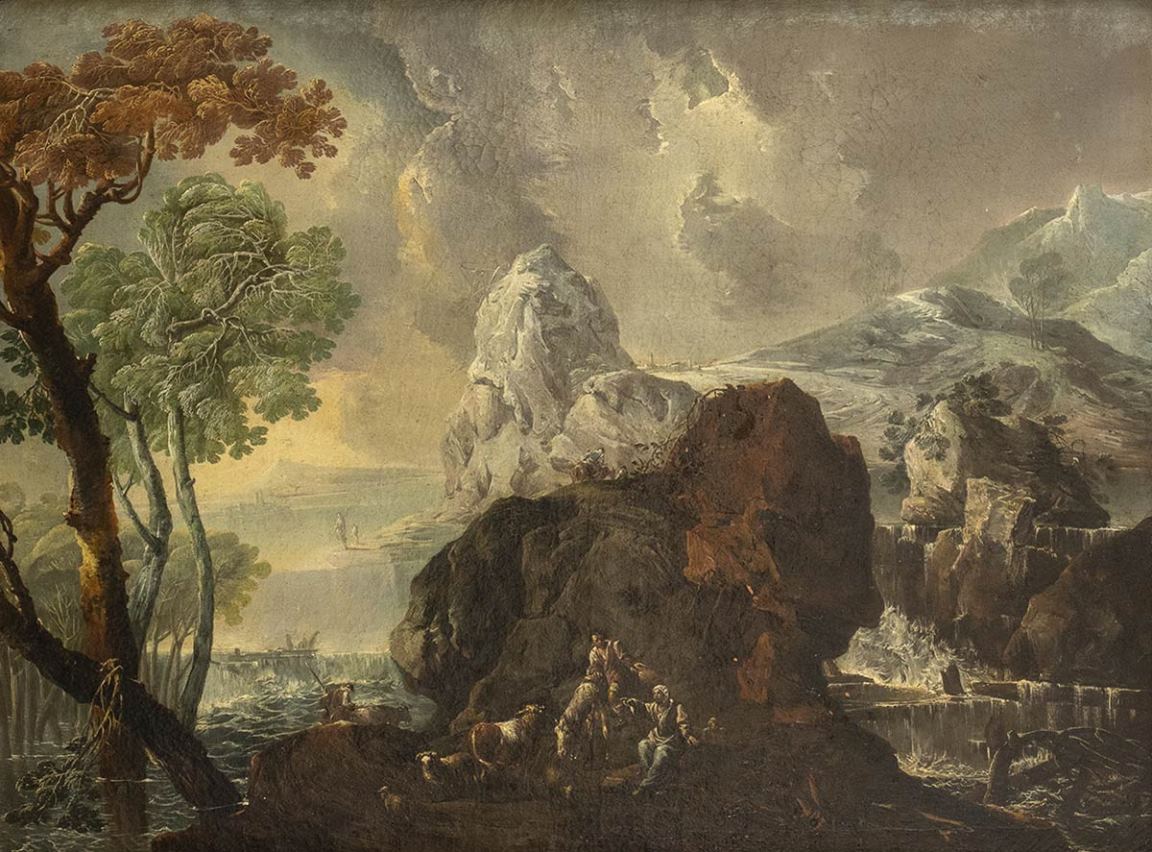
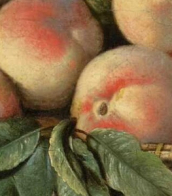
Giulio Bucci was an 18th-century Italian painter.
He is known for his fabulous, imaginative landscapes, and he also painted still lifes.


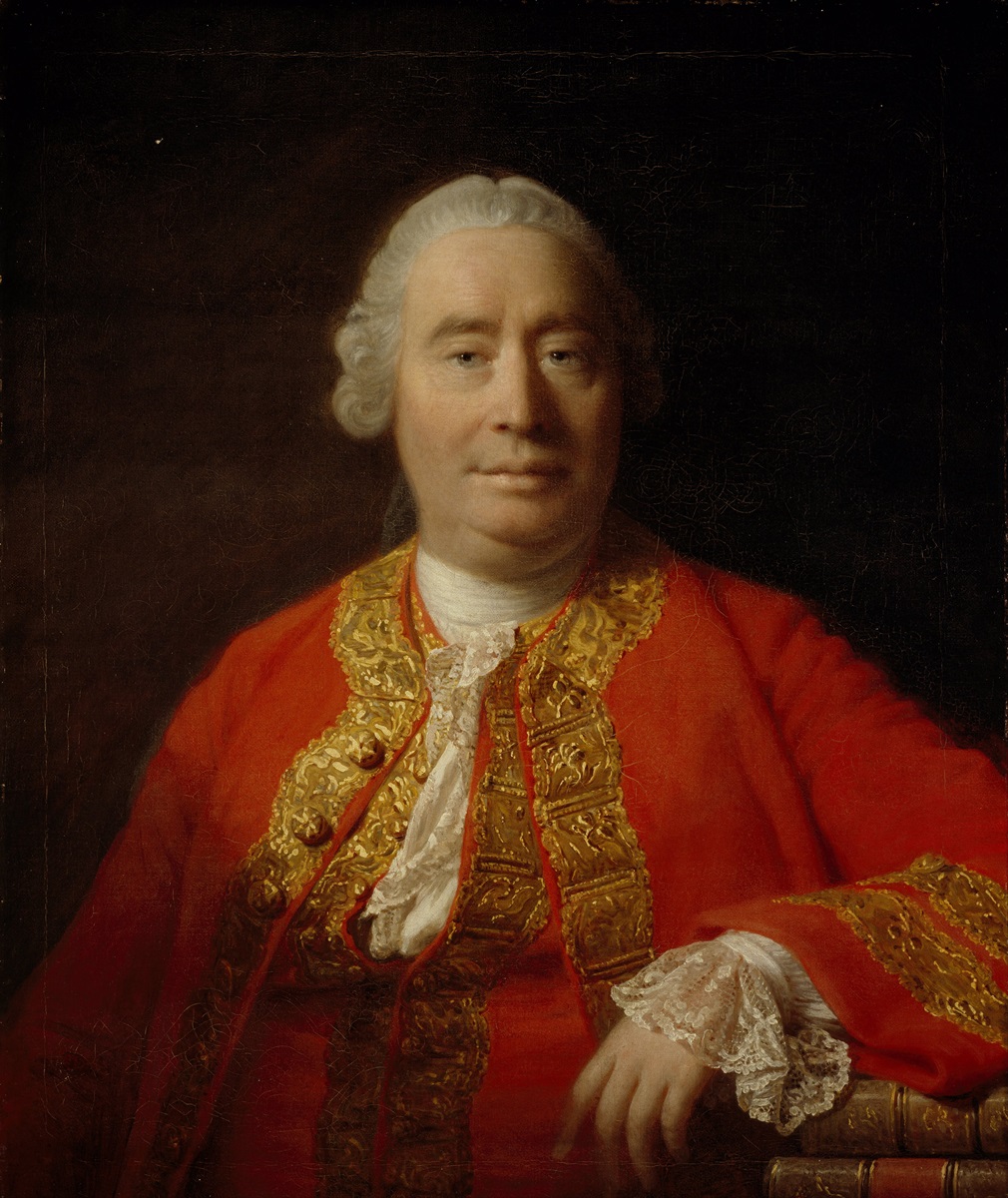
David Hume, birth name David Home, was an 18th-century Scottish Enlightenment philosopher, historian, economist, librarian, and essayist.
He is best known for his philosophical empiricism and skepticism. Hume saw philosophy as an inductive, experimental science of human nature. Taking as his model the scientific method of the English physicist Isaac Newton and drawing on the epistemology of the English philosopher John Locke, Hume tried to describe how reason works in obtaining what is called knowledge. He concluded that no theory of reality is possible; there can be no knowledge of anything beyond experience. Despite the enduring influence of his theory of knowledge, Hume seems to have considered himself primarily a moralist.
Hume was one of the particularly significant figures of his century--as a writer, historian, economist, and philosopher he made great strides forward and his achievements are still highly valued in human culture today.









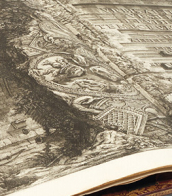
![[QIANLONG, Empereur de Chine (1711-1799) et Charles-Nicolas COCHIN (1715-1790), dir.]](/assets/image/picture_3601309/f9d87/rqfwcmyodhwl6a3u3cnvjqatap9yfxpvbnyt77bbuqb0bh1q4smembav9v5ika1700204263jpg__fix_374_244.jpeg)
![[QIANLONG, Empereur de Chine (1711-1799) et Charles-Nicolas COCHIN (1715-1790), dir.]](https://veryimportantlot.com/assets/image/picture_3601309/f9d87/rqfwcmyodhwl6a3u3cnvjqatap9yfxpvbnyt77bbuqb0bh1q4smembav9v5ika1700204263jpg__fix_374_244.jpeg)
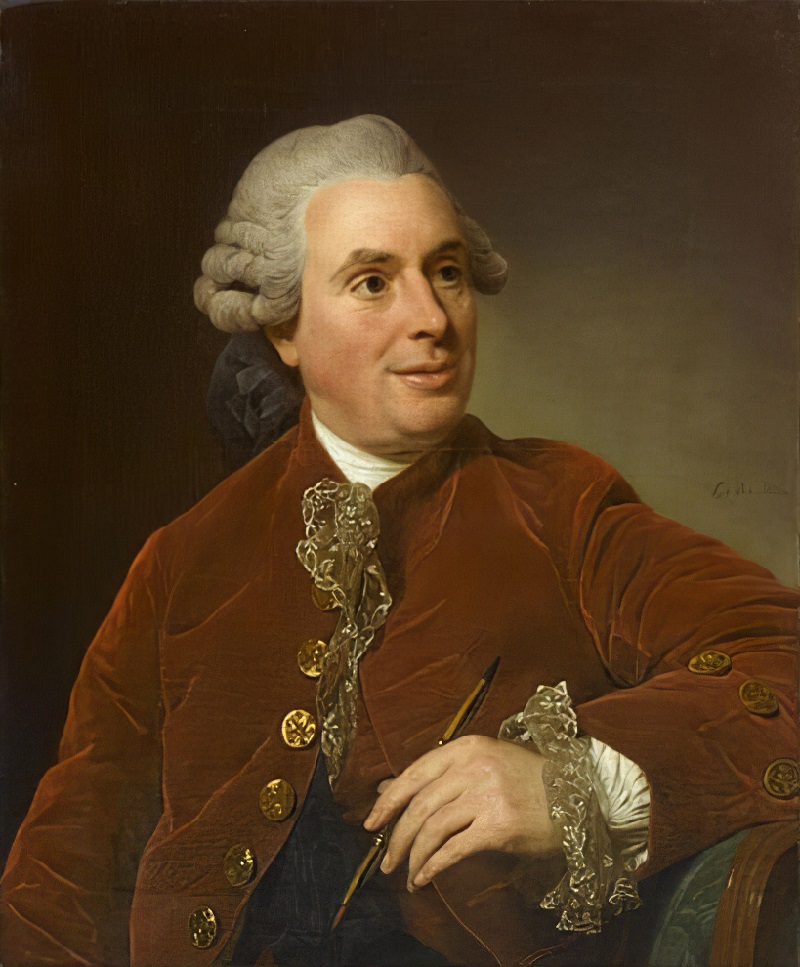
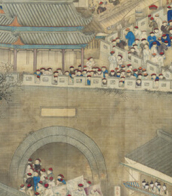
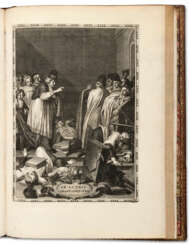
Charles-Nicolas Cochin was a French engraver, designer, writer, and art critic. To distinguish him from his father of the same name, he is variously called Charles-Nicolas Cochin the Younger, Charles-Nicolas Cochin the son, or Charles-Nicolas Cochin II.
More than fifteen hundred works by Cochin can be identified. They include historical subjects, book illustrations, and portraits in pencil and crayon. The richest collection of his engravings, apparently selected by himself, is in the Royal Library, now part of the Bibliothèque nationale.




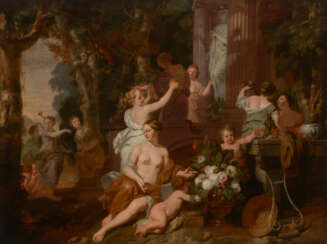

Gerard de Lairesse was a Dutch painter, printmaker, and art theorist. Known for his classical approach, de Lairesse's work marked a departure from the Baroque style prevalent in the Dutch Golden Age, leaning instead towards the neoclassicism that would dominate European art in the 18th century. His art and theories were deeply influenced by the ideals of beauty, grace, and moral edification, advocating for the selection of the most perfect manifestations of natural phenomena rather than their random imitation.
De Lairesse was not only a prolific painter but also an influential art theorist. His treatises, "Grondlegginge ter teekenkonst" (1701) and "Het groot schilderboeck" (1707), were seminal works that laid down principles of art and aesthetics that influenced not just his contemporaries but also generations of artists to come. He emphasized the importance of adhering to theoretical knowledge and the study of nature, albeit through a lens that filtered out its imperfections, to achieve ideal beauty in art.
Despite facing personal challenges, including a congenital condition that led to the loss of his sight in his later years, de Lairesse remained a central figure in the artistic and intellectual circles of Amsterdam. His lectures, delivered from his home, attracted a wide array of students and enthusiasts, eager to learn from his extensive knowledge and experience.
Today, works by Gerard de Lairesse can be found in prestigious institutions worldwide, including the Rijksmuseum and the Amsterdam Museum in the Netherlands, the Louvre in Paris, the Metropolitan Museum of Art in New York, and the National Gallery in London, among others. His legacy as the 'Dutch Poussin' speaks to his enduring influence on the evolution of European art, bridging the gap between the Baroque and the Neoclassical.
For collectors and experts in art and antiques, Gerard de Lairesse represents an intriguing study in the transition of art styles from the Baroque to Neoclassicism. His dedication to the theory and practice of art makes his work a valuable addition to any collection.
To stay informed about exhibitions, sales, and auction events related to Gerard de Lairesse's work, consider signing up for updates. This will ensure you are always up to date with the latest opportunities to engage with the remarkable legacy of this influential Dutch artist.