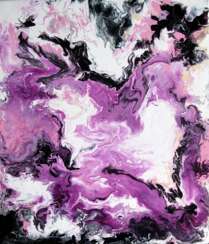
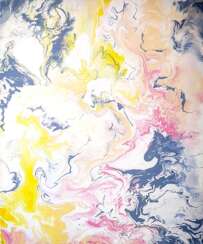
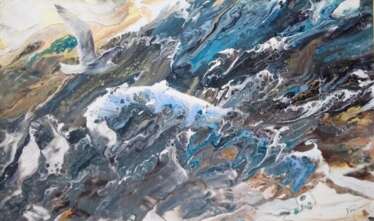
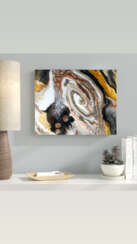
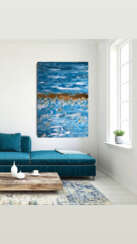
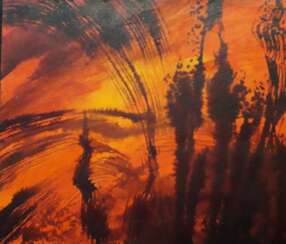
acrylique liquide


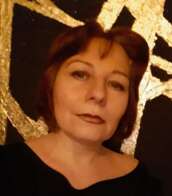






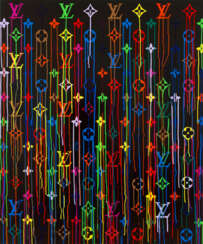

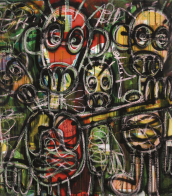



Alexander Ernst Voigt was a German painter.
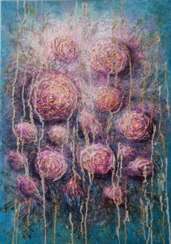
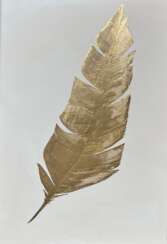
Voigt studied at the Düsseldorf Art Academy, and as a student he participated in exhibitions. The complex ornaments of his paintings are based on floral or landscape, i.e. natural motifs, but it is the line that is the real subject. The result is paintings that are as mesmerizing as they are decorative, inviting the viewer to an almost meditative contemplation.
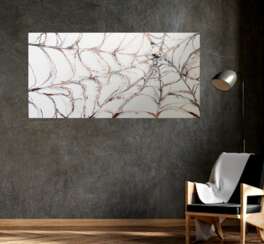
The abstraction in Voigt's paintings ranges from stark to more naturalistic and takes many forms. It can occupy the entire surface, and then it is a wall composed of a forest of white lines or other geometric shapes. Or it can be part of an image: a palm tree that turns out to be just a few lines, or a staircase that turns out to be simple blocks of color. The absence of human figures allows the figurative elements to merge with the abstractions.
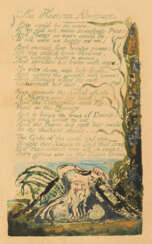

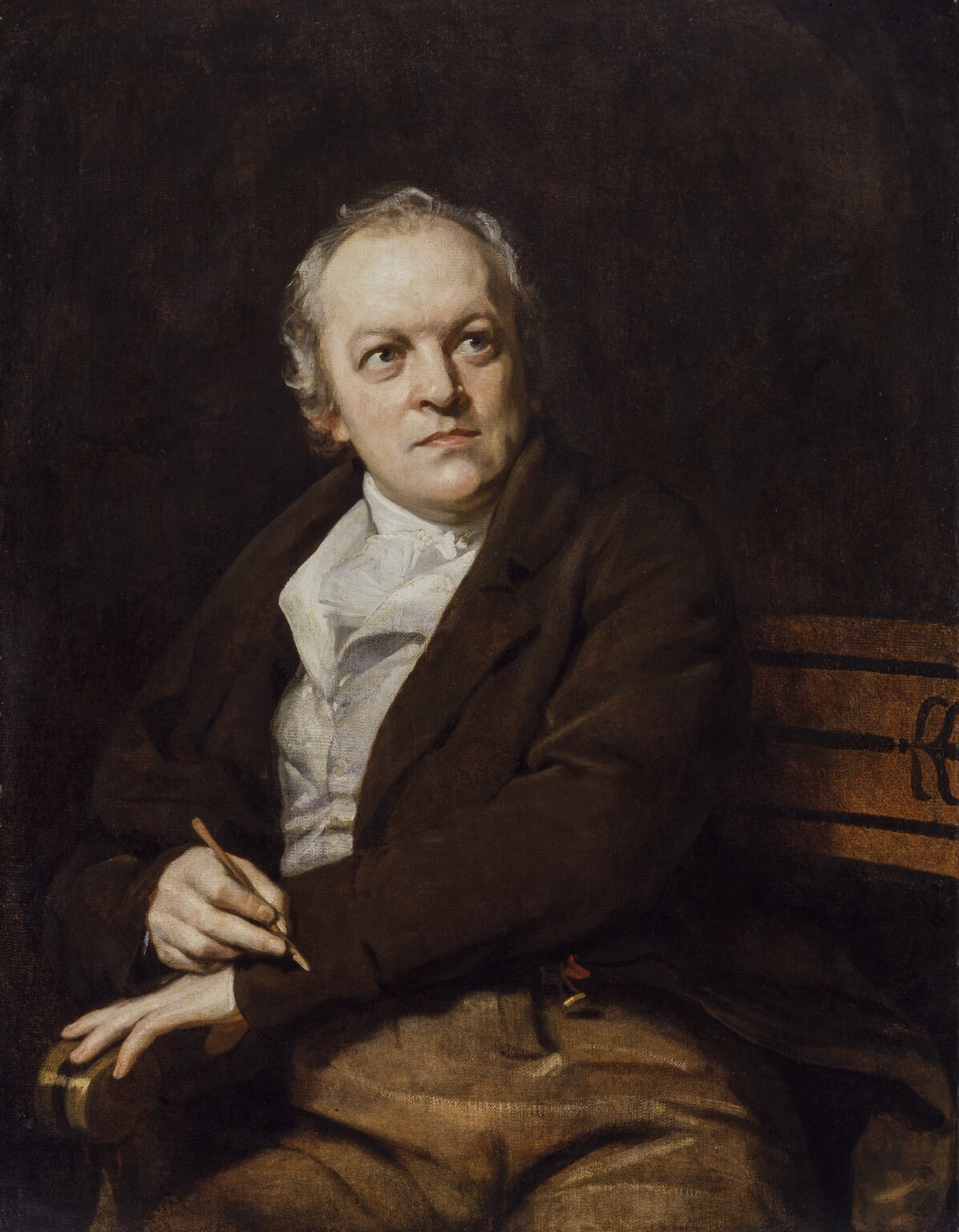
William Blake was an English poet, painter, and printmaker. Largely unrecognised during his life, Blake is now considered a seminal figure in the history of the poetry and visual art of the Romantic Age. What he called his "prophetic works" were said by 20th-century critic Northrop Frye to form "what is in proportion to its merits the least read body of poetry in the English language". His visual artistry led 21st-century critic Jonathan Jones to proclaim him "far and away the greatest artist Britain has ever produced". In 2002, Blake was placed at number 38 in the BBC's poll of the 100 Greatest Britons. While he lived in London his entire life, except for three years spent in Felpham, he produced a diverse and symbolically rich collection of works, which embraced the imagination as "the body of God" or "human existence itself".