adr artist
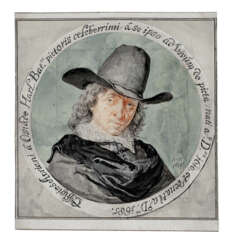

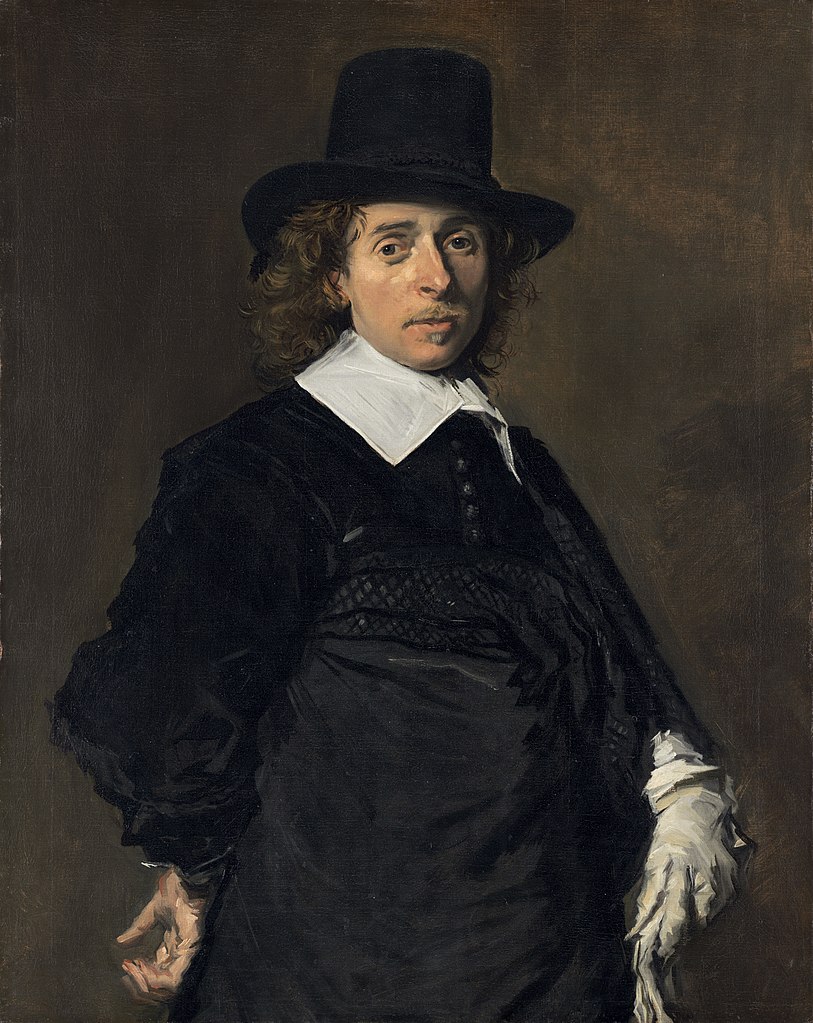
Adriaen van Ostade was a Dutch Golden Age painter of genre works, showing everyday life of ordinary men and women.


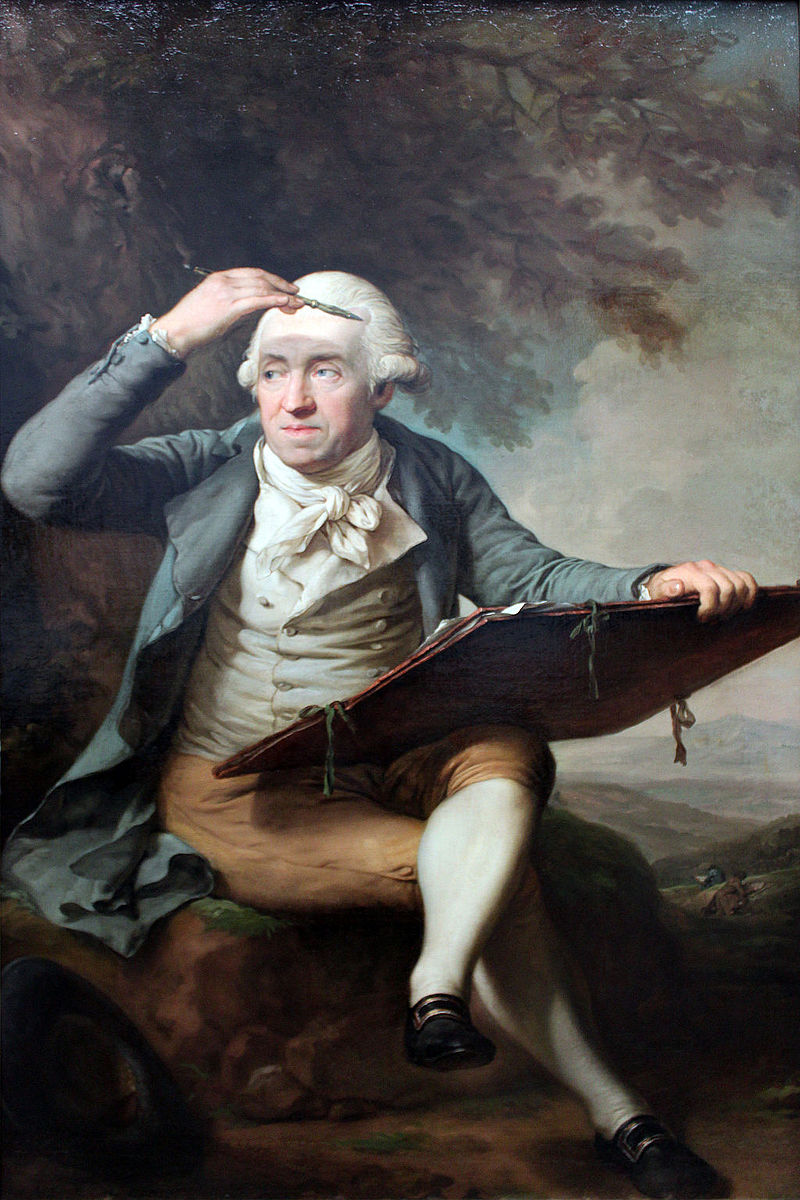
Adrian Zingg was a Swiss artist, draftsman, etching artist and teacher who spent most of his artistic life associated with the School of Fine Arts in Dresden. Professor. One of the founders of the Dresden school of landscape painting.
His favourite subjects were the rocks of the Elbe Sandstone Mountains around the lower Elbe up to the present day Czech-German border, in today's national parks in Bohemia and Saxon Switzerland.
In 1769, Adrian Zingg became a member of the Vienna Academy of Fine Arts, and in 1787 a member of the Prussian Academy of Sciences in Berlin.
In 1803 he was appointed a professor at the Academy of Engraving Arts in Dresden. Later he was appointed engraver at the Saxon Court.


Adrian Zingg was a Swiss artist, draftsman, etching artist and teacher who spent most of his artistic life associated with the School of Fine Arts in Dresden. Professor. One of the founders of the Dresden school of landscape painting.
His favourite subjects were the rocks of the Elbe Sandstone Mountains around the lower Elbe up to the present day Czech-German border, in today's national parks in Bohemia and Saxon Switzerland.
In 1769, Adrian Zingg became a member of the Vienna Academy of Fine Arts, and in 1787 a member of the Prussian Academy of Sciences in Berlin.
In 1803 he was appointed a professor at the Academy of Engraving Arts in Dresden. Later he was appointed engraver at the Saxon Court.


Adrian Zingg was a Swiss artist, draftsman, etching artist and teacher who spent most of his artistic life associated with the School of Fine Arts in Dresden. Professor. One of the founders of the Dresden school of landscape painting.
His favourite subjects were the rocks of the Elbe Sandstone Mountains around the lower Elbe up to the present day Czech-German border, in today's national parks in Bohemia and Saxon Switzerland.
In 1769, Adrian Zingg became a member of the Vienna Academy of Fine Arts, and in 1787 a member of the Prussian Academy of Sciences in Berlin.
In 1803 he was appointed a professor at the Academy of Engraving Arts in Dresden. Later he was appointed engraver at the Saxon Court.


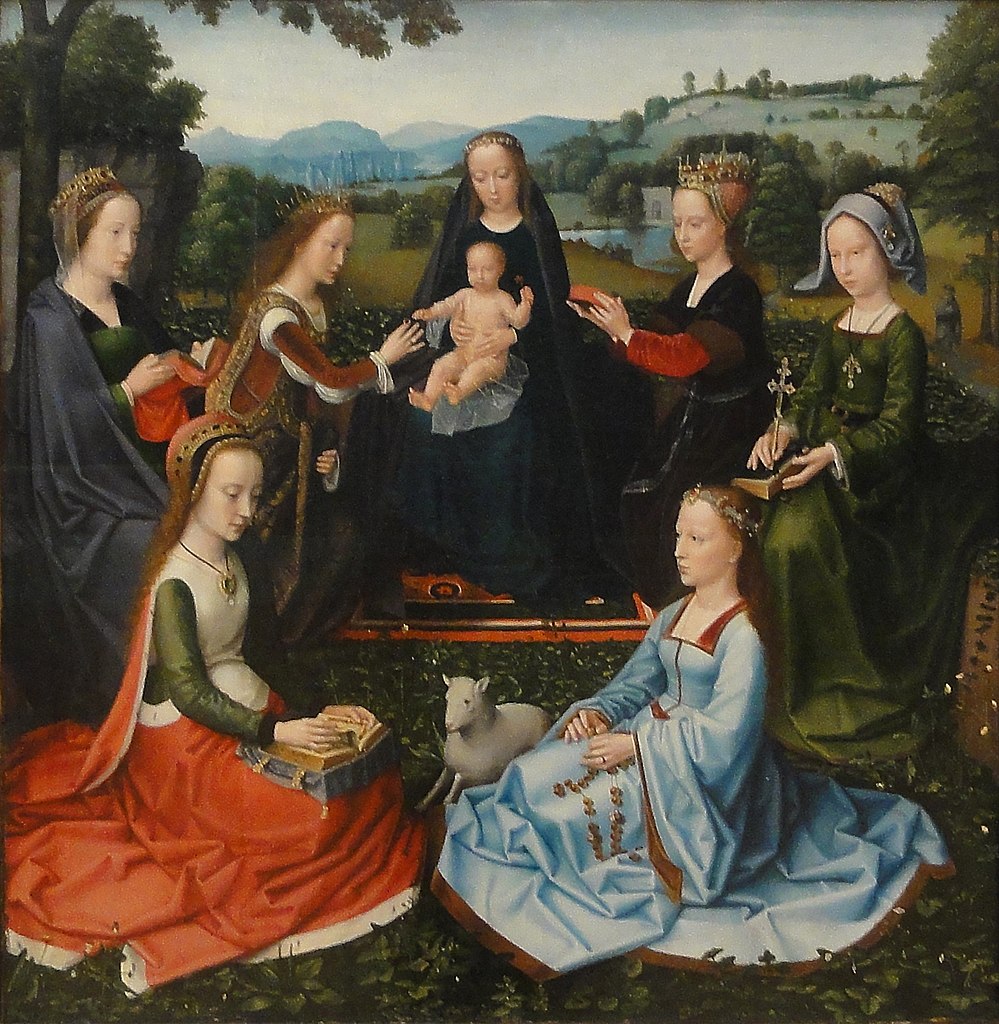
Adriaen Isenbrandt was a painter in Bruges, in the final years of Early Netherlandish painting, and the first of the Dutch and Flemish Renaissance painting of the Northern Renaissance. Documentary evidence suggests he was a significant and successful artist of his period, even though no specific works by his hand are clearly documented. Art historians have conjectured that he operated a large workshop specializing in religious subjects and devotional paintings, which were executed in a conservative style in the tradition of the Early Netherlandish painting of the previous century. By his time, the new booming economy of Antwerp had made this the centre of painting in the Low Countries, but the previous centre of Bruges retained considerable prestige.






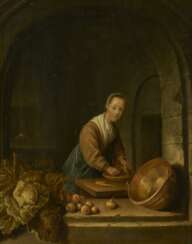

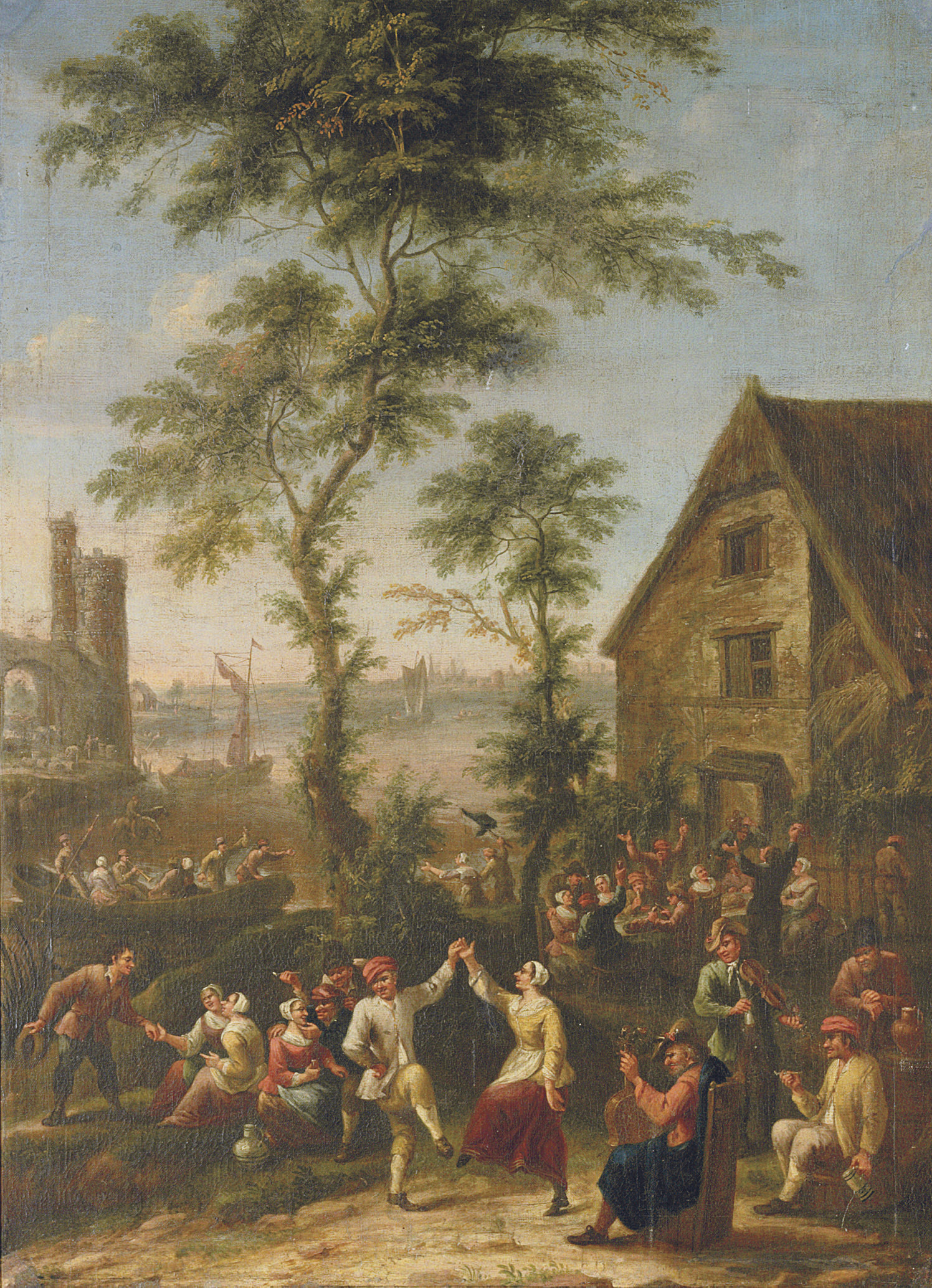
Jan Adriensz van Staveren was a Dutch Baroque painter. He studied painting with Gerard Dou.
Jan Adriensz van Staveren is best known for his portraits and genre scenes depicting daily life in 17th century Holland. His depictions of hermits in caves are entirely in the tradition of Dou.
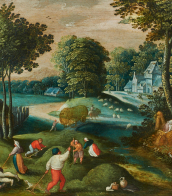
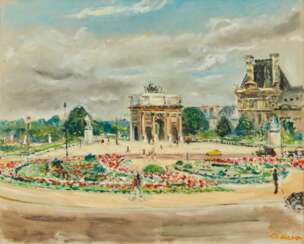

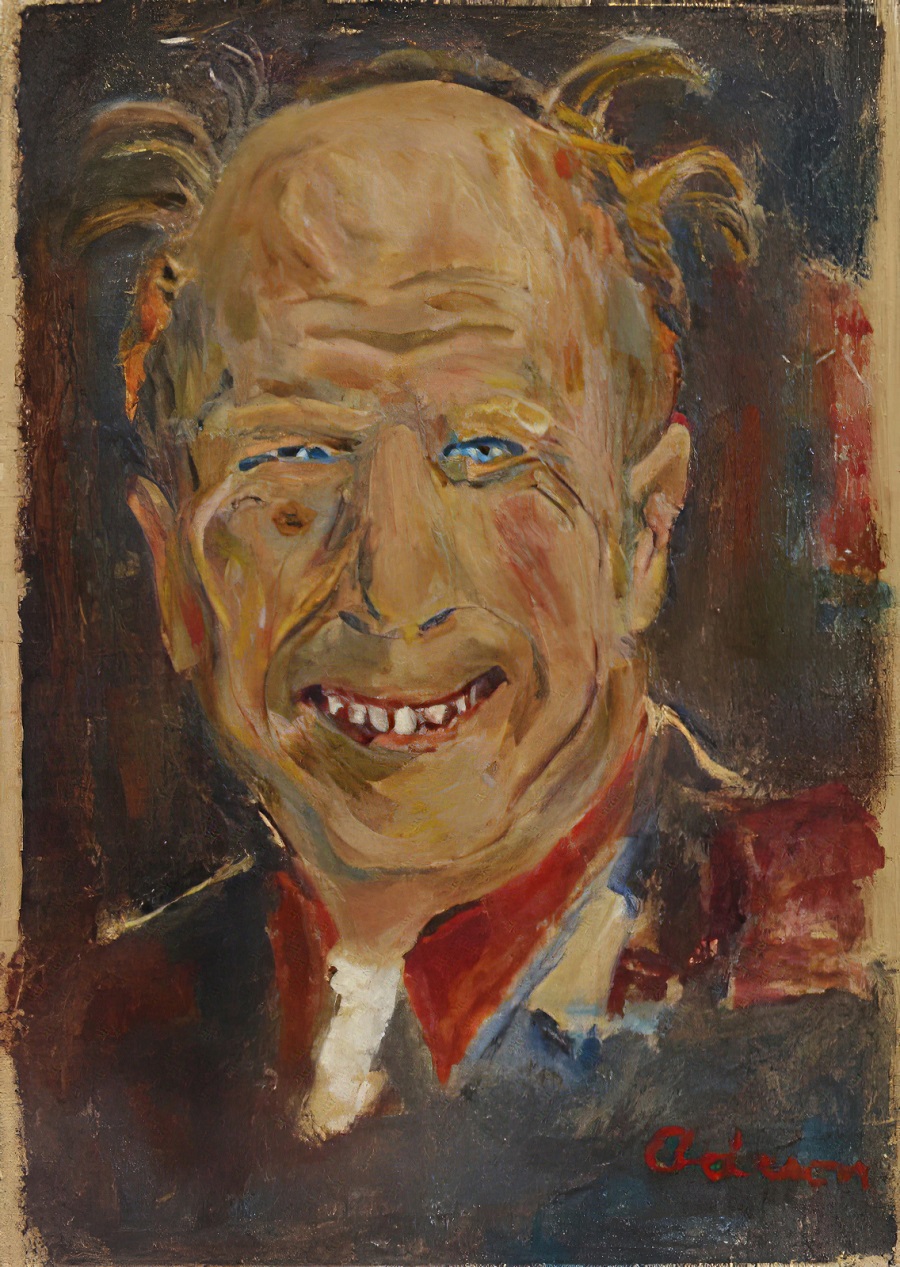
Lucien Adrion was a French post-impressionist painter, draughtsman and printmaker. He is known for his depictions of the French countryside and beaches, as well as of Parisian life, including landscapes, still lifes, figures and landmarks.
Throughout his career, Adrion exhibited his work at the Salons in Paris, where he was praised for his ability to capture the movement and transience of city life.