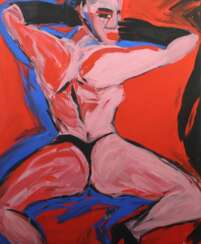
akt män



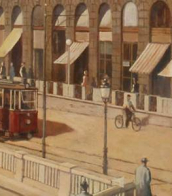





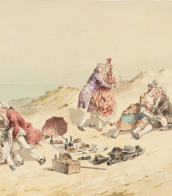

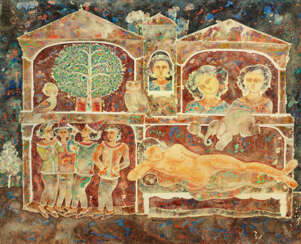



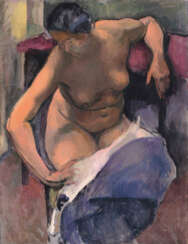

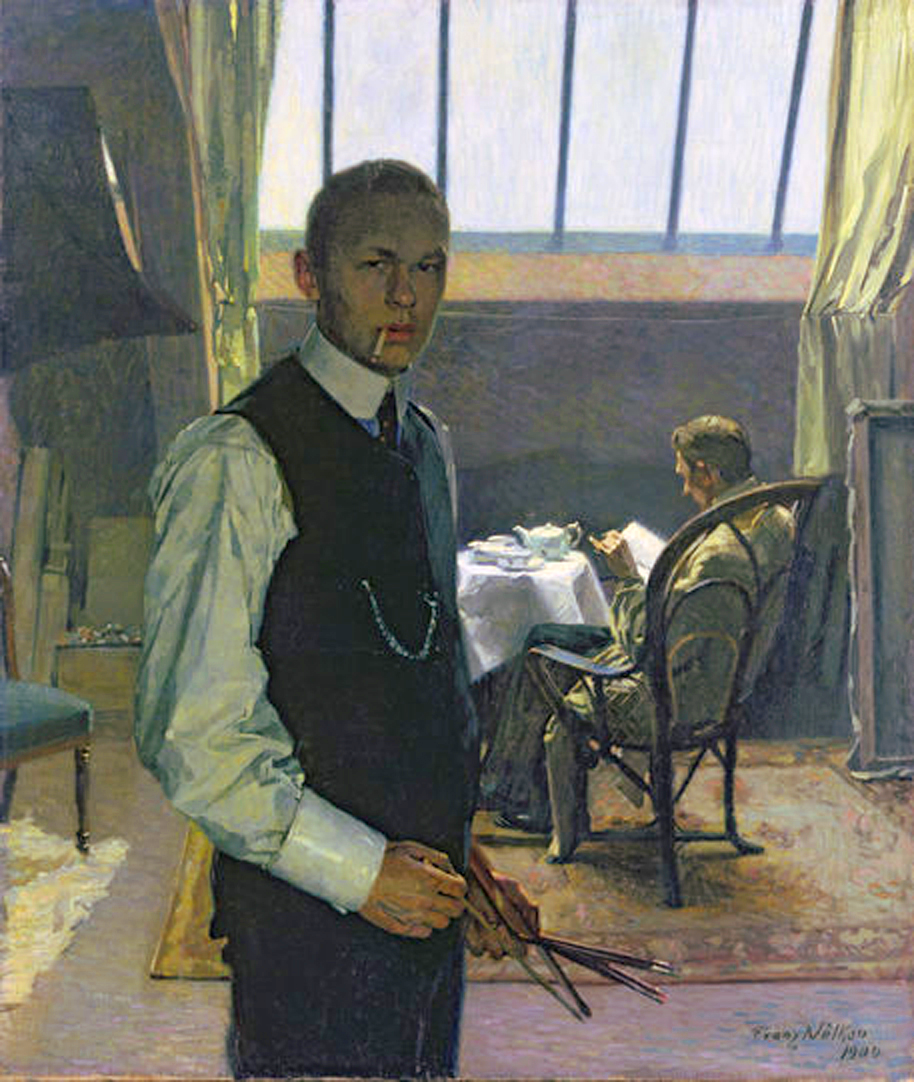
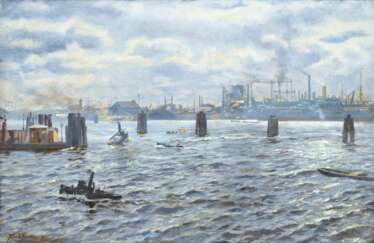
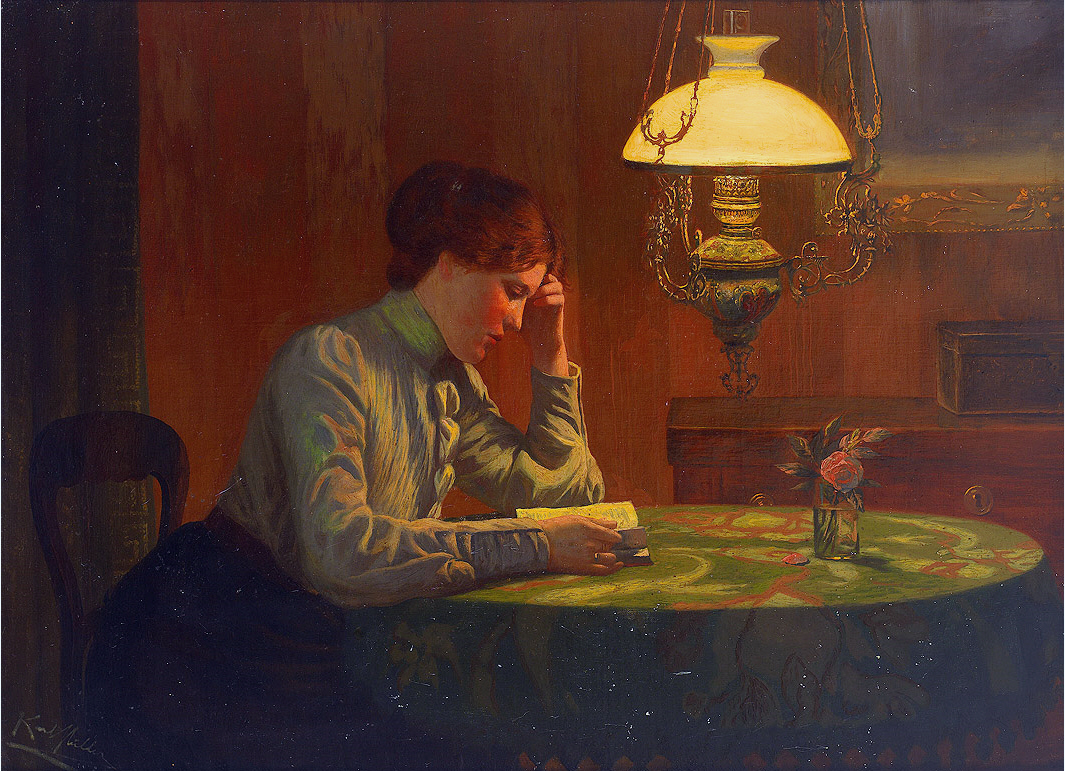
Franz Nölken was a German painter of the early twentieth century. He is known as a painter and a member of the Bridge art group, which became the founder of German Expressionism.
Franz Nölken, mastering a variety of techniques including oil, pastel and watercolor, excelled in portrait painting, as well as creating landscapes and still lifes. His work is characterized by virtuoso drawing and a desire to simplify his pictorial media. Conscripted during World War I, Nölken died in northern France just before the end of the war. He left an important mark on the history of Expressionism.

Franz Nölken was a German painter of the early twentieth century. He is known as a painter and a member of the Bridge art group, which became the founder of German Expressionism.
Franz Nölken, mastering a variety of techniques including oil, pastel and watercolor, excelled in portrait painting, as well as creating landscapes and still lifes. His work is characterized by virtuoso drawing and a desire to simplify his pictorial media. Conscripted during World War I, Nölken died in northern France just before the end of the war. He left an important mark on the history of Expressionism.



Franz Nölken was a German painter of the early twentieth century. He is known as a painter and a member of the Bridge art group, which became the founder of German Expressionism.
Franz Nölken, mastering a variety of techniques including oil, pastel and watercolor, excelled in portrait painting, as well as creating landscapes and still lifes. His work is characterized by virtuoso drawing and a desire to simplify his pictorial media. Conscripted during World War I, Nölken died in northern France just before the end of the war. He left an important mark on the history of Expressionism.
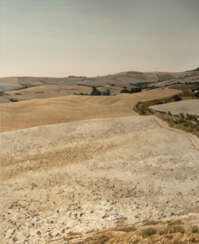

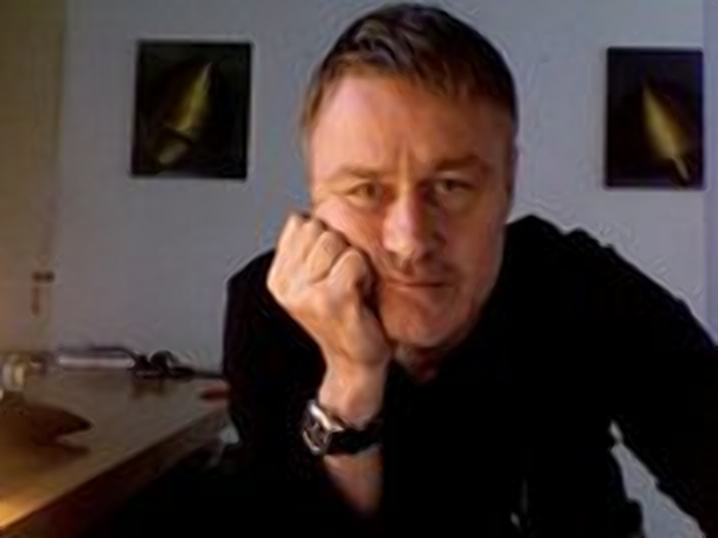
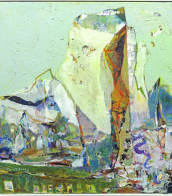
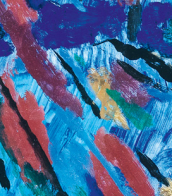
Andreas Schön is a German painter, an important representative of figurative painting. Andreas Schön is a pupil of Gerhard Richter.
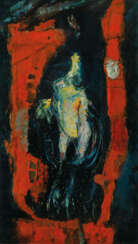

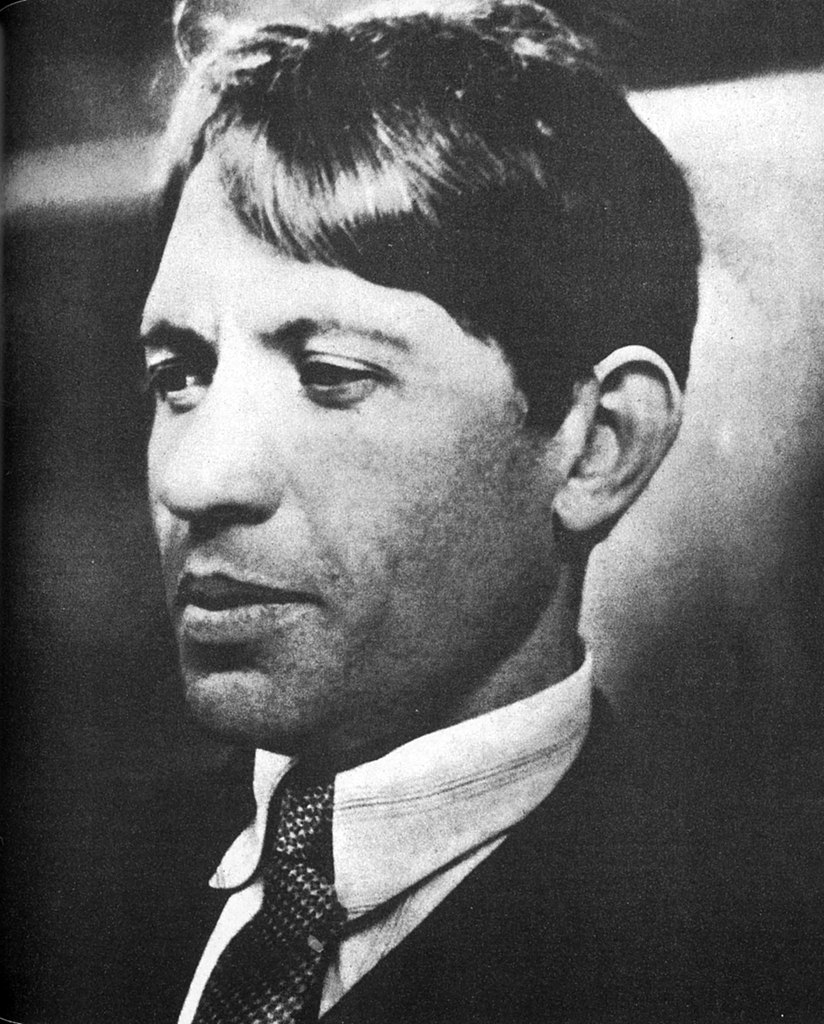
Chaïm Soutine (Russian: Хаим Соломонович Сутин), a Russian-born French painter, left an indelible mark on the world of art with his expressionist works that radiate emotional intensity and bold coloration. Born in 1893 in a small village in what is now Belarus, Soutine grew up in a Jewish family, the tenth of eleven children. His journey to Paris marked the beginning of a significant chapter in his life, where he would eventually become a central figure in the School of Paris, a movement that defined the city's artistic landscape in the early 20th century.
Soutine's artistry is characterized by its raw emotional power, often conveyed through distorted forms and vigorous brushwork. This unique style reflects not only his personal struggles and the hardships he faced as an immigrant artist but also his deep admiration for the Old Masters, particularly Rembrandt, whose influence is evident in Soutine's thematic choices and technique. His work spans a range of subjects, from landscapes and portraits to still lifes, each imbued with a sense of vitality and movement that is distinctly Soutine's.
One of the most compelling aspects of Soutine's oeuvre is his series of carcass paintings, notably inspired by Rembrandt's "Slaughtered Ox." These works, particularly "Carcass of Beef," showcase his fascination with the theme of decay and the beauty he found within it, despite the controversy such subjects provoked among his contemporaries. This series exemplifies Soutine's ability to transform a potentially repulsive subject into a profound exploration of color and form.
Soutine's legacy is also marked by his tumultuous life, including his struggles with poverty and persecution during World War II due to his Jewish heritage. Despite these challenges, his work gained recognition and support from influential art dealers and collectors, such as Albert C. Barnes, who purchased a significant number of his paintings in a single encounter, providing Soutine with financial stability and public exposure.
Today, Soutine's works are celebrated in major museums and galleries around the world, testament to his enduring influence on subsequent generations of artists. His paintings, characterized by their emotional depth and innovative use of color and form, continue to captivate art lovers and collectors alike.
For those passionate about the evolution of modern art and the expressionist movement, Soutine's work offers a window into the soul of an artist who transformed personal adversity into profound artistic expression. To stay informed about upcoming sales and auction events featuring Soutine's work, I encourage you to sign up for updates. This subscription is an opportunity to deepen your appreciation for Soutine's contributions to art and culture and to possibly acquire a piece of his legacy for your collection.

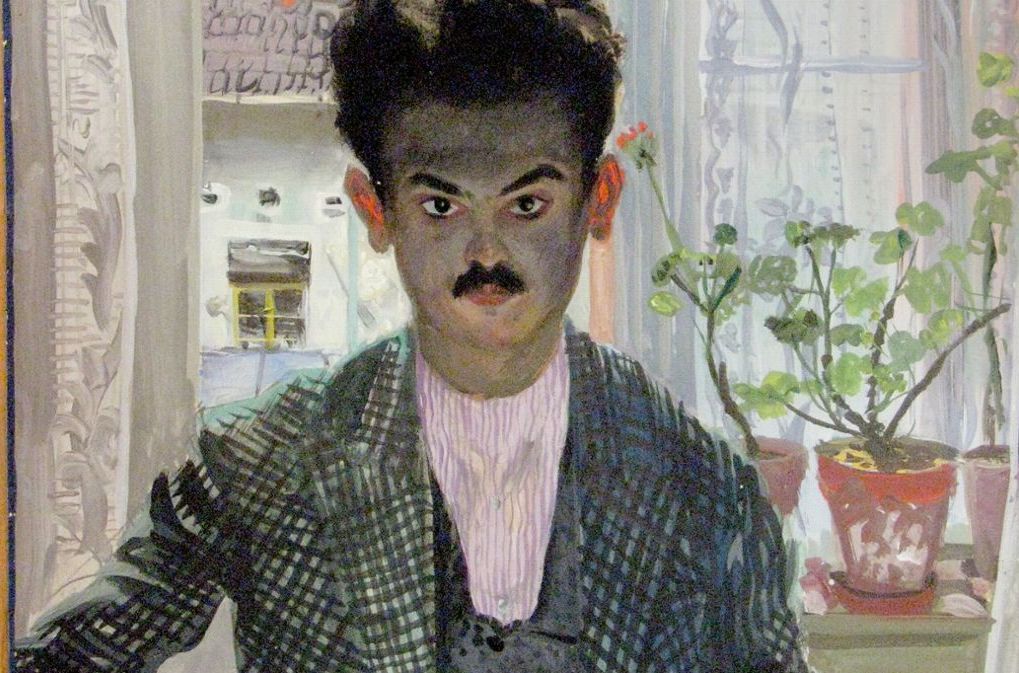
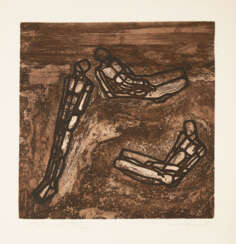
Reinhold Nägele was a 20th century German painter and graphic artist.





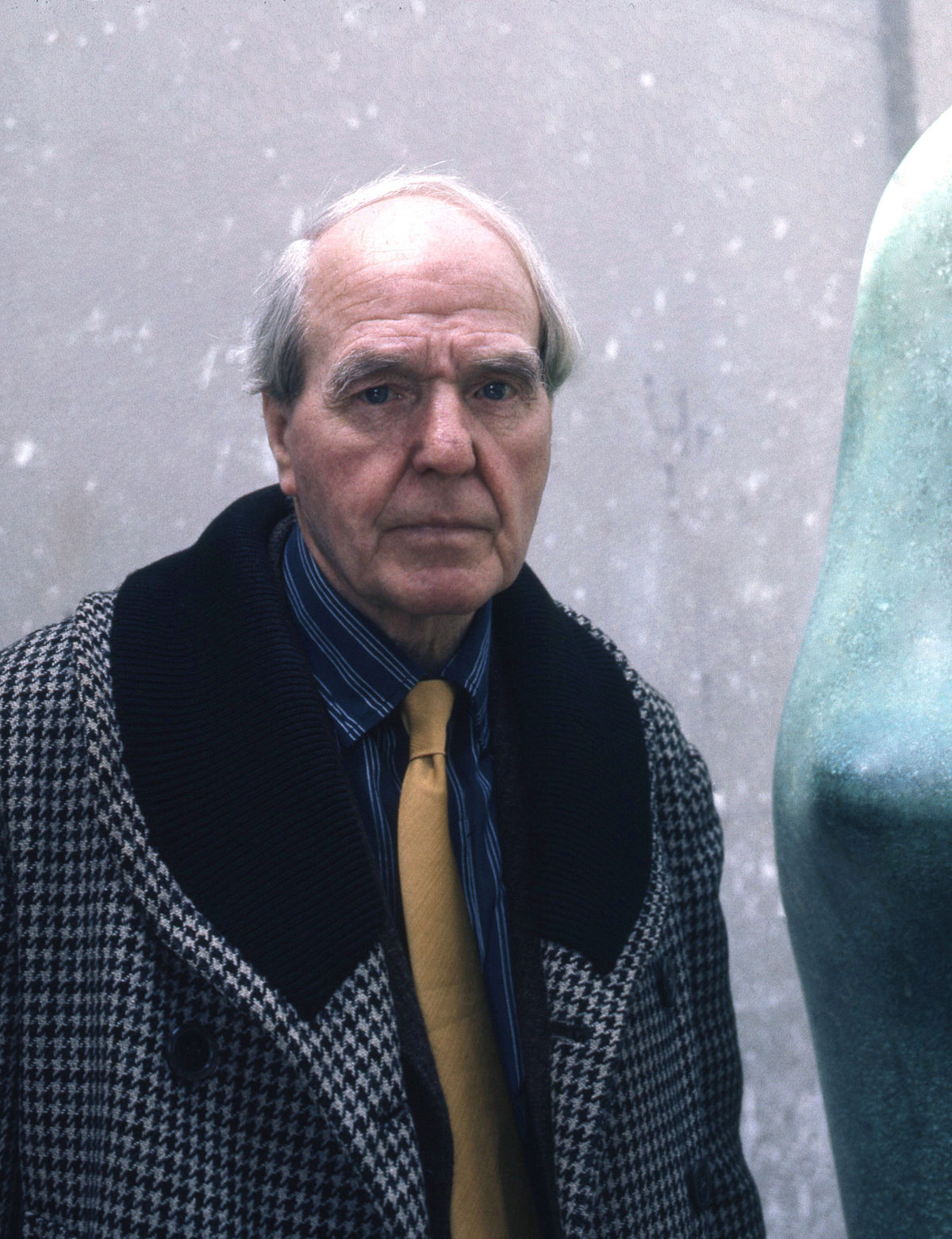
Henry Spencer Moore was an influential English sculptor and artist, renowned for his semi-abstract monumental bronze sculptures that have found homes around the world as public works of art. Born on July 30, 1898, in Castleford, Yorkshire, Moore showed early talent in art, but his journey towards becoming a sculptor was not straightforward. His experiences as a young teacher and a soldier in the First World War, where he was injured in a gas attack, significantly shaped his perspectives and artistic direction.
After the war, Moore pursued his passion for art, winning a scholarship to the Royal College of Art in London, where he began to experiment with modernist influences and direct carving techniques, moving away from the traditional Victorian style. His works, characterized by organic shapes and a blend of abstraction and figuration, were inspired by a wide range of sources, including primitive art, the human body, and the natural world.
Moore's sculptures are celebrated for their unique ability to blend form with space in the landscape, offering viewers a dynamic interaction with his works. His dedication to public art made his sculptures accessible to a wide audience, contributing to his status as one of the 20th century's most significant sculptors. Moore's legacy is preserved through the Henry Moore Foundation, which supports artists and promotes public appreciation of sculpture.
For collectors and experts in art and antiques, Moore's work remains a testament to the power of sculpture to evoke emotion and thought. His contributions to modern art and sculpture continue to inspire and influence artists around the world.
To stay informed about new exhibitions and opportunities to view Henry Spencer Moore's work, sign up for updates. This subscription will ensure you are alerted to new product sales and auction events related to Moore's influential body of work.