ana






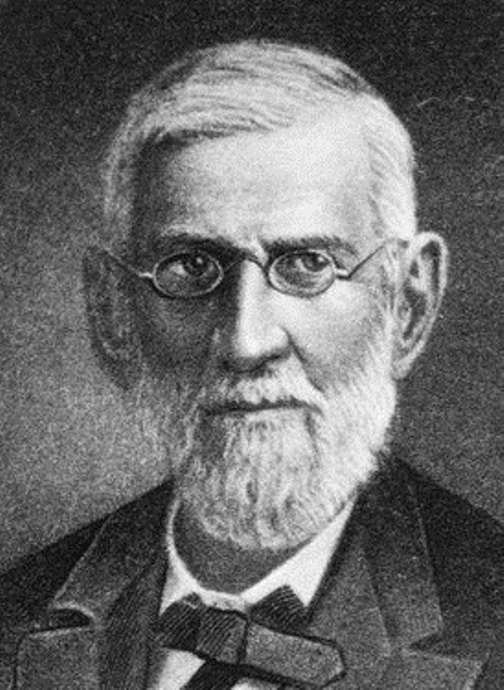





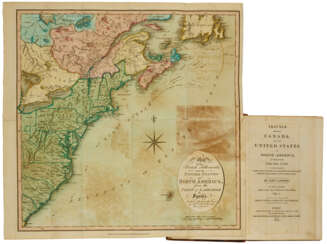

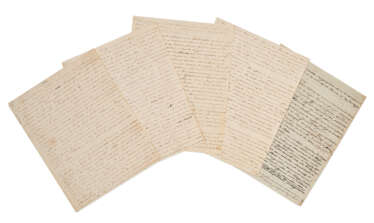

Arsène Lacarrière Latour, full name Géraud Calixte Jean Baptiste Arsène Lacarrière Latour, was a French-born American engineer and military officer, architect and surveyor, and writer.
He studied architecture and engineering at the Académie des Beaux-Arts in Paris and served briefly in the French Army Corps of Engineers. In 1805 Latour came to New York, where he worked first as a merchant, then as an architect and surveyor, and opened an architectural firm in New Orleans. In 1812. Latour became a U.S. citizen.
In 1814. Latour became Andrew Jackson's military engineer and made an important contribution to the American victory at the Battle of New Orleans. After the war ended, Latour published a book, Historical Memoirs of the War in West Florida and Louisiana, 1814-1815, which is still valued for its eye-witness view of the war.
In 1816. Latour traveled with Jean Lafitte on an expedition to survey and map the Southwest as an agent for Spain. From 1818 to 1834 he worked as an architect in Havana. His manuscripts include an extensive report describing Havana's thriving economy in 1815-1821, local agricultural production (sugar cane, coffee, tobacco), trade with Europe, the United States, and the colonies of South America; statistics; and a section on the city's possible future expansion and growth. Latour subsequently returned to France, where he died.
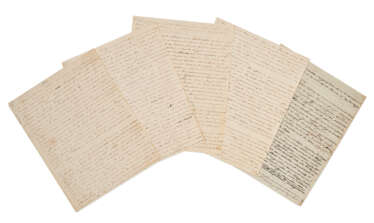

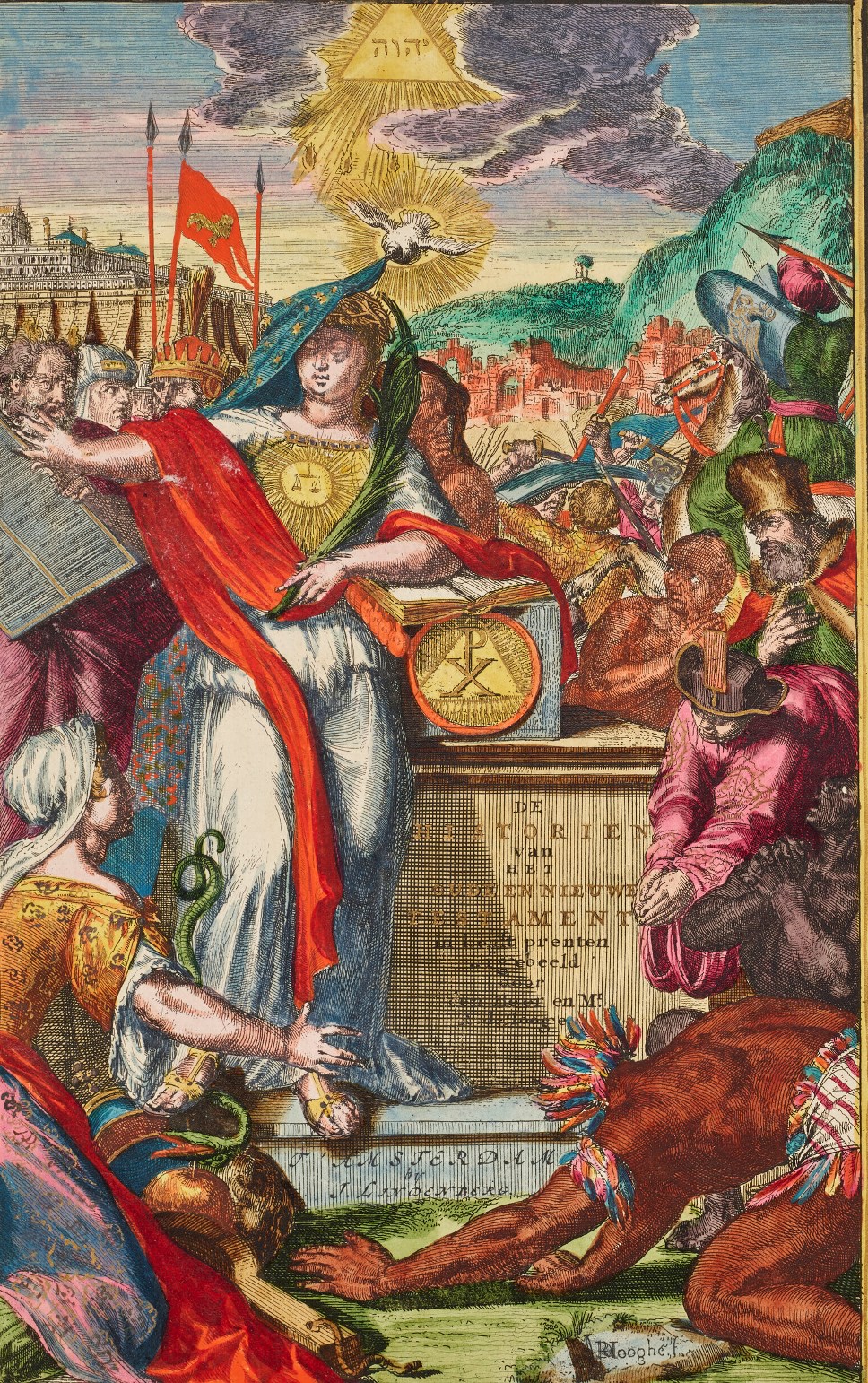
Arsène Lacarrière Latour, full name Géraud Calixte Jean Baptiste Arsène Lacarrière Latour, was a French-born American engineer and military officer, architect and surveyor, and writer.
He studied architecture and engineering at the Académie des Beaux-Arts in Paris and served briefly in the French Army Corps of Engineers. In 1805 Latour came to New York, where he worked first as a merchant, then as an architect and surveyor, and opened an architectural firm in New Orleans. In 1812. Latour became a U.S. citizen.
In 1814. Latour became Andrew Jackson's military engineer and made an important contribution to the American victory at the Battle of New Orleans. After the war ended, Latour published a book, Historical Memoirs of the War in West Florida and Louisiana, 1814-1815, which is still valued for its eye-witness view of the war.
In 1816. Latour traveled with Jean Lafitte on an expedition to survey and map the Southwest as an agent for Spain. From 1818 to 1834 he worked as an architect in Havana. His manuscripts include an extensive report describing Havana's thriving economy in 1815-1821, local agricultural production (sugar cane, coffee, tobacco), trade with Europe, the United States, and the colonies of South America; statistics; and a section on the city's possible future expansion and growth. Latour subsequently returned to France, where he died.


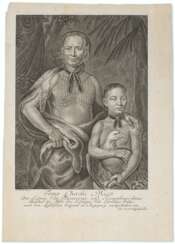




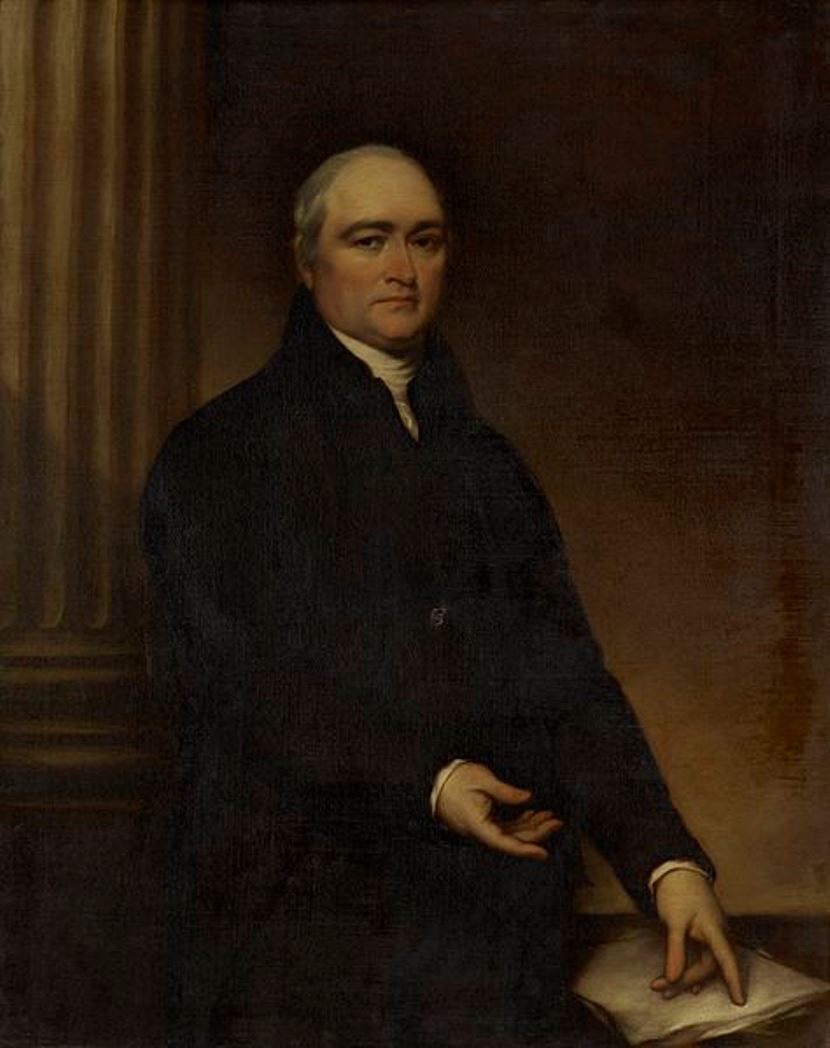
Timothy Dwight IV was an American clergyman, teacher, author, and satirical poet.
Dwight was the eldest son of farmer and merchant Timothy Dwight III. He graduated from Yale University, was a schoolmaster, a Massachusetts state legislator, and a chaplain in the Continental Army. In 1783 he opened a successful school in Greenfield Hill, Connecticut, where he became pastor of the Congregational Church.
In Connecticut, Dwight began writing poetry, such as Greenfield Hill (1794), and epics, including The Conquest of Canaan (1785), an allegory of the conquest of Connecticut from the British. His works are characterized by moralizing and moralizing. Dwight was also the author of political satire, as well as a verse satire on Voltaire, "The Triumph of Infidelity." He and his brother Theodore were members of a group of writers known as the Hartford Witters, centered around Yale University.
From 1795 to 1817. Dwight served as president of Yale University and was extremely influential in modernizing the curriculum. He was an active and eloquent professor of theology; his sermons were published in Theology; Explanation and Defense, 5 volumes (1818-19).
Dwight was also a member of the American Academy of Arts and Sciences and an early member of the American Antiquarian Society.
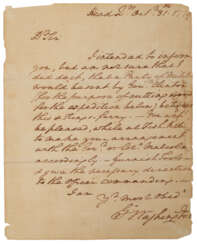

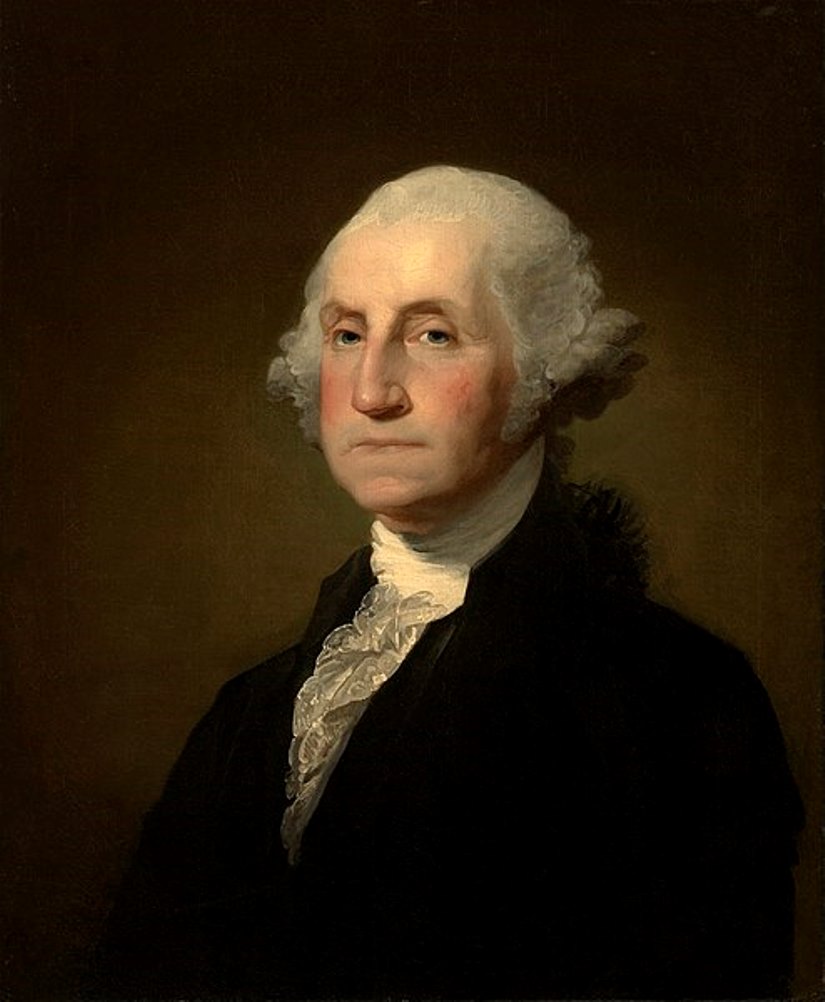
George Washington is the first popularly elected president of the United States of America and one of the founding fathers of the United States.
Born into a noble family in colonial Virginia in February 1732, George Washington served as a Virginian officer with British troops during the French-Indian War (1754-1763) from 1754-1758. This was a territorial war fought largely between the colonies of Britain and France that escalated into a worldwide conflict between the two countries. J. Washington was at the center of the conflicts in the disputed Ohio River Valley area.
In June 1775, he was elected commander-in-chief of the Continental forces in the war already for independence from Great Britain. He commanded American troops throughout the war, becoming famous for his perseverance and bravery.
In 1787, J. Washington represented the state of Virginia as a delegate to the Constitutional Convention. This convention created the Constitution of the United States. In 1789, the Electoral College unanimously elected George Washington president, and in 1792 he was re-elected for a second term. Thus George Washington was in office as President of the United States from April 30, 1789 to March 4, 1797.
As head of state, he helped to strengthen the Union, implement the principles of the Constitution and build the capital of the United States. He was engaged in the formation of the central authorities and system of government, created precedents for the institution of presidents, encouraged the development of the economy, maintained friendly relations with Congress. In foreign policy Washington avoided interference in the affairs of European states.
After leaving the post of president, George Washington lived in Mount Vernon Manor.
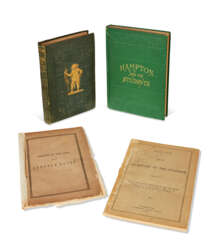

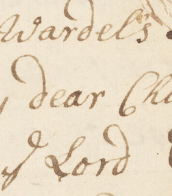
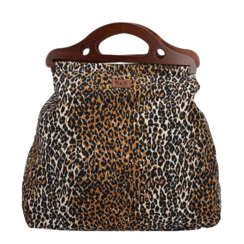

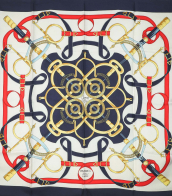










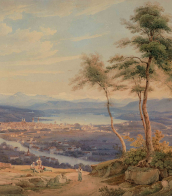




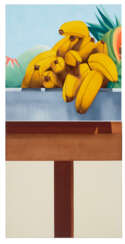

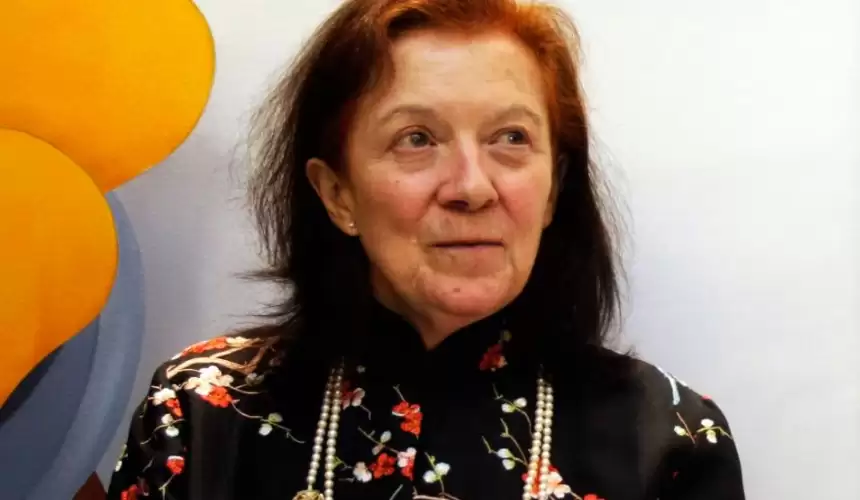
Ana Mercedes Hoyos was a Colombian painter, sculptor and a pioneer in modern art in the country. In her half-century of artistic works, she garnered over seventeen awards of national and international recognition. Beginning her career in a Pop Art style which moved towards abstract, her trajectory moved toward cubism and realism as she explored light, color, sensuality and the bounty of her surroundings. Her reinterpretations of master painters led her to an exploration of Colombian multiculturalism, and her later works focused on Afro-Colombian and mestizo heritage within the Colombian landscape.
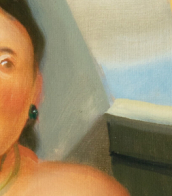
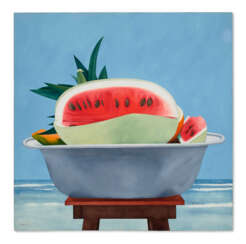

Ana Mercedes Hoyos was a Colombian painter, sculptor and a pioneer in modern art in the country. In her half-century of artistic works, she garnered over seventeen awards of national and international recognition. Beginning her career in a Pop Art style which moved towards abstract, her trajectory moved toward cubism and realism as she explored light, color, sensuality and the bounty of her surroundings. Her reinterpretations of master painters led her to an exploration of Colombian multiculturalism, and her later works focused on Afro-Colombian and mestizo heritage within the Colombian landscape.
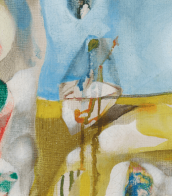


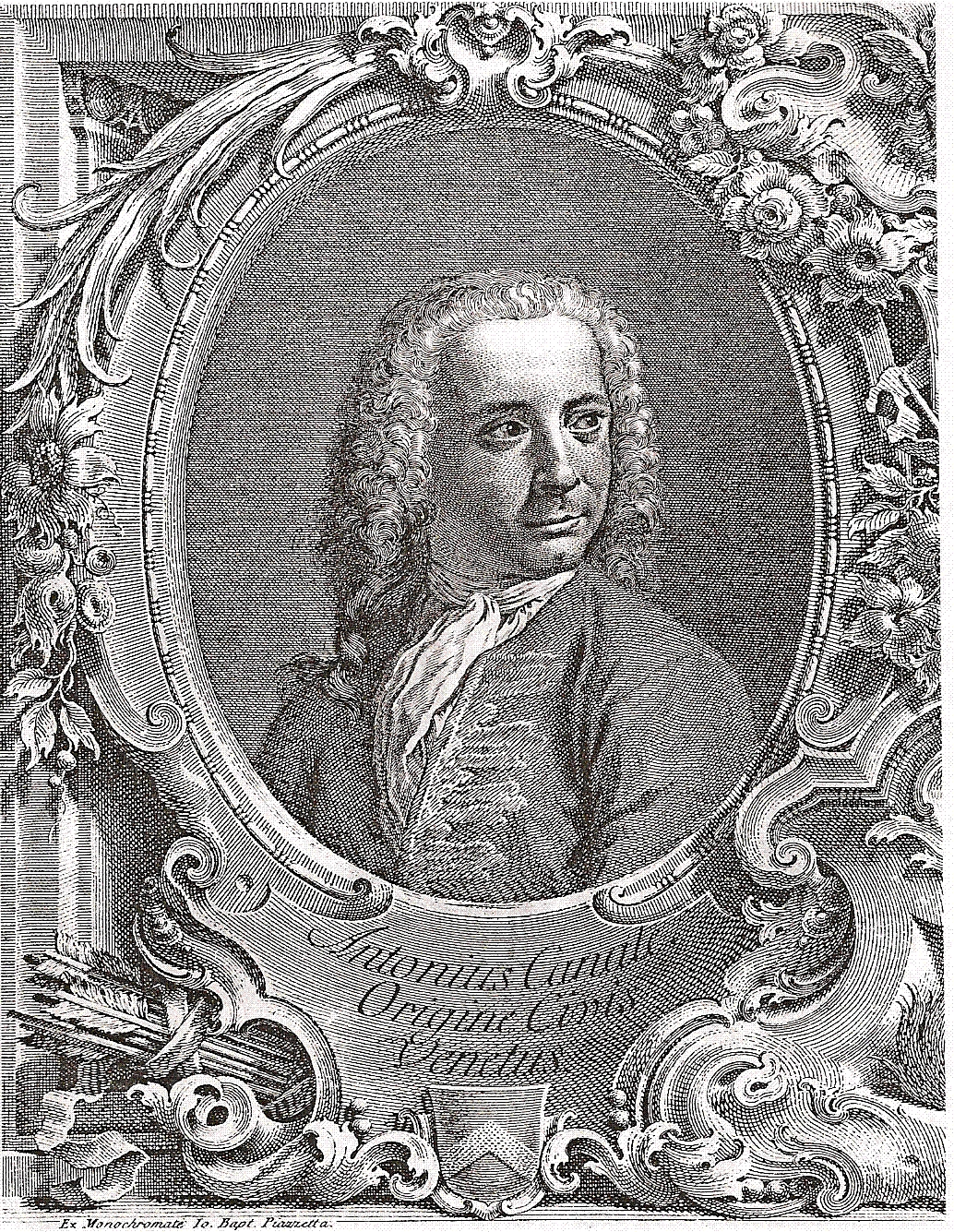
Canaletto, born Giovanni Antonio Canal, was an illustrious Italian painter celebrated for his masterful cityscapes, particularly of Venice and London. Emerging as a topographical painter after 1719, Canaletto became renowned for his detailed and atmospheric views, known as vedute, which captured the essence of Venice and London with a unique blend of accuracy and artistic embellishment. Despite using a camera obscura to achieve precision in his architectural details, Canaletto often infused his paintings with creative adjustments to enhance their appeal.
His early works, such as "The Stonemason's Yard," are particularly prized for their vivid portrayal of Venice's daily life and architectural beauty. Canaletto's paintings were highly sought after by English aristocrats during their Grand Tours, leading him to spend a significant period in England, where he continued to produce esteemed works capturing the English landscape and urban scenes.
Despite his international success, Canaletto's work was less appreciated in his native Venice during his lifetime, only gaining broader recognition and appreciation in later years. His legacy, however, has had a lasting impact on landscape painting, influencing future generations of artists.
If you're interested in staying updated on art exhibitions and auctions featuring Canaletto's work, consider signing up for newsletters from art galleries or auction houses that specialize in historical artworks. This way, you'll be informed about new sales and exhibition events related to Canaletto without any exaggerated language or promises.