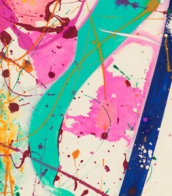
ana
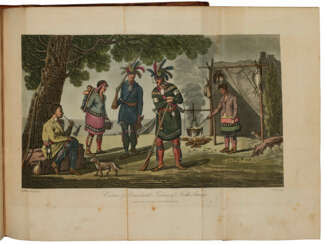

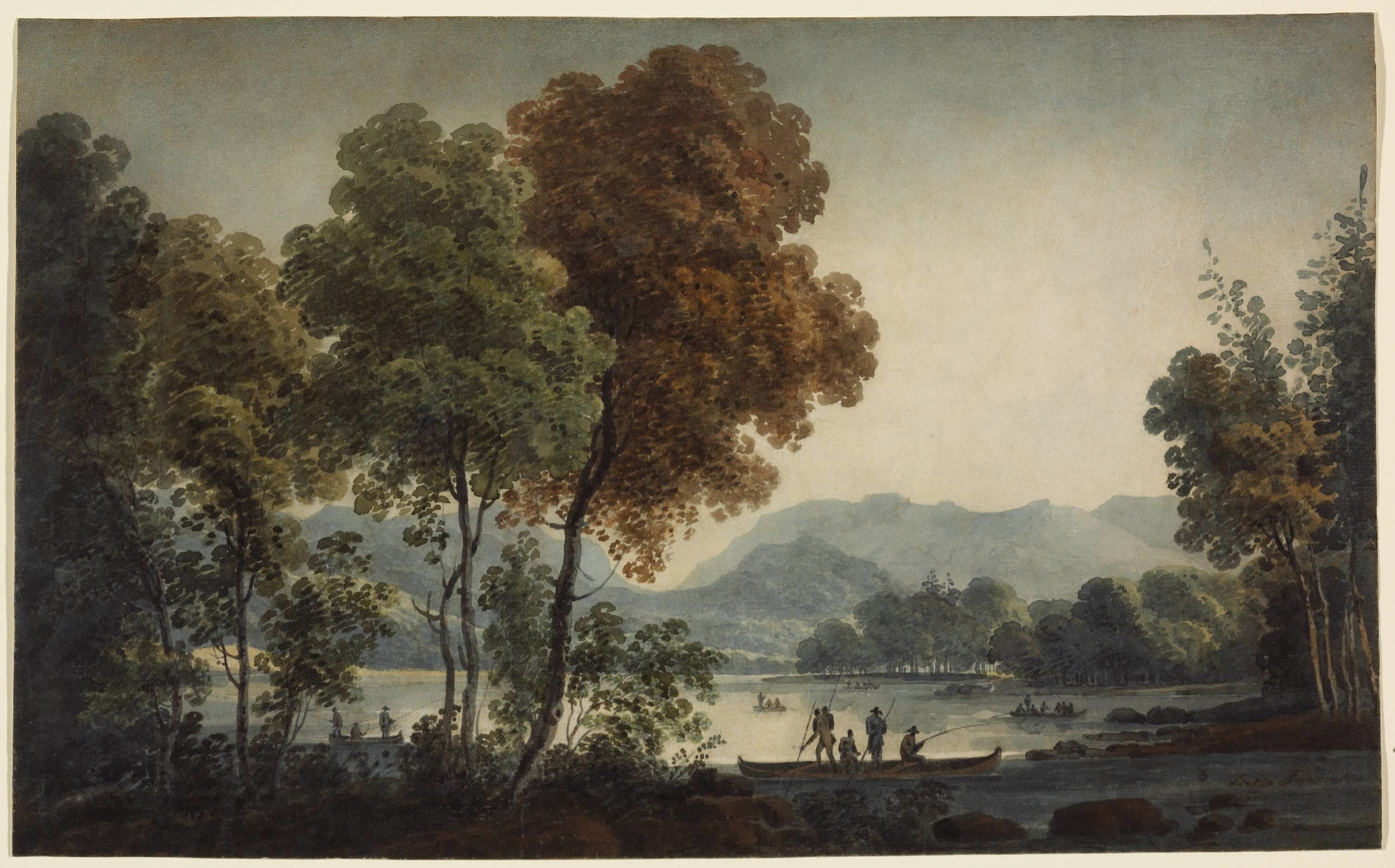
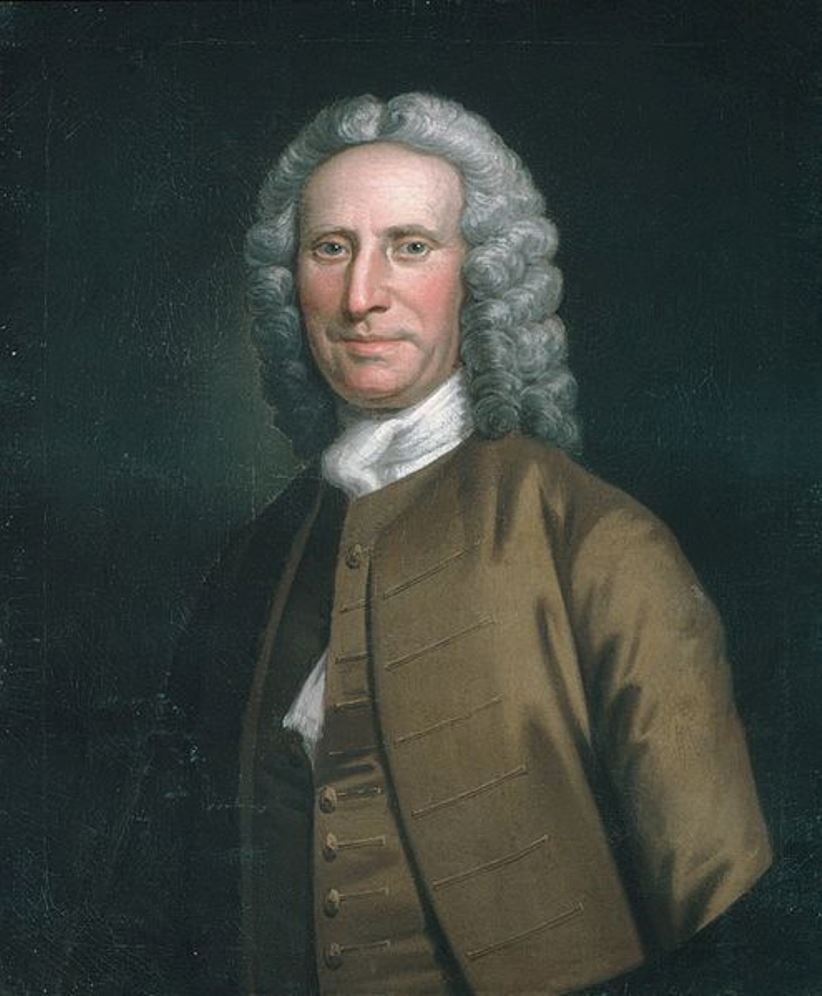
George Heriot was a Scottish and Canadian civil servant, writer and artist.
As a young man, Heriot traveled to the West Indies, wrote and sketched extensively during his stay in the Caribbean, and, returning to London in 1781, published a "Descriptive Poem". He then studied art at the Royal Military Academy at Woolwich and taught painting.
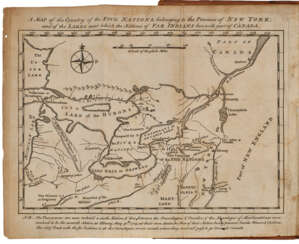
In 1792 he was sent to Quebec as clerk in the artillery department. From 1800 to 1816. Heriot served as deputy postmaster general of British North America, and upon retirement returned to Britain. During his time in Canada, in addition to his main job, George Heriot traveled extensively, as well as painting and writing. He published two books based on his experiences in the country: A History of Canada since its First Discovery (1804) and A Journey through Canada (1807), with his own illustrations.

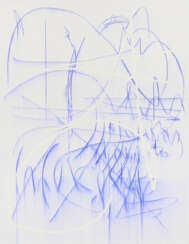

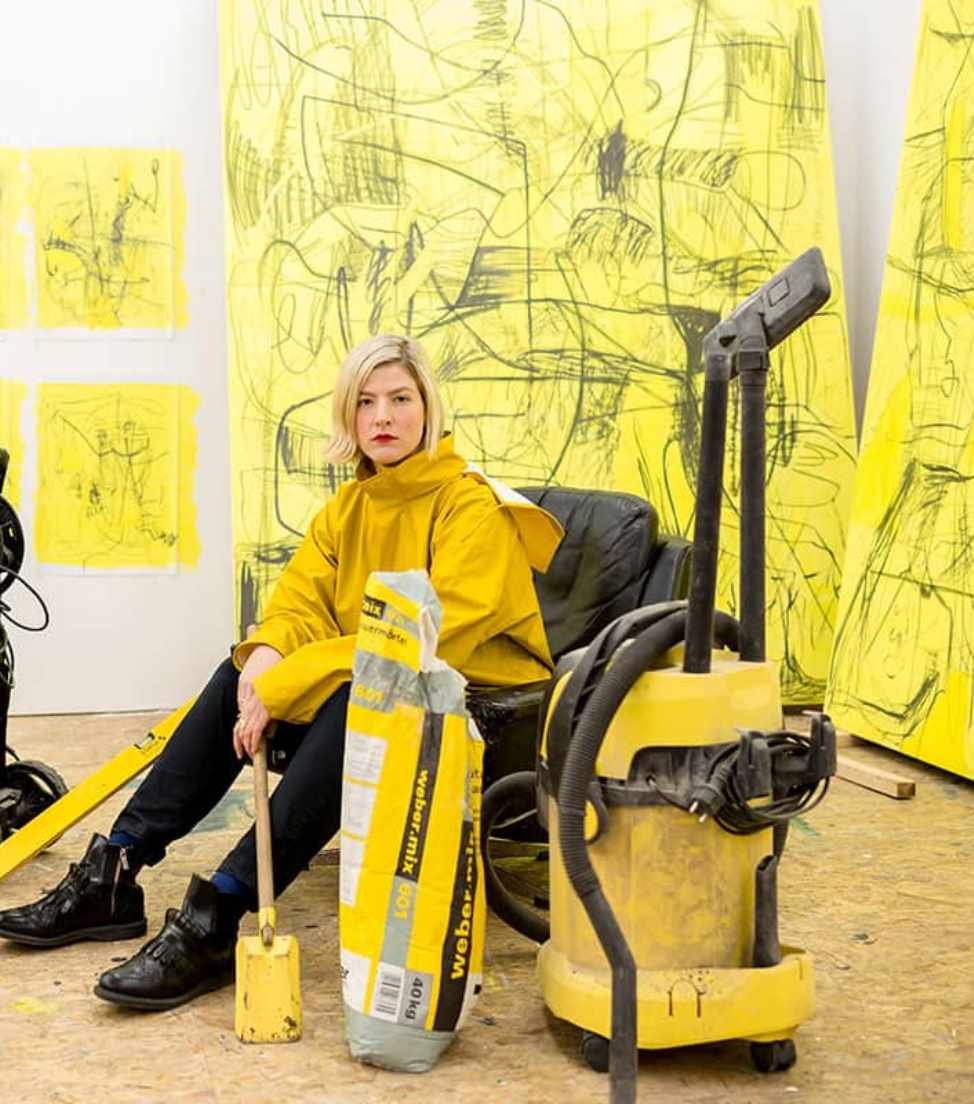
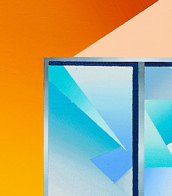
Jana Schröder is a German abstraction artist.
She studied at the Düsseldorf Academy of Art and lives and works in Düsseldorf.
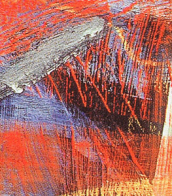
Jana Schröder creates paintings that are largely driven by the movement of the paint itself. The result is multilayered labyrinths of webbing, in which elements of automatic writing and winding brushstrokes intertwine to guide the viewer's wandering gaze.



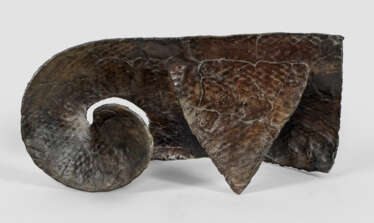

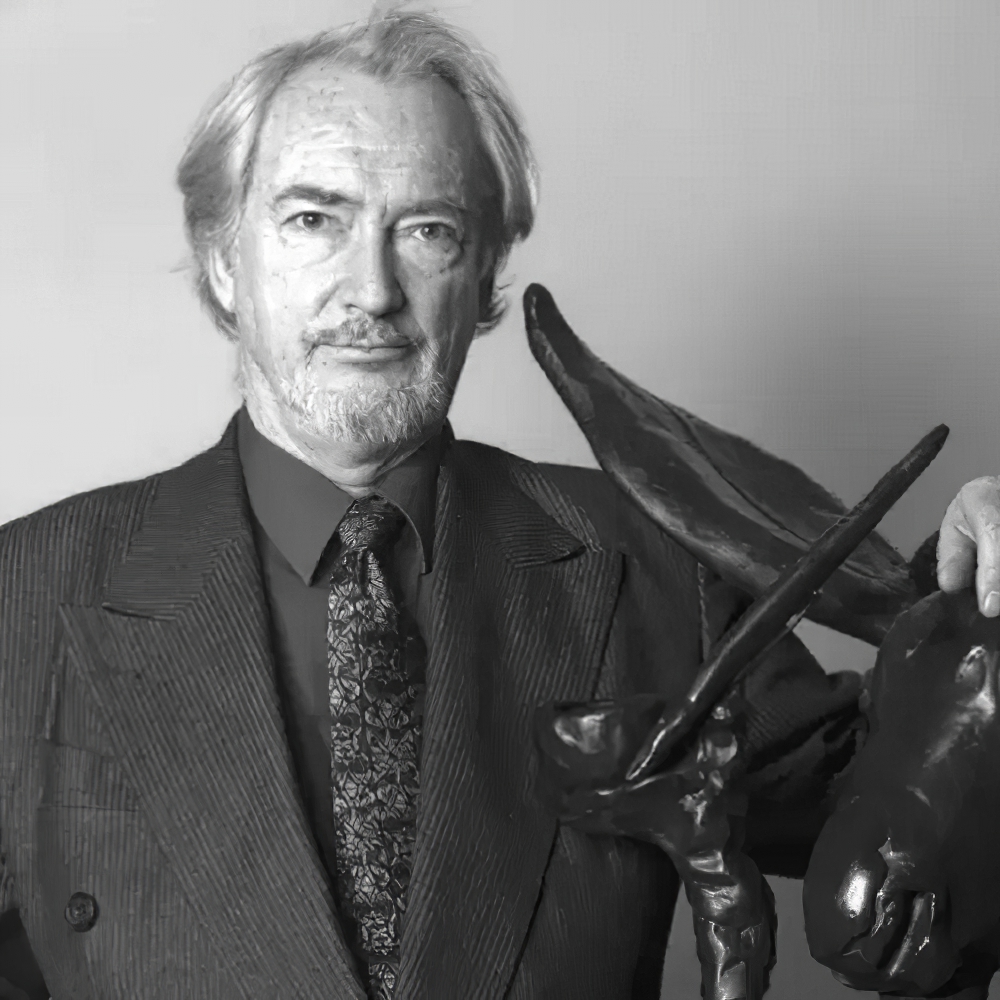
Barry Flanagan was an Irish-Welsh sculptor. He is best known for his bronze statues of hares and other animals.
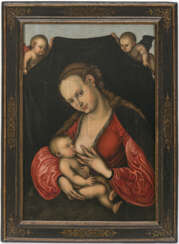

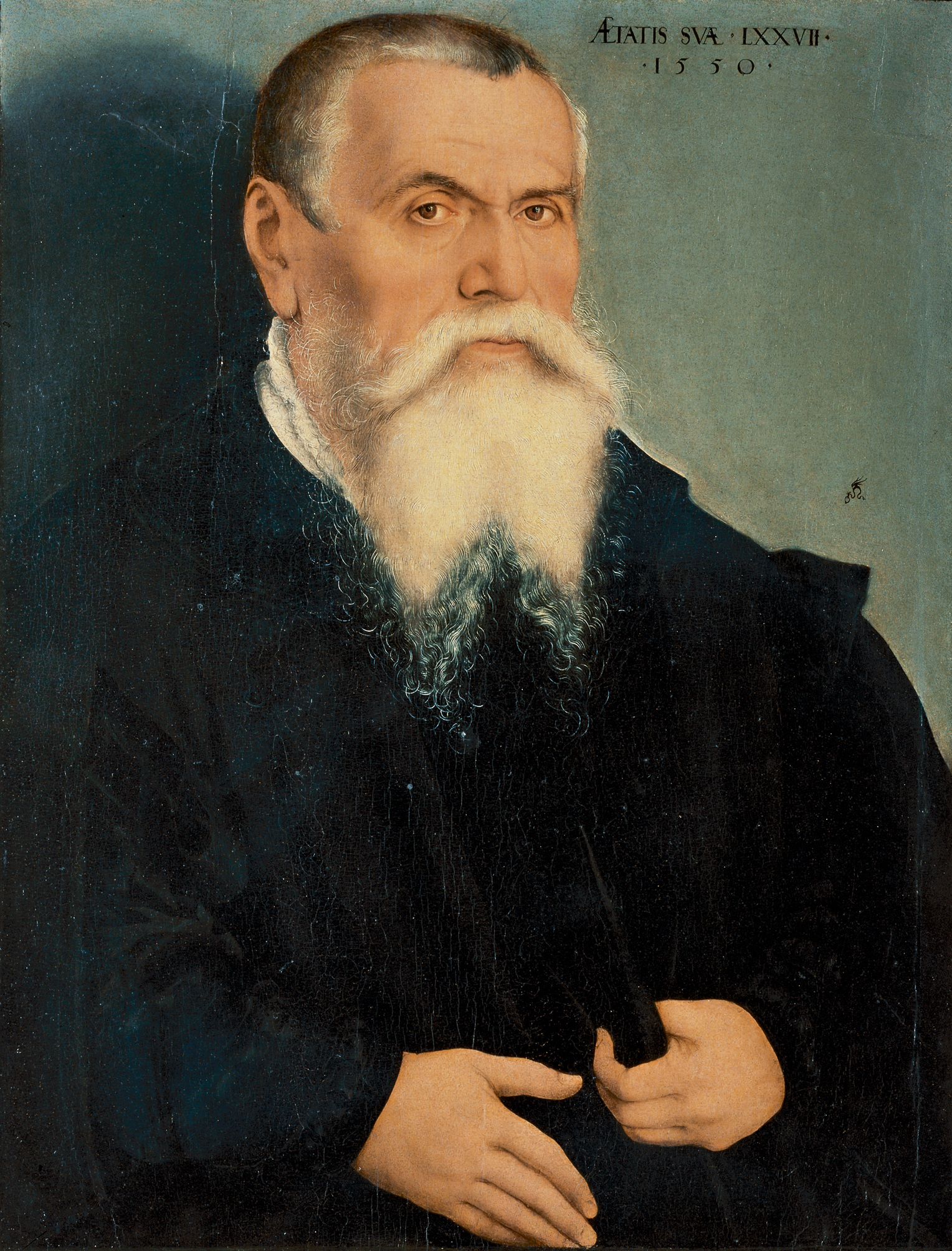
Lucas Cranach the Elder was a pivotal figure in German Renaissance art. As a leading painter of Saxony, his influence spanned across the 16th century, making significant contributions through his paintings, woodcuts, and engravings. His artistic journey began under the tutelage of his father, Hans Maler, and saw him becoming court painter to the Elector of Saxony, where he produced a vast array of works including altarpieces, court portraits, and notably, portraits of Protestant Reformers.
Cranach's artistry was not confined to any single genre. He was renowned for his portraits of the aristocracy, deeply symbolic religious paintings, and engaging mythological scenes. His ability to capture the essence of the Protestant Reformation, notably through his portraits of Martin Luther, showcases his close connection to the movement and his role as a key figure in conveying its ideals through art.
A significant part of Cranach's legacy is his workshop in Wittenberg, which was a hub of artistic production. This workshop produced numerous works that bore his distinctive winged serpent signature, a mark of quality and innovation in the art of the period. Cranach's workshop was known for its efficient operation, enabling the production of a large volume of works that catered to the high demand of his time.
For collectors and experts in art and antiques, Lucas Cranach the Elder's work represents an intriguing intersection of art, culture, and history. His contributions to Renaissance art and his unique portrayal of religious and mythological themes continue to captivate audiences, making his work highly sought after in the world of art collection.
To explore more about Lucas Cranach the Elder's fascinating contributions to art and to stay updated on new discoveries or auction events related to his works, consider signing up for specialized updates. This subscription is designed for enthusiasts keen on delving deeper into the rich tapestry of Renaissance art and history, ensuring they remain well-informed of relevant sales and scholarly insights.
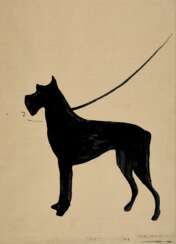


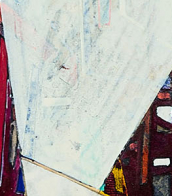
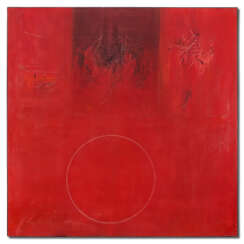

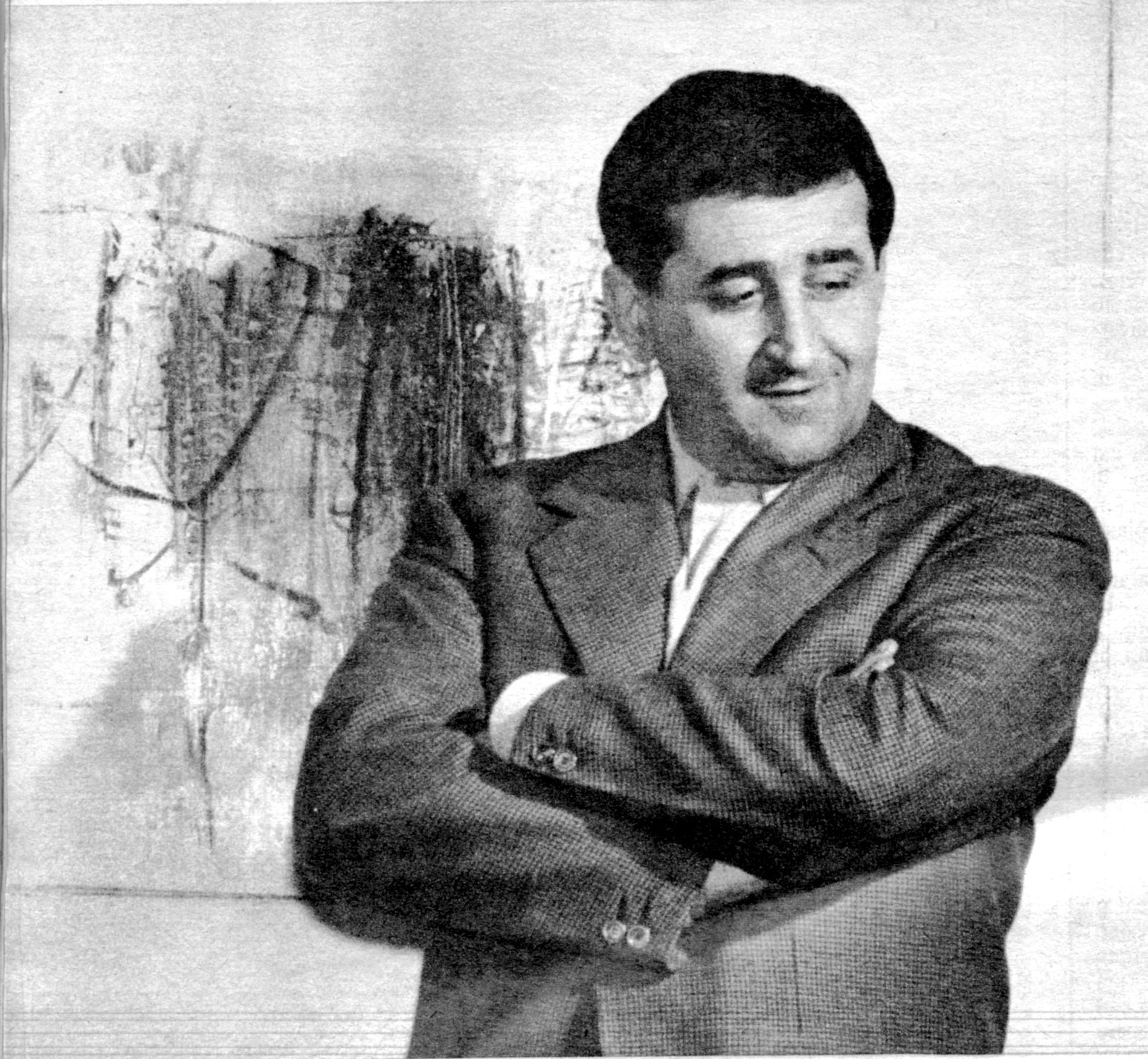
Emilio Scanavino is an Italian painter and sculptor.
Scanavino's initial interest in figurative art and post-cubism later morphed and became closer to abstract expressionism.
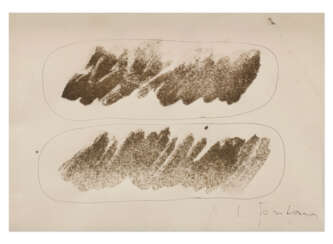

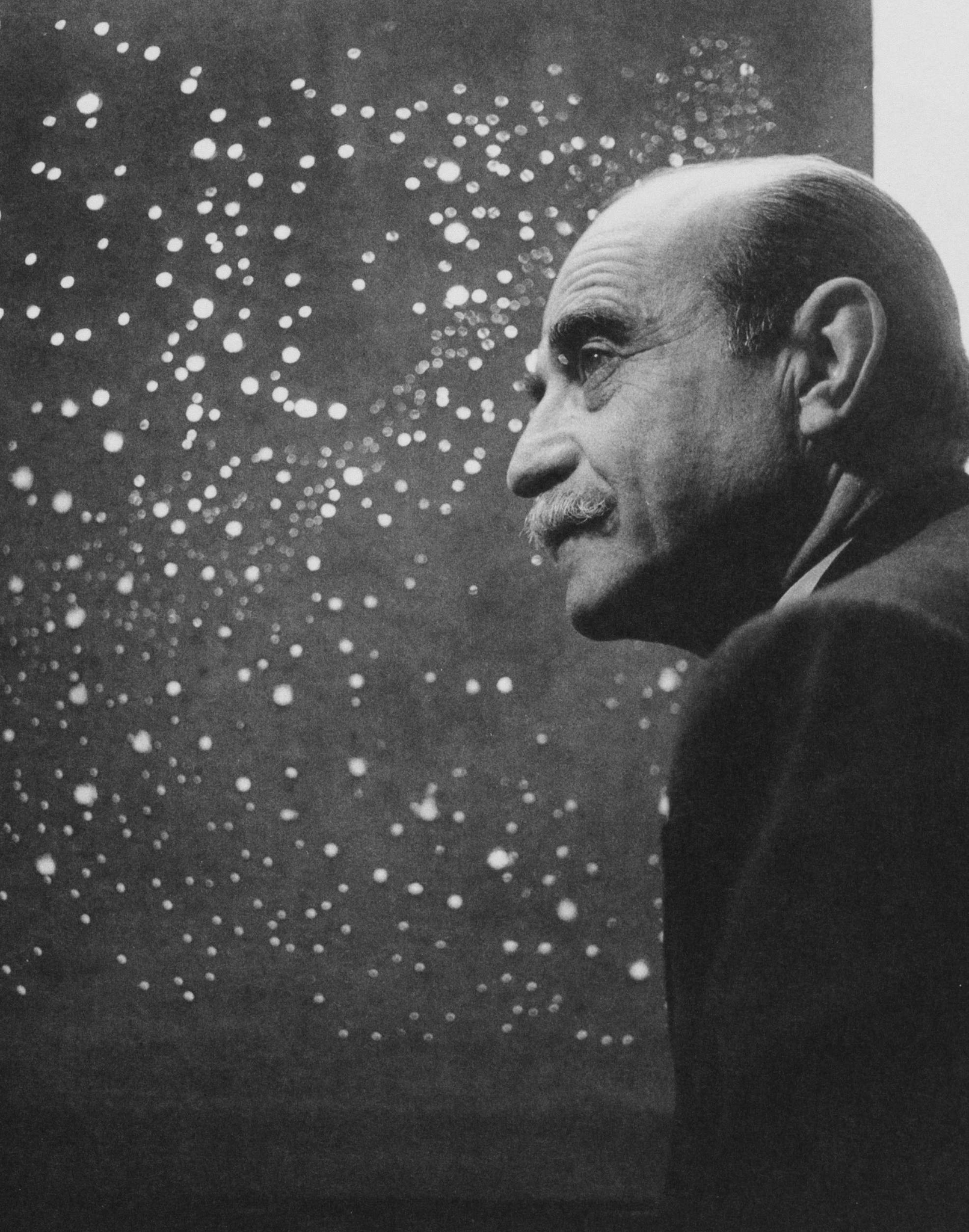
Lucio Fontana was an Argentine-Italian artist known for his pioneering work in the field of Spatialism, an artistic movement that explored the relationship between space and art.
Fontana studied sculpture at the Academy of Fine Arts in Milan, Italy. In the 1940s, he began experimenting with a technique he called "Spatial Concept," in which he punctured or cut holes into the canvas to create a sense of depth and dimensionality.
Throughout the 1950s and 1960s, Fontana continued to explore the possibilities of Spatialism, creating works in a variety of media, including sculpture, ceramics, and painting. One of his most famous series of works is the "Tagli" (Cuts), which consist of monochromatic canvases with one or more slashes or punctures.
Fontana's work had a significant influence on the development of the Arte Povera movement in Italy, as well as on the development of Minimalism and Conceptual Art. He exhibited his work widely in Europe and the United States, and his legacy continues to be celebrated by artists and critics today.
Fontana's innovative approach to art and his exploration of the relationship between space and form continue to be a source of inspiration for artists working in a wide range of media.
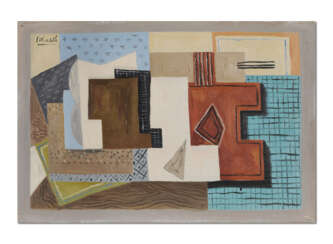

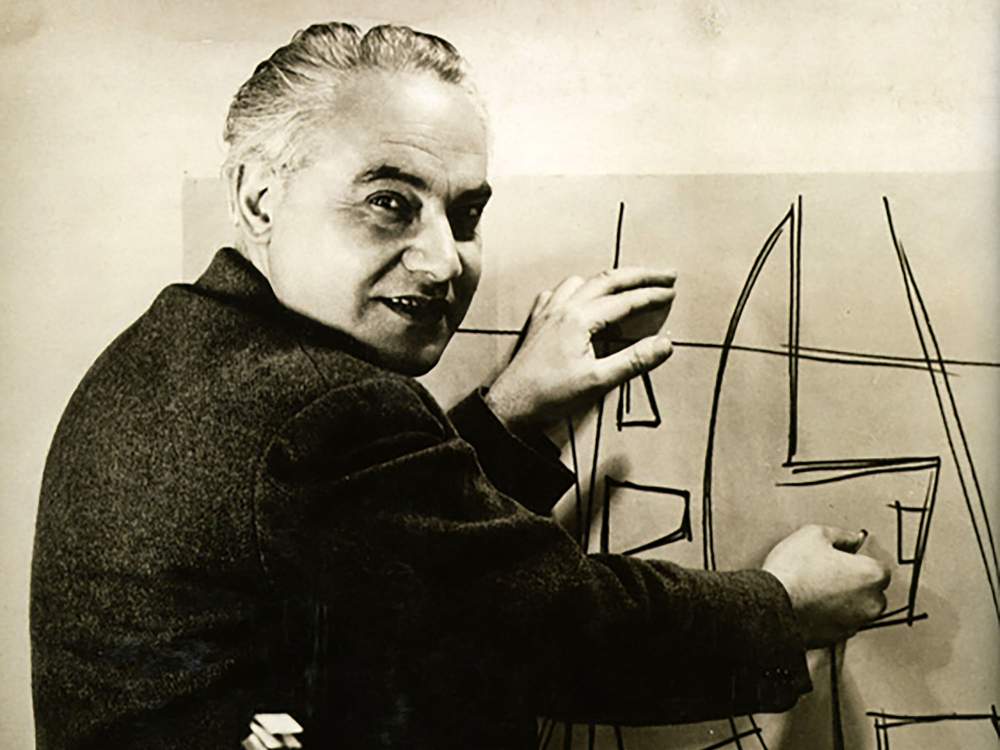
Atanasio Soldati was an Italian abstractionist painter.
In the 1930s he worked alongside Picasso and created in the Cubist style. Soldati then became a central figure in Italian abstractionism. In 1948, together with Bruno Munari, Giello Dorfles and Gianni Monnet, he created the Concrete Art movement.
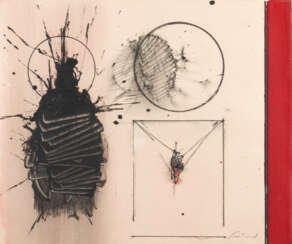

Emilio Scanavino is an Italian painter and sculptor.
Scanavino's initial interest in figurative art and post-cubism later morphed and became closer to abstract expressionism.





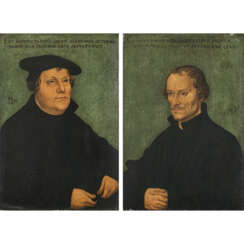

Lucas Cranach the Elder was a pivotal figure in German Renaissance art. As a leading painter of Saxony, his influence spanned across the 16th century, making significant contributions through his paintings, woodcuts, and engravings. His artistic journey began under the tutelage of his father, Hans Maler, and saw him becoming court painter to the Elector of Saxony, where he produced a vast array of works including altarpieces, court portraits, and notably, portraits of Protestant Reformers.
Cranach's artistry was not confined to any single genre. He was renowned for his portraits of the aristocracy, deeply symbolic religious paintings, and engaging mythological scenes. His ability to capture the essence of the Protestant Reformation, notably through his portraits of Martin Luther, showcases his close connection to the movement and his role as a key figure in conveying its ideals through art.
A significant part of Cranach's legacy is his workshop in Wittenberg, which was a hub of artistic production. This workshop produced numerous works that bore his distinctive winged serpent signature, a mark of quality and innovation in the art of the period. Cranach's workshop was known for its efficient operation, enabling the production of a large volume of works that catered to the high demand of his time.
For collectors and experts in art and antiques, Lucas Cranach the Elder's work represents an intriguing intersection of art, culture, and history. His contributions to Renaissance art and his unique portrayal of religious and mythological themes continue to captivate audiences, making his work highly sought after in the world of art collection.
To explore more about Lucas Cranach the Elder's fascinating contributions to art and to stay updated on new discoveries or auction events related to his works, consider signing up for specialized updates. This subscription is designed for enthusiasts keen on delving deeper into the rich tapestry of Renaissance art and history, ensuring they remain well-informed of relevant sales and scholarly insights.


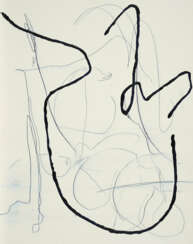

Jana Schröder is a German abstraction artist.
She studied at the Düsseldorf Academy of Art and lives and works in Düsseldorf.
Jana Schröder creates paintings that are largely driven by the movement of the paint itself. The result is multilayered labyrinths of webbing, in which elements of automatic writing and winding brushstrokes intertwine to guide the viewer's wandering gaze.
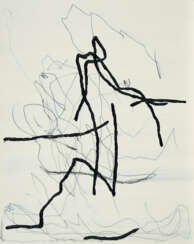

Jana Schröder is a German abstraction artist.
She studied at the Düsseldorf Academy of Art and lives and works in Düsseldorf.
Jana Schröder creates paintings that are largely driven by the movement of the paint itself. The result is multilayered labyrinths of webbing, in which elements of automatic writing and winding brushstrokes intertwine to guide the viewer's wandering gaze.
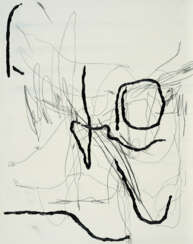

Jana Schröder is a German abstraction artist.
She studied at the Düsseldorf Academy of Art and lives and works in Düsseldorf.
Jana Schröder creates paintings that are largely driven by the movement of the paint itself. The result is multilayered labyrinths of webbing, in which elements of automatic writing and winding brushstrokes intertwine to guide the viewer's wandering gaze.
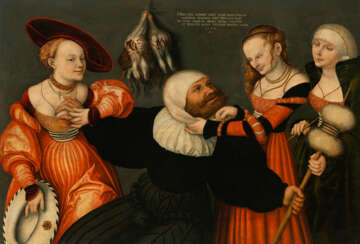

Lucas Cranach the Elder was a pivotal figure in German Renaissance art. As a leading painter of Saxony, his influence spanned across the 16th century, making significant contributions through his paintings, woodcuts, and engravings. His artistic journey began under the tutelage of his father, Hans Maler, and saw him becoming court painter to the Elector of Saxony, where he produced a vast array of works including altarpieces, court portraits, and notably, portraits of Protestant Reformers.
Cranach's artistry was not confined to any single genre. He was renowned for his portraits of the aristocracy, deeply symbolic religious paintings, and engaging mythological scenes. His ability to capture the essence of the Protestant Reformation, notably through his portraits of Martin Luther, showcases his close connection to the movement and his role as a key figure in conveying its ideals through art.
A significant part of Cranach's legacy is his workshop in Wittenberg, which was a hub of artistic production. This workshop produced numerous works that bore his distinctive winged serpent signature, a mark of quality and innovation in the art of the period. Cranach's workshop was known for its efficient operation, enabling the production of a large volume of works that catered to the high demand of his time.
For collectors and experts in art and antiques, Lucas Cranach the Elder's work represents an intriguing intersection of art, culture, and history. His contributions to Renaissance art and his unique portrayal of religious and mythological themes continue to captivate audiences, making his work highly sought after in the world of art collection.
To explore more about Lucas Cranach the Elder's fascinating contributions to art and to stay updated on new discoveries or auction events related to his works, consider signing up for specialized updates. This subscription is designed for enthusiasts keen on delving deeper into the rich tapestry of Renaissance art and history, ensuring they remain well-informed of relevant sales and scholarly insights.


Lucio Fontana was an Argentine-Italian artist known for his pioneering work in the field of Spatialism, an artistic movement that explored the relationship between space and art.
Fontana studied sculpture at the Academy of Fine Arts in Milan, Italy. In the 1940s, he began experimenting with a technique he called "Spatial Concept," in which he punctured or cut holes into the canvas to create a sense of depth and dimensionality.
Throughout the 1950s and 1960s, Fontana continued to explore the possibilities of Spatialism, creating works in a variety of media, including sculpture, ceramics, and painting. One of his most famous series of works is the "Tagli" (Cuts), which consist of monochromatic canvases with one or more slashes or punctures.
Fontana's work had a significant influence on the development of the Arte Povera movement in Italy, as well as on the development of Minimalism and Conceptual Art. He exhibited his work widely in Europe and the United States, and his legacy continues to be celebrated by artists and critics today.
Fontana's innovative approach to art and his exploration of the relationship between space and form continue to be a source of inspiration for artists working in a wide range of media.



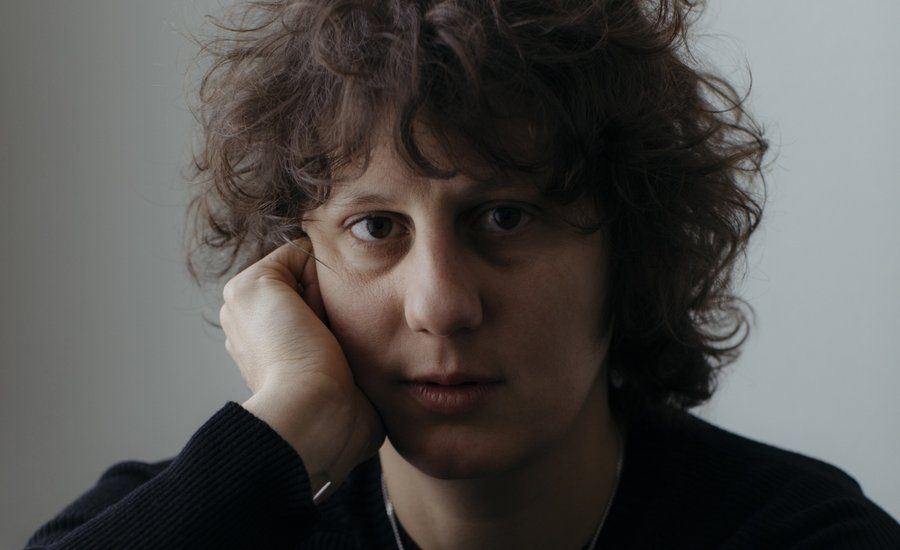

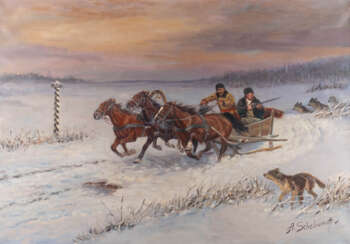

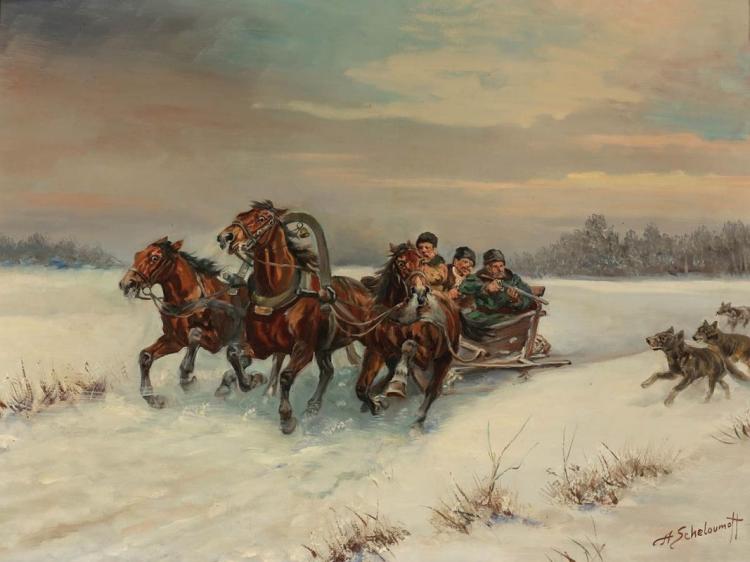
Afanasij Ivanovich Scheloumoff was a Ukrainian battle-painter. He also painted landscapes of the Russian steppe with horses and hunting scenes.


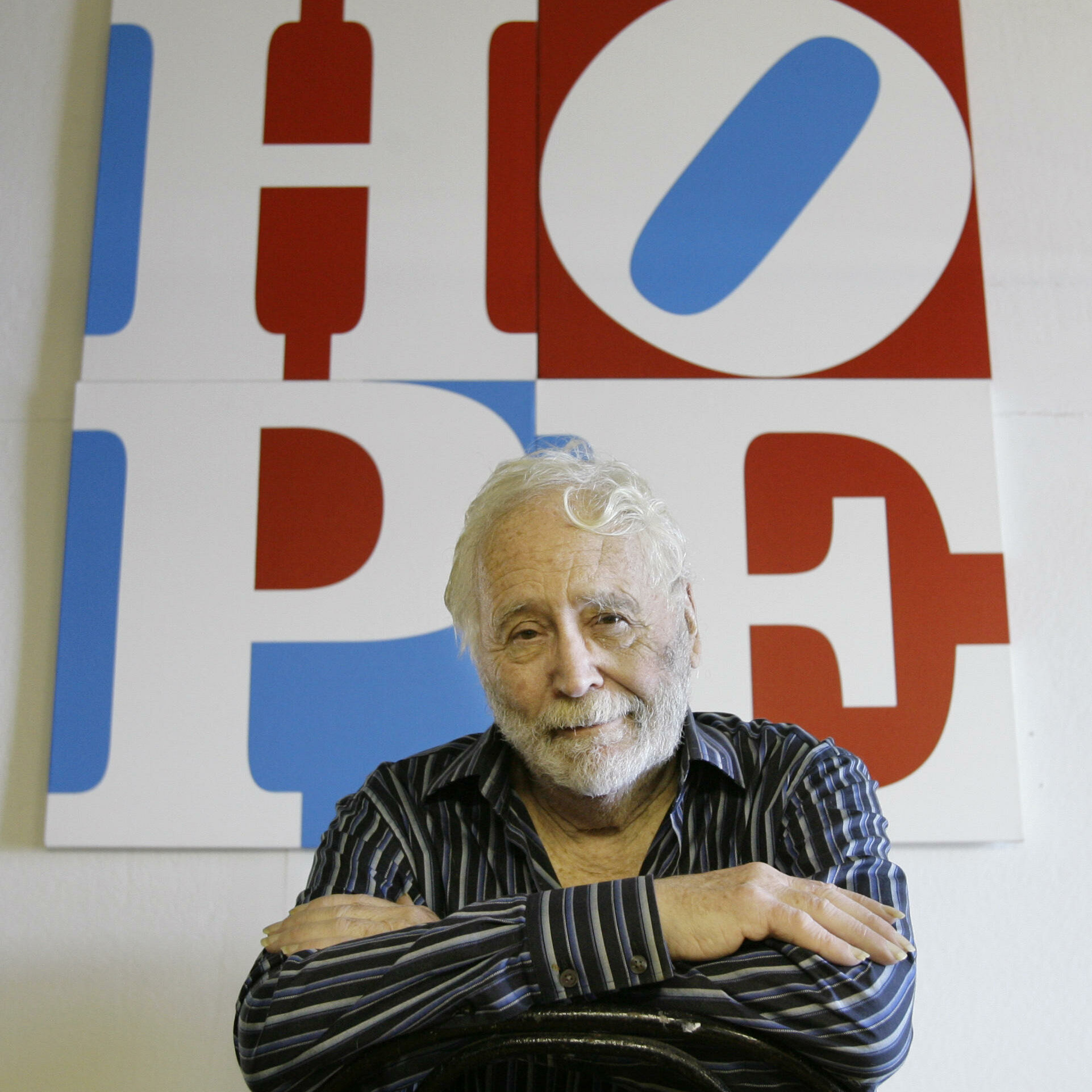
Robert Indiana (born Robert Clark) was an American artist associated with the pop art movement.
His iconic image LOVE was first created in 1964 in the form of a card which he sent to several friends and acquaintances in the art world. In 1965, Robert Indiana was invited to propose an artwork to be featured on the Museum of Modern Art's annual Christmas card. Indiana submitted several 12” square oil on canvas variations based on his LOVE image. The museum selected the most intense color combination in red, blue, and green. It became one of the most popular cards the museum has ever offered. Indiana continued to develop his LOVE series, and in 1966, worked with Marian Goodman of Multiples, Inc. to make his first LOVE sculpture in aluminum. In 1970, Indiana completed his first monumental LOVE sculpture in Cor-Ten steel which is in the collection of the Indianapolis Museum of Art.
In addition to being a painter and sculptor, Indiana made posters and prints and also designed stage sets and costumes for the Virgil Thompson and Gertrude Stein opera The Mother of Us All. Indiana's artwork has been featured in numerous exhibitions around the world and is included in the permanent collections of many major museums including the Museum of Modern Art, New York; Tate Modern, London; and the San Francisco Museum of Modern Art.
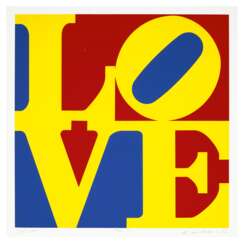

Robert Indiana (born Robert Clark) was an American artist associated with the pop art movement.
His iconic image LOVE was first created in 1964 in the form of a card which he sent to several friends and acquaintances in the art world. In 1965, Robert Indiana was invited to propose an artwork to be featured on the Museum of Modern Art's annual Christmas card. Indiana submitted several 12” square oil on canvas variations based on his LOVE image. The museum selected the most intense color combination in red, blue, and green. It became one of the most popular cards the museum has ever offered. Indiana continued to develop his LOVE series, and in 1966, worked with Marian Goodman of Multiples, Inc. to make his first LOVE sculpture in aluminum. In 1970, Indiana completed his first monumental LOVE sculpture in Cor-Ten steel which is in the collection of the Indianapolis Museum of Art.
In addition to being a painter and sculptor, Indiana made posters and prints and also designed stage sets and costumes for the Virgil Thompson and Gertrude Stein opera The Mother of Us All. Indiana's artwork has been featured in numerous exhibitions around the world and is included in the permanent collections of many major museums including the Museum of Modern Art, New York; Tate Modern, London; and the San Francisco Museum of Modern Art.
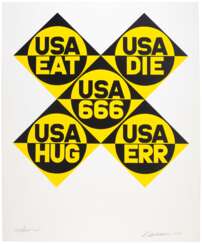

Robert Indiana (born Robert Clark) was an American artist associated with the pop art movement.
His iconic image LOVE was first created in 1964 in the form of a card which he sent to several friends and acquaintances in the art world. In 1965, Robert Indiana was invited to propose an artwork to be featured on the Museum of Modern Art's annual Christmas card. Indiana submitted several 12” square oil on canvas variations based on his LOVE image. The museum selected the most intense color combination in red, blue, and green. It became one of the most popular cards the museum has ever offered. Indiana continued to develop his LOVE series, and in 1966, worked with Marian Goodman of Multiples, Inc. to make his first LOVE sculpture in aluminum. In 1970, Indiana completed his first monumental LOVE sculpture in Cor-Ten steel which is in the collection of the Indianapolis Museum of Art.
In addition to being a painter and sculptor, Indiana made posters and prints and also designed stage sets and costumes for the Virgil Thompson and Gertrude Stein opera The Mother of Us All. Indiana's artwork has been featured in numerous exhibitions around the world and is included in the permanent collections of many major museums including the Museum of Modern Art, New York; Tate Modern, London; and the San Francisco Museum of Modern Art.
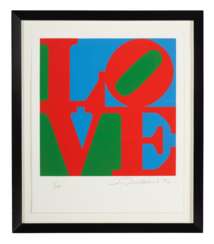

Robert Indiana (born Robert Clark) was an American artist associated with the pop art movement.
His iconic image LOVE was first created in 1964 in the form of a card which he sent to several friends and acquaintances in the art world. In 1965, Robert Indiana was invited to propose an artwork to be featured on the Museum of Modern Art's annual Christmas card. Indiana submitted several 12” square oil on canvas variations based on his LOVE image. The museum selected the most intense color combination in red, blue, and green. It became one of the most popular cards the museum has ever offered. Indiana continued to develop his LOVE series, and in 1966, worked with Marian Goodman of Multiples, Inc. to make his first LOVE sculpture in aluminum. In 1970, Indiana completed his first monumental LOVE sculpture in Cor-Ten steel which is in the collection of the Indianapolis Museum of Art.
In addition to being a painter and sculptor, Indiana made posters and prints and also designed stage sets and costumes for the Virgil Thompson and Gertrude Stein opera The Mother of Us All. Indiana's artwork has been featured in numerous exhibitions around the world and is included in the permanent collections of many major museums including the Museum of Modern Art, New York; Tate Modern, London; and the San Francisco Museum of Modern Art.
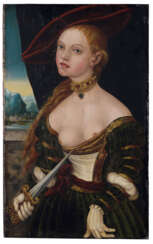

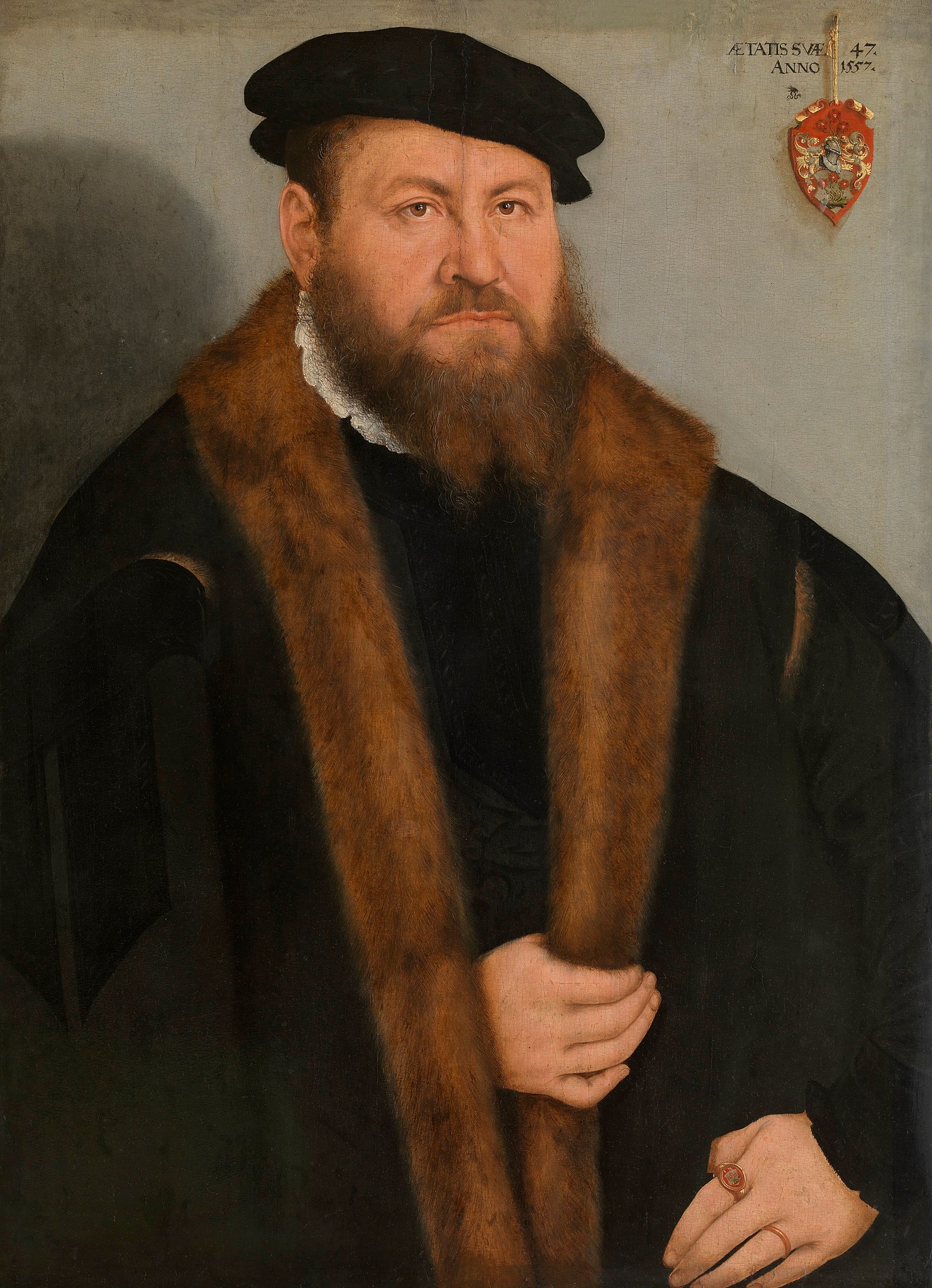
Lucas Cranach the Younger was a German painter of the mid-16th century. He is known as a Renaissance painter and portraitist, one of the sons of the painter and graphic artist Lucas Cranach the Elder.
Cranach the Younger painted portraits and paintings of the mythological genre. Despite his lack of courtly status, he worked for the social elite, including princes and nobles. After the artist's death, his works were distributed to various churches, schools, castles and homes. As a member of the new generation, he favored rich and flamboyant images. Cranach the Younger is believed to have created a new artistic program for the Protestants.
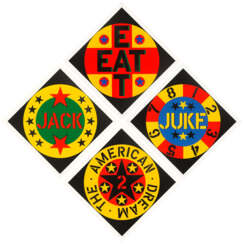

Robert Indiana (born Robert Clark) was an American artist associated with the pop art movement.
His iconic image LOVE was first created in 1964 in the form of a card which he sent to several friends and acquaintances in the art world. In 1965, Robert Indiana was invited to propose an artwork to be featured on the Museum of Modern Art's annual Christmas card. Indiana submitted several 12” square oil on canvas variations based on his LOVE image. The museum selected the most intense color combination in red, blue, and green. It became one of the most popular cards the museum has ever offered. Indiana continued to develop his LOVE series, and in 1966, worked with Marian Goodman of Multiples, Inc. to make his first LOVE sculpture in aluminum. In 1970, Indiana completed his first monumental LOVE sculpture in Cor-Ten steel which is in the collection of the Indianapolis Museum of Art.
In addition to being a painter and sculptor, Indiana made posters and prints and also designed stage sets and costumes for the Virgil Thompson and Gertrude Stein opera The Mother of Us All. Indiana's artwork has been featured in numerous exhibitions around the world and is included in the permanent collections of many major museums including the Museum of Modern Art, New York; Tate Modern, London; and the San Francisco Museum of Modern Art.