art noir










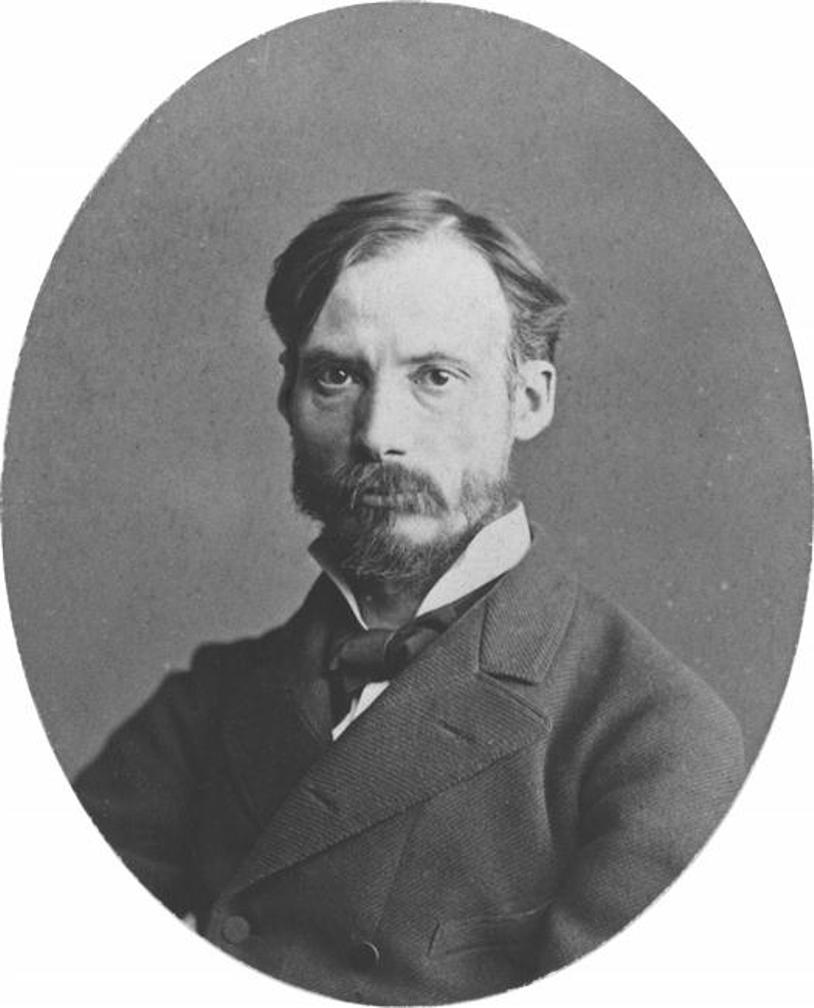
Pierre-Auguste Renoir was a French artist, celebrated as a pivotal figure in the development of the Impressionist movement. Born in Limoges, France, in 1841, Renoir's early experiences in Paris and his apprenticeship as a porcelain painter laid the foundation for his illustrious career in art. His transition to painting was marked by an early fascination with the play of light and color, which became a hallmark of his work. Renoir's paintings are renowned for their vibrant light and saturated color, often focusing on people in intimate and candid compositions. This focus on beauty and a particular affinity for capturing the sensuality of the female form distinguished his work from his contemporaries.
Renoir's contributions to Impressionism were significant, characterized by his use of bright colors and a technique that captured the movement and luminosity of the scene. His evolution as an artist saw him experimenting with a more linear and classical style, especially after his travels to Italy, where he was deeply influenced by the Renaissance masters. Despite facing personal challenges, including severe rheumatoid arthritis in his later years, Renoir's passion for painting never waned. His determination saw him adapting his painting technique to his physical limitations, ensuring that his creative output remained prolific until his death in 1919.
Among Renoir's notable works are "Bal du moulin de la Galette" (1876), "Luncheon of the Boating Party" (1880), and "Girls at the Piano" (1892). These masterpieces exemplify the essence of Impressionist art with their depiction of light, movement, and everyday life. Renoir's works are housed in prestigious museums around the world, serving as a testament to his enduring legacy in the realm of art.
For art collectors and experts, Renoir's oeuvre represents an essential segment of the Impressionist movement, offering insights into the evolution of modern art. His mastery in portraying the beauty of the moment and the depth of human emotion continues to captivate and inspire audiences worldwide.
If you are passionate about collecting or studying the works of Pierre-Auguste Renoir, we invite you to sign up for updates on new product sales and auction events related to this iconic artist. Stay informed about the opportunity to own a piece of art history and deepen your appreciation for the rich tapestry of culture and art that Renoir helped weave.
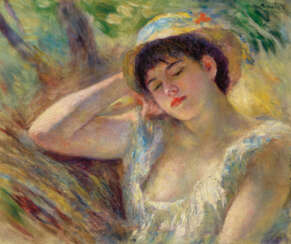

Pierre-Auguste Renoir was a French artist, celebrated as a pivotal figure in the development of the Impressionist movement. Born in Limoges, France, in 1841, Renoir's early experiences in Paris and his apprenticeship as a porcelain painter laid the foundation for his illustrious career in art. His transition to painting was marked by an early fascination with the play of light and color, which became a hallmark of his work. Renoir's paintings are renowned for their vibrant light and saturated color, often focusing on people in intimate and candid compositions. This focus on beauty and a particular affinity for capturing the sensuality of the female form distinguished his work from his contemporaries.
Renoir's contributions to Impressionism were significant, characterized by his use of bright colors and a technique that captured the movement and luminosity of the scene. His evolution as an artist saw him experimenting with a more linear and classical style, especially after his travels to Italy, where he was deeply influenced by the Renaissance masters. Despite facing personal challenges, including severe rheumatoid arthritis in his later years, Renoir's passion for painting never waned. His determination saw him adapting his painting technique to his physical limitations, ensuring that his creative output remained prolific until his death in 1919.
Among Renoir's notable works are "Bal du moulin de la Galette" (1876), "Luncheon of the Boating Party" (1880), and "Girls at the Piano" (1892). These masterpieces exemplify the essence of Impressionist art with their depiction of light, movement, and everyday life. Renoir's works are housed in prestigious museums around the world, serving as a testament to his enduring legacy in the realm of art.
For art collectors and experts, Renoir's oeuvre represents an essential segment of the Impressionist movement, offering insights into the evolution of modern art. His mastery in portraying the beauty of the moment and the depth of human emotion continues to captivate and inspire audiences worldwide.
If you are passionate about collecting or studying the works of Pierre-Auguste Renoir, we invite you to sign up for updates on new product sales and auction events related to this iconic artist. Stay informed about the opportunity to own a piece of art history and deepen your appreciation for the rich tapestry of culture and art that Renoir helped weave.
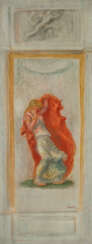

Pierre-Auguste Renoir was a French artist, celebrated as a pivotal figure in the development of the Impressionist movement. Born in Limoges, France, in 1841, Renoir's early experiences in Paris and his apprenticeship as a porcelain painter laid the foundation for his illustrious career in art. His transition to painting was marked by an early fascination with the play of light and color, which became a hallmark of his work. Renoir's paintings are renowned for their vibrant light and saturated color, often focusing on people in intimate and candid compositions. This focus on beauty and a particular affinity for capturing the sensuality of the female form distinguished his work from his contemporaries.
Renoir's contributions to Impressionism were significant, characterized by his use of bright colors and a technique that captured the movement and luminosity of the scene. His evolution as an artist saw him experimenting with a more linear and classical style, especially after his travels to Italy, where he was deeply influenced by the Renaissance masters. Despite facing personal challenges, including severe rheumatoid arthritis in his later years, Renoir's passion for painting never waned. His determination saw him adapting his painting technique to his physical limitations, ensuring that his creative output remained prolific until his death in 1919.
Among Renoir's notable works are "Bal du moulin de la Galette" (1876), "Luncheon of the Boating Party" (1880), and "Girls at the Piano" (1892). These masterpieces exemplify the essence of Impressionist art with their depiction of light, movement, and everyday life. Renoir's works are housed in prestigious museums around the world, serving as a testament to his enduring legacy in the realm of art.
For art collectors and experts, Renoir's oeuvre represents an essential segment of the Impressionist movement, offering insights into the evolution of modern art. His mastery in portraying the beauty of the moment and the depth of human emotion continues to captivate and inspire audiences worldwide.
If you are passionate about collecting or studying the works of Pierre-Auguste Renoir, we invite you to sign up for updates on new product sales and auction events related to this iconic artist. Stay informed about the opportunity to own a piece of art history and deepen your appreciation for the rich tapestry of culture and art that Renoir helped weave.

Pierre-Auguste Renoir was a French artist, celebrated as a pivotal figure in the development of the Impressionist movement. Born in Limoges, France, in 1841, Renoir's early experiences in Paris and his apprenticeship as a porcelain painter laid the foundation for his illustrious career in art. His transition to painting was marked by an early fascination with the play of light and color, which became a hallmark of his work. Renoir's paintings are renowned for their vibrant light and saturated color, often focusing on people in intimate and candid compositions. This focus on beauty and a particular affinity for capturing the sensuality of the female form distinguished his work from his contemporaries.
Renoir's contributions to Impressionism were significant, characterized by his use of bright colors and a technique that captured the movement and luminosity of the scene. His evolution as an artist saw him experimenting with a more linear and classical style, especially after his travels to Italy, where he was deeply influenced by the Renaissance masters. Despite facing personal challenges, including severe rheumatoid arthritis in his later years, Renoir's passion for painting never waned. His determination saw him adapting his painting technique to his physical limitations, ensuring that his creative output remained prolific until his death in 1919.
Among Renoir's notable works are "Bal du moulin de la Galette" (1876), "Luncheon of the Boating Party" (1880), and "Girls at the Piano" (1892). These masterpieces exemplify the essence of Impressionist art with their depiction of light, movement, and everyday life. Renoir's works are housed in prestigious museums around the world, serving as a testament to his enduring legacy in the realm of art.
For art collectors and experts, Renoir's oeuvre represents an essential segment of the Impressionist movement, offering insights into the evolution of modern art. His mastery in portraying the beauty of the moment and the depth of human emotion continues to captivate and inspire audiences worldwide.
If you are passionate about collecting or studying the works of Pierre-Auguste Renoir, we invite you to sign up for updates on new product sales and auction events related to this iconic artist. Stay informed about the opportunity to own a piece of art history and deepen your appreciation for the rich tapestry of culture and art that Renoir helped weave.




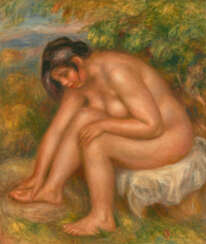

Pierre-Auguste Renoir was a French artist, celebrated as a pivotal figure in the development of the Impressionist movement. Born in Limoges, France, in 1841, Renoir's early experiences in Paris and his apprenticeship as a porcelain painter laid the foundation for his illustrious career in art. His transition to painting was marked by an early fascination with the play of light and color, which became a hallmark of his work. Renoir's paintings are renowned for their vibrant light and saturated color, often focusing on people in intimate and candid compositions. This focus on beauty and a particular affinity for capturing the sensuality of the female form distinguished his work from his contemporaries.
Renoir's contributions to Impressionism were significant, characterized by his use of bright colors and a technique that captured the movement and luminosity of the scene. His evolution as an artist saw him experimenting with a more linear and classical style, especially after his travels to Italy, where he was deeply influenced by the Renaissance masters. Despite facing personal challenges, including severe rheumatoid arthritis in his later years, Renoir's passion for painting never waned. His determination saw him adapting his painting technique to his physical limitations, ensuring that his creative output remained prolific until his death in 1919.
Among Renoir's notable works are "Bal du moulin de la Galette" (1876), "Luncheon of the Boating Party" (1880), and "Girls at the Piano" (1892). These masterpieces exemplify the essence of Impressionist art with their depiction of light, movement, and everyday life. Renoir's works are housed in prestigious museums around the world, serving as a testament to his enduring legacy in the realm of art.
For art collectors and experts, Renoir's oeuvre represents an essential segment of the Impressionist movement, offering insights into the evolution of modern art. His mastery in portraying the beauty of the moment and the depth of human emotion continues to captivate and inspire audiences worldwide.
If you are passionate about collecting or studying the works of Pierre-Auguste Renoir, we invite you to sign up for updates on new product sales and auction events related to this iconic artist. Stay informed about the opportunity to own a piece of art history and deepen your appreciation for the rich tapestry of culture and art that Renoir helped weave.
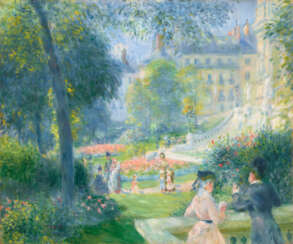

Pierre-Auguste Renoir was a French artist, celebrated as a pivotal figure in the development of the Impressionist movement. Born in Limoges, France, in 1841, Renoir's early experiences in Paris and his apprenticeship as a porcelain painter laid the foundation for his illustrious career in art. His transition to painting was marked by an early fascination with the play of light and color, which became a hallmark of his work. Renoir's paintings are renowned for their vibrant light and saturated color, often focusing on people in intimate and candid compositions. This focus on beauty and a particular affinity for capturing the sensuality of the female form distinguished his work from his contemporaries.
Renoir's contributions to Impressionism were significant, characterized by his use of bright colors and a technique that captured the movement and luminosity of the scene. His evolution as an artist saw him experimenting with a more linear and classical style, especially after his travels to Italy, where he was deeply influenced by the Renaissance masters. Despite facing personal challenges, including severe rheumatoid arthritis in his later years, Renoir's passion for painting never waned. His determination saw him adapting his painting technique to his physical limitations, ensuring that his creative output remained prolific until his death in 1919.
Among Renoir's notable works are "Bal du moulin de la Galette" (1876), "Luncheon of the Boating Party" (1880), and "Girls at the Piano" (1892). These masterpieces exemplify the essence of Impressionist art with their depiction of light, movement, and everyday life. Renoir's works are housed in prestigious museums around the world, serving as a testament to his enduring legacy in the realm of art.
For art collectors and experts, Renoir's oeuvre represents an essential segment of the Impressionist movement, offering insights into the evolution of modern art. His mastery in portraying the beauty of the moment and the depth of human emotion continues to captivate and inspire audiences worldwide.
If you are passionate about collecting or studying the works of Pierre-Auguste Renoir, we invite you to sign up for updates on new product sales and auction events related to this iconic artist. Stay informed about the opportunity to own a piece of art history and deepen your appreciation for the rich tapestry of culture and art that Renoir helped weave.










![[RELIURE « AU VERNIS MARTIN »]](/assets/image/picture_3566881/aef2e/7f7cc9c5445b4de4eac3526ab3212cf61700607600jpg__fix_374_244.jpeg)
![[RELIURE « AU VERNIS MARTIN »]](https://veryimportantlot.com/assets/image/picture_3566881/aef2e/7f7cc9c5445b4de4eac3526ab3212cf61700607600jpg__fix_374_244.jpeg)
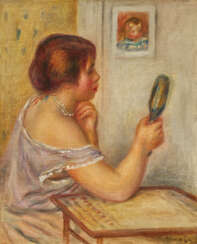

Pierre-Auguste Renoir was a French artist, celebrated as a pivotal figure in the development of the Impressionist movement. Born in Limoges, France, in 1841, Renoir's early experiences in Paris and his apprenticeship as a porcelain painter laid the foundation for his illustrious career in art. His transition to painting was marked by an early fascination with the play of light and color, which became a hallmark of his work. Renoir's paintings are renowned for their vibrant light and saturated color, often focusing on people in intimate and candid compositions. This focus on beauty and a particular affinity for capturing the sensuality of the female form distinguished his work from his contemporaries.
Renoir's contributions to Impressionism were significant, characterized by his use of bright colors and a technique that captured the movement and luminosity of the scene. His evolution as an artist saw him experimenting with a more linear and classical style, especially after his travels to Italy, where he was deeply influenced by the Renaissance masters. Despite facing personal challenges, including severe rheumatoid arthritis in his later years, Renoir's passion for painting never waned. His determination saw him adapting his painting technique to his physical limitations, ensuring that his creative output remained prolific until his death in 1919.
Among Renoir's notable works are "Bal du moulin de la Galette" (1876), "Luncheon of the Boating Party" (1880), and "Girls at the Piano" (1892). These masterpieces exemplify the essence of Impressionist art with their depiction of light, movement, and everyday life. Renoir's works are housed in prestigious museums around the world, serving as a testament to his enduring legacy in the realm of art.
For art collectors and experts, Renoir's oeuvre represents an essential segment of the Impressionist movement, offering insights into the evolution of modern art. His mastery in portraying the beauty of the moment and the depth of human emotion continues to captivate and inspire audiences worldwide.
If you are passionate about collecting or studying the works of Pierre-Auguste Renoir, we invite you to sign up for updates on new product sales and auction events related to this iconic artist. Stay informed about the opportunity to own a piece of art history and deepen your appreciation for the rich tapestry of culture and art that Renoir helped weave.
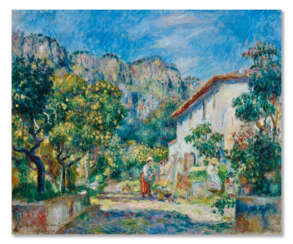

Pierre-Auguste Renoir was a French artist, celebrated as a pivotal figure in the development of the Impressionist movement. Born in Limoges, France, in 1841, Renoir's early experiences in Paris and his apprenticeship as a porcelain painter laid the foundation for his illustrious career in art. His transition to painting was marked by an early fascination with the play of light and color, which became a hallmark of his work. Renoir's paintings are renowned for their vibrant light and saturated color, often focusing on people in intimate and candid compositions. This focus on beauty and a particular affinity for capturing the sensuality of the female form distinguished his work from his contemporaries.
Renoir's contributions to Impressionism were significant, characterized by his use of bright colors and a technique that captured the movement and luminosity of the scene. His evolution as an artist saw him experimenting with a more linear and classical style, especially after his travels to Italy, where he was deeply influenced by the Renaissance masters. Despite facing personal challenges, including severe rheumatoid arthritis in his later years, Renoir's passion for painting never waned. His determination saw him adapting his painting technique to his physical limitations, ensuring that his creative output remained prolific until his death in 1919.
Among Renoir's notable works are "Bal du moulin de la Galette" (1876), "Luncheon of the Boating Party" (1880), and "Girls at the Piano" (1892). These masterpieces exemplify the essence of Impressionist art with their depiction of light, movement, and everyday life. Renoir's works are housed in prestigious museums around the world, serving as a testament to his enduring legacy in the realm of art.
For art collectors and experts, Renoir's oeuvre represents an essential segment of the Impressionist movement, offering insights into the evolution of modern art. His mastery in portraying the beauty of the moment and the depth of human emotion continues to captivate and inspire audiences worldwide.
If you are passionate about collecting or studying the works of Pierre-Auguste Renoir, we invite you to sign up for updates on new product sales and auction events related to this iconic artist. Stay informed about the opportunity to own a piece of art history and deepen your appreciation for the rich tapestry of culture and art that Renoir helped weave.
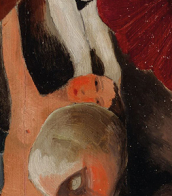
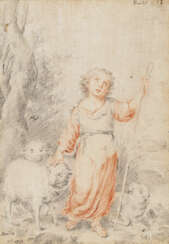

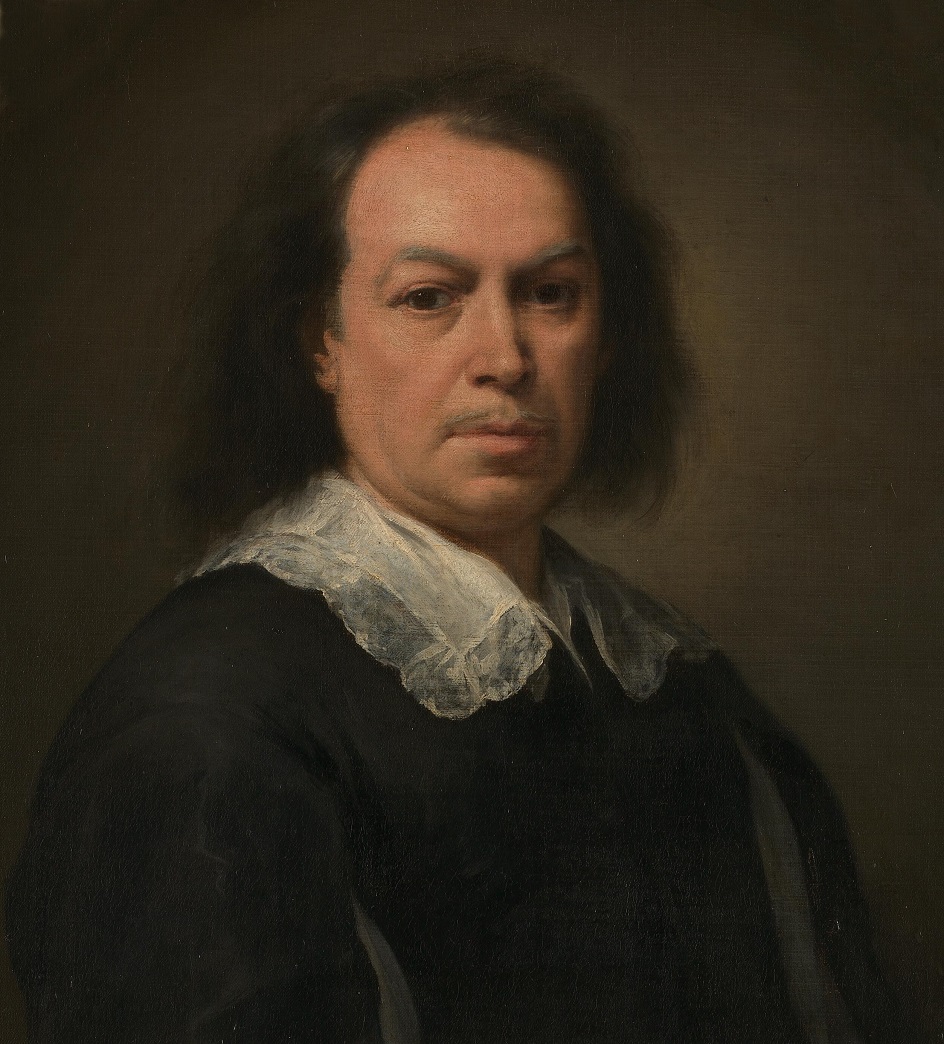
Bartolomé Esteban Murillo was a Spanish painter, renowned for his contributions to the world of art and culture. Born in Seville, Spain, in the 17th century, Murillo specialized in religious and genre painting, leaving a lasting impact on the art world.
Murillo is known for his remarkable ability to infuse his paintings with deep emotion and realism. His works often depicted scenes from everyday life, as well as religious subjects. One of his notable specialties was his exceptional skill in capturing the innocence of children in his artwork. His use of soft colors and delicate brushwork gave his paintings a unique and timeless quality.
One of Murillo's most famous works is the series of paintings known as the "Immaculate Conception." These paintings, which depict the Virgin Mary as a young girl, have been praised for their beauty and devotion. Many of his works are housed in museums and galleries around the world, attracting art enthusiasts and collectors.
For collectors and art experts, Murillo's works hold a special place in the art world, with their ability to evoke powerful emotions and capture the essence of the human experience. To stay updated on the latest news and events related to Bartolomé Esteban Murillo's paintings and exhibitions, consider subscribing to our newsletter. We'll keep you informed about new product sales and auction events featuring this exceptional artist's works. Join us in celebrating the legacy of Bartolomé Esteban Murillo and his invaluable contributions to the world of art.
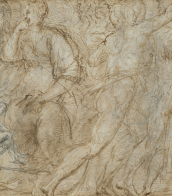
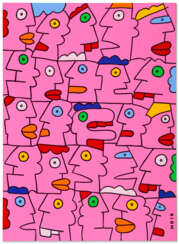

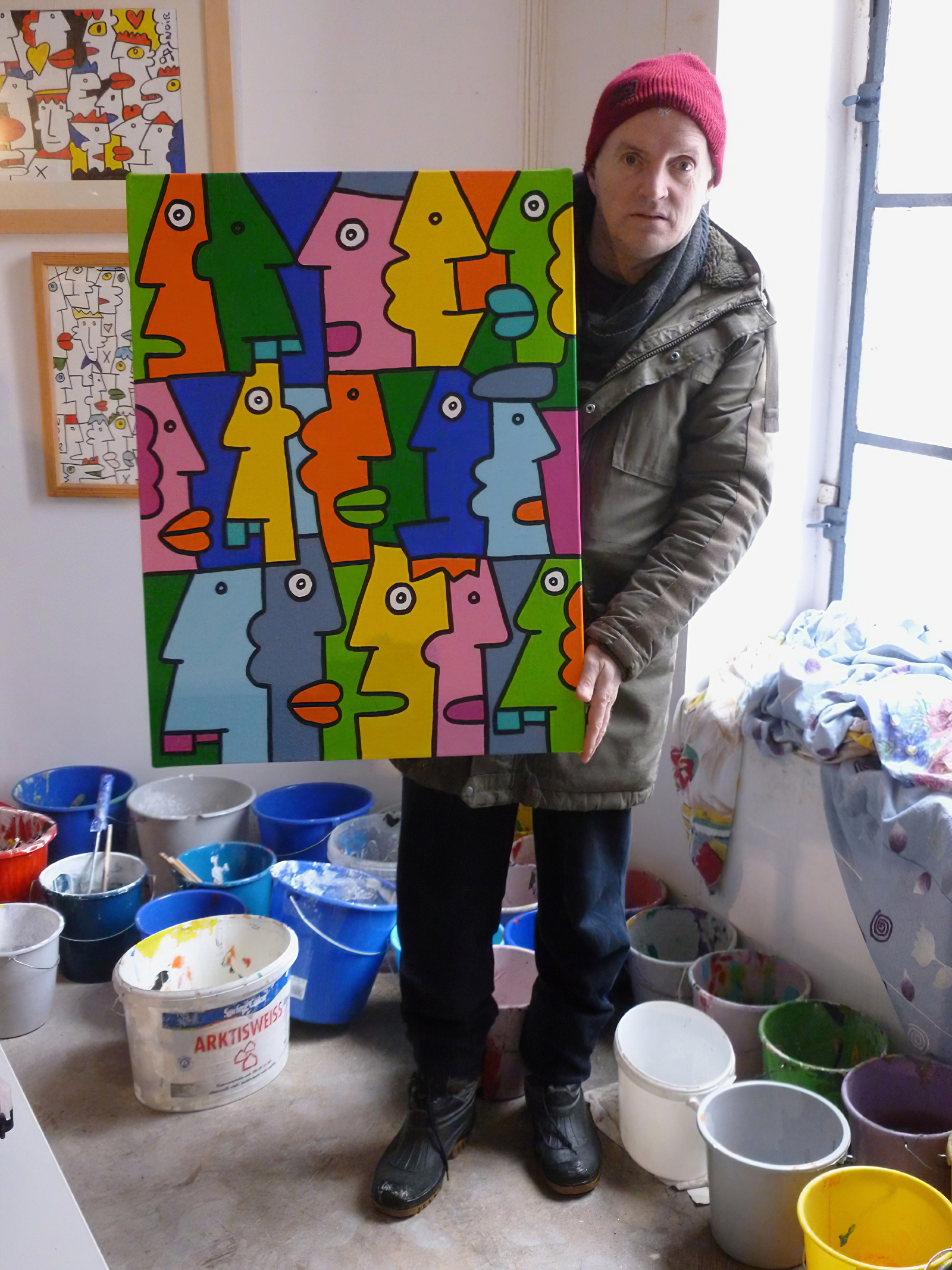
Thierry Noir is a French artist and muralist based in Berlin. He is considered the first artist to paint the Berlin Wall in the 1980s. He created brightly-colored paintings across large spans of the Berlin Wall and some of these original paintings can still be seen on surviving segments of the Wall in art collections and on the East Side Gallery. Noir's work and style are now considered iconic, and Noir is also regarded as one of the forerunners of the street art movement as a whole. He continues to create murals worldwide in cities including London, Los Angeles, and Sydney.
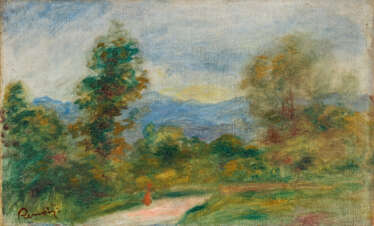

Pierre-Auguste Renoir was a French artist, celebrated as a pivotal figure in the development of the Impressionist movement. Born in Limoges, France, in 1841, Renoir's early experiences in Paris and his apprenticeship as a porcelain painter laid the foundation for his illustrious career in art. His transition to painting was marked by an early fascination with the play of light and color, which became a hallmark of his work. Renoir's paintings are renowned for their vibrant light and saturated color, often focusing on people in intimate and candid compositions. This focus on beauty and a particular affinity for capturing the sensuality of the female form distinguished his work from his contemporaries.
Renoir's contributions to Impressionism were significant, characterized by his use of bright colors and a technique that captured the movement and luminosity of the scene. His evolution as an artist saw him experimenting with a more linear and classical style, especially after his travels to Italy, where he was deeply influenced by the Renaissance masters. Despite facing personal challenges, including severe rheumatoid arthritis in his later years, Renoir's passion for painting never waned. His determination saw him adapting his painting technique to his physical limitations, ensuring that his creative output remained prolific until his death in 1919.
Among Renoir's notable works are "Bal du moulin de la Galette" (1876), "Luncheon of the Boating Party" (1880), and "Girls at the Piano" (1892). These masterpieces exemplify the essence of Impressionist art with their depiction of light, movement, and everyday life. Renoir's works are housed in prestigious museums around the world, serving as a testament to his enduring legacy in the realm of art.
For art collectors and experts, Renoir's oeuvre represents an essential segment of the Impressionist movement, offering insights into the evolution of modern art. His mastery in portraying the beauty of the moment and the depth of human emotion continues to captivate and inspire audiences worldwide.
If you are passionate about collecting or studying the works of Pierre-Auguste Renoir, we invite you to sign up for updates on new product sales and auction events related to this iconic artist. Stay informed about the opportunity to own a piece of art history and deepen your appreciation for the rich tapestry of culture and art that Renoir helped weave.
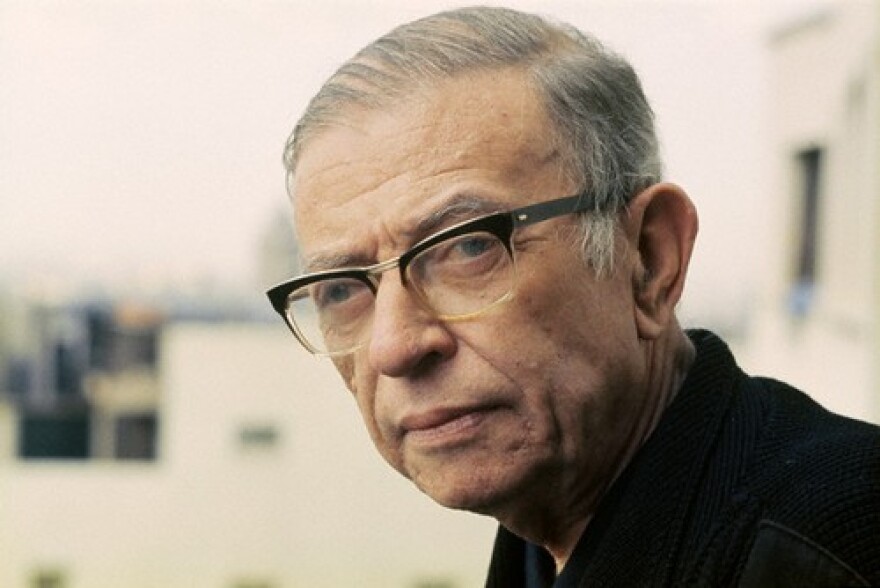
![[CAMUS, Albert (1913-1960)] SARTRE, Jean-Paul (1905-1980).](/assets/image/picture_2501455/342ea/b20cd319990dd0235ee6974c2d87ddb81667984400jpg__fix_374_244.jpeg)
![[CAMUS, Albert (1913-1960)] SARTRE, Jean-Paul (1905-1980).](https://veryimportantlot.com/assets/image/picture_2501455/342ea/b20cd319990dd0235ee6974c2d87ddb81667984400jpg__fix_374_244.jpeg)

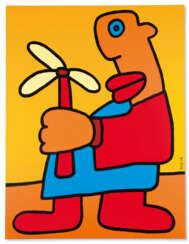

Thierry Noir is a French artist and muralist based in Berlin. He is considered the first artist to paint the Berlin Wall in the 1980s. He created brightly-colored paintings across large spans of the Berlin Wall and some of these original paintings can still be seen on surviving segments of the Wall in art collections and on the East Side Gallery. Noir's work and style are now considered iconic, and Noir is also regarded as one of the forerunners of the street art movement as a whole. He continues to create murals worldwide in cities including London, Los Angeles, and Sydney.