artist's








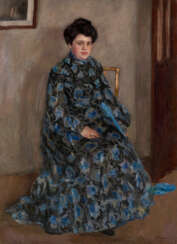

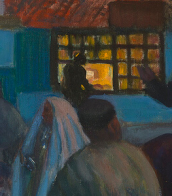


Ivan Pavlovich Pokhitonov (Russian: Иван Павлович Похитонов) was a Russian artist of the late 19th and early 20th centuries. He is known as a painter and graphic artist, a master of landscape, who lived and worked in Europe for much of his career.
Ivan Pokhitonov created mainly miniature landscapes, made with a small brush on planks of red or lemon wood, treated and primed with a special technology. He worked mostly in plein air. The most common motif of his miniature paintings during the years of emigration were city and seascapes of France. In his works, always built on a combination of the finest shades of color, the artist organically combined the techniques of Barbizon, of which he was a fan, and the traditions of the Russian landscape school. He also turned to the genre of still life and portraiture.
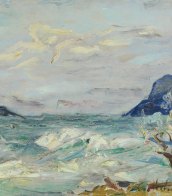


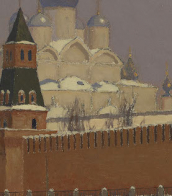
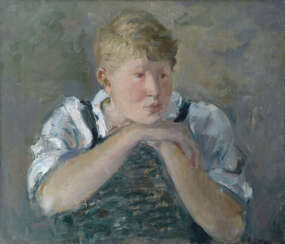





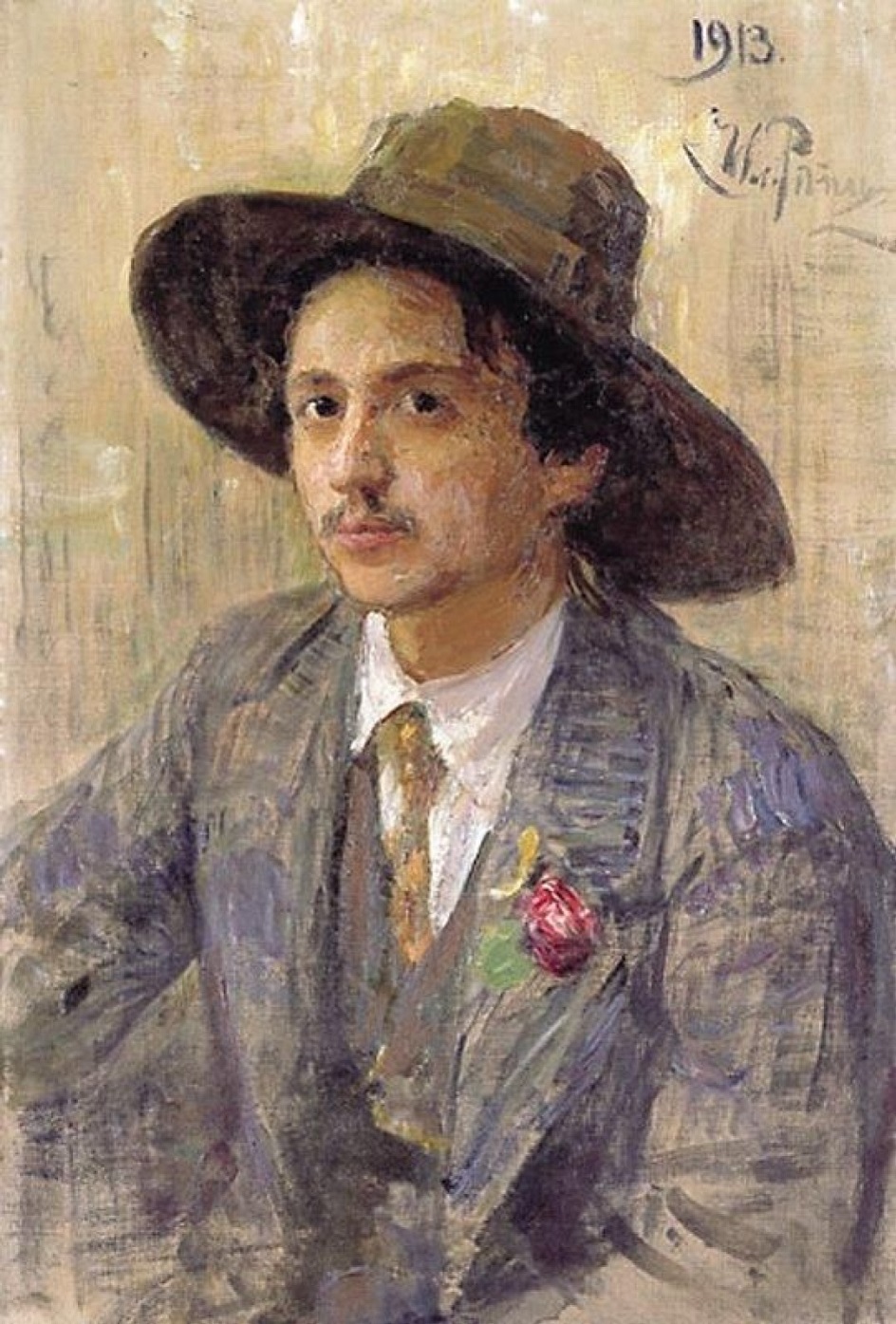
Isaak Israelievich Brodsky (Russian: Исаак Израилевич Бродский), a distinguished Russian artist, was renowned for his contributions to painting and teaching. Born in Sofievka, Russian Empire, Brodsky's artistic journey led him to become a pivotal figure in the Soviet art scene, primarily recognized for his realistic portraits and social realist works. His dedication to capturing the essence of his subjects, combined with a unique sensitivity to color and form, allowed his art to transcend mere representation, offering insights into the culture and political climate of his time.
Throughout his career, Brodsky was closely associated with significant cultural and political developments in Soviet Russia, becoming an official artist of the Soviet regime. His works, such as the iconic portraits of Lenin and other political figures, not only exemplify his skill but also serve as historical documents, offering a glimpse into the era's social fabric. His commitment to realism and the portrayal of Soviet ideals earned him a prominent place in the art world, influencing generations of artists through his role as a teacher and mentor at the Repin Institute of Arts.
Brodsky's legacy is preserved in numerous museums and galleries, with his masterpieces forming an integral part of Russia's cultural heritage. His ability to intertwine art with historical narrative has made his work a subject of study for art collectors and experts alike. For those intrigued by the depth and historical significance of Soviet art, Brodsky's oeuvre offers a fascinating exploration into the power of visual storytelling.
For collectors and experts keen on delving deeper into the rich tapestry of Russian art, staying informed about Isaac Israelievich Brodsky's work is essential. Signing up for updates ensures exclusive access to news on product sales and auction events dedicated to Brodsky's art, providing a unique opportunity to engage with the history and culture he so vividly depicted. Join us in celebrating the legacy of a true maestro of painting, whose works continue to inspire and captivate audiences worldwide.
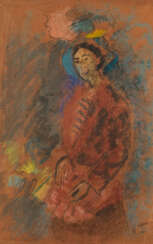


Robert Rafailovich Falk (Russian: Роберт Рафаилович Фальк) was a prominent Russian and Soviet avant-garde painter, born in Moscow in 1886. He is celebrated for his innovative contributions to the Jack of Diamonds group, emphasizing expressive volume and angular, saturated color spots in his works. Falk's artistic journey began at the Moscow School of Painting, Sculpture and Architecture, where he studied under notable artists like Konstantin Korovin and Valentin Serov, and further honed his skills in the studios of Konstantin Yuon and Ilya Mashkov.
Falk's style evolved significantly over his career, initially influenced by Paul Cézanne's approach to painting, which emphasized the sculptural form through the layering of paint. His early works are characterized by bright, contrasting colors and expressive contours, capturing physical and tangible elements in landscapes and still lifes. Falk's unique approach also involved a significant degree of form deformation to enhance emotional expressiveness, a technique that set his work apart from his contemporaries.
After spending a decade in Paris from 1928 to 1938, Falk's work underwent a transformation, favoring more subtle and holistic representations. This period was marked by a focus on the rich, musical qualities of color and light, which he applied to both landscapes and portraits. Upon his return to Moscow, Falk found himself increasingly isolated within the Soviet art scene, yet he continued to produce work that resonated with emotional depth and complexity until his death in 1958.
Falk's legacy includes numerous paintings housed in the New Tretyakov Art Museum in Moscow, demonstrating his lasting influence on both Russian and French modern art traditions. Collectors and art enthusiasts are invited to explore the nuanced and evocative works of Robert Rafailovich Falk, a bridge between early 20th-century modernism and the avant-garde movements that followed. Sign up for updates on new product sales and auction events related to Falk to deepen your appreciation and understanding of this pioneering artist's contributions.
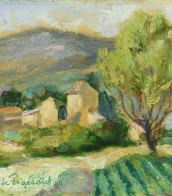
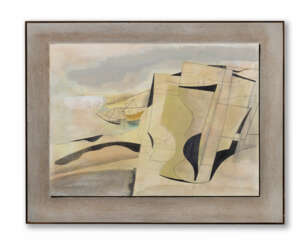

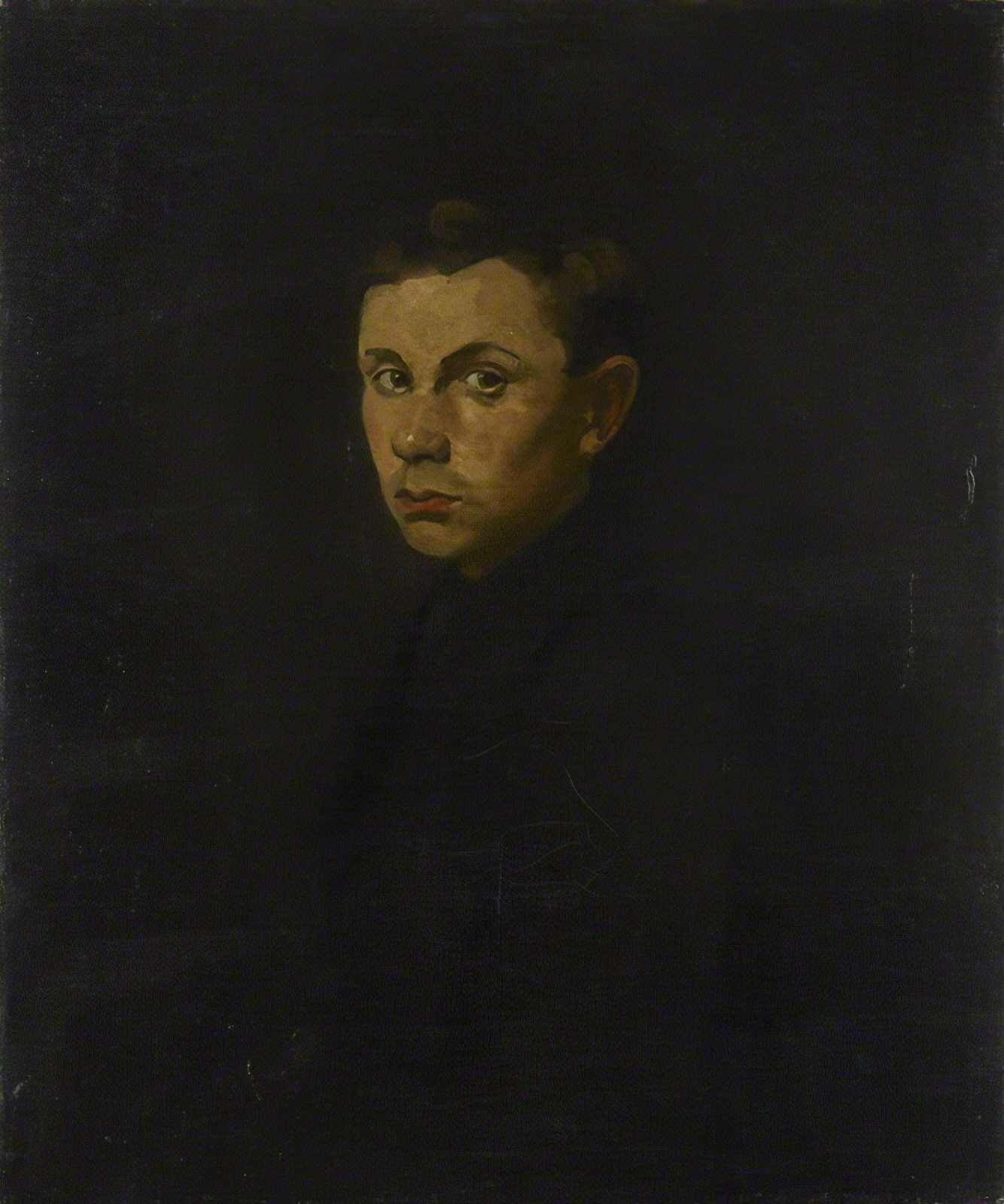
Ben Nicholson, an English artist, is celebrated for his significant contributions to abstract art. Born into an artistic family, Nicholson's work evolved from figurative art to embrace and lead in the development of abstract art in Britain. His early career was marked by experimentation with Cubism and interaction with influential artists like Barbara Hepworth, Henry Moore, Piet Mondrian, and Pablo Picasso, which profoundly shaped his artistic direction.
Nicholson's art is notable for its sensitive balance of tone and texture, employing dynamic and rhythmic lines that abstractly reference architectural forms and societal structures. His technique involved meticulous carving, painting, and the innovative use of color, especially in his later works where he explored the interplay of light and form to create poetic, abstract landscapes. His contributions were not just confined to his own practice; through collaborative projects and influential writings, he played a pivotal role in the discourse of modernist art, advocating for abstract art's broader appreciation.
Noteworthy pieces of Nicholson's work, including "March 1963 (Archimedes)" and "June 1961 (green goblet and blue square)," among others, are housed in prestigious collections like the Tate Gallery, Tate St Ives, Kettle's Yard Art Gallery in Cambridge, The Hepworth Wakefield, Pallant House Gallery in Chichester, and the Pier Arts Centre in Stromness, Orkney.
Nicholson's legacy as a pioneer of abstract art in the UK is secured through his innovative approaches and influential partnerships, which have left an indelible mark on the landscape of 20th-century art. His work continues to inspire and resonate, reflecting a deep understanding of the abstract's power to express the complexities of human experience and the natural world.
For collectors and experts in art and antiques interested in the pivotal movements of 20th-century art, Ben Nicholson's oeuvre offers a rich field of study and appreciation. To stay updated on new product sales and auction events related to Ben Nicholson's work, signing up for updates is a step towards deepening your understanding and appreciation of this key figure in modernist art.


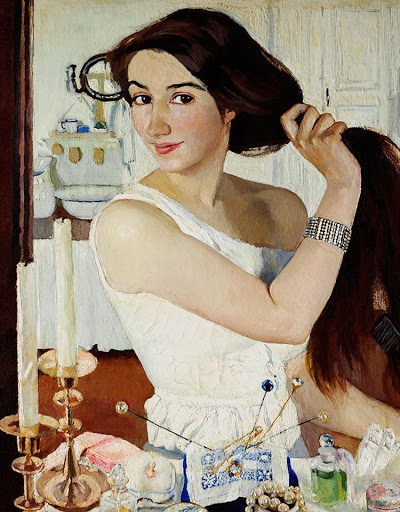
Zinaida Yevgenyevna Serebriakova (Russian: Зинаида Евгеньевна Серебрякова) was a Russian painter known for her lifelike portraits and depictions of rural life, which resonate with warmth and a profound sense of humanity. Born into the distinguished Benois family in 1884, her early life was immersed in art, guided by notable figures like her grandfather, Alexandre Benois, and influenced by her study trips to Italy and under the mentorship of Ilya Repin and Osip Braz. Her marriage to Boris Serebriakov further enriched her artistic environment, enabling her to produce works that captured the simple joys and the intrinsic beauty of her surroundings.
Serebriakova's art gained significant attention with her self-portrait "At the Dressing-Table" (1909) and continued with notable works like "Peasants" (1914–1915) and "Bleaching Cloth" (1917), highlighting her exceptional skill in portraying the Russian countryside and its inhabitants with a blend of grandeur and intimacy. Her ability to imbue her canvases with the spirit of her subjects, whether through the dignified depictions of peasant life or the intimate portrayals of her family, set her apart in the Russian art scene of the early 20th century.
The October Revolution of 1917 marked a turning point in Serebriakova's life, leading to personal tragedies and a shift in her artistic medium due to financial constraints. Despite these challenges, her resilience and dedication to art remained steadfast, evident in her works from this period that include poignant family portraits and explorations of new subjects in the realm of theatre and ballet.
In 1924, Serebriakova moved to Paris, where her art evolved through influences from travels, notably her trips to Morocco, capturing the vibrancy of landscapes and local cultures. Yet, the essence of her work—characterized by a celebration of beauty and life—remained consistent throughout her career. Although separated from her homeland for many years, the recognition of her art in the Soviet Union before her death in 1967 affirmed her lasting impact on Russian and French art.
Zinaida Serebriakova's legacy is a testament to her indomitable spirit and artistic prowess, making her one of the most cherished painters of her time. Her works continue to be celebrated for their technical brilliance, emotional depth, and the unique perspective she offered on the beauty of everyday life.
For collectors and experts in art and antiques, Serebriakova's works offer a window into the soul of early 20th-century Russia and France, embodying the universal themes of family, work, and the natural world with unparalleled sensitivity and grace. To stay updated on sales and auction events featuring Zinaida Yevgenyevna Serebriakova's works, signing up for updates is a step toward owning a piece of this exceptional artistic legacy.




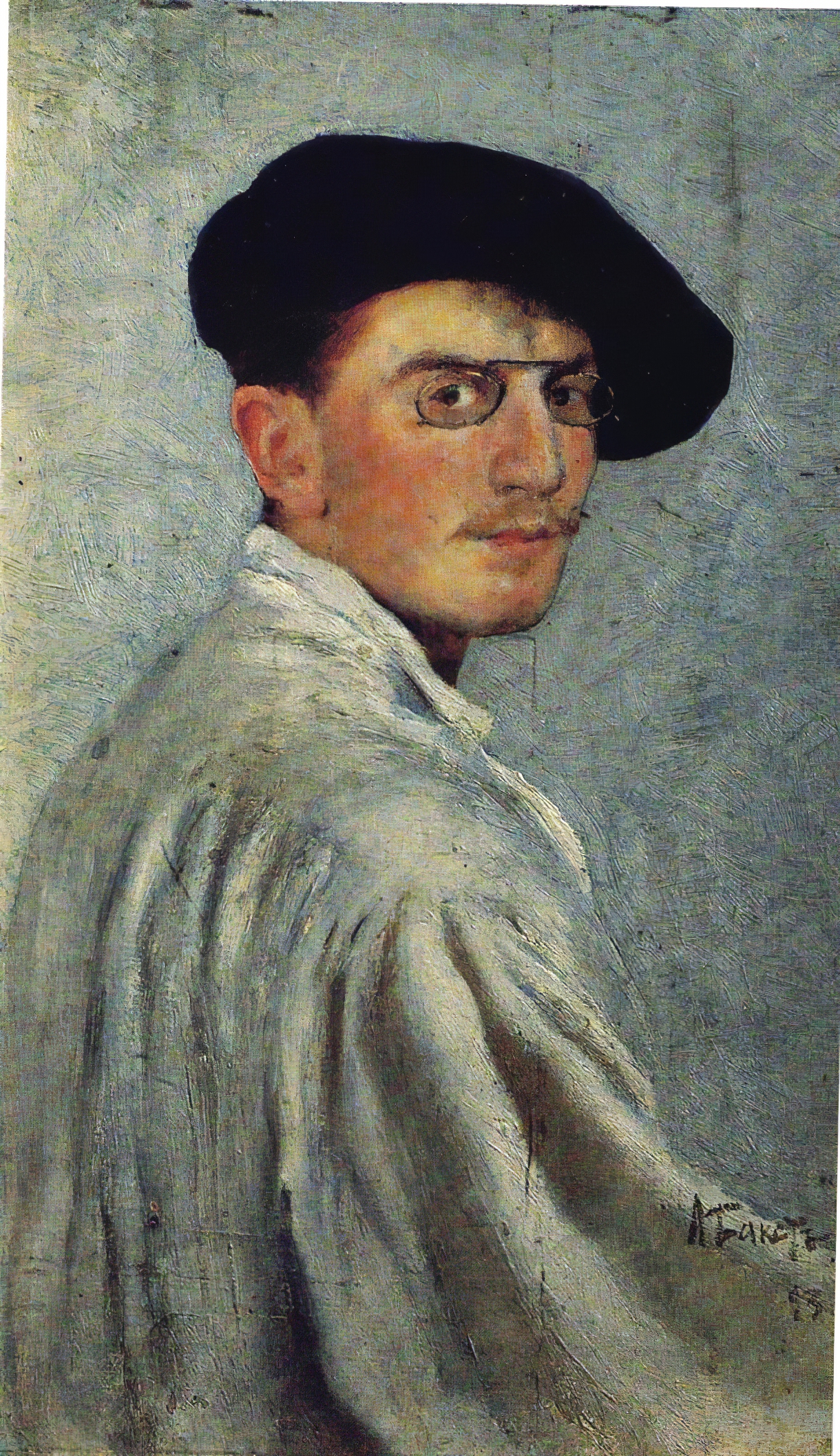
Leon Bakst (Russian: Лев Самойлович Бакст) was a prominent Russian painter and stage designer, celebrated for his innovative contributions to the world of art and theater. Born in the late 19th century, Bakst became a central figure in the cultural renaissance that swept through Russia and Europe, leaving an indelible mark on the visual and performing arts.
Bakst's work is distinguished by its rich use of color, intricate patterns, and imaginative compositions, which brought to life the exotic and often fantastical themes of the ballets and operas for which he designed. His association with the Ballets Russes, a groundbreaking ballet company that performed across Europe and America, solidified his reputation as a visionary artist. The costumes and sets he created for productions like "The Firebird" and "Scheherazade" were celebrated for their creativity and exoticism, influencing not only the world of theater but also fashion and interior design.
His art extends beyond the stage, with paintings and illustrations that capture the same vibrancy and innovation found in his theatrical work. Museums and galleries around the world, including the State Russian Museum in St. Petersburg and the Metropolitan Museum of Art in New York, house his works, allowing art lovers to experience the magic of Bakst's creations.
For collectors and experts in art and antiques, Leon Bakst's work offers a unique glimpse into a transformative period of cultural history, where the boundaries of art and performance were reimagined. His legacy continues to inspire and captivate, making his pieces highly sought after in the art world.
We invite enthusiasts and collectors to sign up for updates on new product sales and auction events related to Leon Bakst. This subscription ensures you remain informed about opportunities to acquire pieces connected to this extraordinary artist's legacy, without any overbearing commitments. Join us in celebrating the enduring impact of Leon Bakst's art and design.

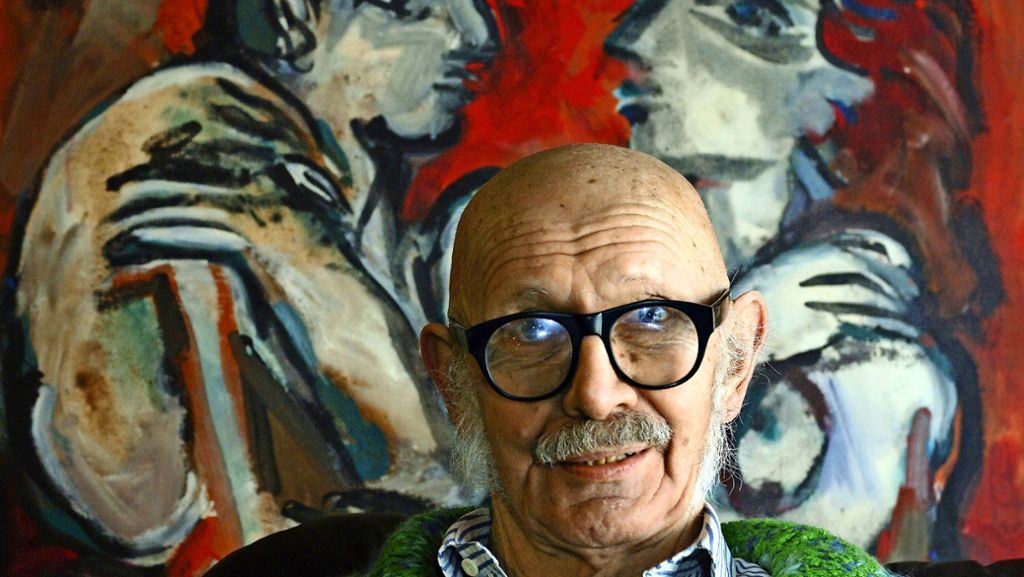
Adam Lude Döring is a German post-war and contemporary abstractionist and graphic artist.


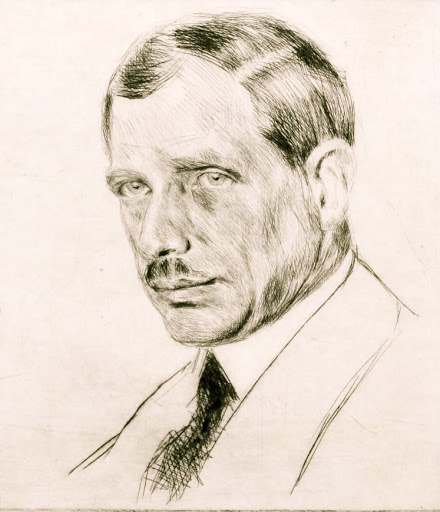
Max Clarenbach was a German painter of the first half of the twentieth century. He is known as a painter, landscape painter, genre painter and teacher and is considered one of the most important representatives of Rhenish painting of his time.
Max Clarenbach made study trips to Italy and Holland early in his career, where he formed his genre preferences and became a landscape painter. His work reflected the influence of the Hague School and the French Barbizonians. The artist skillfully depicted winter scenes and the nature of western Germany. He also painted sports and street scenes.
Clarenbach was one of the organizers of the Düsseldorf Sonderbund and taught at the Düsseldorf Academy of Art.
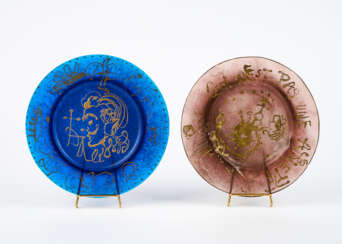

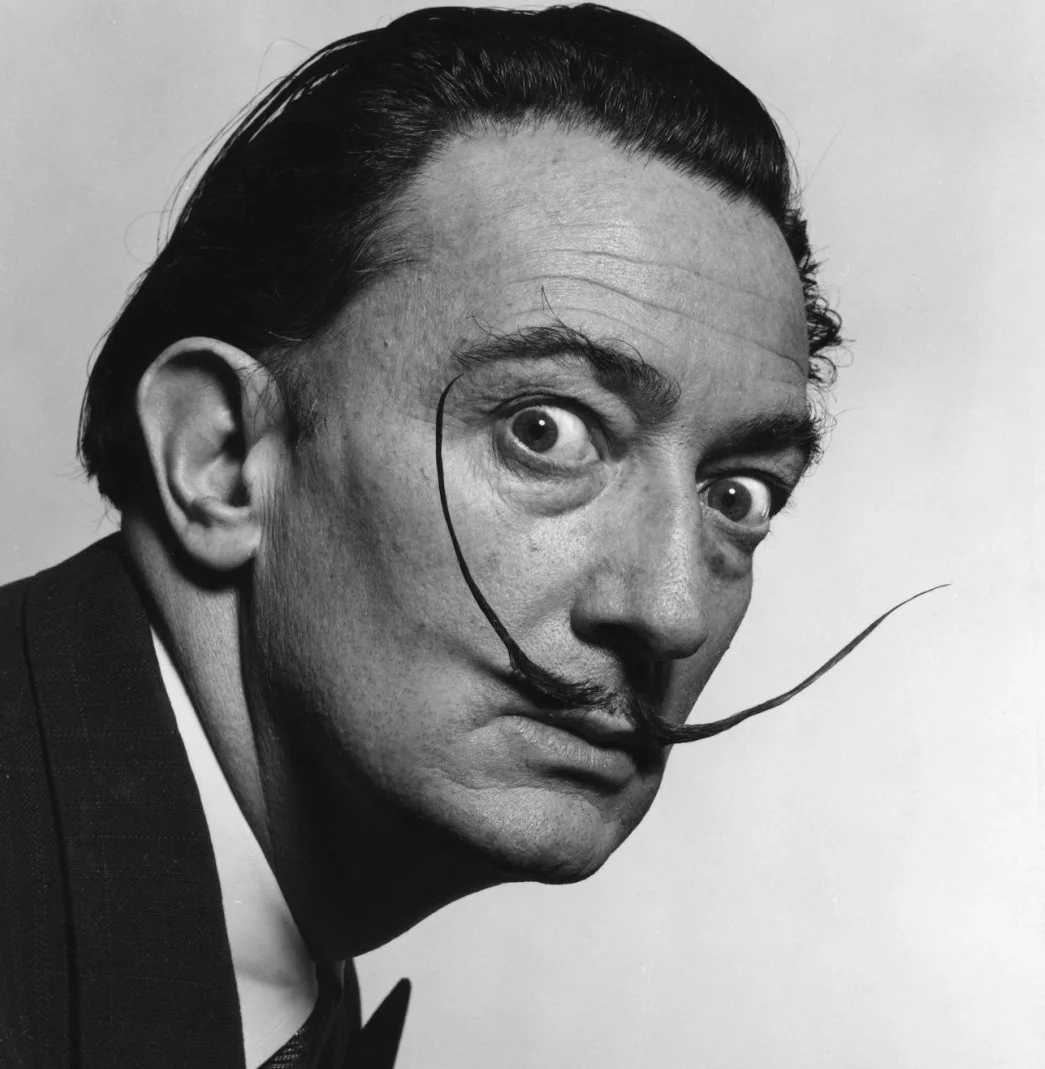
Salvador Dalí, a Spanish Surrealist painter and printmaker, is celebrated for his vivid and imaginative works that delve into subconscious imagery. Born on May 11, 1904, in Figueres, Catalonia, Spain, Dalí's early exposure to Impressionism and Renaissance masters significantly influenced his artistic development. His education in fine arts in Madrid further shaped his style, leading him to experiment with Cubism and avant-garde movements. In the late 1920s, Dalí embraced Surrealism, joining the Surrealist group in 1929 and rapidly becoming one of its most prominent figures.
Dalí's most famous work, "The Persistence of Memory," completed in 1931, epitomizes the Surrealist movement with its iconic melting clocks symbolizing the fluidity of time. His artistic repertoire was diverse, including painting, graphic arts, film, sculpture, design, and photography, often incorporating themes of dreams, the subconscious, sexuality, religion, and science. Despite his remarkable artistic contributions, Dalí's eccentric and flamboyant public persona often overshadowed his work. He faced criticism for his public support of the Francoist regime and the authenticity of some of his late works.
Dalí's legacy is preserved in major museums, notably the Dalí Theatre-Museum in Figueres and the Salvador Dalí Museum in St. Petersburg, Florida. These institutions showcase his extensive and varied body of work, illustrating his profound impact on Surrealism, pop art, and contemporary artists.
If you're captivated by the surreal world of Salvador Dalí and want to stay informed about new sales and auction events featuring his works, sign up for our updates. Our service is tailored specifically for art collectors and experts, providing timely information and insights into the vibrant market of Dalí's art. Remember, this subscription is focused solely on bringing you the latest in product sales and auction events related to Salvador Dalí. Don't miss out on the opportunity to enrich your collection with pieces from one of the most influential surrealists of all time. Sign up now and be the first to know about these exclusive events.

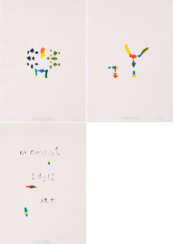

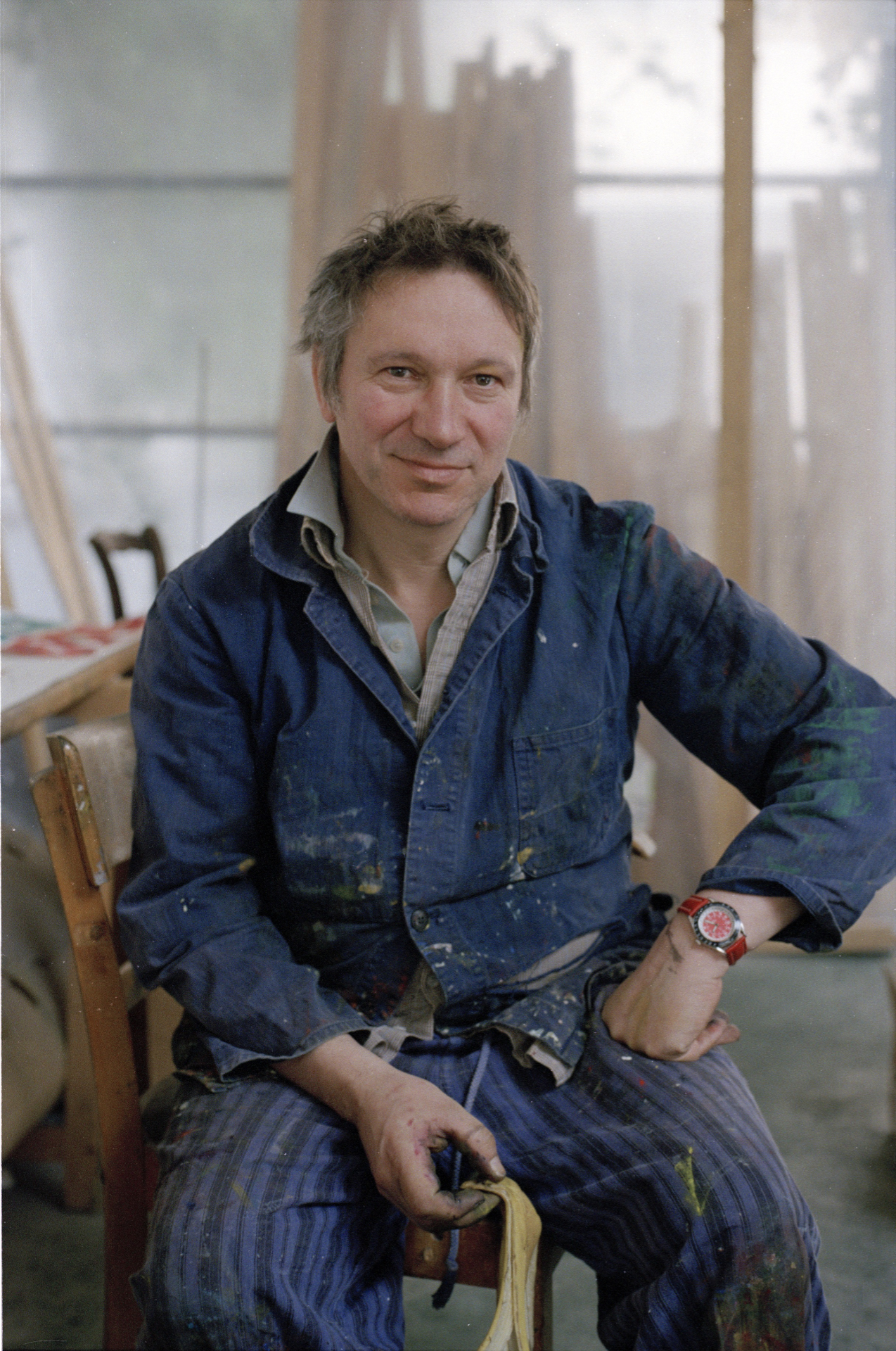
Norbert Prangenberg was an abstract painter, sculptor, and engraver. Though he had no formal training and did not fully engage with art until his 30s, Prangenberg did finally come up with a style that was uniquely his own, not fitting comfortably into the neo-expressionist or neo-geo movements of his time, in the 1970s and 1980s. At this time, he was considered a major figure in contemporary German art. Though he got his start with abstract paintings, he also became known for making sculptures of all sizes; and while his work initially appears abstract, the titles given sometimes allude to the human body or a landscape. As a trained gold- and silversmith, as well as a glassblower, he always showed an attention to materials and how they could be physically engaged with. He was interested in how his own two hands could affect the painting or sculpture's surface. Traces of the artist's hand appear literally throughout his entire oeuvre, before he lost the battle with liver cancer in 2012.
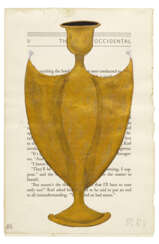

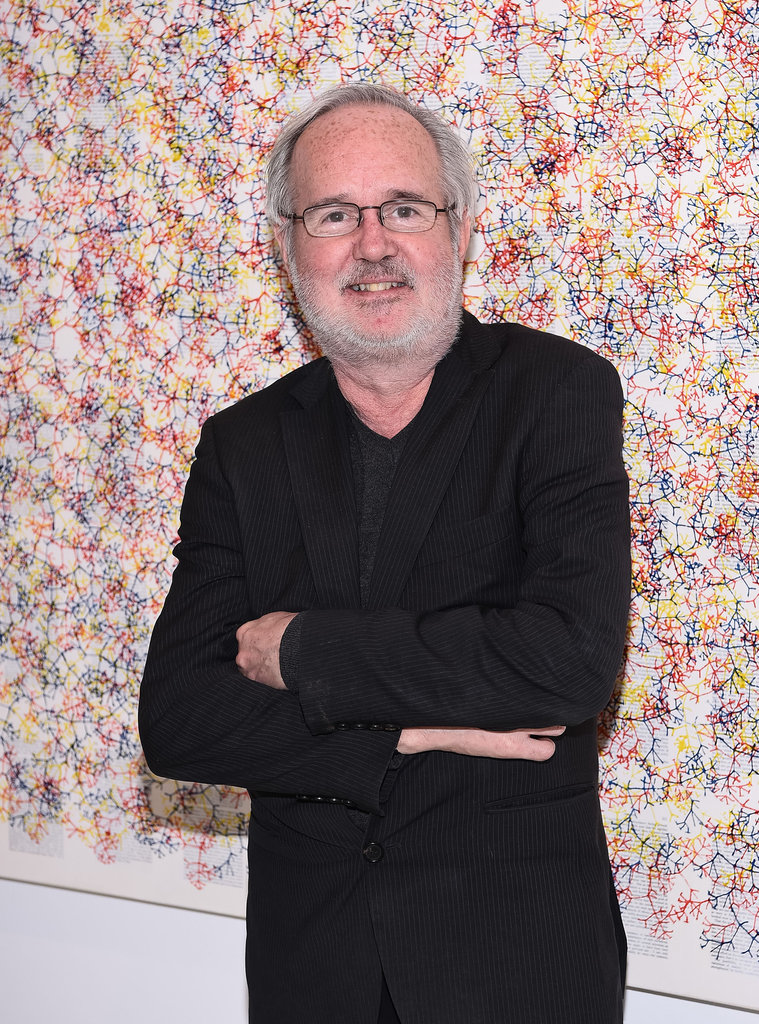
Tim Rollins was an American artist who together with the art collaborative K.O.S. formed the art-group Tim Rollins and K.O.S (Kids of Survival).
Since the founding of the Art & Knowledge Workshop in 1982, Tim Rollins & K.O.S. have produced allegorical paintings, sculptures and drawings by mining the vast wealth of printed matter - from the popular to the arcane, from the minor to the canonical, from legal documents to comic books (areas in no way mutually exclusive in Rollins & K.O.S.'s view) - which are themselves understood as political allegories.
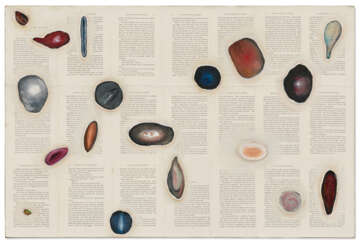

Tim Rollins was an American artist who together with the art collaborative K.O.S. formed the art-group Tim Rollins and K.O.S (Kids of Survival).
Since the founding of the Art & Knowledge Workshop in 1982, Tim Rollins & K.O.S. have produced allegorical paintings, sculptures and drawings by mining the vast wealth of printed matter - from the popular to the arcane, from the minor to the canonical, from legal documents to comic books (areas in no way mutually exclusive in Rollins & K.O.S.'s view) - which are themselves understood as political allegories.





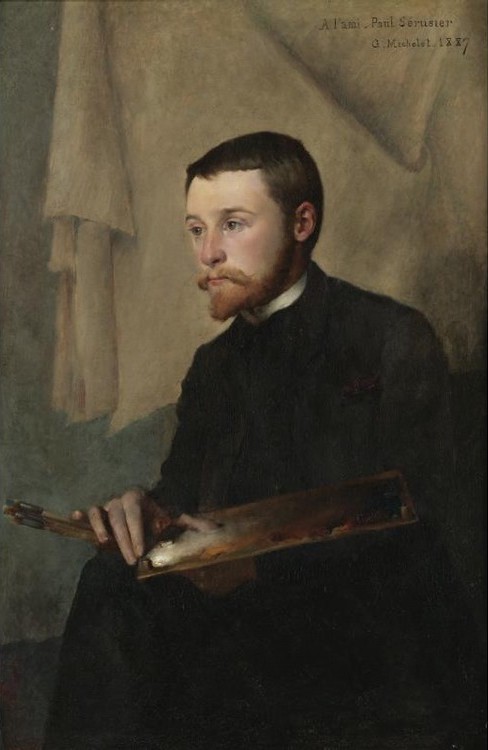
Paul Sérusier was a French Post-Impressionist painter and theorist, notable for his significant contributions to the art movement known as the Nabis. Born in Paris on November 9, 1864, Sérusier's work is characterized by its expressive use of color and pattern, inspired by the techniques of Paul Gauguin. He is best known for his exploration of color, sensation, and abstraction, particularly evident in works like "Le Talisman, the Aven River at the Bois d'Amour" (1888). This painting marks a departure from the Impressionists' more faithful representation of observed reality, focusing instead on translating sensations onto the canvas with vibrant brushstrokes and an emphasis on emotional expression over visual accuracy.
Sérusier's paintings often feature the landscapes and people of Brittany, notable for their contemplative mood achieved through firm contours and blocks of unmodulated color. His style evolved under the influence of Synthetism and Cloisonnism, favoring flattened forms and large swathes of color, as seen in "Farmhouse at le Pouldu" (1890). This approach reflects a decorative organization of objects, emphasizing the craft and execution of the scene.
Some of Sérusier's notable works are housed in prestigious museums such as the Musée d'Orsay in Paris, including "Portrait of Paul Ranson in Nabi Costume" (1890) and "Landscape" (1912). His legacy extends beyond his own artworks; he was a key figure in the formation of the Nabis movement, and his theoretical contributions have had a lasting impact on the art world.
For collectors and experts in art and antiques, Sérusier's work represents a unique blend of post-impressionist and symbolist styles, making his pieces highly valued both for their historical significance and their aesthetic appeal. To stay updated on new product sales and auction events related to Paul Sérusier, sign up for our updates. This subscription service is exclusively focused on providing information related to Sérusier's work, ensuring you remain informed about opportunities to acquire pieces by this influential artist.


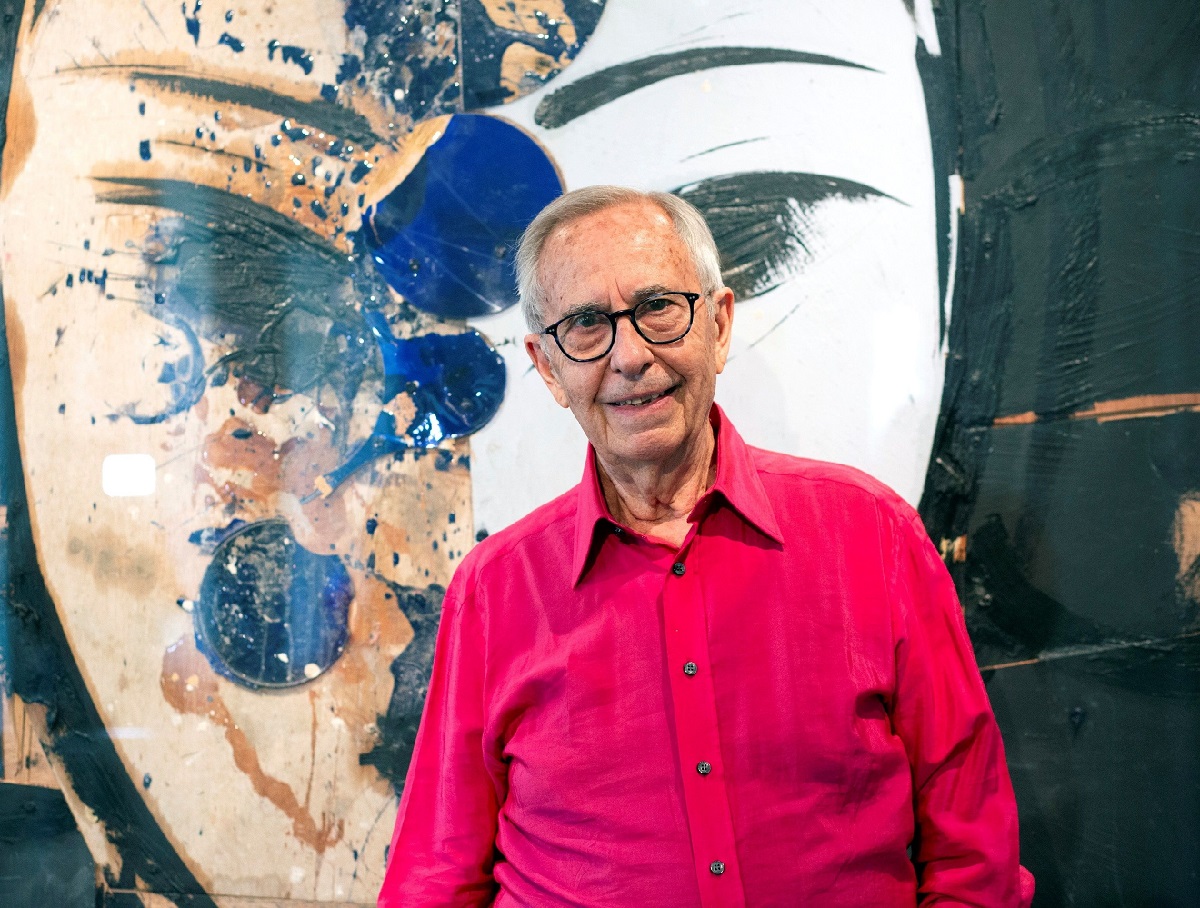
Manolo Valdés is a Spanish painter and sculptor who co-founded the influential Spanish pop art movement Equipo Cronica in 1964 with Rafael Solbes and Juan Antonio Toledo during the Franco dictatorship. Manolo Valdés uses art as a channel of expression. With humour and irony he depicts the political and social obligations of the state.
His large-scale paintings, sculptures and combined works are an open dialogue with reference to the masters of art history.
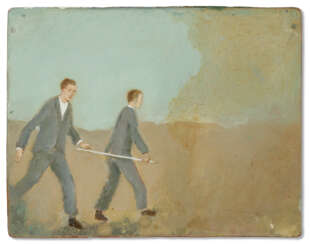


Francis Alÿs is a Belgian-born, Mexico-based artist.
His work emerges in the interdisciplinary space of art, architecture, and social practice. In 1986, Alÿs left behind his profession as an architect and relocated to Mexico City.
He has created a diverse body of artwork and performance art that explores urban tensions and geopolitics. Employing a broad range of media, from painting to performance, his works examine the tension between politics and poetics, individual action and impotence.
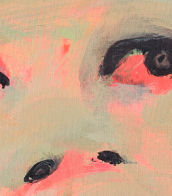
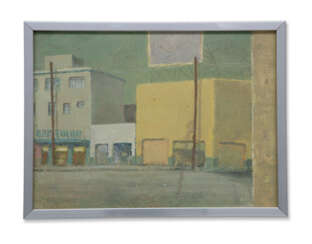

Francis Alÿs is a Belgian-born, Mexico-based artist.
His work emerges in the interdisciplinary space of art, architecture, and social practice. In 1986, Alÿs left behind his profession as an architect and relocated to Mexico City.
He has created a diverse body of artwork and performance art that explores urban tensions and geopolitics. Employing a broad range of media, from painting to performance, his works examine the tension between politics and poetics, individual action and impotence.


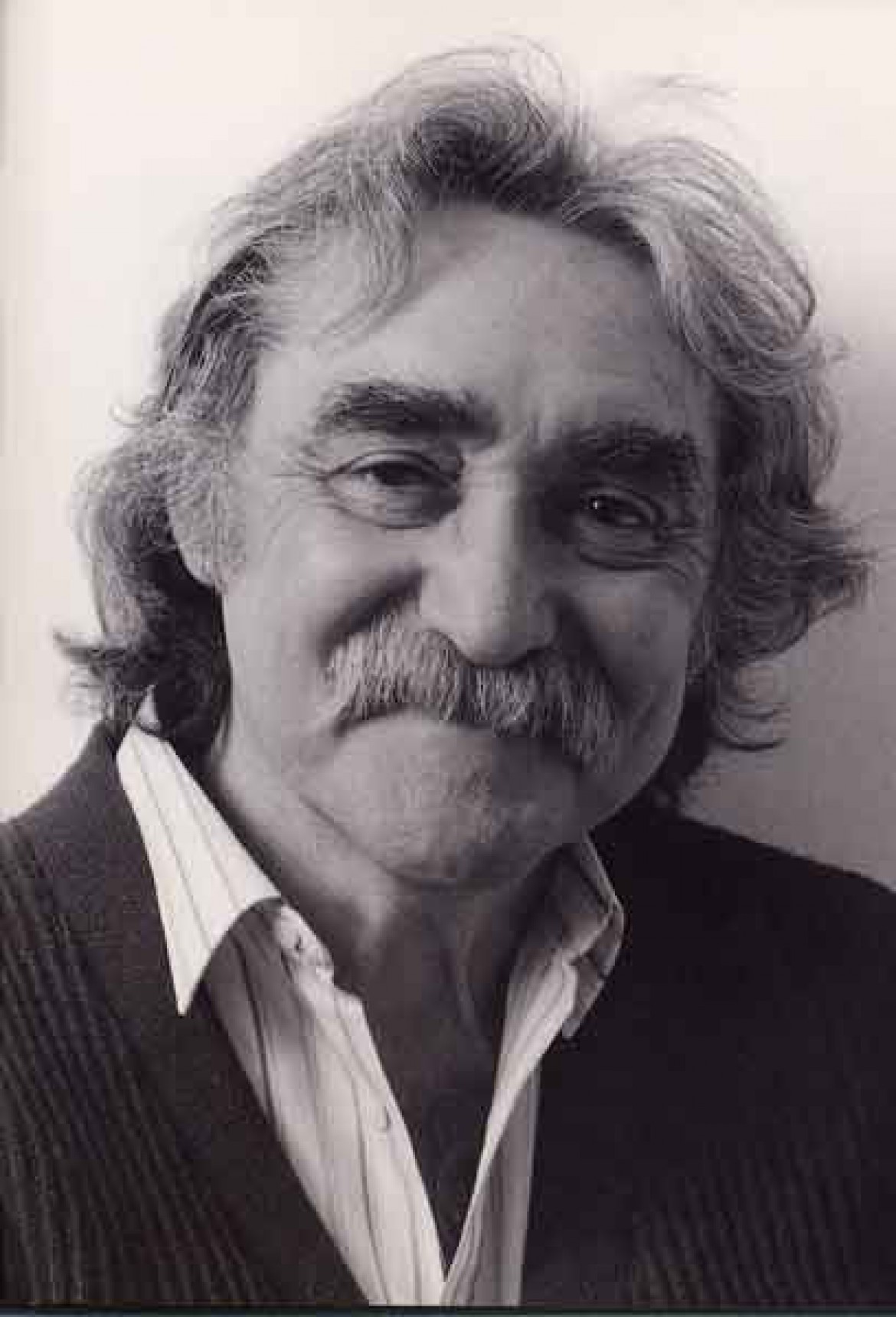
Jesús Rafael García Soto was a Venezuelan artist, renowned for his pioneering work in kinetic and op art, which sought to create an immersive experience that blurred the lines between the artwork and the viewer. Born in 1923, Soto embarked on a journey that would see him at the forefront of a movement that emphasized the visual dynamics of art, integrating sculpture, painting, and viewer participation in novel ways. His exploration of geometric abstraction and optical effects led to the development of his distinctive style, characterized by the use of materials such as plexiglass to create engaging optical illusions and vibrant, moving sculptures.
Soto's journey into the realms of kinetic art was marked by significant milestones, including his participation in the groundbreaking 1955 exhibition, Le Mouvement, at the Denise René gallery in Paris. This event was instrumental in defining the kinetic art movement, with Soto alongside artists like Yaacov Agam, Marcel Duchamp, and Victor Vasarely, presenting works that invited viewers to experience art in a dynamic, interactive manner. His quest for a new visual language led him to experiment with the dematerialization of form, creating artworks that seemed to dissolve into their surroundings, thereby challenging the viewer's perceptions of space and form.
Throughout his career, Soto remained dedicated to exploring the intrinsic relationships between space, movement, and viewer perception. His creations, ranging from the "Penetrables" series—immersive environments made of hanging strands that visitors could walk through—to large-scale murals and public sculptures, have been celebrated worldwide. His works are part of major collections and have been exhibited extensively, including at institutions such as the Museum of Modern Art in New York and the Tate Gallery in London, demonstrating his lasting influence on contemporary art.
For art collectors and enthusiasts intrigued by the fusion of art and motion, Jesús Rafael García Soto's work offers a profound exploration of the kinetic art movement's possibilities. His contributions to art are not just visual spectacles but invitations to engage directly with the kinetic energy and vibrancy of the world.
To stay updated on exhibitions and sales featuring Jesús Rafael García Soto's work, sign up for updates. This subscription ensures you're informed about new product sales and auction events related to this visionary artist, offering unique opportunities to experience the dynamism of kinetic art firsthand.