artist painted skills


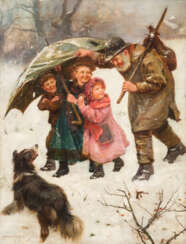

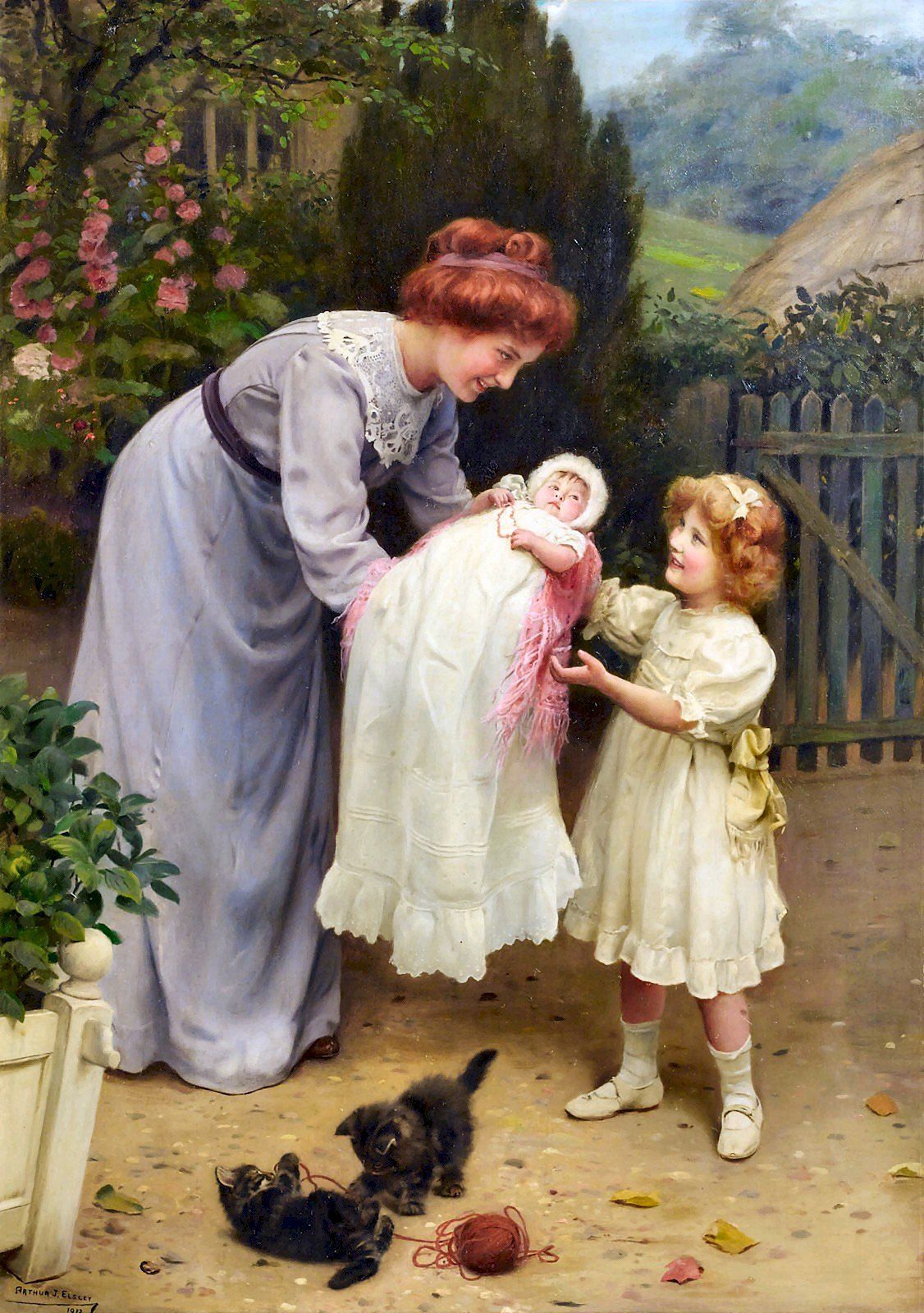
Arthur John Elsley was an English painter of the late Victorian and Edwardian periods, famous for his idyllic genre scenes of playful children and their pets. He achieved great popularity during his life and much of his work appeared in calendars, magazines and books.

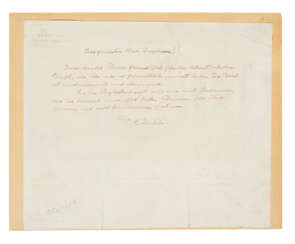

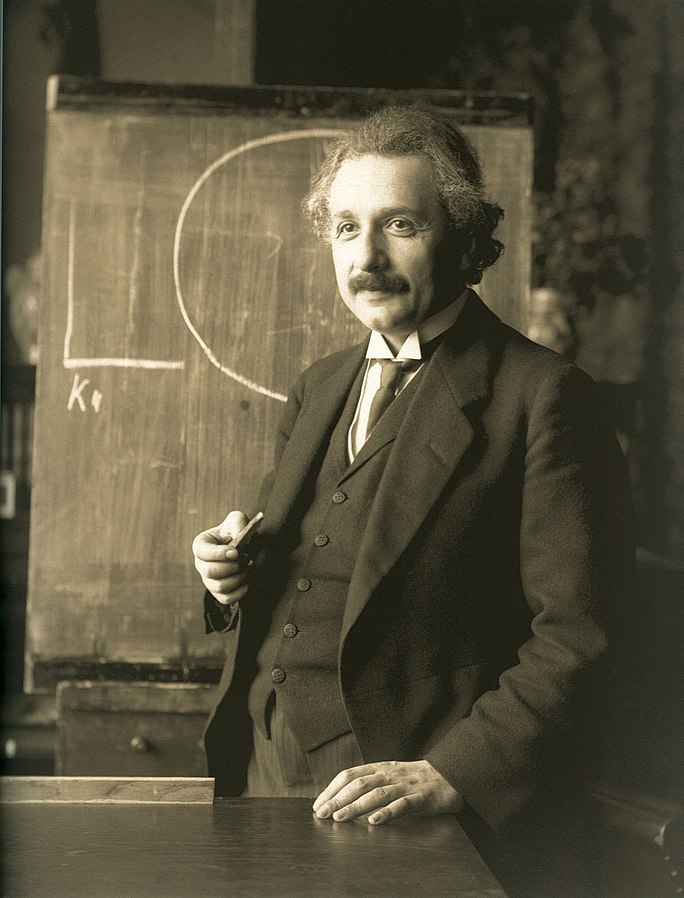
Albert Einstein was a German-born theoretical physicist, widely acknowledged to be one of the greatest and most influential physicists of all time. Einstein is best known for developing the theory of relativity, but he also made important contributions to the development of the theory of quantum mechanics. Relativity and quantum mechanics are together the two pillars of modern physics. His mass–energy equivalence formula E = mc2, which arises from relativity theory, has been dubbed "the world's most famous equation". His work is also known for its influence on the philosophy of science. He received the 1921 Nobel Prize in Physics "for his services to theoretical physics, and especially for his discovery of the law of the photoelectric effect", a pivotal step in the development of quantum theory. His intellectual achievements and originality resulted in "Einstein" becoming synonymous with "genius".






.jpg)
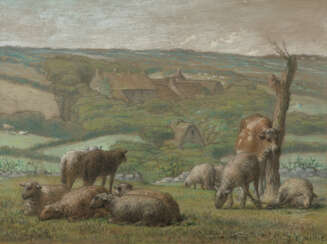
Jean-François Millet was a French artist and one of the founders of the Barbizon school in rural France. Millet is noted for his paintings of peasant farmers and can be categorized as part of the Realism art movement. Toward the end of his career, he became increasingly interested in painting pure landscapes. He is known best for his oil paintings but is also noted for his pastels, conte crayon drawings, and etchings.
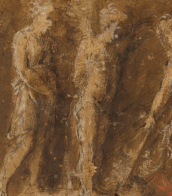
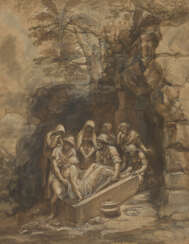

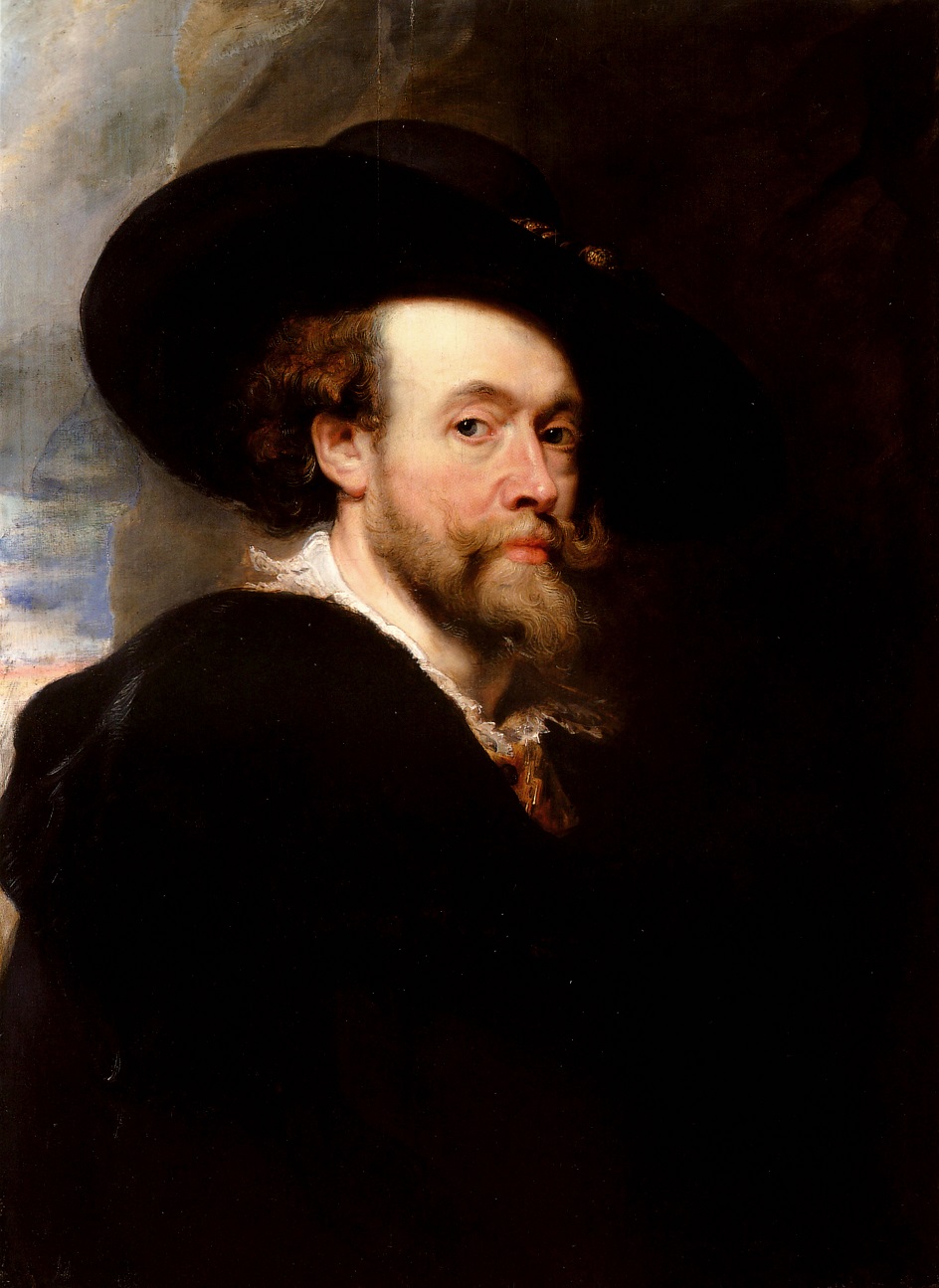
Peter Paul Rubens was a distinguished Flemish Baroque painter, renowned for his dynamic, vibrant, and sensuous paintings. Born on June 28, 1577, in Siegen, Westphalia, Germany, Rubens' family moved back to Antwerp in the Spanish Netherlands (now Belgium) after his father's death. He was raised in his mother’s Roman Catholic faith and received a classical education. He began his artistic training in 1591 and later traveled to Italy, where he was profoundly influenced by Renaissance masters like Titian, Tintoretto, and Veronese. This experience significantly shaped his artistic style.
Rubens' art is celebrated for its emphasis on movement, color, and sensuality. He was particularly skilled in depicting religious and mythological scenes, portraits, and landscapes. Some of his notable works include "The Descent from the Cross" and "The Raising of the Cross," which are prime examples of Baroque religious art, showcasing his unique style that blended influences from Italian Renaissance and his own innovations.
Rubens was not just a painter but also a diplomat, serving at various European courts. He was knighted by both Philip IV of Spain and Charles I of England. His diplomatic missions often intertwined with his artistic endeavors, as seen during his travels to Spain and Italy. In addition to painting, he was involved in designing tapestries, prints, and book title-pages. He ran a large workshop in Antwerp, producing works that were popular with nobility and art collectors across Europe. His studio was in his home, the Rubenshuis, now a museum.
His influence extended to his students, notably Anthony van Dyck, and his collaborative works with other artists like Jan Brueghel the Elder. Rubens' work continued to be celebrated for its vitality and influence on the Baroque style, making him one of the most influential artists of his time.
For those interested in the work and life of Peter Paul Rubens, many of his works can be found in museums and galleries worldwide, including the National Gallery in London, which houses several of his paintings like "A View of Het Steen in the Early Morning" and "Minerva protects Pax from Mars ('Peace and War')".
To stay updated on new product sales, auction events, and more related to Peter Paul Rubens, sign up for our updates. We provide essential information tailored for collectors and experts in art and antiques, focusing on the magnificent work of Rubens and his enduring legacy in the world of art.








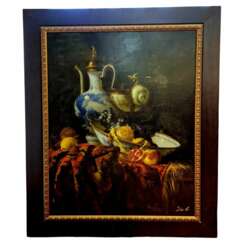

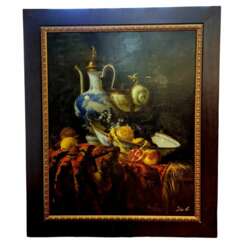

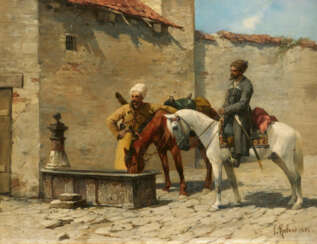

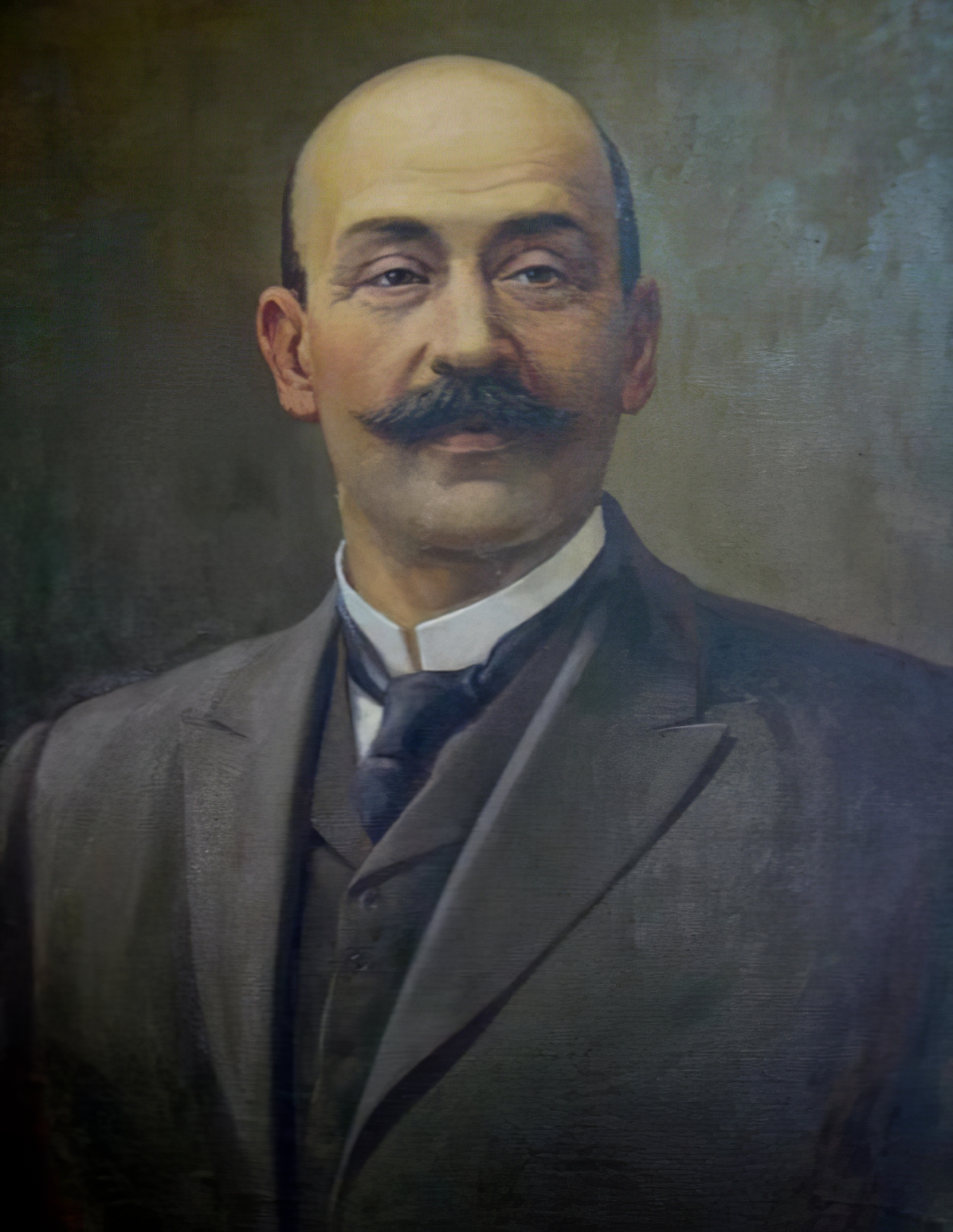
Franz Roubaud (Russian: Франц Алексеевич Рубо) was a Russian painter, known for his panoramic paintings and battle scenes. Born in Odessa in 1856, Roubaud studied at the Imperial Academy of Arts in St. Petersburg and furthered his education in Munich. His works are celebrated for their meticulous detail and dynamic composition.
One of his most famous works is the "Siege of Sevastopol," a monumental panorama depicting a key event from the Crimean War. This masterpiece is housed in the Panorama Museum in Sevastopol and stands as a testament to Roubaud's ability to convey historical grandeur and emotional intensity.
Roubaud's contributions to Russian art extend beyond his canvases, as he was also a respected professor at the Academy of Arts in St. Petersburg. His legacy continues to influence modern Russian painters, and his works are sought after by collectors and art enthusiasts worldwide.
Stay updated on new product sales and auction events related to Franz Roubaud (Rubo) by signing up for our newsletter. Don’t miss the chance to own a piece of history!
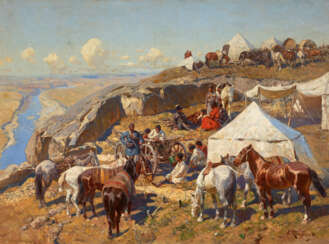

Franz Roubaud (Russian: Франц Алексеевич Рубо) was a Russian painter, known for his panoramic paintings and battle scenes. Born in Odessa in 1856, Roubaud studied at the Imperial Academy of Arts in St. Petersburg and furthered his education in Munich. His works are celebrated for their meticulous detail and dynamic composition.
One of his most famous works is the "Siege of Sevastopol," a monumental panorama depicting a key event from the Crimean War. This masterpiece is housed in the Panorama Museum in Sevastopol and stands as a testament to Roubaud's ability to convey historical grandeur and emotional intensity.
Roubaud's contributions to Russian art extend beyond his canvases, as he was also a respected professor at the Academy of Arts in St. Petersburg. His legacy continues to influence modern Russian painters, and his works are sought after by collectors and art enthusiasts worldwide.
Stay updated on new product sales and auction events related to Franz Roubaud (Rubo) by signing up for our newsletter. Don’t miss the chance to own a piece of history!