

b &



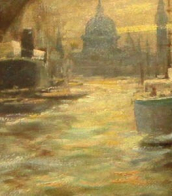











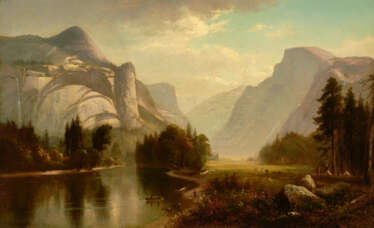

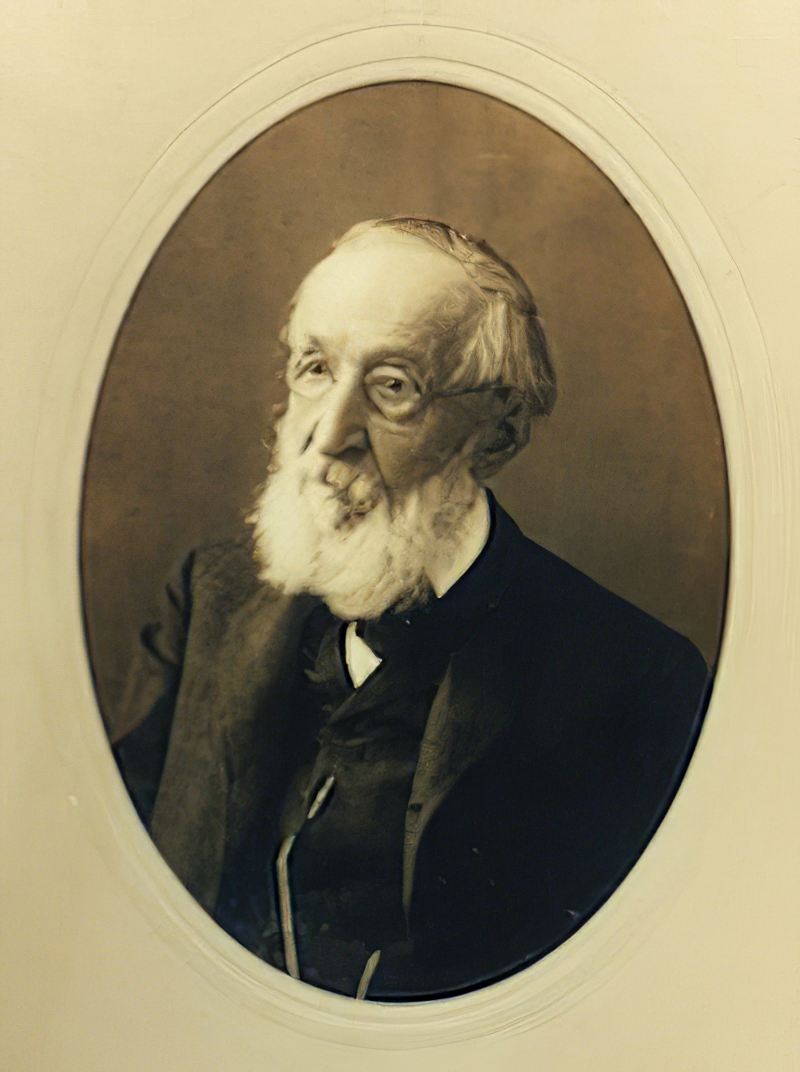
Benjamin Champney was a painter known for his role in White Mountain art of the 19th century. He began his training as a lithographer under celebrated marine artist Fitz Henry Lane at Pendleton's Lithography shop in Boston. Most art historians consider him the founder of the "North Conway Colony" of painters who came to North Conway, New Hampshire and the surrounding area during the second half of the 19th century. His paintings were often used to make chromolithographs that were subsequently sold to tourists who could not afford Champney's originals. He exhibited regularly at the Boston Athenæum and was a founder of the Boston Art Club.














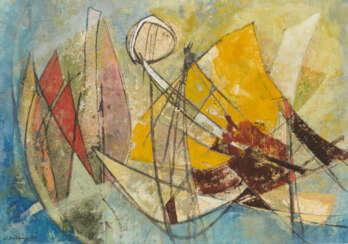

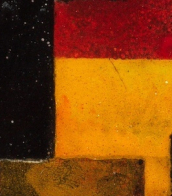
Wilhelm Imkamp was a German painter and a student of the Bauhaus and is one of the most important abstract painters of the post-war period in Germany.
Even though Imkamp made over 500 portraits in his lifetime and thus secured his income for several years of his life, abstract painting is and remains the core of his work. His paintings were created without sketches and preliminary studies, he always painted several pictures at the same time and let a composition emerge in many individual steps from the interaction of colour and form alone. Impressions from nature and music were his sources of inspiration, which played a part in the creative process, but in the end a completely new world of images emerged, on the basis of which the picture titles were also found. Imkamp's work is clearly recognisable as a Bauhaus student, strongly influenced by Wassily Kandinsky's colour compositions, Paul Klee's narrative span and Lyonel Feiniger's structured use of space. Over the years, however, he developed a very independent artistic position among the students of the Bauhaus.
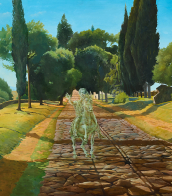
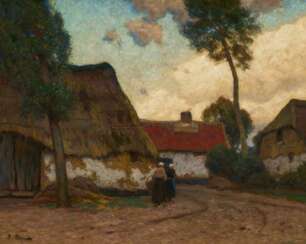

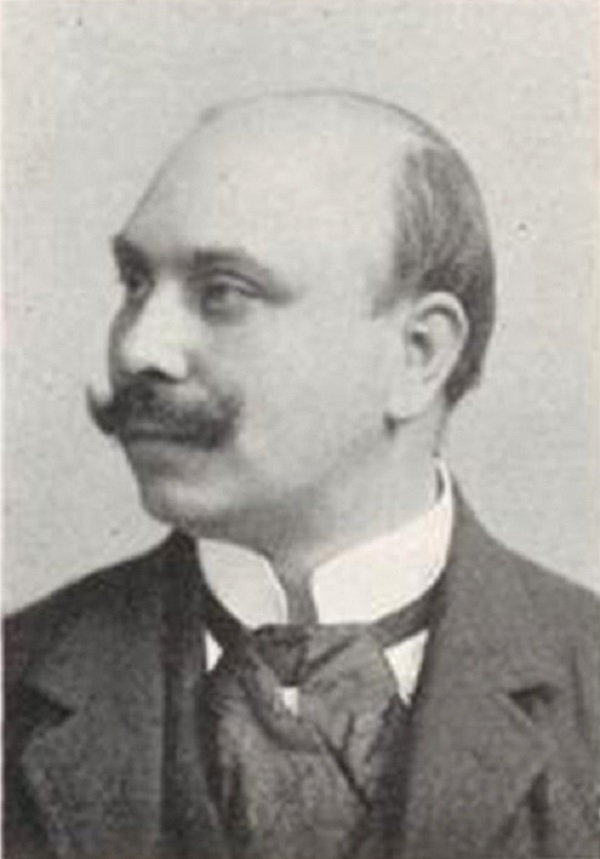
Eugen Kampf was a German painter; associated with the Düsseldorf school of painting. He specialized in rural and village scenes.


Eugen Kampf was a German painter; associated with the Düsseldorf school of painting. He specialized in rural and village scenes.
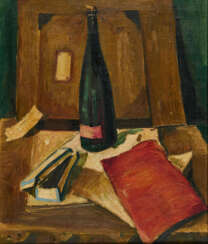

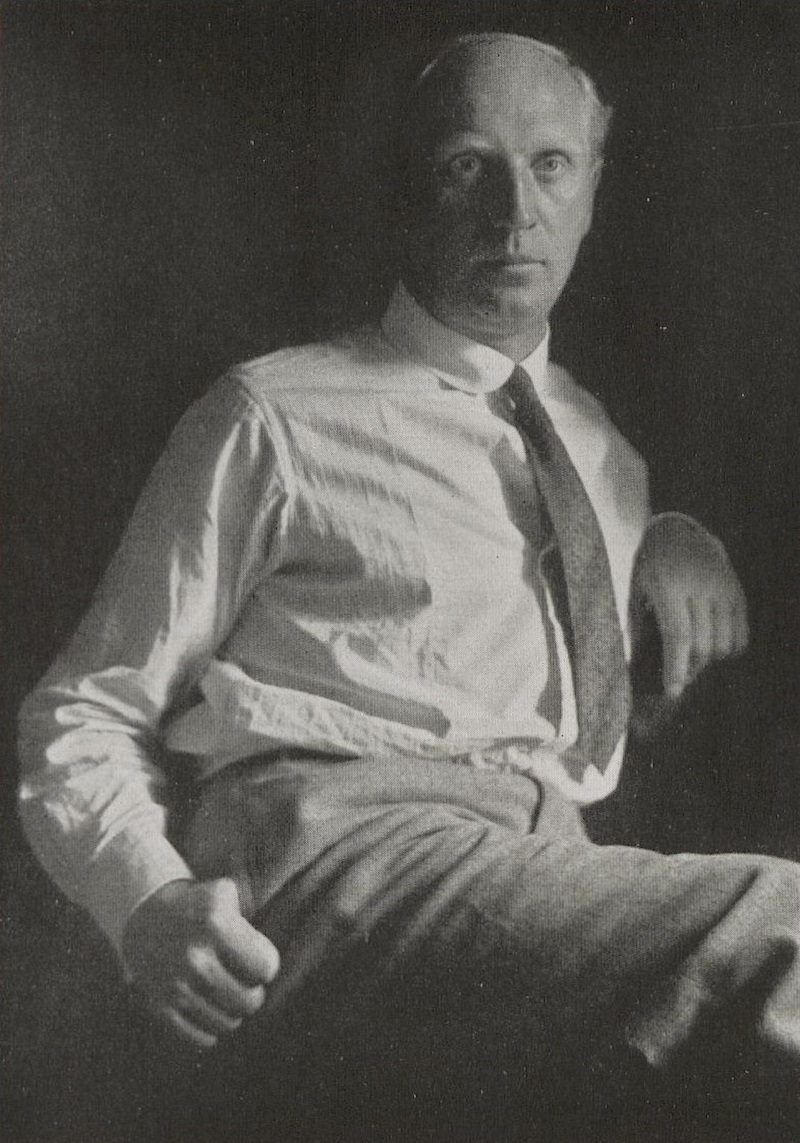
Theo Champion was a German painter. His work was part of the painting event in the art competition at the 1928 Summer Olympics.

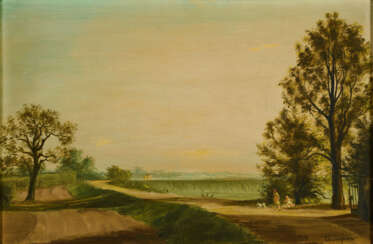

Theo Champion was a German painter. His work was part of the painting event in the art competition at the 1928 Summer Olympics.