barett &amp

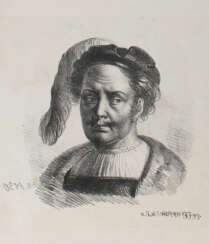

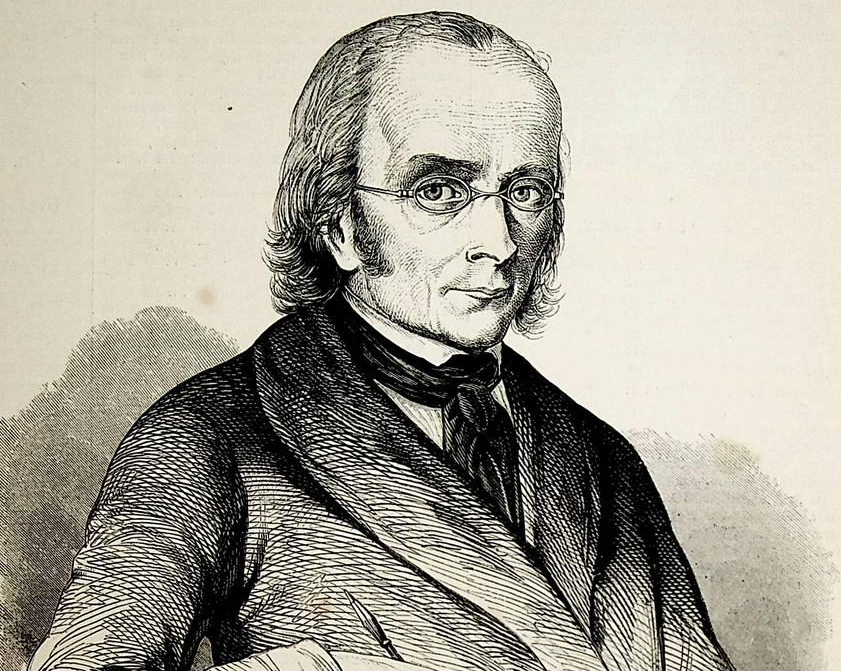
Jacob Johann Kirchhoff was a German artist. Known for his detailed and captivating watercolors and lithographs, Kirchhoff's artwork primarily captures the historical and cultural essence of his time. He is especially noted for his portrayals of important military figures and scenes from the Prussian wars, contributing significantly to the visual documentation of 19th-century German history.
Among his notable works are "Portraits of Prussian Generals of the Liberation Wars" and "The King's Parade at Tempelhofer Field," both of which showcase his skill in capturing the grandeur of military attire and the solemnity of historical events through watercolor. His artworks are recognized for their historical value and meticulous attention to detail, making them significant pieces for collectors and historians alike.
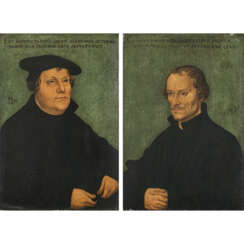
Some of Kirchhoff's works have been kept in prestigious collections, including a commissioned piece representing Martin Luther, which is housed in the Royal Collection in the UK. His contributions to illustrated books and periodicals further underscore his versatility and importance in the art and culture of his era.
Collectors and experts in art and antiques may find the ongoing auctions and exhibitions of Jacob Johann Kirchhoff's work an excellent opportunity to acquire pieces of notable historical significance. For those interested in staying updated on Kirchhoff's artworks and auction events, subscribing for updates can be a valuable resource.







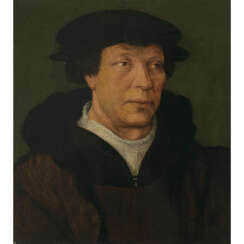



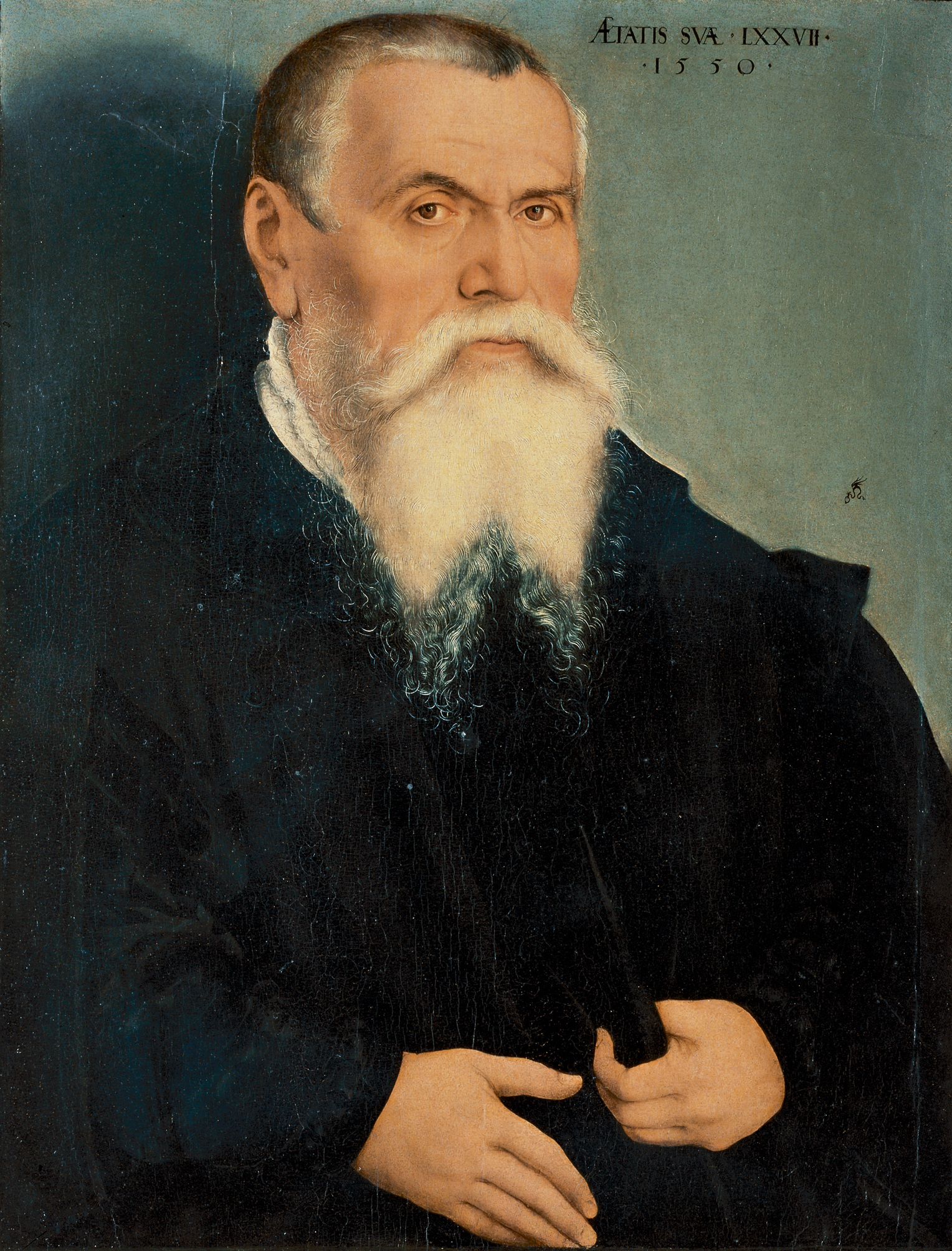
Lucas Cranach the Elder was a pivotal figure in German Renaissance art. As a leading painter of Saxony, his influence spanned across the 16th century, making significant contributions through his paintings, woodcuts, and engravings. His artistic journey began under the tutelage of his father, Hans Maler, and saw him becoming court painter to the Elector of Saxony, where he produced a vast array of works including altarpieces, court portraits, and notably, portraits of Protestant Reformers.
Cranach's artistry was not confined to any single genre. He was renowned for his portraits of the aristocracy, deeply symbolic religious paintings, and engaging mythological scenes. His ability to capture the essence of the Protestant Reformation, notably through his portraits of Martin Luther, showcases his close connection to the movement and his role as a key figure in conveying its ideals through art.
A significant part of Cranach's legacy is his workshop in Wittenberg, which was a hub of artistic production. This workshop produced numerous works that bore his distinctive winged serpent signature, a mark of quality and innovation in the art of the period. Cranach's workshop was known for its efficient operation, enabling the production of a large volume of works that catered to the high demand of his time.
For collectors and experts in art and antiques, Lucas Cranach the Elder's work represents an intriguing intersection of art, culture, and history. His contributions to Renaissance art and his unique portrayal of religious and mythological themes continue to captivate audiences, making his work highly sought after in the world of art collection.
To explore more about Lucas Cranach the Elder's fascinating contributions to art and to stay updated on new discoveries or auction events related to his works, consider signing up for specialized updates. This subscription is designed for enthusiasts keen on delving deeper into the rich tapestry of Renaissance art and history, ensuring they remain well-informed of relevant sales and scholarly insights.


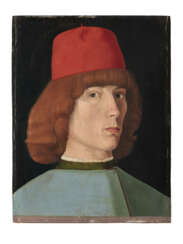

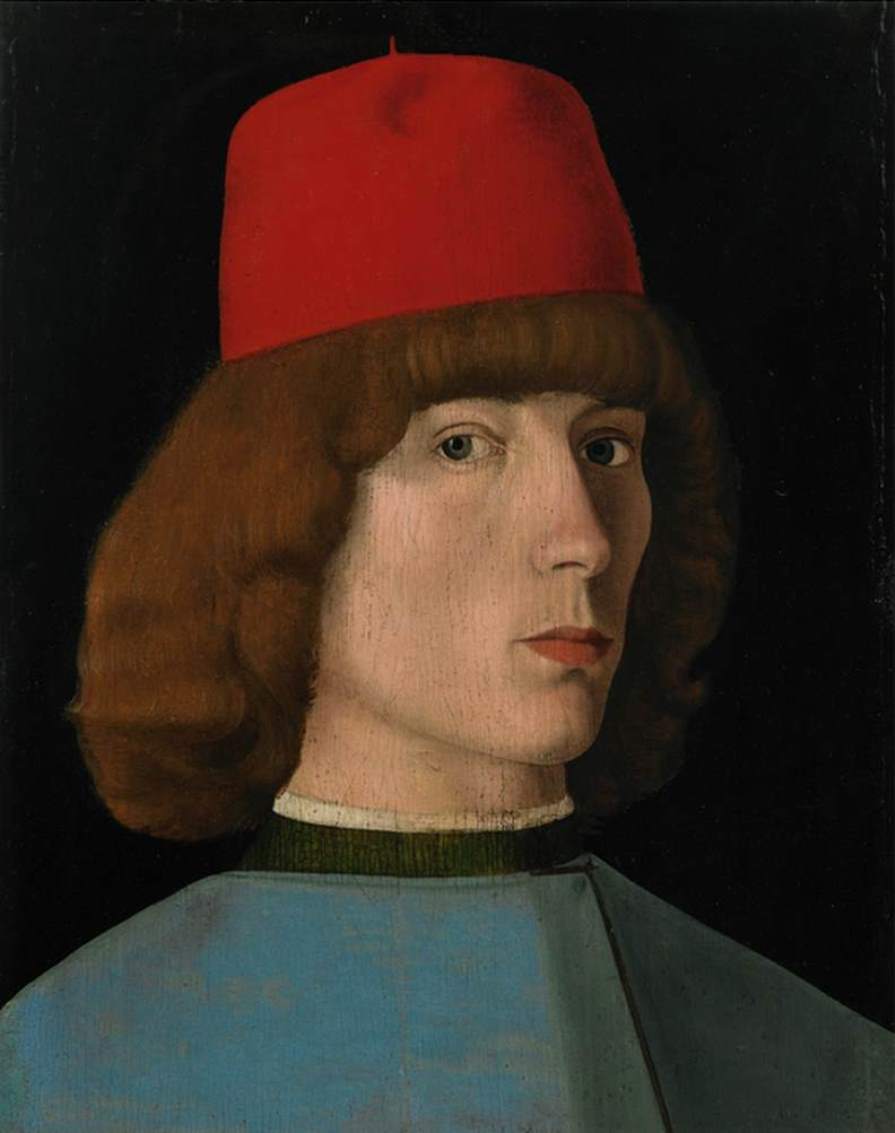
Jacopo da Valenza was an Italian Renaissance painter.
He worked between 1485 and 1509 in many churches in the Belluno and Vittoria districts of Veneto, creating altarpieces and altarpieces. Two of his most important works are now preserved in Vittorio Veneto, in their original locations: the Madonna and Child on the Throne in the cathedral of Ceneda, 1484, and the Madonna and Child in the church of San Giovanni Battista di Serravalle, 1502. Some works are in museums in Italy.



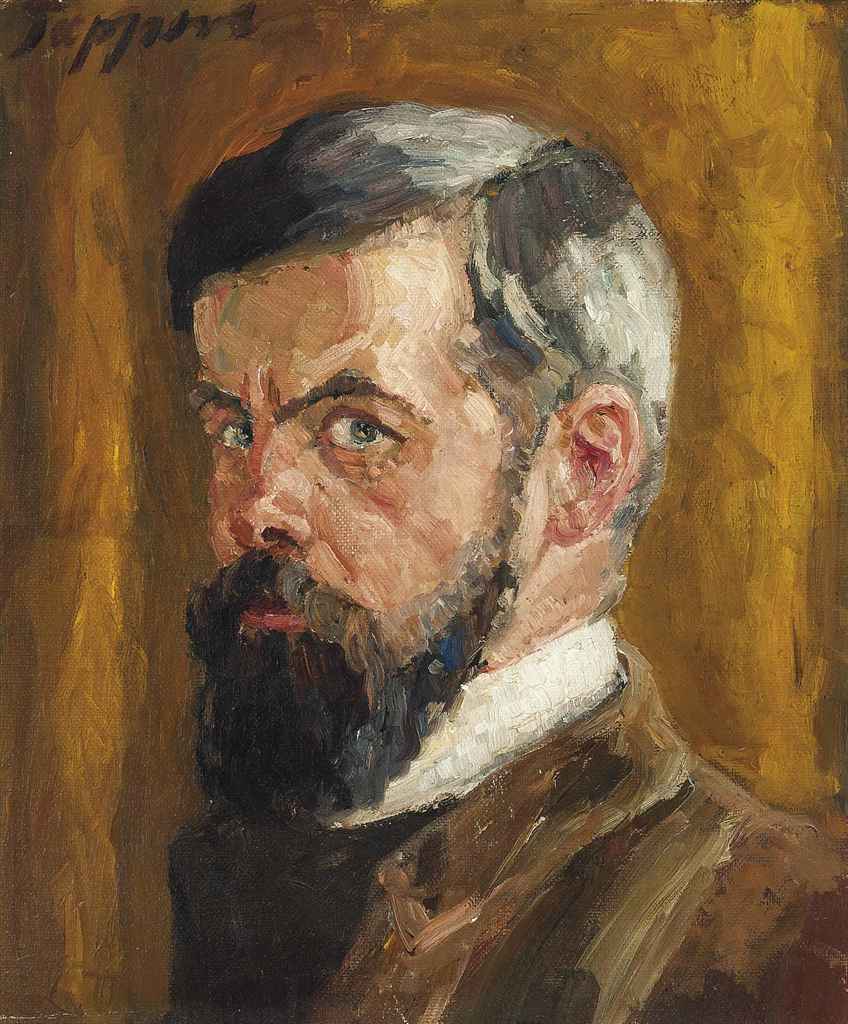
Georg Tappert was a German expressionist painter.
Tappert studied at the Academy of Fine Arts in Berlin and later joined the Berlin Secession, a group of artists who sought to break away from traditional academic art. His early work was influenced by the Art Nouveau movement, but he later became associated with German Expressionism.
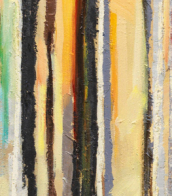
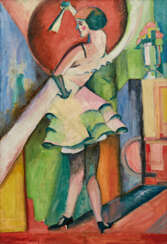
Tappert's paintings are characterized by their vivid colors and expressive brushstrokes, which conveyed a sense of emotional intensity. He often depicted scenes of modern urban life, such as cafés, streets, and theaters, as well as portraits and still-life compositions. He also produced a significant body of graphic work, including woodcuts and lithographs.
Tappert's work was exhibited extensively during his lifetime, including at the Berlin Secession and the Städtische Galerie in Munich. He was also awarded numerous honors and awards for his work, including the Villa Massimo Prize in Rome in 1911 and the Grand Cross of the Order of Merit of the Federal Republic of Germany in 1955.