bernard
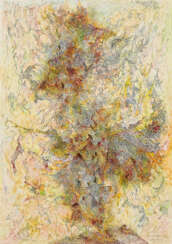

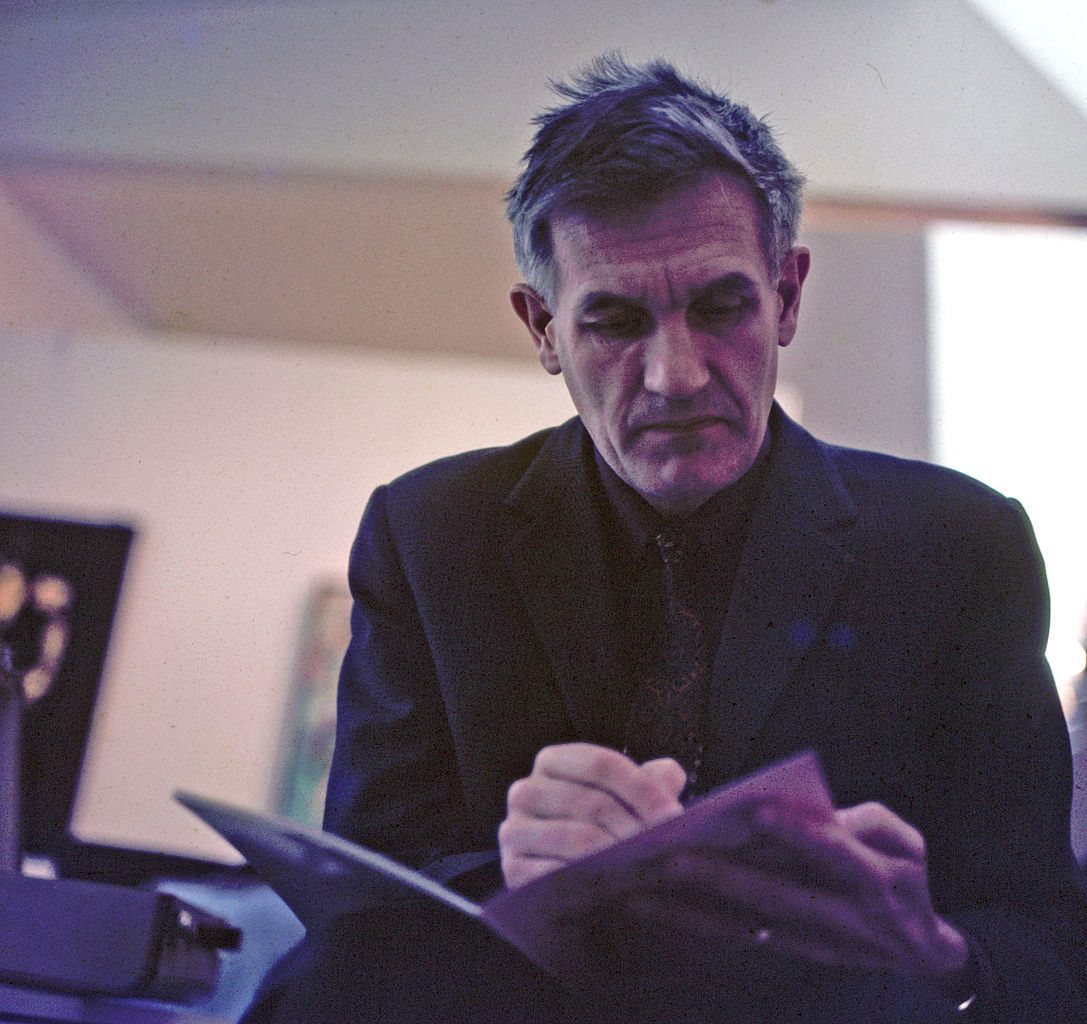
Bernard Schultze was a German painter who co-founded the Quadriga group of artists along with Karl Otto Götz and two other artists.

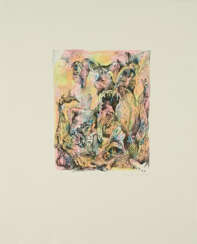

Bernard Schultze was a German painter who co-founded the Quadriga group of artists along with Karl Otto Götz and two other artists.


Bernard Schultze was a German painter who co-founded the Quadriga group of artists along with Karl Otto Götz and two other artists.

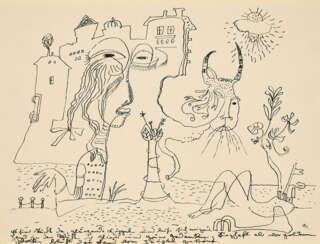

Bernard Schultze was a German painter who co-founded the Quadriga group of artists along with Karl Otto Götz and two other artists.
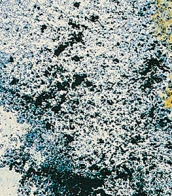
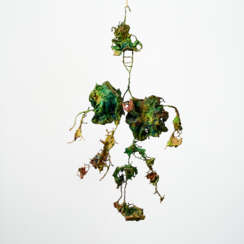

Bernard Schultze was a German painter who co-founded the Quadriga group of artists along with Karl Otto Götz and two other artists.
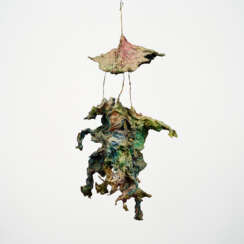

Bernard Schultze was a German painter who co-founded the Quadriga group of artists along with Karl Otto Götz and two other artists.

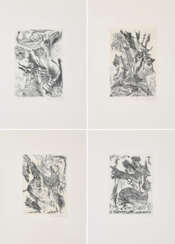

Bernard Schultze was a German painter who co-founded the Quadriga group of artists along with Karl Otto Götz and two other artists.
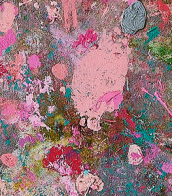
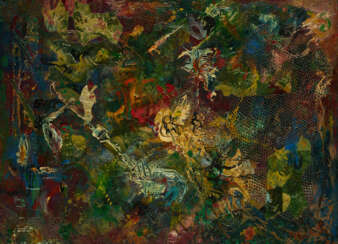

Bernard Schultze was a German painter who co-founded the Quadriga group of artists along with Karl Otto Götz and two other artists.



Bernard Schultze was a German painter who co-founded the Quadriga group of artists along with Karl Otto Götz and two other artists.



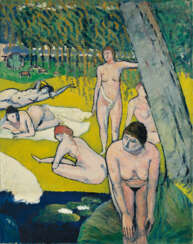

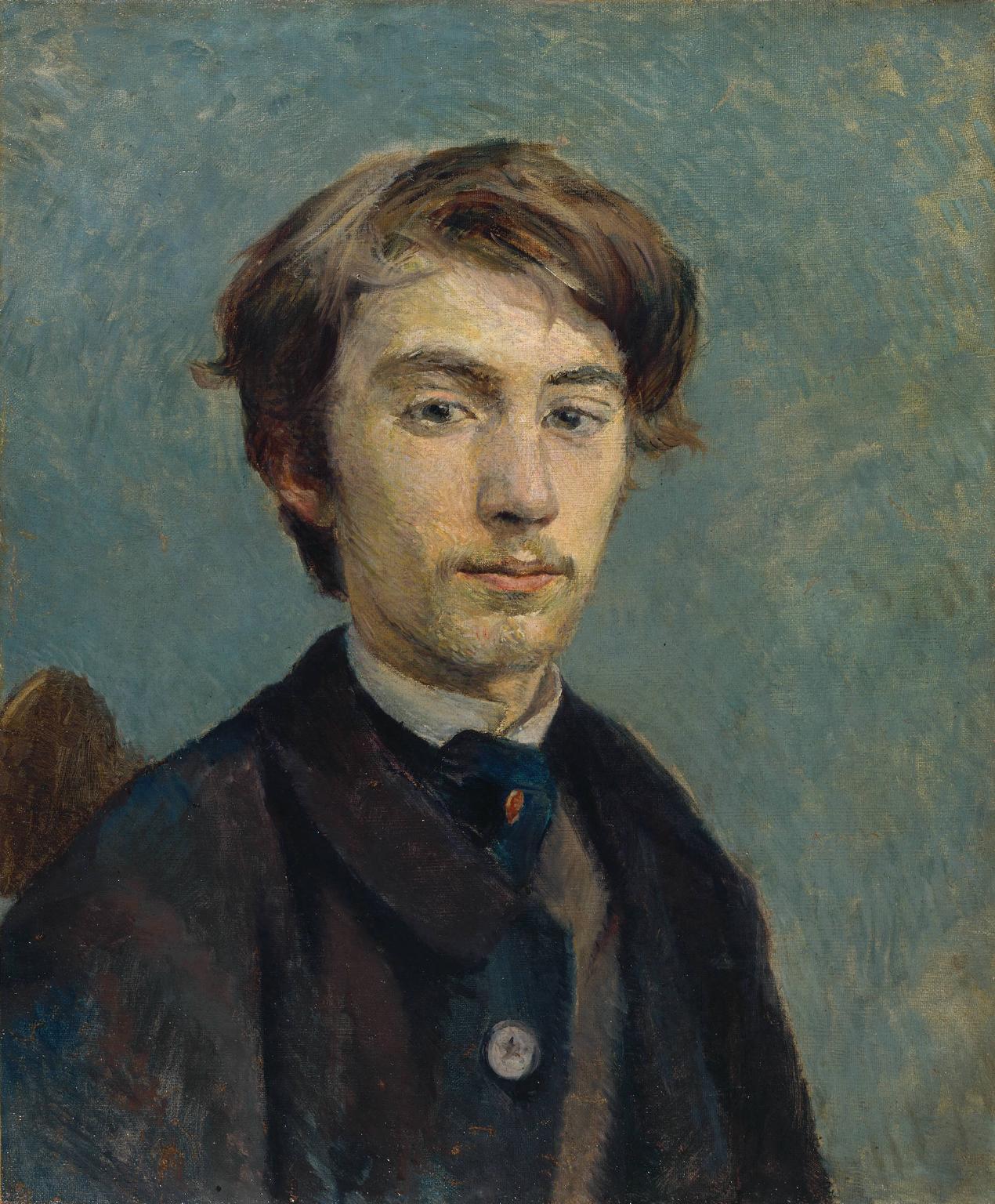
Émile Bernard, a French painter, was a significant figure in the Post-Impressionist movement. He is most famously associated with the development of Cloisonnism, a painting style characterized by bold outlines and flat, vivid color planes, and he played a role in Synthetism, a synthesis of forms and colors in art.
Bernard's artistic journey was influenced by his interactions with notable artists such as Paul Gauguin, Vincent van Gogh, and Louis Anquetin. His works, which often explored themes of symbolism and religious imagery, ranged from traditional paintings to engravings and illustrations. One of his notable works, "Madeleine au Bois d'Amour," is displayed at the Musée d'Orsay in Paris.
Despite his early success and influence, Bernard's artistic trajectory took a turn towards classicism later in life, distancing himself from the avant-garde styles he once embraced. His extensive travel experiences, particularly his time in Egypt, significantly impacted his art, leading to a broader range of stylistic elements in his later works.
To stay updated on the latest events and auctions related to Émile Bernard and his work, sign up for our newsletter. You'll receive timely alerts about new product sales and upcoming auction events related to Émile Bernard's art.
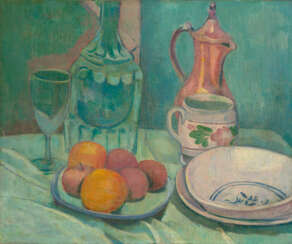

Émile Bernard, a French painter, was a significant figure in the Post-Impressionist movement. He is most famously associated with the development of Cloisonnism, a painting style characterized by bold outlines and flat, vivid color planes, and he played a role in Synthetism, a synthesis of forms and colors in art.
Bernard's artistic journey was influenced by his interactions with notable artists such as Paul Gauguin, Vincent van Gogh, and Louis Anquetin. His works, which often explored themes of symbolism and religious imagery, ranged from traditional paintings to engravings and illustrations. One of his notable works, "Madeleine au Bois d'Amour," is displayed at the Musée d'Orsay in Paris.
Despite his early success and influence, Bernard's artistic trajectory took a turn towards classicism later in life, distancing himself from the avant-garde styles he once embraced. His extensive travel experiences, particularly his time in Egypt, significantly impacted his art, leading to a broader range of stylistic elements in his later works.
To stay updated on the latest events and auctions related to Émile Bernard and his work, sign up for our newsletter. You'll receive timely alerts about new product sales and upcoming auction events related to Émile Bernard's art.



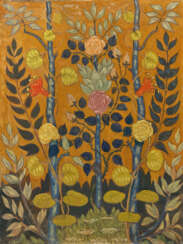

Émile Bernard, a French painter, was a significant figure in the Post-Impressionist movement. He is most famously associated with the development of Cloisonnism, a painting style characterized by bold outlines and flat, vivid color planes, and he played a role in Synthetism, a synthesis of forms and colors in art.
Bernard's artistic journey was influenced by his interactions with notable artists such as Paul Gauguin, Vincent van Gogh, and Louis Anquetin. His works, which often explored themes of symbolism and religious imagery, ranged from traditional paintings to engravings and illustrations. One of his notable works, "Madeleine au Bois d'Amour," is displayed at the Musée d'Orsay in Paris.
Despite his early success and influence, Bernard's artistic trajectory took a turn towards classicism later in life, distancing himself from the avant-garde styles he once embraced. His extensive travel experiences, particularly his time in Egypt, significantly impacted his art, leading to a broader range of stylistic elements in his later works.
To stay updated on the latest events and auctions related to Émile Bernard and his work, sign up for our newsletter. You'll receive timely alerts about new product sales and upcoming auction events related to Émile Bernard's art.


Émile Bernard, a French painter, was a significant figure in the Post-Impressionist movement. He is most famously associated with the development of Cloisonnism, a painting style characterized by bold outlines and flat, vivid color planes, and he played a role in Synthetism, a synthesis of forms and colors in art.
Bernard's artistic journey was influenced by his interactions with notable artists such as Paul Gauguin, Vincent van Gogh, and Louis Anquetin. His works, which often explored themes of symbolism and religious imagery, ranged from traditional paintings to engravings and illustrations. One of his notable works, "Madeleine au Bois d'Amour," is displayed at the Musée d'Orsay in Paris.
Despite his early success and influence, Bernard's artistic trajectory took a turn towards classicism later in life, distancing himself from the avant-garde styles he once embraced. His extensive travel experiences, particularly his time in Egypt, significantly impacted his art, leading to a broader range of stylistic elements in his later works.
To stay updated on the latest events and auctions related to Émile Bernard and his work, sign up for our newsletter. You'll receive timely alerts about new product sales and upcoming auction events related to Émile Bernard's art.



Bernard Schultze was a German painter who co-founded the Quadriga group of artists along with Karl Otto Götz and two other artists.
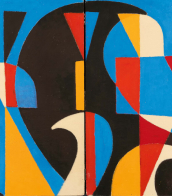


Bernard Schultze was a German painter who co-founded the Quadriga group of artists along with Karl Otto Götz and two other artists.

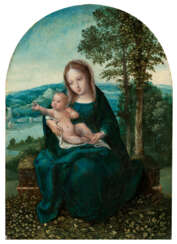

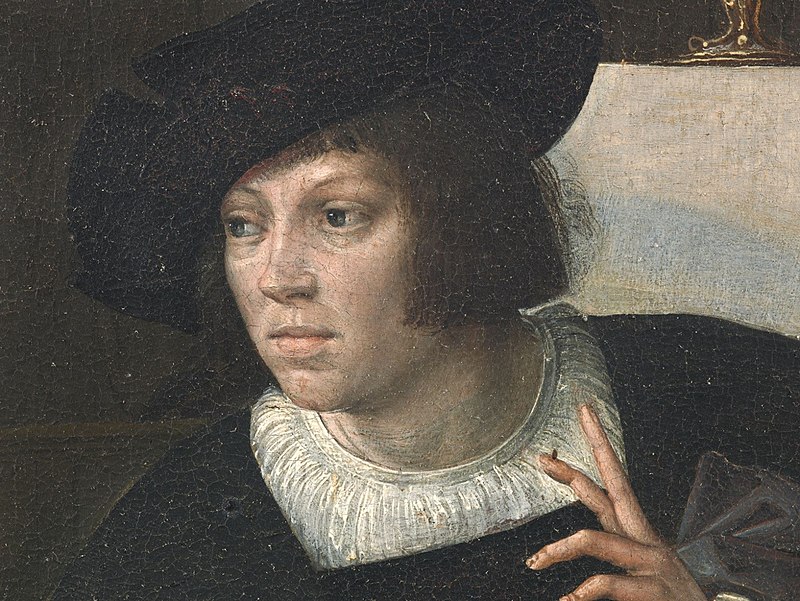
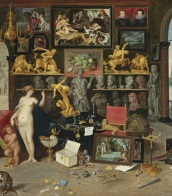
Bernard van Orley was a versatile Flemish artist and representative of Dutch and Flemish Renaissance painting, who was equally active as a designer of tapestries and, at the end of his life, stained glass. Although he never visited Italy, he belongs to the group of Italianizing Flemish painters called the Romanists, who were influenced by Italian Renaissance painting, in his case especially by Raphael.
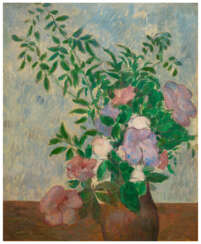

Émile Bernard, a French painter, was a significant figure in the Post-Impressionist movement. He is most famously associated with the development of Cloisonnism, a painting style characterized by bold outlines and flat, vivid color planes, and he played a role in Synthetism, a synthesis of forms and colors in art.
Bernard's artistic journey was influenced by his interactions with notable artists such as Paul Gauguin, Vincent van Gogh, and Louis Anquetin. His works, which often explored themes of symbolism and religious imagery, ranged from traditional paintings to engravings and illustrations. One of his notable works, "Madeleine au Bois d'Amour," is displayed at the Musée d'Orsay in Paris.
Despite his early success and influence, Bernard's artistic trajectory took a turn towards classicism later in life, distancing himself from the avant-garde styles he once embraced. His extensive travel experiences, particularly his time in Egypt, significantly impacted his art, leading to a broader range of stylistic elements in his later works.
To stay updated on the latest events and auctions related to Émile Bernard and his work, sign up for our newsletter. You'll receive timely alerts about new product sales and upcoming auction events related to Émile Bernard's art.
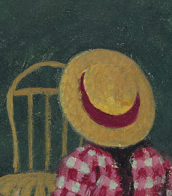


Émile Bernard, a French painter, was a significant figure in the Post-Impressionist movement. He is most famously associated with the development of Cloisonnism, a painting style characterized by bold outlines and flat, vivid color planes, and he played a role in Synthetism, a synthesis of forms and colors in art.
Bernard's artistic journey was influenced by his interactions with notable artists such as Paul Gauguin, Vincent van Gogh, and Louis Anquetin. His works, which often explored themes of symbolism and religious imagery, ranged from traditional paintings to engravings and illustrations. One of his notable works, "Madeleine au Bois d'Amour," is displayed at the Musée d'Orsay in Paris.
Despite his early success and influence, Bernard's artistic trajectory took a turn towards classicism later in life, distancing himself from the avant-garde styles he once embraced. His extensive travel experiences, particularly his time in Egypt, significantly impacted his art, leading to a broader range of stylistic elements in his later works.
To stay updated on the latest events and auctions related to Émile Bernard and his work, sign up for our newsletter. You'll receive timely alerts about new product sales and upcoming auction events related to Émile Bernard's art.
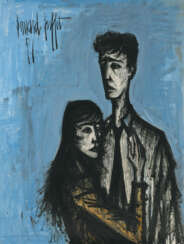

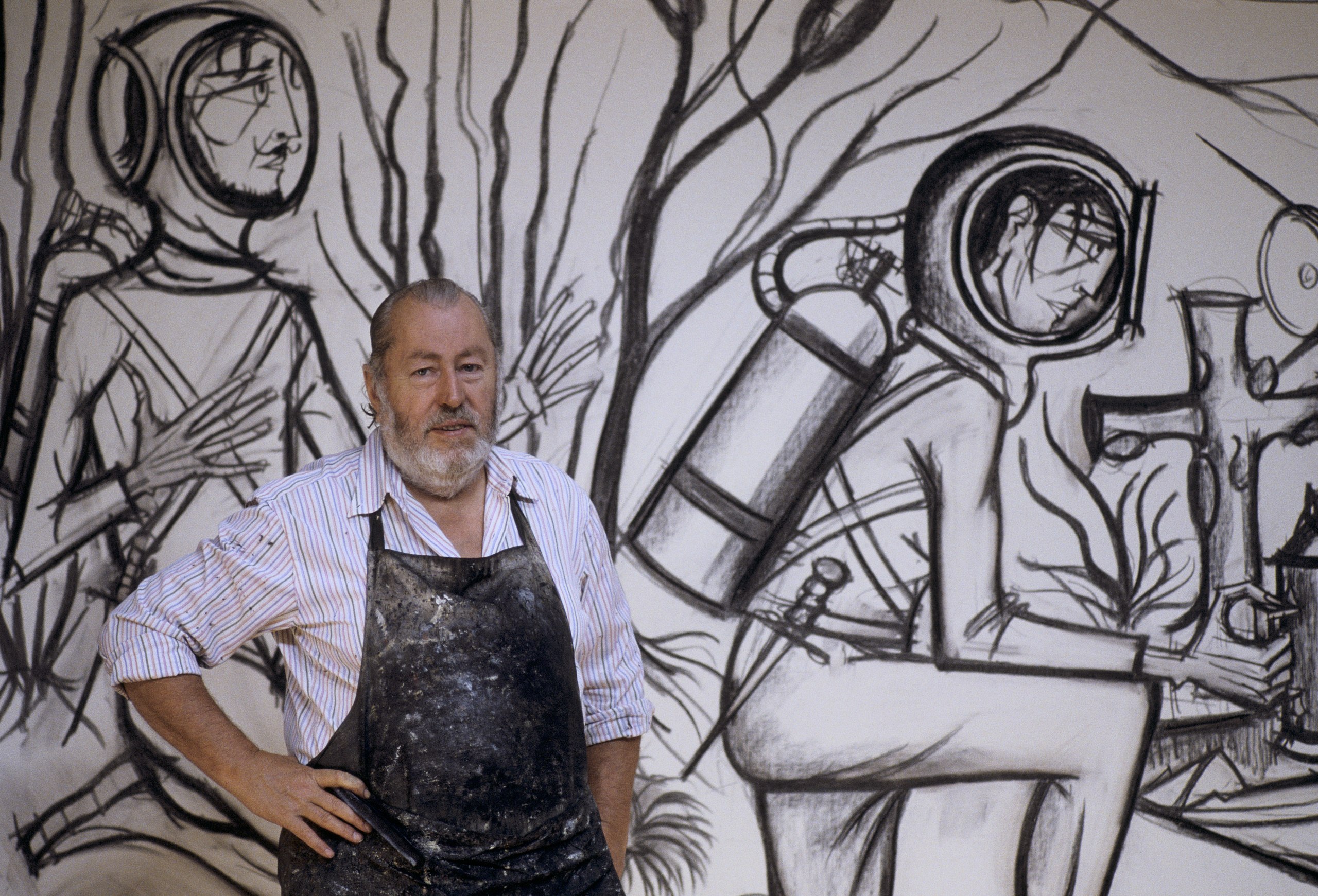
Bernard Buffet was a French artist renowned for his distinctive style of painting, printmaking, and sculpture. His work, characterized by expressive, angular lines and somber themes, has captivated collectors and art enthusiasts worldwide. Buffet's art, deeply influenced by the post-war period in France, reflects themes of despair, loneliness, and the human condition, often portrayed through his iconic clowns and desolate landscapes. His approach to art, marked by stark compositions and a vivid portrayal of existential angst, positioned him as a leading figure in the modern expressionist movement.
Buffet's career was meteoric from its onset; by his early twenties, he was celebrated alongside cultural icons of the time, earning him a spot among the "Fabulous Five" of post-war France. Despite his early acclaim, Buffet's later years were marked by controversy and a decline in popularity, as shifts in artistic trends and criticism over his lifestyle choices overshadowed his contributions. Nevertheless, his work remained prolific, with more than 8,000 paintings to his name, illustrating an unwavering commitment to his art until his tragic death in 1999.
Today, Bernard Buffet's legacy is undergoing a renaissance, with a renewed appreciation for his artistic achievements. Exhibitions and retrospectives across the globe, particularly in Japan and Europe, have reignited interest in his oeuvre, showcasing the enduring relevance of his work. Notably, the Bernard Buffet Museum in Japan, founded during his lifetime, stands as a testament to his impact and the global admiration for his art.
For collectors and experts in the field of art and antiques, Buffet's work offers a unique insight into the complexities of the human psyche and the existential dilemmas of the 20th century. His ability to evoke profound emotional responses through his distinctive visual language makes his work highly sought after in the art market today.
To stay informed about new product sales and auction events related to Bernard Buffet, we encourage you to sign up for updates. This subscription service is tailored specifically for enthusiasts keen on exploring the profound legacy of Bernard Buffet, ensuring you remain at the forefront of notable developments in the art world.
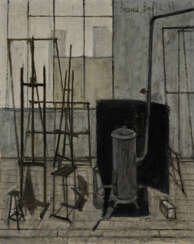

Bernard Buffet was a French artist renowned for his distinctive style of painting, printmaking, and sculpture. His work, characterized by expressive, angular lines and somber themes, has captivated collectors and art enthusiasts worldwide. Buffet's art, deeply influenced by the post-war period in France, reflects themes of despair, loneliness, and the human condition, often portrayed through his iconic clowns and desolate landscapes. His approach to art, marked by stark compositions and a vivid portrayal of existential angst, positioned him as a leading figure in the modern expressionist movement.
Buffet's career was meteoric from its onset; by his early twenties, he was celebrated alongside cultural icons of the time, earning him a spot among the "Fabulous Five" of post-war France. Despite his early acclaim, Buffet's later years were marked by controversy and a decline in popularity, as shifts in artistic trends and criticism over his lifestyle choices overshadowed his contributions. Nevertheless, his work remained prolific, with more than 8,000 paintings to his name, illustrating an unwavering commitment to his art until his tragic death in 1999.
Today, Bernard Buffet's legacy is undergoing a renaissance, with a renewed appreciation for his artistic achievements. Exhibitions and retrospectives across the globe, particularly in Japan and Europe, have reignited interest in his oeuvre, showcasing the enduring relevance of his work. Notably, the Bernard Buffet Museum in Japan, founded during his lifetime, stands as a testament to his impact and the global admiration for his art.
For collectors and experts in the field of art and antiques, Buffet's work offers a unique insight into the complexities of the human psyche and the existential dilemmas of the 20th century. His ability to evoke profound emotional responses through his distinctive visual language makes his work highly sought after in the art market today.
To stay informed about new product sales and auction events related to Bernard Buffet, we encourage you to sign up for updates. This subscription service is tailored specifically for enthusiasts keen on exploring the profound legacy of Bernard Buffet, ensuring you remain at the forefront of notable developments in the art world.


Bernard Buffet was a French artist renowned for his distinctive style of painting, printmaking, and sculpture. His work, characterized by expressive, angular lines and somber themes, has captivated collectors and art enthusiasts worldwide. Buffet's art, deeply influenced by the post-war period in France, reflects themes of despair, loneliness, and the human condition, often portrayed through his iconic clowns and desolate landscapes. His approach to art, marked by stark compositions and a vivid portrayal of existential angst, positioned him as a leading figure in the modern expressionist movement.
Buffet's career was meteoric from its onset; by his early twenties, he was celebrated alongside cultural icons of the time, earning him a spot among the "Fabulous Five" of post-war France. Despite his early acclaim, Buffet's later years were marked by controversy and a decline in popularity, as shifts in artistic trends and criticism over his lifestyle choices overshadowed his contributions. Nevertheless, his work remained prolific, with more than 8,000 paintings to his name, illustrating an unwavering commitment to his art until his tragic death in 1999.
Today, Bernard Buffet's legacy is undergoing a renaissance, with a renewed appreciation for his artistic achievements. Exhibitions and retrospectives across the globe, particularly in Japan and Europe, have reignited interest in his oeuvre, showcasing the enduring relevance of his work. Notably, the Bernard Buffet Museum in Japan, founded during his lifetime, stands as a testament to his impact and the global admiration for his art.
For collectors and experts in the field of art and antiques, Buffet's work offers a unique insight into the complexities of the human psyche and the existential dilemmas of the 20th century. His ability to evoke profound emotional responses through his distinctive visual language makes his work highly sought after in the art market today.
To stay informed about new product sales and auction events related to Bernard Buffet, we encourage you to sign up for updates. This subscription service is tailored specifically for enthusiasts keen on exploring the profound legacy of Bernard Buffet, ensuring you remain at the forefront of notable developments in the art world.


Émile Bernard, a French painter, was a significant figure in the Post-Impressionist movement. He is most famously associated with the development of Cloisonnism, a painting style characterized by bold outlines and flat, vivid color planes, and he played a role in Synthetism, a synthesis of forms and colors in art.
Bernard's artistic journey was influenced by his interactions with notable artists such as Paul Gauguin, Vincent van Gogh, and Louis Anquetin. His works, which often explored themes of symbolism and religious imagery, ranged from traditional paintings to engravings and illustrations. One of his notable works, "Madeleine au Bois d'Amour," is displayed at the Musée d'Orsay in Paris.
Despite his early success and influence, Bernard's artistic trajectory took a turn towards classicism later in life, distancing himself from the avant-garde styles he once embraced. His extensive travel experiences, particularly his time in Egypt, significantly impacted his art, leading to a broader range of stylistic elements in his later works.
To stay updated on the latest events and auctions related to Émile Bernard and his work, sign up for our newsletter. You'll receive timely alerts about new product sales and upcoming auction events related to Émile Bernard's art.


Bernard Schultze was a German painter who co-founded the Quadriga group of artists along with Karl Otto Götz and two other artists.


Bernard Schultze was a German painter who co-founded the Quadriga group of artists along with Karl Otto Götz and two other artists.
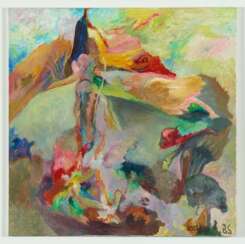

Bernard Schultze was a German painter who co-founded the Quadriga group of artists along with Karl Otto Götz and two other artists.


Bernard Buffet was a French artist renowned for his distinctive style of painting, printmaking, and sculpture. His work, characterized by expressive, angular lines and somber themes, has captivated collectors and art enthusiasts worldwide. Buffet's art, deeply influenced by the post-war period in France, reflects themes of despair, loneliness, and the human condition, often portrayed through his iconic clowns and desolate landscapes. His approach to art, marked by stark compositions and a vivid portrayal of existential angst, positioned him as a leading figure in the modern expressionist movement.
Buffet's career was meteoric from its onset; by his early twenties, he was celebrated alongside cultural icons of the time, earning him a spot among the "Fabulous Five" of post-war France. Despite his early acclaim, Buffet's later years were marked by controversy and a decline in popularity, as shifts in artistic trends and criticism over his lifestyle choices overshadowed his contributions. Nevertheless, his work remained prolific, with more than 8,000 paintings to his name, illustrating an unwavering commitment to his art until his tragic death in 1999.
Today, Bernard Buffet's legacy is undergoing a renaissance, with a renewed appreciation for his artistic achievements. Exhibitions and retrospectives across the globe, particularly in Japan and Europe, have reignited interest in his oeuvre, showcasing the enduring relevance of his work. Notably, the Bernard Buffet Museum in Japan, founded during his lifetime, stands as a testament to his impact and the global admiration for his art.
For collectors and experts in the field of art and antiques, Buffet's work offers a unique insight into the complexities of the human psyche and the existential dilemmas of the 20th century. His ability to evoke profound emotional responses through his distinctive visual language makes his work highly sought after in the art market today.
To stay informed about new product sales and auction events related to Bernard Buffet, we encourage you to sign up for updates. This subscription service is tailored specifically for enthusiasts keen on exploring the profound legacy of Bernard Buffet, ensuring you remain at the forefront of notable developments in the art world.