besançon
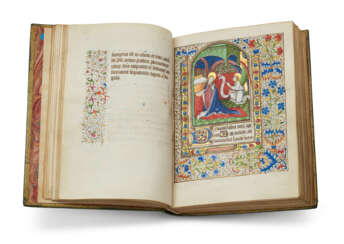

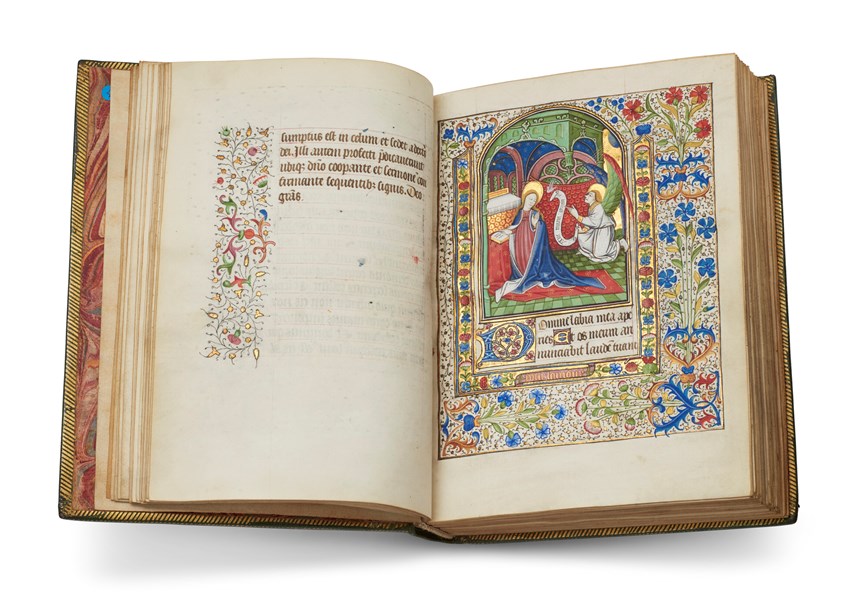
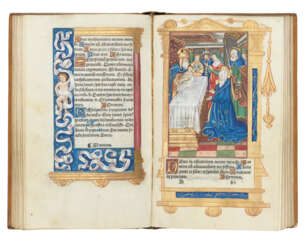
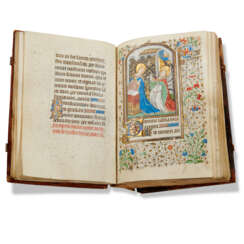
The Besançon illuminator was a French miniaturist painter from Besançon who worked in that city in the 1440s-1470s, decorating mainly the Books of Hours.

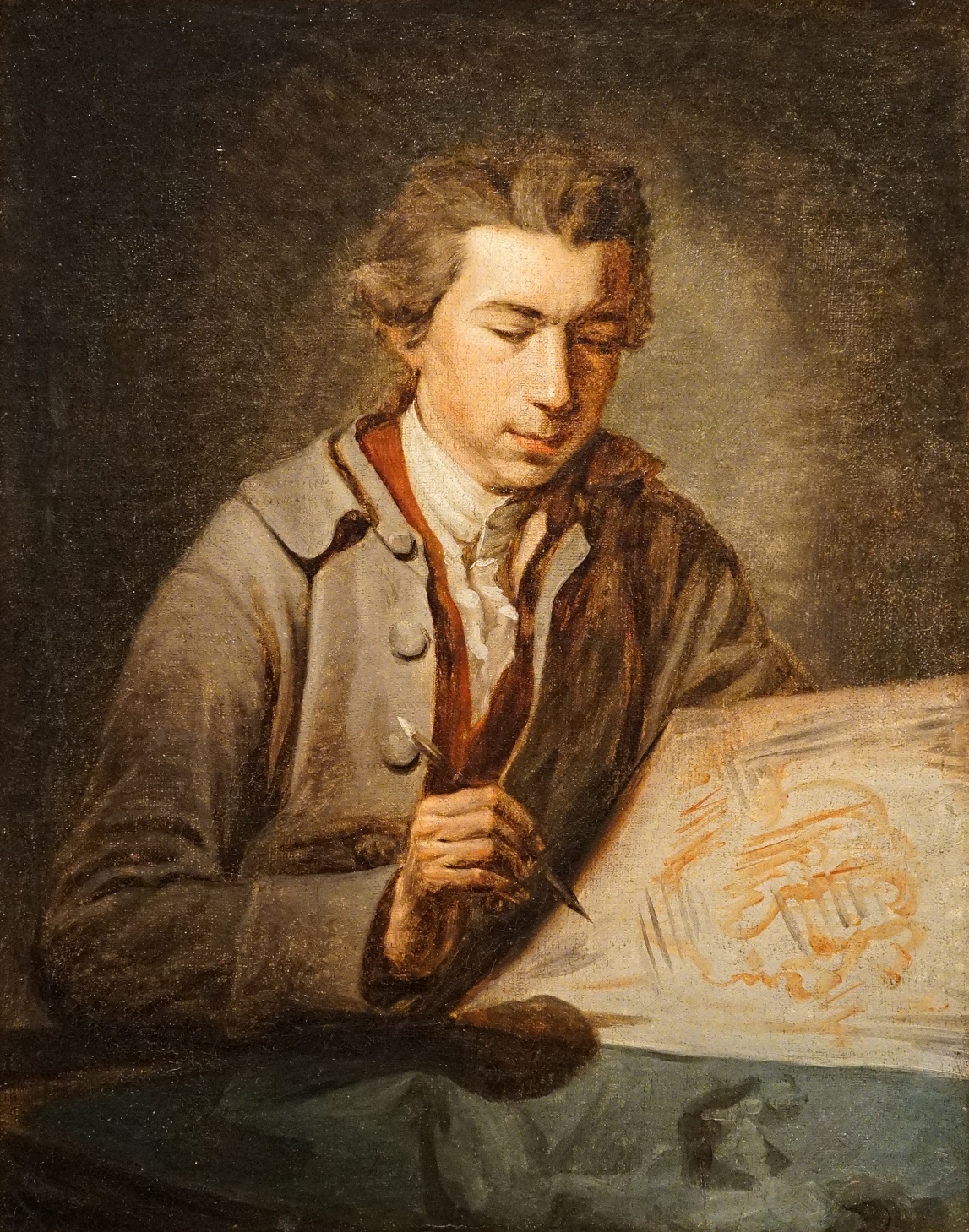
Donatien Nonnotte was a French painter who specialized in portraiture.






The Besançon illuminator was a French miniaturist painter from Besançon who worked in that city in the 1440s-1470s, decorating mainly the Books of Hours.

The Besançon illuminator was a French miniaturist painter from Besançon who worked in that city in the 1440s-1470s, decorating mainly the Books of Hours.







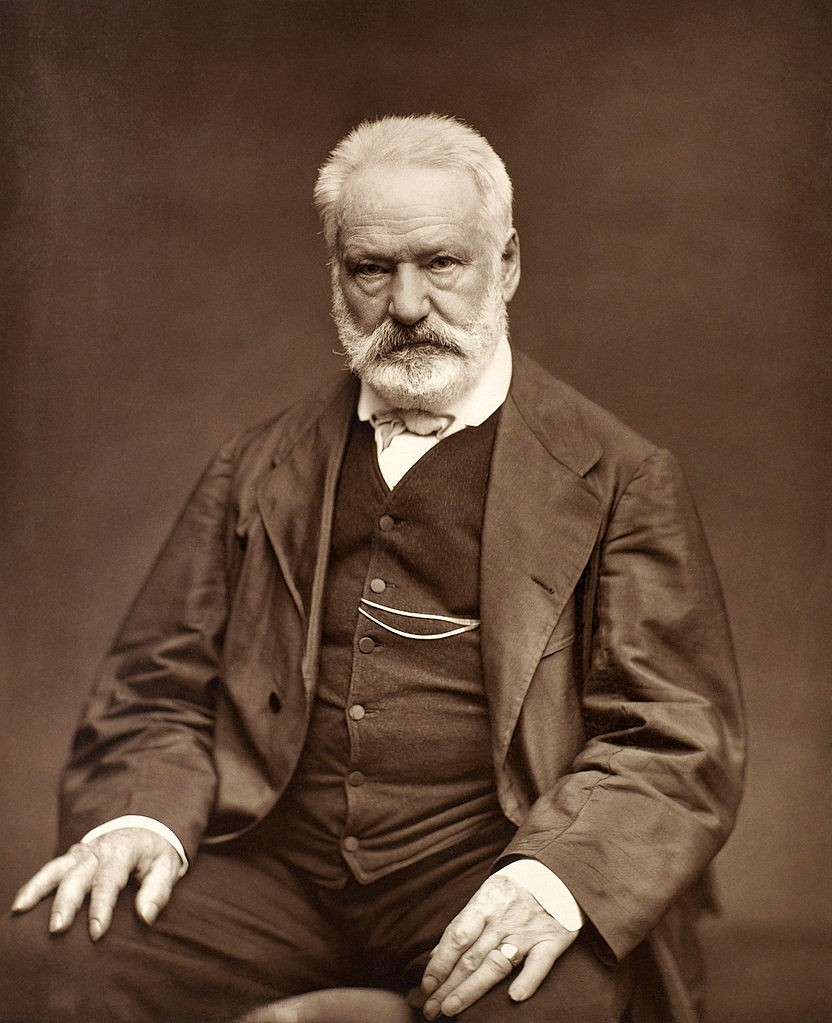
Victor Hugo was a French poet, novelist, dramatist, and politician, celebrated for his profound impact on art, culture, painting, and history. Born on February 26, 1802, in Besançon, France, Hugo emerged as a pivotal figure in the Romantic literary movement. His illustrious career spanned over six decades, during which he authored numerous works in various genres.
Victor Hugo's legacy is particularly notable for his novels "The Hunchback of Notre-Dame" (1831) and "Les Misérables" (1862), which have left an indelible mark on literature and culture. These works not only showcase his storytelling prowess but also reflect his deep engagement with the social issues of his time. His commitment to addressing societal concerns is further evidenced by his active political life and advocacy for causes like the abolition of capital punishment and slavery.
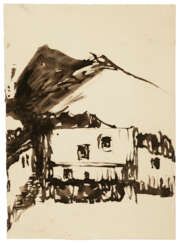
Beyond his literary and political contributions, Victor Hugo was also an accomplished artist, having produced over 4,000 drawings throughout his lifetime. His passion for the arts and dedication to social causes cemented his status as a national hero in France. When he passed away on May 22, 1885, his significance was underscored by a state funeral at the Panthéon in Paris, attended by over 2 million people, making it the largest in French history.
For collectors and experts in art and antiques, Victor Hugo's multifaceted legacy offers a rich tapestry of creativity and commitment to explore. His works not only provide profound literary enjoyment but also serve as a window into the cultural and historical milieu of 19th-century France.
To stay informed about new product sales and auction events related to Victor Hugo, sign up for updates. This subscription will ensure you're always in the loop regarding the latest developments related to this iconic figure's works and associated artifacts.
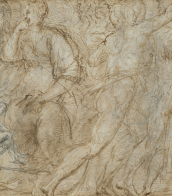
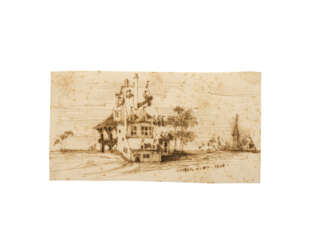

Victor Hugo was a French poet, novelist, dramatist, and politician, celebrated for his profound impact on art, culture, painting, and history. Born on February 26, 1802, in Besançon, France, Hugo emerged as a pivotal figure in the Romantic literary movement. His illustrious career spanned over six decades, during which he authored numerous works in various genres.
Victor Hugo's legacy is particularly notable for his novels "The Hunchback of Notre-Dame" (1831) and "Les Misérables" (1862), which have left an indelible mark on literature and culture. These works not only showcase his storytelling prowess but also reflect his deep engagement with the social issues of his time. His commitment to addressing societal concerns is further evidenced by his active political life and advocacy for causes like the abolition of capital punishment and slavery.
Beyond his literary and political contributions, Victor Hugo was also an accomplished artist, having produced over 4,000 drawings throughout his lifetime. His passion for the arts and dedication to social causes cemented his status as a national hero in France. When he passed away on May 22, 1885, his significance was underscored by a state funeral at the Panthéon in Paris, attended by over 2 million people, making it the largest in French history.
For collectors and experts in art and antiques, Victor Hugo's multifaceted legacy offers a rich tapestry of creativity and commitment to explore. His works not only provide profound literary enjoyment but also serve as a window into the cultural and historical milieu of 19th-century France.
To stay informed about new product sales and auction events related to Victor Hugo, sign up for updates. This subscription will ensure you're always in the loop regarding the latest developments related to this iconic figure's works and associated artifacts.
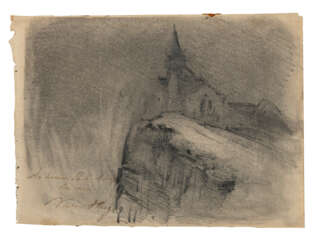

Victor Hugo was a French poet, novelist, dramatist, and politician, celebrated for his profound impact on art, culture, painting, and history. Born on February 26, 1802, in Besançon, France, Hugo emerged as a pivotal figure in the Romantic literary movement. His illustrious career spanned over six decades, during which he authored numerous works in various genres.
Victor Hugo's legacy is particularly notable for his novels "The Hunchback of Notre-Dame" (1831) and "Les Misérables" (1862), which have left an indelible mark on literature and culture. These works not only showcase his storytelling prowess but also reflect his deep engagement with the social issues of his time. His commitment to addressing societal concerns is further evidenced by his active political life and advocacy for causes like the abolition of capital punishment and slavery.
Beyond his literary and political contributions, Victor Hugo was also an accomplished artist, having produced over 4,000 drawings throughout his lifetime. His passion for the arts and dedication to social causes cemented his status as a national hero in France. When he passed away on May 22, 1885, his significance was underscored by a state funeral at the Panthéon in Paris, attended by over 2 million people, making it the largest in French history.
For collectors and experts in art and antiques, Victor Hugo's multifaceted legacy offers a rich tapestry of creativity and commitment to explore. His works not only provide profound literary enjoyment but also serve as a window into the cultural and historical milieu of 19th-century France.
To stay informed about new product sales and auction events related to Victor Hugo, sign up for updates. This subscription will ensure you're always in the loop regarding the latest developments related to this iconic figure's works and associated artifacts.
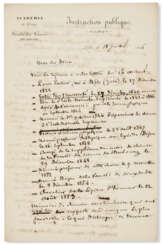

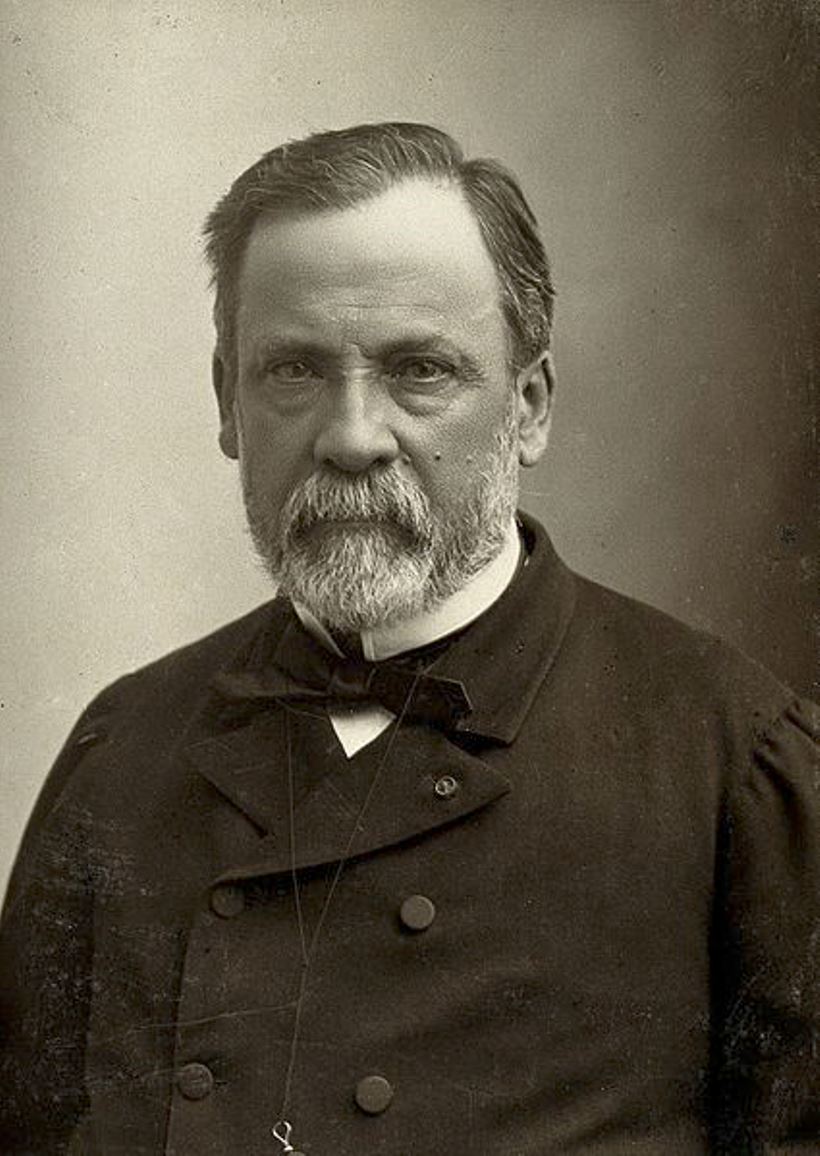
Louis Pasteur was a French chemist and the founder of microbiology and vaccination.
Pasteur received a bachelor of arts and sciences from the Royal College of Besançon and a doctorate from the École Normale in Paris, then spent several years as a researcher and teacher at the Lycée de Dijon. In 1848 he became professor of chemistry at the University of Strasbourg, and in the following year began to study the nature of wine fermentation, which began his revolutionary journey of most important scientific discoveries.
He invented a way to kill bacteria by boiling and then cooling the liquid, a process known today as pasteurization. Pasteur discovered the first vaccine in 1879 when he was exposed to a disease called chicken cholera. By accidentally exposing chickens to a weakened form of the culture, he demonstrated that they became resistant to the actual virus. Pasteur subsequently expanded his theory of germs and developed causes and vaccines against anthrax, cholera, tuberculosis, and smallpox, and the success of Pasteur's rabies vaccine in 1885 brought him worldwide fame.
Louis Pasteur's contribution to science, technology and medicine cannot be overemphasized. He pioneered the study of molecular asymmetry; discovered that microorganisms cause fermentation and disease; invented the process of pasteurization; saved the brewing, wine and silk industries in France; developed vaccines against the dreaded diseases anthrax and rabies, which saved millions of lives.
In 1873, Pasteur was elected an associate member of the Academy of Medicine, in 1882 - a member of the French Academy, and in 1888 in Paris was opened the Pasteur Institute. He was also awarded France's highest honor, the Legion of Honor.






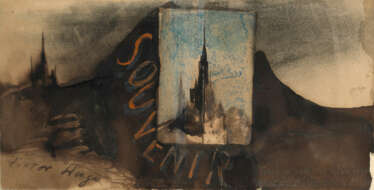

Victor Hugo was a French poet, novelist, dramatist, and politician, celebrated for his profound impact on art, culture, painting, and history. Born on February 26, 1802, in Besançon, France, Hugo emerged as a pivotal figure in the Romantic literary movement. His illustrious career spanned over six decades, during which he authored numerous works in various genres.
Victor Hugo's legacy is particularly notable for his novels "The Hunchback of Notre-Dame" (1831) and "Les Misérables" (1862), which have left an indelible mark on literature and culture. These works not only showcase his storytelling prowess but also reflect his deep engagement with the social issues of his time. His commitment to addressing societal concerns is further evidenced by his active political life and advocacy for causes like the abolition of capital punishment and slavery.
Beyond his literary and political contributions, Victor Hugo was also an accomplished artist, having produced over 4,000 drawings throughout his lifetime. His passion for the arts and dedication to social causes cemented his status as a national hero in France. When he passed away on May 22, 1885, his significance was underscored by a state funeral at the Panthéon in Paris, attended by over 2 million people, making it the largest in French history.
For collectors and experts in art and antiques, Victor Hugo's multifaceted legacy offers a rich tapestry of creativity and commitment to explore. His works not only provide profound literary enjoyment but also serve as a window into the cultural and historical milieu of 19th-century France.
To stay informed about new product sales and auction events related to Victor Hugo, sign up for updates. This subscription will ensure you're always in the loop regarding the latest developments related to this iconic figure's works and associated artifacts.
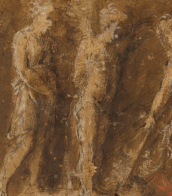

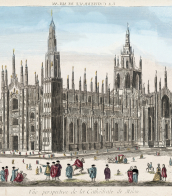








Maître François was a French illustrator who worked in Paris in the 1460s-1480s.
The identity of Maître François as an artist is first mentioned in a letter written by Robert Gauguin in 1473. Most of the prestigious commissions from the court and leading ecclesiastical figures of the time were carried out in François' studio. In Paris in the second half of the fifteenth century, one can trace the predominant style of illumination by the works of Master Jean Rolin, Maître François, and Master Jacques de Besançon. Bibliophiles close to the royal court encouraged the work of miniaturists through private commissions. In particular, Jacques d'Armagnac owned six manuscripts of Maitre Francois and his entourage.
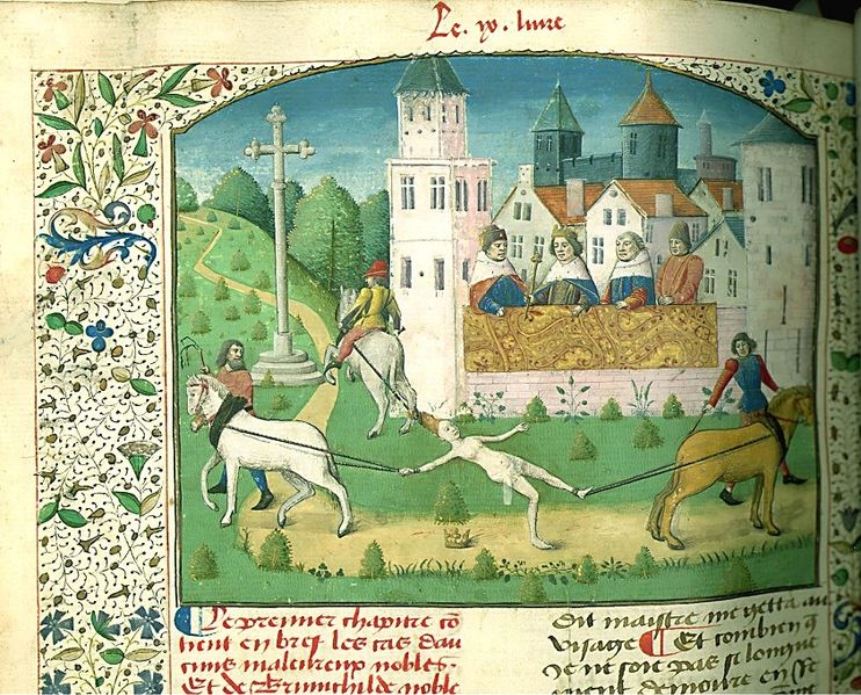
Boccaccio's De casibus virorum illustrium was very popular in the 15th century, where the author retells the fates and downfalls of famous personalities from the Bible, antiquity and medieval history, ending with Boccaccio's own contemporaries in 14th-century Florence. For a long time this book was even more famous and successful than Boccaccio's Decameron. The text was translated into French in 1409 for Jean, Duke de Berry, by his secretary Laurent Premieffe. And the illustrations for the book were later created in the workshop of the then respected Maître François.
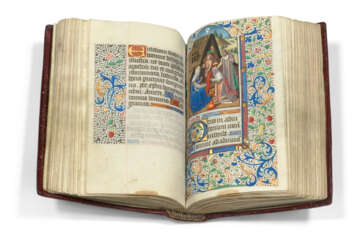

Maître François was a French illustrator who worked in Paris in the 1460s-1480s.
The identity of Maître François as an artist is first mentioned in a letter written by Robert Gauguin in 1473. Most of the prestigious commissions from the court and leading ecclesiastical figures of the time were carried out in François' studio. In Paris in the second half of the fifteenth century, one can trace the predominant style of illumination by the works of Master Jean Rolin, Maître François, and Master Jacques de Besançon. Bibliophiles close to the royal court encouraged the work of miniaturists through private commissions. In particular, Jacques d'Armagnac owned six manuscripts of Maitre Francois and his entourage.
Boccaccio's De casibus virorum illustrium was very popular in the 15th century, where the author retells the fates and downfalls of famous personalities from the Bible, antiquity and medieval history, ending with Boccaccio's own contemporaries in 14th-century Florence. For a long time this book was even more famous and successful than Boccaccio's Decameron. The text was translated into French in 1409 for Jean, Duke de Berry, by his secretary Laurent Premieffe. And the illustrations for the book were later created in the workshop of the then respected Maître François.



.jpg)
Hubert Robert was a renowned French artist, celebrated for his captivating landscape paintings and architectural fantasies. Born in Paris in 1733, Robert's talent was nurtured early on, thanks to the patronage of the Choiseul family. His journey to Rome in 1754 marked a pivotal phase in his career, where he immersed himself in studying ancient and modern Italian architecture, significantly influencing his artistic style.
Hubert Robert's work is characterized by its romantic depiction of ruins, blending fantasy with historical accuracy, which earned him the nickname "Robert des Ruines." His landscapes and capricci, which are imaginative compositions of architectural elements, resonated with the art collectors and the aristocracy of his time, securing his place as a key figure in French art history.
Noteworthy are Hubert Robert's contributions to the design of picturesque gardens, where he provided atmospheric visions rather than practical layouts. His involvement in the creation of gardens at places like Ermenonville and Méréville showcases his ability to merge art with nature, creating spaces that were both innovative and inspirational.
His artworks, such as "The Port of Rome" and "The Old Bridge," are treasured in prestigious galleries worldwide, reflecting his enduring legacy in the realm of art and culture. For art collectors and experts, Hubert Robert's oeuvre offers a window into the 18th-century artistic landscape, where imagination and historical elements coalesce to form compelling visual narratives.
For updates on exhibitions and auction events related to Hubert Robert's works, sign up to stay informed about new discoveries and opportunities to appreciate the artistry of this exceptional French painter.