

blumen & pflanzen




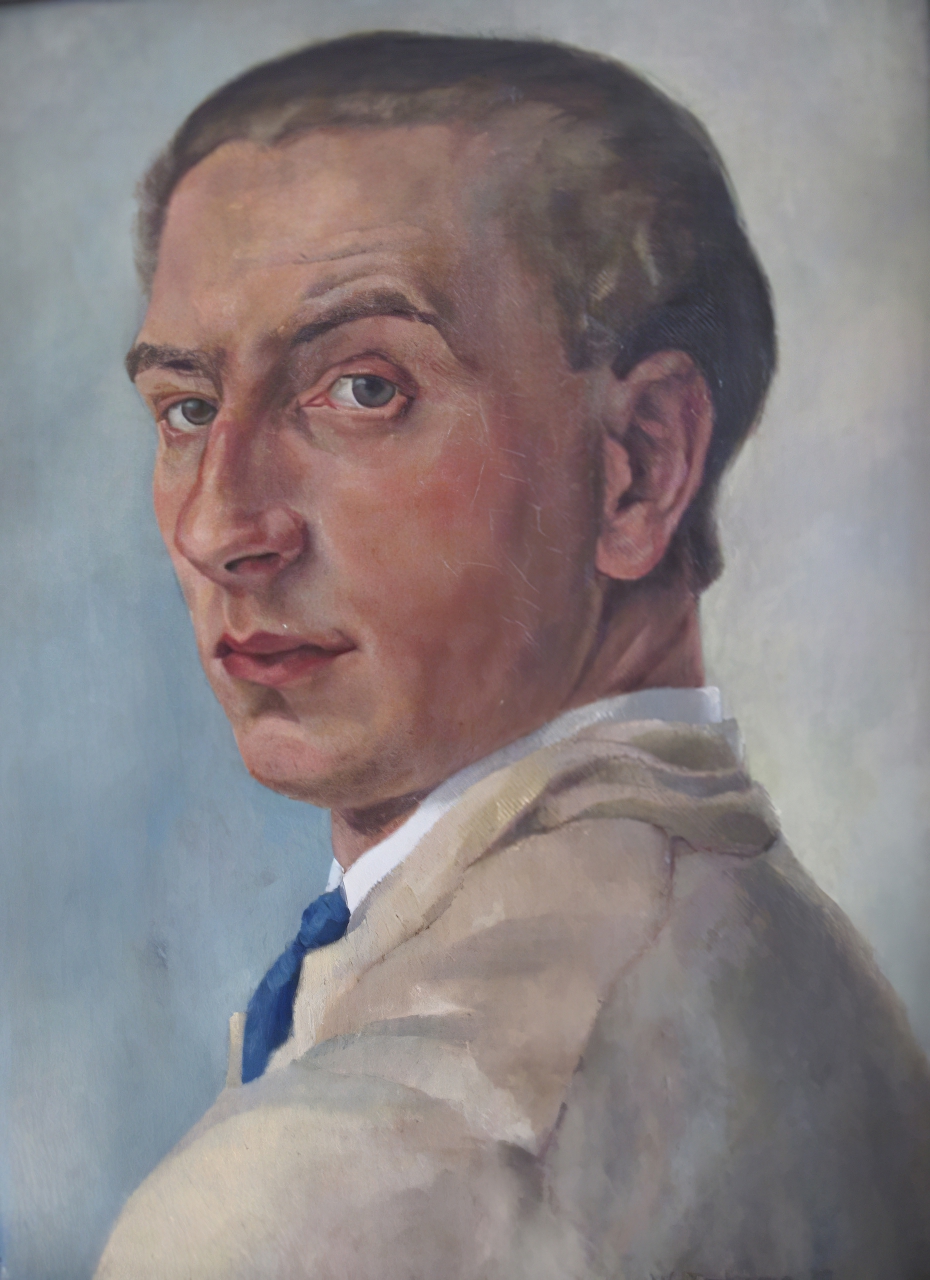
Wilhelm Imkamp was a German painter and a student of the Bauhaus and is one of the most important abstract painters of the post-war period in Germany.
Even though Imkamp made over 500 portraits in his lifetime and thus secured his income for several years of his life, abstract painting is and remains the core of his work. His paintings were created without sketches and preliminary studies, he always painted several pictures at the same time and let a composition emerge in many individual steps from the interaction of colour and form alone. Impressions from nature and music were his sources of inspiration, which played a part in the creative process, but in the end a completely new world of images emerged, on the basis of which the picture titles were also found. Imkamp's work is clearly recognisable as a Bauhaus student, strongly influenced by Wassily Kandinsky's colour compositions, Paul Klee's narrative span and Lyonel Feiniger's structured use of space. Over the years, however, he developed a very independent artistic position among the students of the Bauhaus.








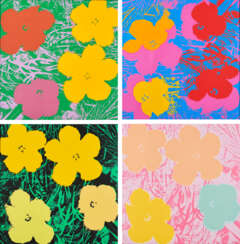

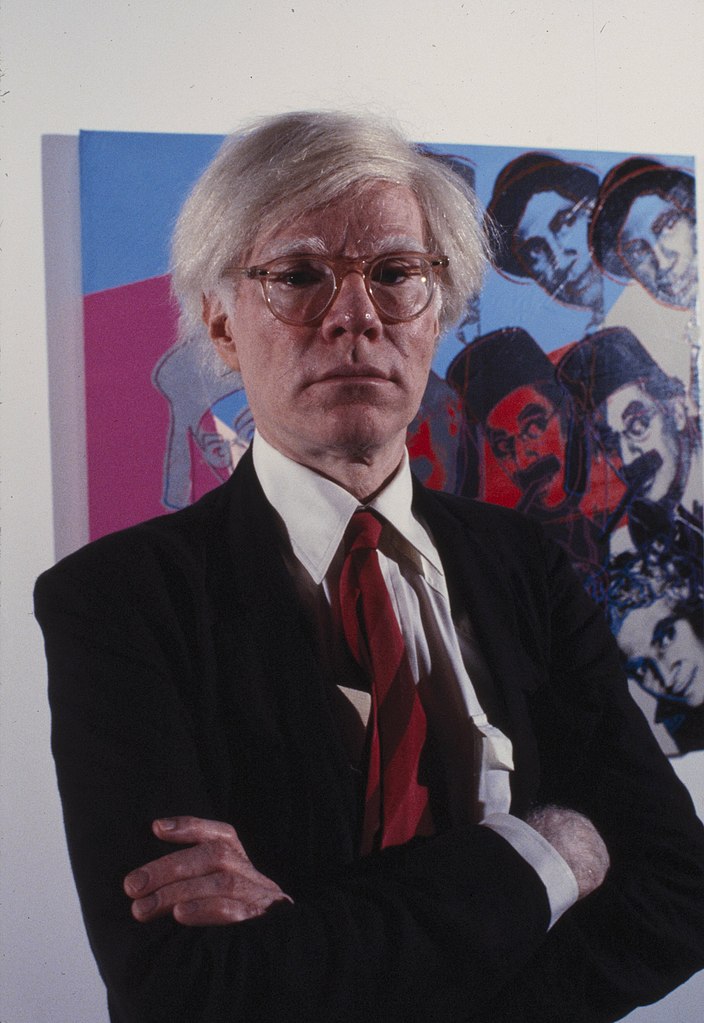
Andy Warhol, born as Andrew Warhola Jr., was an American visual artist, film director, and producer, who played a pivotal role in the development of the Pop Art movement. His art delved into the interplay between artistic expression, advertising, and celebrity culture, especially prevalent in the 1960s. Warhol was renowned for his diverse range of media, which included painting, silkscreening, photography, film, and sculpture.
Warhol's journey began in Pittsburgh, where he was born and raised, initially making a name for himself as a commercial illustrator. His New York studio, "The Factory," became a famous hub for intellectuals, celebrities, and various artistic minds. He was known for creating the notion of "Warhol superstars" and popularized the phrase "15 minutes of fame."
His contribution to the art world is significant, with notable works like "Campbell's Soup Cans" (1962) and "Marilyn Diptych" (1962), as well as his experimental films like "Empire" (1964) and "Chelsea Girls" (1966). These works not only define his career but also underscore the essence of the Pop Art movement.
Warhol's influence extended beyond his artwork. He managed and produced the experimental rock band The Velvet Underground, founded Interview magazine, and wrote several books, including "The Philosophy of Andy Warhol" and "Popism: The Warhol Sixties." Living openly as a gay man before the gay liberation movement, Warhol's personal life was as influential as his professional endeavors.
Tragically, Warhol's life was nearly cut short in 1968 when he was shot by radical feminist Valerie Solanas. He eventually passed away in 1987 due to cardiac arrhythmia following gallbladder surgery. His legacy continues, with The Andy Warhol Museum in Pittsburgh standing as the largest U.S. museum dedicated to a single artist.
Warhol's art remains highly collectible and valuable. His works, like the "Silver Car Crash (Double Disaster)" and "Shot Sage Blue Marilyn," have fetched staggering amounts at auctions, signifying his enduring impact on the art market.
For art collectors and experts, Andy Warhol's work represents a crucial intersection of pop culture and fine art, offering a unique perspective on consumerism and celebrity. His pieces are not just art; they are historical landmarks that capture a transformative era in both art and society.
To stay updated on new products, sales, and auction events related to Andy Warhol, sign up for our updates. This subscription will keep you informed about all things Warhol without overwhelming you with unnecessary information.

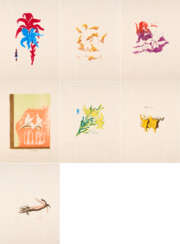

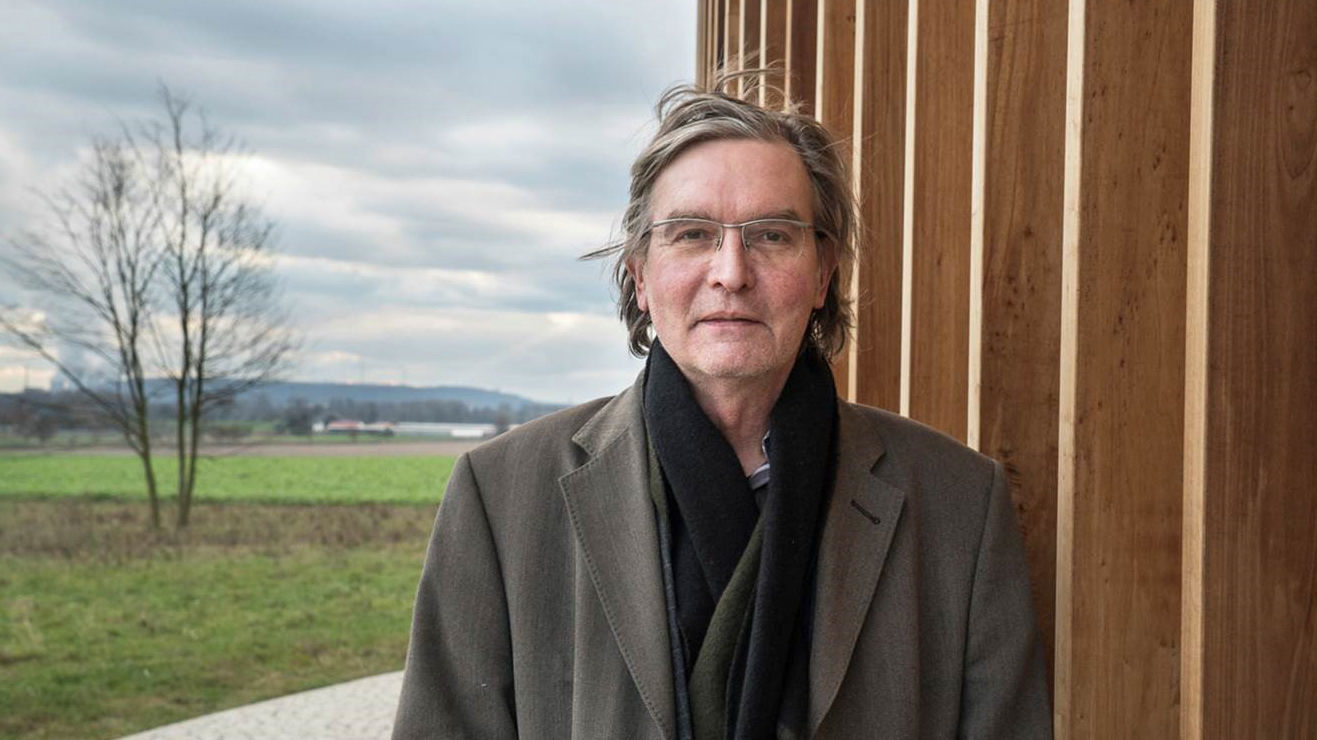
Thomas Schütte is a German contemporary artist. He sculpts, creates architectural designs, and draws. He lives and works in Düsseldorf.
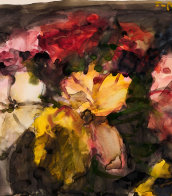




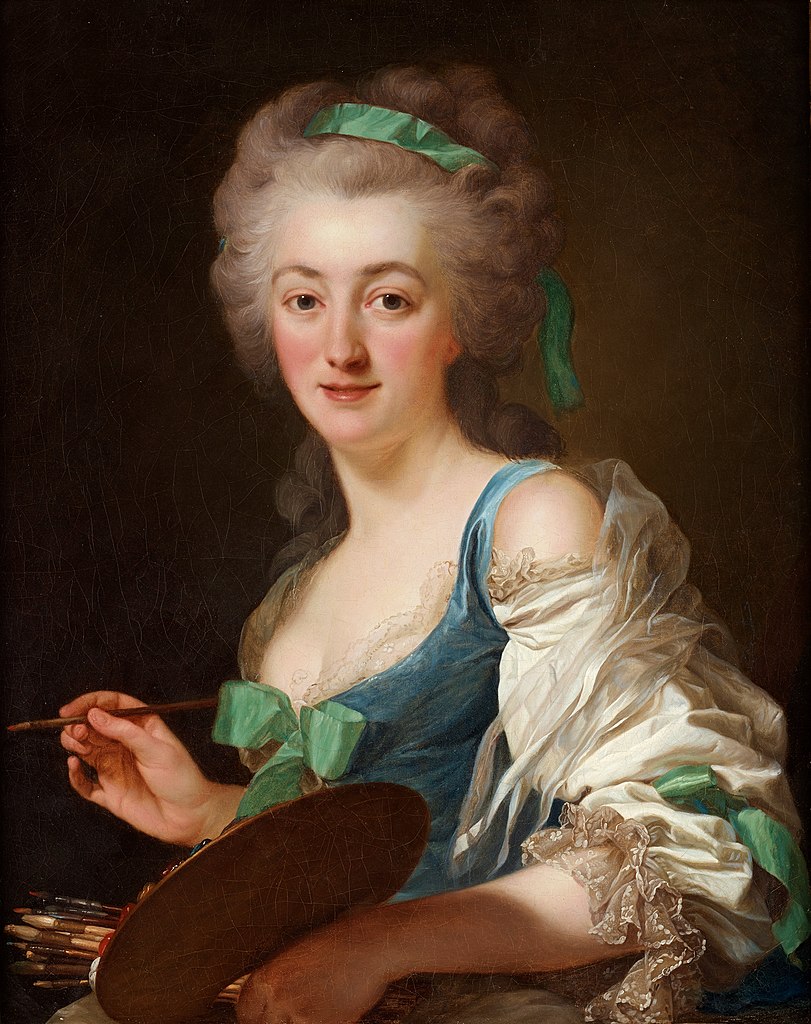
Anne Vallayer-Coster was a renowned French artist, celebrated for her exceptional still-life paintings that captivated 18th-century art enthusiasts, including the French Queen Marie Antoinette. Born into an artistic family in 1744, Vallayer-Coster's talent was evident early on, leading to her unanimous election into the prestigious Académie Royale at just 26 years old. Her works, characterized by their vibrant color, meticulous detail, and textural precision, often depicted bowls of fruit, game, shells, and flowers, showcasing the opulence of French aristocracy before the Revolution.
Vallayer-Coster's career was notable not only for her artistic achievements but also for her ability to navigate the male-dominated art world of her time. Despite the societal constraints on women artists, she gained the patronage of influential figures like Marie Antoinette and was one of the few women admitted to the Royal Academy of Painting and Sculpture. Her work received critical acclaim at the Salon, where she exhibited regularly from 1771 until 1817, and her still-lifes were praised for their sensuality, illusionistic perfection, and the rich, indulgent luxury they portrayed.
One of Vallayer-Coster's most ambitious works, Still Life with Flowers in an Alabaster Vase and Fruit (1783), exemplifies her unparalleled skill in capturing the soft textures of flowers and their harmonious arrangement. This masterpiece was hailed as such at the Salon of 1783 and is considered by Vallayer-Coster herself as her finest painting. Lost for nearly two centuries, it was recently rediscovered in an almost pristine state and is now part of the National Gallery of Art's collection, highlighting Vallayer-Coster's significant contributions to European art history.
Throughout her career, Vallayer-Coster produced more than 120 still lifes, always with a distinctive brilliance in color, earning her a place among the elite artists of her time. Despite facing challenges during the French Revolution due to her close association with the monarchy, she continued to exhibit her work and contribute to the art world until her death in 1818.
For collectors and experts in art and antiques, Anne Vallayer-Coster's legacy is a testament to her skill, resilience, and the impact of her work on the history of art. To stay updated on new product sales and auction events related to Anne Vallayer-Coster, sign up for updates that focus solely on this exceptional artist's contributions to the art world.
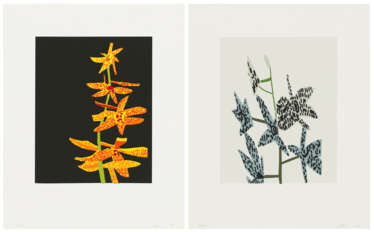

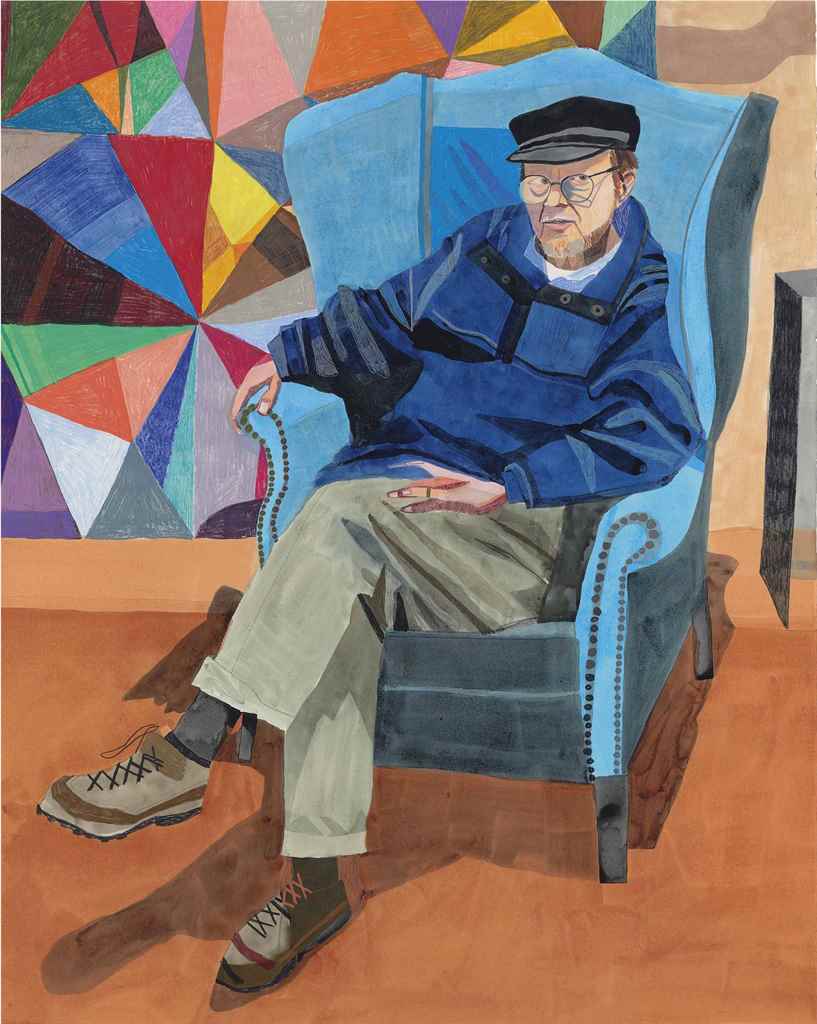
Jonas Wood is a contemporary artist based in Los Angeles.
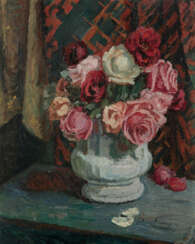

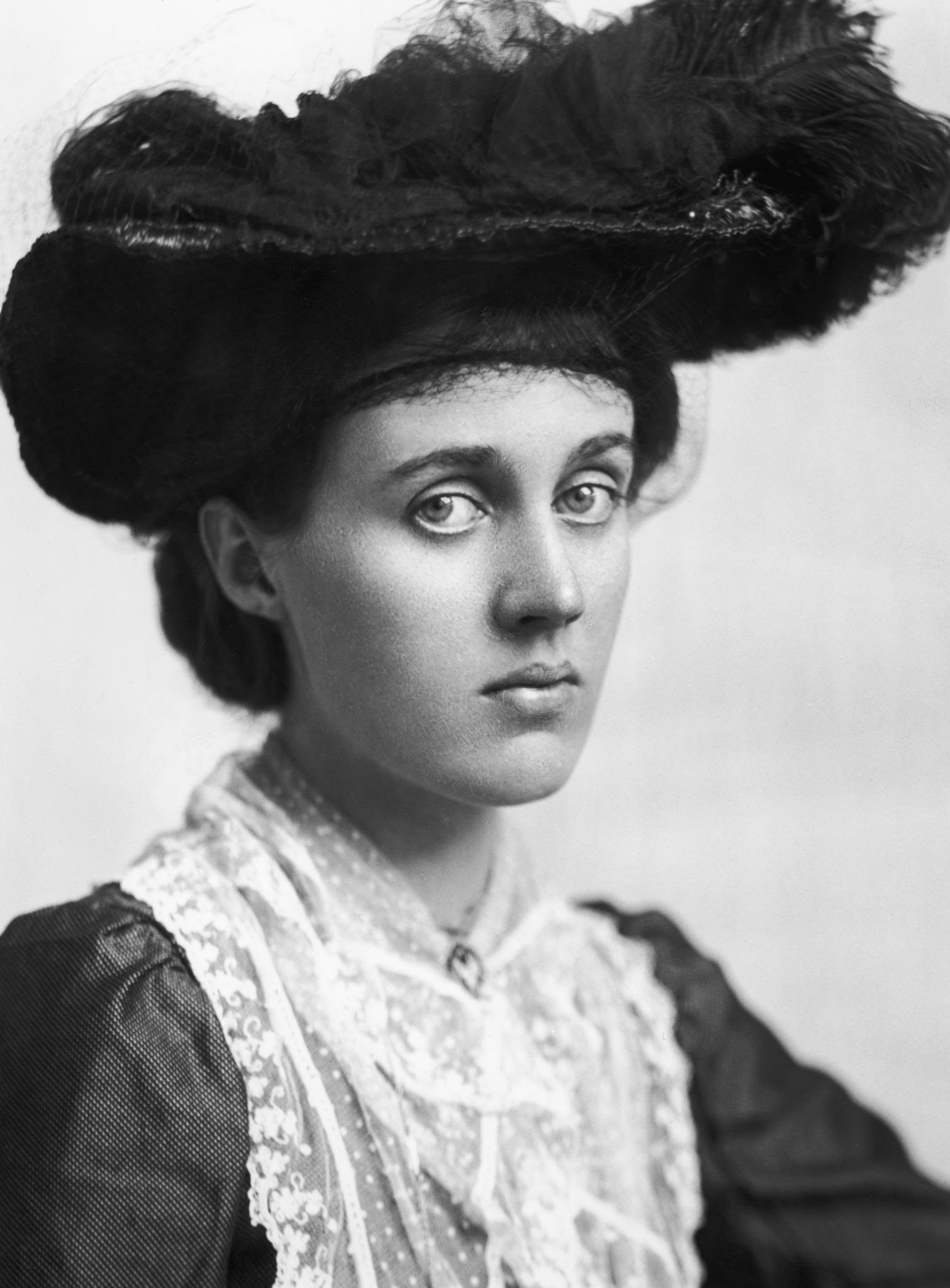
Vanessa Bell was an English painter and interior designer, a member of the Bloomsbury Group.
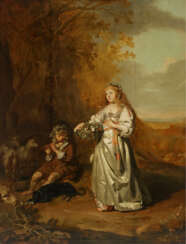

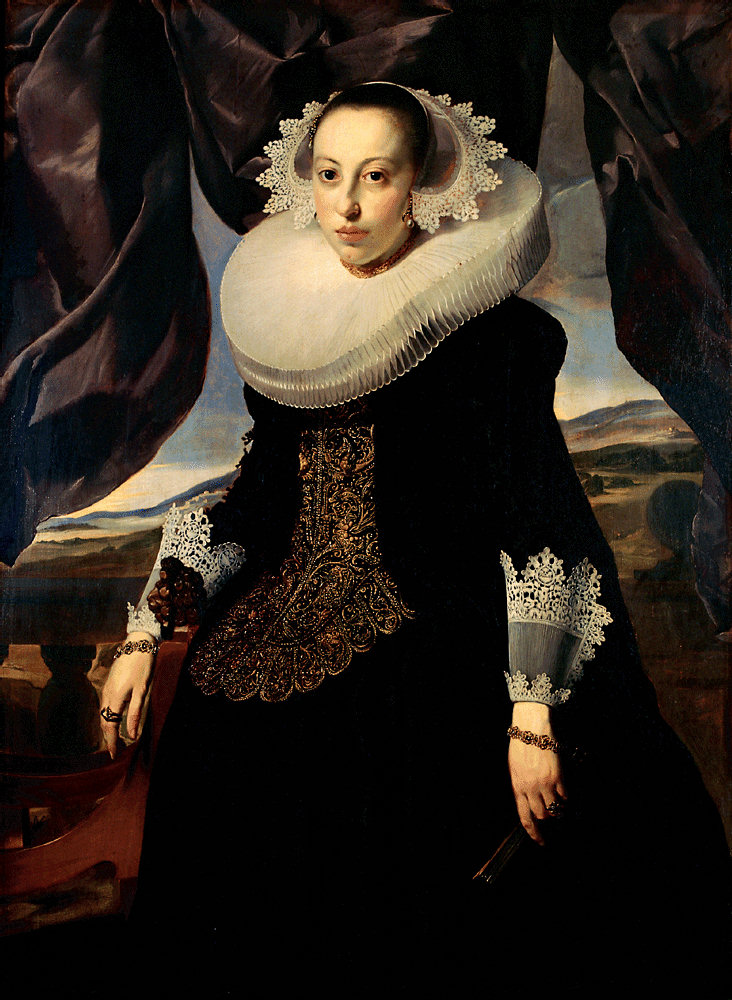
Thomas Hendricksz de Keyser was a Dutch portrait painter, a dealer in Belgium bluestone and stone mason. He was the most in-demand portrait painter in the Netherlands until the 1630s, when Rembrandt van Rijn eclipsed him in popularity. Rembrandt was influenced by his work, and many of de Keyser's paintings were later falsely attributed to Rembrandt.


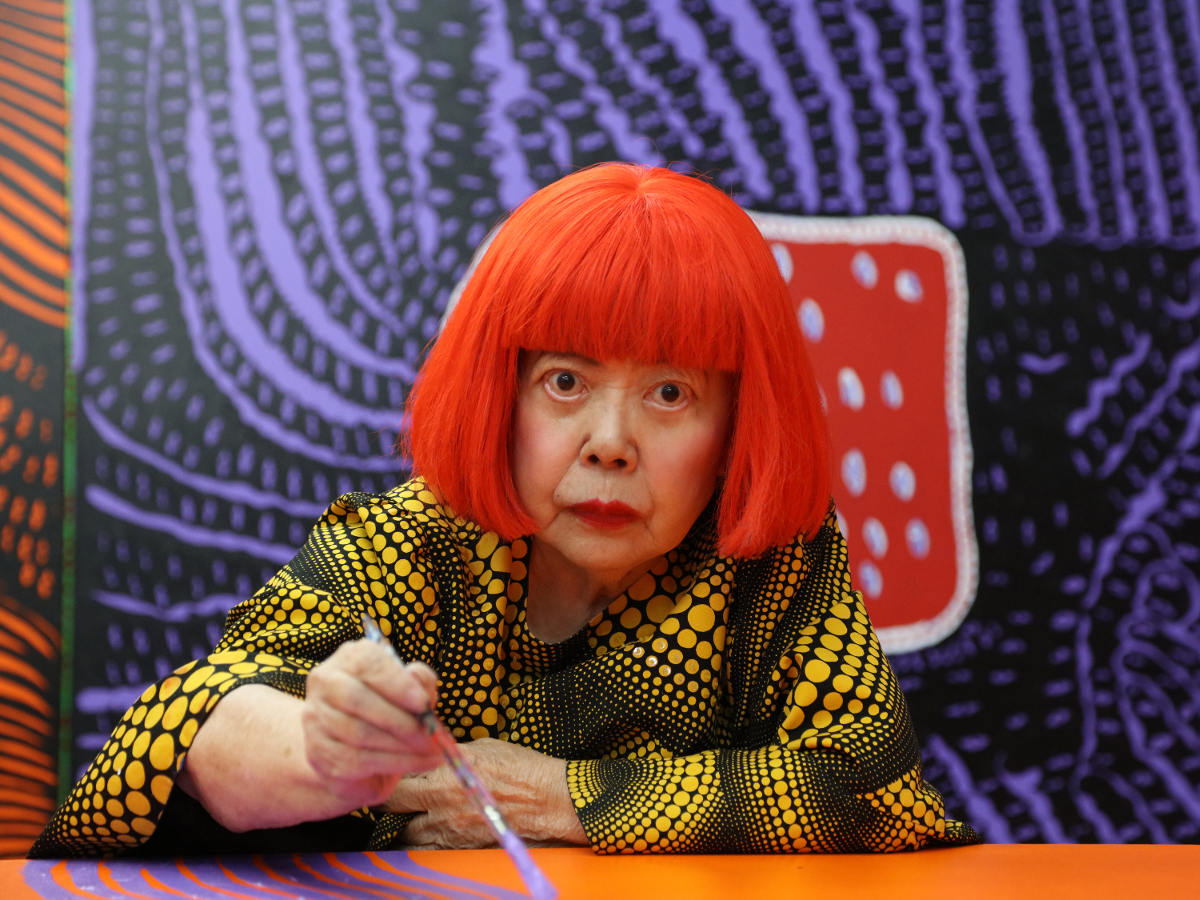
Yayoi Kusama is a Japanese contemporary artist who works primarily in sculpture and installation, but is also active in painting, performance, video art, fashion, poetry, fiction, and other arts. Her work is based in conceptual art and shows some attributes of feminism, minimalism, surrealism, Art Brut, pop art, and abstract expressionism, and is infused with autobiographical, psychological, and sexual content. She has been acknowledged as one of the most important living artists to come out of Japan.




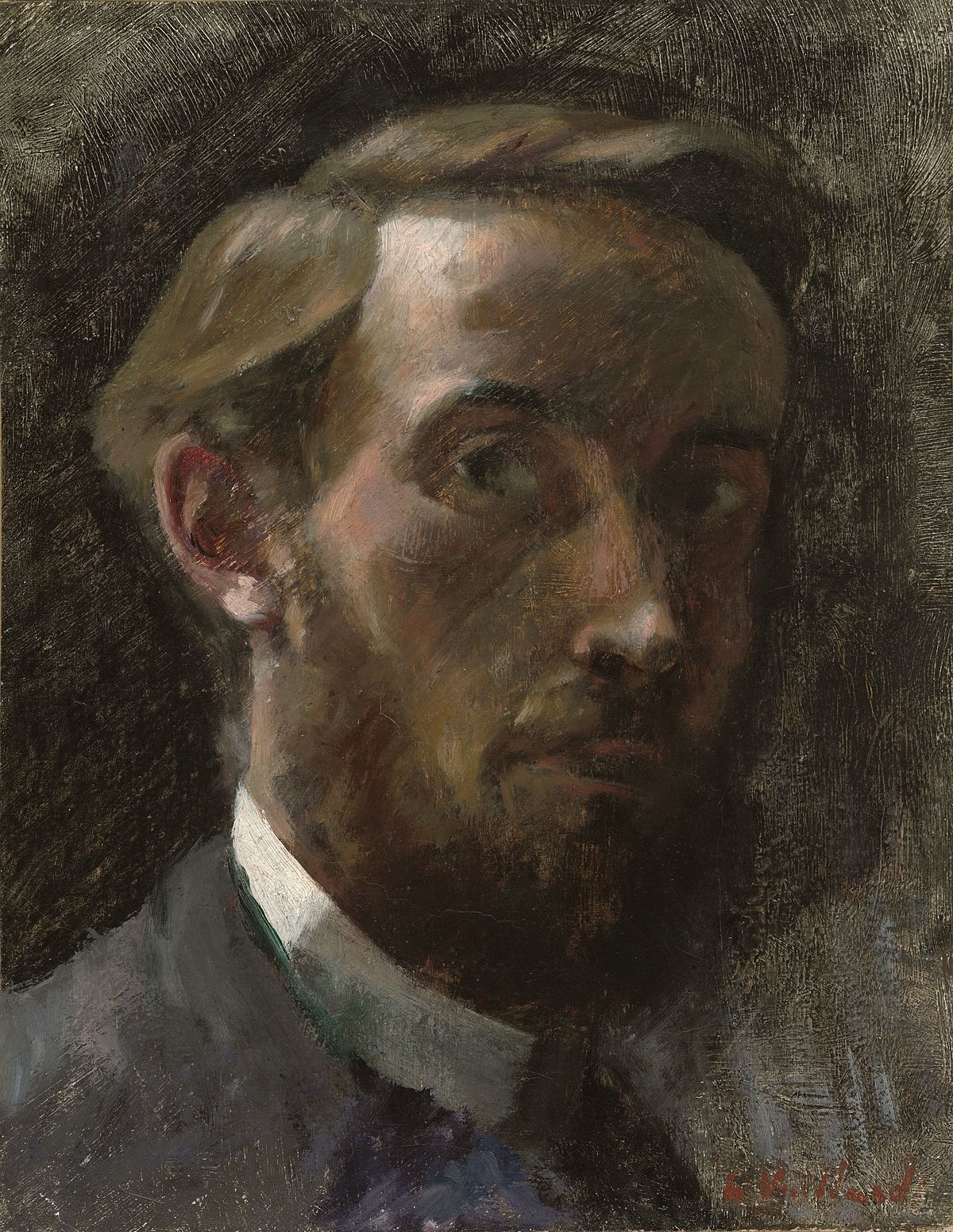
Jean-Édouard Vuillard was a French artist, celebrated for his role in the avant-garde group Les Nabis. Known for his decorative art and printmaking, Vuillard's work was heavily influenced by Japanese prints, which is evident in his unique style of flattened color planes and simplified forms. His paintings, often of interior scenes, are distinguished by their intimate and domestic subjects, displaying a keen sensitivity to the subtle dynamics of everyday life.
In the late 1880s, Vuillard joined Les Nabis, a group of artists who sought to break away from traditional artistic concepts. This association played a pivotal role in shaping his artistic philosophy. Vuillard’s early works, like "The Seamstresses" (1890) and "Child in an Orange Shawl" (1894–95), demonstrate his evolving style, marked by the use of vibrant colors and a distinct lack of perspective, aimed at exploring spatial relationships.
Vuillard's artistic journey included ventures into theater decoration and interior design. He designed stage sets and theater programs, notably for Lugné-Poe's Theatre de l’Oeuvre, and also worked on large-scale panel paintings for French patrons. His close collaboration with the Natanson brothers, founders of the cultural review La Revue Blanche, was significant in his career. This association brought him various commissions, including decorative works for private homes and public buildings.
Vuillard's art evolved over time, transitioning from his Nabis-style works to more naturalistic portraits in the 1920s and 1930s. Despite this shift, his focus remained on portraying the intricacies of domestic life, often featuring the people closest to him. Notable among his subjects were Misia Natanson, a prominent figure in the Parisian cultural scene, and Lucy Hessel, with whom Vuillard had a long-term relationship.
For art collectors and experts, Vuillard's works are a window into the intimate spaces of Parisian life at the turn of the century. His ability to transform everyday scenes into art makes his work particularly appealing. Pieces like "The Green Interior" (1891) and "Breakfast at Villerville" (1910) are exemplary of his style and are celebrated for their quiet yet profound depiction of ordinary life.
Vuillard's legacy lives on in galleries and museums worldwide. His work remains a testament to the power of domestic scenes in art, capturing the essence of the period with a unique blend of realism and abstraction.
For those interested in the subtle beauty of Vuillard's work, subscribing to our updates will ensure you stay informed about new sales and auction events featuring his art. Our updates are tailored for connoisseurs like you, providing insights into the world of art and antiques, with a focus on Vuillard's enduring legacy.


Paul Gauguin, a French artist born in Paris in 1848, is renowned for his significant contributions to Post-Impressionism, Primitivism, and Synthetism. Gauguin's art is distinguished by his experimental use of color and style, which set him apart from the traditional Impressionist movement.
Gauguin's early life was marked by a period in Peru, which influenced his artistic perspective. Initially, he pursued a career in stockbroking but soon turned to art, driven by financial necessity and a growing passion. His artistic journey began under the mentorship of Impressionist artist Camille Pissarro and through exposure to the works of other avant-garde artists.
The hallmark of Gauguin's work is his exploration of non-Western cultures, particularly during his time in Tahiti and the Marquesas Islands. This period saw the creation of some of his most famous works, including "Where Do We Come From? What Are We? Where Are We Going?" His paintings from this era, characterized by vivid colors and Symbolist themes, reflect a fusion of cultural influences and his quest for a "primitive" expression of spiritual and emotional states.
Despite his innovative style, Gauguin struggled with financial difficulties and health issues throughout his life. His work received little recognition during his lifetime, but posthumously, he gained acclaim for influencing modern artists like Pablo Picasso and Henri Matisse.
Today, Gauguin's works are celebrated in galleries and museums worldwide for their unique blend of cultural influences and artistic innovation. His enduring legacy is a testament to his unique vision and the profound impact he had on the art world.
Collectors and experts in art and antiques, stay updated on new product sales and auction events related to Paul Gauguin. Sign up now for exclusive updates and immerse yourself in the world of this visionary artist.

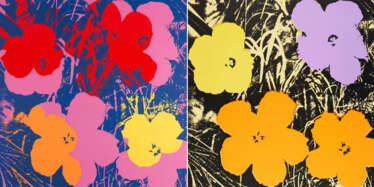

Andy Warhol, born as Andrew Warhola Jr., was an American visual artist, film director, and producer, who played a pivotal role in the development of the Pop Art movement. His art delved into the interplay between artistic expression, advertising, and celebrity culture, especially prevalent in the 1960s. Warhol was renowned for his diverse range of media, which included painting, silkscreening, photography, film, and sculpture.
Warhol's journey began in Pittsburgh, where he was born and raised, initially making a name for himself as a commercial illustrator. His New York studio, "The Factory," became a famous hub for intellectuals, celebrities, and various artistic minds. He was known for creating the notion of "Warhol superstars" and popularized the phrase "15 minutes of fame."
His contribution to the art world is significant, with notable works like "Campbell's Soup Cans" (1962) and "Marilyn Diptych" (1962), as well as his experimental films like "Empire" (1964) and "Chelsea Girls" (1966). These works not only define his career but also underscore the essence of the Pop Art movement.
Warhol's influence extended beyond his artwork. He managed and produced the experimental rock band The Velvet Underground, founded Interview magazine, and wrote several books, including "The Philosophy of Andy Warhol" and "Popism: The Warhol Sixties." Living openly as a gay man before the gay liberation movement, Warhol's personal life was as influential as his professional endeavors.
Tragically, Warhol's life was nearly cut short in 1968 when he was shot by radical feminist Valerie Solanas. He eventually passed away in 1987 due to cardiac arrhythmia following gallbladder surgery. His legacy continues, with The Andy Warhol Museum in Pittsburgh standing as the largest U.S. museum dedicated to a single artist.
Warhol's art remains highly collectible and valuable. His works, like the "Silver Car Crash (Double Disaster)" and "Shot Sage Blue Marilyn," have fetched staggering amounts at auctions, signifying his enduring impact on the art market.
For art collectors and experts, Andy Warhol's work represents a crucial intersection of pop culture and fine art, offering a unique perspective on consumerism and celebrity. His pieces are not just art; they are historical landmarks that capture a transformative era in both art and society.
To stay updated on new products, sales, and auction events related to Andy Warhol, sign up for our updates. This subscription will keep you informed about all things Warhol without overwhelming you with unnecessary information.
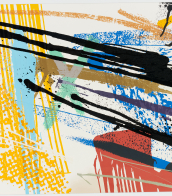


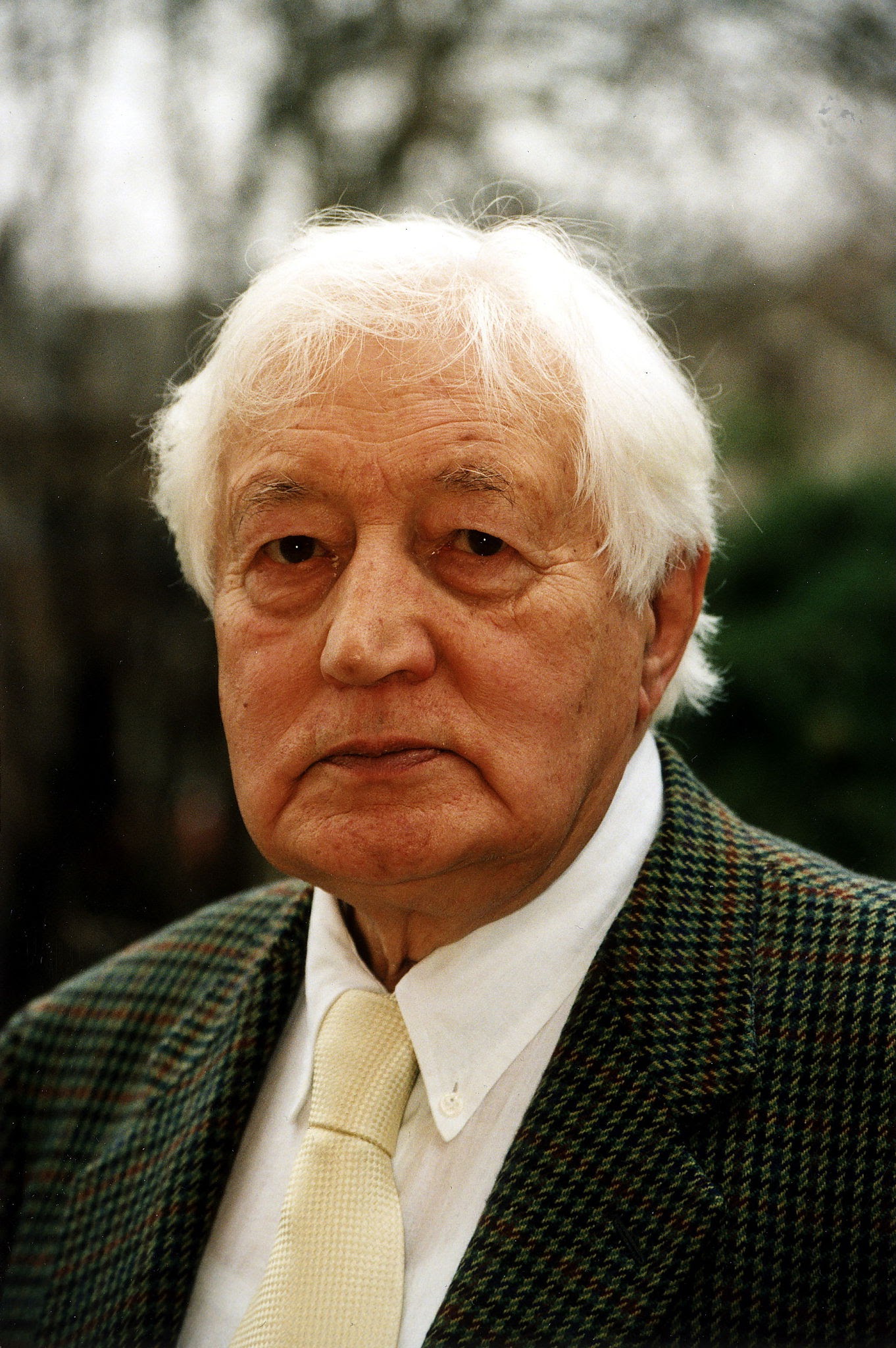
Siegward Sprotte was a German artist, writer and philosopher.
Originally Siegward Sprotte painted figuratively, including portraits of old masters and drawings. Later he devoted himself more to landscape, up to the ideogram and colourful calligraphy.
Sprotte has written many works on the subjects of art, consciousness and modernity, and is the creator of a new paradigm of "eye-to-eye".
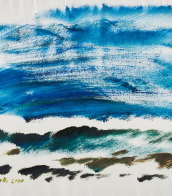


Siegward Sprotte was a German artist, writer and philosopher.
Originally Siegward Sprotte painted figuratively, including portraits of old masters and drawings. Later he devoted himself more to landscape, up to the ideogram and colourful calligraphy.
Sprotte has written many works on the subjects of art, consciousness and modernity, and is the creator of a new paradigm of "eye-to-eye".


Siegward Sprotte was a German artist, writer and philosopher.
Originally Siegward Sprotte painted figuratively, including portraits of old masters and drawings. Later he devoted himself more to landscape, up to the ideogram and colourful calligraphy.
Sprotte has written many works on the subjects of art, consciousness and modernity, and is the creator of a new paradigm of "eye-to-eye".


Siegward Sprotte was a German artist, writer and philosopher.
Originally Siegward Sprotte painted figuratively, including portraits of old masters and drawings. Later he devoted himself more to landscape, up to the ideogram and colourful calligraphy.
Sprotte has written many works on the subjects of art, consciousness and modernity, and is the creator of a new paradigm of "eye-to-eye".


Siegward Sprotte was a German artist, writer and philosopher.
Originally Siegward Sprotte painted figuratively, including portraits of old masters and drawings. Later he devoted himself more to landscape, up to the ideogram and colourful calligraphy.
Sprotte has written many works on the subjects of art, consciousness and modernity, and is the creator of a new paradigm of "eye-to-eye".


Siegward Sprotte was a German artist, writer and philosopher.
Originally Siegward Sprotte painted figuratively, including portraits of old masters and drawings. Later he devoted himself more to landscape, up to the ideogram and colourful calligraphy.
Sprotte has written many works on the subjects of art, consciousness and modernity, and is the creator of a new paradigm of "eye-to-eye".