books and manuscripts








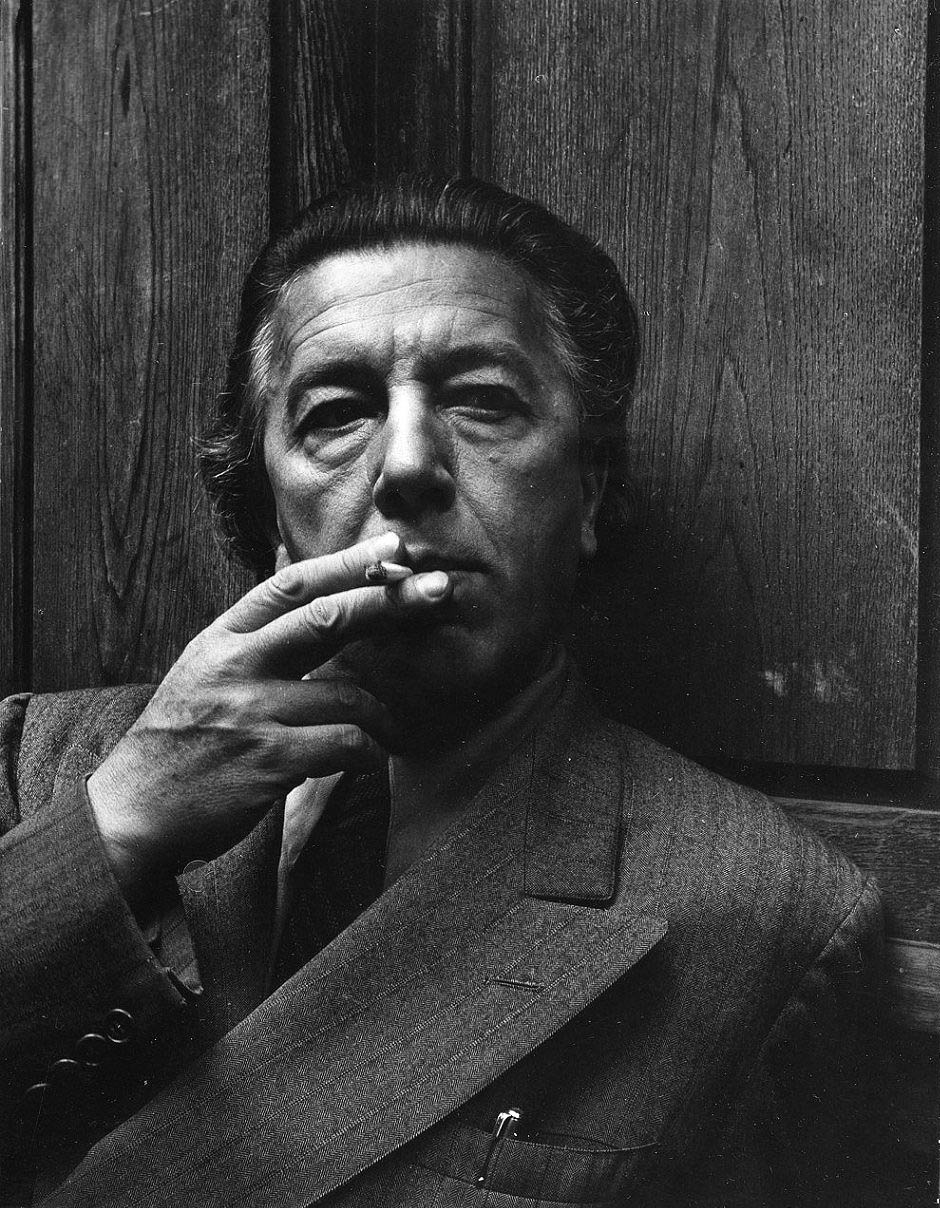
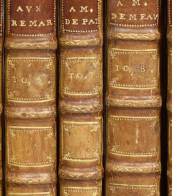
André Breton was a French writer, poet, and anti-fascist, renowned as the principal founder and leading theorist of Surrealism, an influential movement that sought to release the creative potential of the unconscious mind. Born in Tinchebray, France, in 1896, Breton's work was deeply influenced by the theories of Sigmund Freud and was characterized by a fascination with dreams, the irrational, and the workings of the mind. As a cultural icon, his contributions extended beyond literature into the realms of art, sculpture, and painting, making him a pivotal figure in 20th-century artistic movements.
Breton's seminal work, the "Manifesto of Surrealism" (1924), outlined the principles of the movement, advocating for the expression of the subconscious and the importance of dreams as a source of artistic inspiration. His leadership and writings not only shaped Surrealism but also had a lasting impact on the broader culture of art, influencing countless artists, painters, and sculptors. Breton's ability to merge poetry with visual arts led to collaborations with prominent artists like Salvador Dalí, Max Ernst, and Joan Miró, further cementing his legacy as a central figure in modern art.
Notably, André Breton's works and personal collection, which included art pieces and surreal objects, have been displayed in museums and galleries worldwide, showcasing his eclectic taste and profound influence on the art world. His Paris apartment was a gathering place for artists and intellectuals, becoming a hub of Surrealist activity and thought. For collectors and experts in art and antiques, Breton's contributions represent a fascinating intersection of literary prowess and visual creativity, highlighting the enduring relevance of Surrealism.
For those interested in exploring the depths of Surrealism and André Breton's groundbreaking contributions, signing up for updates can provide exclusive access to new product sales and auction events related to this pivotal artist and thinker. This subscription is an invaluable resource for collectors and enthusiasts keen to deepen their understanding of Breton's influence and the broader cultural movements he shaped.
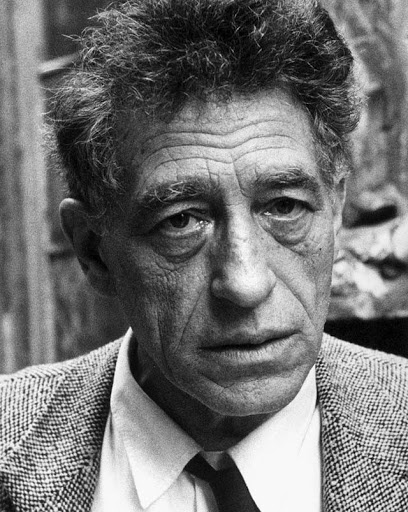
Alberto Giacometti was a Swiss sculptor, painter, draftsman, and printmaker, renowned for his distinctive elongated sculptures of solitary figures. Born in Borgonovo, Switzerland, in 1901, into a family of artists, Giacometti's talent was evident from an early age, encouraged by his father, Giovanni, a post-Impressionist painter, and his godfather, Cuno Amiet, a Fauvist painter. Moving to Paris in 1922 to study under the sculptor Antoine Bourdelle, Giacometti became a pivotal figure in Surrealism before focusing intensely on the human form, leading to his signature style of thin, elongated figures that evoke feelings of solitude and existential dread.
Giacometti's work spans several decades and various phases, including his early involvement with Surrealism and his later, more recognized existential and figurative sculptures. Notably, his sculptures, such as "Walking Man I" and "The Palace at 4 a.m.," reflect his unique view of reality and his relentless pursuit to capture the human essence. His approach was influenced by his associations with prominent figures of the art world, including Miró and Picasso, and intellectuals like Jean-Paul Sartre.
Despite facing challenges, including periods of self-doubt and the physical toll on his health, Giacometti's legacy as a master sculptor and artist remains influential. His works are celebrated worldwide and featured in major museums, such as the Museum of Modern Art in New York and the Tate Gallery in London, testament to his enduring impact on the art world.
Collectors and experts in art and antiques continue to revere Giacometti's work for its emotional depth and unique aesthetic. For those interested in the pioneering spirit of modern sculpture, Alberto Giacometti's oeuvre offers a profound exploration of the human condition and the artist's relentless pursuit of reality through art.
To stay updated on sales and auction events related to Alberto Giacometti's work, sign up for updates. This subscription is an excellent opportunity for collectors and enthusiasts to remain informed about new discoveries and opportunities related to Giacometti's enduring legacy.
![BRETON, André (1896-1966) [& Sigmund FREUD (1856-1939)]](/assets/image/picture_4604878/def7d/9fb8ac4d2c1ce569c01925107af54abb1747864800jpg__fix_374_244.jpeg)
![BRETON, André (1896-1966) [& Sigmund FREUD (1856-1939)]](https://veryimportantlot.com/assets/image/picture_4604878/def7d/9fb8ac4d2c1ce569c01925107af54abb1747864800jpg__fix_374_244.jpeg)
André Breton was a French writer, poet, and anti-fascist, renowned as the principal founder and leading theorist of Surrealism, an influential movement that sought to release the creative potential of the unconscious mind. Born in Tinchebray, France, in 1896, Breton's work was deeply influenced by the theories of Sigmund Freud and was characterized by a fascination with dreams, the irrational, and the workings of the mind. As a cultural icon, his contributions extended beyond literature into the realms of art, sculpture, and painting, making him a pivotal figure in 20th-century artistic movements.
Breton's seminal work, the "Manifesto of Surrealism" (1924), outlined the principles of the movement, advocating for the expression of the subconscious and the importance of dreams as a source of artistic inspiration. His leadership and writings not only shaped Surrealism but also had a lasting impact on the broader culture of art, influencing countless artists, painters, and sculptors. Breton's ability to merge poetry with visual arts led to collaborations with prominent artists like Salvador Dalí, Max Ernst, and Joan Miró, further cementing his legacy as a central figure in modern art.
Notably, André Breton's works and personal collection, which included art pieces and surreal objects, have been displayed in museums and galleries worldwide, showcasing his eclectic taste and profound influence on the art world. His Paris apartment was a gathering place for artists and intellectuals, becoming a hub of Surrealist activity and thought. For collectors and experts in art and antiques, Breton's contributions represent a fascinating intersection of literary prowess and visual creativity, highlighting the enduring relevance of Surrealism.
For those interested in exploring the depths of Surrealism and André Breton's groundbreaking contributions, signing up for updates can provide exclusive access to new product sales and auction events related to this pivotal artist and thinker. This subscription is an invaluable resource for collectors and enthusiasts keen to deepen their understanding of Breton's influence and the broader cultural movements he shaped.
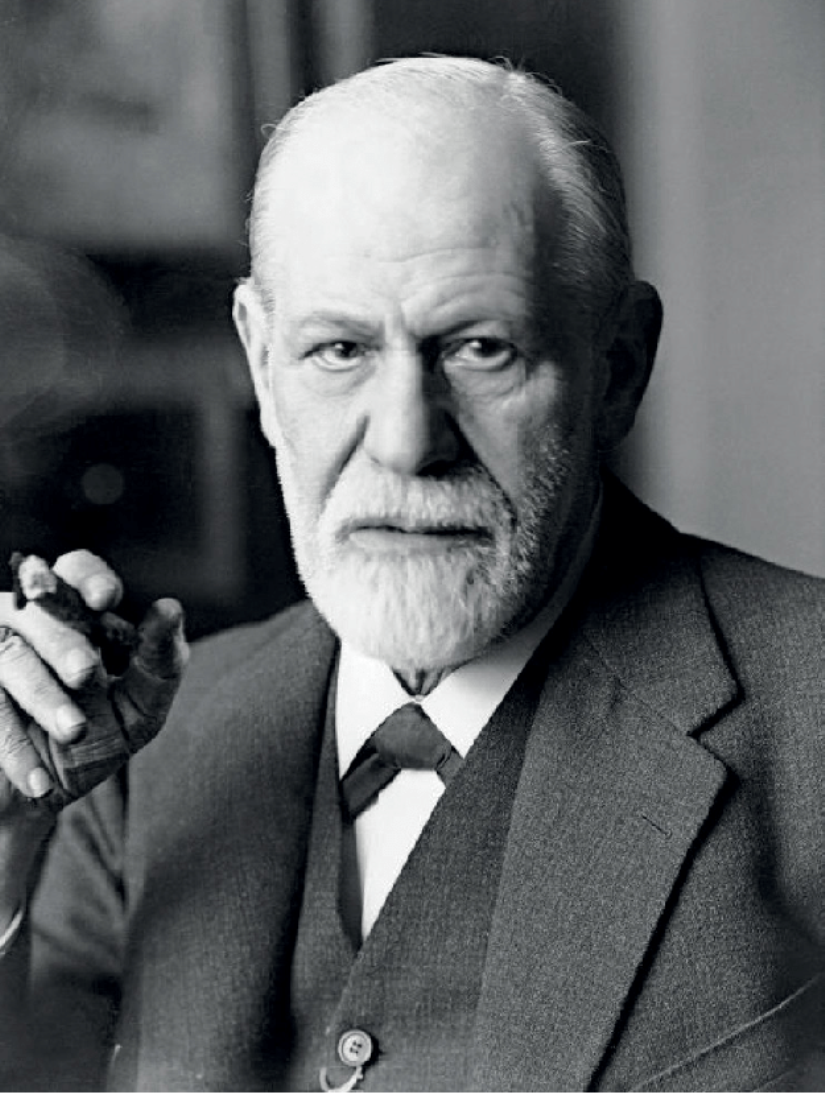
igmund Freud, born Sigismund Schlomo Freud, was an Austrian psychologist, psychiatrist and neurologist, the founder of psychoanalysis.
He graduated from the medical faculty of the University of Vienna, was engaged in self-education and numerous, cutting-edge for his time studies of the human psyche. The resulting psychoanalysis he created was both a theory of the human psyche, a therapy to alleviate its ills, and a tool for interpreting culture and society. Freud's psychoanalysis had a significant impact on psychology, medicine, sociology, anthropology, literature and art in the twentieth century.
Despite the sometimes harsh criticism of virtually all of his ideas and teachings, which continues almost a century after his death, Freud remains one of the most influential intellectual figures of our time.





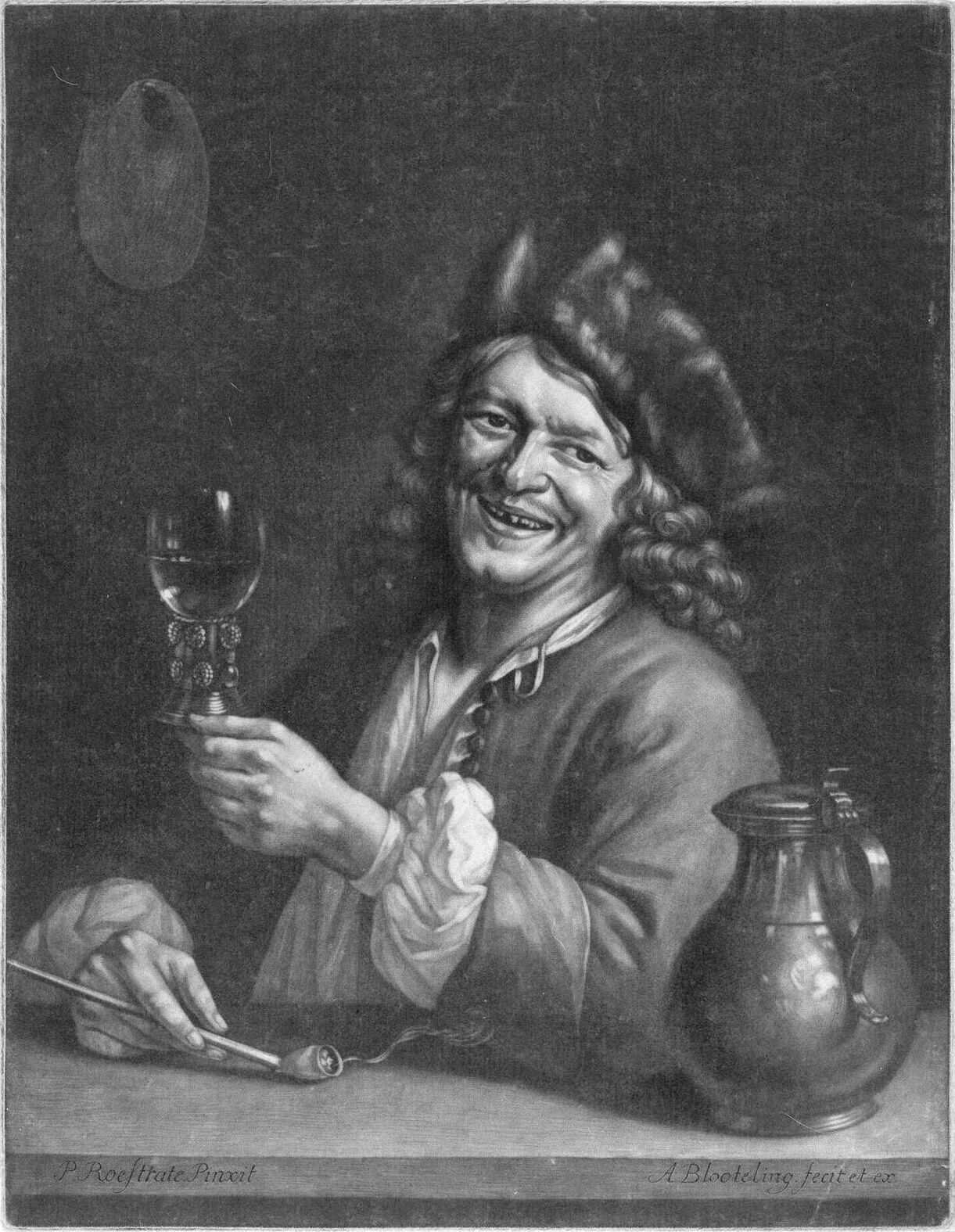
Pieter Gerritz van Roestraten was a Dutch painter who painted floral still lifes and vanitas, genre scenes and portraits. Starting his career in Haarlem, he spent most of his time in London, where he enjoyed the patronage of the highest circles.













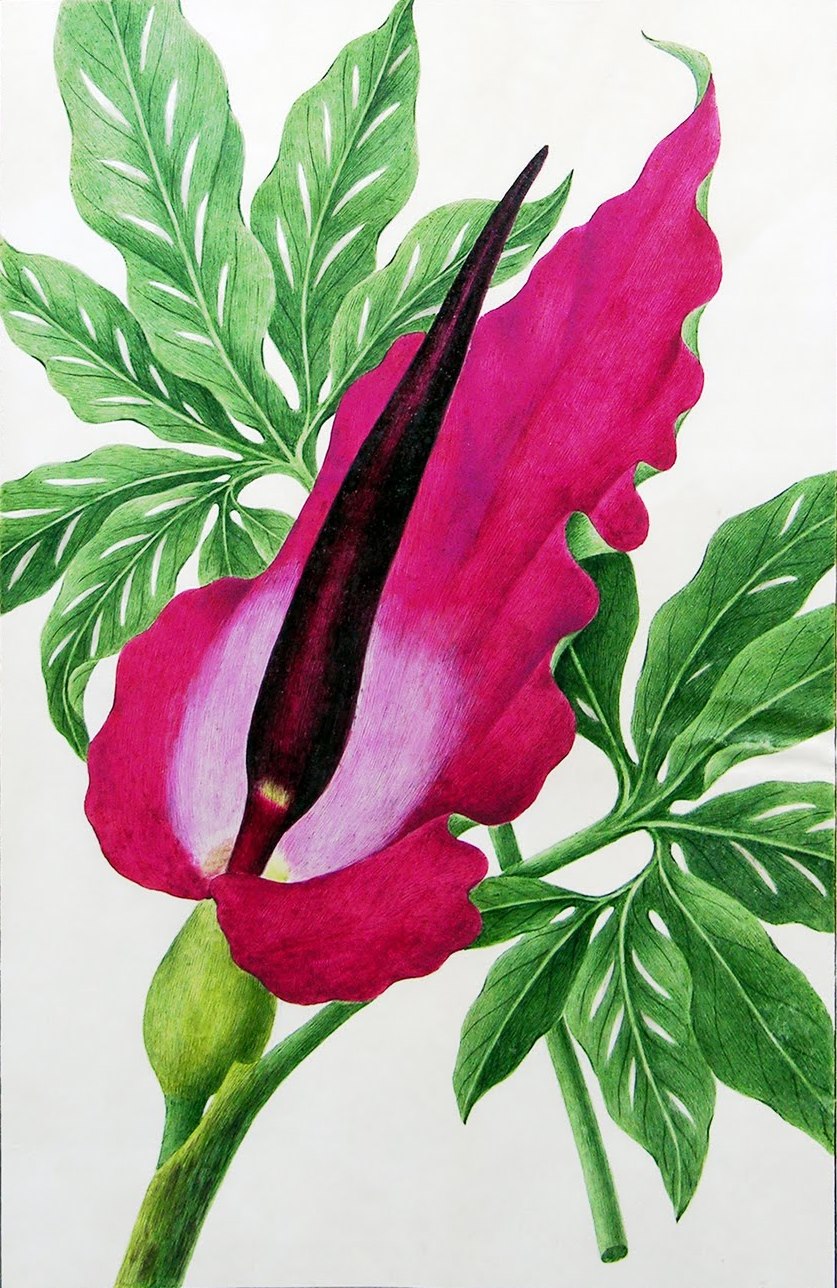
![“Desmanthus cinereus” and “Tagetes erecta fl[ore] pl[eno] var”](/assets/image/picture_3695458/7977d/minecppby3miqggjrjbbxg7ocn-jcn-uzd5mxywp6wygcodgxirzltuqgfyuook1704446216jpg__fix_374_244.jpeg)
![“Desmanthus cinereus” and “Tagetes erecta fl[ore] pl[eno] var”](https://veryimportantlot.com/assets/image/picture_3695458/7977d/minecppby3miqggjrjbbxg7ocn-jcn-uzd5mxywp6wygcodgxirzltuqgfyuook1704446216jpg__fix_374_244.jpeg)








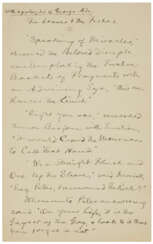

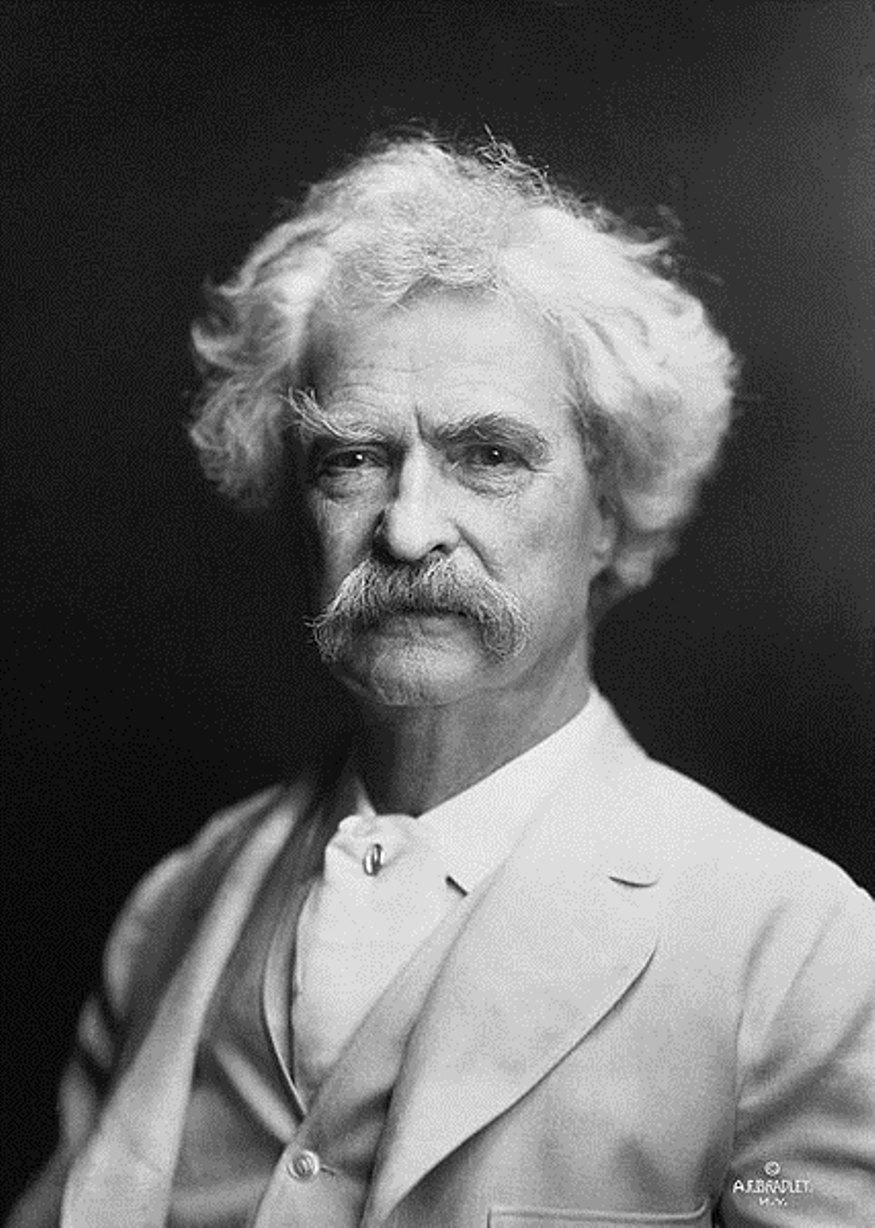
Mark Twain, real name Samuel Langhorne Clemens, was an American humanist writer, journalist, and social activist.
As a young man, Samuel worked in the printing press and in the gold mines, then went on a steamboat trip to Europe and the "Holy Land". His travel letters, full of vivid descriptions and ironic observations, were very well received by the public and were later revised into his first book, Innocents Abroad, published in 1869.
The pseudonym "Mark Twain" first appeared in 1863 under one of Samuel Clemens' short stories, and since then all his significant works have been signed by that name.
A talented storyteller, a peculiar humorist and moralist, Twain knew and loved his many diverse characters. His scandalizers and dreamers, caring aunts and ambitious politicians, grumpy widows and lying aristocrats, cunning but generous slaves, sentimental moralists, brave and naive children - all these types of American people Twain gave voice to thanks to his masterful command of colloquial language, slang and jargon. Twain wrote a lot and in a variety of genres: humor and satire, philosophical fiction and journalism and others, but he always stood on the position of humanist and democrat.
Mark Twain became world famous for his travel stories and adventure novels about his childhood, these are "The Adventures of Tom Sawyer" (1876) and "The Adventures of Huckleberry Finn" (1885). Twain is still one of America's, and indeed the world's, best and most beloved writers. His works have been and are still being published in many languages around the world.
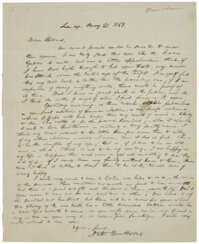

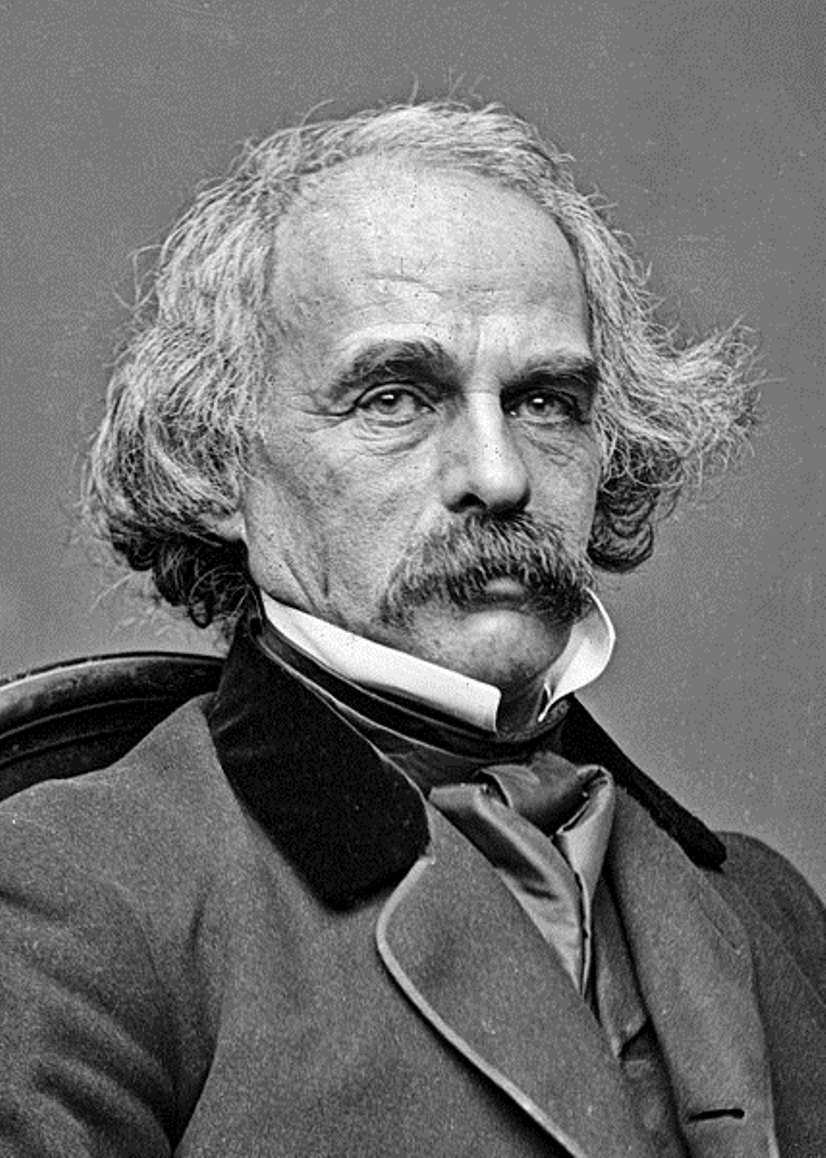
Nathaniel Hawthorne is an American writer and author.
Hawthorne is a recognized short story writer and a master of allegorical and symbolic narrative. One of the first fiction writers in American literature, he is best known for his works The Scarlet Letter (1850) and The House of Seven Gables (1851). Hawthorne's artistic works are considered part of the American Romantic movement and, in particular, of so-called dark Romanticism, a popular mid-19th-century fascination with the irrational, the demonic, and the grotesque.
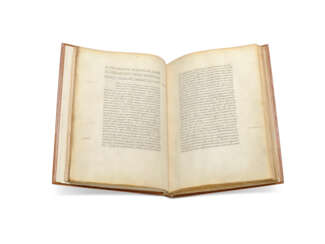

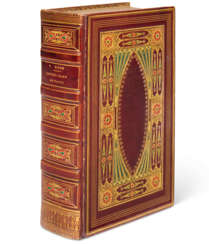

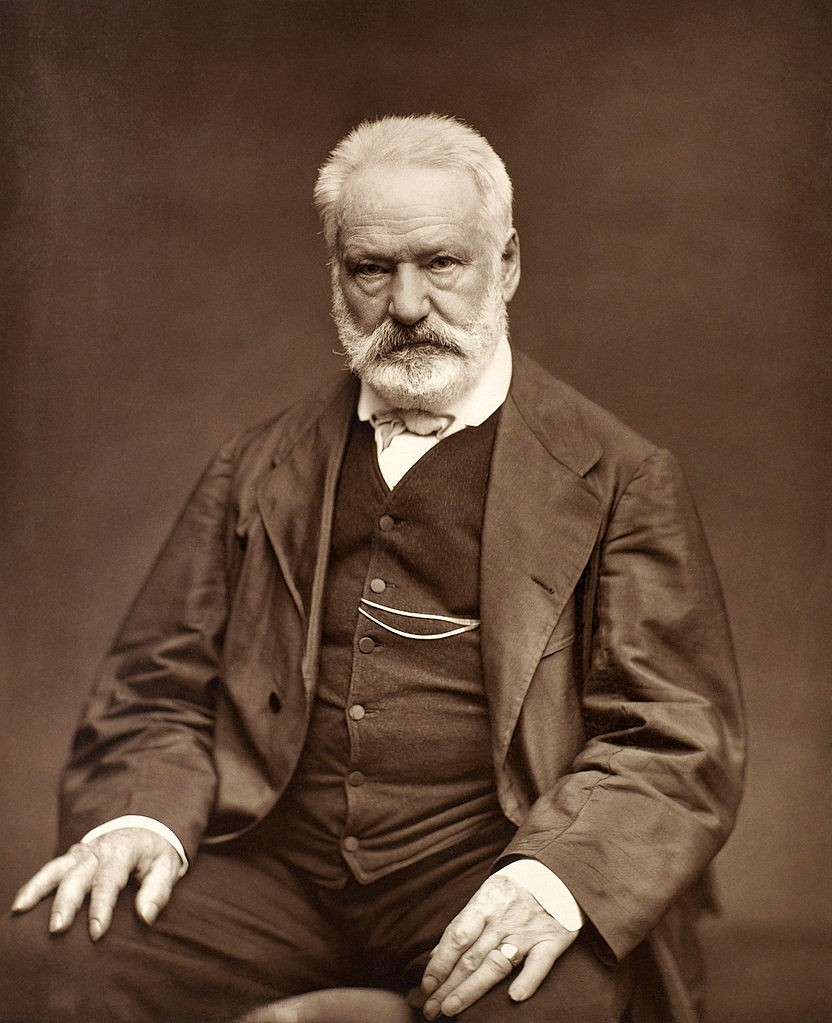
Victor Hugo was a French poet, novelist, dramatist, and politician, celebrated for his profound impact on art, culture, painting, and history. Born on February 26, 1802, in Besançon, France, Hugo emerged as a pivotal figure in the Romantic literary movement. His illustrious career spanned over six decades, during which he authored numerous works in various genres.
Victor Hugo's legacy is particularly notable for his novels "The Hunchback of Notre-Dame" (1831) and "Les Misérables" (1862), which have left an indelible mark on literature and culture. These works not only showcase his storytelling prowess but also reflect his deep engagement with the social issues of his time. His commitment to addressing societal concerns is further evidenced by his active political life and advocacy for causes like the abolition of capital punishment and slavery.
Beyond his literary and political contributions, Victor Hugo was also an accomplished artist, having produced over 4,000 drawings throughout his lifetime. His passion for the arts and dedication to social causes cemented his status as a national hero in France. When he passed away on May 22, 1885, his significance was underscored by a state funeral at the Panthéon in Paris, attended by over 2 million people, making it the largest in French history.
For collectors and experts in art and antiques, Victor Hugo's multifaceted legacy offers a rich tapestry of creativity and commitment to explore. His works not only provide profound literary enjoyment but also serve as a window into the cultural and historical milieu of 19th-century France.
To stay informed about new product sales and auction events related to Victor Hugo, sign up for updates. This subscription will ensure you're always in the loop regarding the latest developments related to this iconic figure's works and associated artifacts.


Victor Hugo was a French poet, novelist, dramatist, and politician, celebrated for his profound impact on art, culture, painting, and history. Born on February 26, 1802, in Besançon, France, Hugo emerged as a pivotal figure in the Romantic literary movement. His illustrious career spanned over six decades, during which he authored numerous works in various genres.
Victor Hugo's legacy is particularly notable for his novels "The Hunchback of Notre-Dame" (1831) and "Les Misérables" (1862), which have left an indelible mark on literature and culture. These works not only showcase his storytelling prowess but also reflect his deep engagement with the social issues of his time. His commitment to addressing societal concerns is further evidenced by his active political life and advocacy for causes like the abolition of capital punishment and slavery.
Beyond his literary and political contributions, Victor Hugo was also an accomplished artist, having produced over 4,000 drawings throughout his lifetime. His passion for the arts and dedication to social causes cemented his status as a national hero in France. When he passed away on May 22, 1885, his significance was underscored by a state funeral at the Panthéon in Paris, attended by over 2 million people, making it the largest in French history.
For collectors and experts in art and antiques, Victor Hugo's multifaceted legacy offers a rich tapestry of creativity and commitment to explore. His works not only provide profound literary enjoyment but also serve as a window into the cultural and historical milieu of 19th-century France.
To stay informed about new product sales and auction events related to Victor Hugo, sign up for updates. This subscription will ensure you're always in the loop regarding the latest developments related to this iconic figure's works and associated artifacts.