

90 Items by auctions and galleries:
bourbon restoration in france
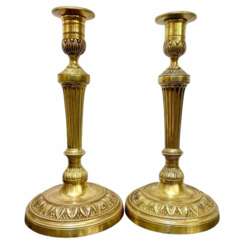


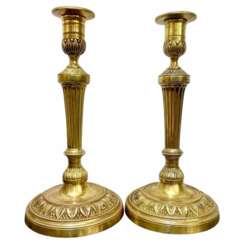



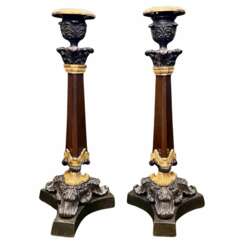




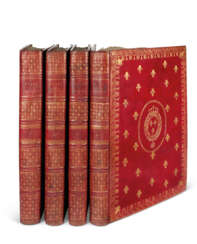

Lot 154 CROZE-MAGNAN, Simon-Célestin (1750-1818), Pierre LAURENT (1739-1809) et d'autres
Le Grand Style : An apartment on the Quai d'Orsay designed by Alberto Pinto 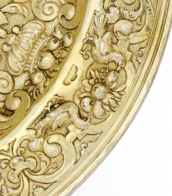
CHRISTIE'S
Le Grand Style : An apartment on the Quai d'Orsay designed by Alberto Pinto
Date: 30.06.2022 14:00 UTC +02:00
Number of lots in the catalog: 225


Lot 53 A PAIR OF LATE LOUIS XVI ORMOLU THREE-LIGHT CANDELABRA
The Collector: English and European Furniture, Ceramics, Silver, Gold Boxes and Works of Art 
CHRISTIE'S
The Collector: English and European Furniture, Ceramics, Silver, Gold Boxes and Works of Art
Date: 22.09.2022 11:00 UTC +01:00
Number of lots in the catalog: 242
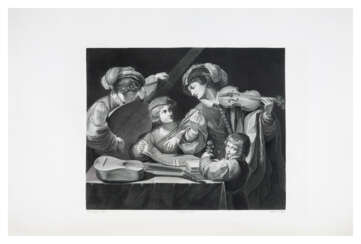



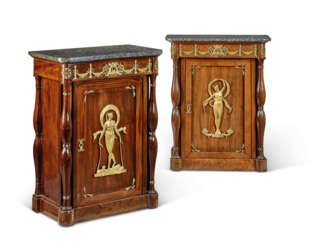

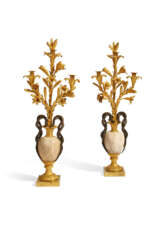

Lot 14 A PAIR OF RESTAURATION ORMOLU, PATINATED BRONZE AND ALABASTRO BIANCO THREE-BRANCH CANDELABRA
The Collector: English & European Furniture, Ceramics, Silver & Works of Art 
CHRISTIE'S
The Collector: English & European Furniture, Ceramics, Silver & Works of Art
Date: 05.04.2022 10:00 UTC -04:00
Number of lots in the catalog: 316
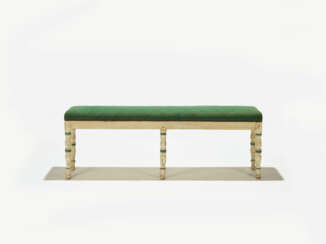



Lot 1204 PAIRE D'APPLIQUES DE LA FIN DE L'EPOQUE EMPIRE
Hubert de Givenchy - Collectionneur: Hôtel d'Orrouer et Manoir du Jonchet | Online Sales 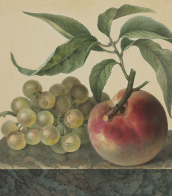
CHRISTIE'S
Hubert de Givenchy - Collectionneur: Hôtel d'Orrouer et Manoir du Jonchet | Online Sales
Date: 23.06.2022 11:00 UTC +02:00
Number of lots in the catalog: 478


Lot 1237 PAIRE DE FLAMBEAUX D'ÉPOQUE CHARLES X
Hubert de Givenchy - Collectionneur: Hôtel d'Orrouer et Manoir du Jonchet | Online Sales
CHRISTIE'S
Hubert de Givenchy - Collectionneur: Hôtel d'Orrouer et Manoir du Jonchet | Online Sales
Date: 23.06.2022 11:00 UTC +02:00
Number of lots in the catalog: 478


Lot 1238 PAIRE D'APPLIQUES D'ÉPOQUE RESTAURATION
Hubert de Givenchy - Collectionneur: Hôtel d'Orrouer et Manoir du Jonchet | Online Sales
CHRISTIE'S
Hubert de Givenchy - Collectionneur: Hôtel d'Orrouer et Manoir du Jonchet | Online Sales
Date: 23.06.2022 11:00 UTC +02:00
Number of lots in the catalog: 478


Lot 1418 COUPE COUVERTE D'ÉPOQUE RESTAURATION
Hubert de Givenchy - Collectionneur: Hôtel d'Orrouer et Manoir du Jonchet | Online Sales
CHRISTIE'S
Hubert de Givenchy - Collectionneur: Hôtel d'Orrouer et Manoir du Jonchet | Online Sales
Date: 23.06.2022 11:00 UTC +02:00
Number of lots in the catalog: 478
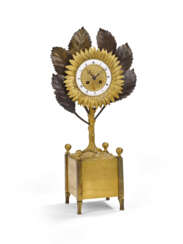

Lot 272 PENDULE AU TOURNESOL D'ÉPOQUE CHARLES X
Hubert de Givenchy - Collectionneur: Hôtel d'Orrouer I-II et Manoir du Jonchet | Day Sales 
CHRISTIE'S
Hubert de Givenchy - Collectionneur: Hôtel d'Orrouer I-II et Manoir du Jonchet | Day Sales
Date: 17.06.2022 10:30 UTC +02:00
Number of lots in the catalog: 689
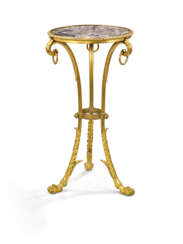

Lot 152 GUÉRIDON TRIPODE D'ÉPOQUE NEOCLASSIQUE
Hubert de Givenchy - Collectionneur: Hôtel d'Orrouer I-II et Manoir du Jonchet | Day Sales
CHRISTIE'S
Hubert de Givenchy - Collectionneur: Hôtel d'Orrouer I-II et Manoir du Jonchet | Day Sales
Date: 17.06.2022 10:30 UTC +02:00
Number of lots in the catalog: 689
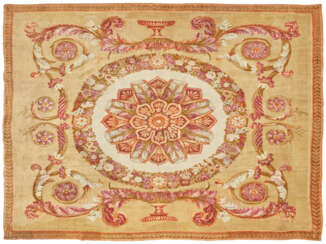

Lot 412 TAPIS D'AUBUSSON D'ÉPOQUE RESTAURATION
Hubert de Givenchy - Collectionneur: Hôtel d'Orrouer I-II et Manoir du Jonchet | Day Sales
CHRISTIE'S
Hubert de Givenchy - Collectionneur: Hôtel d'Orrouer I-II et Manoir du Jonchet | Day Sales
Date: 17.06.2022 10:30 UTC +02:00
Number of lots in the catalog: 689
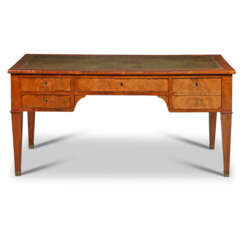

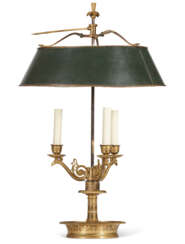

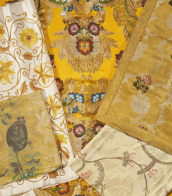


Lot 330 A PAIR OF RESTAURATION ORMOLU FIVE-BRANCH WALL-LIGHTS
François Rémond (1747 - 1812) 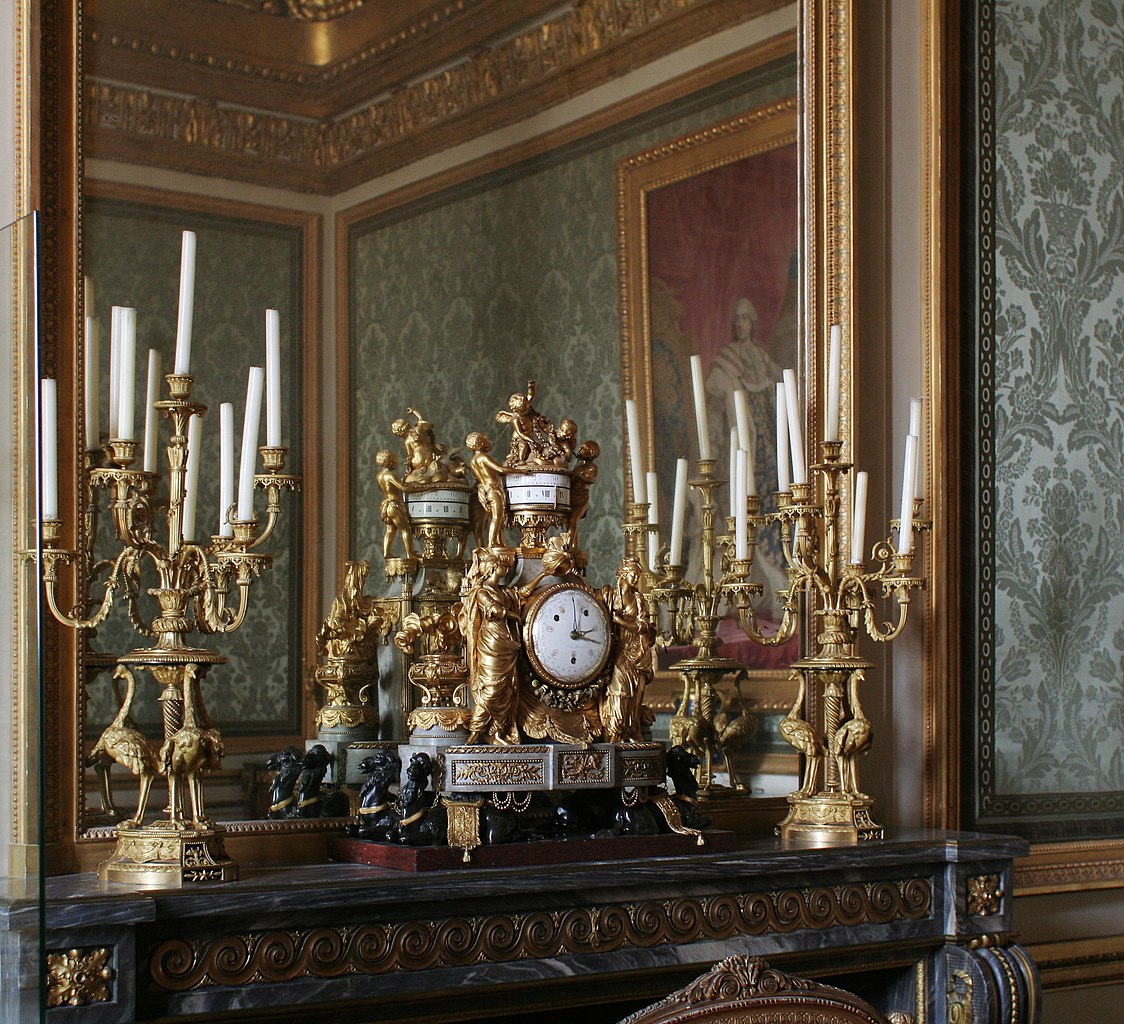 The Ann & Gordon Getty Collection: Volume 3 | English and European Furniture, Porcelain and Silver, Day Sale
François Rémond
1747 - 1812
France
CHRISTIE'S
The Ann & Gordon Getty Collection: Volume 3 | English and European Furniture, Porcelain and Silver, Day Sale
Date: 22.10.2022 10:00 UTC -04:00
Number of lots in the catalog: 155


Lot 504 A RESTAURATION ORMOLU-MOUNTED MOTHER-OF-PEARL ENCRIER
The Ann & Gordon Getty Collection: Volume 4 | Chinese Works of Art, English and European Furniture and Decorative Arts, Day Sale 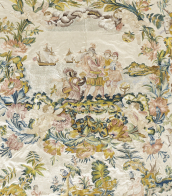
CHRISTIE'S
The Ann & Gordon Getty Collection: Volume 4 | Chinese Works of Art, English and European Furniture and Decorative Arts, Day Sale
Date: 23.10.2022 10:00 UTC -04:00
Number of lots in the catalog: 178




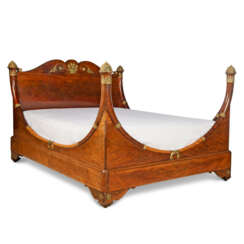

Lot 256 A CHARLES X ORMOLU-MOUNTED MAHOGANY LIT-EN-BATEAU
An Opulent Aesthetic: An Important Private Collection from an English Country House 
CHRISTIE'S
An Opulent Aesthetic: An Important Private Collection from an English Country House
Date: 09.02.2023 10:30 UTC +01:00
Number of lots in the catalog: 265