butting definition



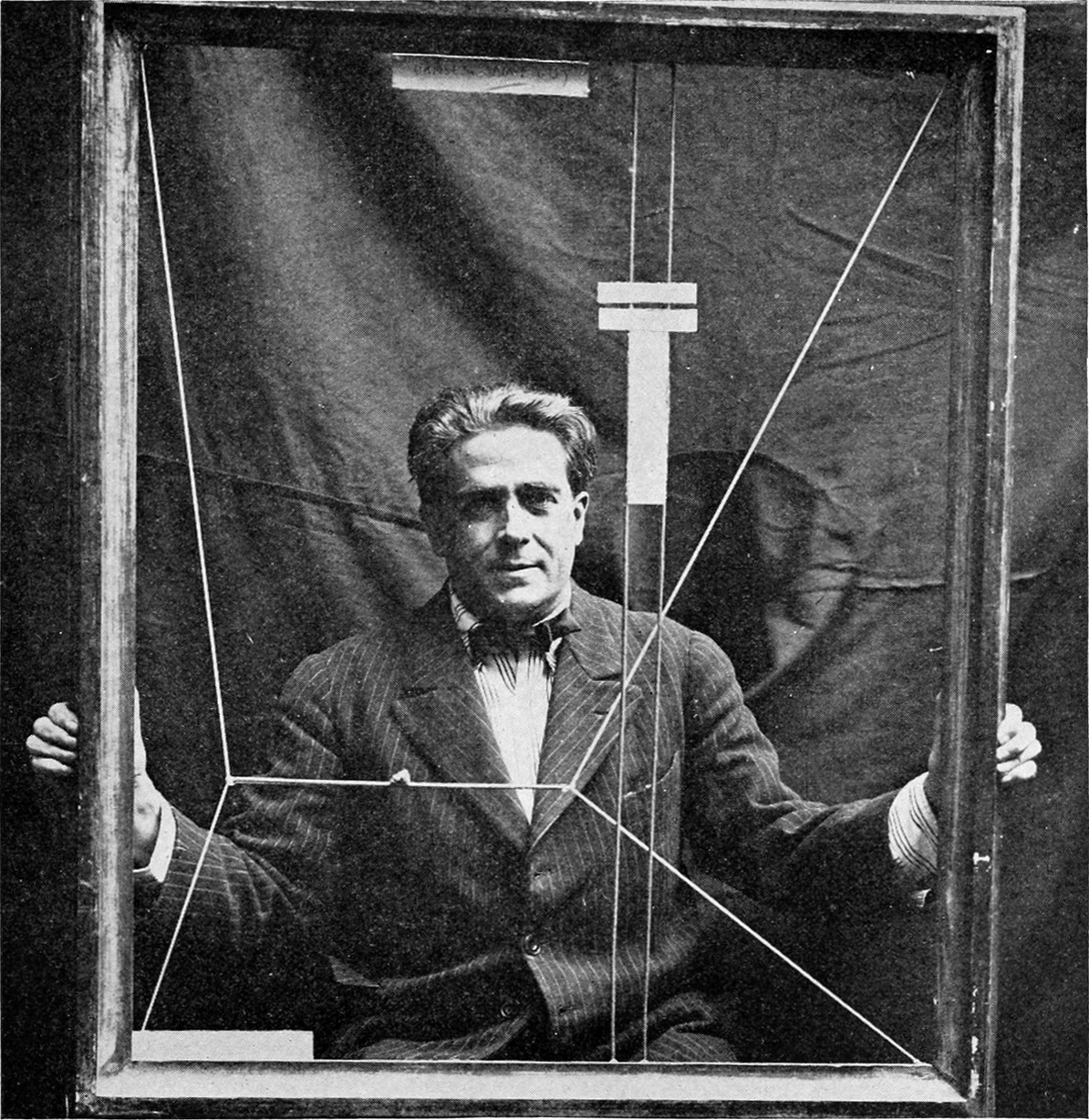
Francis Picabia, born Francis-Marie Martinez de Picabia, was a French avant-garde painter, poet, and typographist, whose work is celebrated for its diversity and innovation. His journey through various art movements, including Impressionism, Cubism, Dadaism, and Surrealism, showcases his refusal to be confined by any one style. Picabia's art is known for its eclectic nature, often blending mechanical elements with organic forms, thereby challenging traditional perceptions of art and beauty.
Picabia's significant contribution to the art world lies not just in his varied artistic output but also in his philosophical approach to creation. He believed in the freedom of expression, often using his art to critique societal norms and the art establishment itself. This rebellious spirit made him a pivotal figure in the Dada movement, where his works were celebrated for their irony and disdain for conventional art values.
Among his notable works, "Amorous Parade" and "I See Again in Memory My Dear Udnie" stand out, housed in prestigious institutions like the Museum of Modern Art in New York. These pieces exemplify Picabia's mastery over blending different elements of art movements, creating works that remain influential to this day. His legacy is not just in the pieces he created but also in his attitude towards art, encouraging future generations to challenge and redefine the boundaries of creativity.
For collectors and experts in art and antiques, Picabia's works represent not only significant artistic achievements but also valuable insights into the evolution of modern art. To stay informed about new product sales and auction events related to Francis Picabia, sign up for updates. This subscription is an essential resource for enthusiasts looking to enrich their collections with pieces from one of the most innovative artists of the 20th century.






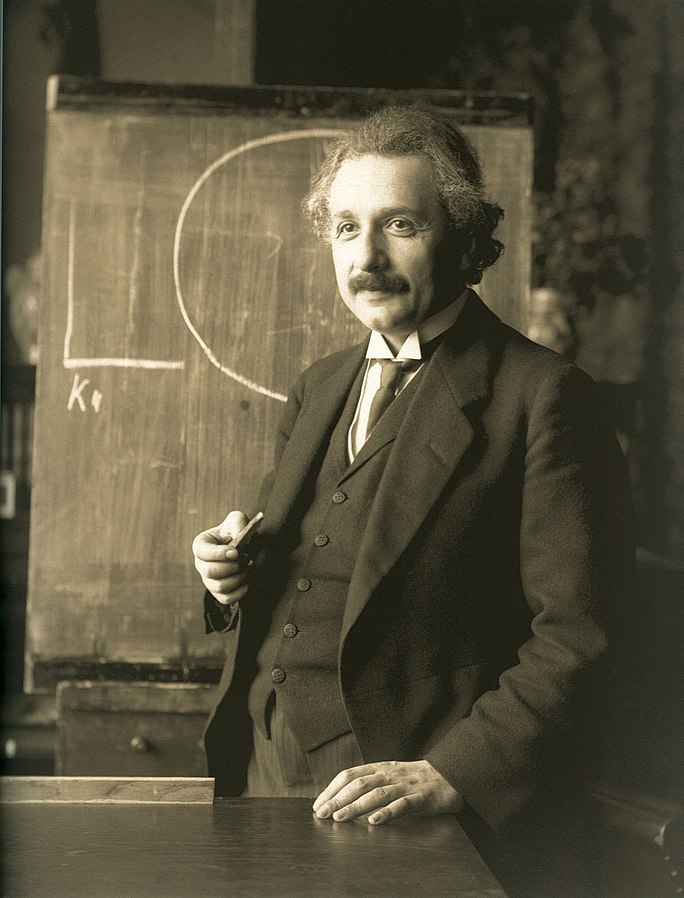
Albert Einstein was a German-born theoretical physicist, widely acknowledged to be one of the greatest and most influential physicists of all time. Einstein is best known for developing the theory of relativity, but he also made important contributions to the development of the theory of quantum mechanics. Relativity and quantum mechanics are together the two pillars of modern physics. His mass–energy equivalence formula E = mc2, which arises from relativity theory, has been dubbed "the world's most famous equation". His work is also known for its influence on the philosophy of science. He received the 1921 Nobel Prize in Physics "for his services to theoretical physics, and especially for his discovery of the law of the photoelectric effect", a pivotal step in the development of quantum theory. His intellectual achievements and originality resulted in "Einstein" becoming synonymous with "genius".





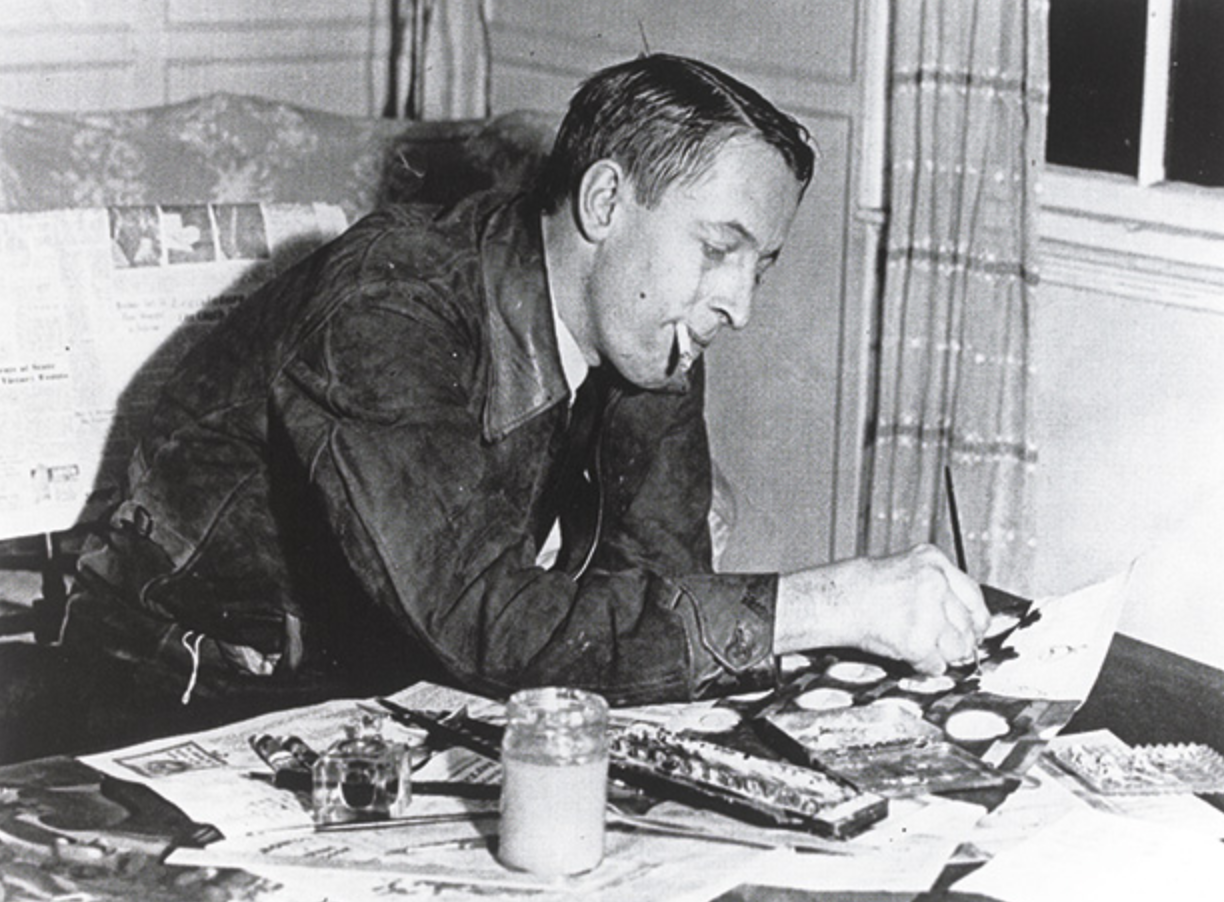
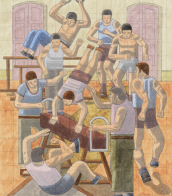
Edward John Burra was an English painter, draughtsman, and printmaker, best known for his depictions of the urban underworld, black culture and the Harlem scene of the 1930s.
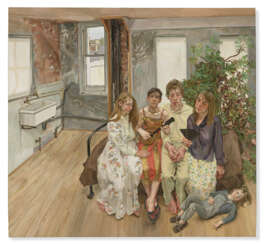


Lucian Michael Freud was a British painter and draughtsman, specialising in figurative art, and is known as one of the foremost 20th-century English portraitists. He was born in Berlin, the son of Jewish architect Ernst L. Freud and the grandson of Sigmund Freud. Freud got his first name "Lucian" from his mother in memory of the ancient writer Lucian of Samosata. His family moved to England in 1933 to escape the rise of Nazism. From 1942 to 1943 he attended Goldsmiths College, London. He served at sea with the British Merchant Navy during the Second World War.
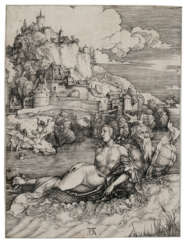

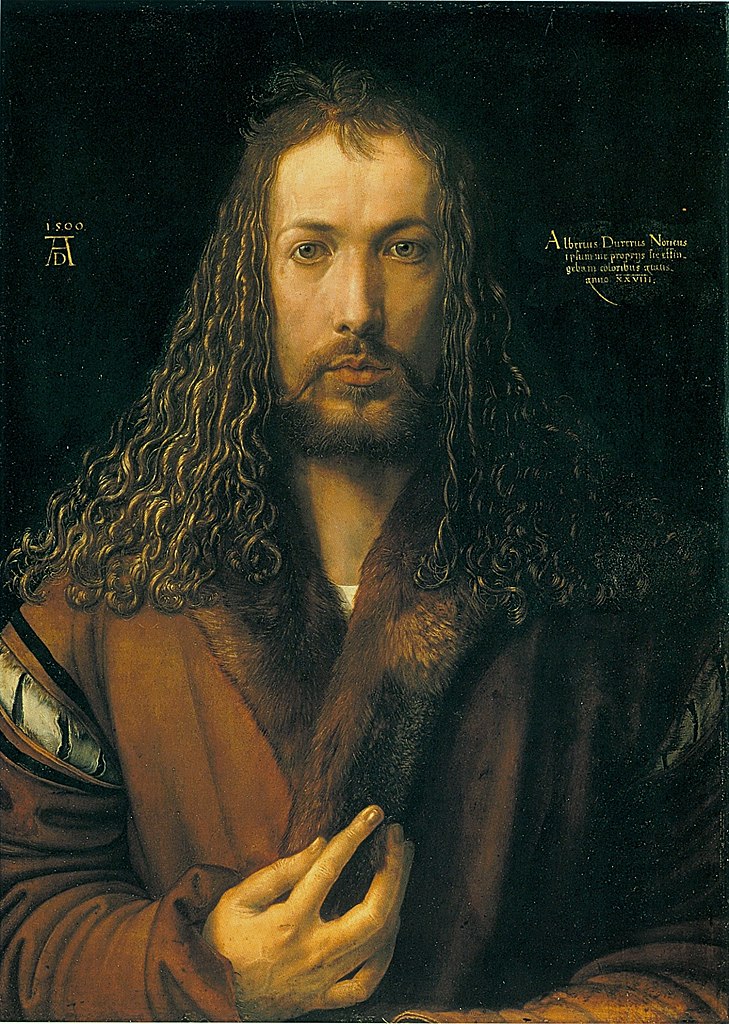
Albrecht Dürer, born on May 21, 1471 in Nuremberg, Germany, is widely regarded as the greatest German Renaissance painter. His contribution to painting and engraving is quite significant and has left a notable mark on the art world. Dürer's early life was spent in Nuremberg, a city that played a crucial role in his development as an artist and was also the site of his death on April 6, 1528. He was the son of the goldsmith Albrecht Dürer the Elder, from whom he initially learned the basics of drawing and metalworking.
Dürer's work is characterized by a combination of Gothic elements with the emerging Renaissance style, which is evident in his woodcuts and engravings. His oeuvre encompasses many themes, including religious works, altarpieces, portraits, and self-portraits. His outstanding prints, such as The Knight, Death and the Devil (1513), St. Jerome in his Study (1514) and Melencolia I (1514), are known for their intricate detail and artistic skill. Dürer was also one of the earliest European landscape painters, as evidenced by his watercolor paintings.
Equally significant are his theoretical writings on mathematics, perspective, and ideal proportions in art. Dürer was not only an artist but also a keen intellectual, his interests encompassing various aspects of culture and science. He served as court painter to Holy Roman Emperors Maximilian I and Charles V, completing several significant art projects for them. Dürer's keen mind and versatile interests brought him into contact with the most prominent figures of his time, including theologians and scientists of the Reformation era.
Dürer's self-portraits are particularly famous, demonstrating not only his artistic skill but also his self-awareness and personal style. These portraits attest to his growing success and confidence as an artist. Dürer's legacy is immense; he influenced not only the art of his time, but also left an indelible mark on the history of European art.
For those interested in the work and legacy of Albrecht Dürer, we recommend subscribing to our updates. Our subscription service is designed to provide information about new sales and auction events related to this remarkable artist. Join us to keep up to date on the latest art and antiques related to Albrecht Dürer.



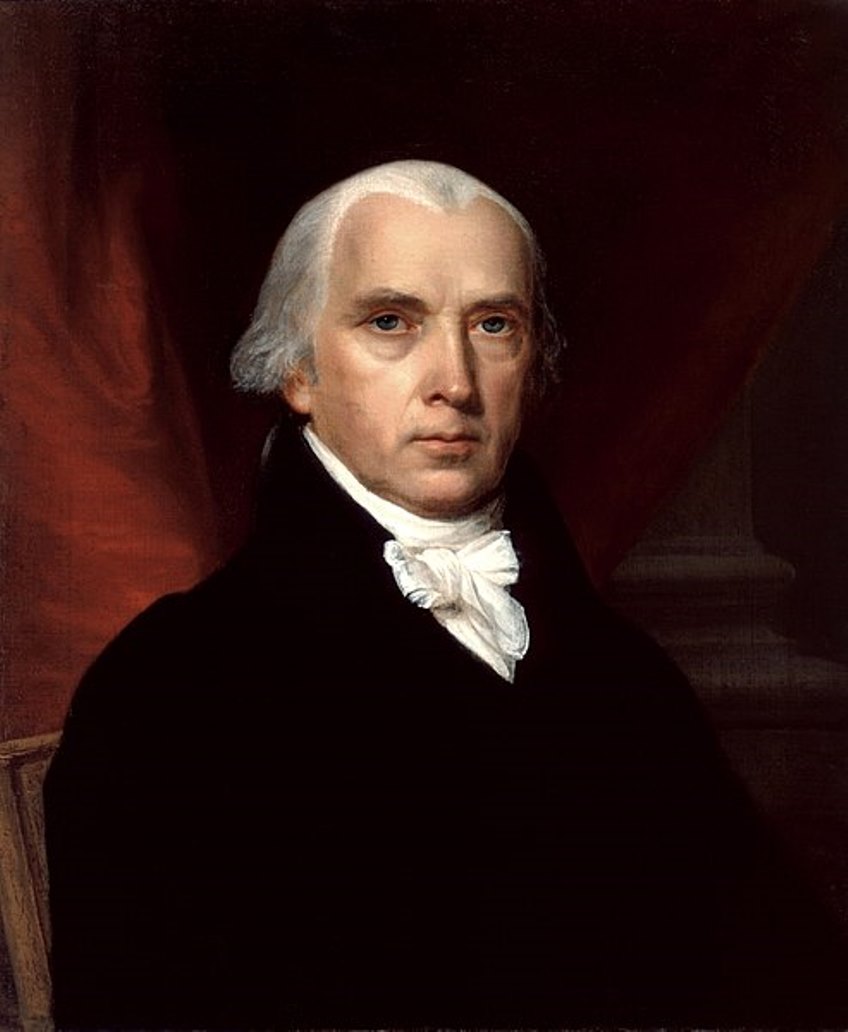
James Madison was an American politician and statesman, the fourth President of the United States (1809-1817).
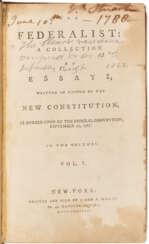
Madison attended Princeton and studied history, government, and law. He participated in the drafting of the Virginia Constitution in 1776, and in 1780 was chosen to represent Virginia in the Continental Congress (1780-83 and 1786-88). James Madison contributed greatly to the ratification of the Constitution, writing, with Alexander Hamilton and John Jay, The Federalist (1788). He was later called the "father of the Constitution."
In 1792, Madison and Thomas Jefferson (1743-1826) founded the Democratic-Republican Party, which has been called America's first opposition political party. When Jefferson became the third president of the United States, Madison served as his secretary of state. In Congress, he was involved in drafting the Bill of Rights and passing the first revenue legislation. As Secretary of State to President Jefferson (1801-1809), Madison protested to warring France and Great Britain that their seizure of American ships was contrary to international law.
Madison was elected president in 1808, succeeding Jefferson. Continued British interference in shipping, as well as other grievances, led to the War of 1812. During Madison's second term as president, the war was still ongoing, and he and his wife were even forced to flee in the face of advancing British troops who set Washington, D.C. on fire. Despite this, in 1815, the United States declared its victory in the war.
After the end of his second term, Madison remained active in public affairs. He edited his Journal of the Constitutional Convention, was co-chairman of the Virginia Constitutional Convention from 1829-1830, and chancellor of the University of Virginia from 1826-36. He was also Monroe's foreign policy advisor. Although Madison was a slave owner all his life, in the last years of his life he was active in the American Colonization Society, whose mission was to resettle slaves in Africa. James Madison died at the age of 85 in 1836.
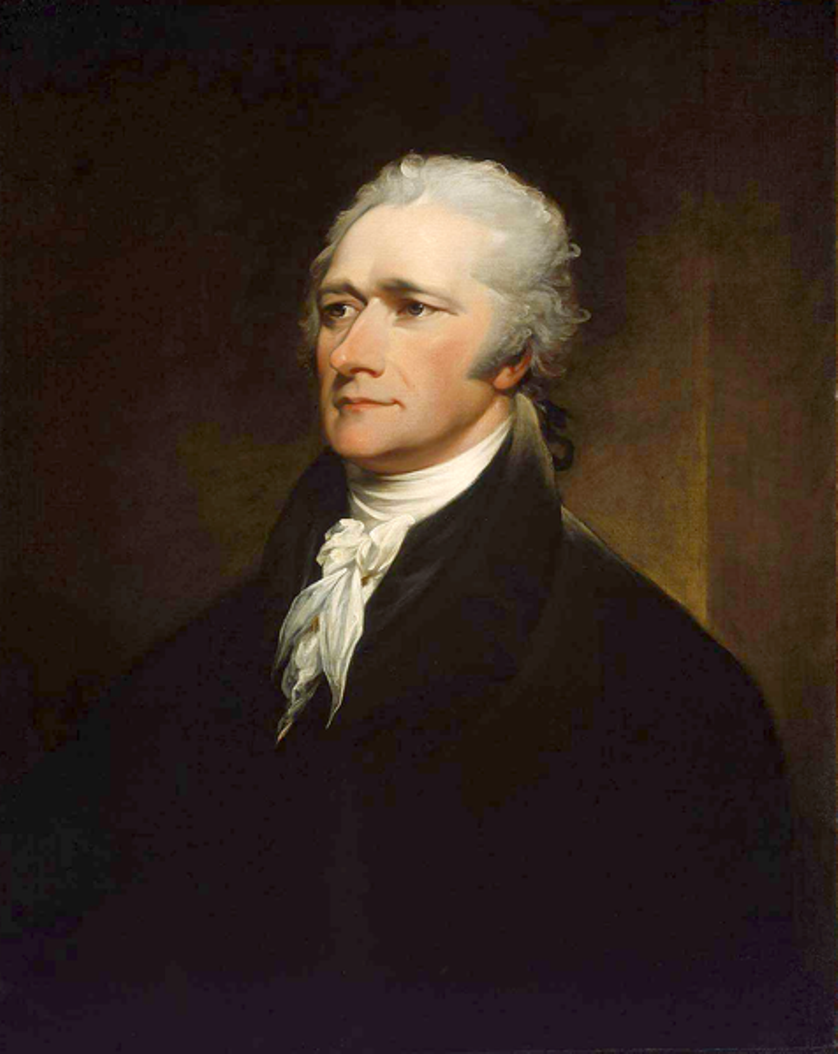
Alexander Hamilton was an American politician and statesman, the founder of the American financial system.
A native of Great Britain, Hamilton arrived in continental America in late 1772 and enrolled at King's College in New York. He became captain of an artillery company in 1776 and fought in the battles of Kips Bay, White Plains, Trenton, and Princeton during the American War of Independence. For four years he served on George Washington's staff as adjutant with the rank of lieutenant colonel. And in 1782, Hamilton was chosen by New York as a delegate to the Confederate Congress.
Alexander Hamilton was also one of New York's delegates to the Constitutional Convention in Philadelphia in 1787. He was a passionate advocate of the Constitution and, along with future President James Madison and John Jay, contributed to the famous book The Federalist (1788), writing most of the essays for it. After George Washington was elected the nation's first president in 1789, he appointed Hamilton Secretary of the Treasury. As the first Secretary of the Treasury (1789-1795), Hamilton developed plans to finance the national debt, secure federal credit, encourage the expansion of manufacturing, and organize a federal bank. In 1801, Hamilton founded the New York Evening Post newspaper.
On July 11, 1804, Hamilton was mortally wounded in a duel with his personal and political rival, Vice President Aaron Burr. Today, Alexander Hamilton is revered as one of the founding fathers of the United States, he is known for his role in creating America's financial system, and his portrait is on the ten dollar bill.
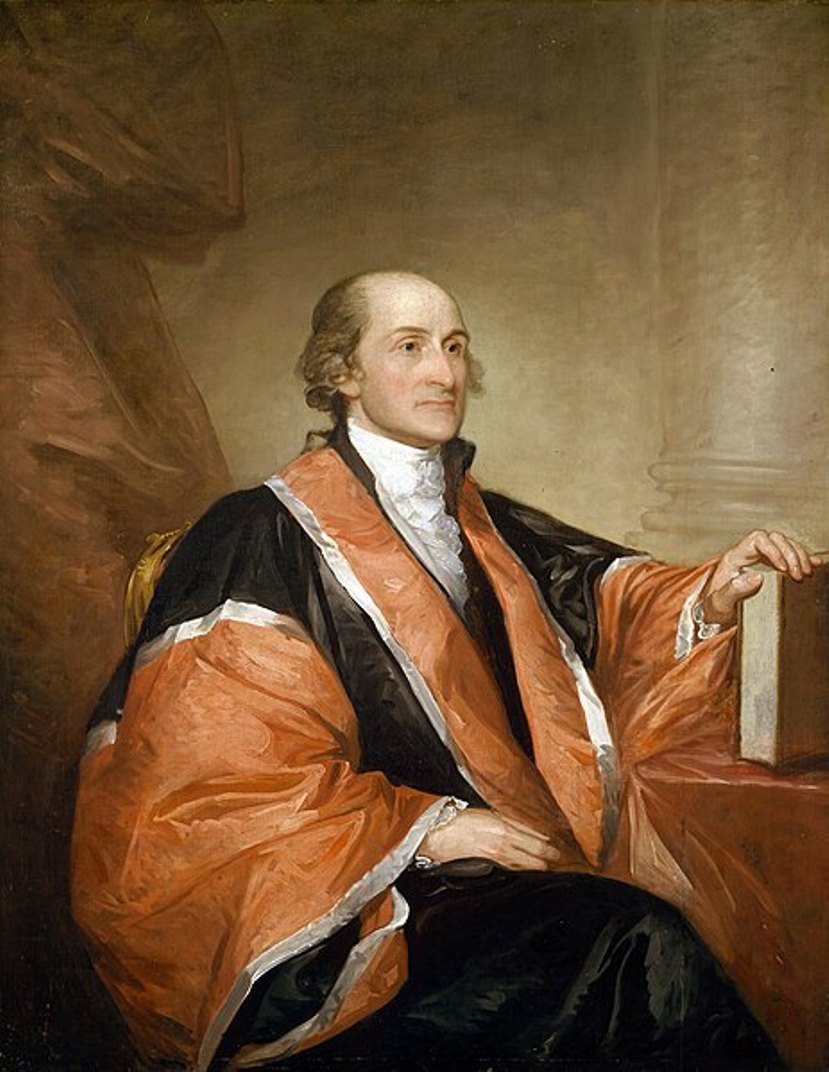
John Jay was an American lawyer and diplomat, statesman, and one of the founding fathers of the United States.
Jay came from French Huguenots, after graduating from King's College (now Columbia University) he entered law school and was admitted to the bar in 1768. After the outbreak of hostilities in the spring of 1775, Jay continued to serve both in New York and in the Continental Congress, which elected him president in late 1778.
In the fall of 1779 he was appointed minister plenipotentiary to Spain, which had recently entered into an alliance with France against England. In May 1782 he traveled to Paris, where a treaty was concluded that formally ended the war with Great Britain in 1783. Before returning to America in July 1784, Jay was appointed secretary of foreign affairs.
In 1788, Jay actively advocated for the ratification of the U.S. Constitution by the state of New York. Together with future President James Madison and economist Alexander Hamilton, he participated in the creation of the famous book The Federalist (1788). Under the new Constitution, President Washington appointed John Jay Chief Justice of the United States in 1789, and in July 1795 he became Governor of New York. After completing his second term as governor in June 1801. Jay retired to his farm in Bedford, New York.

.jpg)
Jean-François Millet was a French artist and one of the founders of the Barbizon school in rural France. Millet is noted for his paintings of peasant farmers and can be categorized as part of the Realism art movement. Toward the end of his career, he became increasingly interested in painting pure landscapes. He is known best for his oil paintings but is also noted for his pastels, conte crayon drawings, and etchings.



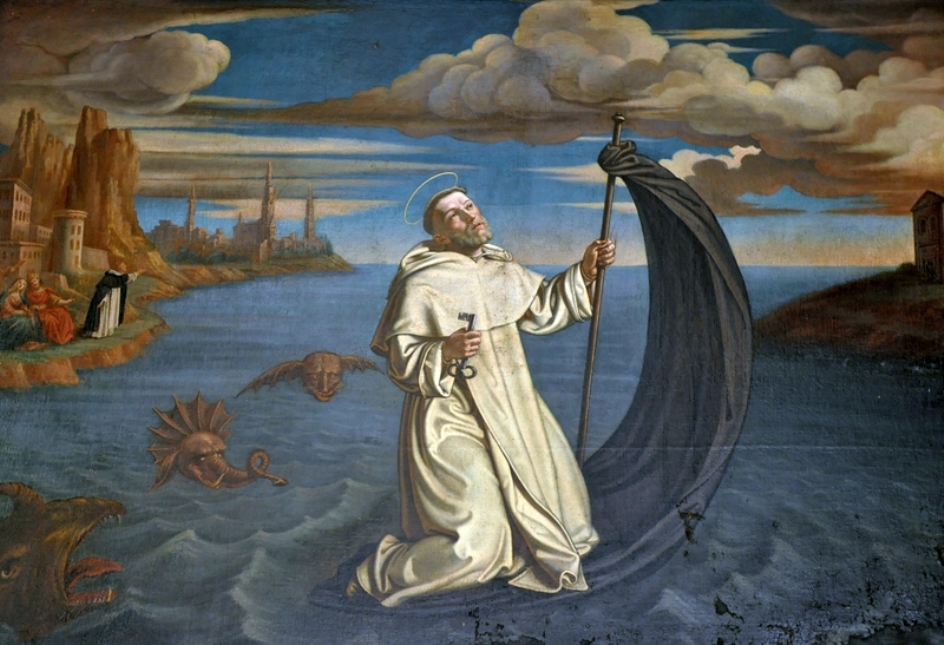
Raymond of Penyafort (Spanish: San Raimundo de Peñafort) was a Spanish theologian, canonist, and Dominican friar who is revered as a saint in the Catholic Church.
Raimondo was an adviser and confessor to the Pope in Rome as well as to kings, particularly James I of Catalonia and Aragon. Together with King James of Aragon and St. Peter Nolasco, he founded the Order of Our Lady of Ransom. The monks of this Order devoted themselves to saving Christians captured by the Moors. One of Raimondo of Peñafort's main goals was the conversion of Jews and Muslims to Christianity, and to achieve this goal he ordered Arabic and Hebrew to be studied and taught in the higher schools run by the Dominicans. He was also among those who founded the Inquisition in Catalonia.
Raimondo died at the age of 100 in Barcelona in 1275 and was canonized by Pope Clement VIII in the same year.
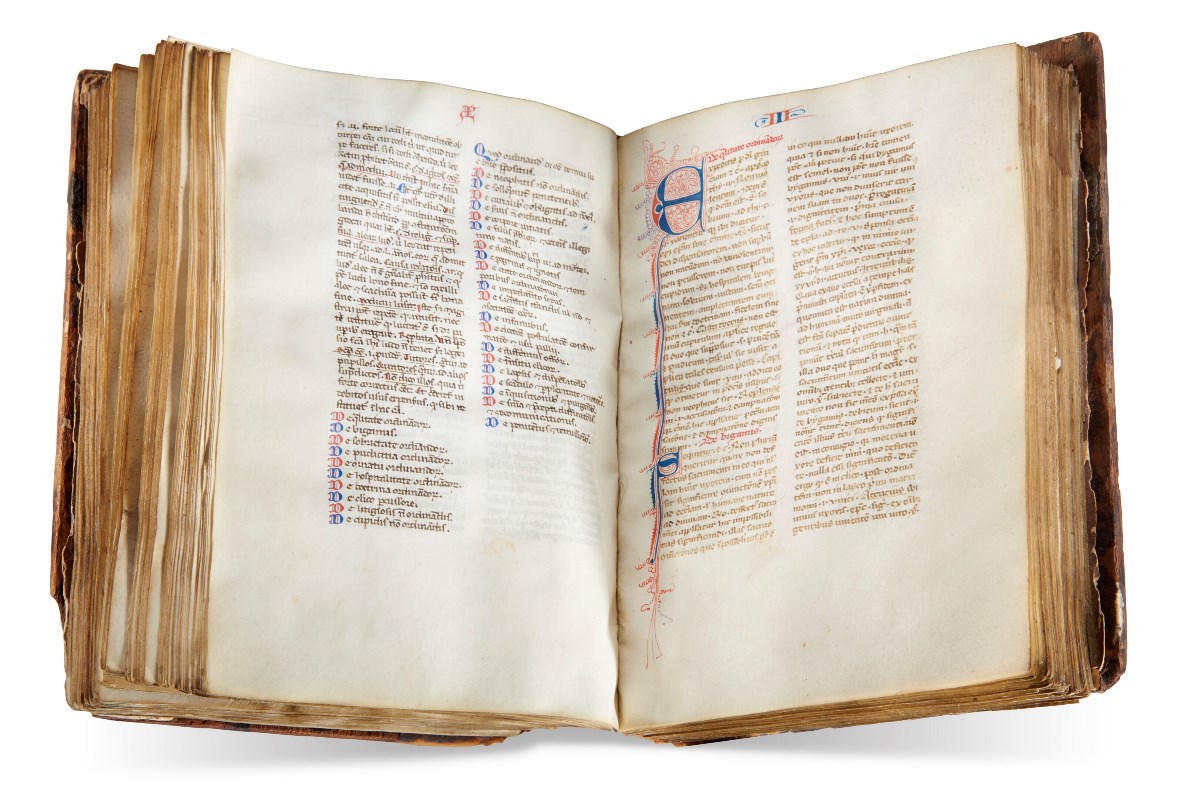
William of Rennes was a 13th-century French Roman Catholic monk, poet, theologian, and expert in canon law.
His commentaries and annotations on the works of the revered Catholic saint Raymond of Peñafort enjoyed almost equal authority in most manuscripts and early editions on academic theology and canon law. William of Rennes also wrote the epic of King Arthur, which is of interest to scholars of literature in that it was the first attempt to transform a medieval hero into a hero of classical eras.
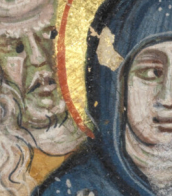








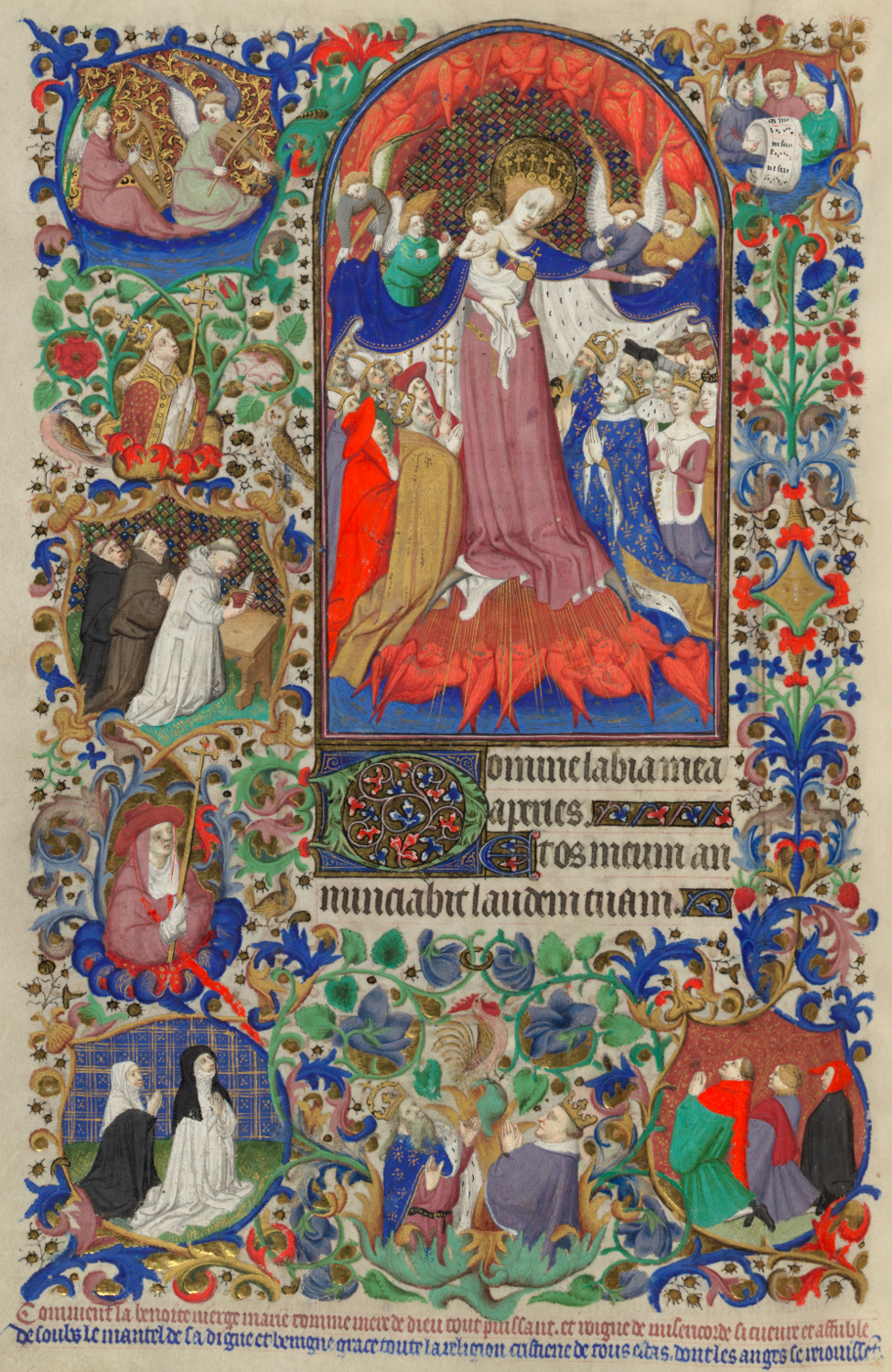
The Master of Bedford was a French miniaturist and manuscript illustrator.
This master of the chapbook worked in Paris from 1405-1435 and is considered one of the most important 15th-century illuminators. He ran an influential workshop in Paris. The artist received his name after his work on two books, which he decorated with illustrations for John Lancaster, Duke of Bedford. One of these, The Bedford Hours, is considered one of the most outstanding illuminated manuscripts extant from the medieval period, with numerous illustrations and extensive decoration, including more than 1,200 decorative medallions that appear in the margins of each page.
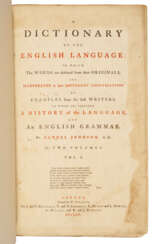

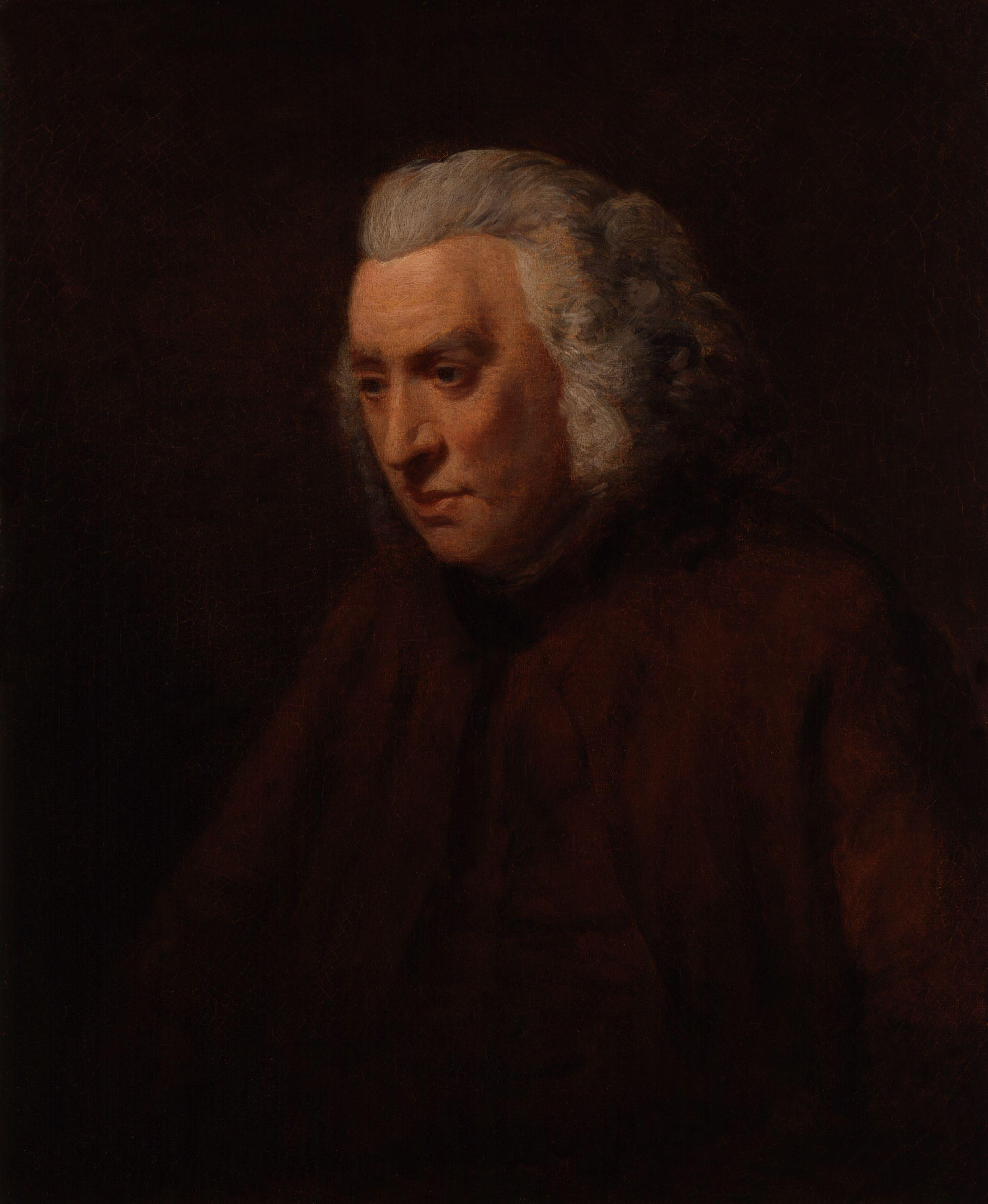
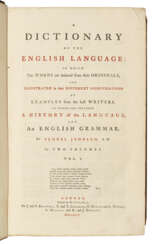
Samuel Johnson was an English writer who made lasting contributions as a poet, playwright, essayist, moralist, critic, biographer, editor and lexicographer. He was a devout Anglican, and a committed Tory. The Oxford Dictionary of National Biography calls him «arguably the most distinguished man of letters in English history». James Boswell's Life of Samuel Johnson was selected by Johnson biographer Walter Jackson Bate as «the most famous single work of biographical art in the whole of literature».
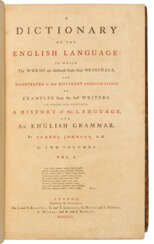

Samuel Johnson was an English writer who made lasting contributions as a poet, playwright, essayist, moralist, critic, biographer, editor and lexicographer. He was a devout Anglican, and a committed Tory. The Oxford Dictionary of National Biography calls him «arguably the most distinguished man of letters in English history». James Boswell's Life of Samuel Johnson was selected by Johnson biographer Walter Jackson Bate as «the most famous single work of biographical art in the whole of literature».
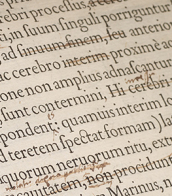
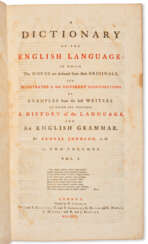

Samuel Johnson was an English writer who made lasting contributions as a poet, playwright, essayist, moralist, critic, biographer, editor and lexicographer. He was a devout Anglican, and a committed Tory. The Oxford Dictionary of National Biography calls him «arguably the most distinguished man of letters in English history». James Boswell's Life of Samuel Johnson was selected by Johnson biographer Walter Jackson Bate as «the most famous single work of biographical art in the whole of literature».
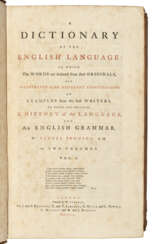

Samuel Johnson was an English writer who made lasting contributions as a poet, playwright, essayist, moralist, critic, biographer, editor and lexicographer. He was a devout Anglican, and a committed Tory. The Oxford Dictionary of National Biography calls him «arguably the most distinguished man of letters in English history». James Boswell's Life of Samuel Johnson was selected by Johnson biographer Walter Jackson Bate as «the most famous single work of biographical art in the whole of literature».



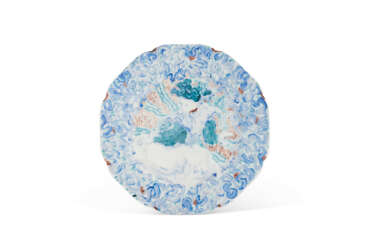

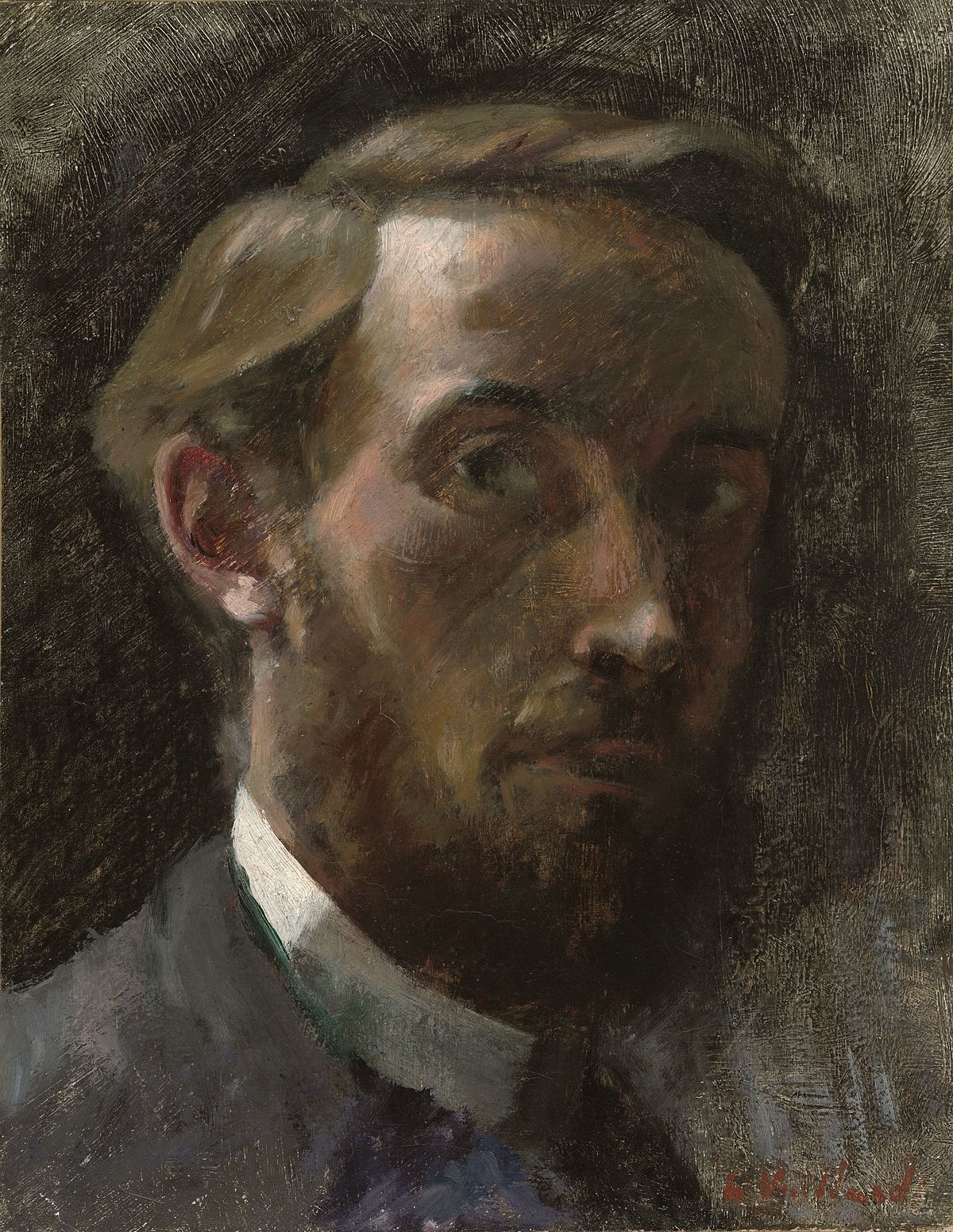
Jean-Édouard Vuillard was a French artist, celebrated for his role in the avant-garde group Les Nabis. Known for his decorative art and printmaking, Vuillard's work was heavily influenced by Japanese prints, which is evident in his unique style of flattened color planes and simplified forms. His paintings, often of interior scenes, are distinguished by their intimate and domestic subjects, displaying a keen sensitivity to the subtle dynamics of everyday life.
In the late 1880s, Vuillard joined Les Nabis, a group of artists who sought to break away from traditional artistic concepts. This association played a pivotal role in shaping his artistic philosophy. Vuillard’s early works, like "The Seamstresses" (1890) and "Child in an Orange Shawl" (1894–95), demonstrate his evolving style, marked by the use of vibrant colors and a distinct lack of perspective, aimed at exploring spatial relationships.
Vuillard's artistic journey included ventures into theater decoration and interior design. He designed stage sets and theater programs, notably for Lugné-Poe's Theatre de l’Oeuvre, and also worked on large-scale panel paintings for French patrons. His close collaboration with the Natanson brothers, founders of the cultural review La Revue Blanche, was significant in his career. This association brought him various commissions, including decorative works for private homes and public buildings.
Vuillard's art evolved over time, transitioning from his Nabis-style works to more naturalistic portraits in the 1920s and 1930s. Despite this shift, his focus remained on portraying the intricacies of domestic life, often featuring the people closest to him. Notable among his subjects were Misia Natanson, a prominent figure in the Parisian cultural scene, and Lucy Hessel, with whom Vuillard had a long-term relationship.
For art collectors and experts, Vuillard's works are a window into the intimate spaces of Parisian life at the turn of the century. His ability to transform everyday scenes into art makes his work particularly appealing. Pieces like "The Green Interior" (1891) and "Breakfast at Villerville" (1910) are exemplary of his style and are celebrated for their quiet yet profound depiction of ordinary life.
Vuillard's legacy lives on in galleries and museums worldwide. His work remains a testament to the power of domestic scenes in art, capturing the essence of the period with a unique blend of realism and abstraction.
For those interested in the subtle beauty of Vuillard's work, subscribing to our updates will ensure you stay informed about new sales and auction events featuring his art. Our updates are tailored for connoisseurs like you, providing insights into the world of art and antiques, with a focus on Vuillard's enduring legacy.