car finder
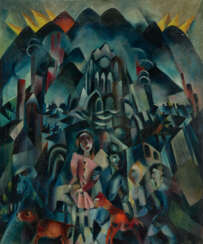

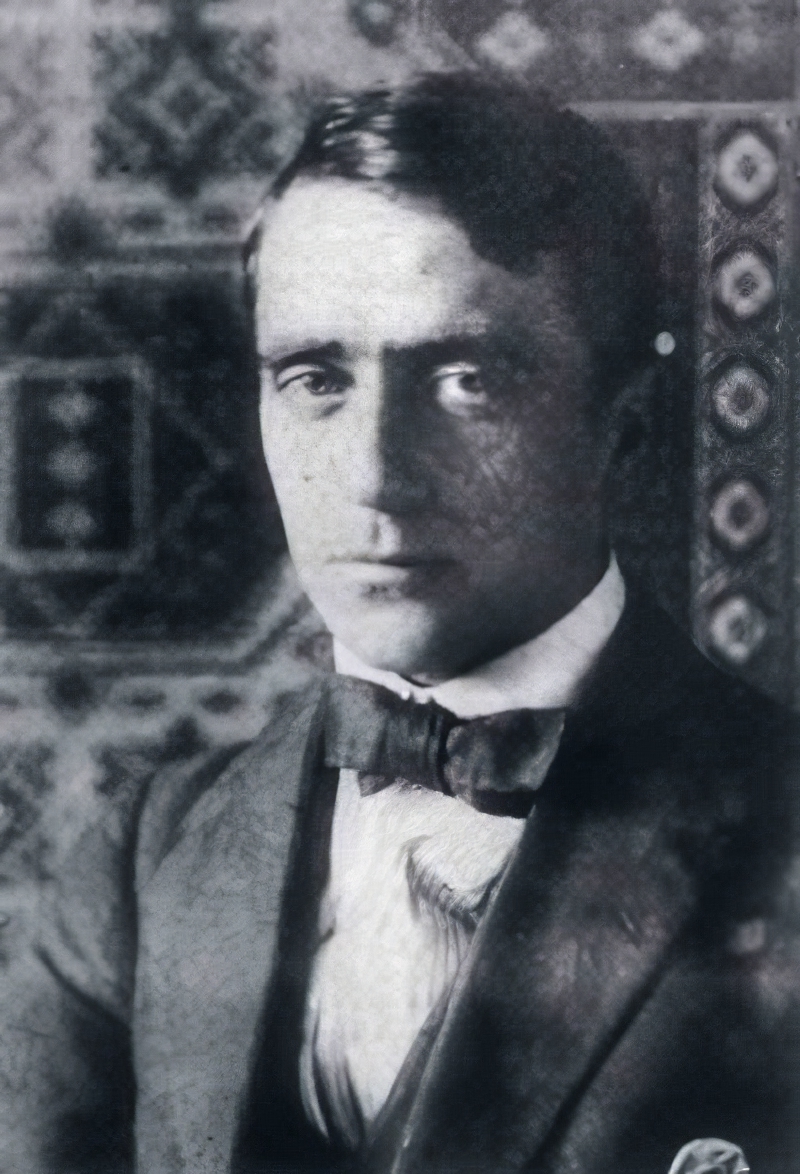
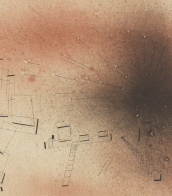
Carlo Mense was a German artist of the twentieth century. He is known as a painter and graphic artist, a representative of Rhenish Expressionism and New Materialism.
Mense was a member of artists' associations such as the Cologne Secession, Gereon Club, Young Rhine, and November. He actively participated in Expressionist exhibitions. Creating graphic works for the magazines "Action" and "Sturm", he became known for his artistic style. In 1937, the Nazis destroyed 37 of his works, categorizing them as "degenerate art." Mense left a significant mark on twentieth-century German painting with his expressive and evocative works.
![[DESCARTES, René (1596-1650)]](/assets/image/picture_2945222/9d12c/1b1831dfc7e19e287b331e6d22dc7f781689112800jpg__fix_374_244.jpeg)
![[DESCARTES, René (1596-1650)]](https://veryimportantlot.com/assets/image/picture_2945222/9d12c/1b1831dfc7e19e287b331e6d22dc7f781689112800jpg__fix_374_244.jpeg)
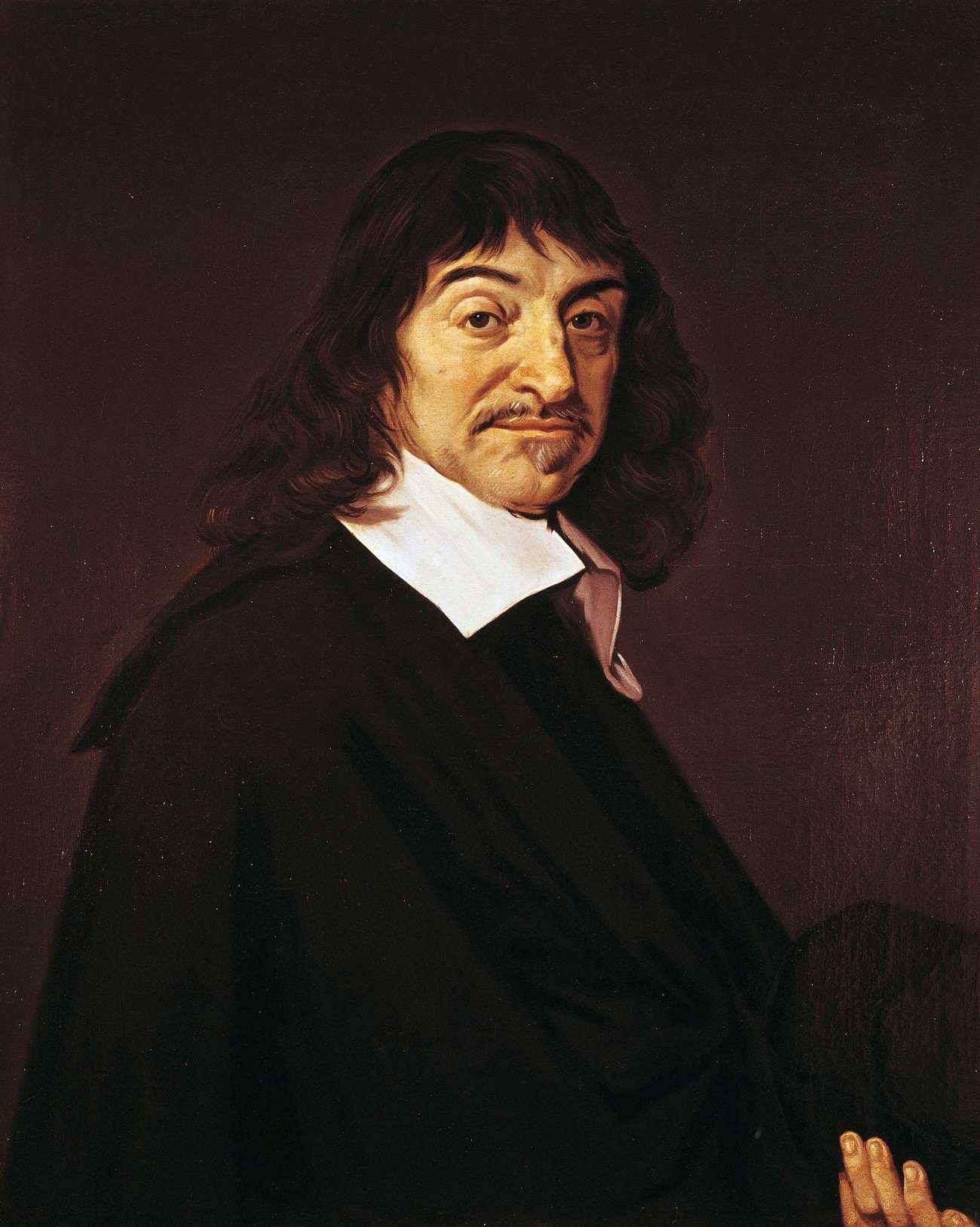
René Descartes was a French philosopher, mathematician, and natural scientist who is considered the founder of modern philosophy.
Descartes was a very versatile scientist: besides numerous philosophical reflections, he wrote works on optics, meteorology and geometry. Contemporaries noted his extensive knowledge in many sciences. Descartes owns the famous saying "I think, therefore I exist" (best known in the Latin formulation "Cogito, ergo sum", although it was originally written in French: "Je pense, donc je suis").
He developed a metaphysical dualism that radically distinguished between mind, whose essence is thought, and matter, whose essence is extension in three dimensions. Descartes' metaphysics is rationalistic, based on the postulation of innate ideas of mind, matter, and God, but his physics and physiology, based on sense experience, are mechanistic and empirical.
Unlike his scientific predecessors, who felt a holy awe at the incomprehensibility of the divine essence of the universe, Descartes admired the ability of the human mind to understand the cosmos and to generate happiness itself, and rejected the view that human beings were inherently unhappy and sinful. He believed that it was inappropriate to pray to God to change the state of things and the world; it was much more productive to change oneself.
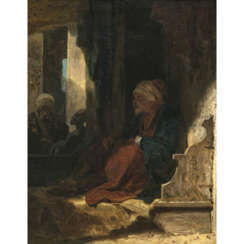

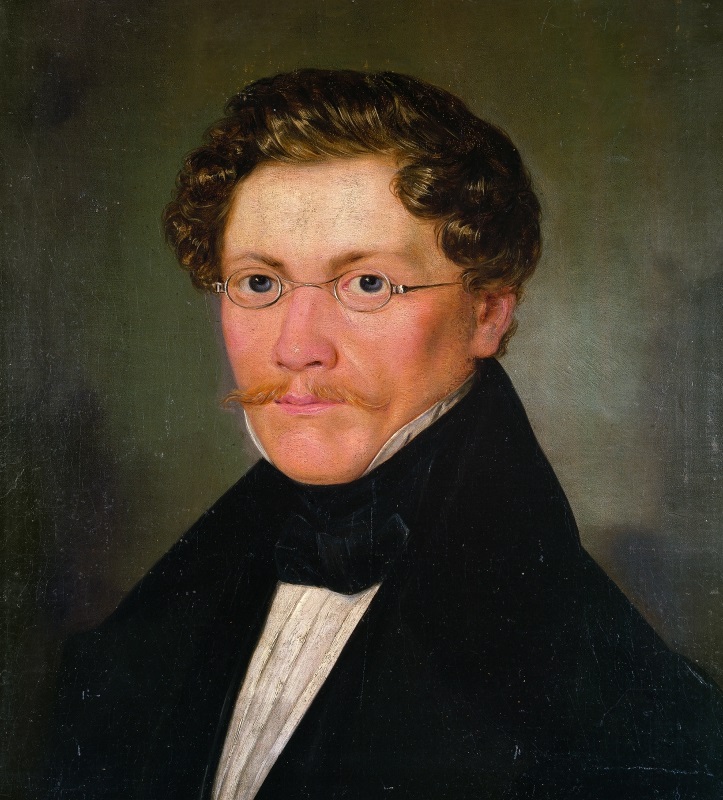
Carl Spitzweg was a German romanticist painter, especially of genre subjects. He is considered to be one of the most important artists of the Biedermeier era.

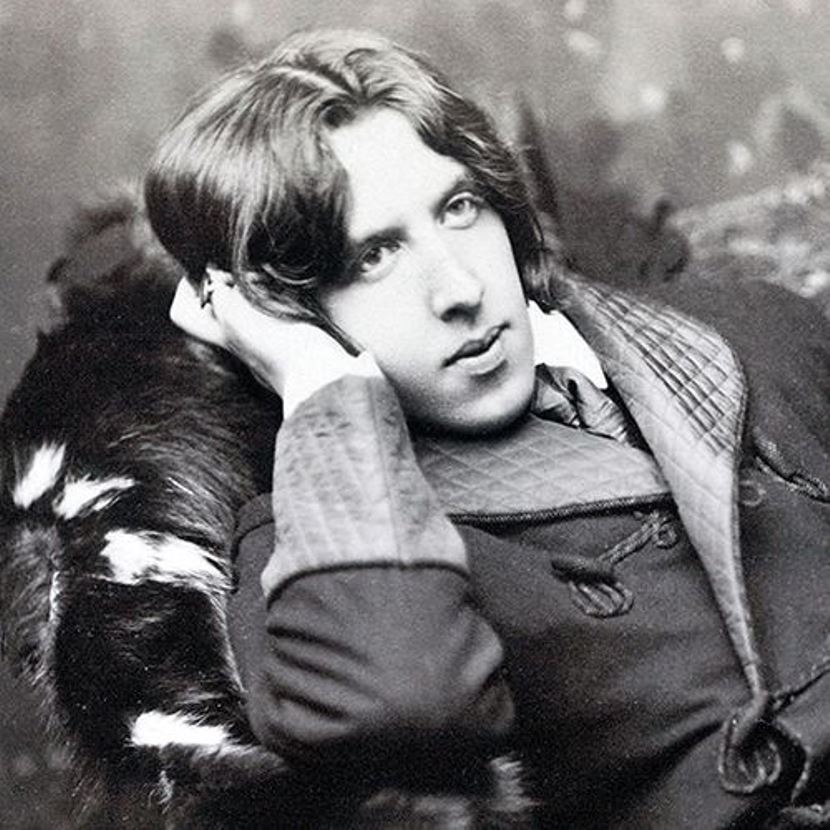
Oscar Fingal O'Flahertie Wills Wilde - Irish writer, poet, philosopher and playwright, a bright representative of the literature of the Victorian period.
Oscar's parents were fond of literature and history, gave their son an excellent education. After graduating from Oxford University, Oscar moved to London, where he quickly entered the circle of secular society. His first book, a collection of poems, was published in 1881. Over the next year, the aspiring writer traveled across America with lectures on art. Then he traveled to France, where he met key figures of French literature of the time - Victor Hugo, Paul Verlaine, Emile Zola and others. Returning to his homeland, Oscar married, thanks to which his children's fairy tales appeared. His popularity grew rapidly, his work was favorably reviewed by Bernard Shaw.
Next, "The Crime of Lord Arthur Seville", "The Canterville Ghost", "The Sphinx without a riddle" were written. In 1890 Oscar Wilde wrote the novel "The Portrait of Dorian Gray", which was considered immoral in high society, but it brought the author the greatest fame. This novel is still considered a classic of world literature to this day. In the early 1890s Oscar Wilde wrote comedy plays "Lady Windermere's Fan", "A Woman Not Worth Watching", "An Ideal Husband" and "How Important It Is to Be Serious". In them, the author shows himself a master of witty dialog. During his life, Wilde wrote nine plays, one novel, many poems, stories and essays.
Bright and full life of a successful and talented writer ended when he met Lord Alfred Douglas. For this scandalous connection with the man, Oscar Wilde was sentenced to two years in prison. After leaving prison, he settled in France under an assumed name, abandoned by everyone. He wrote his last work, the autobiographical "Ballad of Reading Prison" two years before his death at the age of 46.
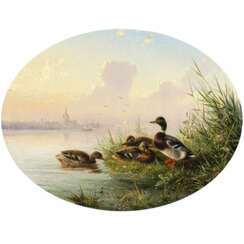

Carl Jutz the Elder was a German animal painter best known for his paintings of domestic birds.


Carl Spitzweg was a German romanticist painter, especially of genre subjects. He is considered to be one of the most important artists of the Biedermeier era.
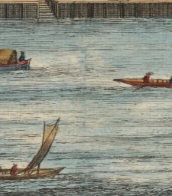
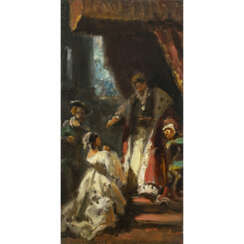

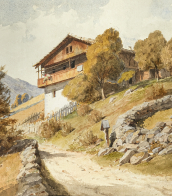
Carl Spitzweg was a German romanticist painter, especially of genre subjects. He is considered to be one of the most important artists of the Biedermeier era.


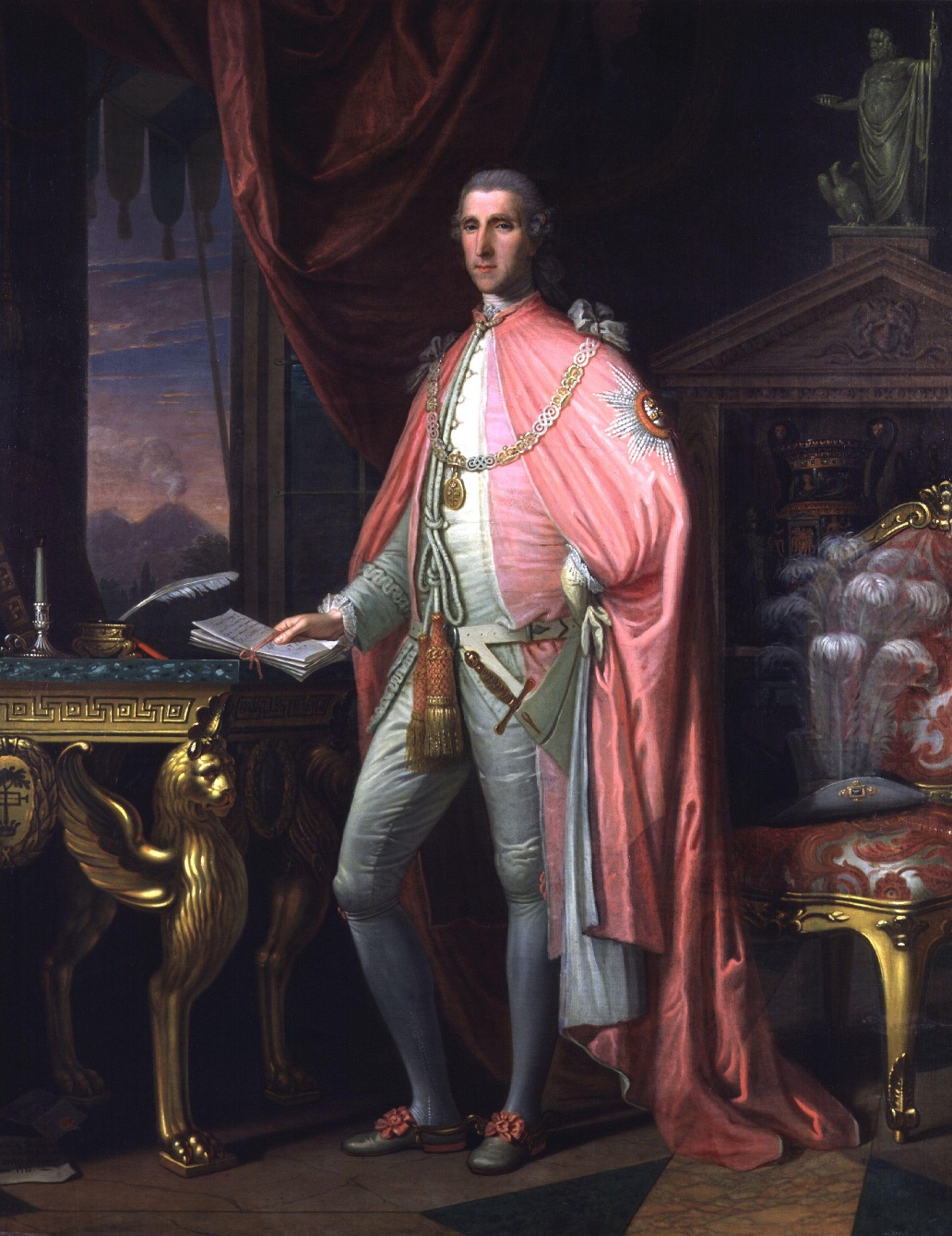
Sir William Douglas Hamilton was a British diplomat, archaeologist and volcanologist, a famous collector, and a Fellow of the Royal Society of London.
He served as British Ambassador to the Kingdom of Naples from 1764 to 1800, but most importantly, he was a passionate researcher of history, art and natural sciences and was a member of the Society of Dilettantes, established for the purpose of studying ancient art.
In Naples, Hamilton amassed a unique collection of antique vases and published an illustrated book about them. In parallel, Sir Hamilton studied the volcanoes Vesuvius and Etna, local volcanic and seismic activity, and the causes of earthquakes in the Neapolitan territory. As a corresponding member of the Royal Society, he sent the results of his research to London. His publications were very valuable for the time.
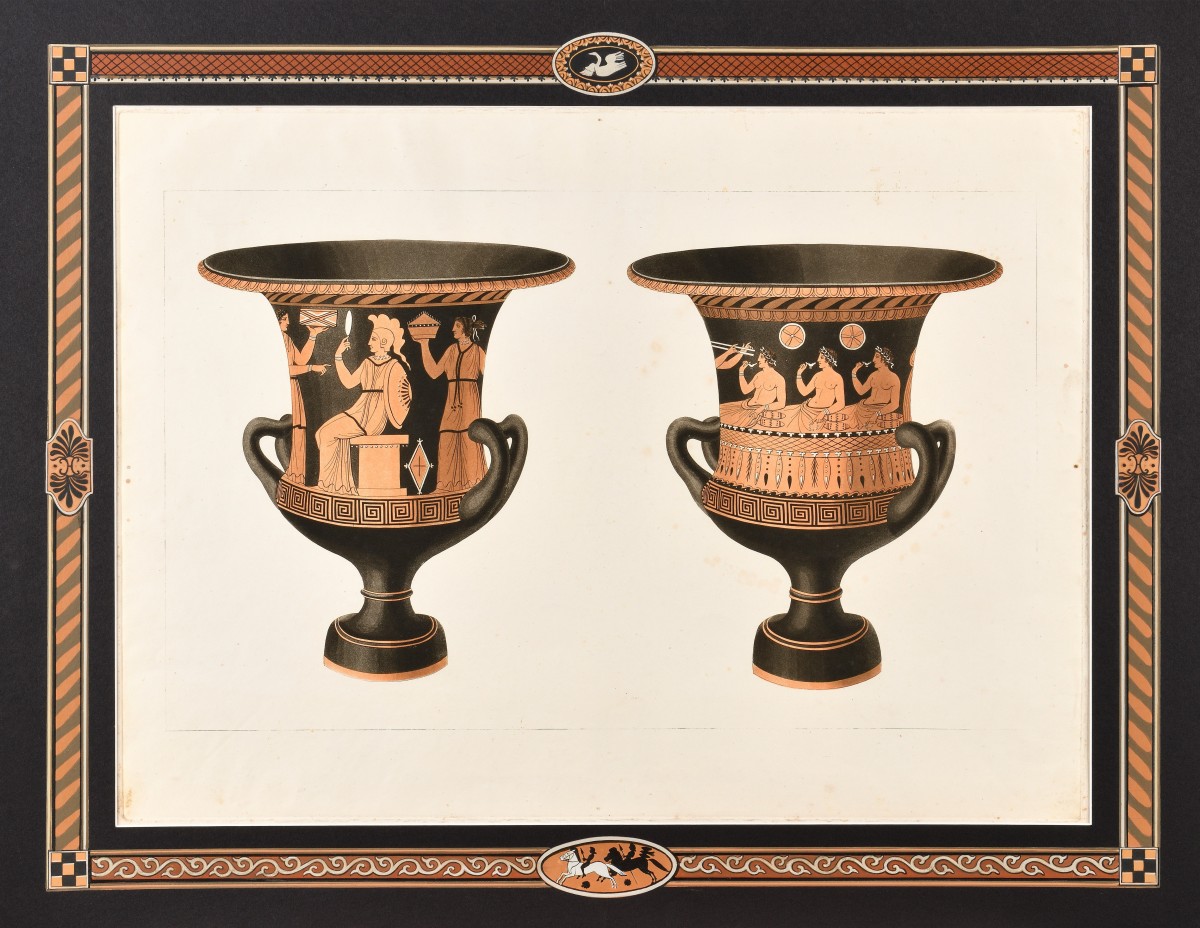
Pierre-François Hugues d'Hancarville, better known as Baron d'Hancarville, was an art historian, writer, and adventurer who lived most of his life in Italy.
To advance from the merchant class to high society, he studied mathematics, physics, history, literature, ancient languages, and English, Italian, and German. Traveling in Europe, he presented himself as an aristocrat under various names. Under the name Baron d'Hancarville, he was known as a connoisseur and art dealer, which is apparently why he was approached by Sir William Hamilton (1731-1803), who was ambassador to the British embassy in Naples and had amassed a large collection of ancient vases. Before selling this collection to the British Museum in 1772, Hamilton asked d'Hancarville for help in creating a complete catalog of it in descriptions and illustrations. The baron also wrote a detailed essay.
This catalog, entitled The Complete Collection of Antiquities from the Cabinet of Sir William Hamilton, is itself a neoclassical masterpiece in French and English. Antique vases have never before been depicted with such precision and aestheticism.
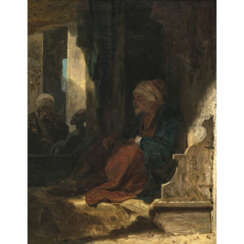

Carl Spitzweg was a German romanticist painter, especially of genre subjects. He is considered to be one of the most important artists of the Biedermeier era.
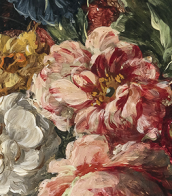
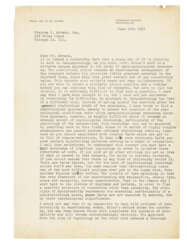

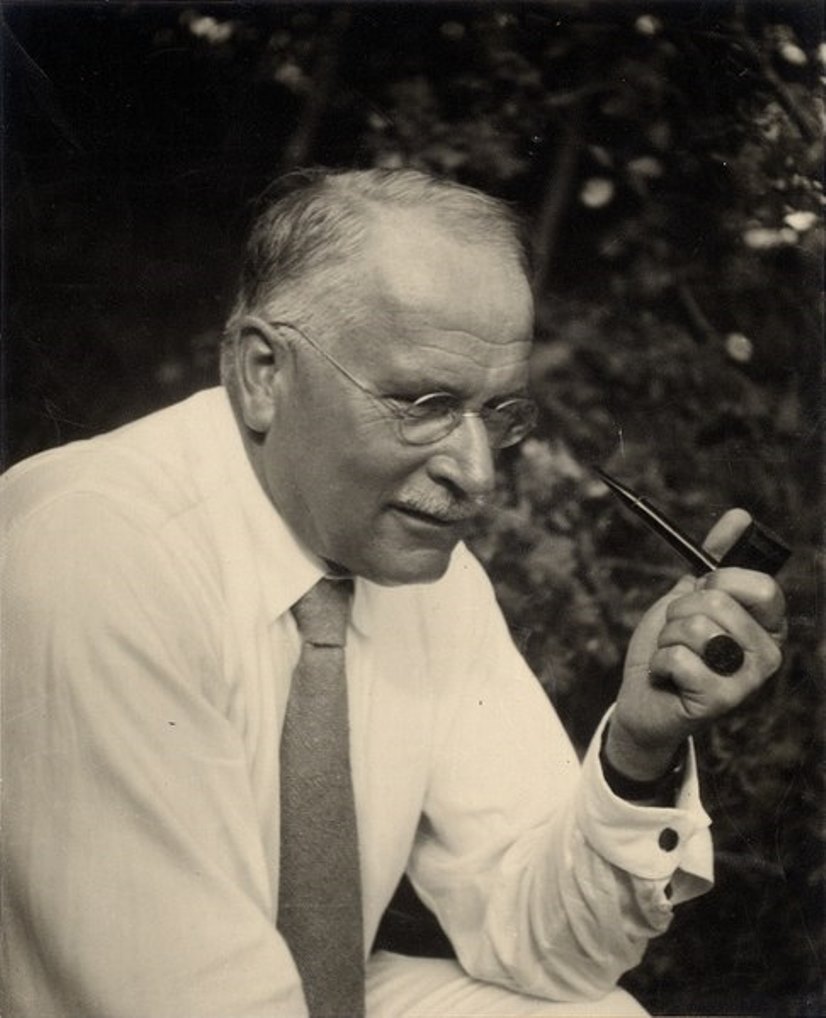
Carl Gustav Jung was a Swiss psychologist and psychiatrist, professor, and the founder of analytical psychology.
He studied at the University of Zurich and conducted many studies in scientific psychology and psychiatry. From 1907 to 1912, Jung was a close associate of Sigmund Freud, but later they had serious disagreements and parted ways.
Carl Jung proposed and developed the concepts of extraverted and introverted personality, archetypes and the collective unconscious. He introduced the term "collective unconscious" as a part of the mind containing memories and impulses of which the individual is unaware, common to humanity as a whole and deriving from inherited brain structure. It differs from the personal unconscious, which arises from the experience of the individual. According to Jung, the collective unconscious contains archetypes, or universal primordial images and ideas.
Historical research helped Jung pioneer psychotherapy for middle-aged and elderly people, especially those who felt their lives had lost meaning. He helped them appreciate the place of their lives in the sequence of history. Jung devoted many years of his life to developing his ideas, especially those concerning the relationship between psychology and religion. His work had a significant impact on psychiatry and the study of religion, literature, and related fields.

Carl Gustav Jung was a Swiss psychologist and psychiatrist, professor, and the founder of analytical psychology.
He studied at the University of Zurich and conducted many studies in scientific psychology and psychiatry. From 1907 to 1912, Jung was a close associate of Sigmund Freud, but later they had serious disagreements and parted ways.
Carl Jung proposed and developed the concepts of extraverted and introverted personality, archetypes and the collective unconscious. He introduced the term "collective unconscious" as a part of the mind containing memories and impulses of which the individual is unaware, common to humanity as a whole and deriving from inherited brain structure. It differs from the personal unconscious, which arises from the experience of the individual. According to Jung, the collective unconscious contains archetypes, or universal primordial images and ideas.
Historical research helped Jung pioneer psychotherapy for middle-aged and elderly people, especially those who felt their lives had lost meaning. He helped them appreciate the place of their lives in the sequence of history. Jung devoted many years of his life to developing his ideas, especially those concerning the relationship between psychology and religion. His work had a significant impact on psychiatry and the study of religion, literature, and related fields.
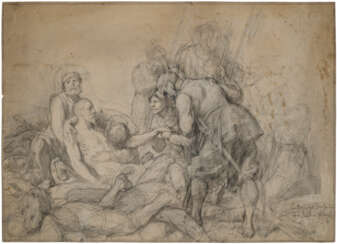


Carl Gustav Jung was a Swiss psychologist and psychiatrist, professor, and the founder of analytical psychology.
He studied at the University of Zurich and conducted many studies in scientific psychology and psychiatry. From 1907 to 1912, Jung was a close associate of Sigmund Freud, but later they had serious disagreements and parted ways.
Carl Jung proposed and developed the concepts of extraverted and introverted personality, archetypes and the collective unconscious. He introduced the term "collective unconscious" as a part of the mind containing memories and impulses of which the individual is unaware, common to humanity as a whole and deriving from inherited brain structure. It differs from the personal unconscious, which arises from the experience of the individual. According to Jung, the collective unconscious contains archetypes, or universal primordial images and ideas.
Historical research helped Jung pioneer psychotherapy for middle-aged and elderly people, especially those who felt their lives had lost meaning. He helped them appreciate the place of their lives in the sequence of history. Jung devoted many years of his life to developing his ideas, especially those concerning the relationship between psychology and religion. His work had a significant impact on psychiatry and the study of religion, literature, and related fields.
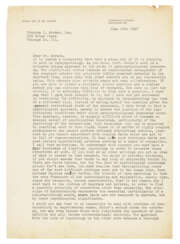

Carl Gustav Jung was a Swiss psychologist and psychiatrist, professor, and the founder of analytical psychology.
He studied at the University of Zurich and conducted many studies in scientific psychology and psychiatry. From 1907 to 1912, Jung was a close associate of Sigmund Freud, but later they had serious disagreements and parted ways.
Carl Jung proposed and developed the concepts of extraverted and introverted personality, archetypes and the collective unconscious. He introduced the term "collective unconscious" as a part of the mind containing memories and impulses of which the individual is unaware, common to humanity as a whole and deriving from inherited brain structure. It differs from the personal unconscious, which arises from the experience of the individual. According to Jung, the collective unconscious contains archetypes, or universal primordial images and ideas.
Historical research helped Jung pioneer psychotherapy for middle-aged and elderly people, especially those who felt their lives had lost meaning. He helped them appreciate the place of their lives in the sequence of history. Jung devoted many years of his life to developing his ideas, especially those concerning the relationship between psychology and religion. His work had a significant impact on psychiatry and the study of religion, literature, and related fields.
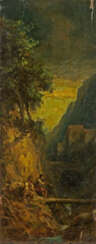

Carl Spitzweg was a German romanticist painter, especially of genre subjects. He is considered to be one of the most important artists of the Biedermeier era.

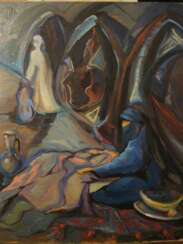








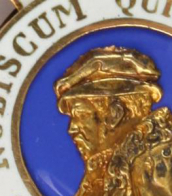


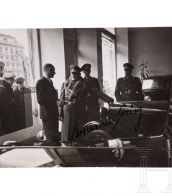




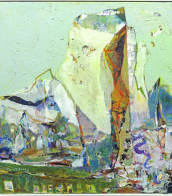


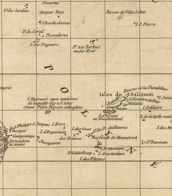


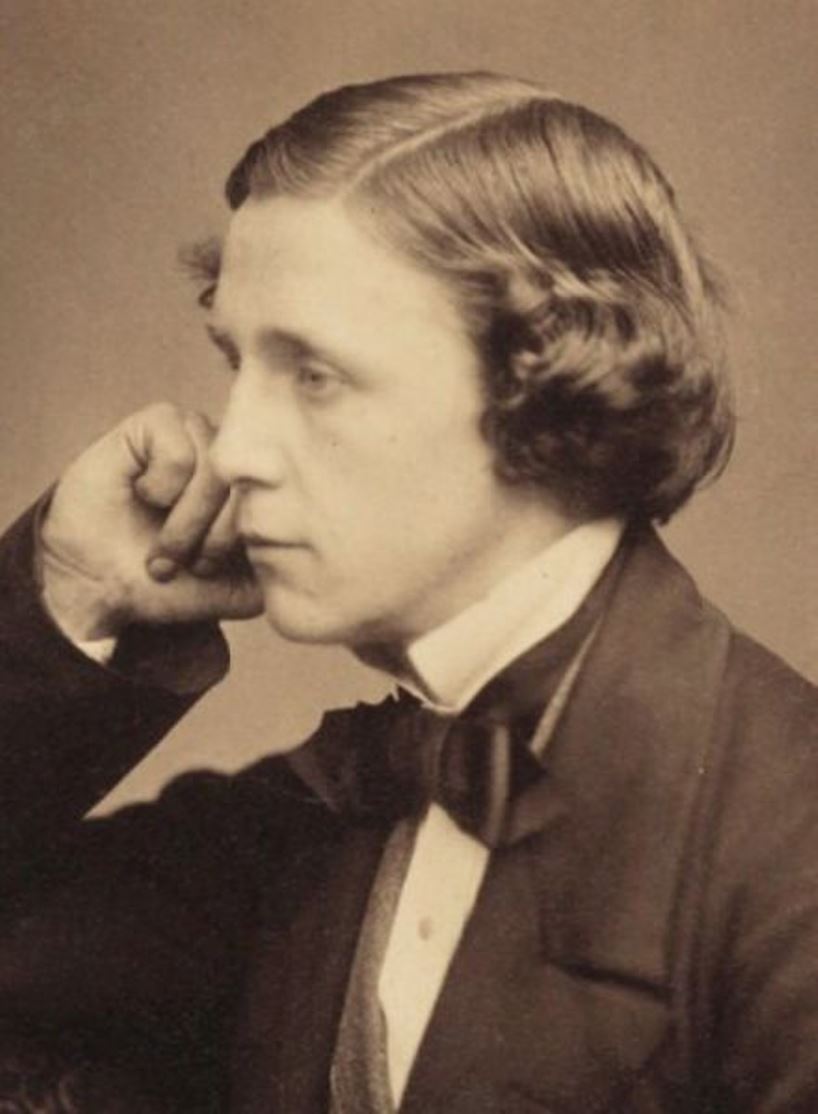
Lewis Carroll, real name Charles Lutwidge Dodgson, was a British writer and photographer, philosopher and logician, and professor of mathematics.
In 1851 Lewis entered one of the best colleges in Oxford - Christ Church. Showing an extraordinary aptitude for mathematics, soon he was able to give lectures himself, and for the next quarter of a century he was a professor of mathematics at Oxford. In parallel with his studies, the young man began to compose short stories and poems, publishing them under a pseudonym.
And then he wrote the famous "Alice's Adventures in Wonderland" (Alice's Adventures in Wonderland, 1865) and "Alice in Looking-Glass" (Through the Looking-Glass, and What Alice Found There, 1871). These books quickly became popular, they were translated into numerous languages, and then repeatedly screened. The prototype of the main character was four-year-old Alice Liddell, the daughter of the new dean of the college where Carroll taught. Lewis Carroll also wrote "The Knotty Story", a humorous poem "Hunting the Snark", "Mathematical Curiosities", "Sylvia and Bruno" and other books. Carroll himself considered his main work a slightly absurd novel-tale "Sylvia and Bruno" (1889-1893).
Under his real name, the writer-mathematician published scientific works on mathematics and logic, he also owns a number of popular books on entertaining mathematics. Lewis Carroll left Oxford only once - in 1867, visiting Russia as part of a delegation of the Anglican Church on the route St. Petersburg-Moscow-Nizhny Novgorod. This was Carroll's only overseas trip, and he described it in his Diary of a Trip to Russia 1867. Lewis Carroll was also a talented chess player and amateur inventor. Photography was also a big part of the writer's life.
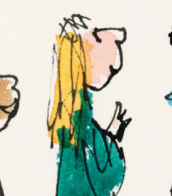


Lewis Carroll, real name Charles Lutwidge Dodgson, was a British writer and photographer, philosopher and logician, and professor of mathematics.
In 1851 Lewis entered one of the best colleges in Oxford - Christ Church. Showing an extraordinary aptitude for mathematics, soon he was able to give lectures himself, and for the next quarter of a century he was a professor of mathematics at Oxford. In parallel with his studies, the young man began to compose short stories and poems, publishing them under a pseudonym.
And then he wrote the famous "Alice's Adventures in Wonderland" (Alice's Adventures in Wonderland, 1865) and "Alice in Looking-Glass" (Through the Looking-Glass, and What Alice Found There, 1871). These books quickly became popular, they were translated into numerous languages, and then repeatedly screened. The prototype of the main character was four-year-old Alice Liddell, the daughter of the new dean of the college where Carroll taught. Lewis Carroll also wrote "The Knotty Story", a humorous poem "Hunting the Snark", "Mathematical Curiosities", "Sylvia and Bruno" and other books. Carroll himself considered his main work a slightly absurd novel-tale "Sylvia and Bruno" (1889-1893).
Under his real name, the writer-mathematician published scientific works on mathematics and logic, he also owns a number of popular books on entertaining mathematics. Lewis Carroll left Oxford only once - in 1867, visiting Russia as part of a delegation of the Anglican Church on the route St. Petersburg-Moscow-Nizhny Novgorod. This was Carroll's only overseas trip, and he described it in his Diary of a Trip to Russia 1867. Lewis Carroll was also a talented chess player and amateur inventor. Photography was also a big part of the writer's life.