cars for less
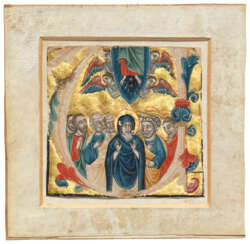

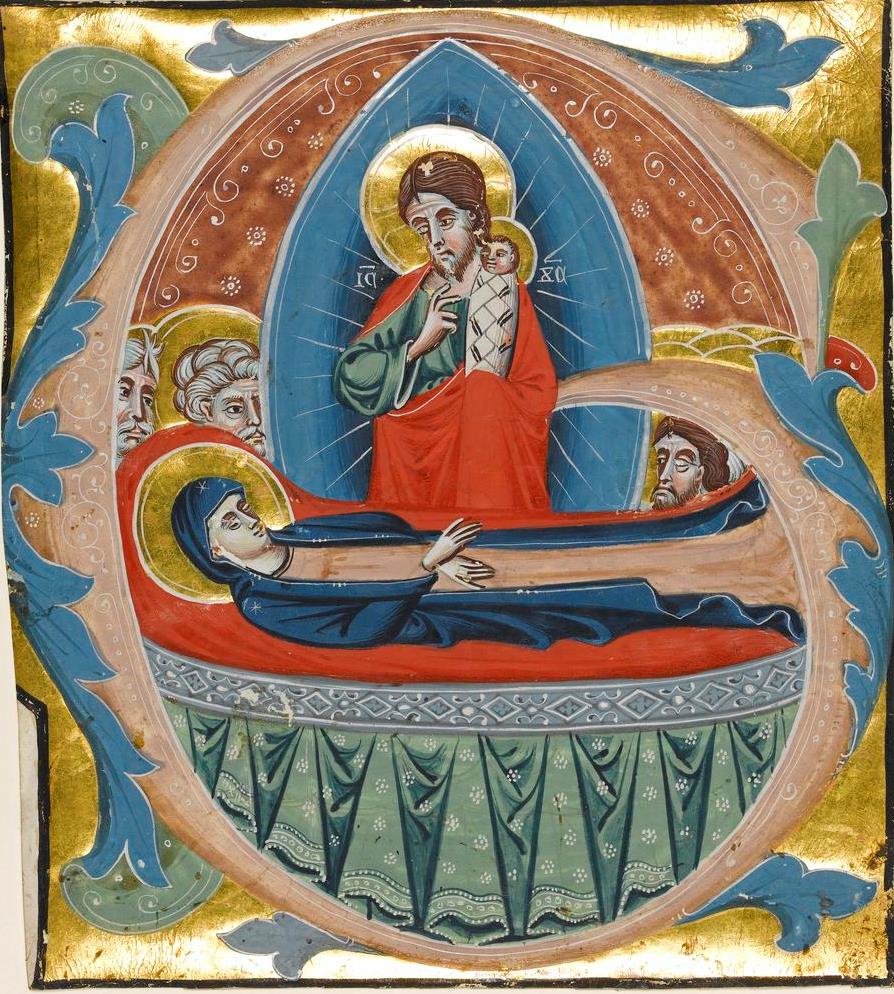
Giustino di Gherardino da Forlì was an Italian miniaturist.
He worked as an antiphonary for the church of Santa Maria della Carità in Venice in the second half of the fourteenth century.






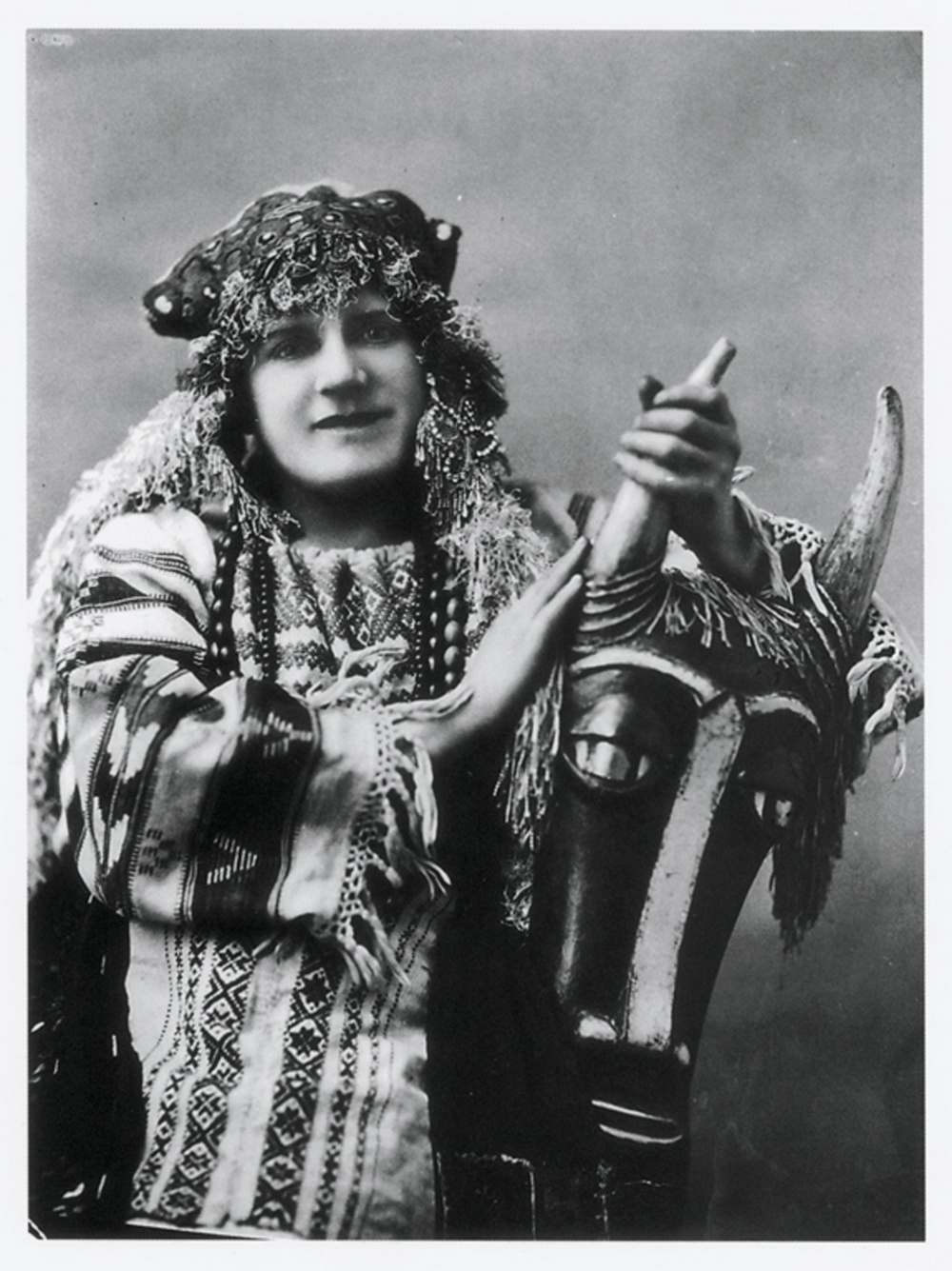
Marie Vassilieff was a French artist born in Smolensk, Russia. She moved to Paris in 1905 to study art, and became a prominent figure in the city's artistic community. Vassilieff was a painter, sculptor, and designer, and was known for her involvement in the Cubist and Montparnasse art movements.
In 1910, Vassilieff opened La Ruche, a studio complex and artist colony in the 15th arrondissement of Paris. The complex was made up of small, inexpensive studios that were rented out to artists who were just starting out, as well as more established artists who needed a place to work. La Ruche quickly became a gathering place for some of the most important artists of the time, including Marc Chagall, Max Ernst, and Amedeo Modigliani.
During World War I, Vassilieff worked as a nurse and ambulance driver, and she was awarded the Croix de Guerre for her service. She continued to work as an artist after the war, and was involved in several exhibitions, including the Salon d'Automne and the Salon des Indépendants.
In addition to her artistic work, Vassilieff was also known for her activism. She was a member of the French Communist Party, and was involved in various socialist and feminist organizations.


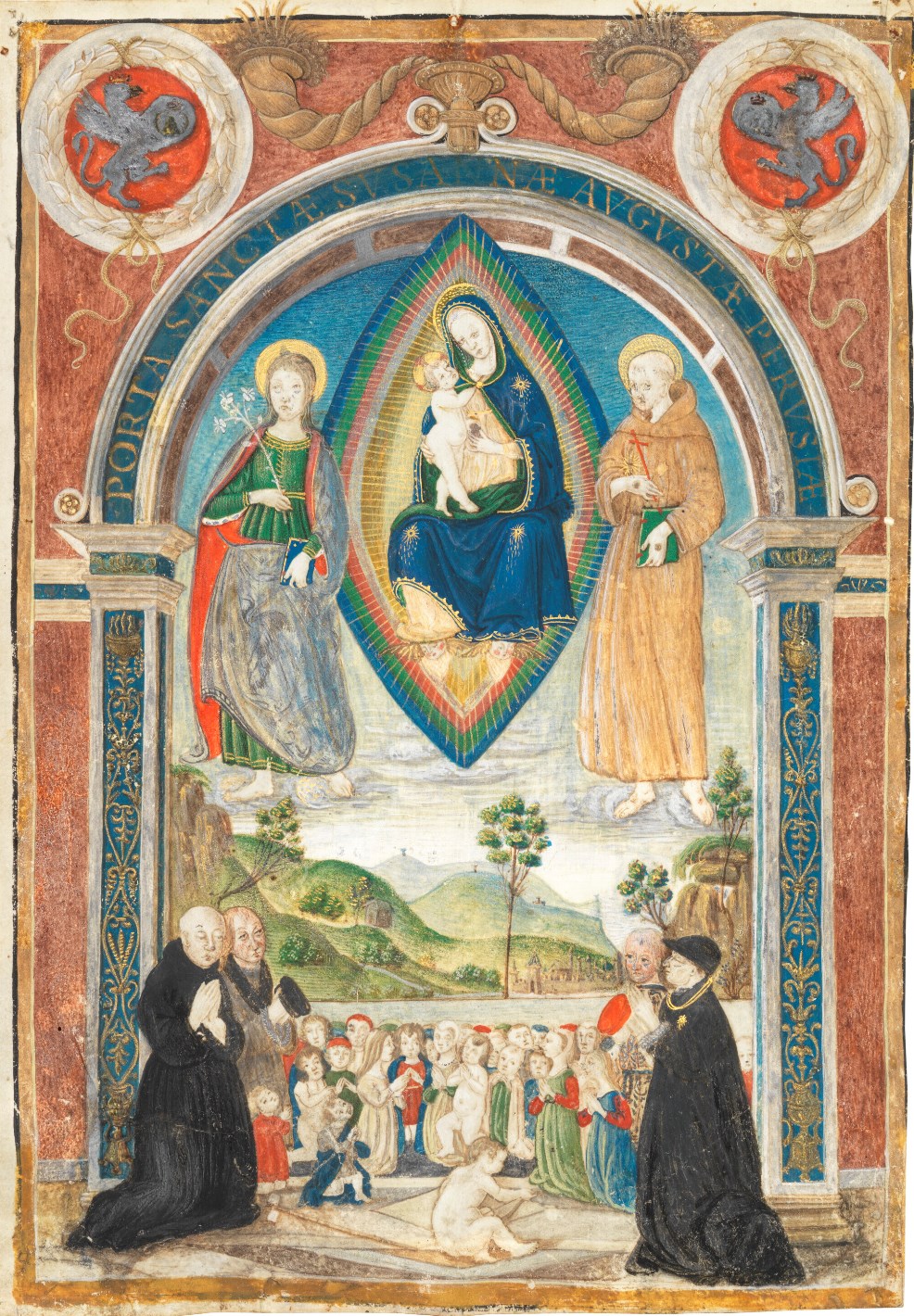
Tommaso di Mascio Scarafone was an Italian painter and illuminator.
He worked in the studio of the Perugene illuminator, painter and frescoist Bartolomeo Caporali.



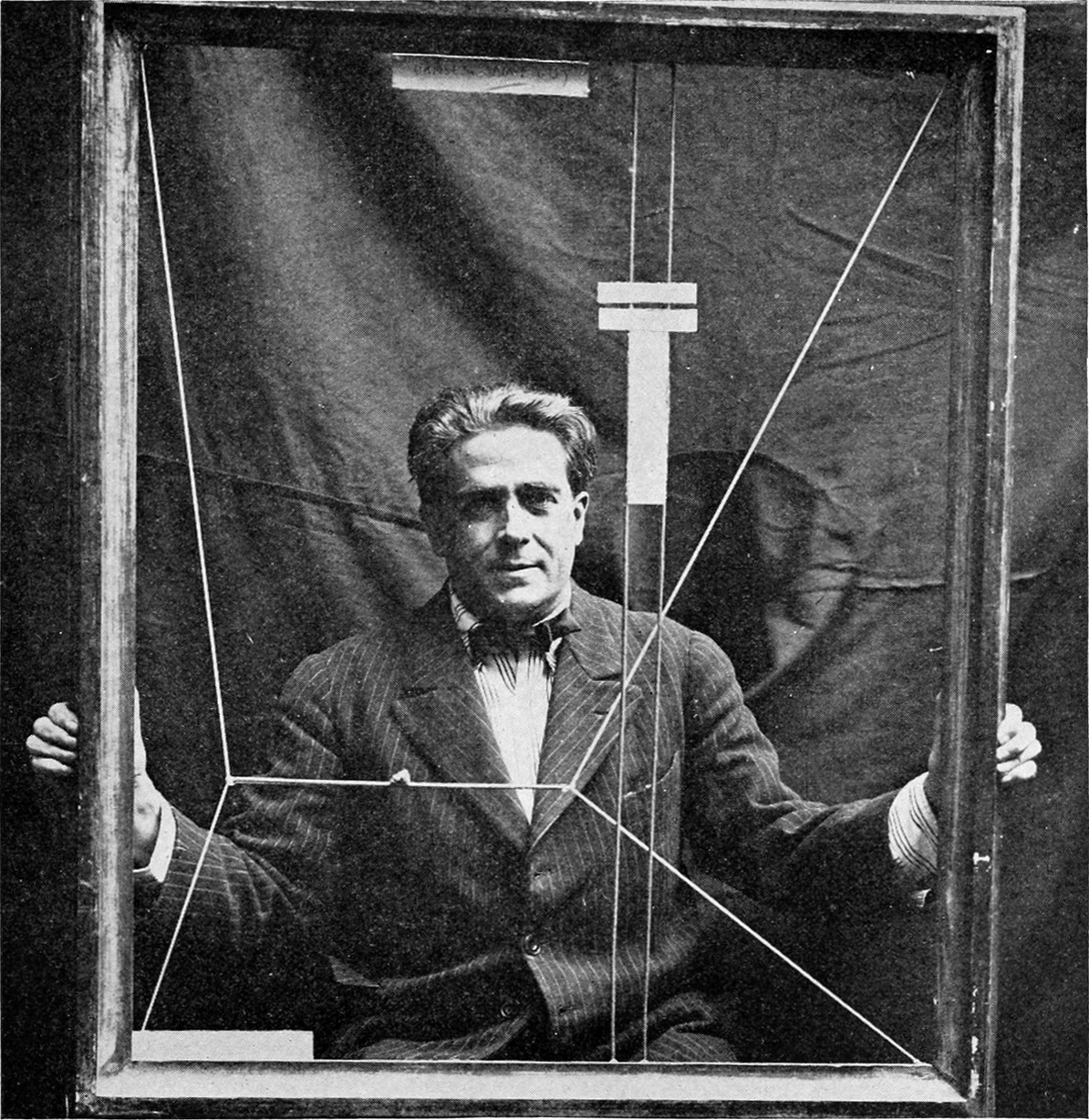
Francis Picabia, born Francis-Marie Martinez de Picabia, was a French avant-garde painter, poet, and typographist, whose work is celebrated for its diversity and innovation. His journey through various art movements, including Impressionism, Cubism, Dadaism, and Surrealism, showcases his refusal to be confined by any one style. Picabia's art is known for its eclectic nature, often blending mechanical elements with organic forms, thereby challenging traditional perceptions of art and beauty.
Picabia's significant contribution to the art world lies not just in his varied artistic output but also in his philosophical approach to creation. He believed in the freedom of expression, often using his art to critique societal norms and the art establishment itself. This rebellious spirit made him a pivotal figure in the Dada movement, where his works were celebrated for their irony and disdain for conventional art values.
Among his notable works, "Amorous Parade" and "I See Again in Memory My Dear Udnie" stand out, housed in prestigious institutions like the Museum of Modern Art in New York. These pieces exemplify Picabia's mastery over blending different elements of art movements, creating works that remain influential to this day. His legacy is not just in the pieces he created but also in his attitude towards art, encouraging future generations to challenge and redefine the boundaries of creativity.
For collectors and experts in art and antiques, Picabia's works represent not only significant artistic achievements but also valuable insights into the evolution of modern art. To stay informed about new product sales and auction events related to Francis Picabia, sign up for updates. This subscription is an essential resource for enthusiasts looking to enrich their collections with pieces from one of the most innovative artists of the 20th century.
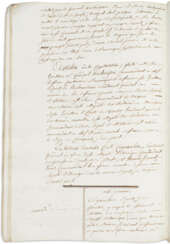

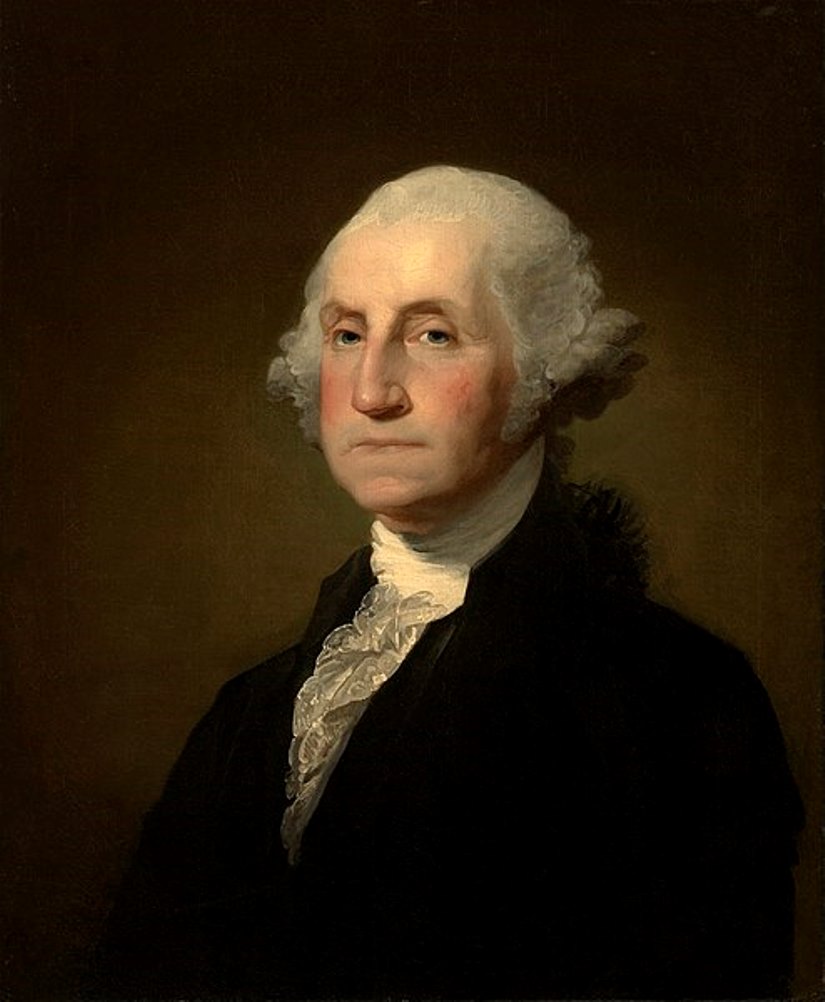
George Washington is the first popularly elected president of the United States of America and one of the founding fathers of the United States.
Born into a noble family in colonial Virginia in February 1732, George Washington served as a Virginian officer with British troops during the French-Indian War (1754-1763) from 1754-1758. This was a territorial war fought largely between the colonies of Britain and France that escalated into a worldwide conflict between the two countries. J. Washington was at the center of the conflicts in the disputed Ohio River Valley area.
In June 1775, he was elected commander-in-chief of the Continental forces in the war already for independence from Great Britain. He commanded American troops throughout the war, becoming famous for his perseverance and bravery.
In 1787, J. Washington represented the state of Virginia as a delegate to the Constitutional Convention. This convention created the Constitution of the United States. In 1789, the Electoral College unanimously elected George Washington president, and in 1792 he was re-elected for a second term. Thus George Washington was in office as President of the United States from April 30, 1789 to March 4, 1797.
As head of state, he helped to strengthen the Union, implement the principles of the Constitution and build the capital of the United States. He was engaged in the formation of the central authorities and system of government, created precedents for the institution of presidents, encouraged the development of the economy, maintained friendly relations with Congress. In foreign policy Washington avoided interference in the affairs of European states.
After leaving the post of president, George Washington lived in Mount Vernon Manor.
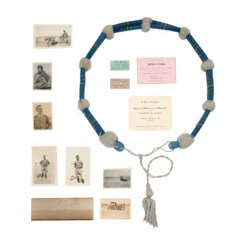

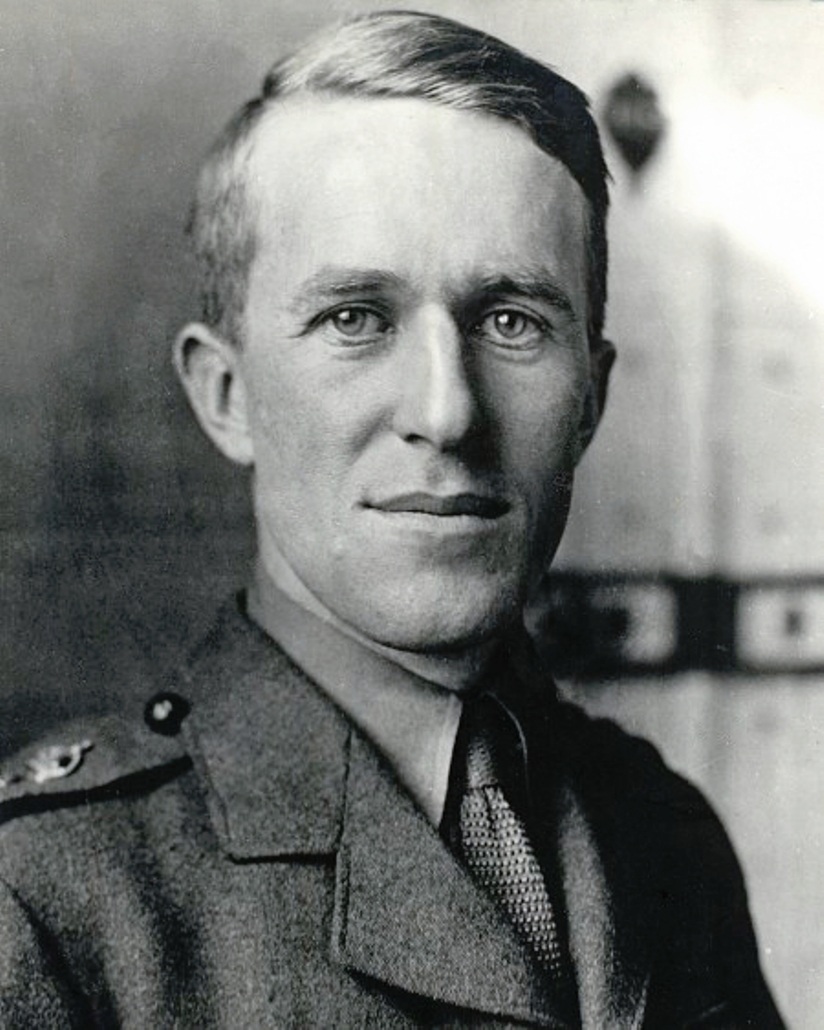
Thomas Edward Lawrence was a British scholar-archaeologist, military intelligence and strategist, writer and poet.
Thomas studied at the High School and Jesus College, Oxford, studying medieval military architecture in particular, researching Crusader castles in France and in Syria and Palestine. Then in the early 1900s he took part in an excavation, though more likely a cartographic reconnaissance from Gaza to Aqaba for strategic military purposes. The study was published in 1915 under the title The Wilderness of Zin (The Wilderness of Zin).
At the outbreak of World War I, Lawrence became a member of the cartographic staff of the War Office in London, tasked with producing a militarily useful map of Sinai. From 1914, with the rank of lieutenant, he was already active in various operations in Cairo and other Arab countries. It is believed that Lawrence made a significant contribution to the victory of the Arab revolt against the Ottoman Empire, and locals gave him the nickname Lawrence of Arabia.
Lawrence had time to work on his war memoirs as well, publishing a book about his activities, The Seven Pillars of Wisdom, in 1926. Also of interest are his poignant service chronicle "The Mint" and a considerable amount of correspondence. He was commissioned by book designer Bruce Rogers to translate Homer's Odyssey into English. Lawrence also wrote over 100 poems, which were published in the collection Minorities in 1971.
After World War I, Lawrence worked for the British Foreign Office and served in the Royal Air Force. He died in a motorcycle accident in May 1935 at the age of 46.

.jpg)
René Magritte, a Belgian artist, was renowned for his significant contributions to the Surrealist movement. His art, known for merging ordinary objects with bizarre, dream-like contexts, captivated the art world. Born on November 21, 1898, in Lessines, Belgium, Magritte's early artistic pursuits were impressionistic, transitioning through Cubism and Futurism influenced by artists like Jean Metzinger. However, his encounter with Giorgio de Chirico's work in 1922 steered him towards Surrealism.
Magritte's career was marked by various phases, each showcasing his evolving style and thematic focus. His initial foray into Surrealism began in 1926 with "The Lost Jockey" and was further solidified during his time in Paris, where he mingled with other prominent Surrealists like André Breton. Despite facing initial criticism and financial challenges, Magritte's unique blend of familiar imagery in unfamiliar contexts, like in "The Empire of Light" and "Time Transfixed," earned him acclaim.
Magritte's distinct visual language, characterized by recurring motifs like bowler hats and apples, and his exploration of reality and illusion, remain influential. His works are displayed in major galleries worldwide, continuing to inspire and intrigue art collectors and enthusiasts.
For collectors and experts in art and antiques, staying informed about Magritte's works and related auction events is crucial. Signing up for updates ensures you're alerted to new sales and events focusing on René Magritte's art, offering unique opportunities to acquire or learn more about his remarkable creations. This subscription will exclusively cover new product sales and auction events related to Magritte, keeping you updated on the most relevant information in the art world.


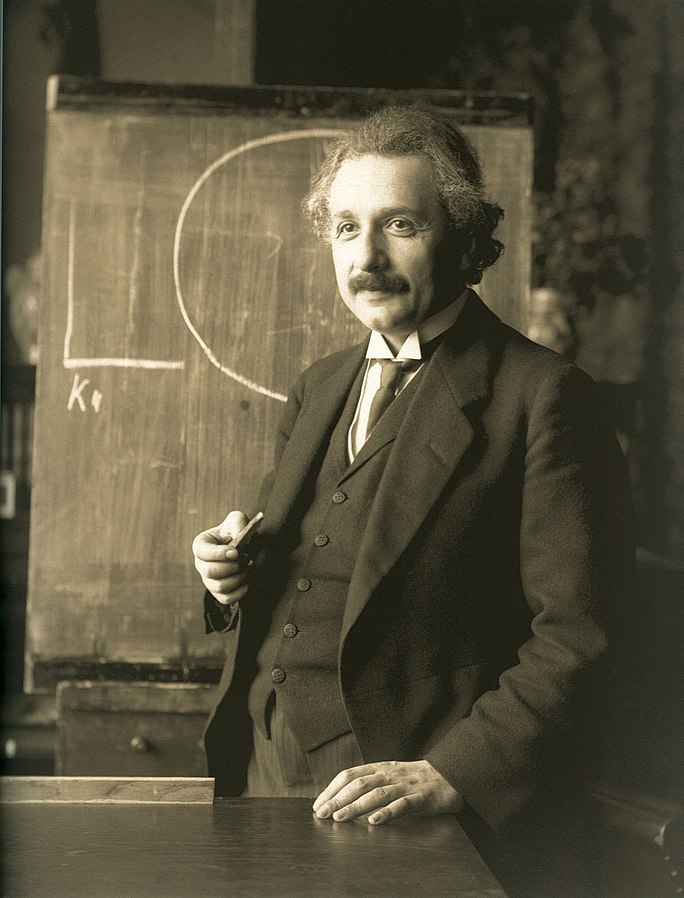
Albert Einstein was a German-born theoretical physicist, widely acknowledged to be one of the greatest and most influential physicists of all time. Einstein is best known for developing the theory of relativity, but he also made important contributions to the development of the theory of quantum mechanics. Relativity and quantum mechanics are together the two pillars of modern physics. His mass–energy equivalence formula E = mc2, which arises from relativity theory, has been dubbed "the world's most famous equation". His work is also known for its influence on the philosophy of science. He received the 1921 Nobel Prize in Physics "for his services to theoretical physics, and especially for his discovery of the law of the photoelectric effect", a pivotal step in the development of quantum theory. His intellectual achievements and originality resulted in "Einstein" becoming synonymous with "genius".