church
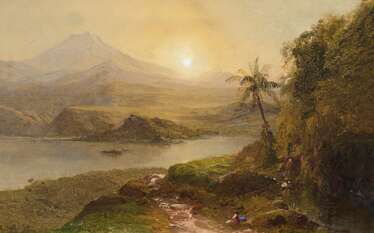

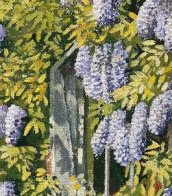
Frederic Edwin Church was an American landscape painter, renowned as a central figure of the Hudson River School. Born in Hartford, Connecticut, Church became famous for his detailed and expansive landscapes which often incorporated a blend of realistic detail and dramatic lighting, epitomizing the Romantic approach to landscape painting.
Church's career was marked by his unique ability to blend meticulous natural observation with a grandiose sense of scale and drama. His paintings, such as "The Heart of the Andes" and "Niagara," showcased his skill in depicting vast and diverse natural environments with scientific accuracy and vivid imagination. These works were not just celebrations of natural beauty but also demonstrations of Church's deep engagement with the places he painted, often based on extensive travels and on-the-spot sketches.
Apart from his mastery in painting, Church also had a significant impact on cultural institutions and public spaces. He was a founding trustee of The Metropolitan Museum of Art and served as a Parks Commissioner in New York City. His contributions went beyond the canvas, influencing both the cultural landscape of his time and the preservation of natural and historic sites through his later life efforts, including the establishment of his home, Olana, as a historic site.
For those interested in the ongoing legacy of Frederic Edwin Church, updates on exhibitions and related events can be obtained through subscriptions focused on his works. This is an excellent way for collectors and art enthusiasts to stay connected with the vibrant history and enduring impact of Church's art.
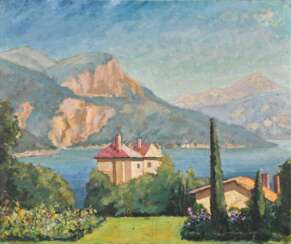

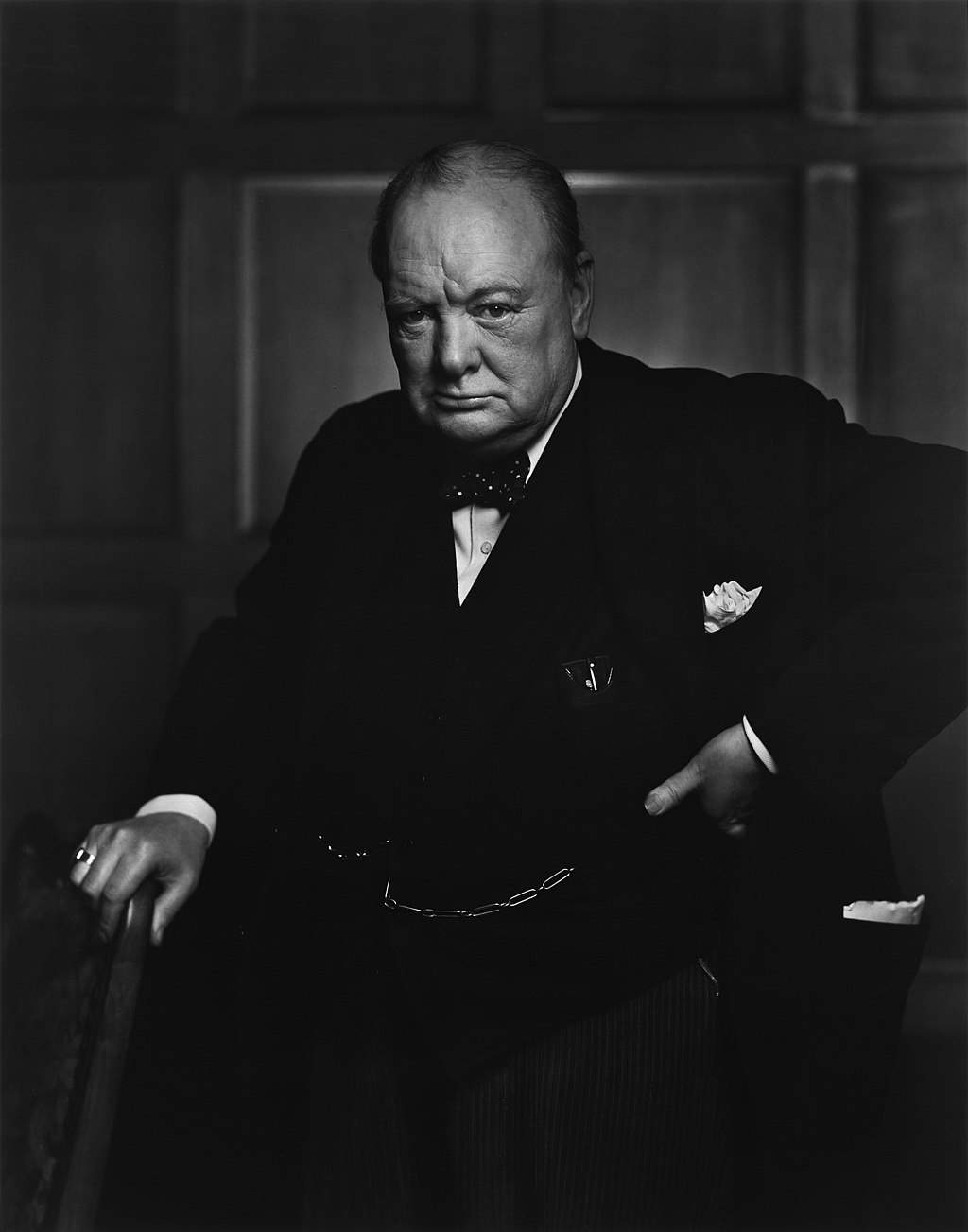
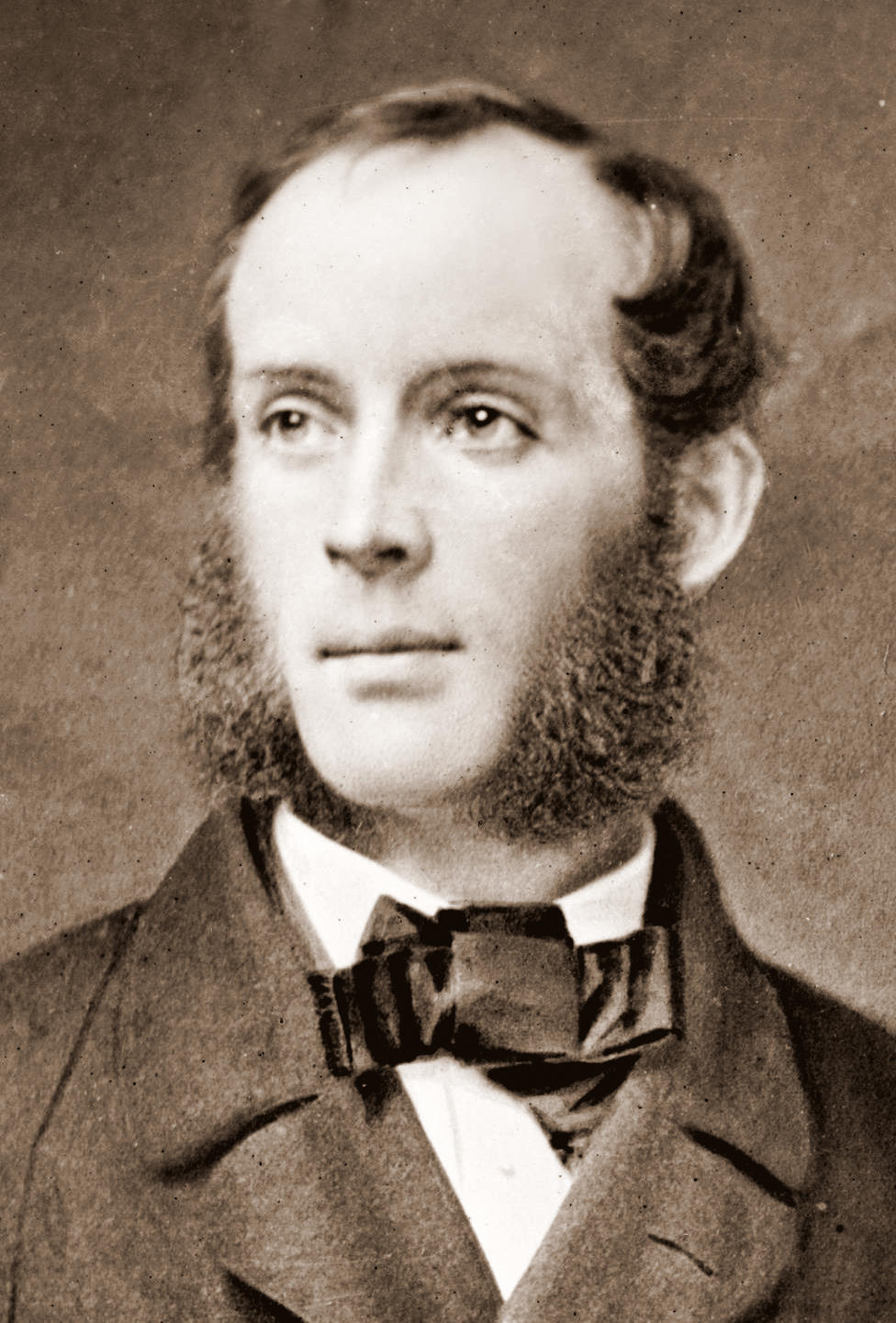
Sir Winston Leonard Spencer Churchill was a British statesman, soldier and writer who served as Prime Minister of the United Kingdom from 1940 to 1945, during the Second World War, and again from 1951 to 1955. Apart from two years between 1922 and 1924, he was a Member of Parliament (MP) from 1900 to 1964 and represented a total of five constituencies. Ideologically an economic liberal and imperialist, he was for most of his career a member of the Conservative Party, which he led from 1940 to 1955. He was a member of the Liberal Party from 1904 to 1924.
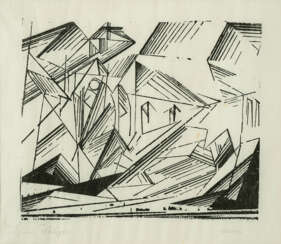

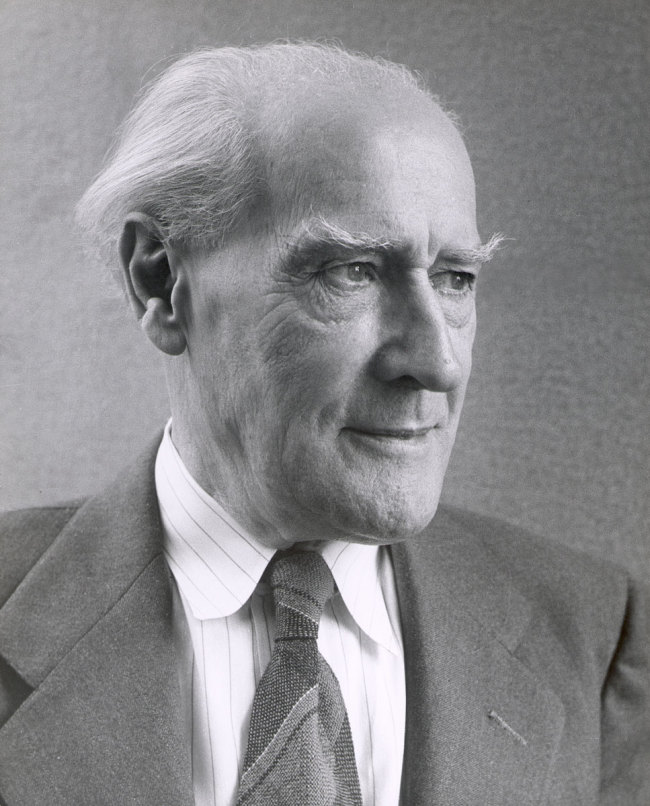
Lyonel Charles Adrian Feininger was an American-German artist renowned for his unique integration of Expressionism, Cubism, and Bauhaus principles. His body of work, which spans several critical decades in modernism's development, is celebrated for its distinctive blend of architectural and nautical motifs, articulated through planar shifts and jagged lines of Cubism, with a vibrant Orphist color palette.
Lyonel Feininger's journey as an artist began in earnest when he was 36, becoming a pivotal figure in various German expressionist groups and a founding member of the Bauhaus, where he led the printmaking workshop. His art, which also includes significant contributions to caricature and photography, explores the intricate relationship between humanity and industrialization, evident in his depictions of architectural and mechanized forms.
His work was subject to Nazi criticism, being labeled as "degenerate," which led to his return to the United States, where he continued to evolve his artistic style. Posthumously, Lyonel Feininger's art has been the focus of several retrospectives, and his pieces, like "Jesuits III," continue to fetch high figures at auctions, underscoring his lasting impact on the art world.
Notably, Lyonel Feininger's "Cathedral" woodcut, representing the Bauhaus's utopian vision, remains one of his most iconic works, symbolizing the integration of art and craftsmanship with its avant-garde yet traditional approach. His legacy is further carried by his sons, Andreas and T. Lux Feininger, who also made their marks in the arts.
For collectors and art and antiques experts, Feininger's work represents a fascinating intersection of various art movements and a testament to the enduring nature of expressive and innovative artistry. To stay updated on new product sales and auction events related to Lyonel Feininger, consider signing up for updates, ensuring you're informed about the latest opportunities to engage with his enduring legacy.
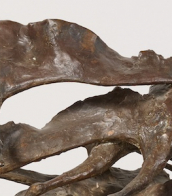
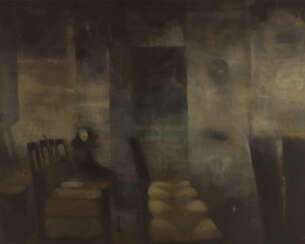

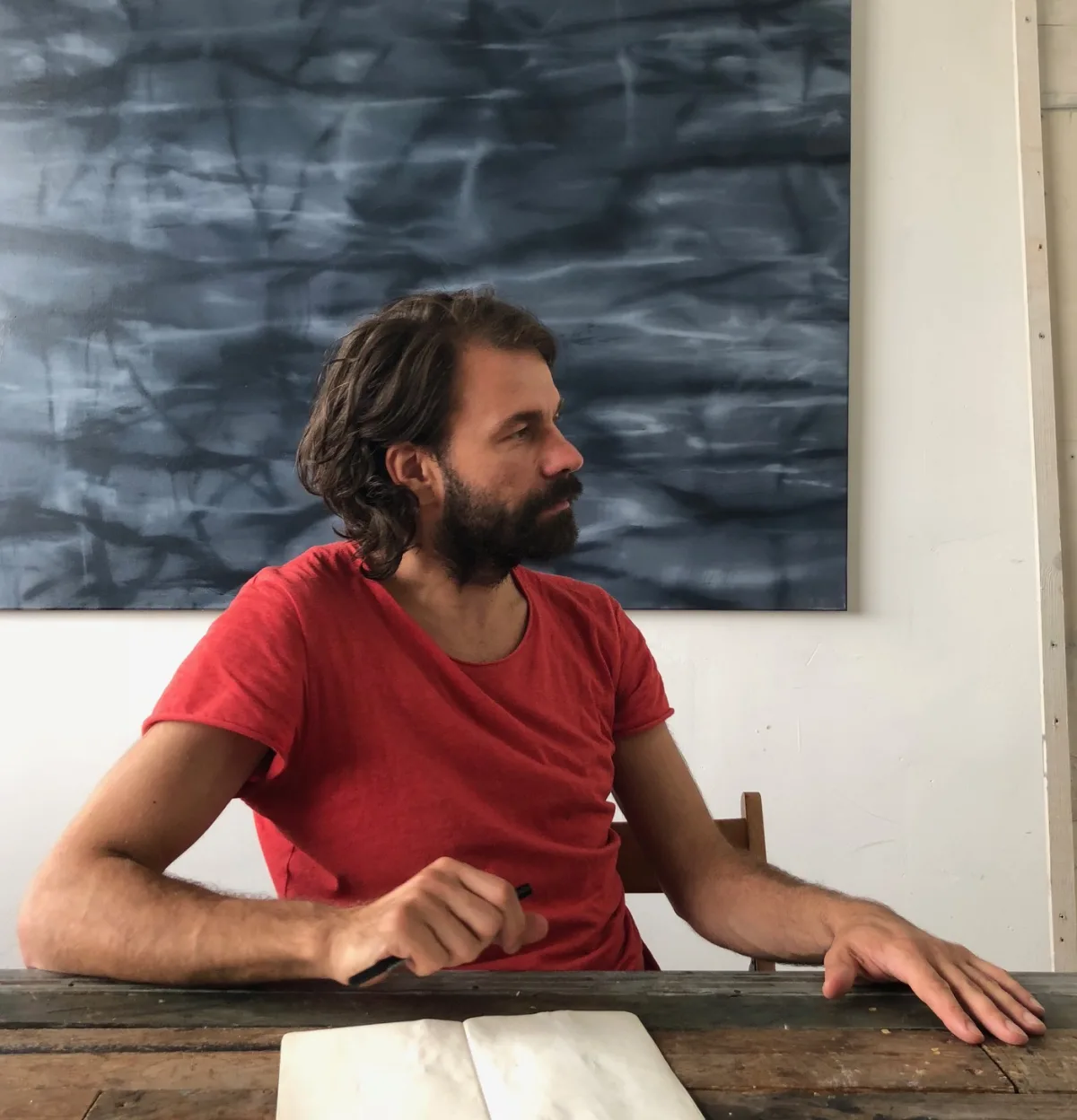
Janis Avotins is a Latvian artist, born in Riga in 1981. He was educated at the Latvian Academy of Art and the Royal College of Art in London. Avotins works in various media, including painting, drawing and sculpture, and his work is characterised by an experimental approach to form and technique. He has been recognised for his exhibitions in international galleries including Serpentin Galleries in London and the Venice Biennale.


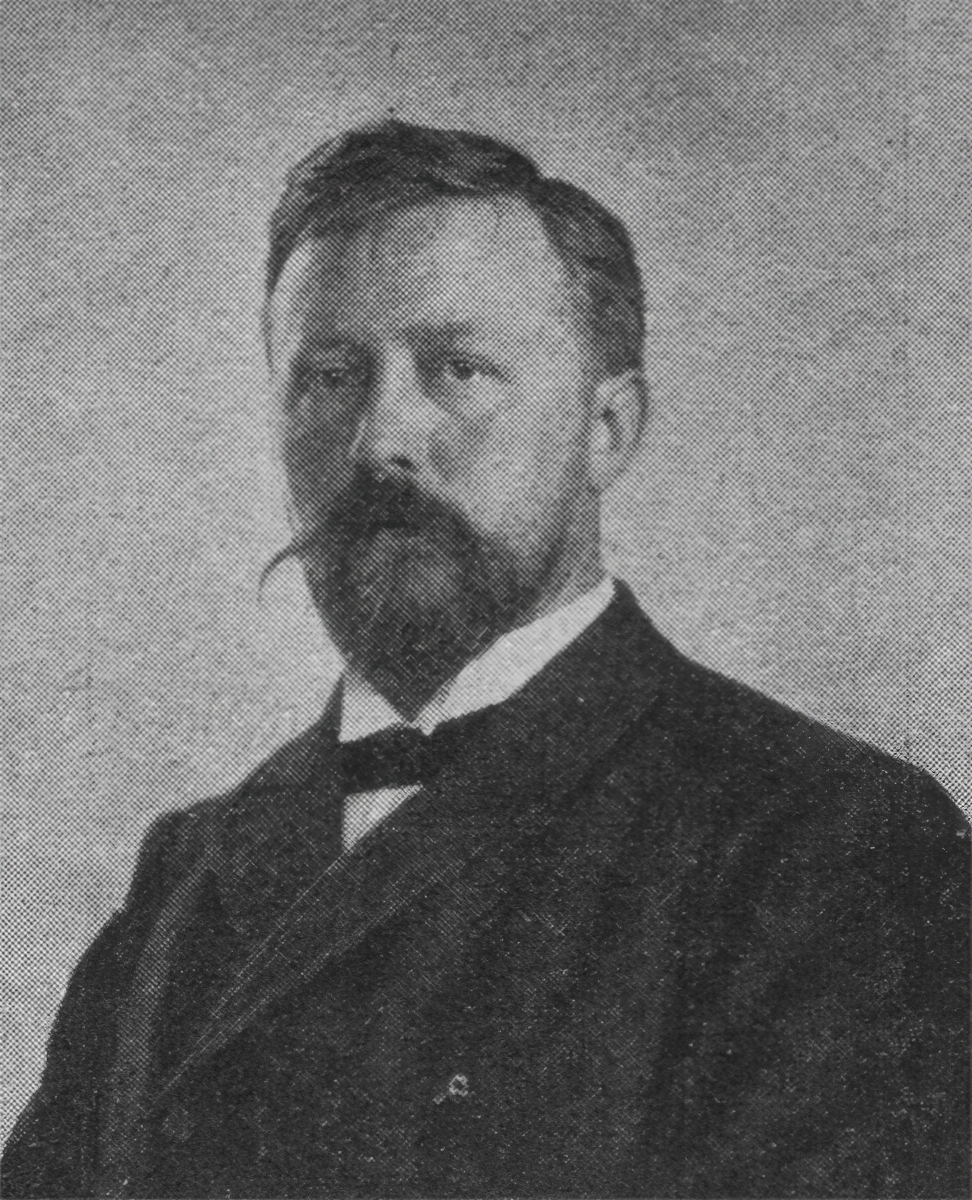
Friedrich Kallmorgen was a German Impressionist painter who specialized in landscapes and cityscapes.






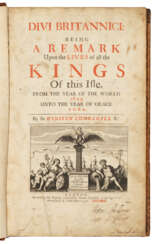



Frederic Edwin Church was an American landscape painter, renowned as a central figure of the Hudson River School. Born in Hartford, Connecticut, Church became famous for his detailed and expansive landscapes which often incorporated a blend of realistic detail and dramatic lighting, epitomizing the Romantic approach to landscape painting.
Church's career was marked by his unique ability to blend meticulous natural observation with a grandiose sense of scale and drama. His paintings, such as "The Heart of the Andes" and "Niagara," showcased his skill in depicting vast and diverse natural environments with scientific accuracy and vivid imagination. These works were not just celebrations of natural beauty but also demonstrations of Church's deep engagement with the places he painted, often based on extensive travels and on-the-spot sketches.
Apart from his mastery in painting, Church also had a significant impact on cultural institutions and public spaces. He was a founding trustee of The Metropolitan Museum of Art and served as a Parks Commissioner in New York City. His contributions went beyond the canvas, influencing both the cultural landscape of his time and the preservation of natural and historic sites through his later life efforts, including the establishment of his home, Olana, as a historic site.
For those interested in the ongoing legacy of Frederic Edwin Church, updates on exhibitions and related events can be obtained through subscriptions focused on his works. This is an excellent way for collectors and art enthusiasts to stay connected with the vibrant history and enduring impact of Church's art.
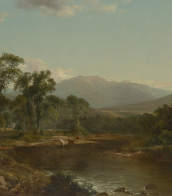
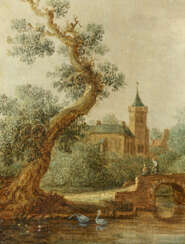

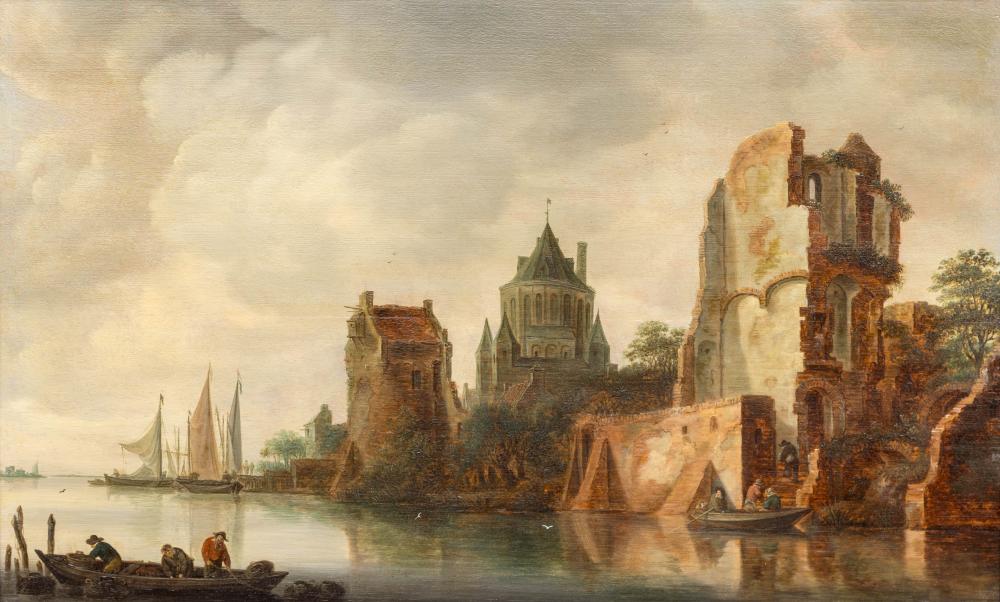


Sir Winston Leonard Spencer Churchill was a British statesman, soldier and writer who served as Prime Minister of the United Kingdom from 1940 to 1945, during the Second World War, and again from 1951 to 1955. Apart from two years between 1922 and 1924, he was a Member of Parliament (MP) from 1900 to 1964 and represented a total of five constituencies. Ideologically an economic liberal and imperialist, he was for most of his career a member of the Conservative Party, which he led from 1940 to 1955. He was a member of the Liberal Party from 1904 to 1924.


Sir Winston Leonard Spencer Churchill was a British statesman, soldier and writer who served as Prime Minister of the United Kingdom from 1940 to 1945, during the Second World War, and again from 1951 to 1955. Apart from two years between 1922 and 1924, he was a Member of Parliament (MP) from 1900 to 1964 and represented a total of five constituencies. Ideologically an economic liberal and imperialist, he was for most of his career a member of the Conservative Party, which he led from 1940 to 1955. He was a member of the Liberal Party from 1904 to 1924.


Sir Winston Leonard Spencer Churchill was a British statesman, soldier and writer who served as Prime Minister of the United Kingdom from 1940 to 1945, during the Second World War, and again from 1951 to 1955. Apart from two years between 1922 and 1924, he was a Member of Parliament (MP) from 1900 to 1964 and represented a total of five constituencies. Ideologically an economic liberal and imperialist, he was for most of his career a member of the Conservative Party, which he led from 1940 to 1955. He was a member of the Liberal Party from 1904 to 1924.
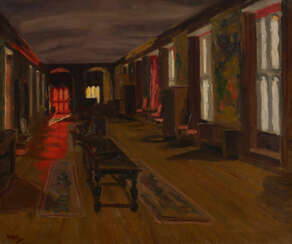

Sir Winston Leonard Spencer Churchill was a British statesman, soldier and writer who served as Prime Minister of the United Kingdom from 1940 to 1945, during the Second World War, and again from 1951 to 1955. Apart from two years between 1922 and 1924, he was a Member of Parliament (MP) from 1900 to 1964 and represented a total of five constituencies. Ideologically an economic liberal and imperialist, he was for most of his career a member of the Conservative Party, which he led from 1940 to 1955. He was a member of the Liberal Party from 1904 to 1924.
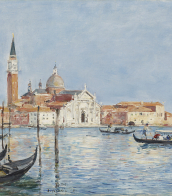


Sir Winston Leonard Spencer Churchill was a British statesman, soldier and writer who served as Prime Minister of the United Kingdom from 1940 to 1945, during the Second World War, and again from 1951 to 1955. Apart from two years between 1922 and 1924, he was a Member of Parliament (MP) from 1900 to 1964 and represented a total of five constituencies. Ideologically an economic liberal and imperialist, he was for most of his career a member of the Conservative Party, which he led from 1940 to 1955. He was a member of the Liberal Party from 1904 to 1924.


Sir Winston Leonard Spencer Churchill was a British statesman, soldier and writer who served as Prime Minister of the United Kingdom from 1940 to 1945, during the Second World War, and again from 1951 to 1955. Apart from two years between 1922 and 1924, he was a Member of Parliament (MP) from 1900 to 1964 and represented a total of five constituencies. Ideologically an economic liberal and imperialist, he was for most of his career a member of the Conservative Party, which he led from 1940 to 1955. He was a member of the Liberal Party from 1904 to 1924.


Sir Winston Leonard Spencer Churchill was a British statesman, soldier and writer who served as Prime Minister of the United Kingdom from 1940 to 1945, during the Second World War, and again from 1951 to 1955. Apart from two years between 1922 and 1924, he was a Member of Parliament (MP) from 1900 to 1964 and represented a total of five constituencies. Ideologically an economic liberal and imperialist, he was for most of his career a member of the Conservative Party, which he led from 1940 to 1955. He was a member of the Liberal Party from 1904 to 1924.


Sir Winston Leonard Spencer Churchill was a British statesman, soldier and writer who served as Prime Minister of the United Kingdom from 1940 to 1945, during the Second World War, and again from 1951 to 1955. Apart from two years between 1922 and 1924, he was a Member of Parliament (MP) from 1900 to 1964 and represented a total of five constituencies. Ideologically an economic liberal and imperialist, he was for most of his career a member of the Conservative Party, which he led from 1940 to 1955. He was a member of the Liberal Party from 1904 to 1924.


Sir Winston Leonard Spencer Churchill was a British statesman, soldier and writer who served as Prime Minister of the United Kingdom from 1940 to 1945, during the Second World War, and again from 1951 to 1955. Apart from two years between 1922 and 1924, he was a Member of Parliament (MP) from 1900 to 1964 and represented a total of five constituencies. Ideologically an economic liberal and imperialist, he was for most of his career a member of the Conservative Party, which he led from 1940 to 1955. He was a member of the Liberal Party from 1904 to 1924.


Sir Winston Leonard Spencer Churchill was a British statesman, soldier and writer who served as Prime Minister of the United Kingdom from 1940 to 1945, during the Second World War, and again from 1951 to 1955. Apart from two years between 1922 and 1924, he was a Member of Parliament (MP) from 1900 to 1964 and represented a total of five constituencies. Ideologically an economic liberal and imperialist, he was for most of his career a member of the Conservative Party, which he led from 1940 to 1955. He was a member of the Liberal Party from 1904 to 1924.


Sir Winston Leonard Spencer Churchill was a British statesman, soldier and writer who served as Prime Minister of the United Kingdom from 1940 to 1945, during the Second World War, and again from 1951 to 1955. Apart from two years between 1922 and 1924, he was a Member of Parliament (MP) from 1900 to 1964 and represented a total of five constituencies. Ideologically an economic liberal and imperialist, he was for most of his career a member of the Conservative Party, which he led from 1940 to 1955. He was a member of the Liberal Party from 1904 to 1924.
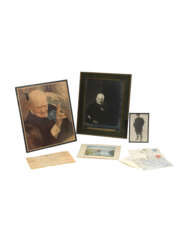

Sir Winston Leonard Spencer Churchill was a British statesman, soldier and writer who served as Prime Minister of the United Kingdom from 1940 to 1945, during the Second World War, and again from 1951 to 1955. Apart from two years between 1922 and 1924, he was a Member of Parliament (MP) from 1900 to 1964 and represented a total of five constituencies. Ideologically an economic liberal and imperialist, he was for most of his career a member of the Conservative Party, which he led from 1940 to 1955. He was a member of the Liberal Party from 1904 to 1924.
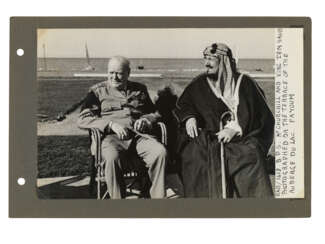

Sir Winston Leonard Spencer Churchill was a British statesman, soldier and writer who served as Prime Minister of the United Kingdom from 1940 to 1945, during the Second World War, and again from 1951 to 1955. Apart from two years between 1922 and 1924, he was a Member of Parliament (MP) from 1900 to 1964 and represented a total of five constituencies. Ideologically an economic liberal and imperialist, he was for most of his career a member of the Conservative Party, which he led from 1940 to 1955. He was a member of the Liberal Party from 1904 to 1924.
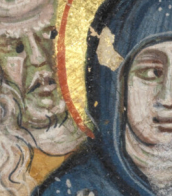
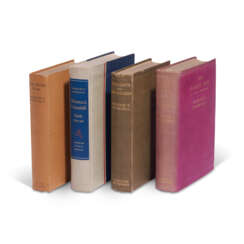

Sir Winston Leonard Spencer Churchill was a British statesman, soldier and writer who served as Prime Minister of the United Kingdom from 1940 to 1945, during the Second World War, and again from 1951 to 1955. Apart from two years between 1922 and 1924, he was a Member of Parliament (MP) from 1900 to 1964 and represented a total of five constituencies. Ideologically an economic liberal and imperialist, he was for most of his career a member of the Conservative Party, which he led from 1940 to 1955. He was a member of the Liberal Party from 1904 to 1924.


Sir Winston Leonard Spencer Churchill was a British statesman, soldier and writer who served as Prime Minister of the United Kingdom from 1940 to 1945, during the Second World War, and again from 1951 to 1955. Apart from two years between 1922 and 1924, he was a Member of Parliament (MP) from 1900 to 1964 and represented a total of five constituencies. Ideologically an economic liberal and imperialist, he was for most of his career a member of the Conservative Party, which he led from 1940 to 1955. He was a member of the Liberal Party from 1904 to 1924.


Sir Winston Leonard Spencer Churchill was a British statesman, soldier and writer who served as Prime Minister of the United Kingdom from 1940 to 1945, during the Second World War, and again from 1951 to 1955. Apart from two years between 1922 and 1924, he was a Member of Parliament (MP) from 1900 to 1964 and represented a total of five constituencies. Ideologically an economic liberal and imperialist, he was for most of his career a member of the Conservative Party, which he led from 1940 to 1955. He was a member of the Liberal Party from 1904 to 1924.
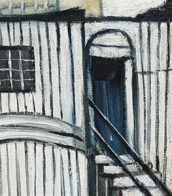
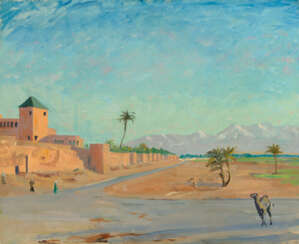

Sir Winston Leonard Spencer Churchill was a British statesman, soldier and writer who served as Prime Minister of the United Kingdom from 1940 to 1945, during the Second World War, and again from 1951 to 1955. Apart from two years between 1922 and 1924, he was a Member of Parliament (MP) from 1900 to 1964 and represented a total of five constituencies. Ideologically an economic liberal and imperialist, he was for most of his career a member of the Conservative Party, which he led from 1940 to 1955. He was a member of the Liberal Party from 1904 to 1924.