

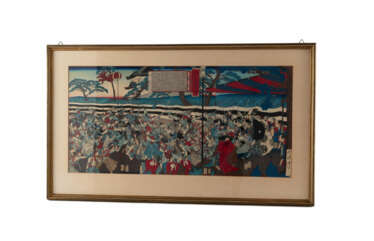
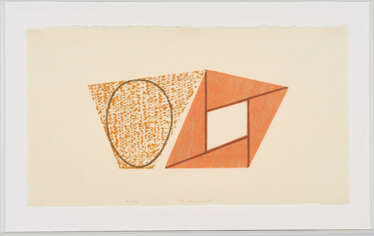
colour woodcut
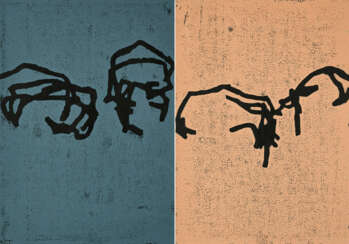

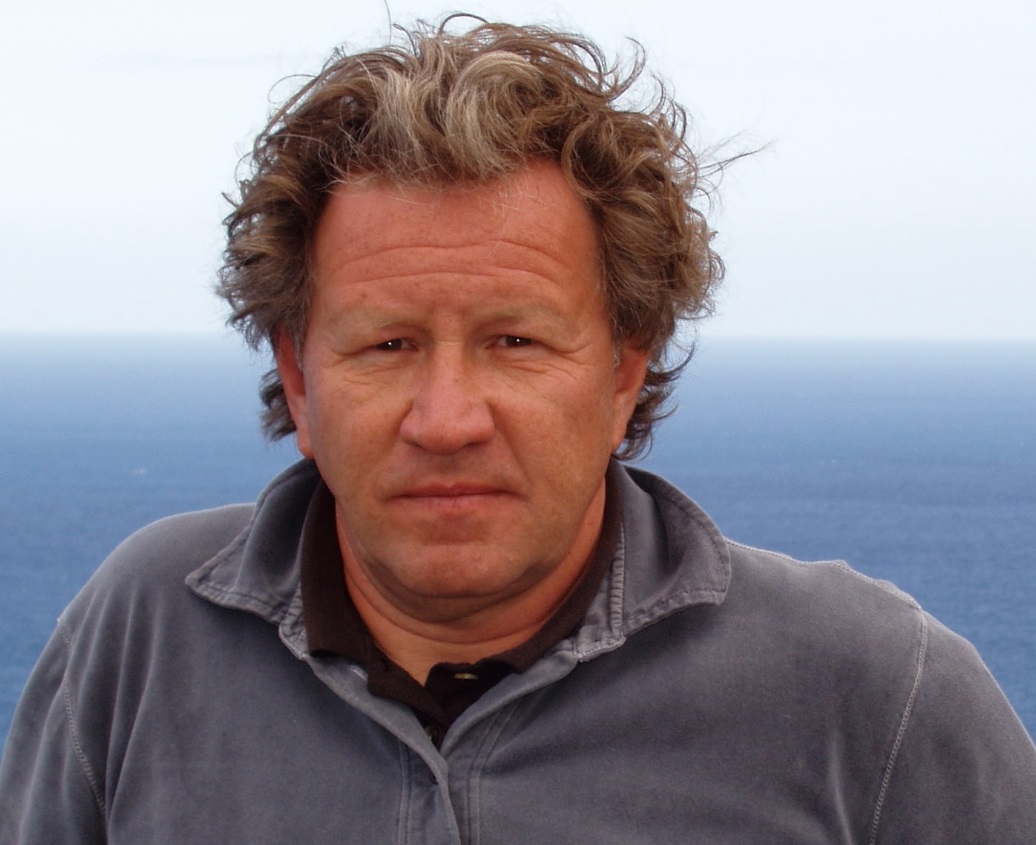
Martin Noel is a contemporary German painter and graphic artist.


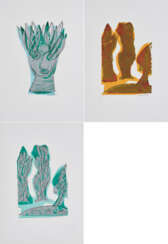

Helmut Andreas Paul Grieshaber or HAP Grieshaber was a German artist. His preferred medium was large format woodcuts.
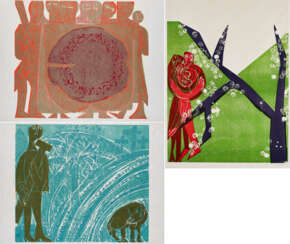

Helmut Andreas Paul Grieshaber or HAP Grieshaber was a German artist. His preferred medium was large format woodcuts.
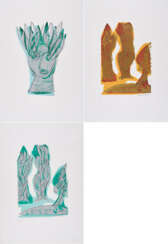

Helmut Andreas Paul Grieshaber or HAP Grieshaber was a German artist. His preferred medium was large format woodcuts.
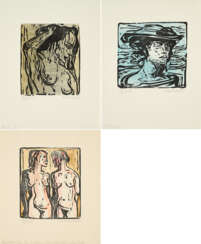

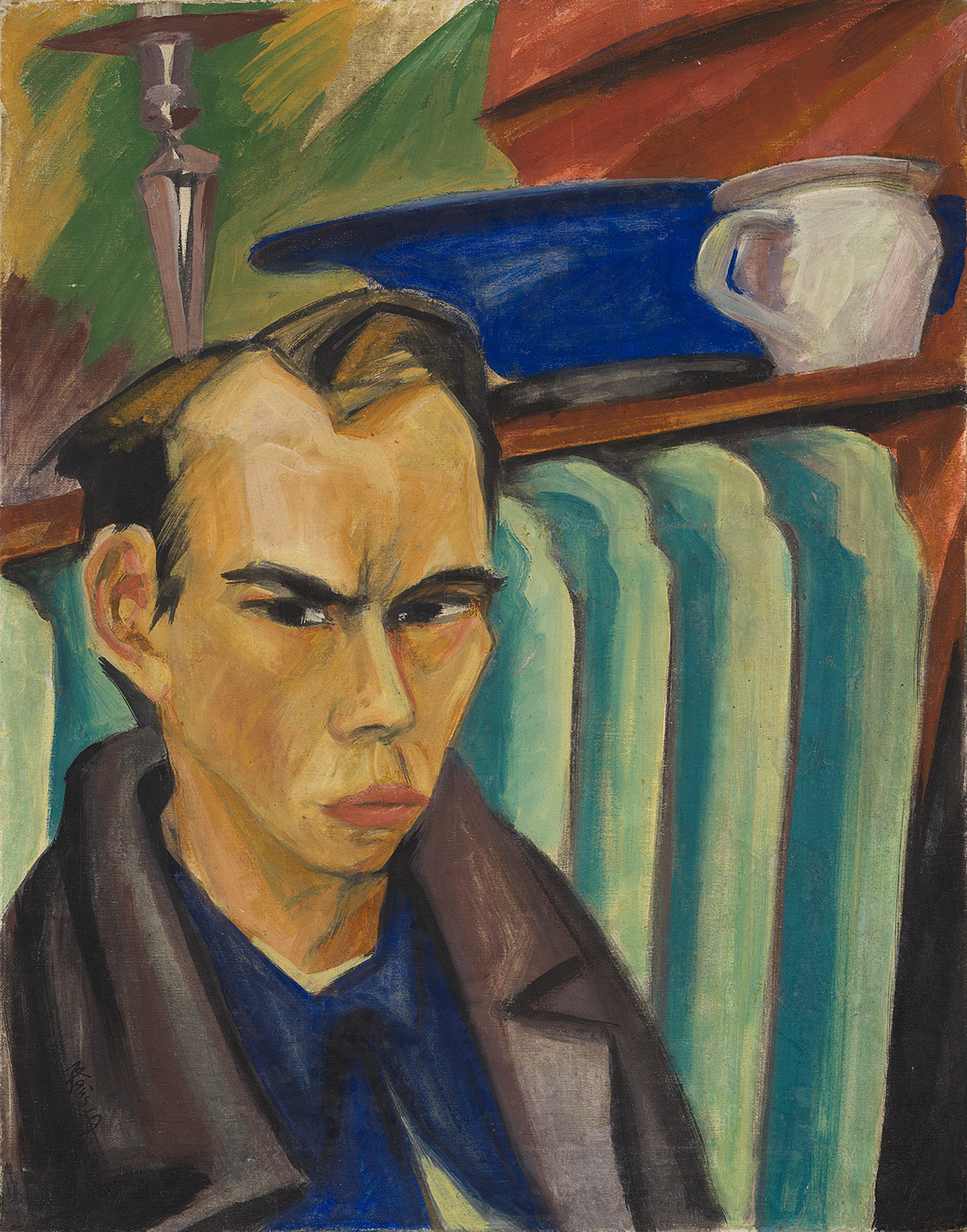
Max Kaus was a German expressionist painter, graphic artist, engraver, and teacher. He is known mainly for his landscape works, but he also painted portraits.
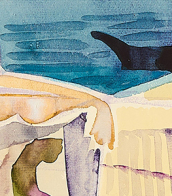


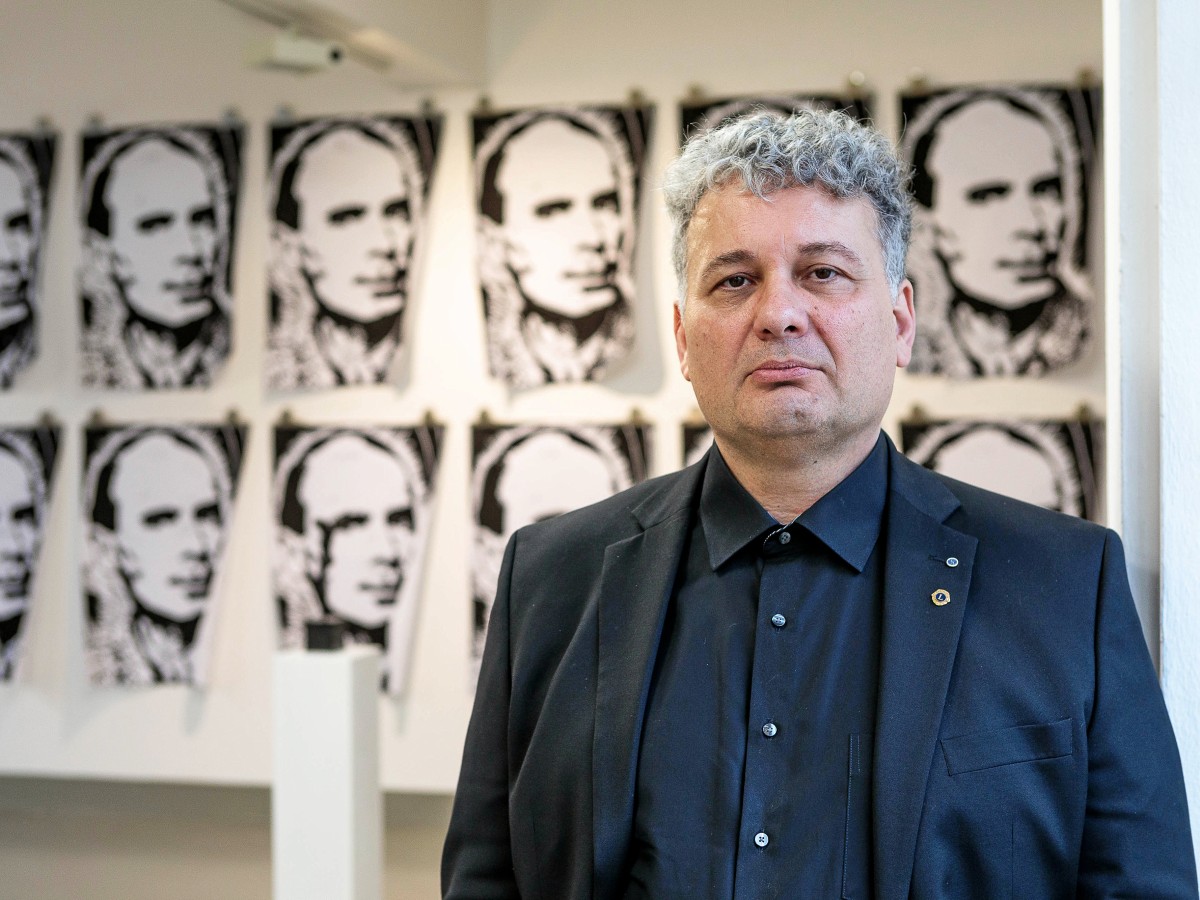
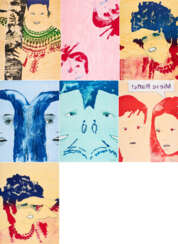

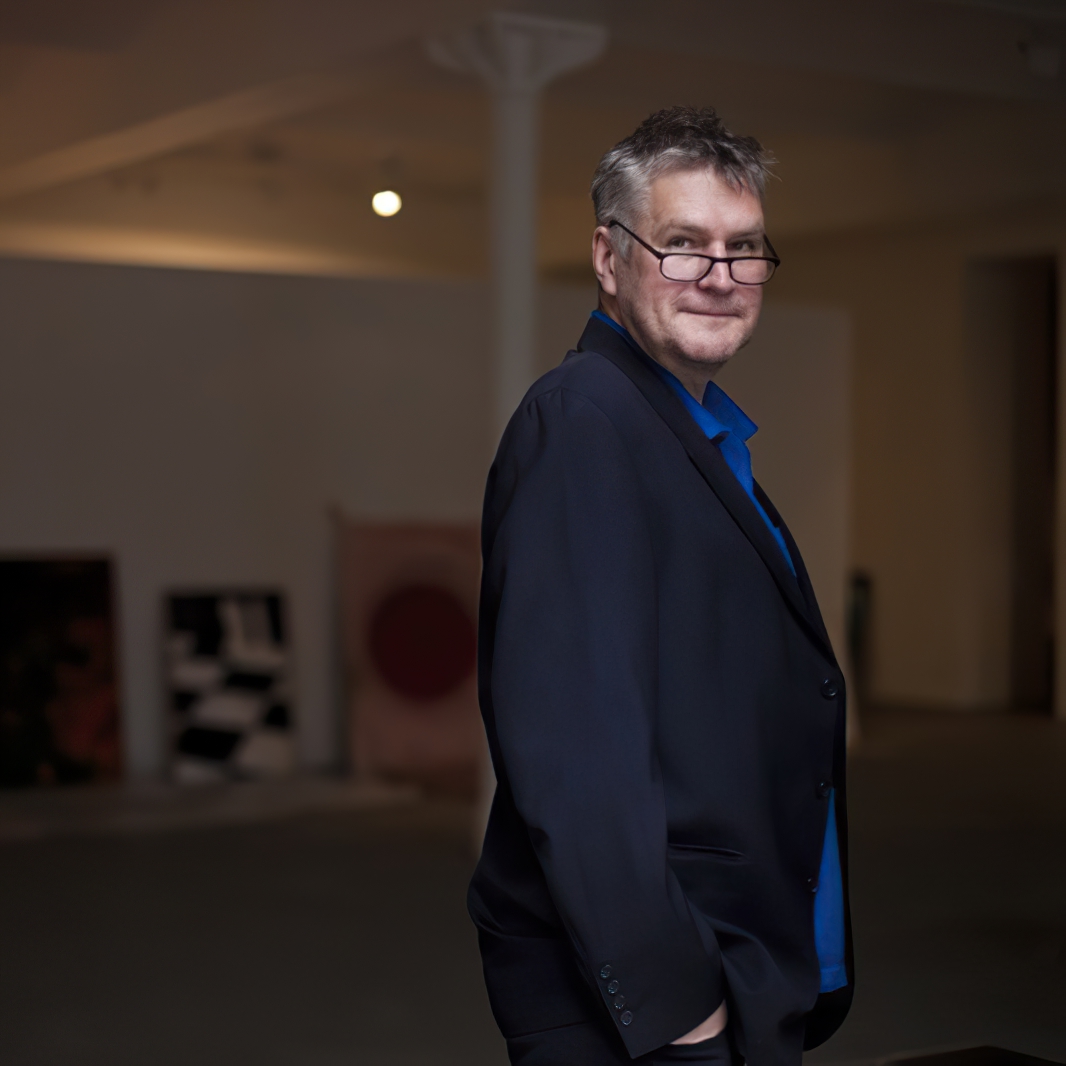
Robert Lucander is a Finnish painter, graphic artist and lecturer at Berlin University of the Arts.
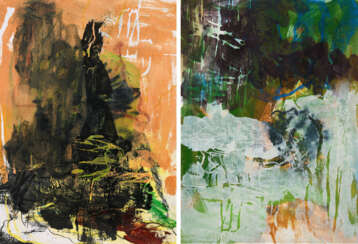




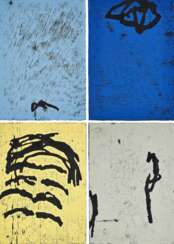

Martin Noel is a contemporary German painter and graphic artist.
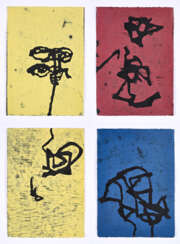

Martin Noel is a contemporary German painter and graphic artist.
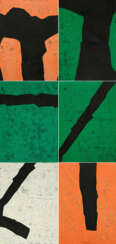

Martin Noel is a contemporary German painter and graphic artist.
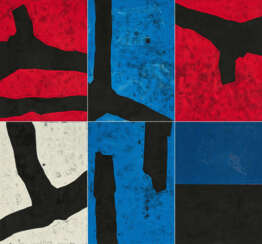

Martin Noel is a contemporary German painter and graphic artist.






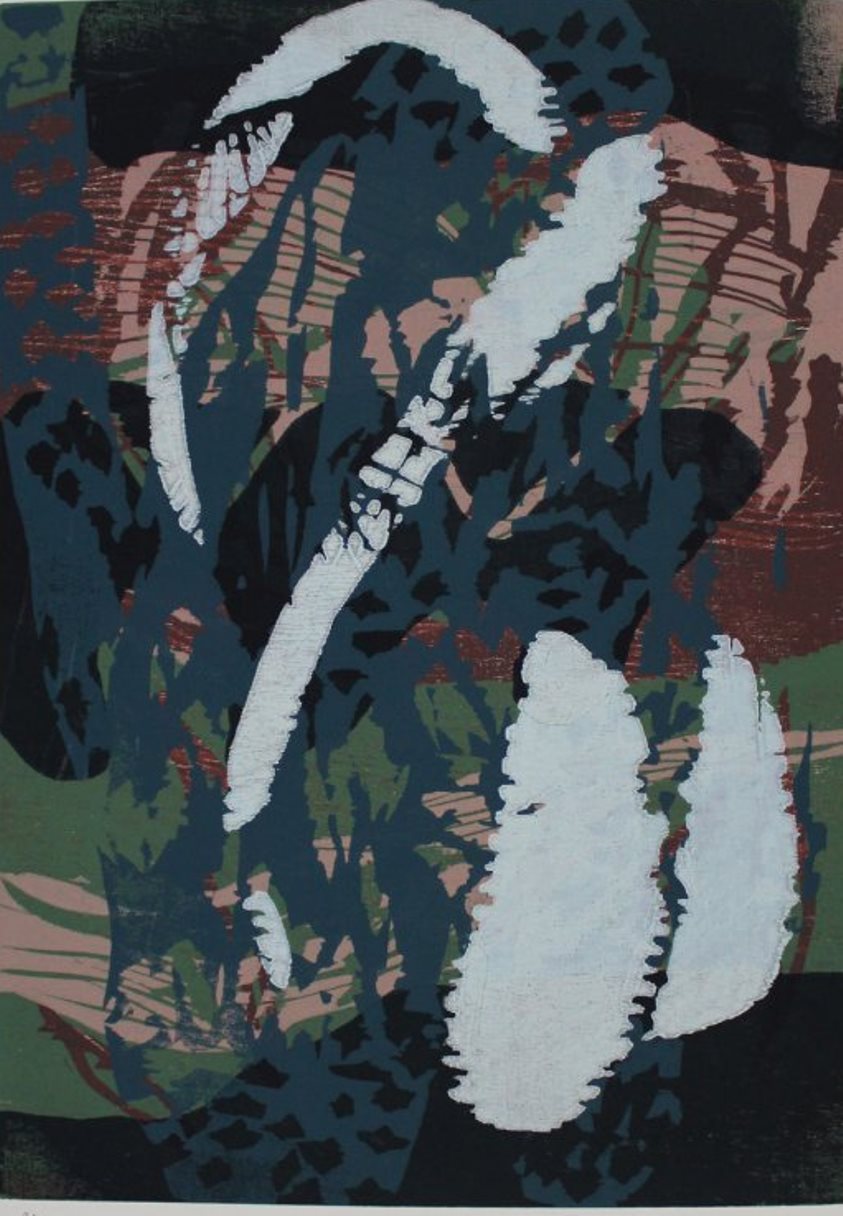
Matthias Mücke is a German artist who creates bright, colorful silkscreen lithographs.



Roy Fox Lichtenstein, an American icon of the Pop Art movement, is celebrated for his comic strip-inspired art. Born in 1923 in New York City, Lichtenstein's journey into the art world was marked by various phases, evolving from Cubism and Abstract Expressionism to the distinctive Pop Art style he is renowned for.
Roy Lichtenstein's artistic career gained momentum in the 1960s, a period during which he embraced the comic strip as his primary source of inspiration. His pioneering use of Ben-Day dots, a technique borrowed from commercial printing, became his signature style, bringing a new visual language to fine art. His approach transformed mundane subjects from popular culture into compelling fine art, challenging traditional notions of artistry.
Among his most notable works, "Drowning Girl" (1963), displayed at the Museum of Modern Art in New York, exemplifies his iconic style with its bold lines, vivid colors, and Ben-Day dots. This piece, along with others like "Look Mickey" and "Whaam!", played a critical role in establishing Pop Art as a major art movement, contrasting starkly with the Abstract Expressionism prevalent at the time.
Roy Lichtenstein's art was not just limited to canvas; he explored multiple media, showcasing his versatility. His shift to Pop Art marked a significant turn in his career, bringing him fame and controversy alike. His works, often based on comic strips and advertisements, were both a parody and homage to the mass-produced, consumerist culture of his time.
For art collectors and experts, Lichtenstein's works offer a fascinating glimpse into a transformative era in art history. His approach to Pop Art remains influential, and his works are celebrated worldwide for their innovative and provocative style.
Interested in staying updated on sales and auction events featuring Roy Lichtenstein's works? Sign up for our updates. We provide straightforward, no-nonsense information on the latest in art sales and auctions related to Lichtenstein.

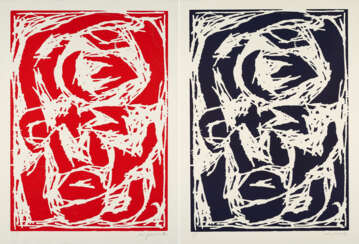

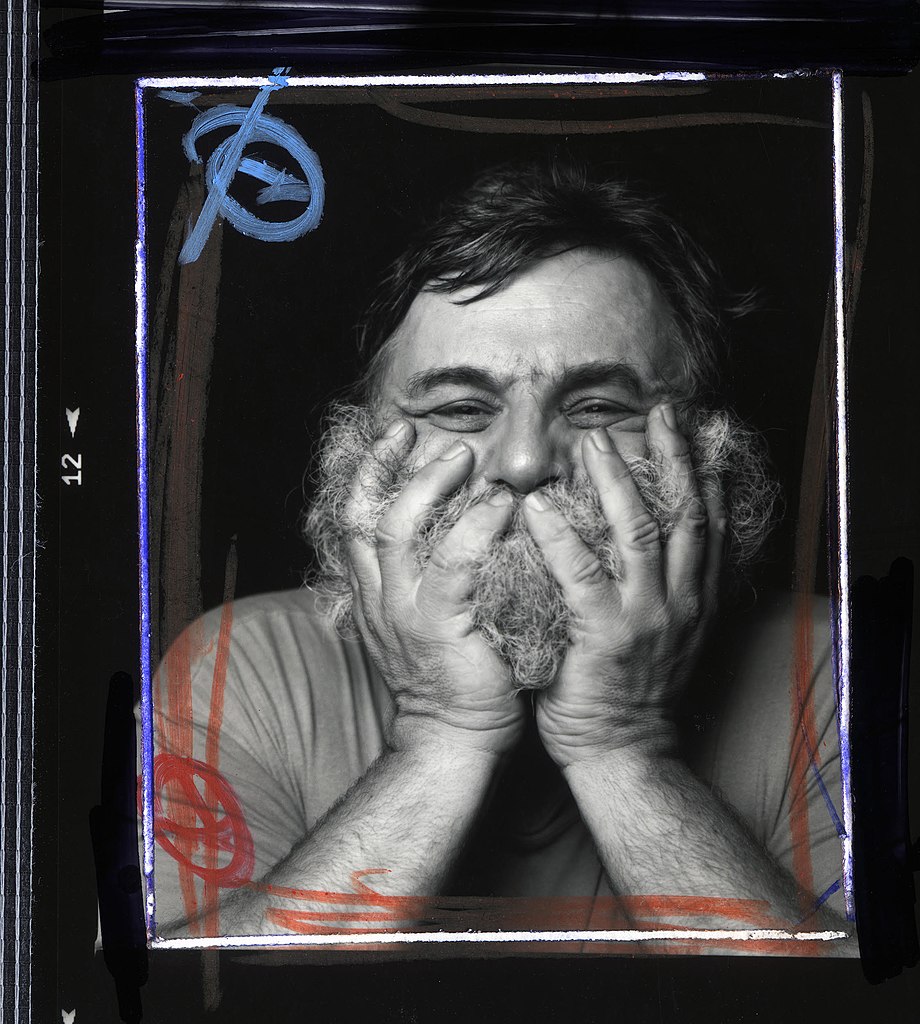
Ralf Winkler, alias A. R. Penck, was a German painter, printmaker, sculptor, and jazz drummer. A neo-expressionist, he became known for his visual style, reminiscent of the influence of primitive art.

.jpg)
Gerhard Marcks was a German artist, known primarily as a sculptor, but who is also known for his drawings, woodcuts, lithographs and ceramics.


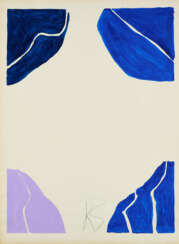

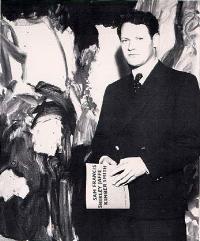
Kimber Smith was an American abstract painter. Best known for his lyrical compositions and distinctive lexicon of personal symbols, he eschewed the aggressive monumentality of the Abstract Expressionist era to focus on relatively small paintings of simple, entropic forms and colors. Smith went on to study at the Art Students League of New York shortly after the end of World War II. He would subsequently move to Paris, France in 1954, where he befriended fellow American ex-patriate painters Sam Francis and Joan Mitchell. Upon his return to New York in 1966, Smith had gained significant critical acclaim, which led to his mounting a solo exhibition at the Dayton Art Institute in Ohio in 1967 and garnering a Guggenheim Fellowship in 1971. Today, his paintings among the collections of the Stedlijk Museum in Amsterdam and the Zurich Art Museum, among others.
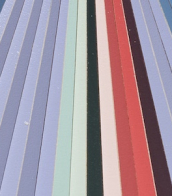


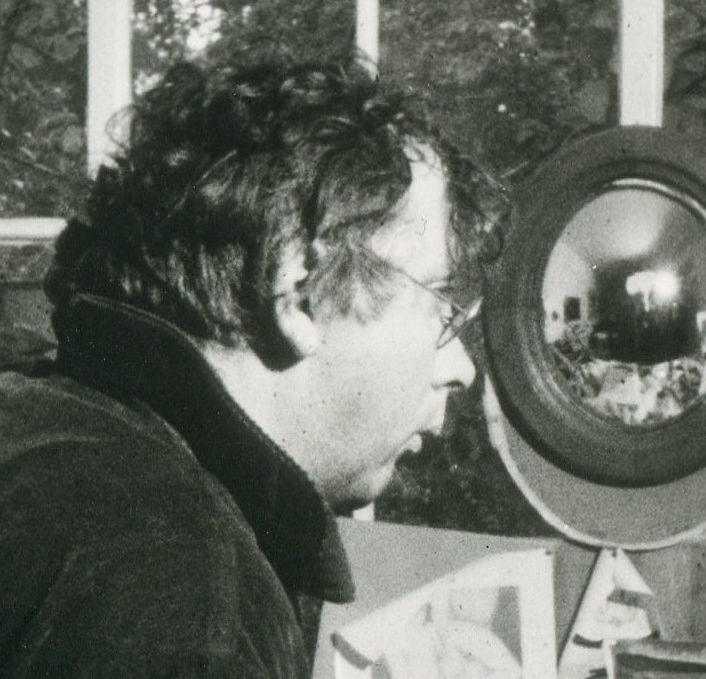
Horst Janssen was a German graphic artist, printmaker, poster and illustrator. He created many drawings, etchings, woodcuts, lithographs, and woodcuts.
There is a museum dedicated to his legacy in Horst Janssen's hometown of Oldenburg. His works are represented internationally in major museums.

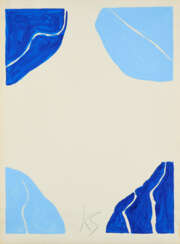

Kimber Smith was an American abstract painter. Best known for his lyrical compositions and distinctive lexicon of personal symbols, he eschewed the aggressive monumentality of the Abstract Expressionist era to focus on relatively small paintings of simple, entropic forms and colors. Smith went on to study at the Art Students League of New York shortly after the end of World War II. He would subsequently move to Paris, France in 1954, where he befriended fellow American ex-patriate painters Sam Francis and Joan Mitchell. Upon his return to New York in 1966, Smith had gained significant critical acclaim, which led to his mounting a solo exhibition at the Dayton Art Institute in Ohio in 1967 and garnering a Guggenheim Fellowship in 1971. Today, his paintings among the collections of the Stedlijk Museum in Amsterdam and the Zurich Art Museum, among others.
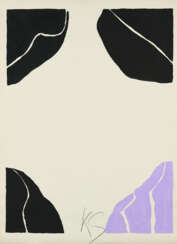

Kimber Smith was an American abstract painter. Best known for his lyrical compositions and distinctive lexicon of personal symbols, he eschewed the aggressive monumentality of the Abstract Expressionist era to focus on relatively small paintings of simple, entropic forms and colors. Smith went on to study at the Art Students League of New York shortly after the end of World War II. He would subsequently move to Paris, France in 1954, where he befriended fellow American ex-patriate painters Sam Francis and Joan Mitchell. Upon his return to New York in 1966, Smith had gained significant critical acclaim, which led to his mounting a solo exhibition at the Dayton Art Institute in Ohio in 1967 and garnering a Guggenheim Fellowship in 1971. Today, his paintings among the collections of the Stedlijk Museum in Amsterdam and the Zurich Art Museum, among others.
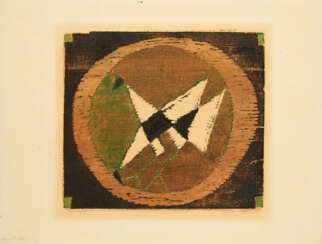

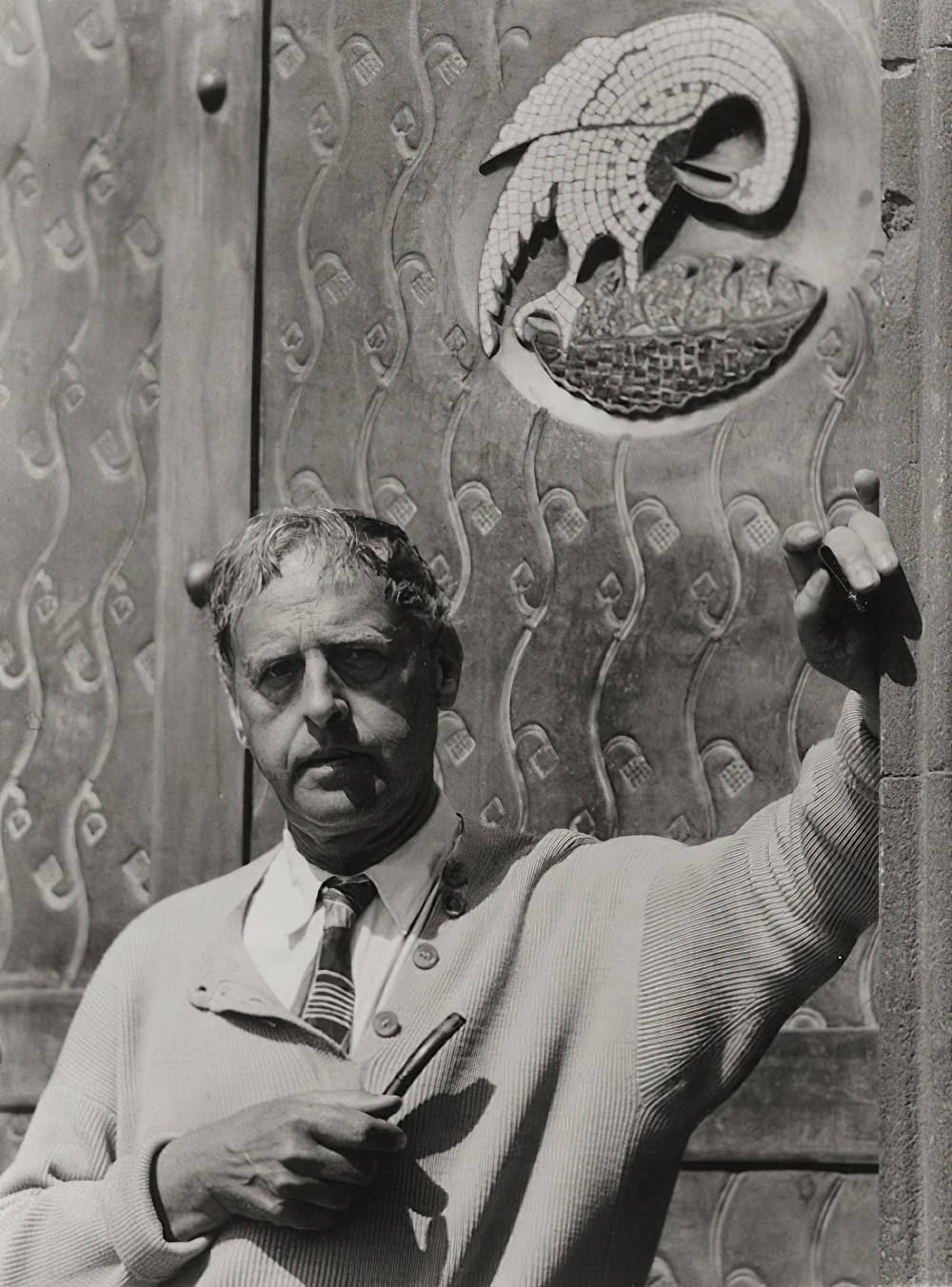
Ewald Wilhelm Hubert Mataré was a German painter and sculptor, who dealt with, among other things, the figures of men and animals in a stylized form.
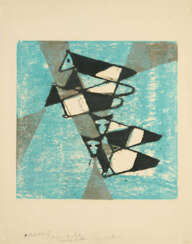

Ewald Wilhelm Hubert Mataré was a German painter and sculptor, who dealt with, among other things, the figures of men and animals in a stylized form.
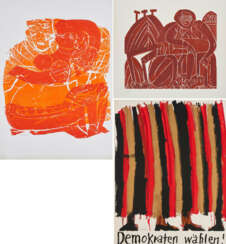

Helmut Andreas Paul Grieshaber or HAP Grieshaber was a German artist. His preferred medium was large format woodcuts.