composites part c





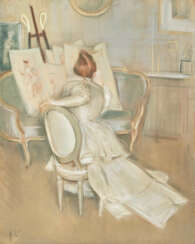


Paul César Helleu was a French oil painter, pastel artist, drypoint etcher, and designer, best known for his numerous portraits of beautiful society women of the Belle Époque. He also conceived the ceiling mural of night sky constellations for Grand Central Terminal in New York City. He was also the father of Jean Helleu and the grandfather of Jacques Helleu, both artistic directors for Parfums Chanel.
![[CROZE-MAGNAN, Simon-Célestin (1750-1818)]](/assets/image/picture_3601567/220be/d0wmc8hc5q4uzrvuueuwclde4blacwzs32pisfyfv6nkjfhlabnwjdfdqpjnf-1700207106jpg__fix_374_244.jpeg)
![[CROZE-MAGNAN, Simon-Célestin (1750-1818)]](https://veryimportantlot.com/assets/image/picture_3601567/220be/d0wmc8hc5q4uzrvuueuwclde4blacwzs32pisfyfv6nkjfhlabnwjdfdqpjnf-1700207106jpg__fix_374_244.jpeg)
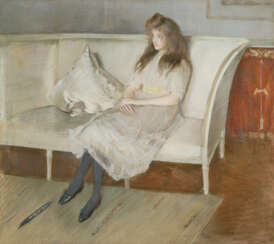

Paul César Helleu was a French oil painter, pastel artist, drypoint etcher, and designer, best known for his numerous portraits of beautiful society women of the Belle Époque. He also conceived the ceiling mural of night sky constellations for Grand Central Terminal in New York City. He was also the father of Jean Helleu and the grandfather of Jacques Helleu, both artistic directors for Parfums Chanel.
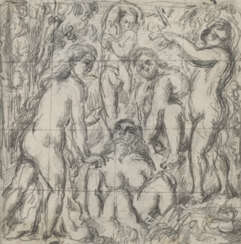

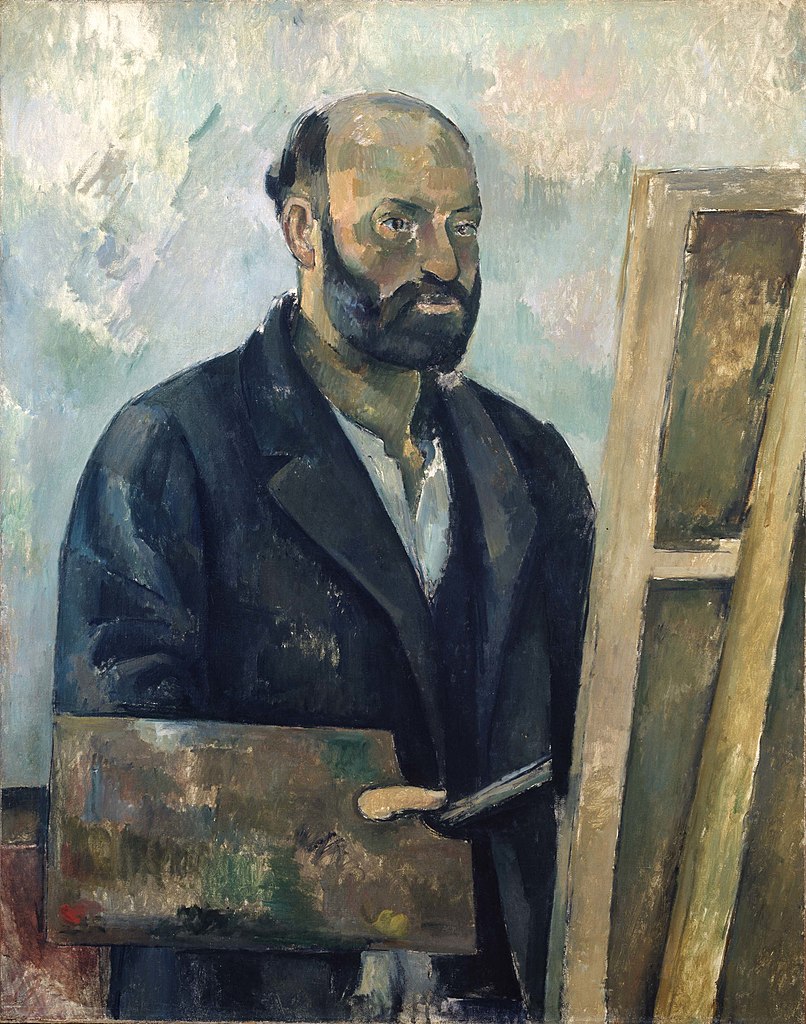
Paul Cézanne, a French Post-Impressionist painter, was pivotal in shaping the transition from 19th-century art to a new, revolutionary approach in the 20th century. His unique and exploratory brushstrokes, utilizing planes of color to form complex fields, made his work instantly recognizable and influential in the development of Cubism.
Cézanne’s early works, influenced by Romanticism and Realism, evolved into a groundbreaking artistic language. He challenged traditional perspective and academic art rules, focusing on objects' structural aspects and art's formal qualities. This approach led to a renewed emphasis on impressionistic color space and modulation principles.
His most notable works, like “Mont Sainte-Victoire,” “The Card Players,” and “The Bathers,” display his mastery in creating depth and dimension through color gradations. These paintings, initially met with skepticism, eventually cemented Cézanne’s reputation as a pioneering artist. His exhibitions, particularly the one-man show by dealer Ambroise Vollard in 1895, played a critical role in his recognition.
Cézanne’s impact on art history is profound, with greats like Henri Matisse and Pablo Picasso acknowledging him as a significant influence. His exploration of geometric forms and innovative use of light and color laid the groundwork for subsequent movements, particularly Cubism.
For collectors and art experts, Cézanne's works are more than just paintings; they are pivotal chapters in the narrative of modern art. His creations, bridging Impressionism and Cubism, continue to inspire and challenge contemporary artists.
To stay updated on new product sales and auction events related to Paul Cézanne, sign up for our updates. This subscription ensures you remain informed about the latest developments in the world of this revolutionary artist.
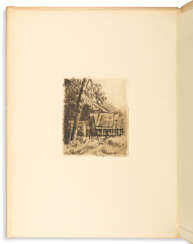

Paul Cézanne, a French Post-Impressionist painter, was pivotal in shaping the transition from 19th-century art to a new, revolutionary approach in the 20th century. His unique and exploratory brushstrokes, utilizing planes of color to form complex fields, made his work instantly recognizable and influential in the development of Cubism.
Cézanne’s early works, influenced by Romanticism and Realism, evolved into a groundbreaking artistic language. He challenged traditional perspective and academic art rules, focusing on objects' structural aspects and art's formal qualities. This approach led to a renewed emphasis on impressionistic color space and modulation principles.
His most notable works, like “Mont Sainte-Victoire,” “The Card Players,” and “The Bathers,” display his mastery in creating depth and dimension through color gradations. These paintings, initially met with skepticism, eventually cemented Cézanne’s reputation as a pioneering artist. His exhibitions, particularly the one-man show by dealer Ambroise Vollard in 1895, played a critical role in his recognition.
Cézanne’s impact on art history is profound, with greats like Henri Matisse and Pablo Picasso acknowledging him as a significant influence. His exploration of geometric forms and innovative use of light and color laid the groundwork for subsequent movements, particularly Cubism.
For collectors and art experts, Cézanne's works are more than just paintings; they are pivotal chapters in the narrative of modern art. His creations, bridging Impressionism and Cubism, continue to inspire and challenge contemporary artists.
To stay updated on new product sales and auction events related to Paul Cézanne, sign up for our updates. This subscription ensures you remain informed about the latest developments in the world of this revolutionary artist.










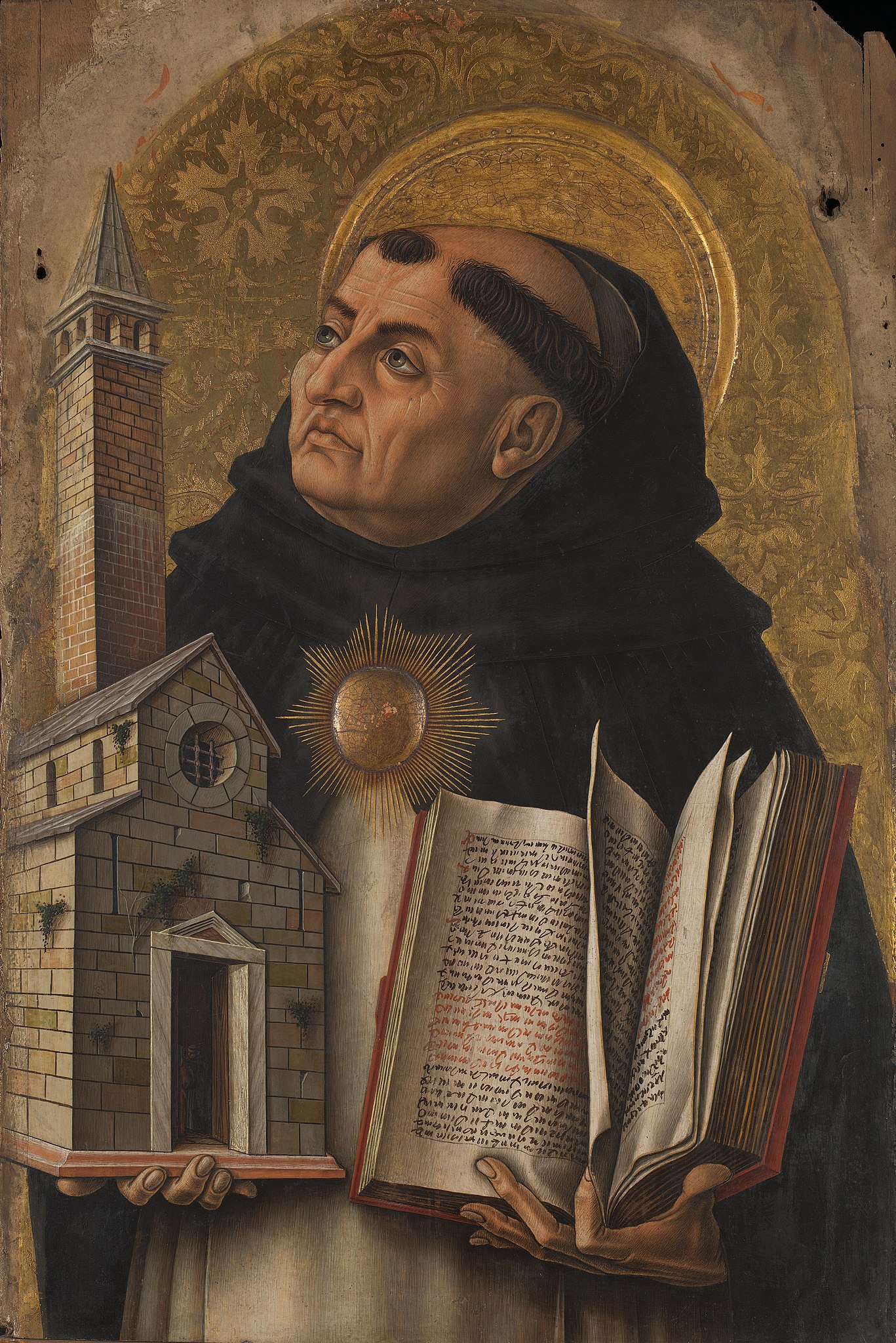
Thomas Aquinas (Italian: Tommaso d'Aquino, also called Aquinas, alias Doctor Angelicus) was an Italian poet and theologian, philosopher, and major medieval scholastic.
Thomas Aquinas is one of the most important theologians in the history of Western civilization, given the extent of his influence on the development of Roman Catholic theology since the fourteenth century. As a theologian, in his two masterpieces, Summa theologiae and Summa contra gentiles, he created the classical systematization of Latin theology, and as a poet, he wrote some of the most serious and beautiful Eucharistic hymns in the church liturgy. Thomas Aquinas is recognized by the Roman Catholic Church as the foremost Western philosopher and theologian and canonized as a saint.
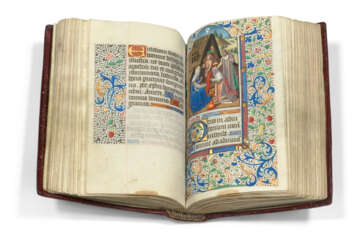

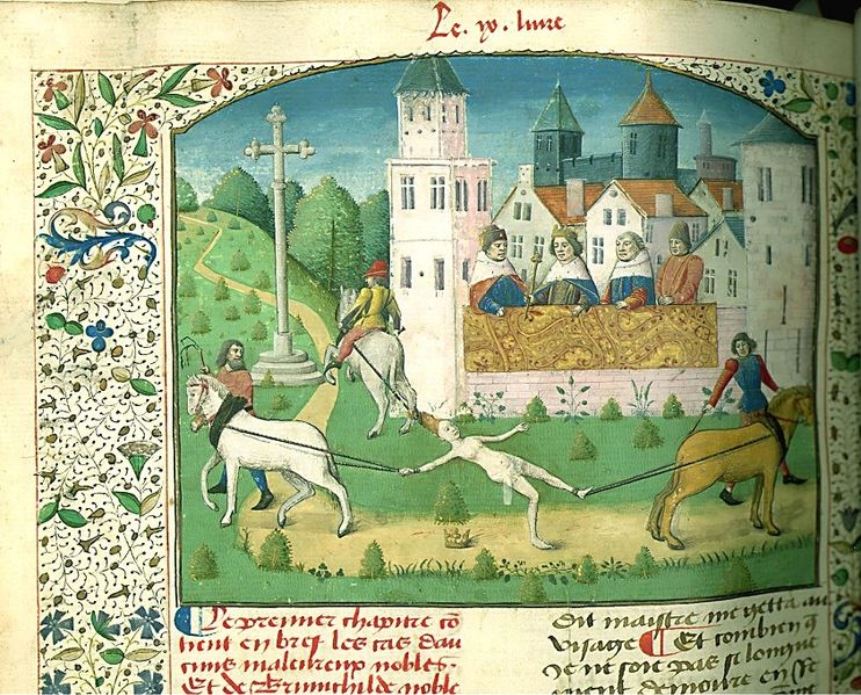
Maître François was a French illustrator who worked in Paris in the 1460s-1480s.
The identity of Maître François as an artist is first mentioned in a letter written by Robert Gauguin in 1473. Most of the prestigious commissions from the court and leading ecclesiastical figures of the time were carried out in François' studio. In Paris in the second half of the fifteenth century, one can trace the predominant style of illumination by the works of Master Jean Rolin, Maître François, and Master Jacques de Besançon. Bibliophiles close to the royal court encouraged the work of miniaturists through private commissions. In particular, Jacques d'Armagnac owned six manuscripts of Maitre Francois and his entourage.
Boccaccio's De casibus virorum illustrium was very popular in the 15th century, where the author retells the fates and downfalls of famous personalities from the Bible, antiquity and medieval history, ending with Boccaccio's own contemporaries in 14th-century Florence. For a long time this book was even more famous and successful than Boccaccio's Decameron. The text was translated into French in 1409 for Jean, Duke de Berry, by his secretary Laurent Premieffe. And the illustrations for the book were later created in the workshop of the then respected Maître François.
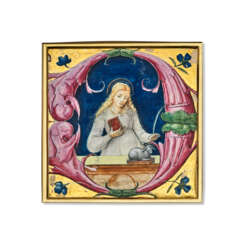
![FIBONACCI, Leonardo [c.1170-c.1250]; BOETHIUS, Anicius Manlius Severinus [c.480-524], GROSSETESTE, Robert [1175-1253]; [DE PULCHRO RIVO, Johannes, attrib.]](/assets/image/picture_2279440/69ac3/5672d49f6fe2176fe5b0465502ca1a9b1657663200jpg__fix_374_244.jpeg)
![FIBONACCI, Leonardo [c.1170-c.1250]; BOETHIUS, Anicius Manlius Severinus [c.480-524], GROSSETESTE, Robert [1175-1253]; [DE PULCHRO RIVO, Johannes, attrib.]](https://veryimportantlot.com/assets/image/picture_2279440/69ac3/5672d49f6fe2176fe5b0465502ca1a9b1657663200jpg__fix_374_244.jpeg)


![[VIEILH DE VARENNES, Raymond-Augustin (fl. c. 1790) Jean-Michel MOREAU (1741–1814)]](/assets/image/picture_2943505/fd768/abf0e404e7daa93bfaeacc83883ab1631689199200jpg__fix_374_244.jpeg)
![[VIEILH DE VARENNES, Raymond-Augustin (fl. c. 1790) Jean-Michel MOREAU (1741–1814)]](https://veryimportantlot.com/assets/image/picture_2943505/fd768/abf0e404e7daa93bfaeacc83883ab1631689199200jpg__fix_374_244.jpeg)
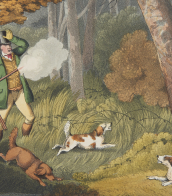
![[VIEILH DE VARENNES, Raymond-Augustin (fl. c. 1790) Jean-Michel MOREAU (1741–1814)]](/assets/image/picture_3615552/96cab/d9a9a9b26b2aad77d2e293aeae2975f41702422000jpg__fix_374_244.jpeg)
![[VIEILH DE VARENNES, Raymond-Augustin (fl. c. 1790) Jean-Michel MOREAU (1741–1814)]](https://veryimportantlot.com/assets/image/picture_3615552/96cab/d9a9a9b26b2aad77d2e293aeae2975f41702422000jpg__fix_374_244.jpeg)






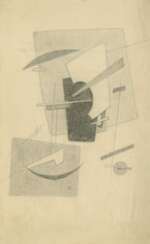

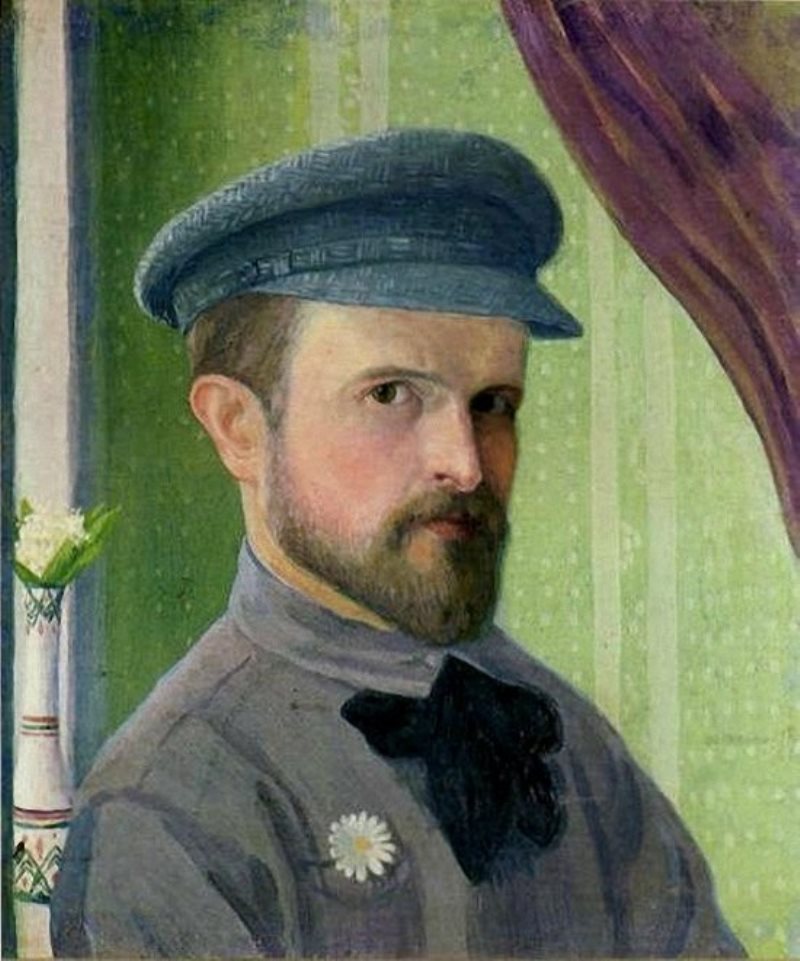
Ivan Vasilievich Kliun (Russian: Иван Васильевич Клюн) was a seminal figure in the Russian Avant-Garde movement, a painter, sculptor, and art theorist associated with Suprematism, a movement that sought to break down art into its basic geometric components. Born in Bolshiye Gorki, Kliun was deeply involved with the avant-garde circles that revolutionized Russian art in the early 20th century. His journey into the art world took him through studies in Kiev, Warsaw, and Moscow, culminating in a long-standing collaboration and friendship with Kazimir Malevich.
Kliun's artistic contributions were vast, ranging from his exploration of color theories to his pioneering Suprematist works that featured geometric shapes against stark backgrounds. Despite the changing tides of political and artistic favor in Soviet Russia, Kliun remained committed to his abstract and purist visions, even when abstraction fell out of favor with the Soviet authorities in the late 1920s.
His works, characterized by a unique integration of light and color to enhance the depth and intensity of the abstract forms, are significant for their experimental approach to Suprematism. Unlike many of his contemporaries who shifted towards Socialist Realism under state pressure, Kliun continued his abstract explorations discreetly. Today, his works are recognized for their innovation and contribution to the avant-garde movement, with pieces displayed in prestigious collections like the Costakis collection and international exhibitions.
For enthusiasts and collectors interested in the avant-garde movement and Kliun's groundbreaking work, staying updated on exhibitions and sales of his art is essential. Sign up for updates to stay informed about new product sales and auction events related to Ivan Vasilievich Kliun and explore the depths of Russian Avant-Garde art.