costume











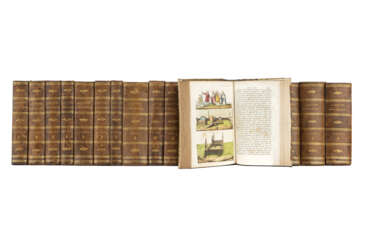
![[GALERIE ROYALE DE COSTUMES]](/assets/image/picture_4257971/32fad/59b6dfc156d427234c5012d4243670681729065600jpg__fix_374_244.jpeg)
![[GALERIE ROYALE DE COSTUMES]](https://veryimportantlot.com/assets/image/picture_4257971/32fad/59b6dfc156d427234c5012d4243670681729065600jpg__fix_374_244.jpeg)











![[Russian Costume]](/assets/image/picture_2944068/ca3ca/fbd456e961163cf52433d42f108e3d1e1689199200jpg__fix_374_244.jpeg)
![[Russian Costume]](https://veryimportantlot.com/assets/image/picture_2944068/ca3ca/fbd456e961163cf52433d42f108e3d1e1689199200jpg__fix_374_244.jpeg)






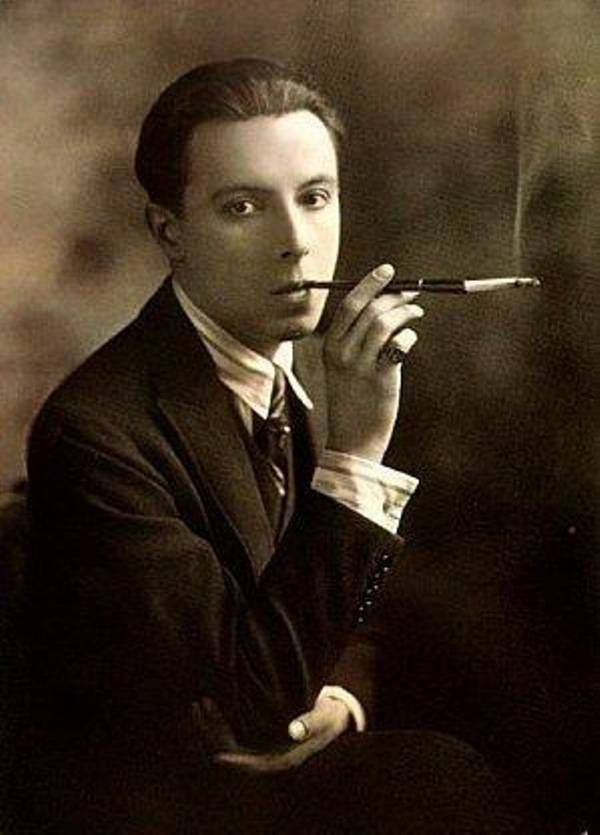
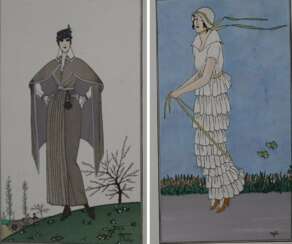
Roman Petrovich Tirtoff, pseudonym Erté, was a Russian-born artist, graphic artist, illustrator, stage designer, fashion designer and sculptor of the Art Deco era who worked in Paris and Hollywood. His pseudonym, which he took "so as not to disgrace his family", was made up of the first letters of his first and last name.
Herthe is best known for his elegant fashion illustrations, costume designs and set designs for the theatre.
Erte's work was not limited to the realm of fashion and theatre. He created jewellery, perfume bottles, furniture and furnishings, infusing them with his unique sense of style and elegance. His work often utilised elements of Egyptian, Byzantine and Oriental art, combining historical traditions with contemporary aesthetics

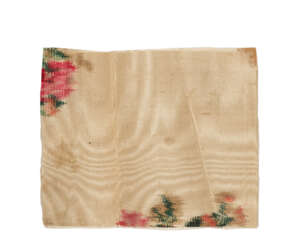

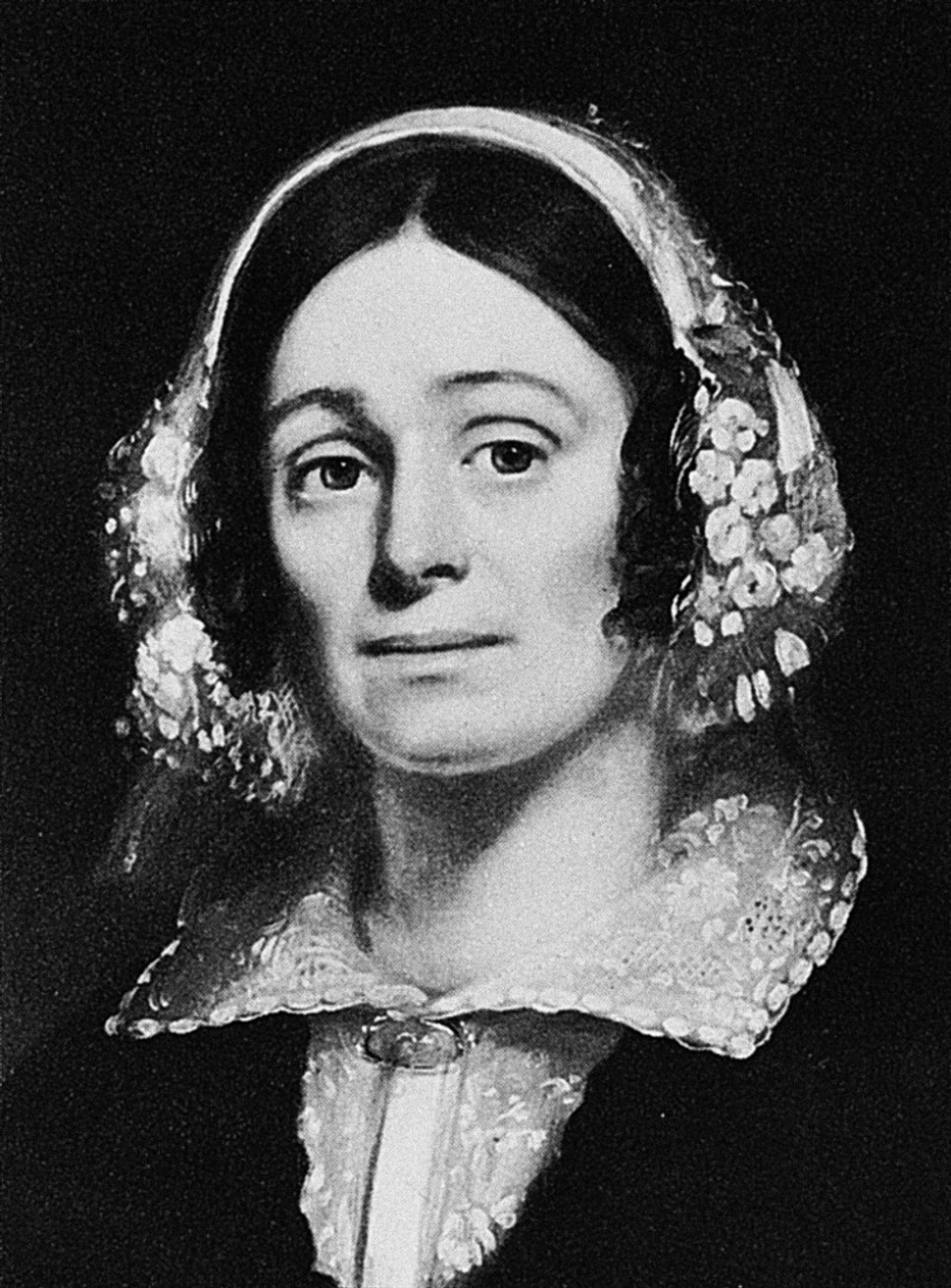
Laura Keene, born Mary Frances Moss, was a British and American stage actress and theater manager.
Mary made her London debut in 1851 as Laura Keene, joining the Madame Vestris Theater Company, where she soon became well known in comedies and feuds. In 1852, Keene arrived in New York City, where she performed with the troupe of James W. Wallack, a year later at the Charles Street Theater, and in 1854 in San Francisco. Here she had already begun staging her own productions.
In 1855, Keene returned to New York to play at the Metropolitan Theater, which she renamed the Laura Keene Variety Theater, and built her own theater. Within eight years she was a major theater producer and director at her theater. Laura Keene's productions were an enduring success, attended by distinguished audiences and fans. But once during her performance there was a tragedy that shook the whole country.
April 14, 1865 at Ford's Theatre in Washington, D.C. was a performance of Laura Keene's company "Our American Cousin", where President Lincoln and his wife Mary Todd Lincoln were present. Actor John Wilkes Booth shot and mortally wounded President Lincoln, then fled the theater. Laura Keene snuck to the presidential box and placed the mortally wounded president's head in her lap. The blood-stained cuff was later donated to the National Museum of American History. Laura Keene welled up Booth and later identified him under questioning.
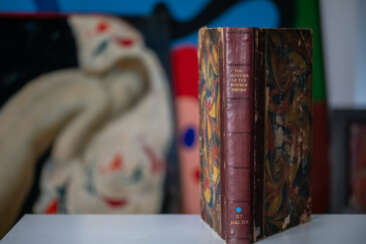



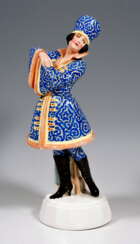

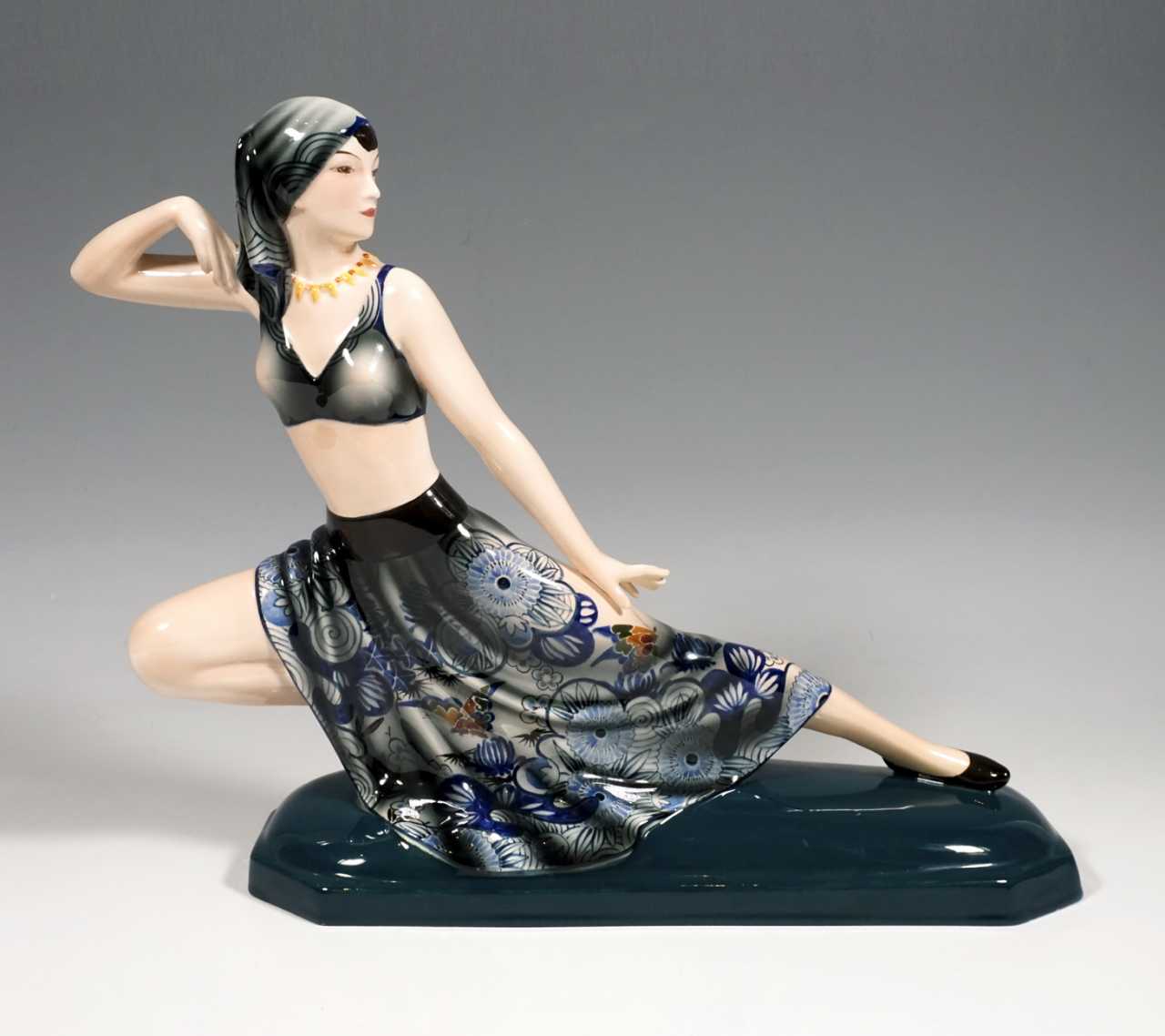
Josef Lorenzl was an Austrian sculptor and ceramicist of the Art Deco period, the same era as Ferdinand Preiss (1882–1943) and Demetre Chiparus (1886–1947).
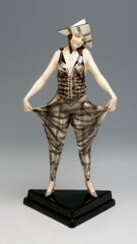

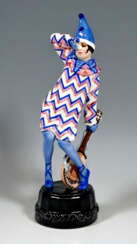

Josef Lorenzl was an Austrian sculptor and ceramicist of the Art Deco period, the same era as Ferdinand Preiss (1882–1943) and Demetre Chiparus (1886–1947).
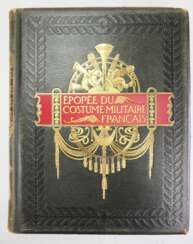

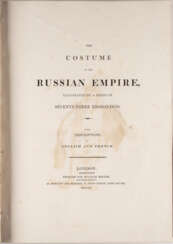



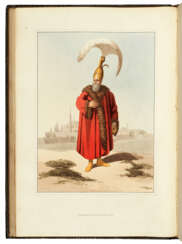
![[RUSSIA] - The Costume of the Russian Empire, illustrated by a series of seventy-three engravings. London: S. Gosnell per William Miller, 1803.](/assets/image/picture_1242420/85234/smh6hrxn4kxfsyqrhkw3gorlos1xswgjaplix0bdcslhip7nj3gzcqqnzub9nu1608651686jpg__fix_374_244.jpeg)
![[RUSSIA] - The Costume of the Russian Empire, illustrated by a series of seventy-three engravings. London: S. Gosnell per William Miller, 1803.](https://veryimportantlot.com/assets/image/picture_1242420/85234/smh6hrxn4kxfsyqrhkw3gorlos1xswgjaplix0bdcslhip7nj3gzcqqnzub9nu1608651686jpg__fix_374_244.jpeg)
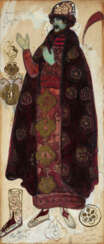

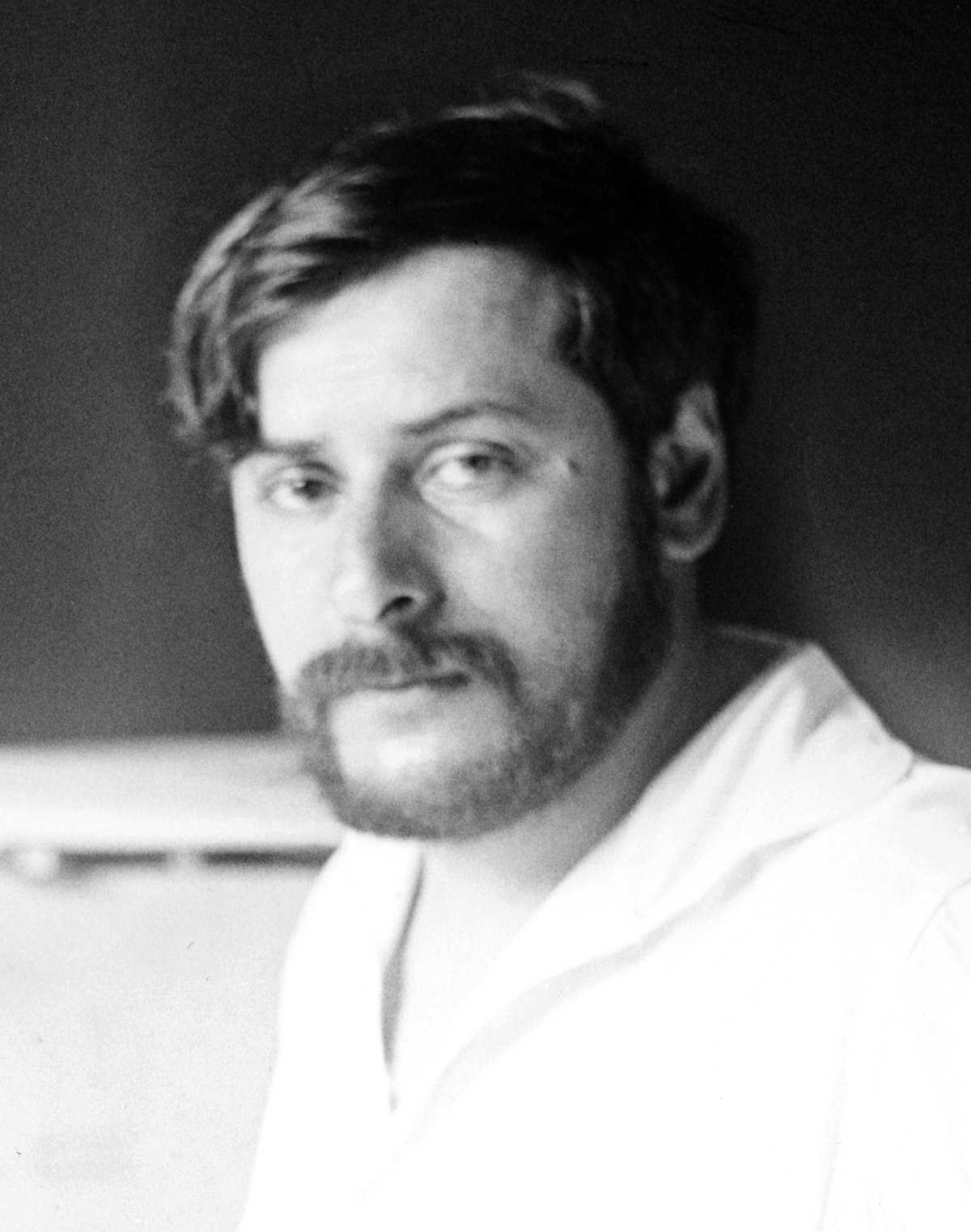
Boris Izraelievich Anisfeld (Russian: Борис Израилевич Анисфельд) was a Russian-American painter, set designer, illustrator, and educator, celebrated for his vivid use of color and imaginative scenery. Born in Bessarabia, Russian Empire, in 1878, Anisfeld's artistic journey led him from the Odessa School of Art to the Imperial Academy of Arts in Saint Petersburg, where he absorbed the influences of prominent artists like Ilya Repin and Igor Grabar. His distinct style caught the attention of Sergei Diaghilev, leading to his work with the Ballet Russe before World War I.
Anisfeld's contributions to art extend beyond his canvas, as his theater designs for Diaghilev's Ballets Russes and collaborations with notable figures like Michel Fokine and Anna Pavlova showcased his ability to blend fantasy with performance. His work with the Ballets Russes, including designing the production of "Sadko" and executing the visions of other celebrated artists for stage sets, marked a significant period in his career before he immigrated to the United States in 1917.
In America, Anisfeld continued his legacy, taking on roles such as a teacher at the Art Institute of Chicago and contributing to the cultural landscape through his stage designs and paintings. His work is recognized for its innovative approach to color and form, bridging the realms of painting and theater design to create immersive, emotionally resonant artworks. Anisfeld passed away in 1973, leaving behind a body of work that continues to inspire and captivate audiences.
For collectors and experts in art and antiques, Anisfeld's work represents a fusion of Russian and American art traditions, enriched by his imaginative approach and vibrant palette. His contributions to the development of modern art and theater design underscore the enduring relevance of his creative vision.
To stay updated on exhibitions, sales, and auctions related to Boris Israelievich Anisfeld, sign up for updates. This subscription will ensure you're informed about new opportunities to explore and acquire works by this influential artist.

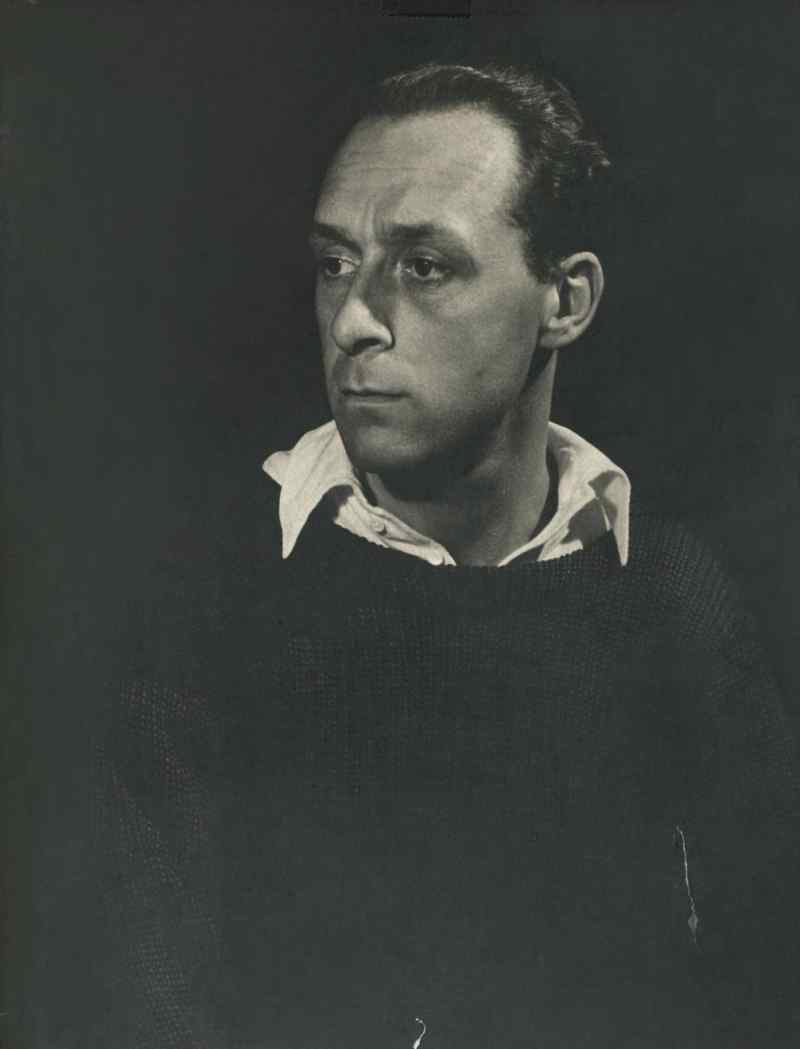
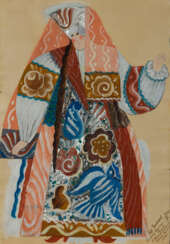

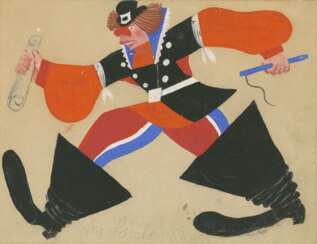



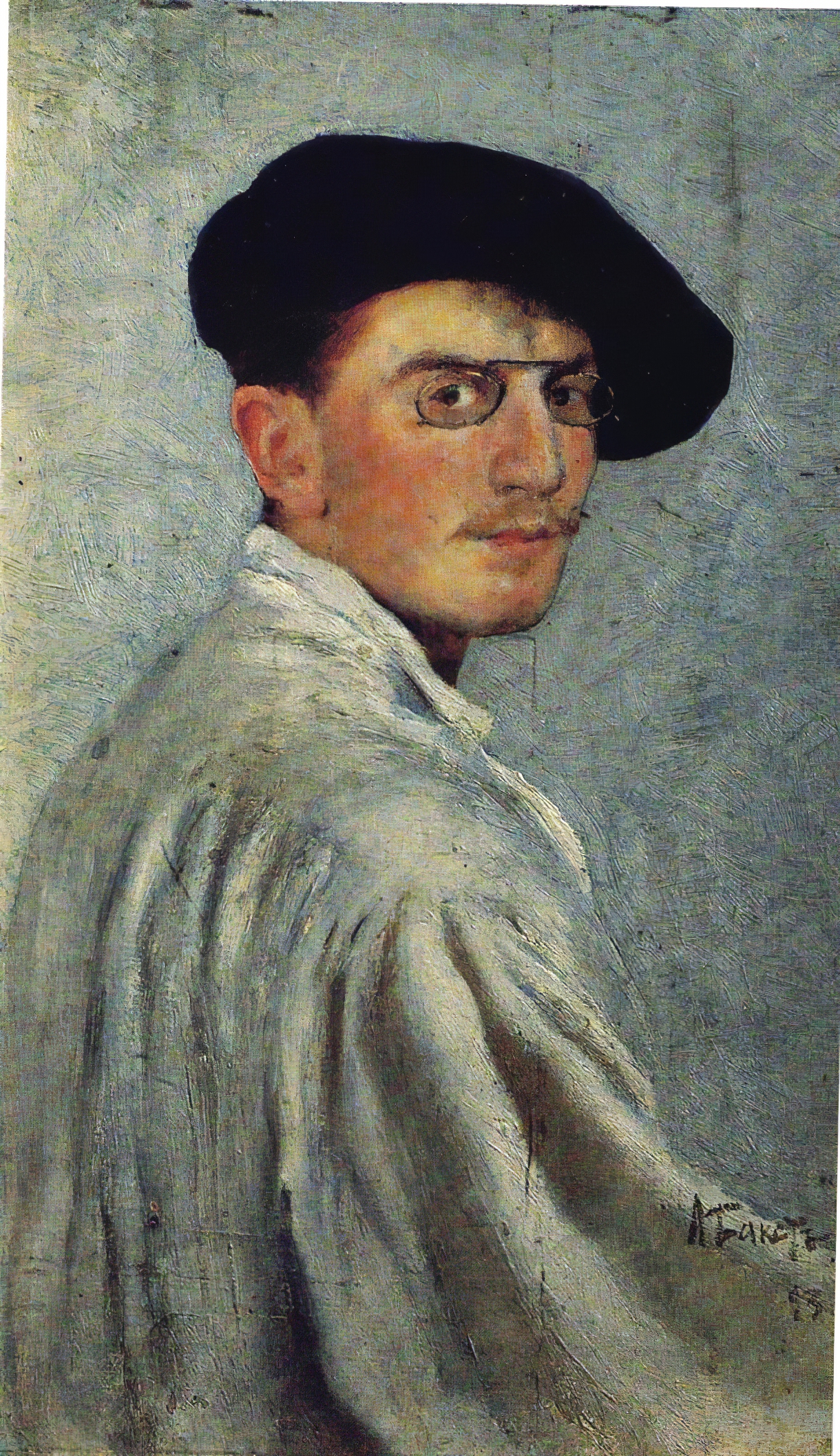
Leon Bakst (Russian: Лев Самойлович Бакст) was a prominent Russian painter and stage designer, celebrated for his innovative contributions to the world of art and theater. Born in the late 19th century, Bakst became a central figure in the cultural renaissance that swept through Russia and Europe, leaving an indelible mark on the visual and performing arts.
Bakst's work is distinguished by its rich use of color, intricate patterns, and imaginative compositions, which brought to life the exotic and often fantastical themes of the ballets and operas for which he designed. His association with the Ballets Russes, a groundbreaking ballet company that performed across Europe and America, solidified his reputation as a visionary artist. The costumes and sets he created for productions like "The Firebird" and "Scheherazade" were celebrated for their creativity and exoticism, influencing not only the world of theater but also fashion and interior design.
His art extends beyond the stage, with paintings and illustrations that capture the same vibrancy and innovation found in his theatrical work. Museums and galleries around the world, including the State Russian Museum in St. Petersburg and the Metropolitan Museum of Art in New York, house his works, allowing art lovers to experience the magic of Bakst's creations.
For collectors and experts in art and antiques, Leon Bakst's work offers a unique glimpse into a transformative period of cultural history, where the boundaries of art and performance were reimagined. His legacy continues to inspire and captivate, making his pieces highly sought after in the art world.
We invite enthusiasts and collectors to sign up for updates on new product sales and auction events related to Leon Bakst. This subscription ensures you remain informed about opportunities to acquire pieces connected to this extraordinary artist's legacy, without any overbearing commitments. Join us in celebrating the enduring impact of Leon Bakst's art and design.


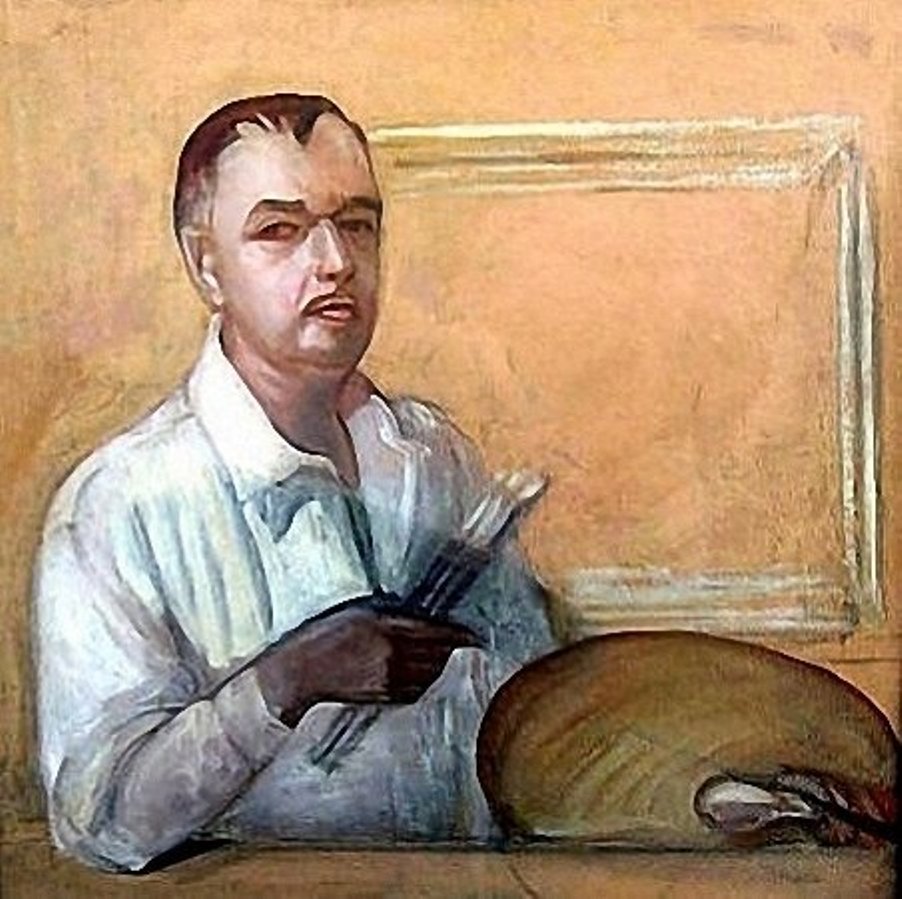
Sergey Yurievich Sudeikin (Russian: Сергей Юрьевич Судейкин), also known as Serge Soudeikine, was a Russian artist and set-designer renowned for his vivid contributions to the world of art and theater. Born on March 19, 1882, in Smolensk, Russia, and passing away on August 12, 1946, in Nyack, New York, Sudeikin's career was a testament to his versatile talent and innovative vision. He was closely associated with prestigious institutions such as the Ballets Russes and the Metropolitan Opera, showcasing his unique ability to blend artistic and theatrical design.
Sudeikin's journey in the arts began at the Moscow School of Painting, Sculpture and Architecture, where he was notably banned for his bold, "obscene drawings". This rebellious start led him to join the Mir Iskusstva (World of Art) movement, solidifying his place among Russia's avant-garde artists. His circle included significant figures like poet Mikhail Kuzmin and impresario Serge Diaghilev, highlighting his integral role in Russia's cultural scene before emigrating to the West.
Among Sudeikin's notable works are his set and costume designs for Diaghilev's production of "La tragédie de Salomé" and his collaboration on "The Rite of Spring". After moving to the United States, he continued to leave his mark on the theater world, with works like the set design for the original Broadway production of "Porgy and Bess". Sudeikin's style is recognized for its theatricality, vivid color use, and often incorporated themes of irony and tragedy, deeply influencing the visual arts and theater design of the 20th century.
His artwork, including famous pieces like "Carousel", "Venetian masquerade", and "Portrait of Nina Shik", can be found in galleries and private collections worldwide, highlighting his enduring appeal. Despite facing challenges in gaining widespread recognition during his lifetime, Sudeikin's contributions to art and theater have solidified his legacy as a pioneering artist and designer.
Collectors and experts in art and antiques continue to celebrate Sergey Yurievich Sudeikin's work for its innovative approach and historical significance. To stay updated on sales and auction events related to Sudeikin's work, signing up for updates is highly recommended. This ensures that enthusiasts and collectors alike do not miss out on the opportunity to own a piece of this remarkable artist's legacy.
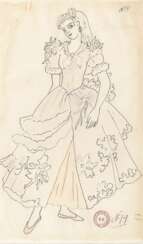

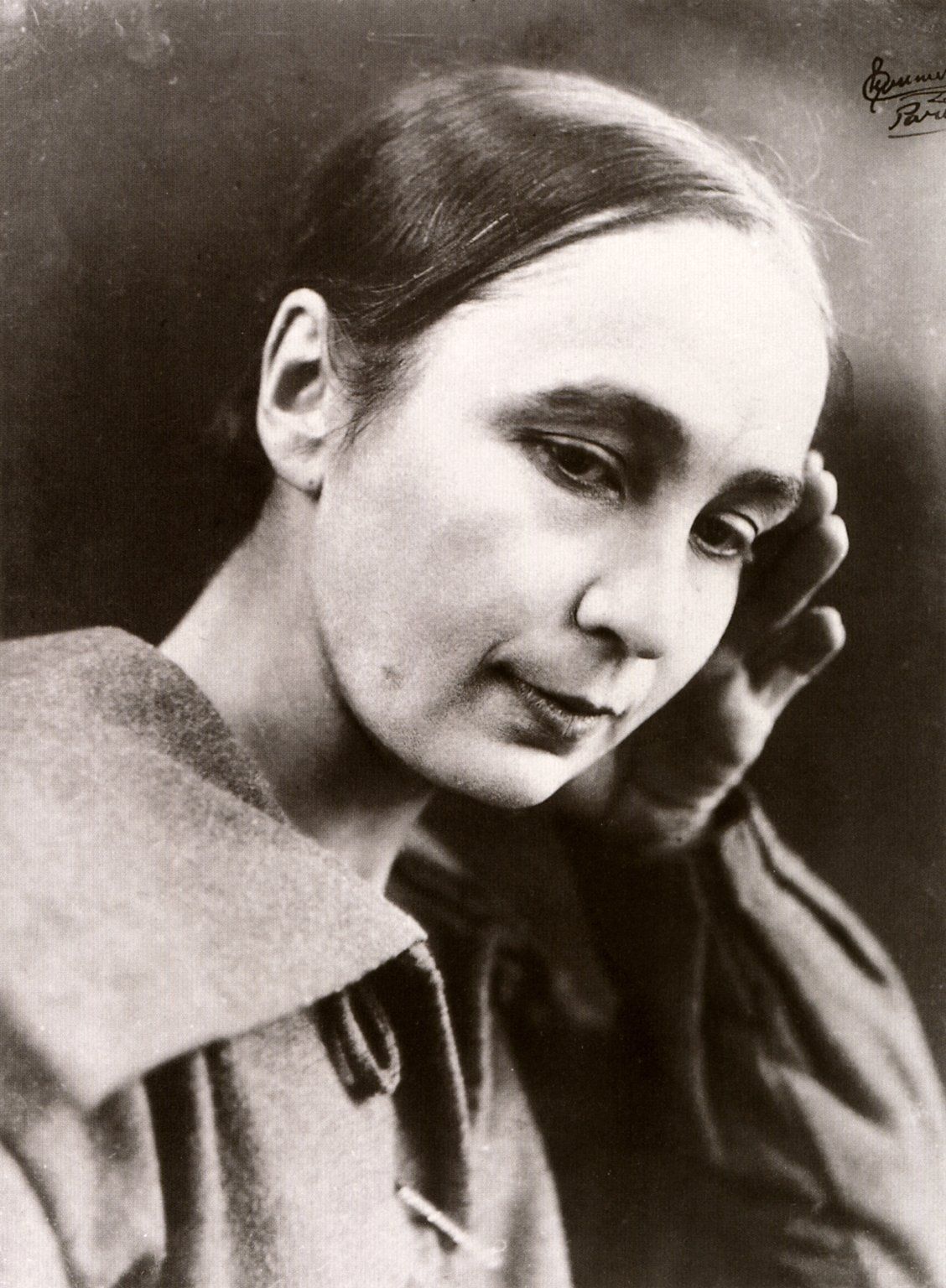
Natalia Sergeevna Goncharova (Russian: Ната́лья Серге́евна Гончаро́ва) was a pivotal Russian avant-garde artist, painter, costume designer, writer, illustrator, and set designer, celebrated for her groundbreaking contributions to several art movements including Rayonism, Futurism, and Cubism. Born in Russia in 1881, Goncharova's artistic journey was marked by her vibrant exploration of Eastern and Western traditions, making her a leading figure in Russian modernism before she relocated to Paris in 1921, where she continued her artistic endeavors until her death in 1962.
Goncharova's work was distinguished by her engagement with the avant-garde, notably through her involvement with movements and groups such as Jack of Diamonds, Donkey's Tail, and Der Blaue Reiter. Her innovative approach blended Primitivism with Russian folk art (luboks), iconography, and modern European styles, making her work highly influential and controversial in its time. For instance, her series "Mystical Images of War" showcased her unique method of merging contemporary events with traditional forms.
Her later years in Paris were characterized by a continued pursuit of innovation, as evidenced by her designs for ballet costumes and sets, further cementing her legacy in the art world. Goncharova's collaborations with notable figures such as her partner Mikhail Larionov and her contributions to the Ballets Russes highlight her versatile talent and enduring influence on both Russian and French avant-garde art scenes.
For collectors and experts in art and antiques, Goncharova's work offers a rich exploration of avant-garde movements and the blending of cultural traditions. Her bold experimentation and pioneering spirit make her pieces highly sought after in the art community.
To stay updated on new discoveries, sales, and auction events related to Natalia Sergeevna Goncharova, sign up for our newsletter. This subscription is your gateway to the latest in the world of avant-garde art, ensuring you're always informed about opportunities to add to your collection.


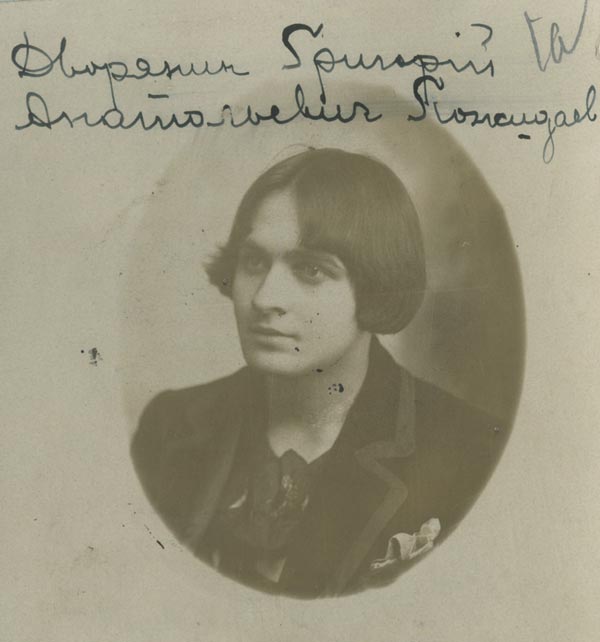
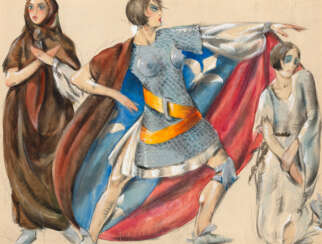

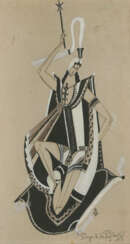

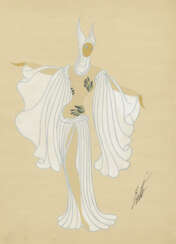

Roman Petrovich Tirtoff, pseudonym Erté, was a Russian-born artist, graphic artist, illustrator, stage designer, fashion designer and sculptor of the Art Deco era who worked in Paris and Hollywood. His pseudonym, which he took "so as not to disgrace his family", was made up of the first letters of his first and last name.
Herthe is best known for his elegant fashion illustrations, costume designs and set designs for the theatre.
Erte's work was not limited to the realm of fashion and theatre. He created jewellery, perfume bottles, furniture and furnishings, infusing them with his unique sense of style and elegance. His work often utilised elements of Egyptian, Byzantine and Oriental art, combining historical traditions with contemporary aesthetics


Roman Petrovich Tirtoff, pseudonym Erté, was a Russian-born artist, graphic artist, illustrator, stage designer, fashion designer and sculptor of the Art Deco era who worked in Paris and Hollywood. His pseudonym, which he took "so as not to disgrace his family", was made up of the first letters of his first and last name.
Herthe is best known for his elegant fashion illustrations, costume designs and set designs for the theatre.
Erte's work was not limited to the realm of fashion and theatre. He created jewellery, perfume bottles, furniture and furnishings, infusing them with his unique sense of style and elegance. His work often utilised elements of Egyptian, Byzantine and Oriental art, combining historical traditions with contemporary aesthetics


Roman Petrovich Tirtoff, pseudonym Erté, was a Russian-born artist, graphic artist, illustrator, stage designer, fashion designer and sculptor of the Art Deco era who worked in Paris and Hollywood. His pseudonym, which he took "so as not to disgrace his family", was made up of the first letters of his first and last name.
Herthe is best known for his elegant fashion illustrations, costume designs and set designs for the theatre.
Erte's work was not limited to the realm of fashion and theatre. He created jewellery, perfume bottles, furniture and furnishings, infusing them with his unique sense of style and elegance. His work often utilised elements of Egyptian, Byzantine and Oriental art, combining historical traditions with contemporary aesthetics


Roman Petrovich Tirtoff, pseudonym Erté, was a Russian-born artist, graphic artist, illustrator, stage designer, fashion designer and sculptor of the Art Deco era who worked in Paris and Hollywood. His pseudonym, which he took "so as not to disgrace his family", was made up of the first letters of his first and last name.
Herthe is best known for his elegant fashion illustrations, costume designs and set designs for the theatre.
Erte's work was not limited to the realm of fashion and theatre. He created jewellery, perfume bottles, furniture and furnishings, infusing them with his unique sense of style and elegance. His work often utilised elements of Egyptian, Byzantine and Oriental art, combining historical traditions with contemporary aesthetics


Roman Petrovich Tirtoff, pseudonym Erté, was a Russian-born artist, graphic artist, illustrator, stage designer, fashion designer and sculptor of the Art Deco era who worked in Paris and Hollywood. His pseudonym, which he took "so as not to disgrace his family", was made up of the first letters of his first and last name.
Herthe is best known for his elegant fashion illustrations, costume designs and set designs for the theatre.
Erte's work was not limited to the realm of fashion and theatre. He created jewellery, perfume bottles, furniture and furnishings, infusing them with his unique sense of style and elegance. His work often utilised elements of Egyptian, Byzantine and Oriental art, combining historical traditions with contemporary aesthetics
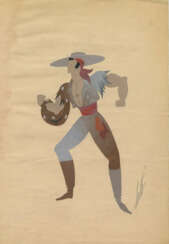

Roman Petrovich Tirtoff, pseudonym Erté, was a Russian-born artist, graphic artist, illustrator, stage designer, fashion designer and sculptor of the Art Deco era who worked in Paris and Hollywood. His pseudonym, which he took "so as not to disgrace his family", was made up of the first letters of his first and last name.
Herthe is best known for his elegant fashion illustrations, costume designs and set designs for the theatre.
Erte's work was not limited to the realm of fashion and theatre. He created jewellery, perfume bottles, furniture and furnishings, infusing them with his unique sense of style and elegance. His work often utilised elements of Egyptian, Byzantine and Oriental art, combining historical traditions with contemporary aesthetics


Roman Petrovich Tirtoff, pseudonym Erté, was a Russian-born artist, graphic artist, illustrator, stage designer, fashion designer and sculptor of the Art Deco era who worked in Paris and Hollywood. His pseudonym, which he took "so as not to disgrace his family", was made up of the first letters of his first and last name.
Herthe is best known for his elegant fashion illustrations, costume designs and set designs for the theatre.
Erte's work was not limited to the realm of fashion and theatre. He created jewellery, perfume bottles, furniture and furnishings, infusing them with his unique sense of style and elegance. His work often utilised elements of Egyptian, Byzantine and Oriental art, combining historical traditions with contemporary aesthetics
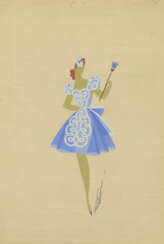

Roman Petrovich Tirtoff, pseudonym Erté, was a Russian-born artist, graphic artist, illustrator, stage designer, fashion designer and sculptor of the Art Deco era who worked in Paris and Hollywood. His pseudonym, which he took "so as not to disgrace his family", was made up of the first letters of his first and last name.
Herthe is best known for his elegant fashion illustrations, costume designs and set designs for the theatre.
Erte's work was not limited to the realm of fashion and theatre. He created jewellery, perfume bottles, furniture and furnishings, infusing them with his unique sense of style and elegance. His work often utilised elements of Egyptian, Byzantine and Oriental art, combining historical traditions with contemporary aesthetics


Roman Petrovich Tirtoff, pseudonym Erté, was a Russian-born artist, graphic artist, illustrator, stage designer, fashion designer and sculptor of the Art Deco era who worked in Paris and Hollywood. His pseudonym, which he took "so as not to disgrace his family", was made up of the first letters of his first and last name.
Herthe is best known for his elegant fashion illustrations, costume designs and set designs for the theatre.
Erte's work was not limited to the realm of fashion and theatre. He created jewellery, perfume bottles, furniture and furnishings, infusing them with his unique sense of style and elegance. His work often utilised elements of Egyptian, Byzantine and Oriental art, combining historical traditions with contemporary aesthetics


Roman Petrovich Tirtoff, pseudonym Erté, was a Russian-born artist, graphic artist, illustrator, stage designer, fashion designer and sculptor of the Art Deco era who worked in Paris and Hollywood. His pseudonym, which he took "so as not to disgrace his family", was made up of the first letters of his first and last name.
Herthe is best known for his elegant fashion illustrations, costume designs and set designs for the theatre.
Erte's work was not limited to the realm of fashion and theatre. He created jewellery, perfume bottles, furniture and furnishings, infusing them with his unique sense of style and elegance. His work often utilised elements of Egyptian, Byzantine and Oriental art, combining historical traditions with contemporary aesthetics


Roman Petrovich Tirtoff, pseudonym Erté, was a Russian-born artist, graphic artist, illustrator, stage designer, fashion designer and sculptor of the Art Deco era who worked in Paris and Hollywood. His pseudonym, which he took "so as not to disgrace his family", was made up of the first letters of his first and last name.
Herthe is best known for his elegant fashion illustrations, costume designs and set designs for the theatre.
Erte's work was not limited to the realm of fashion and theatre. He created jewellery, perfume bottles, furniture and furnishings, infusing them with his unique sense of style and elegance. His work often utilised elements of Egyptian, Byzantine and Oriental art, combining historical traditions with contemporary aesthetics


Roman Petrovich Tirtoff, pseudonym Erté, was a Russian-born artist, graphic artist, illustrator, stage designer, fashion designer and sculptor of the Art Deco era who worked in Paris and Hollywood. His pseudonym, which he took "so as not to disgrace his family", was made up of the first letters of his first and last name.
Herthe is best known for his elegant fashion illustrations, costume designs and set designs for the theatre.
Erte's work was not limited to the realm of fashion and theatre. He created jewellery, perfume bottles, furniture and furnishings, infusing them with his unique sense of style and elegance. His work often utilised elements of Egyptian, Byzantine and Oriental art, combining historical traditions with contemporary aesthetics


Roman Petrovich Tirtoff, pseudonym Erté, was a Russian-born artist, graphic artist, illustrator, stage designer, fashion designer and sculptor of the Art Deco era who worked in Paris and Hollywood. His pseudonym, which he took "so as not to disgrace his family", was made up of the first letters of his first and last name.
Herthe is best known for his elegant fashion illustrations, costume designs and set designs for the theatre.
Erte's work was not limited to the realm of fashion and theatre. He created jewellery, perfume bottles, furniture and furnishings, infusing them with his unique sense of style and elegance. His work often utilised elements of Egyptian, Byzantine and Oriental art, combining historical traditions with contemporary aesthetics


Roman Petrovich Tirtoff, pseudonym Erté, was a Russian-born artist, graphic artist, illustrator, stage designer, fashion designer and sculptor of the Art Deco era who worked in Paris and Hollywood. His pseudonym, which he took "so as not to disgrace his family", was made up of the first letters of his first and last name.
Herthe is best known for his elegant fashion illustrations, costume designs and set designs for the theatre.
Erte's work was not limited to the realm of fashion and theatre. He created jewellery, perfume bottles, furniture and furnishings, infusing them with his unique sense of style and elegance. His work often utilised elements of Egyptian, Byzantine and Oriental art, combining historical traditions with contemporary aesthetics