cuts area/space















![[COLONNA, Francesco (1433-1527)]](/assets/image/picture_4361297/a4d27/0d80d521aaa1edb9fb185f8edb4cdddf1733871600jpg__fix_374_244.jpeg)
![[COLONNA, Francesco (1433-1527)]](https://veryimportantlot.com/assets/image/picture_4361297/a4d27/0d80d521aaa1edb9fb185f8edb4cdddf1733871600jpg__fix_374_244.jpeg)
![[COLONNA, Francesco (1433-1527)]](/assets/image/picture_4734469/1fcf2/55a6aac3568ad3ec763f9027816d09371752012000jpg__fix_374_244.jpeg)
![[COLONNA, Francesco (1433-1527)]](https://veryimportantlot.com/assets/image/picture_4734469/1fcf2/55a6aac3568ad3ec763f9027816d09371752012000jpg__fix_374_244.jpeg)









.jfif)
Joseph Fernand Henri Léger was a French artist renowned for his innovative approach to Cubism and his transition towards a figurative, populist style. Born in Argentan, Orne, Lower Normandy, Léger's early career was marked by a stint as an architectural draftsman and a series of educational pursuits that eventually led him to Paris, where he embraced painting seriously. His artistic journey was significantly influenced by the bold abstractions of Cubism, characterized by geometric shapes and a vibrant palette, distinguishing his work from his contemporaries with what came to be known as "Tubism".
Léger's service in World War I profoundly impacted his artistic direction, leading him to adopt a 'mechanical' style that depicted the modern industrial world with sleek, tubular forms. This period saw creations like "Soldier with a Pipe" and "The Card Players," reflecting his war experiences and the mechanical aesthetics of the time. The post-war era encouraged Léger to explore the mechanical style further, evident in works like "The Bargeman" and "Mechanical Elements," highlighting the pace of technological advancement.
Throughout his career, Léger's work evolved, notably in the 1920s, where he aligned with Purist ideas, blending classicism with modernity. This phase is exemplified in "Woman with a Cat," showcasing a classical form with a modern, polished finish. By the 1930s, Léger's art took a more figurative, populist turn, aiming to democratize contemporary art and make it more accessible. His commitment to art education, especially for the common worker, underscored his belief in the social role of art.
For those intrigued by Joseph Fernand Henri Léger's groundbreaking contributions to modern art, his works can be found in prestigious museums worldwide. His legacy continues to inspire art collectors and enthusiasts alike. To stay updated on exhibitions and auction events featuring Léger's work, sign up for updates and embrace the unique opportunity to explore the richness of his artistic endeavors.








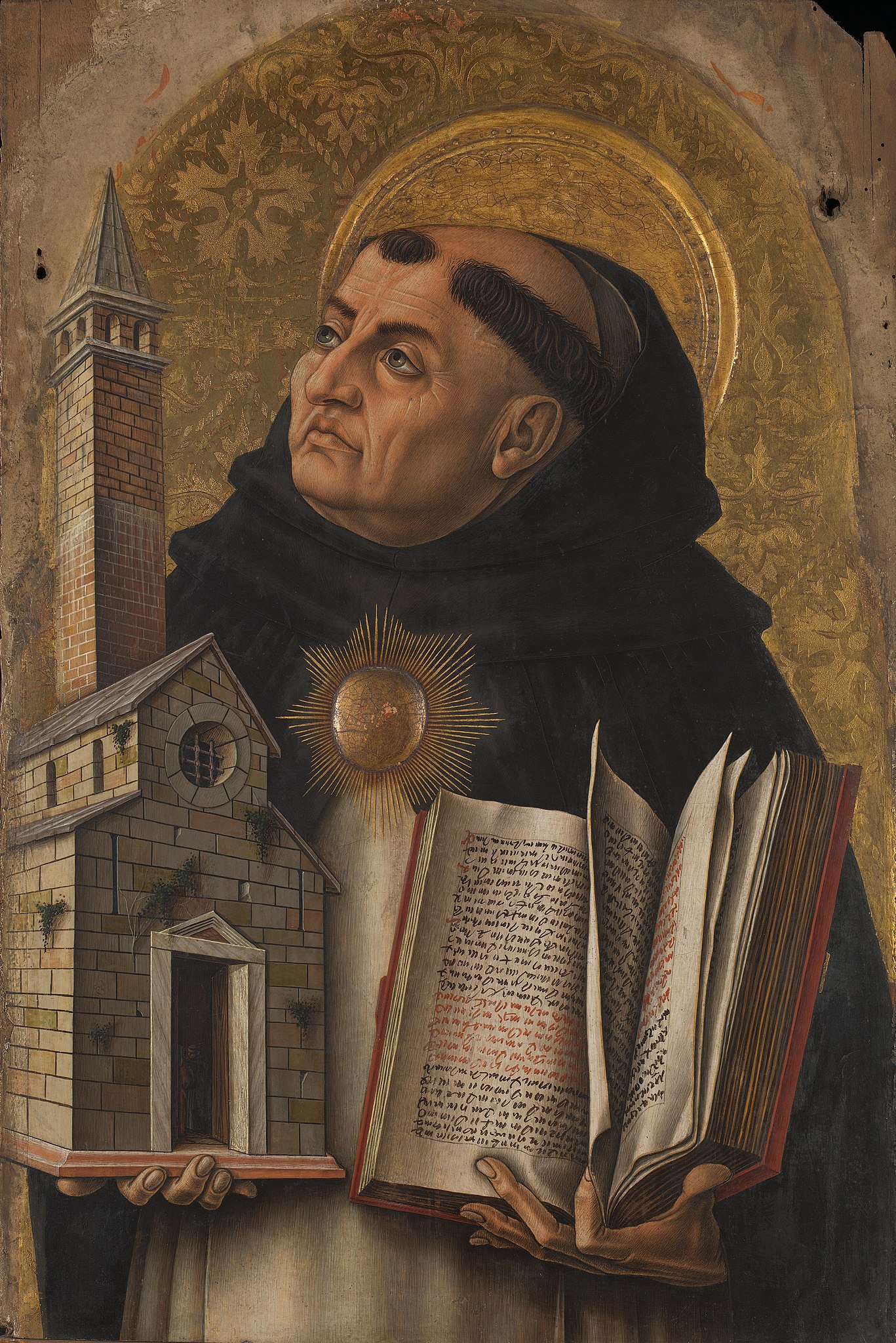
Thomas Aquinas (Italian: Tommaso d'Aquino, also called Aquinas, alias Doctor Angelicus) was an Italian poet and theologian, philosopher, and major medieval scholastic.
Thomas Aquinas is one of the most important theologians in the history of Western civilization, given the extent of his influence on the development of Roman Catholic theology since the fourteenth century. As a theologian, in his two masterpieces, Summa theologiae and Summa contra gentiles, he created the classical systematization of Latin theology, and as a poet, he wrote some of the most serious and beautiful Eucharistic hymns in the church liturgy. Thomas Aquinas is recognized by the Roman Catholic Church as the foremost Western philosopher and theologian and canonized as a saint.
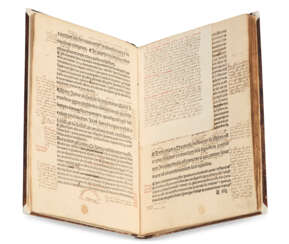


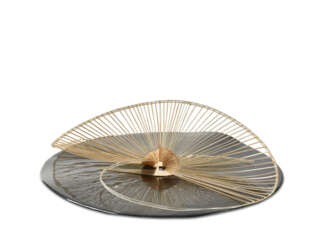

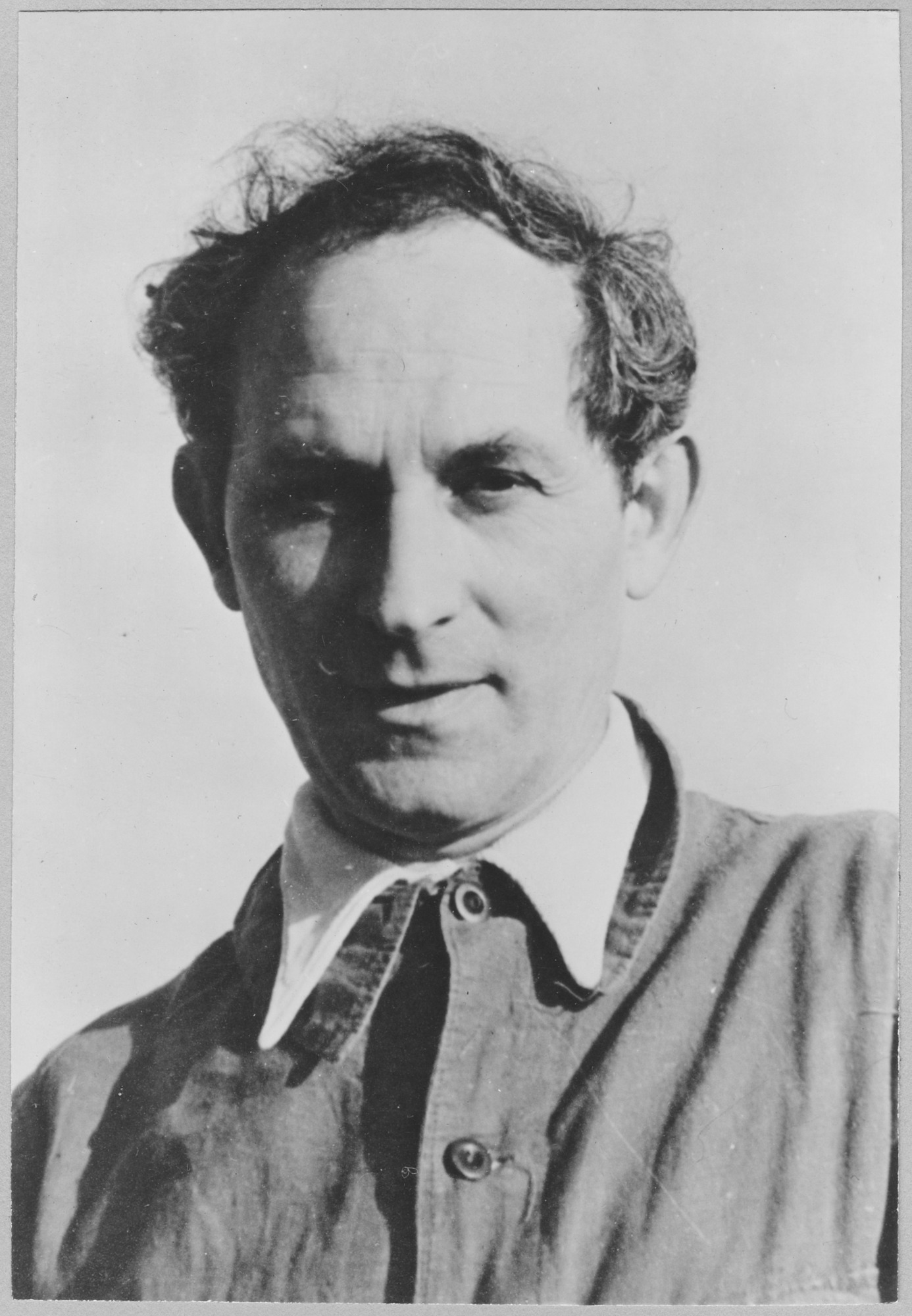
Naum Gabo, a pivotal figure in the evolution of twentieth-century sculpture, was a Russian-American artist renowned for his innovative approach to constructivism and kinetic art. Gabo's artistry transcended mere form to delve into the philosophical and spatial dynamics of sculpture, marking him as a pioneer in his field. He significantly influenced the avant-garde movements across Europe, particularly with his manifesto that challenged the concepts of Cubism and Futurism, advocating for art that embraced abstract reality and spiritual experience. His tenure at VKhUTEMAS, alongside notable contemporaries like Kandinsky and Rodchenko, was a testament to his influential role in post-Revolution Russian art.
Gabo's use of materials such as metal and glass was not just a stylistic choice but a profound exploration of volume and space without the reliance on mass, embodying the Constructivist ideology of functional art. His works, like "Column," showcased his interest in creating sculptures that resonated with intellectual and emotional appeal rather than just physical senses. This innovative approach to sculpture continued throughout his career, evident in his contributions to both the art and architectural domains, including his experimental architectural designs like the proposal for the Palace of the Soviets.
Throughout his life, Gabo's artistic journey was marked by a constant exploration of the interplay between space and time, evident in pieces such as "Spiral Theme" and his involvement in kinetic sculpture. His move across countries, from Russia to the United States, was reflective of his quest for new artistic contexts and his escape from political turmoil. Gabo's legacy is preserved in significant collections and museums worldwide, including the Museum of Modern Art (MoMA) in New York, where his works continue to inspire and captivate audiences.
For those intrigued by Naum Gabo's profound impact on modern sculpture and constructivism, signing up for updates can enrich your knowledge and keep you informed about upcoming sales and auction events featuring his work. This is an opportunity to explore the depths of Gabo's contributions to art and architecture, ensuring enthusiasts and collectors stay connected to his enduring legacy.