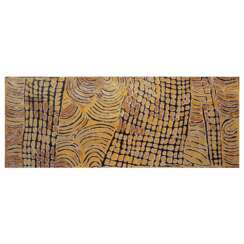
desert star



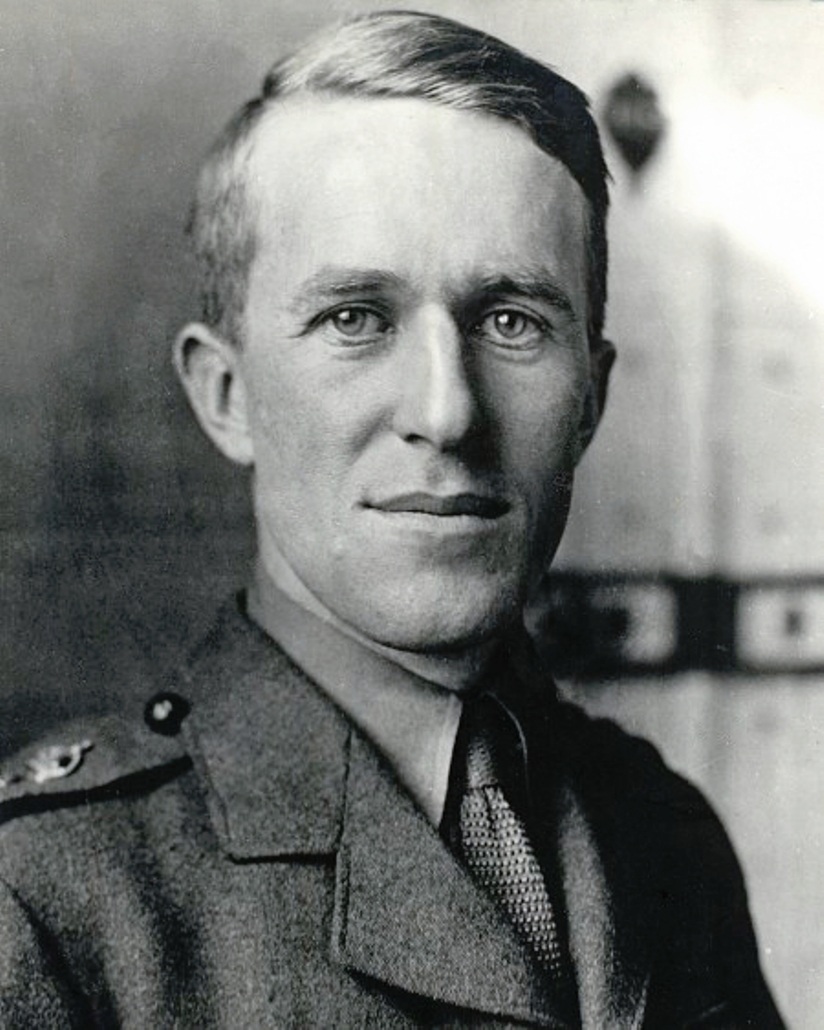
Thomas Edward Lawrence was a British scholar-archaeologist, military intelligence and strategist, writer and poet.
Thomas studied at the High School and Jesus College, Oxford, studying medieval military architecture in particular, researching Crusader castles in France and in Syria and Palestine. Then in the early 1900s he took part in an excavation, though more likely a cartographic reconnaissance from Gaza to Aqaba for strategic military purposes. The study was published in 1915 under the title The Wilderness of Zin (The Wilderness of Zin).
At the outbreak of World War I, Lawrence became a member of the cartographic staff of the War Office in London, tasked with producing a militarily useful map of Sinai. From 1914, with the rank of lieutenant, he was already active in various operations in Cairo and other Arab countries. It is believed that Lawrence made a significant contribution to the victory of the Arab revolt against the Ottoman Empire, and locals gave him the nickname Lawrence of Arabia.
Lawrence had time to work on his war memoirs as well, publishing a book about his activities, The Seven Pillars of Wisdom, in 1926. Also of interest are his poignant service chronicle "The Mint" and a considerable amount of correspondence. He was commissioned by book designer Bruce Rogers to translate Homer's Odyssey into English. Lawrence also wrote over 100 poems, which were published in the collection Minorities in 1971.
After World War I, Lawrence worked for the British Foreign Office and served in the Royal Air Force. He died in a motorcycle accident in May 1935 at the age of 46.


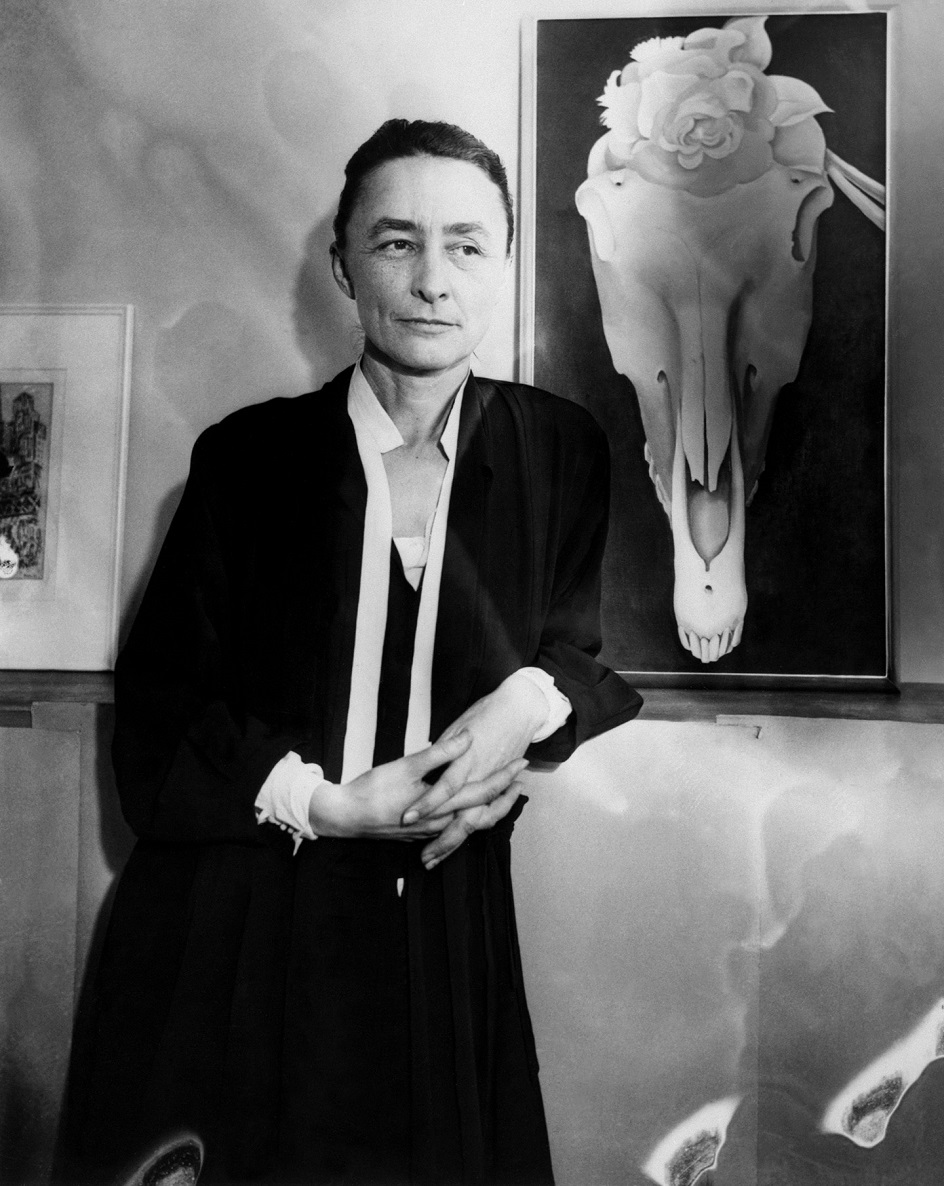
Georgia Totto O'Keeffe was an American modernist artist. She was known for her paintings of enlarged flowers, New York skyscrapers, and New Mexico landscapes. O'Keeffe has been called the "Mother of American modernism".


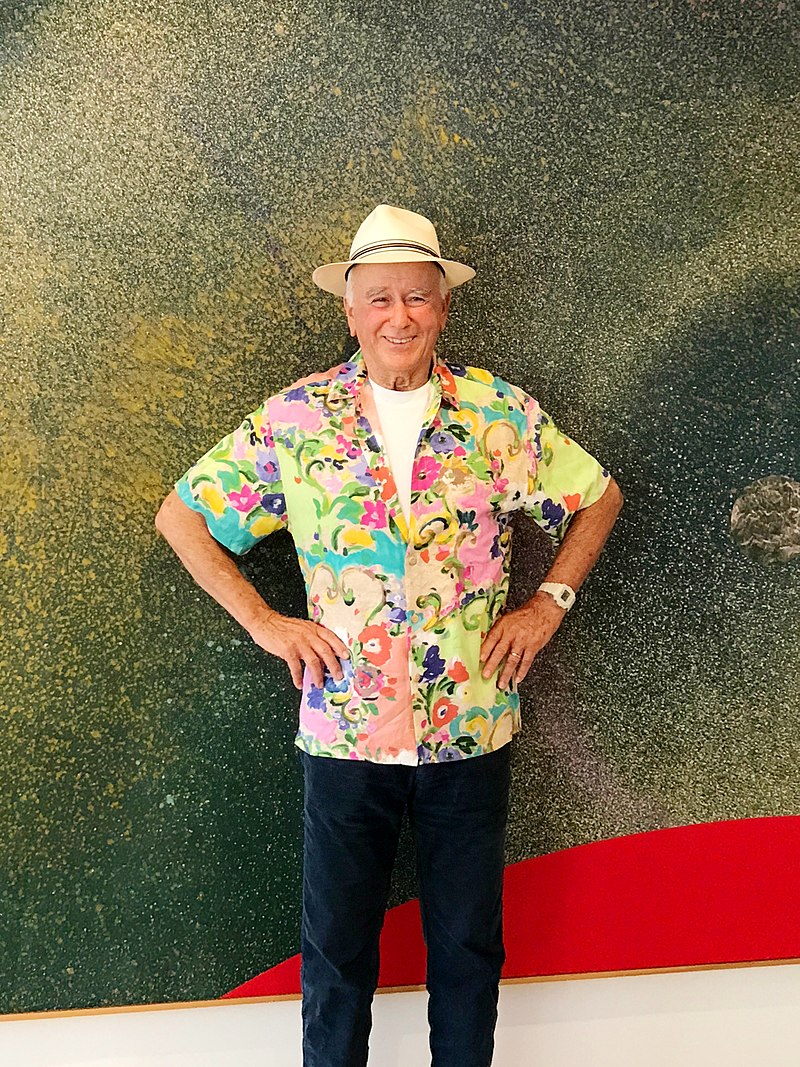
Billy Al Bengston was an American visual artist and sculptor who lived and worked in Venice, California, and Honolulu, Hawaii. Bengston was probably best known for work he created that reflected California's "Kustom" car and motorcycle culture. He pioneered the use of sprayed layers of automobile lacquer in fine art and often used colors that were psychedelic and shapes that were mandala-like. ARTnews referred to Bengston as a "giant of Los Angeles's postwar art scene."



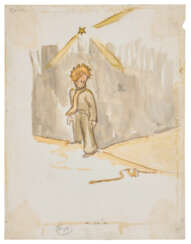


Antoine Marie Jean-Baptiste Roger, Comte de Saint-Exupéry, known as Antoine de Saint-Exupéry, is a French national treasure who seamlessly combined his profession as an aviator with his literary genius. Known for "The Little Prince," he masterfully blended philosophy and poetic discourse into narrative forms. This author, journalist, and pioneering pilot left an indelible mark through his literary works and contributions to aviation.
Saint-Exupéry's merits transcend his inventive storytelling; his narratives often reflect his aviation experiences, offering unique insights into humanity and technology's intersection. His works, though not housed as traditional art in museums, reside in the Louvre of public imagination and literary canon.
For enthusiasts and experts, Saint-Exupéry's legacy is a testament to the enduring power of human spirit and curiosity. His narrative sculptures crafted from words, deeply philosophical and yet whimsically accessible, continue to inspire and resonate. Dive into the world of this exceptional storyteller and aviator to explore the skies of human experience.








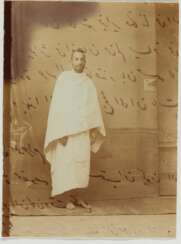






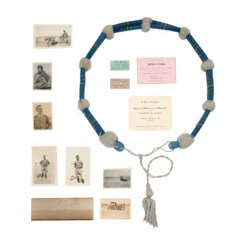

Thomas Edward Lawrence was a British scholar-archaeologist, military intelligence and strategist, writer and poet.
Thomas studied at the High School and Jesus College, Oxford, studying medieval military architecture in particular, researching Crusader castles in France and in Syria and Palestine. Then in the early 1900s he took part in an excavation, though more likely a cartographic reconnaissance from Gaza to Aqaba for strategic military purposes. The study was published in 1915 under the title The Wilderness of Zin (The Wilderness of Zin).
At the outbreak of World War I, Lawrence became a member of the cartographic staff of the War Office in London, tasked with producing a militarily useful map of Sinai. From 1914, with the rank of lieutenant, he was already active in various operations in Cairo and other Arab countries. It is believed that Lawrence made a significant contribution to the victory of the Arab revolt against the Ottoman Empire, and locals gave him the nickname Lawrence of Arabia.
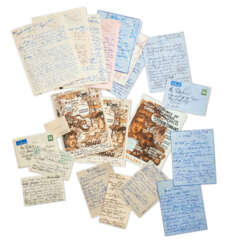
Lawrence had time to work on his war memoirs as well, publishing a book about his activities, The Seven Pillars of Wisdom, in 1926. Also of interest are his poignant service chronicle "The Mint" and a considerable amount of correspondence. He was commissioned by book designer Bruce Rogers to translate Homer's Odyssey into English. Lawrence also wrote over 100 poems, which were published in the collection Minorities in 1971.
After World War I, Lawrence worked for the British Foreign Office and served in the Royal Air Force. He died in a motorcycle accident in May 1935 at the age of 46.
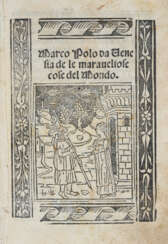

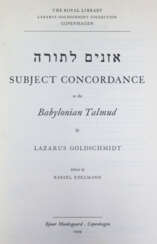


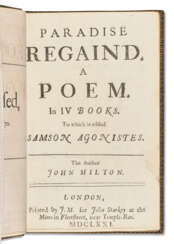


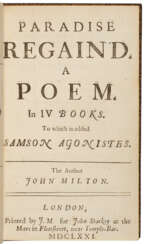

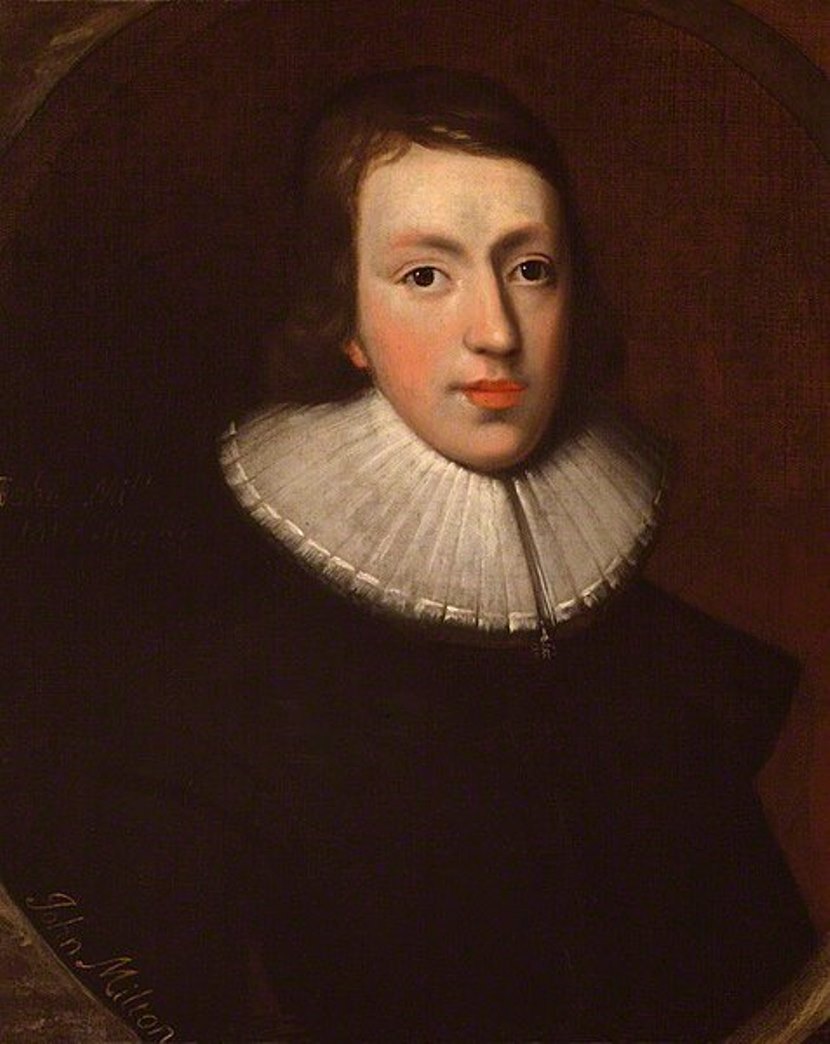
John Milton was a British poet and writer-publicist, intellectual and politician of the English Revolutionary period.
Milton first planned to become a priest, studied at Cambridge University, and then abandoned this activity. Several years he spent reading and self-education, learning many languages. In 1638 Milton traveled around the continent for about a year and a half, spending much time in Italy, primarily in Rome and Florence. He befriended young Italian literati, and his encounter with Galileo further influenced his writing.
Milton became best known for his poem Paradise Lost in Ten Books, which declares its purpose to justify the ways of God to man, but also touches on both universal and personal themes. Milton was the first author to use the word "cosmos" in our modern sense of "outer space," and his space epic takes place in a confidently Copernican universe.
In his prose works, Milton advocated the abolition of the Church of England and the execution of Charles I. From the outbreak of the English Civil Wars in 1642 and long after the restoration of Charles II as king in 1660, he spoke out against tyranny and state-sanctioned religion in all his works. As a Protestant, Milton was often in conflict with the Roman Catholic Church. As a civil servant, Milton became the voice of the English Commonwealth after 1649 and then under Oliver Cromwell, conducting international correspondence and defending the government against polemical attacks from abroad.
John Milton is considered the most important English writer after William Shakespeare. Author of political pamphlets and religious treatises, he is one of the most famous writers of the 1650s, the vibrant era of the English Revolution (Civil War).

.jpg)
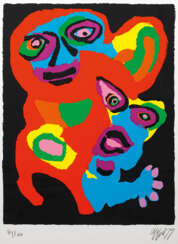
Christiaan Karel Appel was a Dutch painter, sculptor, and poet. He started painting at the age of fourteen and studied at the Rijksakademie in Amsterdam in the 1940s. He was one of the founders of the avant-garde movement CoBrA in 1948. He was also an avid sculptor and has had works featured in MoMA and other museums worldwide.
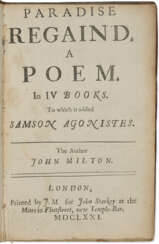

John Milton was a British poet and writer-publicist, intellectual and politician of the English Revolutionary period.
Milton first planned to become a priest, studied at Cambridge University, and then abandoned this activity. Several years he spent reading and self-education, learning many languages. In 1638 Milton traveled around the continent for about a year and a half, spending much time in Italy, primarily in Rome and Florence. He befriended young Italian literati, and his encounter with Galileo further influenced his writing.
Milton became best known for his poem Paradise Lost in Ten Books, which declares its purpose to justify the ways of God to man, but also touches on both universal and personal themes. Milton was the first author to use the word "cosmos" in our modern sense of "outer space," and his space epic takes place in a confidently Copernican universe.
In his prose works, Milton advocated the abolition of the Church of England and the execution of Charles I. From the outbreak of the English Civil Wars in 1642 and long after the restoration of Charles II as king in 1660, he spoke out against tyranny and state-sanctioned religion in all his works. As a Protestant, Milton was often in conflict with the Roman Catholic Church. As a civil servant, Milton became the voice of the English Commonwealth after 1649 and then under Oliver Cromwell, conducting international correspondence and defending the government against polemical attacks from abroad.
John Milton is considered the most important English writer after William Shakespeare. Author of political pamphlets and religious treatises, he is one of the most famous writers of the 1650s, the vibrant era of the English Revolution (Civil War).
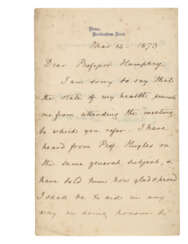

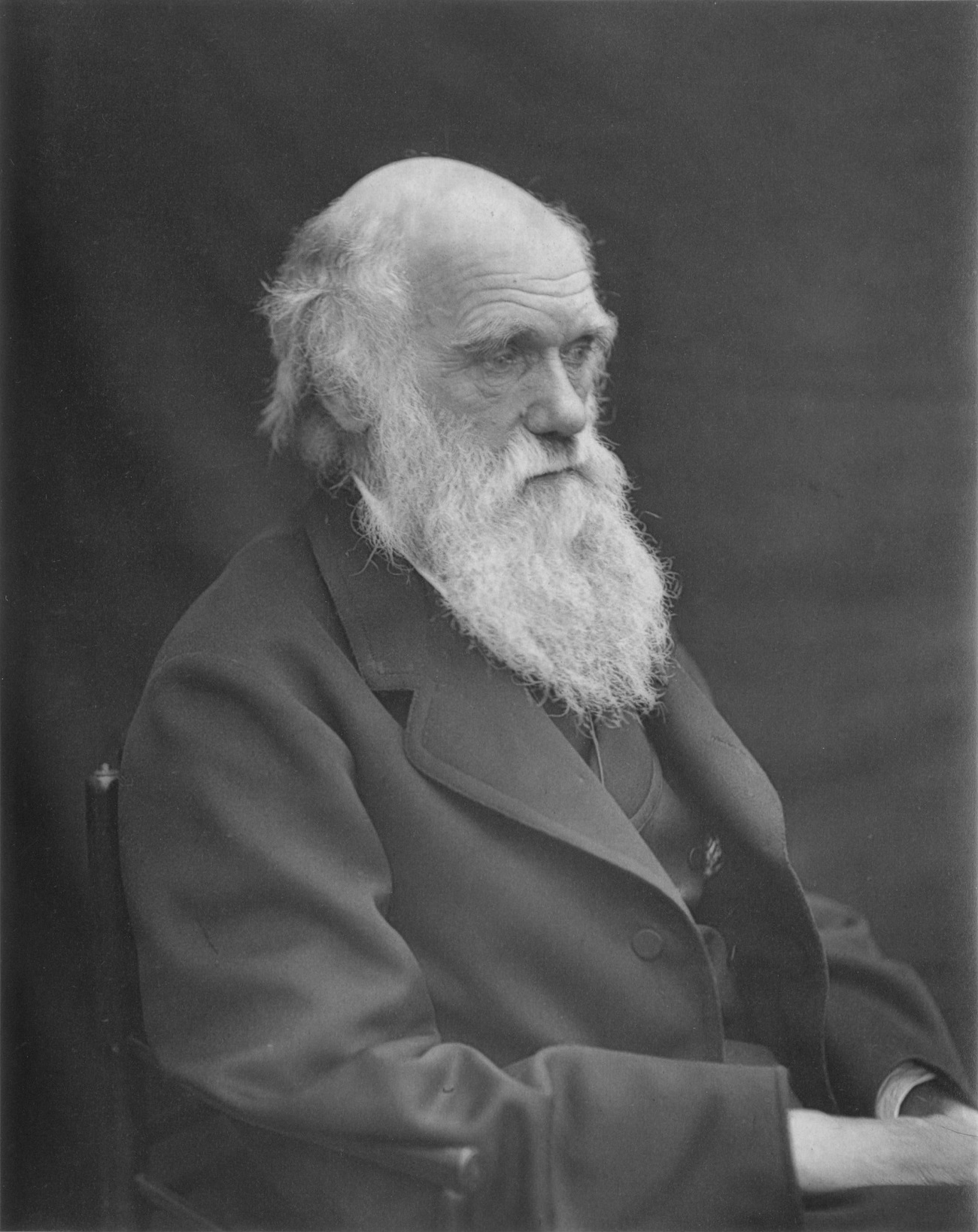
Charles Robert Darwin was an English naturalist, geologist, and biologist, widely known for contributing to the understanding of evolutionary biology. His proposition that all species of life have descended from a common ancestor is now generally accepted and considered a fundamental concept in science. In a joint publication with Alfred Russel Wallace, he introduced his scientific theory that this branching pattern of evolution resulted from a process that he called natural selection, in which the struggle for existence has a similar effect to the artificial selection involved in selective breeding. Darwin has been described as one of the most influential figures in human history, and he was honoured by burial in Westminster Abbey.