eugène gustav dücker
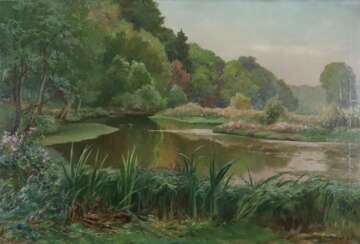

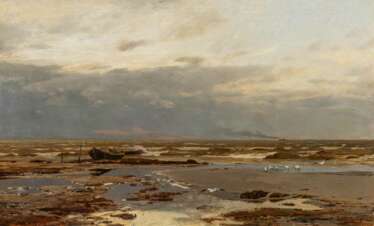

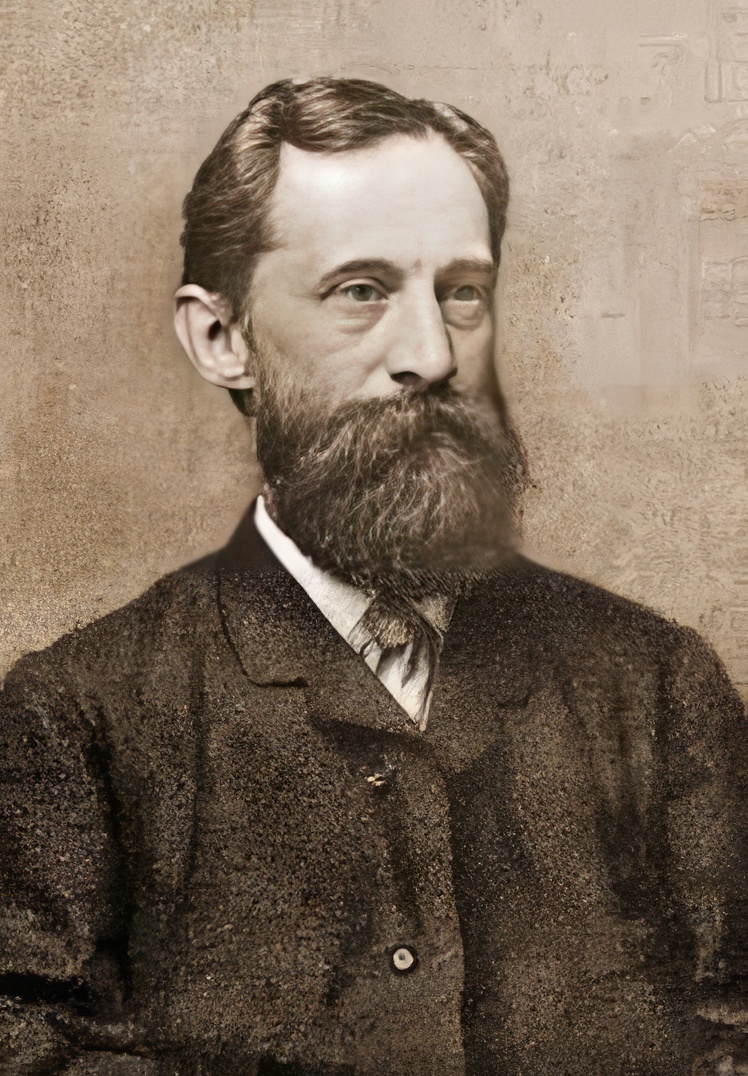
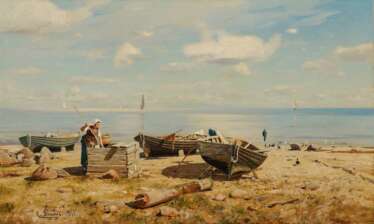
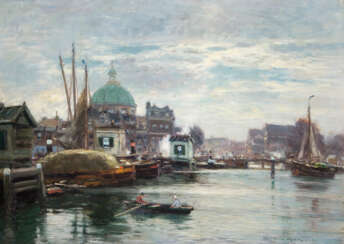
Eugen Gustav Dücker was a Baltic German painter, in the Romantic style, associated with the Düsseldorfer Malerschule.
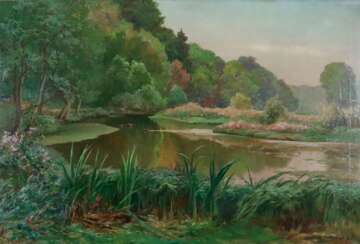
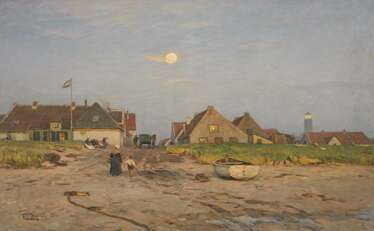
Despite his career's roots in Germany, he spent much of his time in Estonia, where he painted idyllic landscapes of the sea and the countryside. He also made numerous trips to Holland, Belgium, France and Italy.

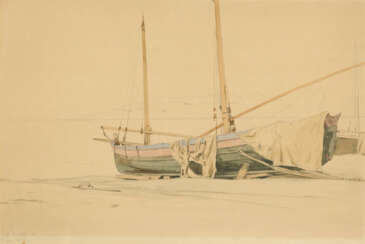

Eugen Gustav Dücker was a Baltic German painter, in the Romantic style, associated with the Düsseldorfer Malerschule.
Despite his career's roots in Germany, he spent much of his time in Estonia, where he painted idyllic landscapes of the sea and the countryside. He also made numerous trips to Holland, Belgium, France and Italy.
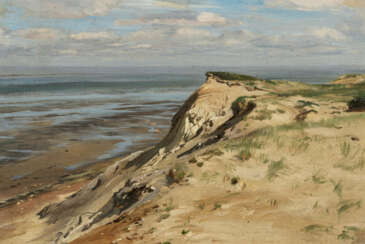

Eugen Gustav Dücker was a Baltic German painter, in the Romantic style, associated with the Düsseldorfer Malerschule.
Despite his career's roots in Germany, he spent much of his time in Estonia, where he painted idyllic landscapes of the sea and the countryside. He also made numerous trips to Holland, Belgium, France and Italy.

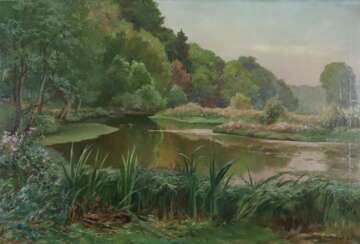

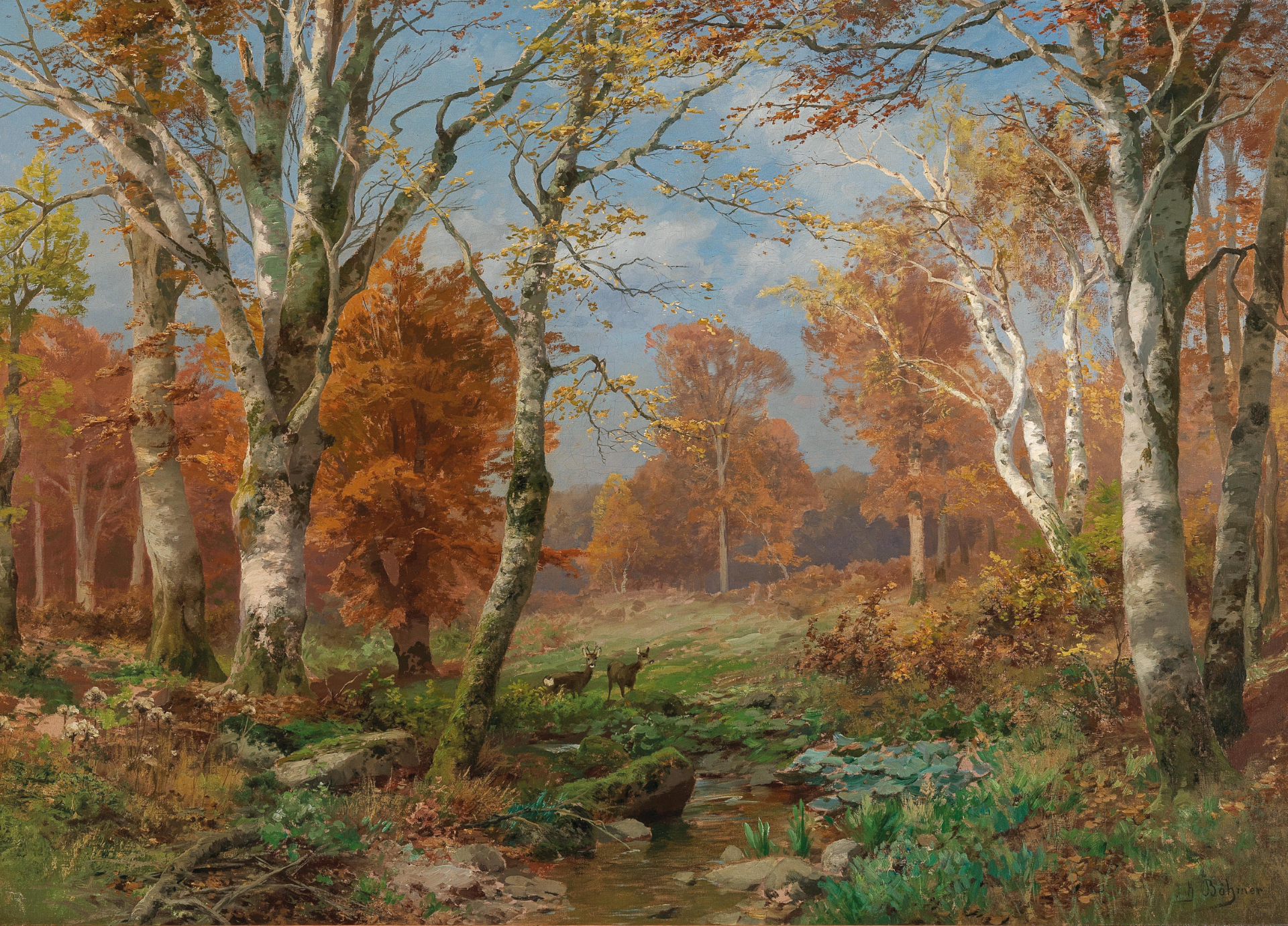
Heinrich Böhmer was a German landscape painter of the Düsseldorf school of painting.
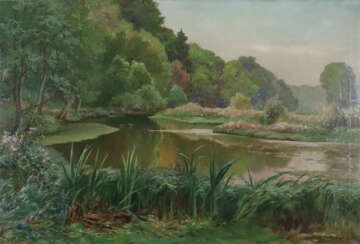

Heinrich Böhmer was a German landscape painter of the Düsseldorf school of painting.



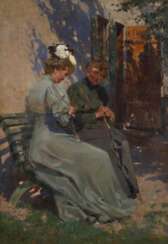



Eugen Gustav Dücker was a Baltic German painter, in the Romantic style, associated with the Düsseldorfer Malerschule.
Despite his career's roots in Germany, he spent much of his time in Estonia, where he painted idyllic landscapes of the sea and the countryside. He also made numerous trips to Holland, Belgium, France and Italy.
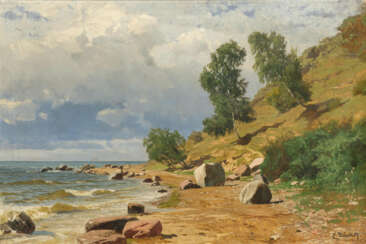

Eugen Gustav Dücker was a Baltic German painter, in the Romantic style, associated with the Düsseldorfer Malerschule.
Despite his career's roots in Germany, he spent much of his time in Estonia, where he painted idyllic landscapes of the sea and the countryside. He also made numerous trips to Holland, Belgium, France and Italy.





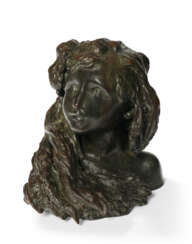

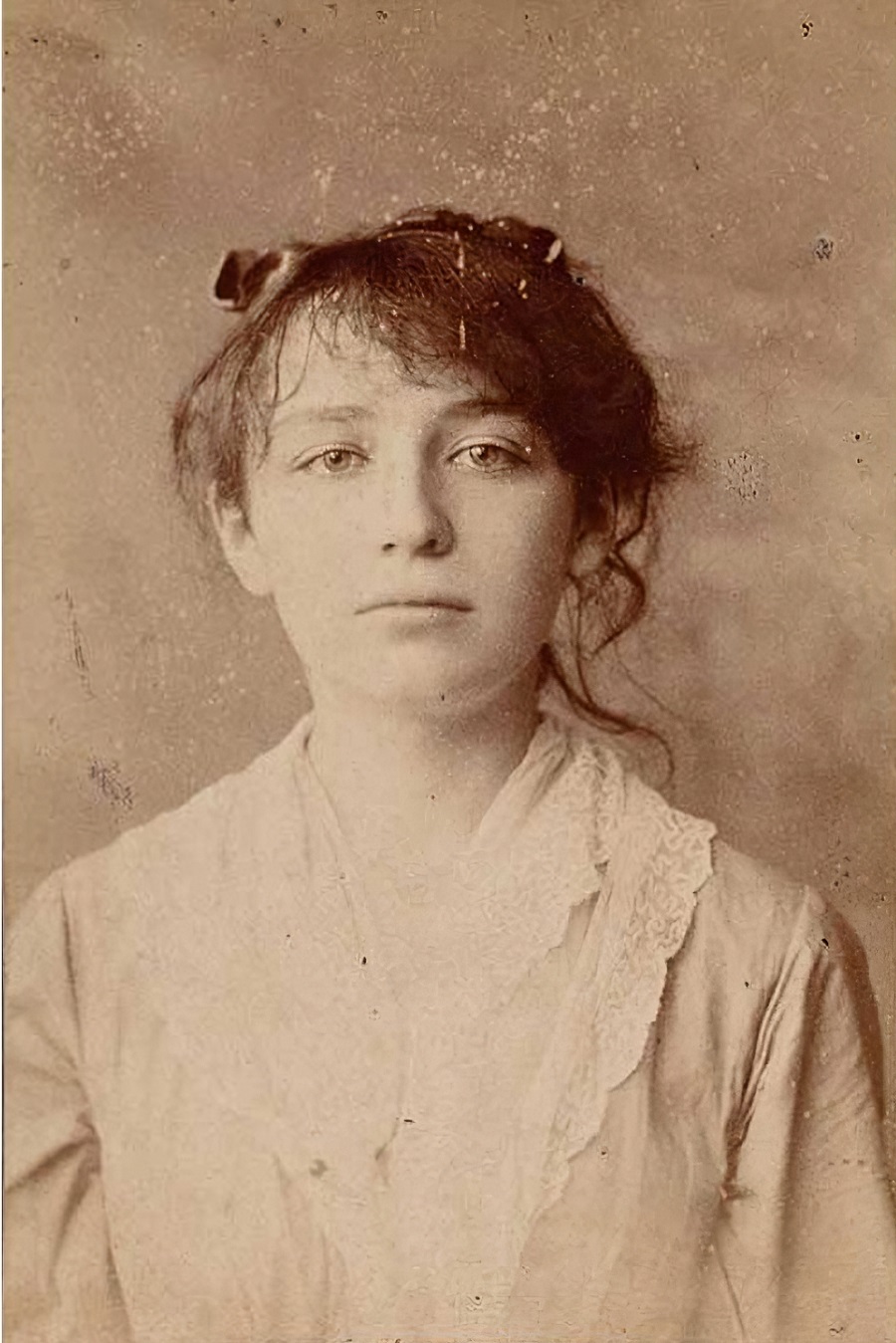
Camille Claudel was a French sculptor. She is known for her powerful and emotionally charged sculptures, which often portrayed human figures in moments of intense emotion or turmoil.
Claudel studied art in Paris under the tutelage of Auguste Rodin, and the two became lovers and collaborators for several years. Her work was heavily influenced by Rodin's style, and she often portrayed human bodies with a sense of fluidity and movement that was characteristic of his work.
Claudel's sculptures were praised for their technical skill and emotional intensity, but she struggled to gain recognition as an artist in her own right. She was frequently dismissed as simply a student of Rodin, and her personal life was marked by a series of setbacks and tragedies.
In 1913, Claudel suffered a nervous breakdown and was committed to a mental institution by her family, where she remained for the rest of her life. Her work was largely forgotten until the late 20th century, when a renewed interest in her life and career led to a reassessment of her place in the history of modern art. Today, her sculptures are celebrated for their technical virtuosity and emotional power, and her story has become an inspiration to many artists and scholars.