f dick











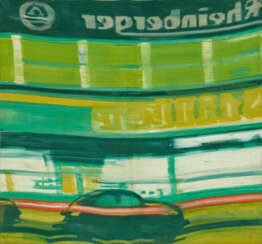

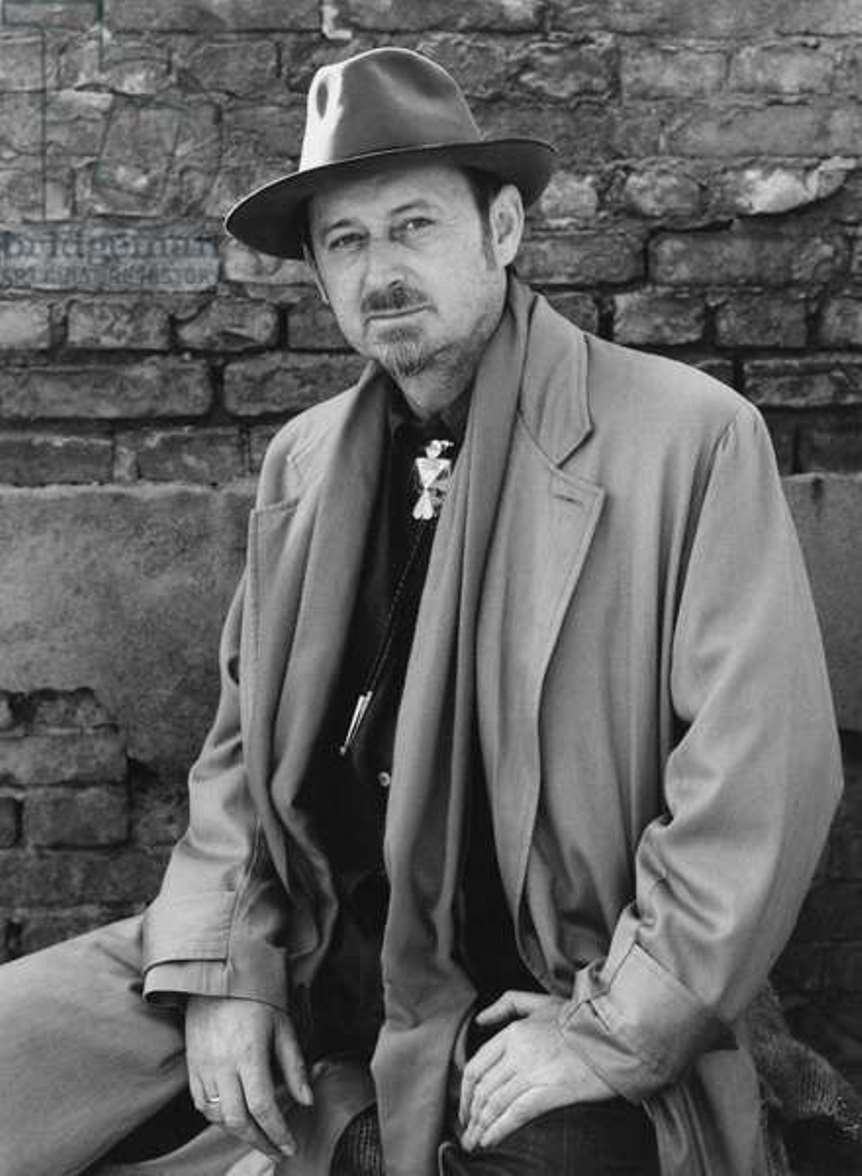
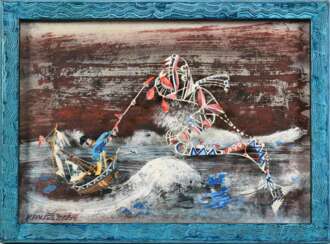
Karl Horst Hödicke is a German artist, a pioneer of German Neo-Expressionism and new figuration, and one of the most important representatives of German post-war painting.
After moving to Berlin in 1957, Hödicke encountered the eventful history of Berlin - the construction of the Berlin Wall, the Cold War, and reunification - and reflected it in his paintings.
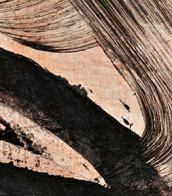
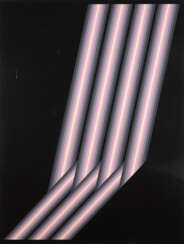


Axel Dick was one of the most important German representatives of geometric abstraction and op art.
During a trip to New York in 1965, Axel Dick discovered the path to Conceptualism. It was a style he followed for the rest of his life.
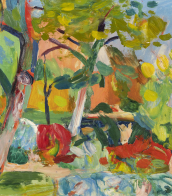
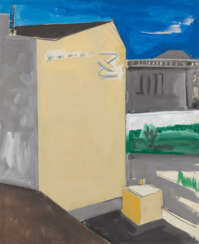

Karl Horst Hödicke is a German artist, a pioneer of German Neo-Expressionism and new figuration, and one of the most important representatives of German post-war painting.
After moving to Berlin in 1957, Hödicke encountered the eventful history of Berlin - the construction of the Berlin Wall, the Cold War, and reunification - and reflected it in his paintings.



Karl Horst Hödicke is a German artist, a pioneer of German Neo-Expressionism and new figuration, and one of the most important representatives of German post-war painting.
After moving to Berlin in 1957, Hödicke encountered the eventful history of Berlin - the construction of the Berlin Wall, the Cold War, and reunification - and reflected it in his paintings.

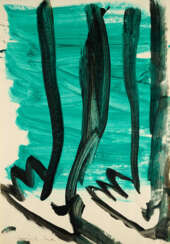

Karl Horst Hödicke is a German artist, a pioneer of German Neo-Expressionism and new figuration, and one of the most important representatives of German post-war painting.
After moving to Berlin in 1957, Hödicke encountered the eventful history of Berlin - the construction of the Berlin Wall, the Cold War, and reunification - and reflected it in his paintings.

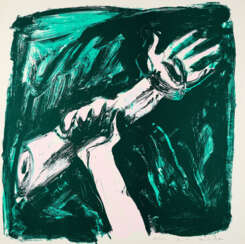

Karl Horst Hödicke is a German artist, a pioneer of German Neo-Expressionism and new figuration, and one of the most important representatives of German post-war painting.
After moving to Berlin in 1957, Hödicke encountered the eventful history of Berlin - the construction of the Berlin Wall, the Cold War, and reunification - and reflected it in his paintings.
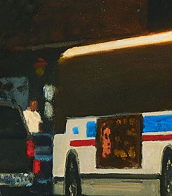
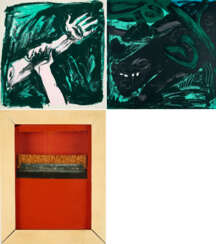

Karl Horst Hödicke is a German artist, a pioneer of German Neo-Expressionism and new figuration, and one of the most important representatives of German post-war painting.
After moving to Berlin in 1957, Hödicke encountered the eventful history of Berlin - the construction of the Berlin Wall, the Cold War, and reunification - and reflected it in his paintings.


Karl Horst Hödicke is a German artist, a pioneer of German Neo-Expressionism and new figuration, and one of the most important representatives of German post-war painting.
After moving to Berlin in 1957, Hödicke encountered the eventful history of Berlin - the construction of the Berlin Wall, the Cold War, and reunification - and reflected it in his paintings.

![[Charles Dickens (1812-1870)] – Hablot Knight Browne ['Phiz'] (1815-1882)](/assets/image/picture_3619865/cc723/6e06e3e46ec063690ea5de1f3fe4402b1701428400jpg__fix_374_244.jpeg)
![[Charles Dickens (1812-1870)] – Hablot Knight Browne ['Phiz'] (1815-1882)](https://veryimportantlot.com/assets/image/picture_3619865/cc723/6e06e3e46ec063690ea5de1f3fe4402b1701428400jpg__fix_374_244.jpeg)
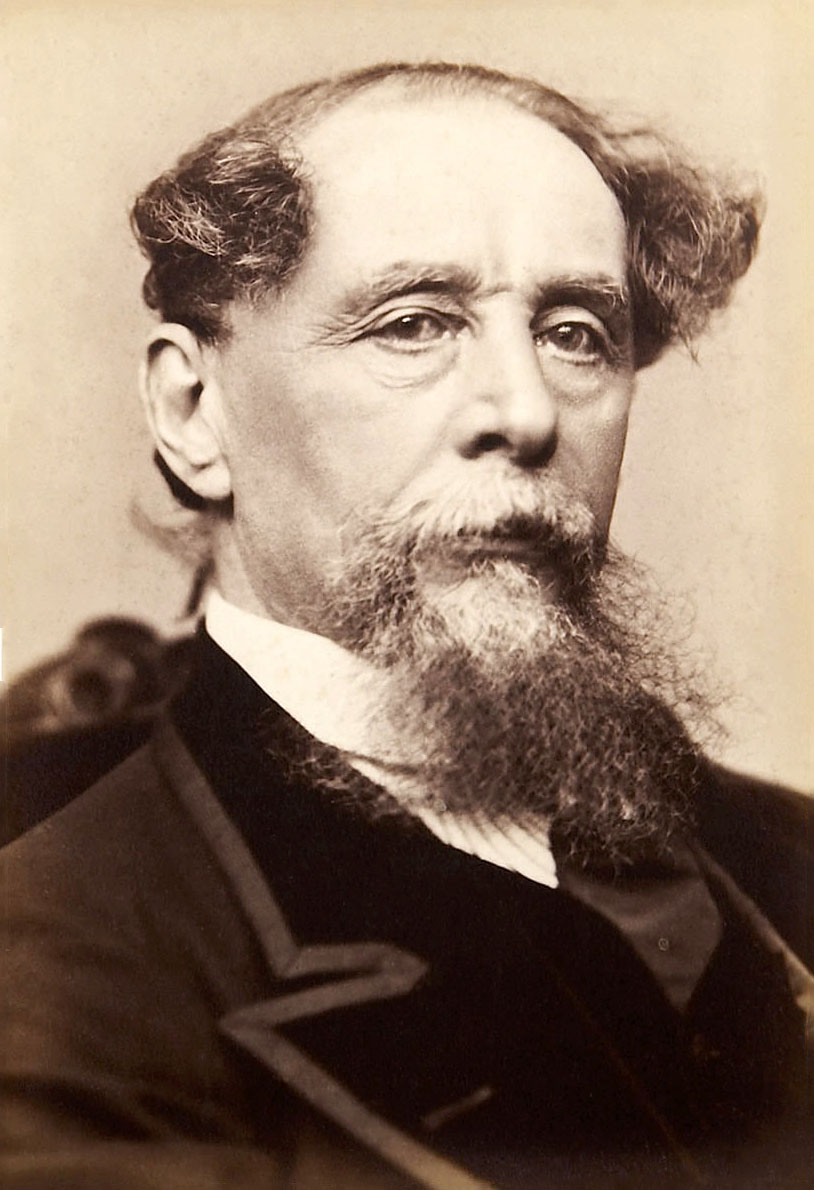
Charles Dickens, full name Charles John Huffam Dickens, is the most famous British writer of the Victorian era, a classic of world literature.
From childhood the future writer learned all the hardships of life in poverty: his father in prison for debts, hard work in a factory. Then service stenographer in court and reporter developed in him a strong attachment to journalism and contempt for both the law and parliament.
Dickens had many talents: in addition to literary work, he was an actor, published periodicals, arranged numerous literary readings, where he reveled in the admiration and love of the public. Fecund and versatile, Charles Dickens wrote many brilliant and often comic works. His novels cover a wide range of social, moral, emotional and other aspects. As a subtle psychologist, he is also very interested in the most ordinary people, but also the eccentric, the flawed, and even the insane.
Dickens was immensely popular around the world during his lifetime. His intellect, worldview, and deep reflections on society and its faults enriched his novels and made him one of the great figures of nineteenth-century literature, an influential spokesman for the conscience of his time.
Dickens' best-known and most popular novels are The Pickwick Club Posthumous Notes, Oliver Twist, Nicholas Nickleby, David Copperfield, Cold House, A Tale of Two Cities, Our Mutual Friend, Great Expectations, and The Mystery of Edwin Drood.
![[Charles Dickens (1812-1870)] – Hablot Knight Browne ['Phiz'] (1815-1882)](/assets/image/picture_4084696/7fc24/kxityx4pwpqsgadwj41juc6osfvgijev7j5mm7k0syun4lvfpwnk7sfdrzsdtq01719907996jpg__fix_374_244.jpeg)
![[Charles Dickens (1812-1870)] – Hablot Knight Browne ['Phiz'] (1815-1882)](https://veryimportantlot.com/assets/image/picture_4084696/7fc24/kxityx4pwpqsgadwj41juc6osfvgijev7j5mm7k0syun4lvfpwnk7sfdrzsdtq01719907996jpg__fix_374_244.jpeg)
Charles Dickens, full name Charles John Huffam Dickens, is the most famous British writer of the Victorian era, a classic of world literature.
From childhood the future writer learned all the hardships of life in poverty: his father in prison for debts, hard work in a factory. Then service stenographer in court and reporter developed in him a strong attachment to journalism and contempt for both the law and parliament.
Dickens had many talents: in addition to literary work, he was an actor, published periodicals, arranged numerous literary readings, where he reveled in the admiration and love of the public. Fecund and versatile, Charles Dickens wrote many brilliant and often comic works. His novels cover a wide range of social, moral, emotional and other aspects. As a subtle psychologist, he is also very interested in the most ordinary people, but also the eccentric, the flawed, and even the insane.
Dickens was immensely popular around the world during his lifetime. His intellect, worldview, and deep reflections on society and its faults enriched his novels and made him one of the great figures of nineteenth-century literature, an influential spokesman for the conscience of his time.
Dickens' best-known and most popular novels are The Pickwick Club Posthumous Notes, Oliver Twist, Nicholas Nickleby, David Copperfield, Cold House, A Tale of Two Cities, Our Mutual Friend, Great Expectations, and The Mystery of Edwin Drood.


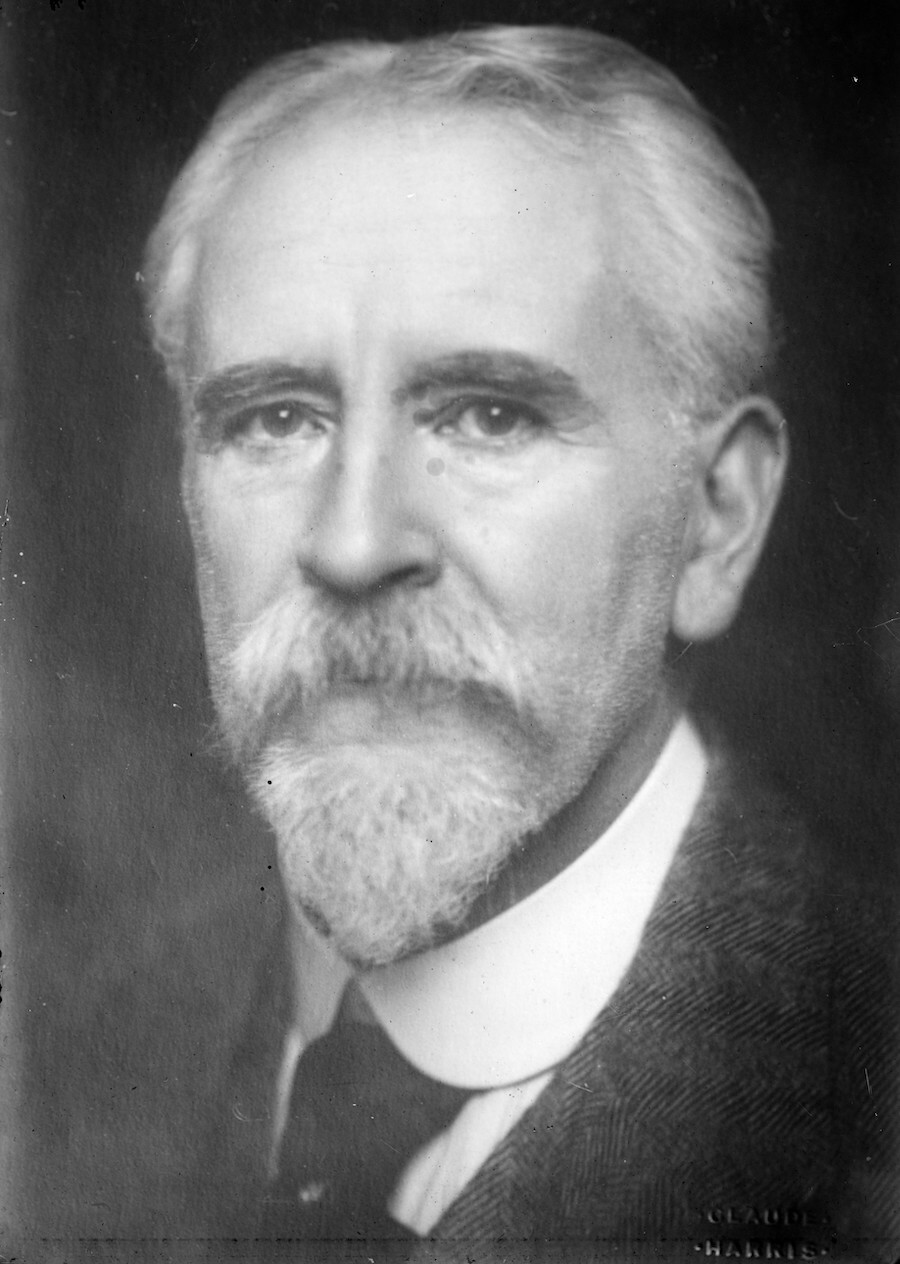
Francis Bernard Dicksee was an eminent English painter and illustrator, celebrated for his dramatic portrayals of historical, literary, and legendary themes. Born into an artistic family in 1853, Dicksee received his early education in art from his father, Thomas Dicksee, a renowned painter himself. His proficiency in art was evident from a young age, leading to his enrollment at the Royal Academy Schools at the tender age of 17.
Dicksee's works are characterized by their romantic flair and vivid storytelling. He masterfully blended color, emotion, and detailed historical settings to create captivating scenes. His most notable works include "The Funeral of a Viking" (1893), housed at the Manchester Art Gallery, and "The Two Crowns" (1900), celebrated for its striking medieval pageantry. These paintings, along with others like "Romeo and Juliet" (1884) and "Chivalry" (1885), exemplify his skill in romantic and historical portrayals.
Throughout his career, Dicksee remained true to his Victorian roots, often expressing skepticism towards modernism in art. His dedication to traditional artistic values led to his election as the President of the Royal Academy in 1924, a position that reflected his standing and contributions to the art world. Despite his reservations about modern artistic trends, Dicksee's work continued to resonate with audiences, cementing his legacy as a quintessential Victorian artist.
Dicksee's influence extended beyond the canvas; his paintings like "The Funeral of a Viking" found a place in popular culture, being used as album covers by bands like Bathory. His comprehensive portfolio, documented by Simon Toll in a 2016 publication, reveals a rich tapestry of portraits, historical scenes, and romantic depictions, offering a window into the Victorian era's artistic sensibilities.
For art collectors and enthusiasts, Dicksee's work represents a significant chapter in the history of English painting. His paintings, often featuring dramatic and emotional scenes, are not just artistic masterpieces but also historical documents that capture the essence of an era.
To stay informed about new discoveries and sales related to Francis Bernard Dicksee's works, sign up for updates. This subscription is an excellent resource for collectors and art experts, providing timely information on auction events and product sales related to this influential artist.


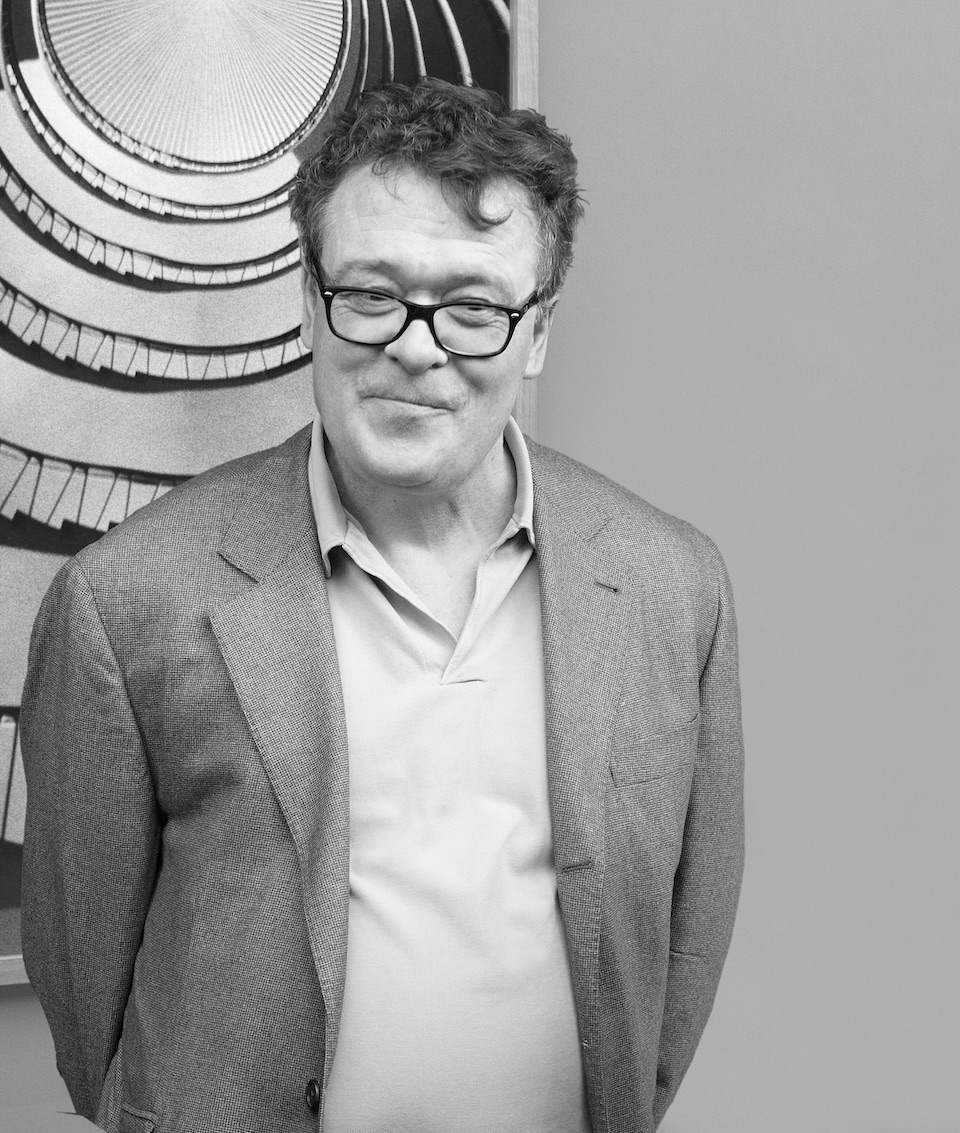
Günther Förg was a German painter, graphic designer, sculptor and photographer. His abstract style was influenced by American abstract painting.
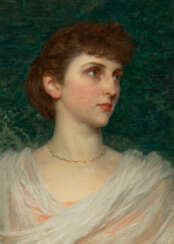

Francis Bernard Dicksee was an eminent English painter and illustrator, celebrated for his dramatic portrayals of historical, literary, and legendary themes. Born into an artistic family in 1853, Dicksee received his early education in art from his father, Thomas Dicksee, a renowned painter himself. His proficiency in art was evident from a young age, leading to his enrollment at the Royal Academy Schools at the tender age of 17.
Dicksee's works are characterized by their romantic flair and vivid storytelling. He masterfully blended color, emotion, and detailed historical settings to create captivating scenes. His most notable works include "The Funeral of a Viking" (1893), housed at the Manchester Art Gallery, and "The Two Crowns" (1900), celebrated for its striking medieval pageantry. These paintings, along with others like "Romeo and Juliet" (1884) and "Chivalry" (1885), exemplify his skill in romantic and historical portrayals.
Throughout his career, Dicksee remained true to his Victorian roots, often expressing skepticism towards modernism in art. His dedication to traditional artistic values led to his election as the President of the Royal Academy in 1924, a position that reflected his standing and contributions to the art world. Despite his reservations about modern artistic trends, Dicksee's work continued to resonate with audiences, cementing his legacy as a quintessential Victorian artist.
Dicksee's influence extended beyond the canvas; his paintings like "The Funeral of a Viking" found a place in popular culture, being used as album covers by bands like Bathory. His comprehensive portfolio, documented by Simon Toll in a 2016 publication, reveals a rich tapestry of portraits, historical scenes, and romantic depictions, offering a window into the Victorian era's artistic sensibilities.
For art collectors and enthusiasts, Dicksee's work represents a significant chapter in the history of English painting. His paintings, often featuring dramatic and emotional scenes, are not just artistic masterpieces but also historical documents that capture the essence of an era.
To stay informed about new discoveries and sales related to Francis Bernard Dicksee's works, sign up for updates. This subscription is an excellent resource for collectors and art experts, providing timely information on auction events and product sales related to this influential artist.


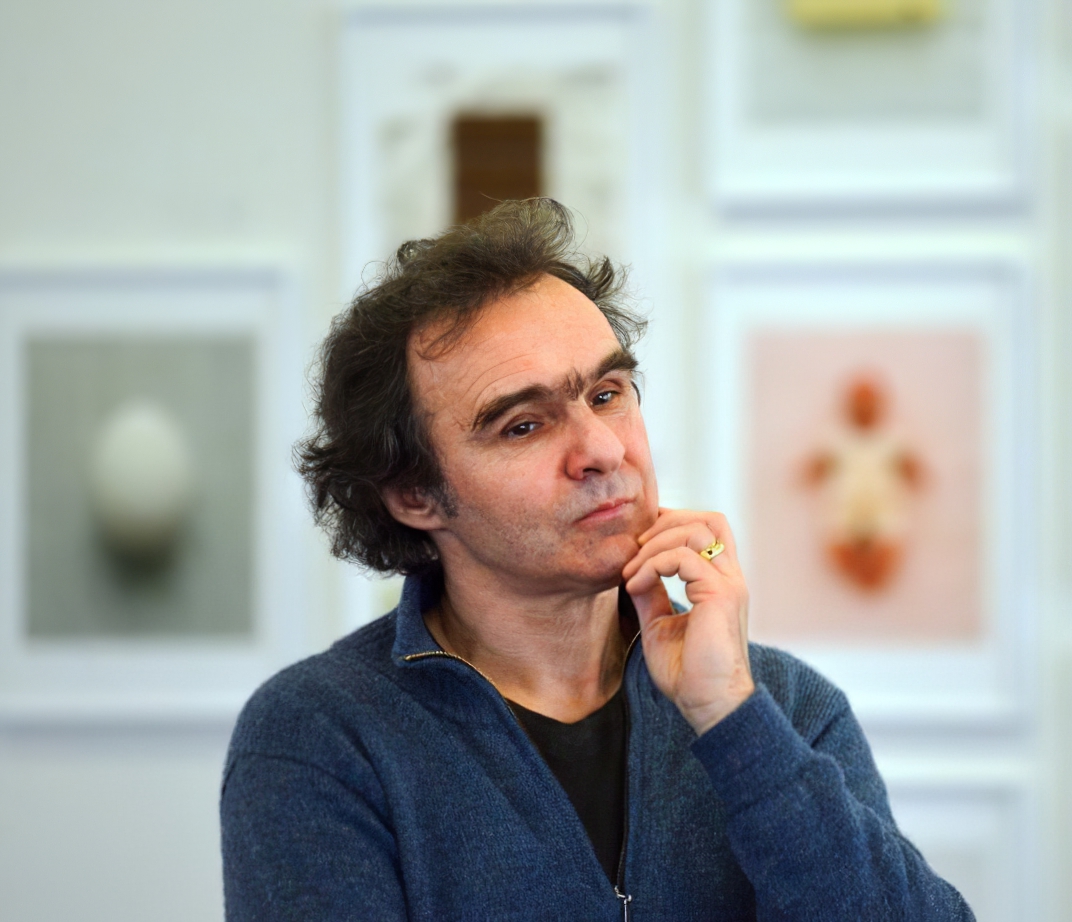
Klaus Goedicke is a contemporary German photographer, a disciple of Bernd Becher.
Klaus Goedicke creates straightforward, bright and impeccably composed still lifes. His specialty is object photography and his subject is consumer culture: plastic bottles, household items, food. Everything is photographed against a flat, colourful background to draw the viewer's attention to form. With its frontal straightness, glossy sheen and precise lighting, Gödicke's work is reminiscent of the visual language of advertising.