familien

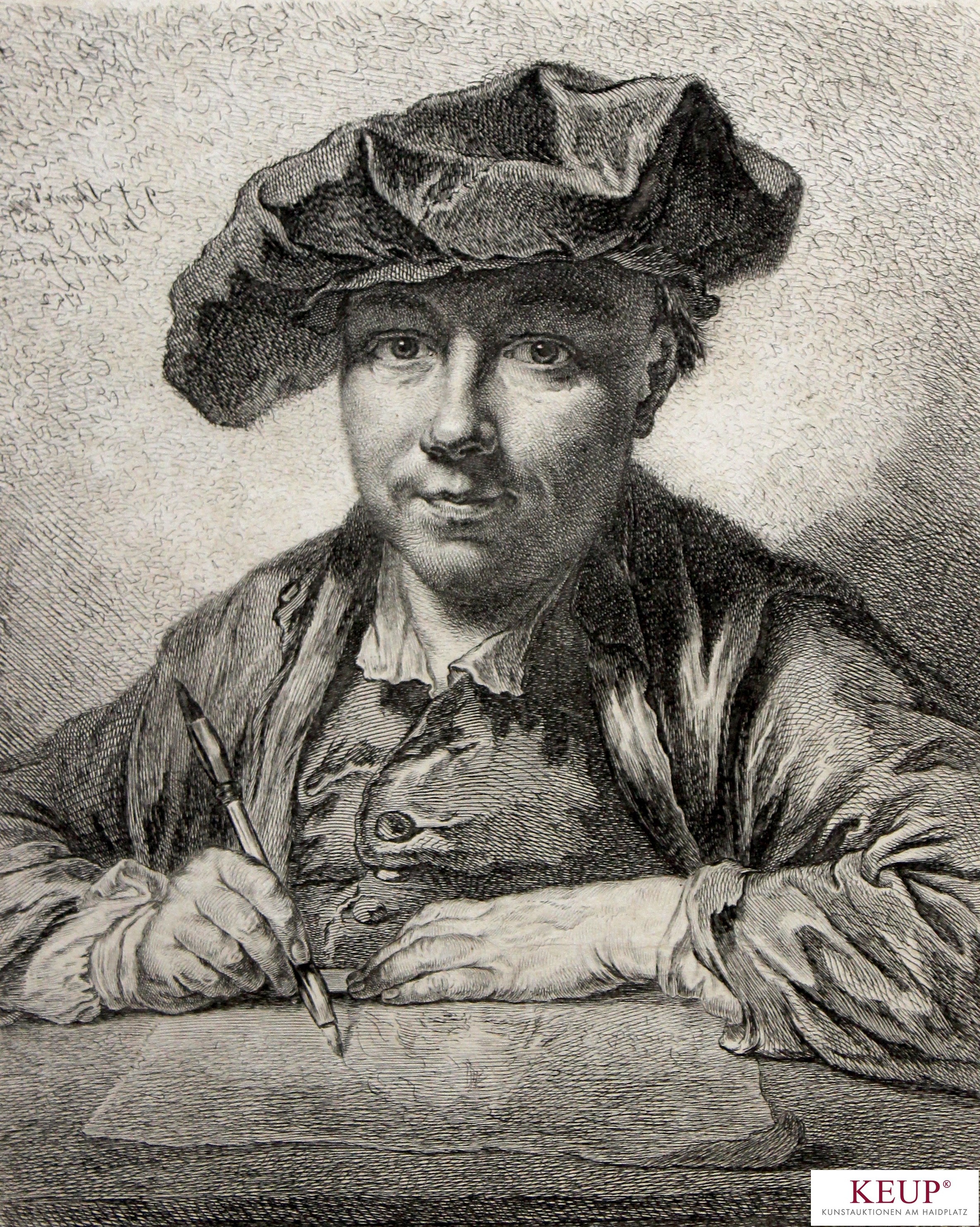














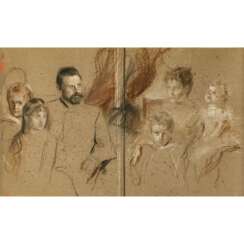

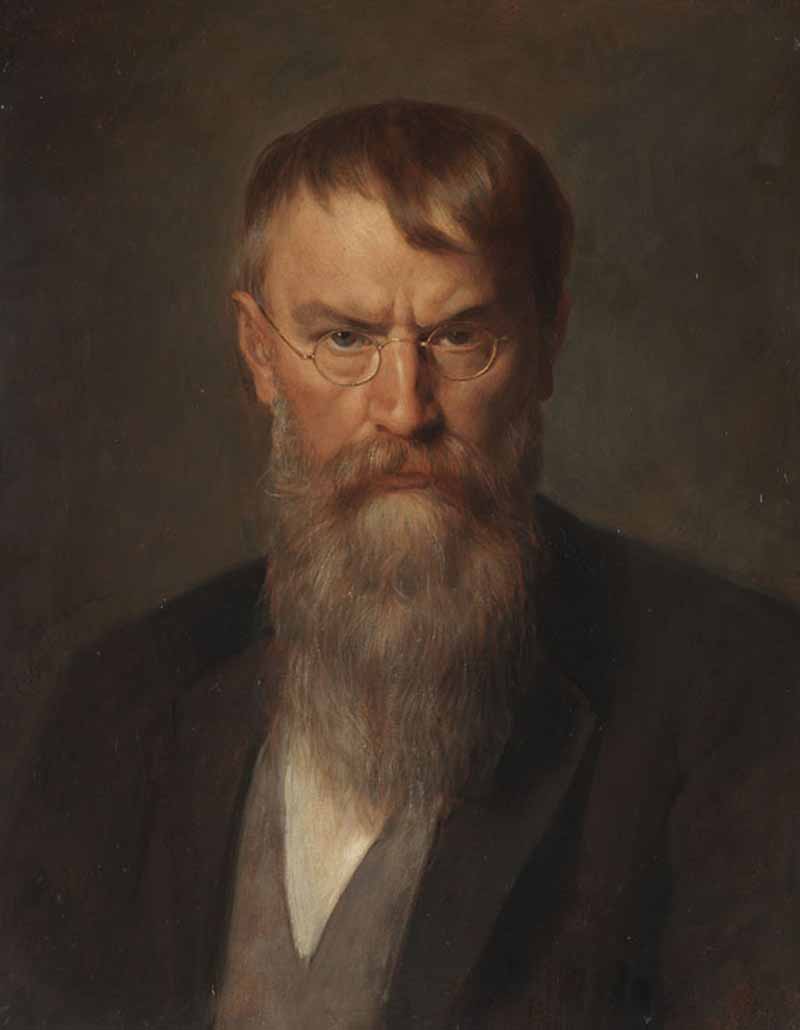
Franz Seraph Lenbach was a German painter known primarily for his portraits of prominent personalities from the nobility, the arts, and industry. Because of his standing in society, he was often referred to as the "Malerfürst" (Painter Prince).

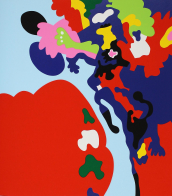


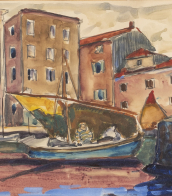
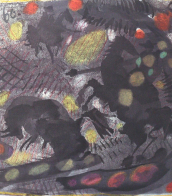




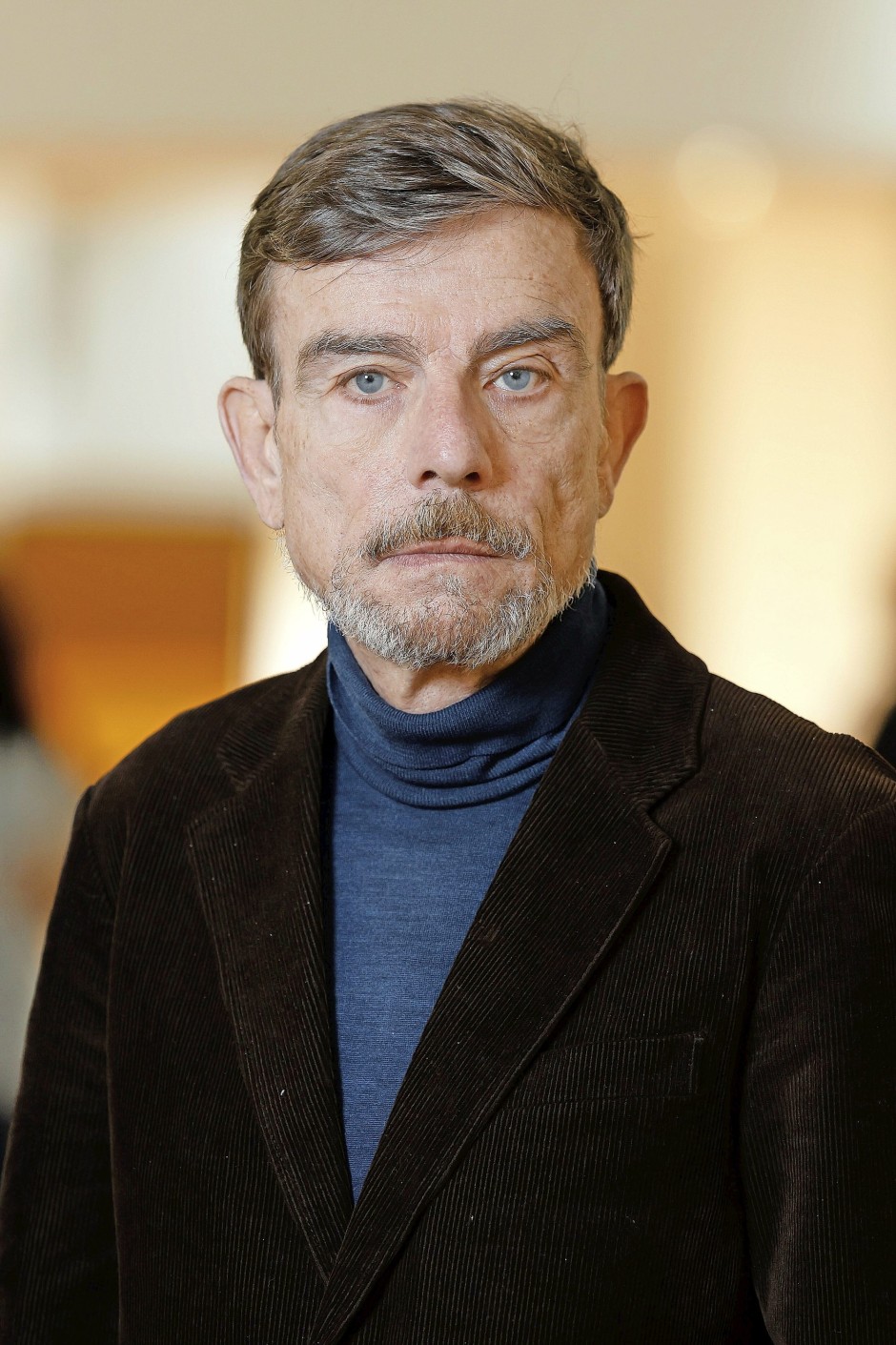

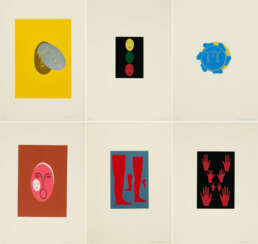

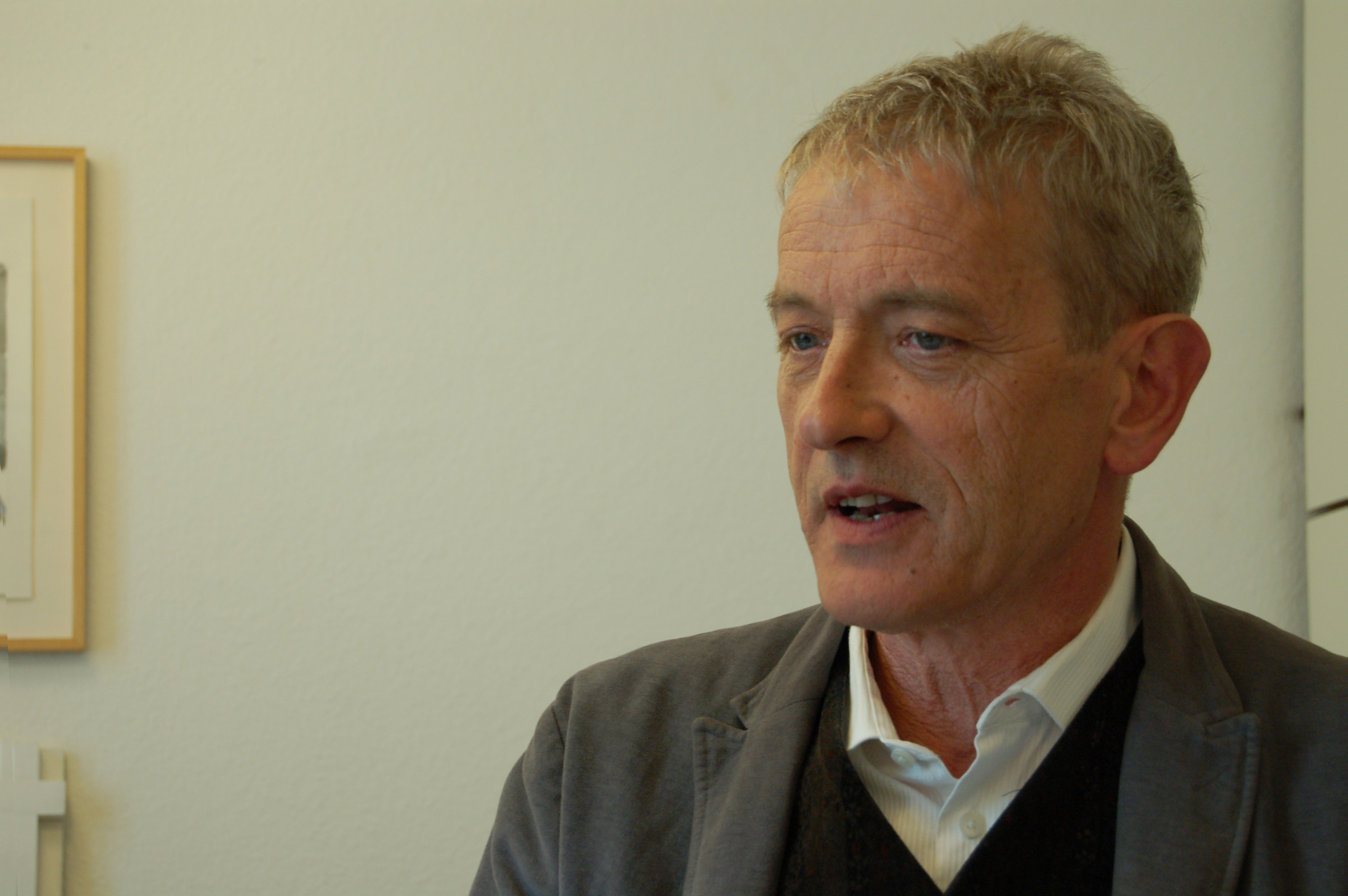
Thomas Huber is a Swiss contemporary artist renowned for his ability to weave metaphysical narratives and architectural elements into his figurative paintings. Thomas Huber has cultivated a unique artistic language that explores the relationship between space, reality, and perception through a blend of surreal scenarios and precise perspective.
Thomas Huber's work is characterized by its introspective quality, often described as "paintings about paintings," reflecting on the nature of art itself. His style, marked by clean lines and a cool, detached aesthetic, uses architecture and space to question the boundaries between illusion and reality. This approach has led to a body of work that is both ironic and timeless, inviting viewers into a fantasy world constructed from complex symbols and contradictory elements.
Throughout his career, Huber has received numerous accolades, including the prestigious Prix Meret Oppenheim in 2013 and the Art Prize of the Heitland Foundation in 2005. His works are part of significant collections in both Germany and France, and he has been featured in solo and group exhibitions worldwide.
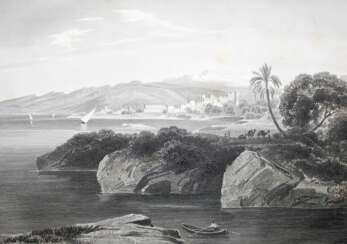
One of Thomas Huber's recent exhibitions, "Lago Maggiore" at MASI Lugano, showcases a series of large-scale paintings and watercolors inspired by the breathtaking views of Lake Maggiore. This body of work represents a pictorial homecoming for Huber, reflecting a shift in his artistic focus towards nature and the landscapes of his youth. The exhibition not only highlights Huber's transition from architectural to natural themes but also maintains his signature exploration of the imaginary and real through meticulous composition and atmospheric depth.
For collectors and experts in art and antiques, Thomas Huber's oeuvre offers a rich exploration of the intersections between art, architecture, and the metaphysical. His ability to challenge and redefine perceptions of reality through his work makes him a significant figure in contemporary art.
To discover more about Thomas Huber's work and to stay updated on new sales and auction events related to his art, signing up for updates is highly recommended. This subscription is a valuable resource for anyone interested in the evolving landscape of contemporary art and the unique contributions of Thomas Huber.





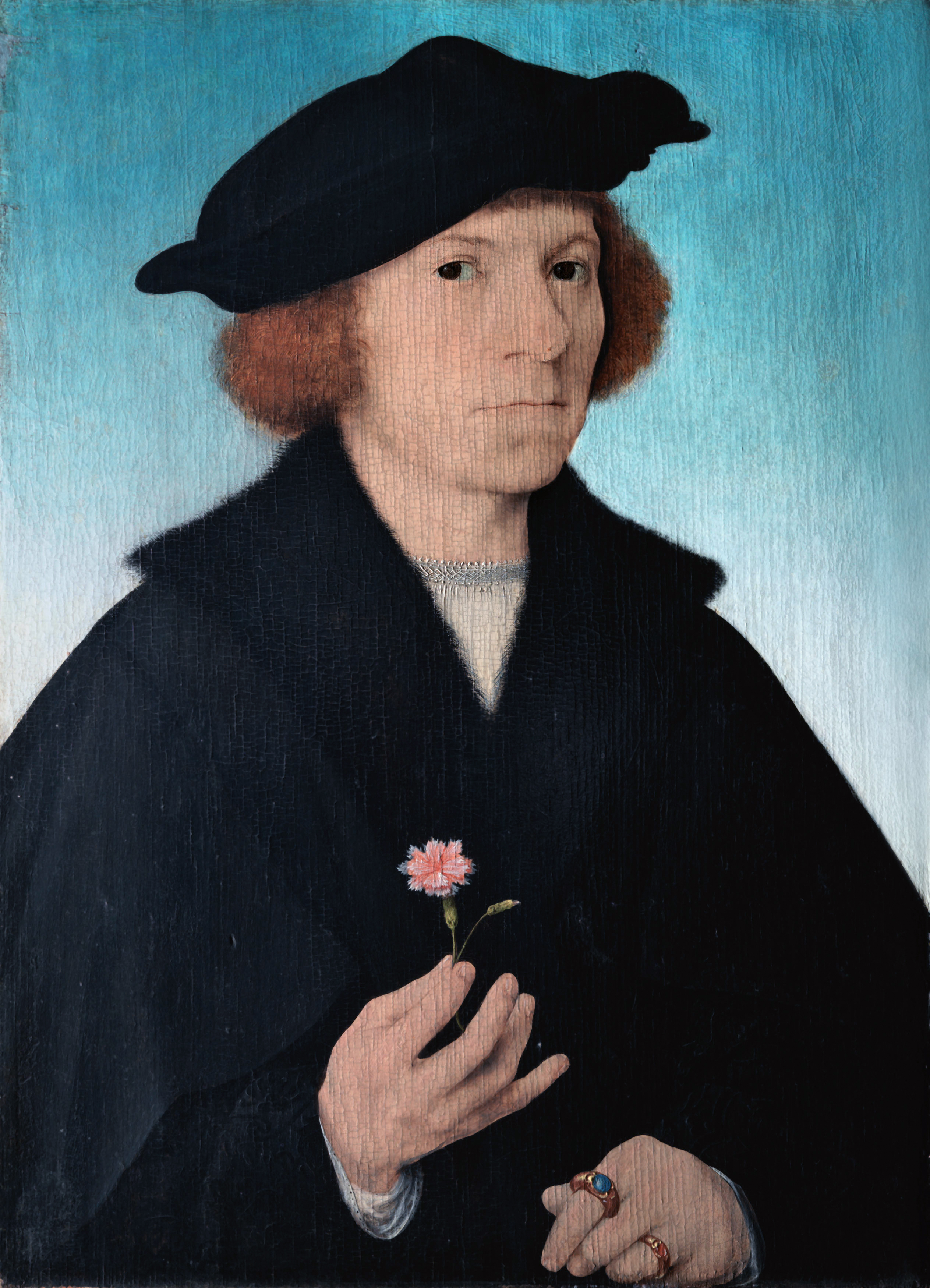
Joos van Cleve, also known by his real name Joos van der Beke, was a prominent Netherlandish painter, active mainly in Antwerp from about 1511 until his death in 1540 or 1541. His work predominantly centered around religious subjects and portraits, including notable commissions for the French King Francis I during his time at the French court. His artistic oeuvre reflects a blend of traditional Netherlandish painting techniques with contemporary Renaissance styles, showcasing his direct knowledge of local art combined with an awareness of Italian developments.
Van Cleve's work was characterized by its elaborate detail, particularly in his altarpieces which often incorporated portraits and landscapes, demonstrating his refined painting style. His success in Antwerp was significant, and he was also recognized at the French court, indicating his high regard as a portrait artist. Notably, Van Cleve had the opportunity to paint members of the royal court, including King Francis I and Queen Eleanor of Austria, underscoring his skills in portraiture.
His paintings are recognized for their sensitivity to color and a unique solidity of figures, with some works showcasing the popular style of Antwerp Mannerism. Van Cleve was an innovator in introducing broad world landscapes in the backgrounds of his paintings, a technique that became popular in sixteenth-century northern Renaissance paintings. Despite his contributions to the Renaissance art movement, Van Cleve also produced works that were highly eclectic, drawing on the styles of earlier Netherlandish masters as well as Italian influences, particularly in his use of sfumato, evident in his Virgin and Child compositions.
For art collectors and experts, Joos van Cleve's legacy offers a rich exploration into the transition from medieval to Renaissance art in Northern Europe. His body of work, found in prestigious collections such as the National Gallery in Prague, the Louvre, and the Royal Museums of Fine Arts of Belgium, remains a testament to his versatility and skill as a painter of both religious narratives and royal portraits.
To delve deeper into the fascinating world of Joos van Cleve and to stay informed about exhibitions or sales featuring his work, consider signing up for updates from art institutions and auction houses. This subscription will ensure you remain at the forefront of developments and opportunities related to this influential artist's oeuvre, enhancing your collection and understanding of Renaissance art.

Giambattista Pittoni, an illustrious Venetian painter from the 18th century, was renowned for his religious, historical, and mythological artworks. His style, once established, remained consistent throughout his career, characterized by fluency and expressive theatricality, making his paintings timeless within the Venetian art scene. Despite being less traveled compared to his contemporaries, Pittoni received numerous international commissions, particularly from Germany, reflecting his widespread acclaim.
Giambattista Pittoni's works include altarpieces for various churches across Italy and notable commissions from European royalty and aristocracy. His patrons included Augustus II of Poland, Clemens August of Bavaria, and Philip V of Spain, showcasing his significant influence beyond Italian borders. His artistic journey was influenced by early interactions with Venetian painters like Sebastiano Ricci and later by the Rococo style, evident in his sophisticated and elegant use of color.
Giambattista Pittoni's legacy is evident in various collections, including the National Gallery, London, and the Gallerie dell'Accademia in Venice, which houses a collection of his preparatory studies. As a founding member and later president of the Venice Academy, his contributions to the art world were substantial, leaving an enduring impact on the Venetian art scene and beyond.
For those interested in delving deeper into the world of Venetian art and exploring Giambattista Pittoni's exquisite works, consider signing up for updates on exhibitions, sales, and auctions featuring his art. This will provide enthusiasts and collectors with the latest information and opportunities to engage with Pittoni's enduring artistic legacy.


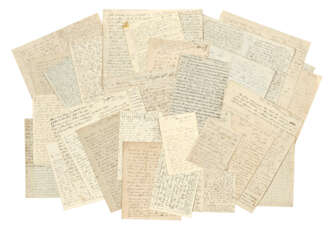
![[EDEN FAMILY].](/assets/image/picture_2401300/09288/27194d0df96e4e435d45054c0693e4f31666303200jpg__fix_374_244.jpeg)
![[EDEN FAMILY].](https://veryimportantlot.com/assets/image/picture_2401300/09288/27194d0df96e4e435d45054c0693e4f31666303200jpg__fix_374_244.jpeg)






.jpeg)
Sir John Frederick William Herschel, 1st Baronet was a British astronomer and son of the Uranus discoverer Wilhelm Herschel. He is credited with the first double star and nebula catalogues of the southern starry sky, which he observed during a five-year stay near Cape Town.

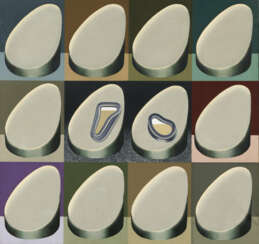

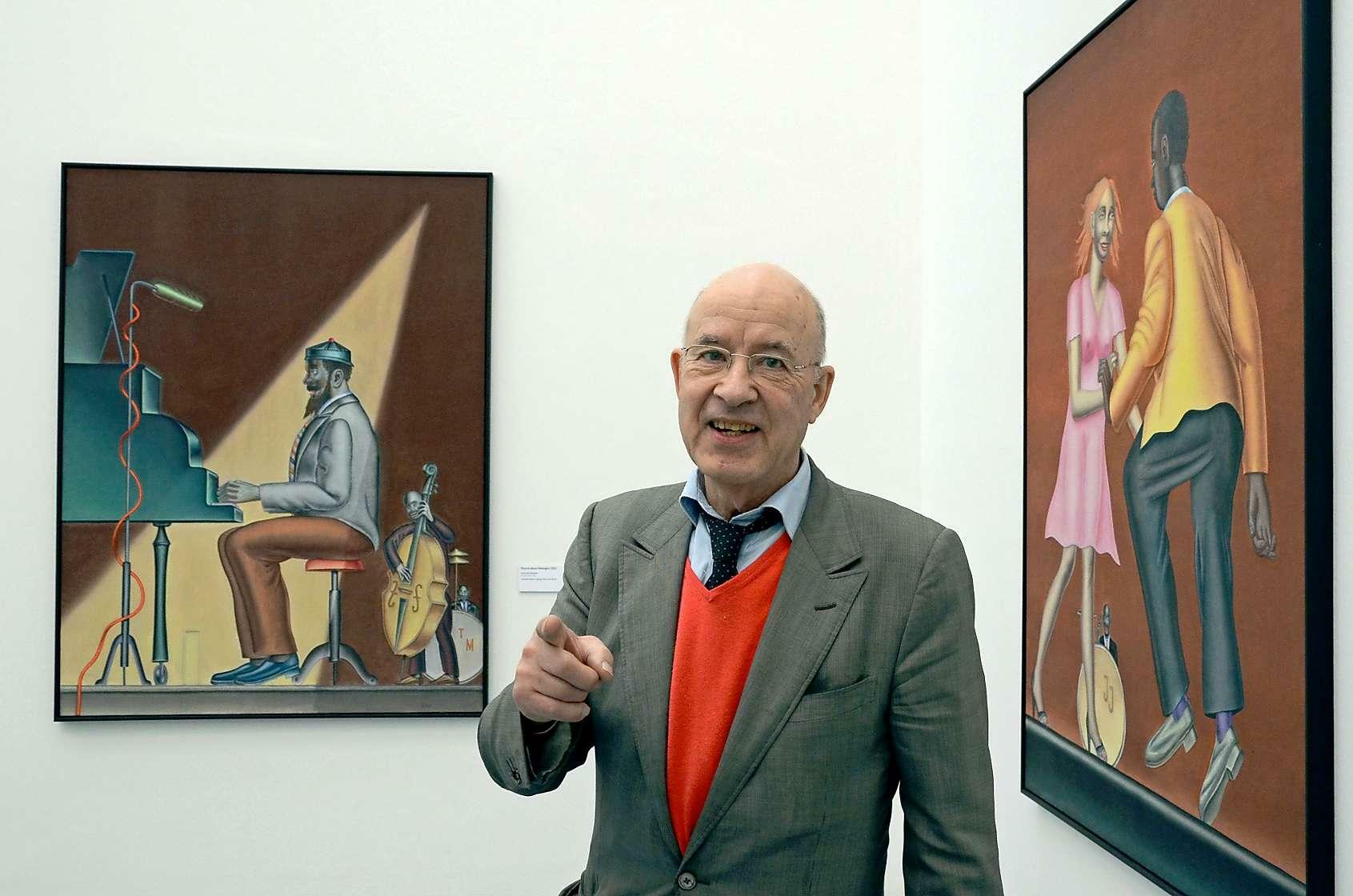
Konrad Klapheck is a German painter and graphic artist whose style of painting combines features of Surrealism and Pop art.