family of power






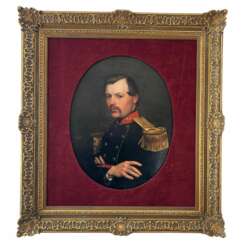








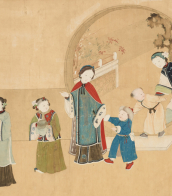
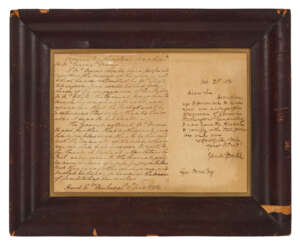

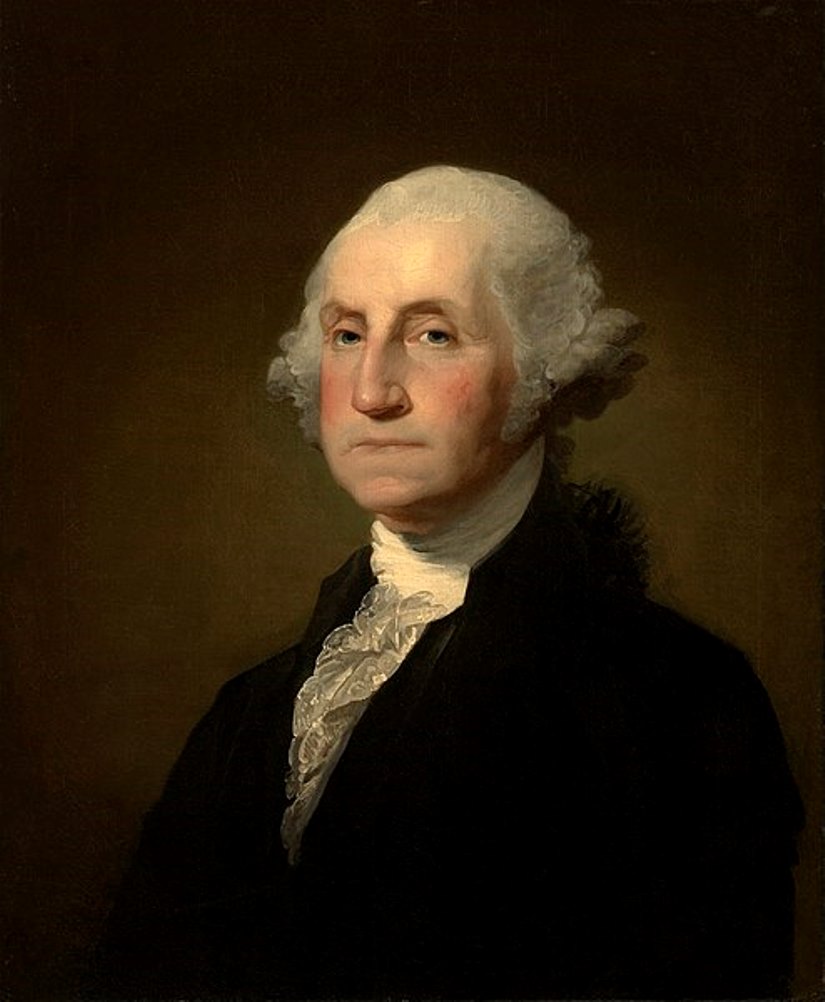
George Washington is the first popularly elected president of the United States of America and one of the founding fathers of the United States.
Born into a noble family in colonial Virginia in February 1732, George Washington served as a Virginian officer with British troops during the French-Indian War (1754-1763) from 1754-1758. This was a territorial war fought largely between the colonies of Britain and France that escalated into a worldwide conflict between the two countries. J. Washington was at the center of the conflicts in the disputed Ohio River Valley area.
In June 1775, he was elected commander-in-chief of the Continental forces in the war already for independence from Great Britain. He commanded American troops throughout the war, becoming famous for his perseverance and bravery.
In 1787, J. Washington represented the state of Virginia as a delegate to the Constitutional Convention. This convention created the Constitution of the United States. In 1789, the Electoral College unanimously elected George Washington president, and in 1792 he was re-elected for a second term. Thus George Washington was in office as President of the United States from April 30, 1789 to March 4, 1797.
As head of state, he helped to strengthen the Union, implement the principles of the Constitution and build the capital of the United States. He was engaged in the formation of the central authorities and system of government, created precedents for the institution of presidents, encouraged the development of the economy, maintained friendly relations with Congress. In foreign policy Washington avoided interference in the affairs of European states.
After leaving the post of president, George Washington lived in Mount Vernon Manor.
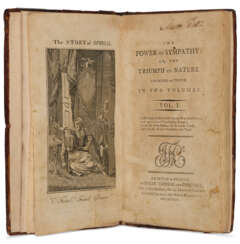

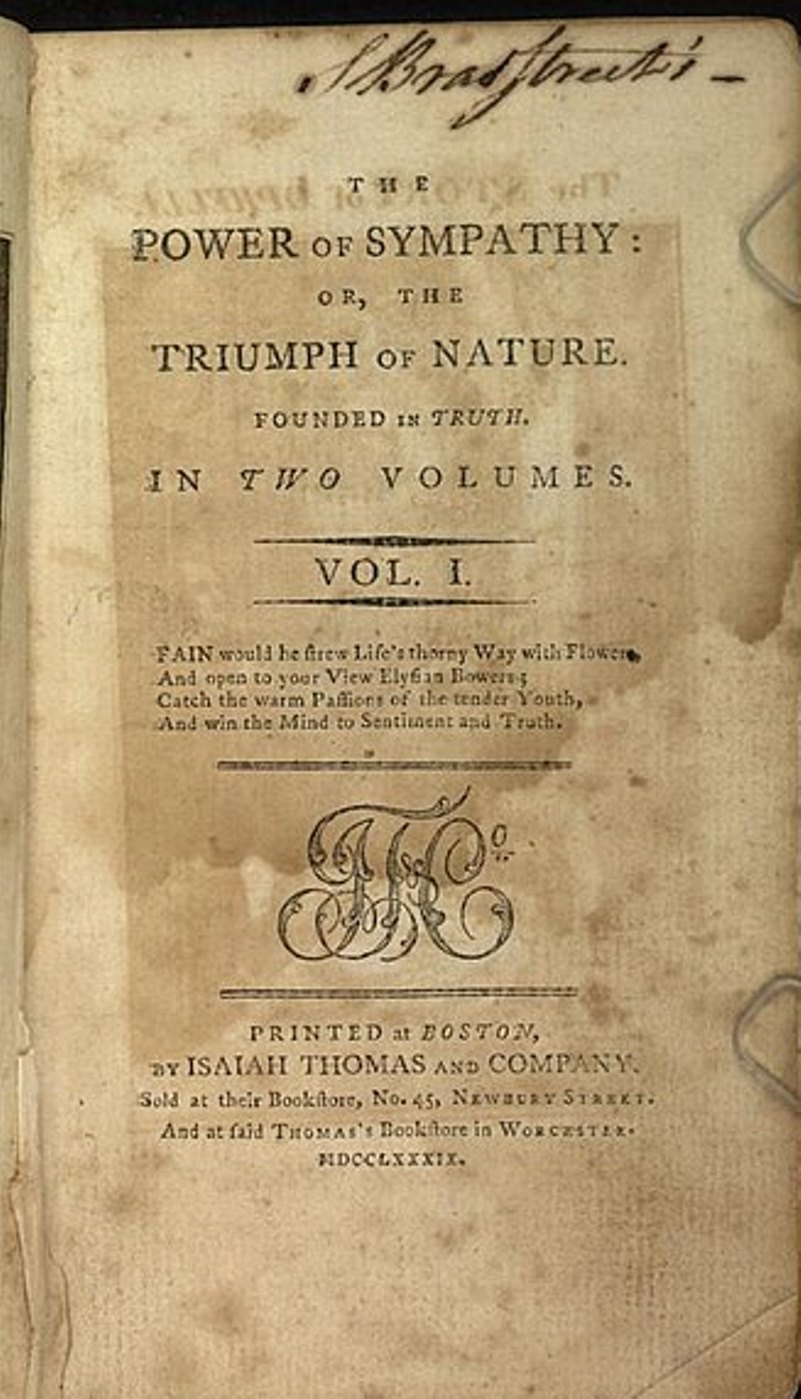
William Hill Brown was an 18th-century American novelist writer.
Brown apparently believed that one of the main purposes of literature was to instill some moral values. It is on this conviction that his novel The Power of Sympathy, or The Triumph of Truth-Based Nature (1789), which is considered the first American novel, is built. It caused a great scandal, however, because it is based on a real-life gruesome story of kidnapping, accidental incest, and suicide.
This novel is a prime example of the American approach to the European genre of the epistolary novel, but with lush descriptions of landscapes and a frank discussion of American slavery. This book can also be considered one of the first explicitly American works of literary criticism, containing lengthy reflections on the nature and purpose of literature and its role in moral formation, especially for women. The popularity of this work initiated the creation of many sentimental novels in the United States.
During his short life, Brown also wrote the romantic novel Harriot, or Domestic Reconciliation (1789), the play West Point Preserved (1797), a tragedy about the death of a Revolutionary spy, a series of verse fables, the West Indies-style comedy Penelope, and a second short novel about incest and seduction, Ira and Isabella.



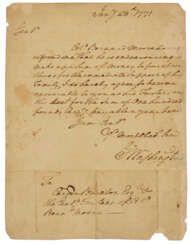

George Washington is the first popularly elected president of the United States of America and one of the founding fathers of the United States.
Born into a noble family in colonial Virginia in February 1732, George Washington served as a Virginian officer with British troops during the French-Indian War (1754-1763) from 1754-1758. This was a territorial war fought largely between the colonies of Britain and France that escalated into a worldwide conflict between the two countries. J. Washington was at the center of the conflicts in the disputed Ohio River Valley area.
In June 1775, he was elected commander-in-chief of the Continental forces in the war already for independence from Great Britain. He commanded American troops throughout the war, becoming famous for his perseverance and bravery.
In 1787, J. Washington represented the state of Virginia as a delegate to the Constitutional Convention. This convention created the Constitution of the United States. In 1789, the Electoral College unanimously elected George Washington president, and in 1792 he was re-elected for a second term. Thus George Washington was in office as President of the United States from April 30, 1789 to March 4, 1797.
As head of state, he helped to strengthen the Union, implement the principles of the Constitution and build the capital of the United States. He was engaged in the formation of the central authorities and system of government, created precedents for the institution of presidents, encouraged the development of the economy, maintained friendly relations with Congress. In foreign policy Washington avoided interference in the affairs of European states.
After leaving the post of president, George Washington lived in Mount Vernon Manor.
![DAVID JORIS (BRUGES [?] CIRCA 1501-1556 BÂLE)](/assets/image/picture_2158607/3cf04/7fdc5862f9b974b2d1cebb4828d043ed1652824800jpg__fix_374_244.jpeg)
![DAVID JORIS (BRUGES [?] CIRCA 1501-1556 BÂLE)](https://veryimportantlot.com/assets/image/picture_2158607/3cf04/7fdc5862f9b974b2d1cebb4828d043ed1652824800jpg__fix_374_244.jpeg)
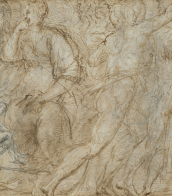


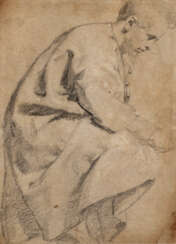

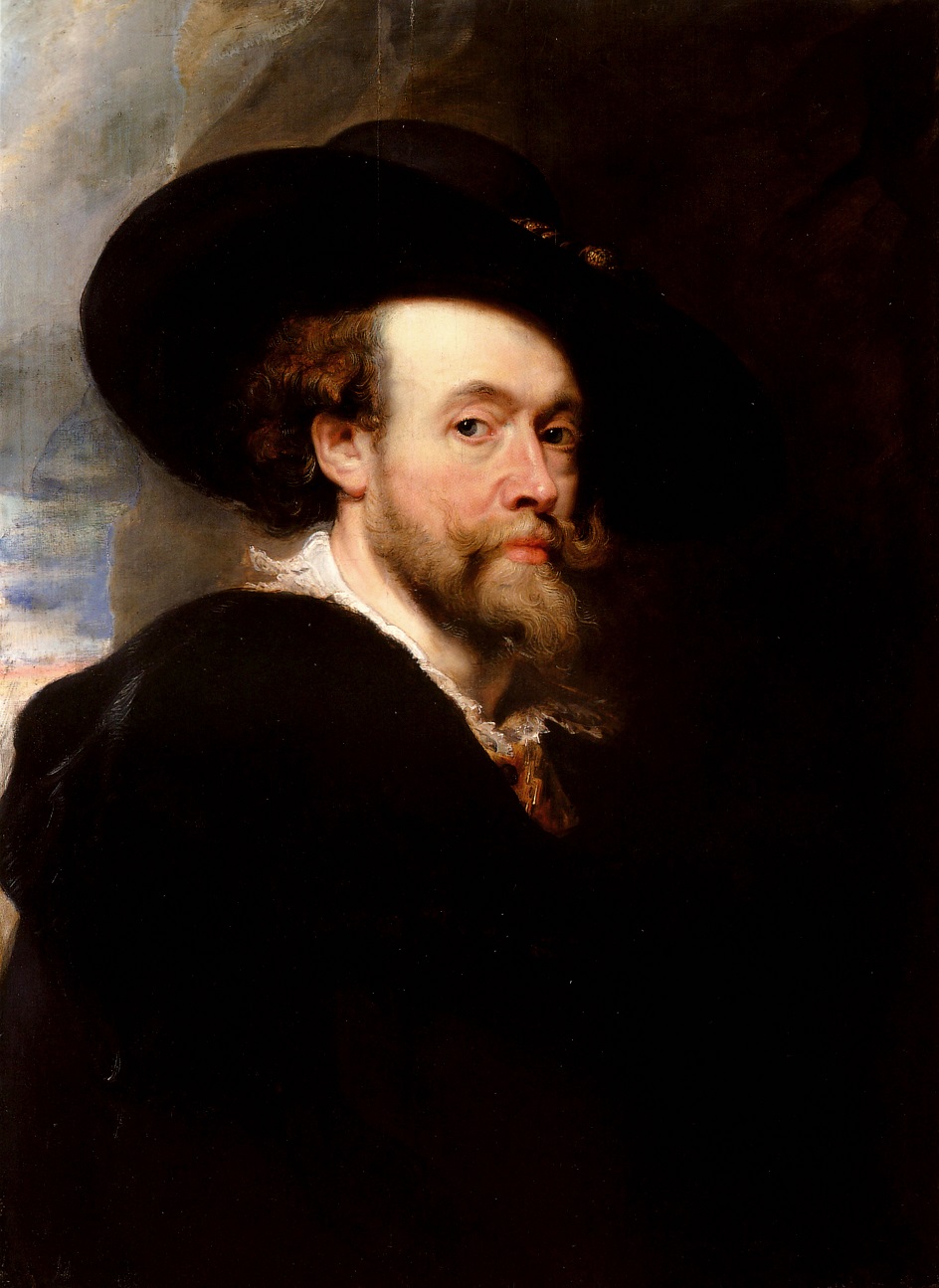
Peter Paul Rubens was a distinguished Flemish Baroque painter, renowned for his dynamic, vibrant, and sensuous paintings. Born on June 28, 1577, in Siegen, Westphalia, Germany, Rubens' family moved back to Antwerp in the Spanish Netherlands (now Belgium) after his father's death. He was raised in his mother’s Roman Catholic faith and received a classical education. He began his artistic training in 1591 and later traveled to Italy, where he was profoundly influenced by Renaissance masters like Titian, Tintoretto, and Veronese. This experience significantly shaped his artistic style.
Rubens' art is celebrated for its emphasis on movement, color, and sensuality. He was particularly skilled in depicting religious and mythological scenes, portraits, and landscapes. Some of his notable works include "The Descent from the Cross" and "The Raising of the Cross," which are prime examples of Baroque religious art, showcasing his unique style that blended influences from Italian Renaissance and his own innovations.
Rubens was not just a painter but also a diplomat, serving at various European courts. He was knighted by both Philip IV of Spain and Charles I of England. His diplomatic missions often intertwined with his artistic endeavors, as seen during his travels to Spain and Italy. In addition to painting, he was involved in designing tapestries, prints, and book title-pages. He ran a large workshop in Antwerp, producing works that were popular with nobility and art collectors across Europe. His studio was in his home, the Rubenshuis, now a museum.
His influence extended to his students, notably Anthony van Dyck, and his collaborative works with other artists like Jan Brueghel the Elder. Rubens' work continued to be celebrated for its vitality and influence on the Baroque style, making him one of the most influential artists of his time.
For those interested in the work and life of Peter Paul Rubens, many of his works can be found in museums and galleries worldwide, including the National Gallery in London, which houses several of his paintings like "A View of Het Steen in the Early Morning" and "Minerva protects Pax from Mars ('Peace and War')".
To stay updated on new product sales, auction events, and more related to Peter Paul Rubens, sign up for our updates. We provide essential information tailored for collectors and experts in art and antiques, focusing on the magnificent work of Rubens and his enduring legacy in the world of art.
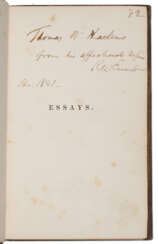

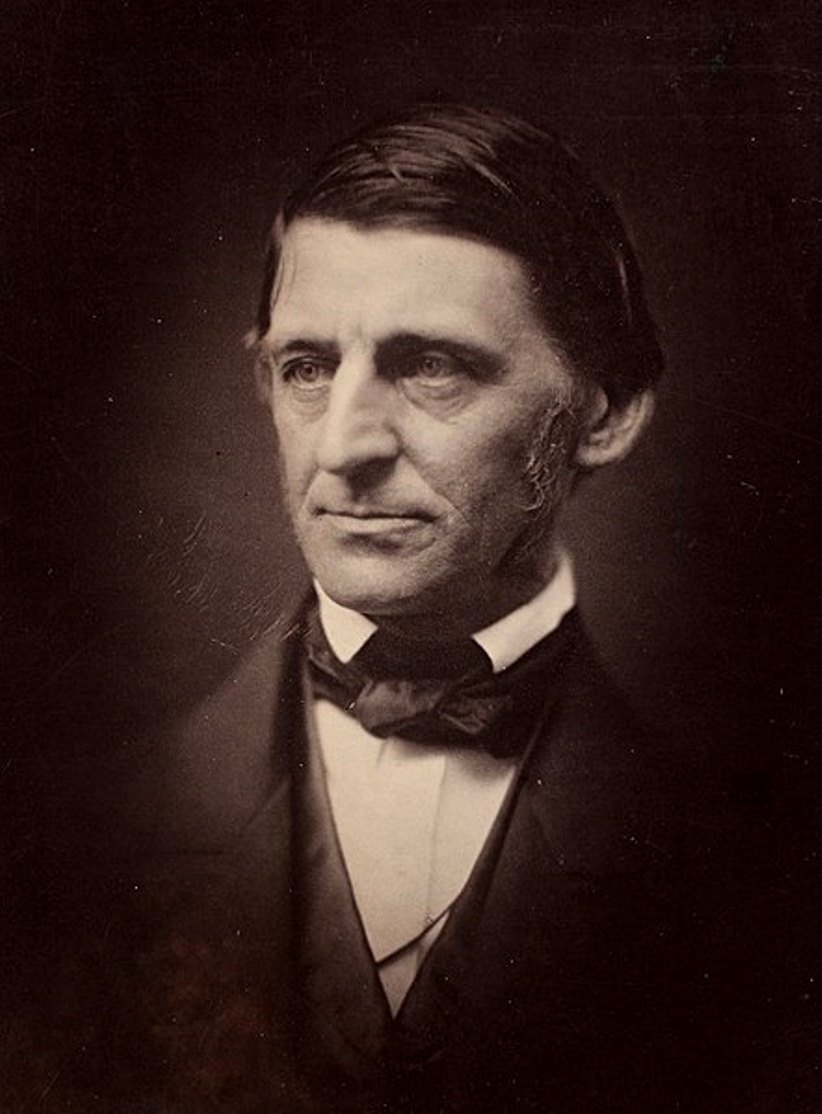
Ralph Waldo Emerson was an American philosopher, lecturer and poet, one of the most prominent thinkers and writers in the United States, and the originator of transcendentalism.
Ralph studied at Boston State Latin School and then at Harvard College (later Harvard University), began to preach, but soon doubted his chosen path and resigned his ministry. Emerson went to Europe, where new acquaintances and knowledge led him to new thoughts, and, returning to the United States in 1833, he began writing his famous book "Nature", where he first formulated a philosophy called transcendentalism. Soon other thinkers rallied around him, forming a group of like-minded thinkers.
In the essay "Nature," published in 1836, and in the following works, "The American Scholar" and "An Address in the School of Theology," Emerson consistently developed his ideas. Emerson's doctrine of the self-sufficiency and self-reliance of the individual stems from his view that a person need only look into his own heart to receive the spiritual guidance that has hitherto been the prerogative of the official churches. One must then have the courage to be oneself and trust the inner power within oneself, living one's life according to the commandments one has intuitively derived. These thoughts are not new, but Emerson put them in imaginative and accessible language.
Emerson's speeches led to his being ostracized at Harvard for many years. However, the informal Transcendental Club, founded in 1836, was joined and supported by his young students. The world fame of the brilliant thinker Emerson brought his "Essays" in two volumes, published in 1841 and 1844. As the main representative of transcendentalism, Emerson gave direction to the religious, philosophical and ethical movement, which above all emphasized belief in the spiritual potential of each person.
A later work of confession, The Conduct of Life (1860), demonstrates the author's developed humanism and full awareness of human limitations. The voluminous collection of poems cemented Emerson's reputation as a major American poet.

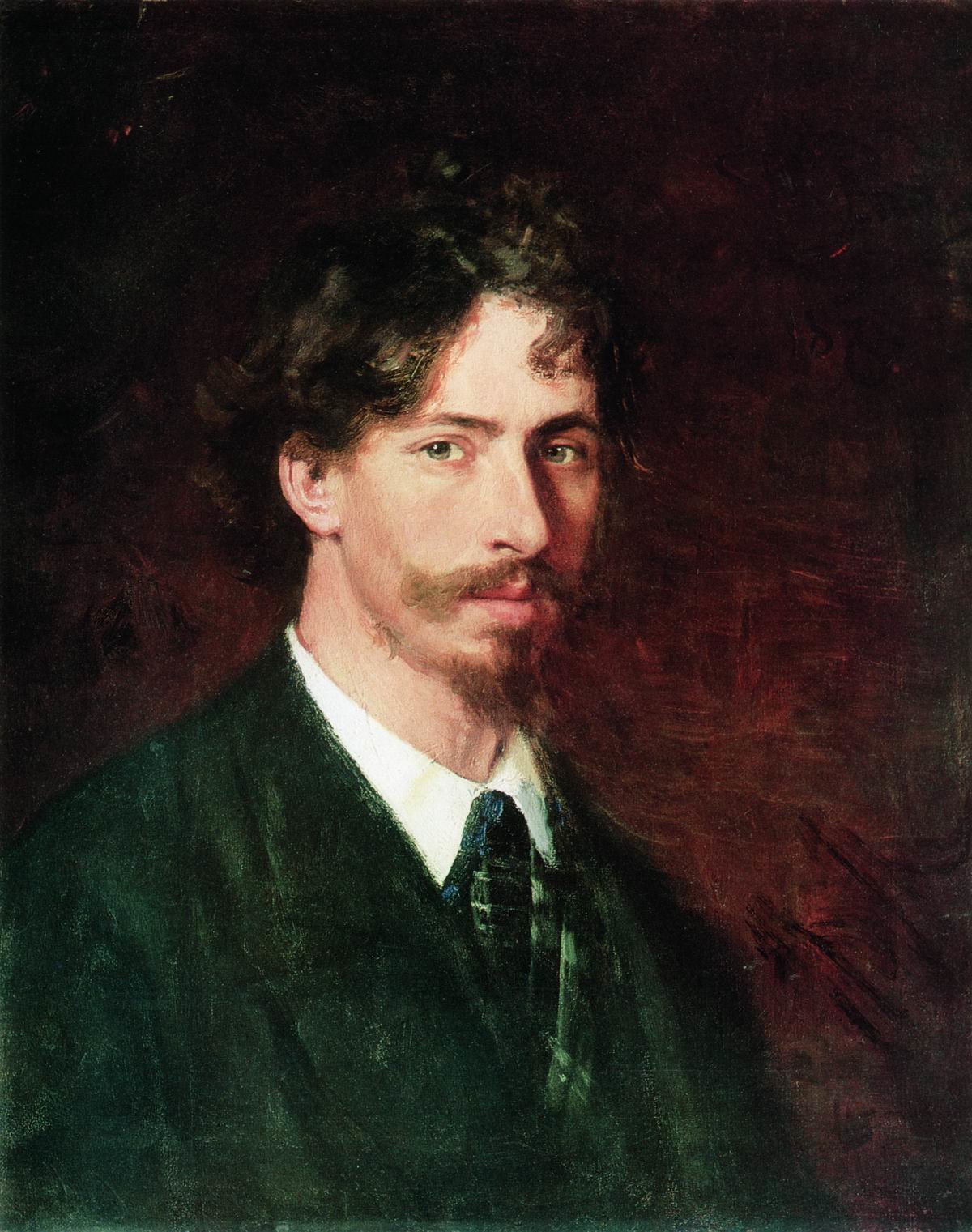
Ilya Yefimovich Repin (Russian: Илья Ефимович Репин) was a preeminent Russian artist, celebrated for his profound influence on the world of art, particularly painting. Born in 1844 in the Russian Empire, Repin distinguished himself as a pivotal figure in bringing Russian art to the forefront of the European scene. His works, characterized by their vivid realism and profound emotional depth, offer a window into the cultural, social, and historical landscapes of 19th-century Russia.
Repin's oeuvre is a testament to his exceptional skill in capturing the essence of his subjects, ranging from the peasantry to the elite, and his commitment to portraying the Russian spirit. His paintings, such as "Barge Haulers on the Volga" and "Ivan the Terrible and His Son Ivan," are lauded for their meticulous detail, dynamic compositions, and the way they convey powerful narratives and emotions. These masterpieces are housed in prestigious museums and galleries worldwide, including the State Russian Museum and the Tretyakov Gallery, affirming Repin's enduring legacy in the annals of art history.
For collectors and experts in art and antiques, Repin's works represent not only significant cultural and historical value but also a deep emotional resonance that transcends time. His ability to intertwine the beauty and tragedy of human experience with the rich tapestry of Russian culture makes his art a compelling exploration for enthusiasts and scholars alike. To stay informed about new product sales and auction events related to Ilya Yefimovich Repin, we invite you to sign up for updates. This subscription is a gateway to exclusive insights and opportunities in the realm of art and antiques, focusing solely on Repin's illustrious work.
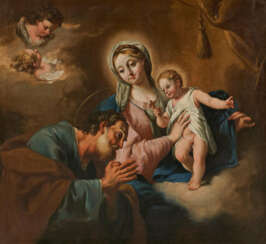

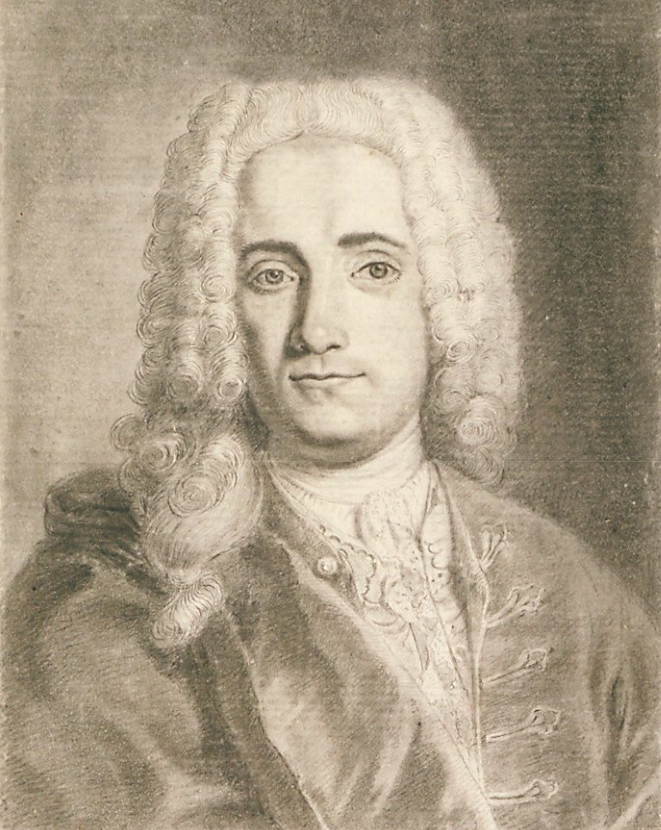
Giambattista Pittoni, an illustrious Venetian painter from the 18th century, was renowned for his religious, historical, and mythological artworks. His style, once established, remained consistent throughout his career, characterized by fluency and expressive theatricality, making his paintings timeless within the Venetian art scene. Despite being less traveled compared to his contemporaries, Pittoni received numerous international commissions, particularly from Germany, reflecting his widespread acclaim.
Giambattista Pittoni's works include altarpieces for various churches across Italy and notable commissions from European royalty and aristocracy. His patrons included Augustus II of Poland, Clemens August of Bavaria, and Philip V of Spain, showcasing his significant influence beyond Italian borders. His artistic journey was influenced by early interactions with Venetian painters like Sebastiano Ricci and later by the Rococo style, evident in his sophisticated and elegant use of color.
Giambattista Pittoni's legacy is evident in various collections, including the National Gallery, London, and the Gallerie dell'Accademia in Venice, which houses a collection of his preparatory studies. As a founding member and later president of the Venice Academy, his contributions to the art world were substantial, leaving an enduring impact on the Venetian art scene and beyond.
For those interested in delving deeper into the world of Venetian art and exploring Giambattista Pittoni's exquisite works, consider signing up for updates on exhibitions, sales, and auctions featuring his art. This will provide enthusiasts and collectors with the latest information and opportunities to engage with Pittoni's enduring artistic legacy.
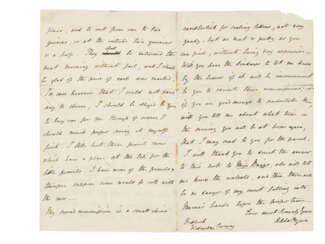

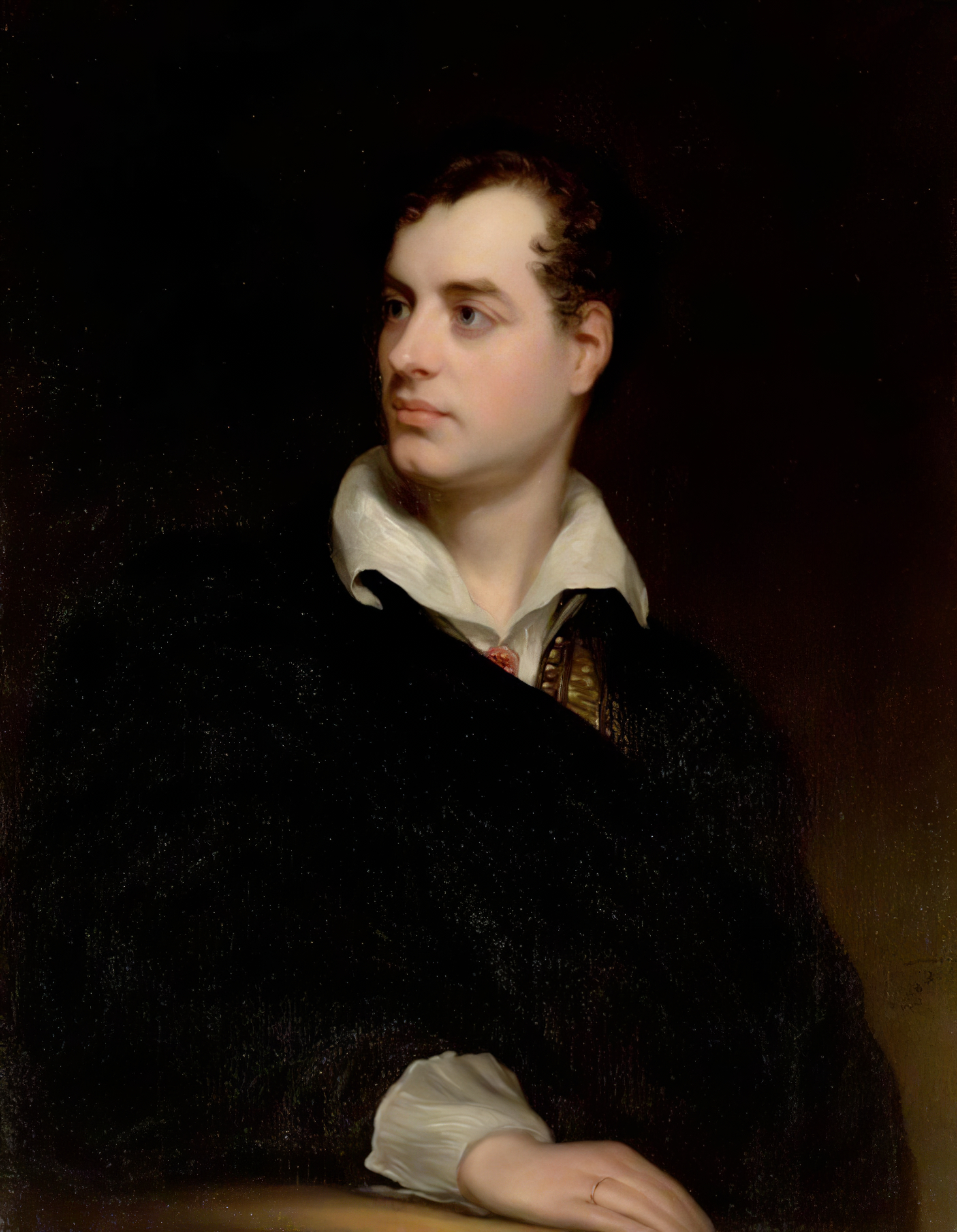
George Gordon Byron was an English poet and peer. One of the leading figures of the Romantic movement, Byron is regarded as one of the greatest English poets. He remains widely read and influential. Among his best-known works are the lengthy narrative poems Don Juan and Childe Harold's Pilgrimage; many of his shorter lyrics in Hebrew Melodies also became popular.
He travelled extensively across Europe, especially in Italy, where he lived for seven years in the cities of Venice, Ravenna, and Pisa. During his stay in Italy he frequently visited his friend and fellow poet Percy Bysshe Shelley. Later in life Byron joined the Greek War of Independence fighting the Ottoman Empire and died leading a campaign during that war, for which Greeks revere him as a folk hero. He died in 1824 at the age of 36 from a fever contracted after the First and Second Sieges of Missolonghi.

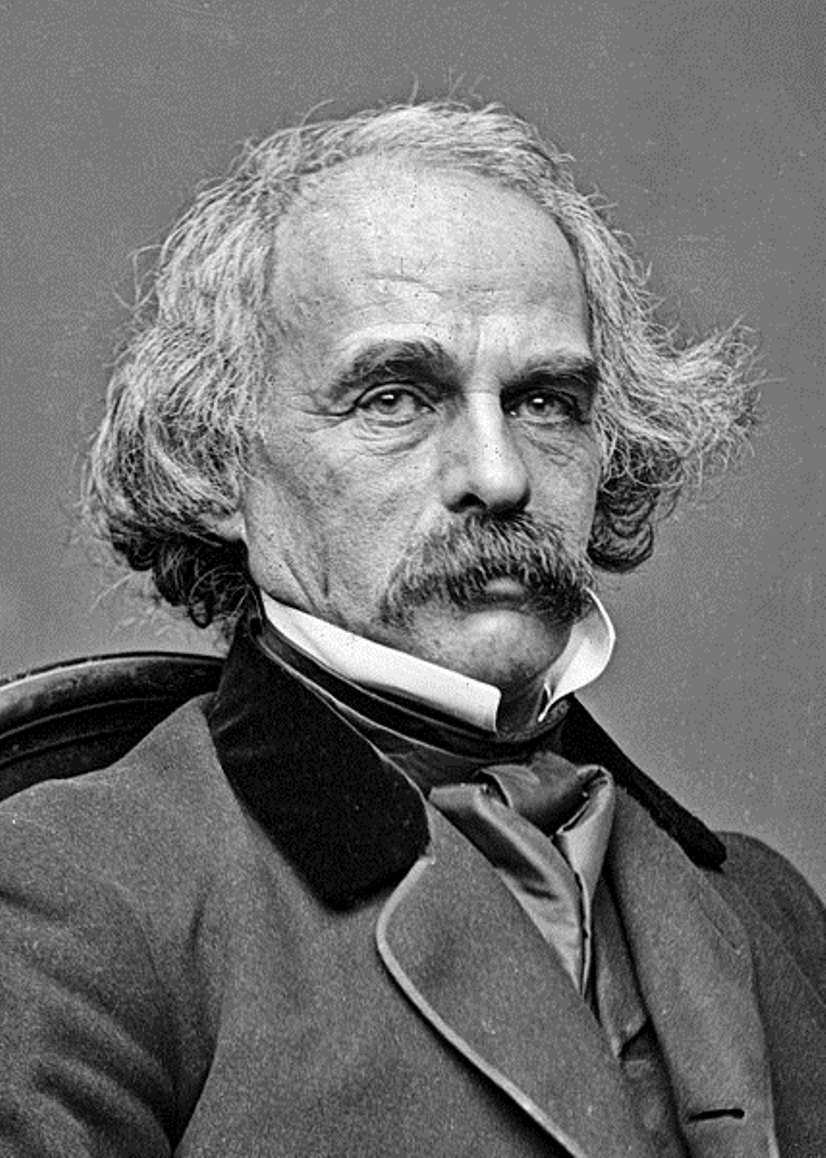
Nathaniel Hawthorne is an American writer and author.
Hawthorne is a recognized short story writer and a master of allegorical and symbolic narrative. One of the first fiction writers in American literature, he is best known for his works The Scarlet Letter (1850) and The House of Seven Gables (1851). Hawthorne's artistic works are considered part of the American Romantic movement and, in particular, of so-called dark Romanticism, a popular mid-19th-century fascination with the irrational, the demonic, and the grotesque.
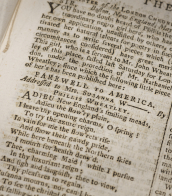
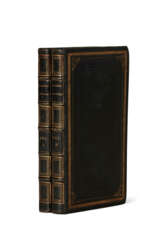

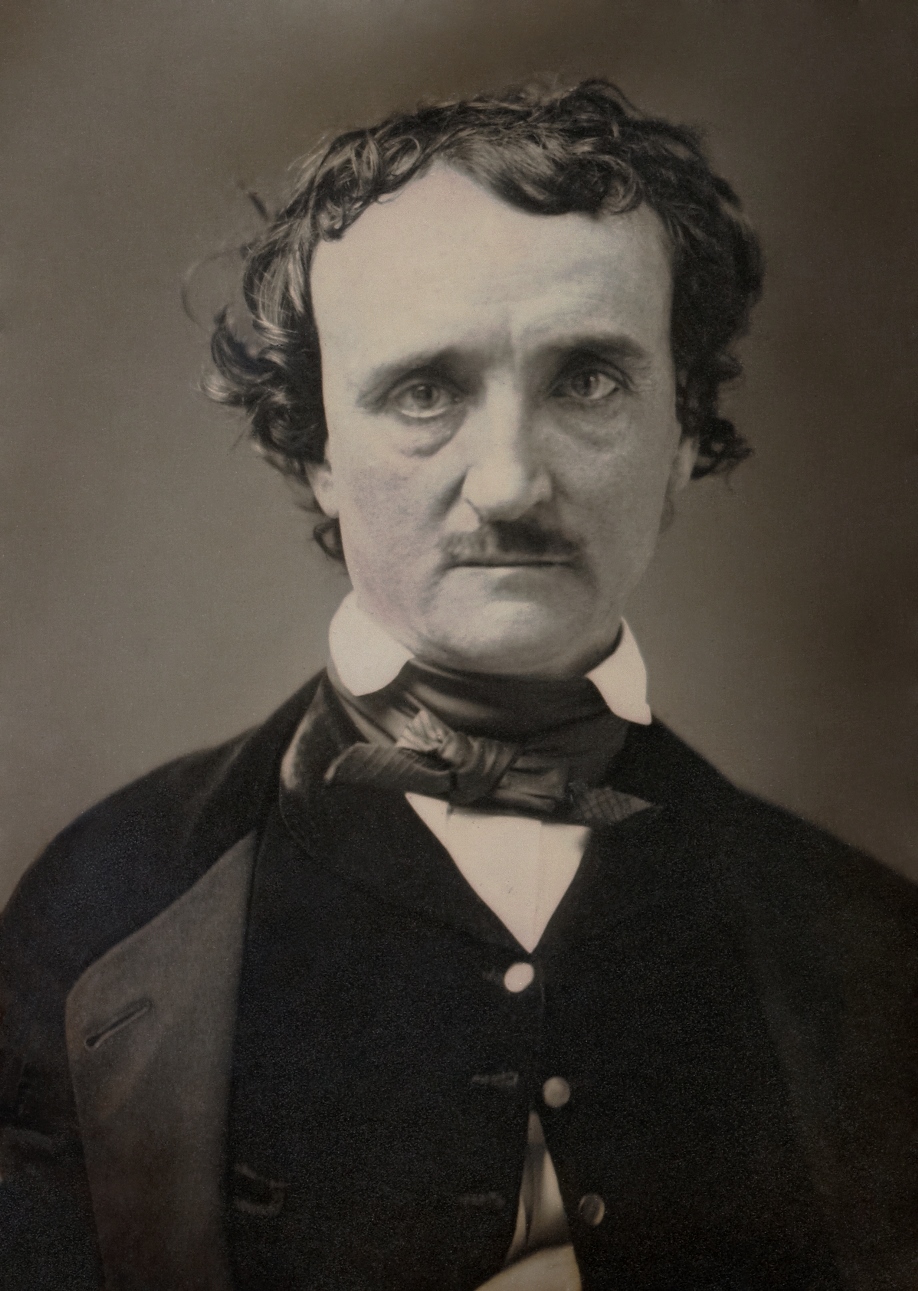
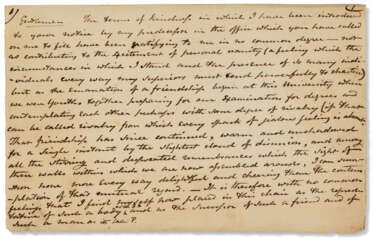
Edgar Allan Poe was an American writer and poet, editor and critic who created a form of classical detective fiction in an atmosphere of mystery and horror.
In prose, Allan Poe wrote mostly short stories. His novella The Murders in the Rue Morgue (1841) initiated the modern detective story, and his poem The Raven (1845) is among the most famous in American literature. Romanticism of the first third of the 19th century was shrouded in a fog of Satanism and the occult, which obviously influenced the work of Poe, whose personality was subtle, dualistic, and multifaceted.
Most of Poe's best works are permeated with horror and sorrow, but in life the poet was a pleasant conversationalist with a great sense of humor and a talented orator. All this, coupled with the genius of the writer-narrator provided him with a prominent place among the world-famous writers. Edgar Allan Poe revolutionized the horror genre. He was one of the first to bring deep, visceral, psychological horror into literature. In his stories, the true monster often turned out to be the capacity for evil that lurks within every human being.

.jpeg)
Sir John Frederick William Herschel, 1st Baronet was a British astronomer and son of the Uranus discoverer Wilhelm Herschel. He is credited with the first double star and nebula catalogues of the southern starry sky, which he observed during a five-year stay near Cape Town.





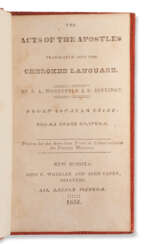

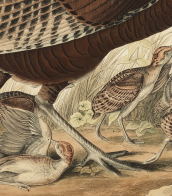
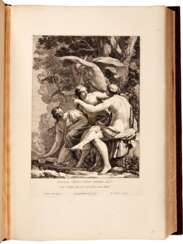

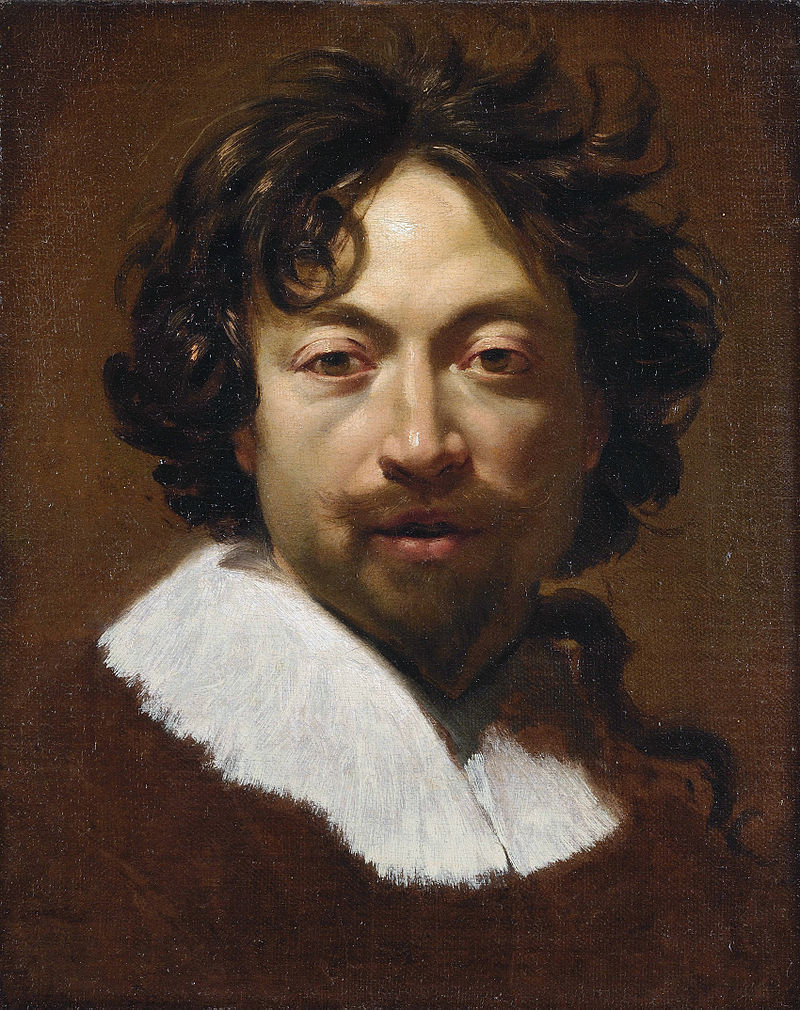
Simon Vouet was a French painter who studied and rose to prominence in Italy before being summoned by Louis XIII to serve as Premier peintre du Roi in France. He and his studio of artists created religious and mythological paintings, portraits, frescoes, tapestries, and massive decorative schemes for the king and for wealthy patrons, including Richelieu. During this time, "Vouet was indisputably the leading artist in Paris," and was immensely influential in introducing the Italian Baroque style of painting to France. He was also "without doubt one of the outstanding seventeenth-century draughtsmen, equal to Annibale Carracci and Lanfranco."