fan antique














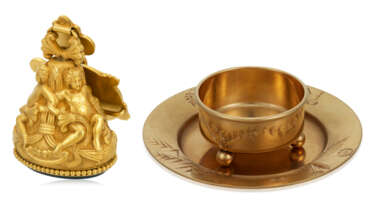

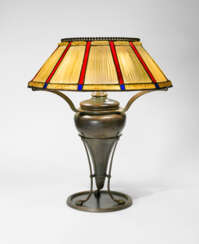

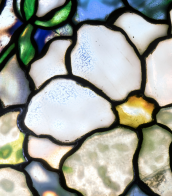
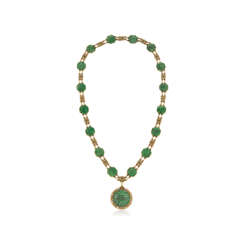


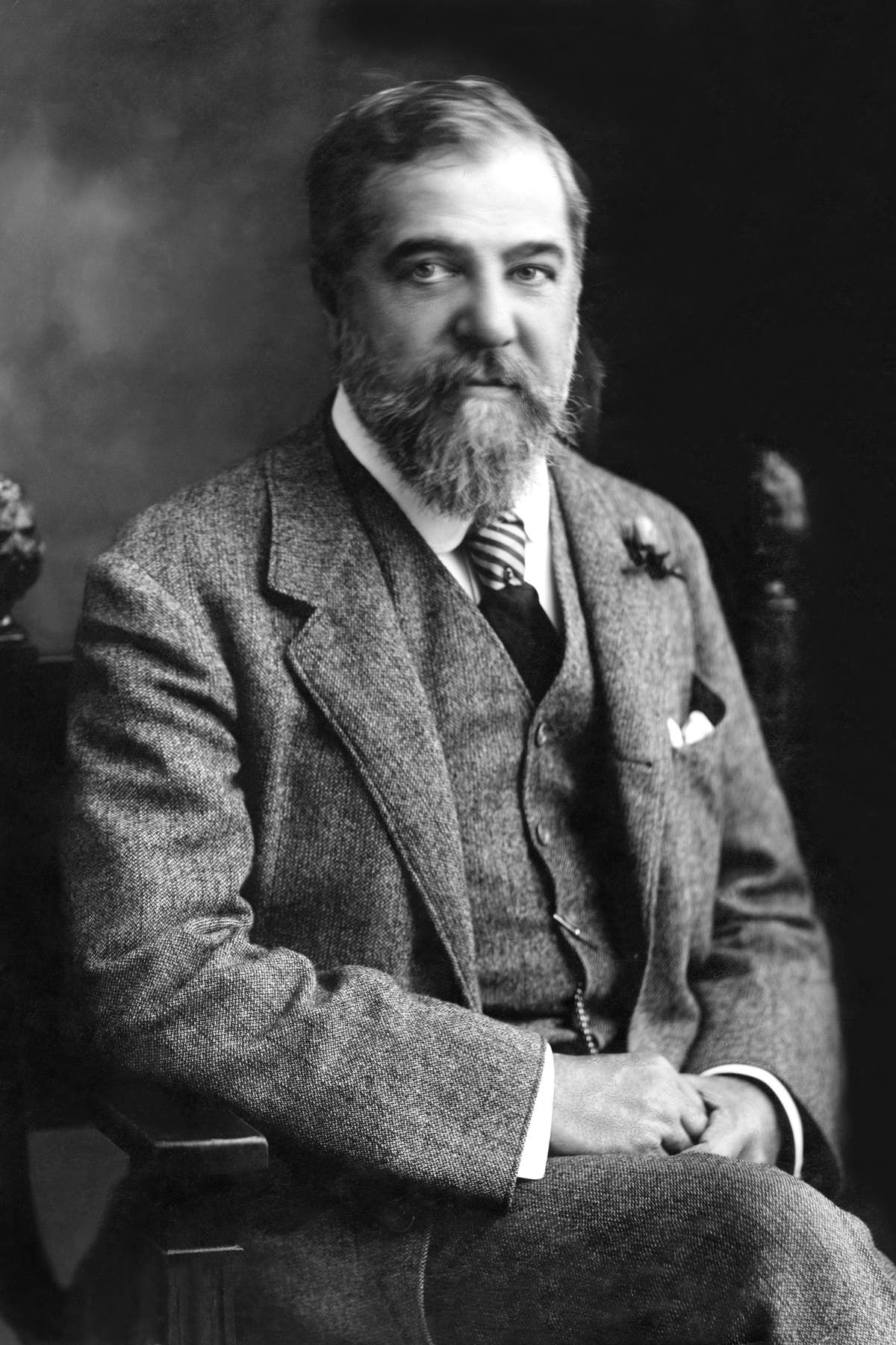
Louis Comfort Tiffany, an American artist, is revered for his significant contributions to the Art Nouveau movement and for revolutionizing the art of glassmaking. As the son of the founder of Tiffany & Co., Charles Lewis Tiffany, Louis was predisposed to a life surrounded by opulence and artistry. His early years were marked by training under prominent painters and a comprehensive education in the arts, which included a stint at the National Academy of Design in New York.
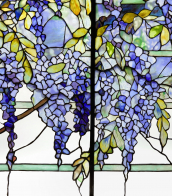
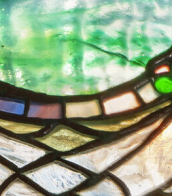
Louis Comfort Tiffany's foray into the world of stained glass was not merely an extension of his artistic pursuits but a manifestation of his relentless quest for innovation and beauty. His early work with stained glass utilized materials with mineral impurities, lending his pieces a distinct quality that set them apart from the conventional. His dedication led to the opening of his own glass factory in Corona, New York, where he developed and patented the "copper foil" technique. This method, contrasting sharply with the traditional lead came technique, allowed for greater detail and complexity in his stained glass creations.
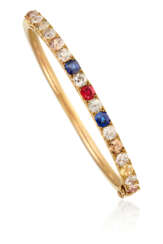
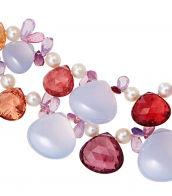
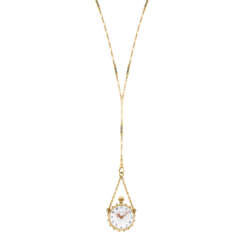
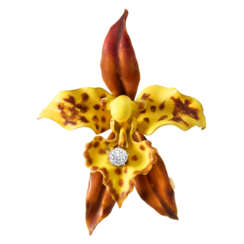
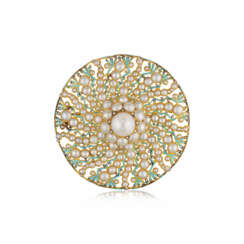
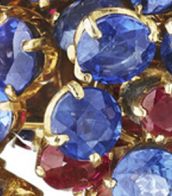
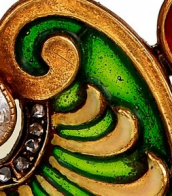
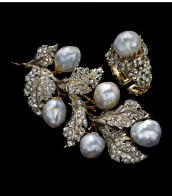
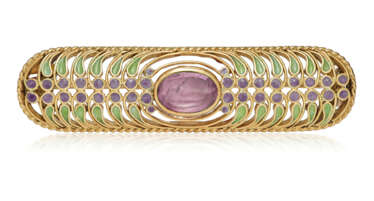
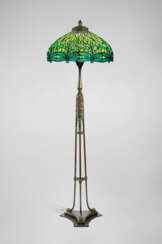
Louis Comfort Tiffany's contributions weren't limited to stained glass; his ventures into lighting and lamps in 1898 brought about iconic designs that combined functionality with aesthetic beauty. His lamp designs, characterized by their unique selection of glass and organic forms, are celebrated for their intricate detail and artistry. Tiffany's work also extended to mosaics, enamelwork, pottery, and jewelry, showcasing his versatility and innovative spirit across multiple mediums.
Perhaps one of Louis Comfort Tiffany's most majestic installations is the Mosaic Curtain at the Palacio de Bellas Artes in Mexico City. Commissioned for its exceptional craftsmanship, the curtain is a testament to Tiffany's mastery over glass, reflecting his ability to blend artistic vision with technical prowess. This monumental piece, composed of nearly one million pieces of favrile glass, illustrates a vibrant landscape that comes to life under changing light conditions, embodying the essence of Art Nouveau's fascination with nature and innovation.
Louis Comfort Tiffany's legacy is a rich tapestry of artistic achievement that has left an indelible mark on the worlds of art and design. His work, characterized by a deep appreciation for the natural world and a pioneering approach to materials and techniques, continues to inspire and captivate collectors and art enthusiasts around the globe.
For those interested in exploring the depth and beauty of Tiffany's creations, staying updated on new discoveries, exhibitions, and auction events related to his work is essential. Signing up for updates ensures that enthusiasts and collectors are always informed about opportunities to engage with the magnificent legacy of Louis Comfort Tiffany.












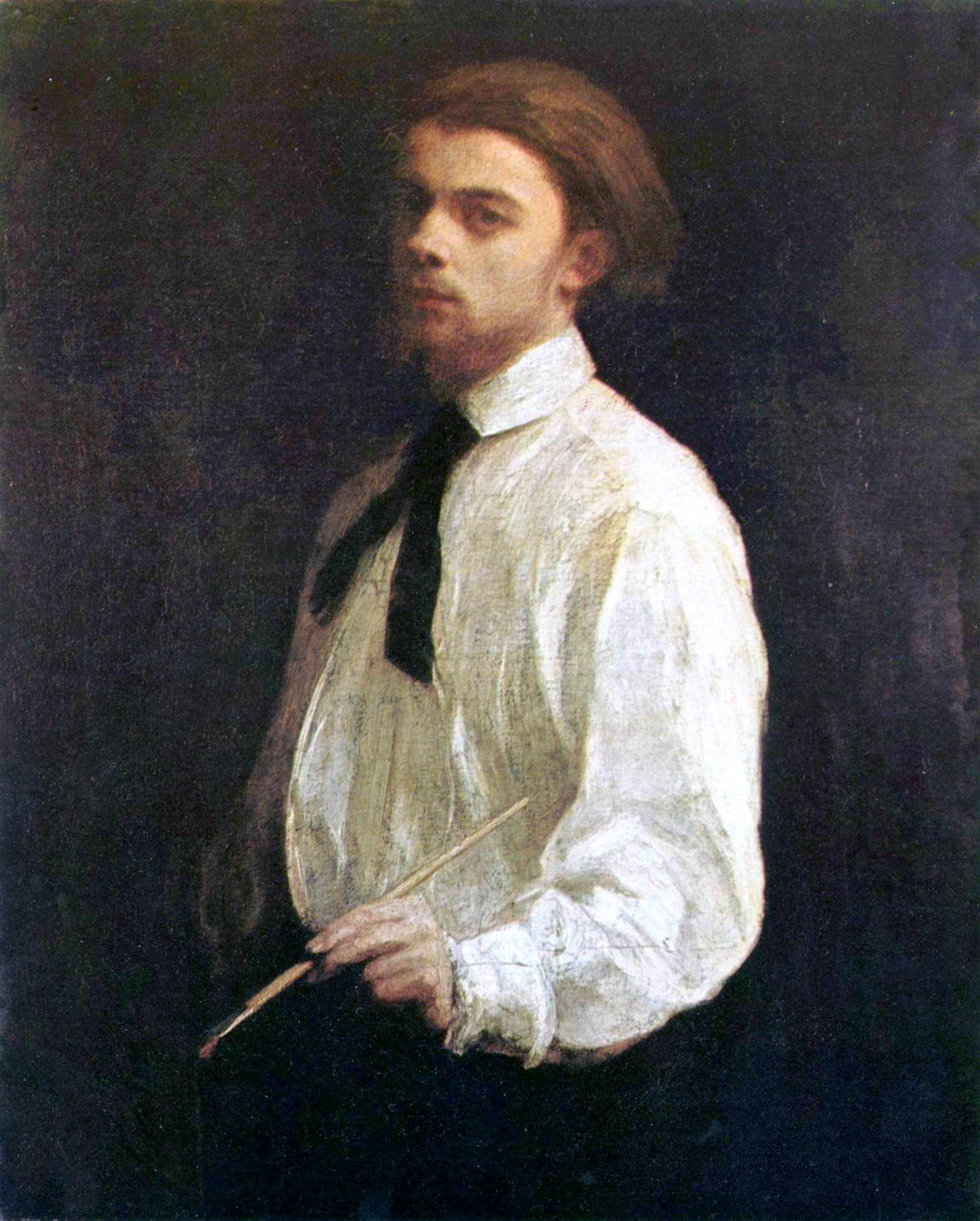
Henri Fantin-Latour was a French painter and lithographer renowned for his exquisite flower paintings and insightful group portraits of Parisian artists and writers. His artistic journey began in Grenoble, where he was born in 1836, but it flourished in Paris, where he moved at a young age to study art. Despite his associations with Impressionists like Édouard Manet and Claude Monet, Fantin-Latour carved his unique path, focusing on still life and portraiture rather than adopting the Impressionist style.
Henri Fantin-Latour's knack for capturing the essence of his subjects is evident in his group portraits, which were not just mere representations but insightful depictions of the artistic and literary circles of his time. His notable works like "A Studio at Les Batignolles" illustrate the camaraderie among artists like Manet, Renoir, and Monet, offering a window into the vibrant Parisian art scene of the 19th century. His still lifes, particularly his flower paintings, are celebrated for their realism and delicate precision, making them a favorite among collectors and art enthusiasts.
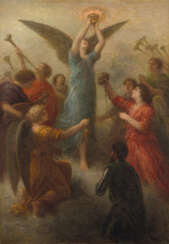
In addition to his painting, Henri Fantin-Latour's lithographs, inspired by classical music and imbued with a poetic and symbolic quality, reveal another dimension of his talent, showcasing his ability to transcend the boundaries of realism and delve into the realm of imagination.
For art collectors and experts, Henri Fantin-Latour's works offer a blend of technical mastery and a deep understanding of the interplay between art, music, and literature. His contributions to the art world are remembered and celebrated in museums around the globe, where his works continue to inspire and captivate audiences.
For those interested in exploring more about Henri Fantin-Latour's life and works, visiting exhibitions or keeping abreast of auctions featuring his art can provide valuable insights into his creative genius. To stay updated on related events and opportunities, consider subscribing to updates from art institutions or galleries specializing in 19th-century French art.