for rent st louis

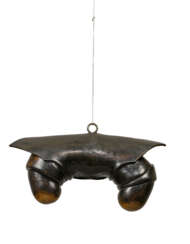

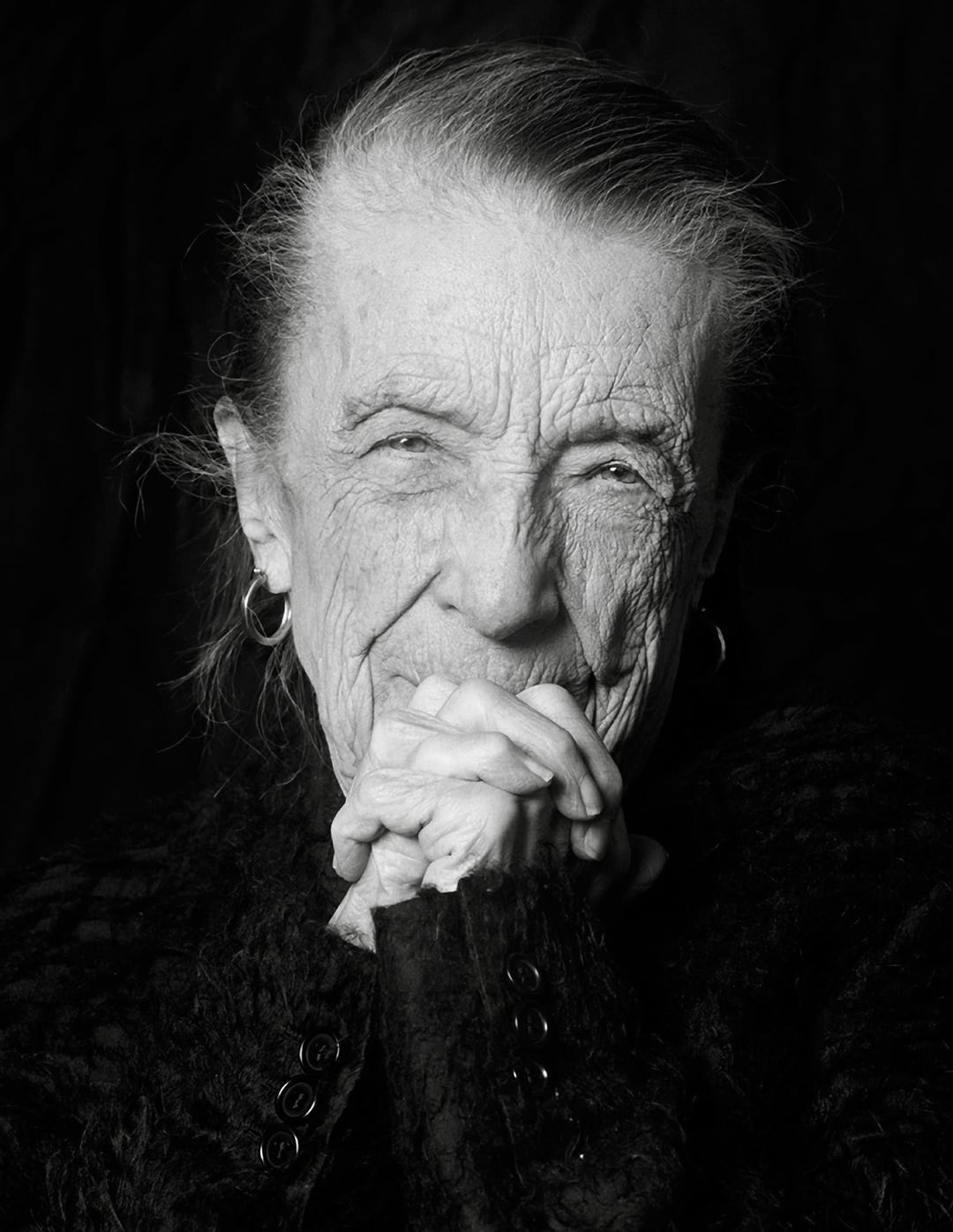
Louise Joséphine Bourgeois was a French-American artist. Although she is best known for her large-scale sculpture and installation art, Bourgeois was also a prolific painter and printmaker. She explored a variety of themes over the course of her long career including domesticity and the family, sexuality and the body, as well as death and the unconscious. These themes connect to events from her childhood which she considered to be a therapeutic process. Although Bourgeois exhibited with the Abstract Expressionists and her work has much in common with Surrealism and Feminist art, she was not formally affiliated with a particular artistic movement.


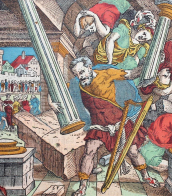


















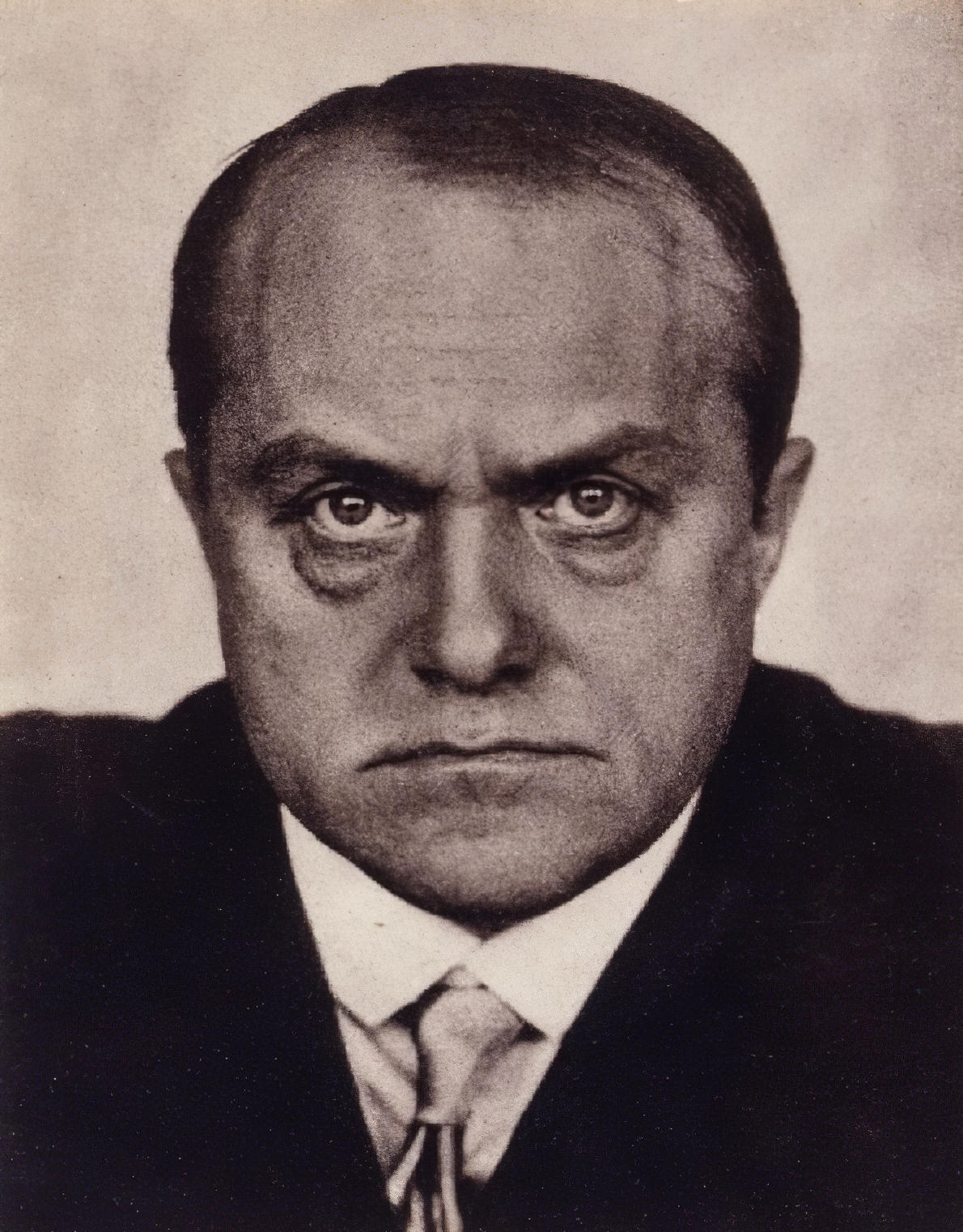
Max Beckmann, a German painter, printmaker, sculptor, and writer, stood out in the early 20th century for his profound contributions to modern art. Beckmann's career spanned a tumultuous period in history, deeply influencing his thematic and stylistic choices. Unlike many of his contemporaries who embraced non-representational painting, Max Beckmann persisted with and evolved the tradition of figurative painting, drawing inspiration from a wide array of artists spanning from Cézanne and Van Gogh to medieval masters like Bosch and Bruegel.
Max Beckmann's experiences, particularly those related to the World Wars, significantly shaped his work. Following Adolf Hitler's rise to power and the subsequent condemnation of modern art as "degenerate," Beckmann fled Germany, spending a decade in self-imposed exile in Amsterdam before eventually relocating to the United States. His art from this period, especially his large triptychs, is considered some of his most potent, offering a stark reflection on humanity and the chaos of the times.
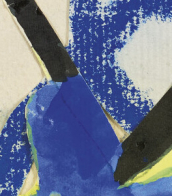
One of Max Beckmann's most personally allegorical works, "Beginning" (1949), encapsulates his knack for blending real and imagined elements from his life to comment on the broader human condition. This piece, alongside others, underscores Beckmann's enduring fascination with the existential struggles modern society faces, teetering between desire and societal roles.
Max Beckmann's legacy is cemented not just by his unique approach to modernism but also by his influence on subsequent generations of artists, particularly in the United States, where he spent his final years teaching and working. Despite a path that often diverged from the mainstream narratives of art history, Beckmann's work continues to resonate, housed in prestigious institutions like The Museum of Modern Art and The Metropolitan Museum of Art in New York.
For collectors and experts in art and antiques, Max Beckmann's oeuvre offers a compelling exploration of 20th-century art and history. To stay informed about new discoveries, sales, and auction events related to Max Beckmann, consider signing up for updates. This subscription ensures access to the latest opportunities to engage with the work of one of modernism's most individual voices.
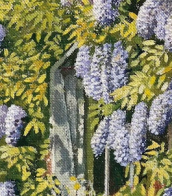
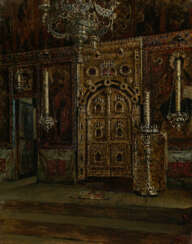

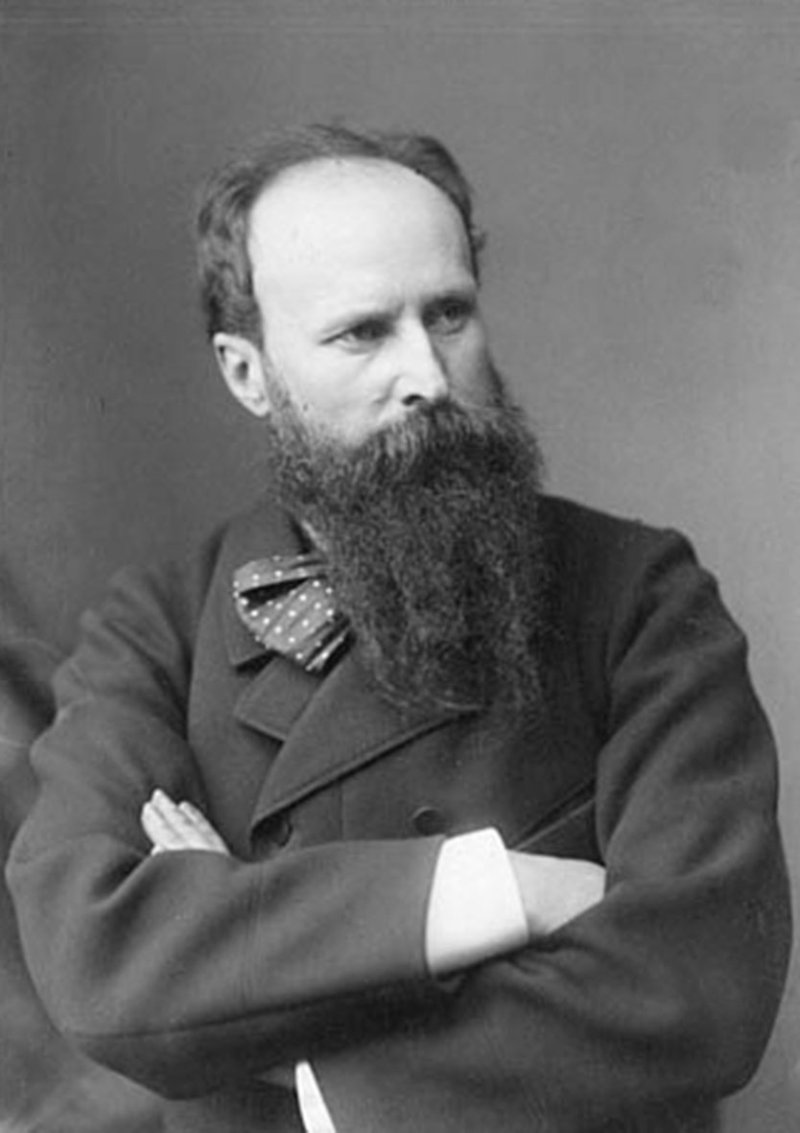
Vasily Vasilievich Vereshchagin (Russian: Васи́лий Васи́льевич Вереща́гин) was a Russian painter, known for his poignant and realistic depictions of war. He was born in 1842 in Cherepovets, Russia, and is celebrated for his dramatic and often controversial paintings that depicted the brutal realities of warfare.
Vereshchagin’s work stands out for its unflinching portrayal of the human cost of conflict. Unlike many of his contemporaries, he focused on the devastating consequences of war rather than glorifying it. His series of paintings from the Russo-Turkish War and his iconic piece, "The Apotheosis of War," are housed in prestigious institutions like the Tretyakov Gallery in Moscow and the Russian Museum in Saint Petersburg.
Collectors and art experts value Vereshchagin’s works for their historical significance and emotional depth. His paintings not only serve as powerful artistic statements but also as historical documents that provide insight into the wars of his time. For those interested in acquiring or learning more about Vereshchagin’s works, subscribing to updates about upcoming sales and auction events can be incredibly valuable.
Sign up to receive updates on new product sales and auction events related to Vasily Vasilievich Vereshchagin.




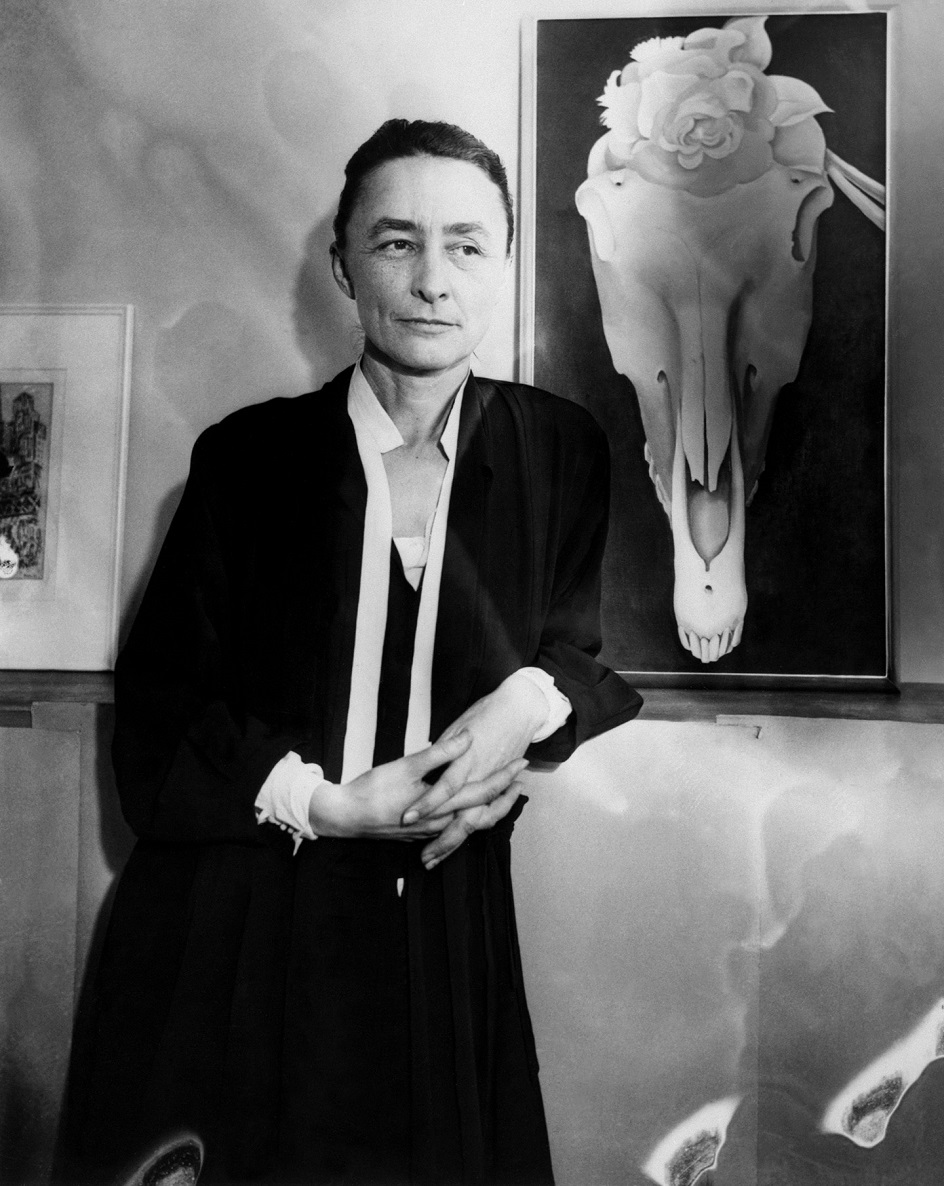
Georgia Totto O'Keeffe was an American modernist artist. She was known for her paintings of enlarged flowers, New York skyscrapers, and New Mexico landscapes. O'Keeffe has been called the "Mother of American modernism".
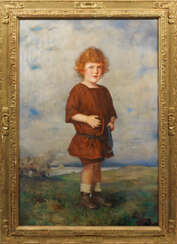

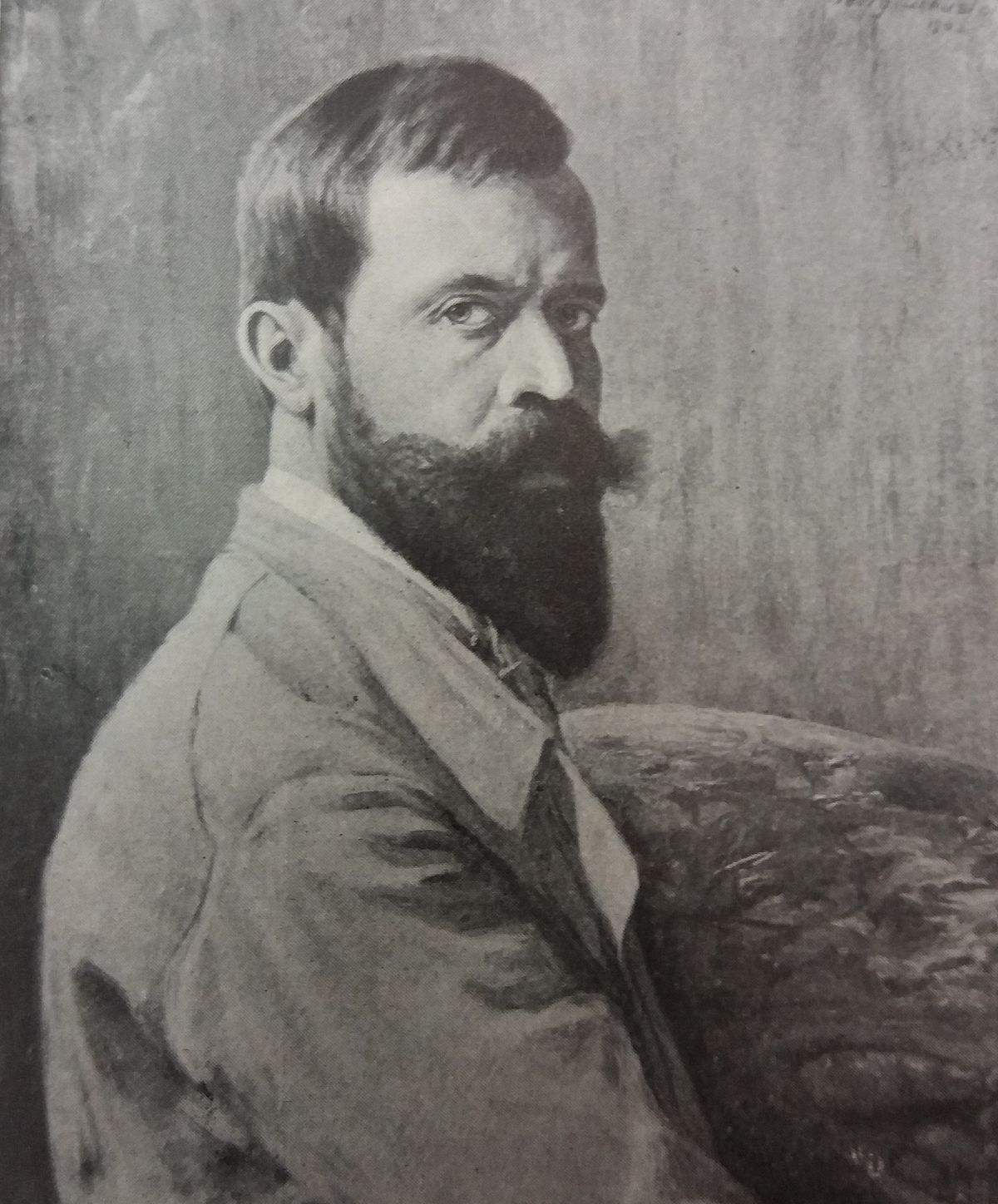
Georg Eberhard Wolfgang Schuster-Woldan was a German painter and graphic artist, began his artistic education at the Stuttgart Academy of Fine Arts. After a brief interruption due to military service, he continued his studies in Munich and later in Frankfurt. He established a private art school in Munich and gained recognition for his large-scale paintings of legends and fairy tales. Schuster-Woldan later focused on portraiture, particularly of children and women. His works were highly regarded and exhibited prominently, notably at the Glaspalast in Munich.
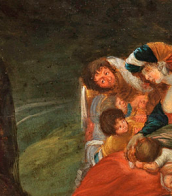
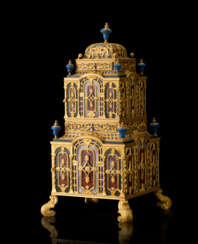

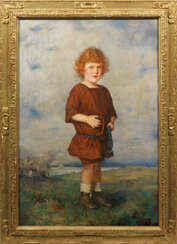








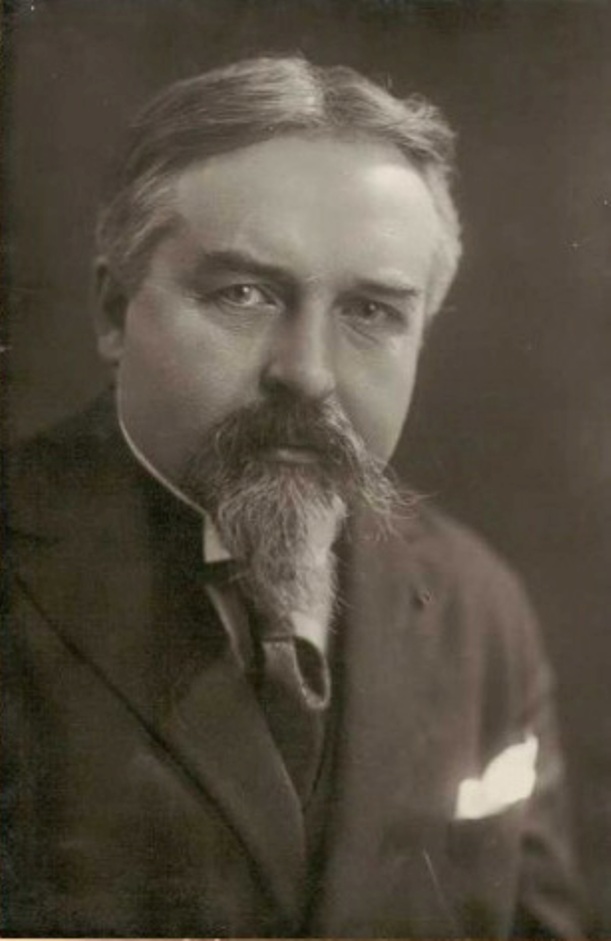
Maurice Denis, a French painter and writer, was an influential figure in the transition from impressionism to modern art. Born on November 25, 1870, in Granville, France, Denis's artistic journey began at the Académie Julian in Paris. Here, he met future collaborators like Paul Sérusier and Pierre Bonnard, with whom he later formed the Nabis group, a collective deriving its name from the Hebrew word "Nabi," meaning "Prophet".
Denis's style evolved from neoimpressionism, influenced by artists like Seurat, to a more decorative and colorful approach under the influence of Gauguin. This shift is evident in works like "Taches du soleil sur la terrace" (1890). He famously stated, "Art is no longer a visual sensation... it is a creation of our spirit," highlighting his belief in art as an idealistic expression, transcending mere imitation of nature.
Denis was also impacted by Japanese art, which influenced his compositions and styles, contributing to his unique and recognizable approach. His philosophy on art, encapsulated in his 1890 essay published in "Art et Critique," emphasized the importance of color and form in creating emotional depth, a notion that laid the groundwork for modernism. He argued that a painting's essence lies in its colors and composition, rather than its subject matter.
Throughout his career, Denis's work evolved towards a more classical approach. His involvement with the Ateliers d'Art Sacré, founded in 1919, demonstrated his interest in religious art and decoration. His notable works include "The Legend of Saint Hubert" (1897) and "The History of Music" for the Théâtre des Champs Elysées (1912-1913).
Tragically, Maurice Denis's life ended on November 13, 1943, when he was struck by a truck during the German occupation of Paris. However, his legacy endures through his contributions to modern art and symbolism, his influence on fellow artists, and his works displayed in various museums and galleries.
For collectors and art experts, Denis's work offers a unique glimpse into the evolution of modern art. His blend of symbolism, color, and form marks a significant shift in art history. To stay updated on new sales and auction events related to Maurice Denis's work, sign up for our newsletter. This subscription will keep you informed about the latest developments in the world of this remarkable artist.