gemälde neuer


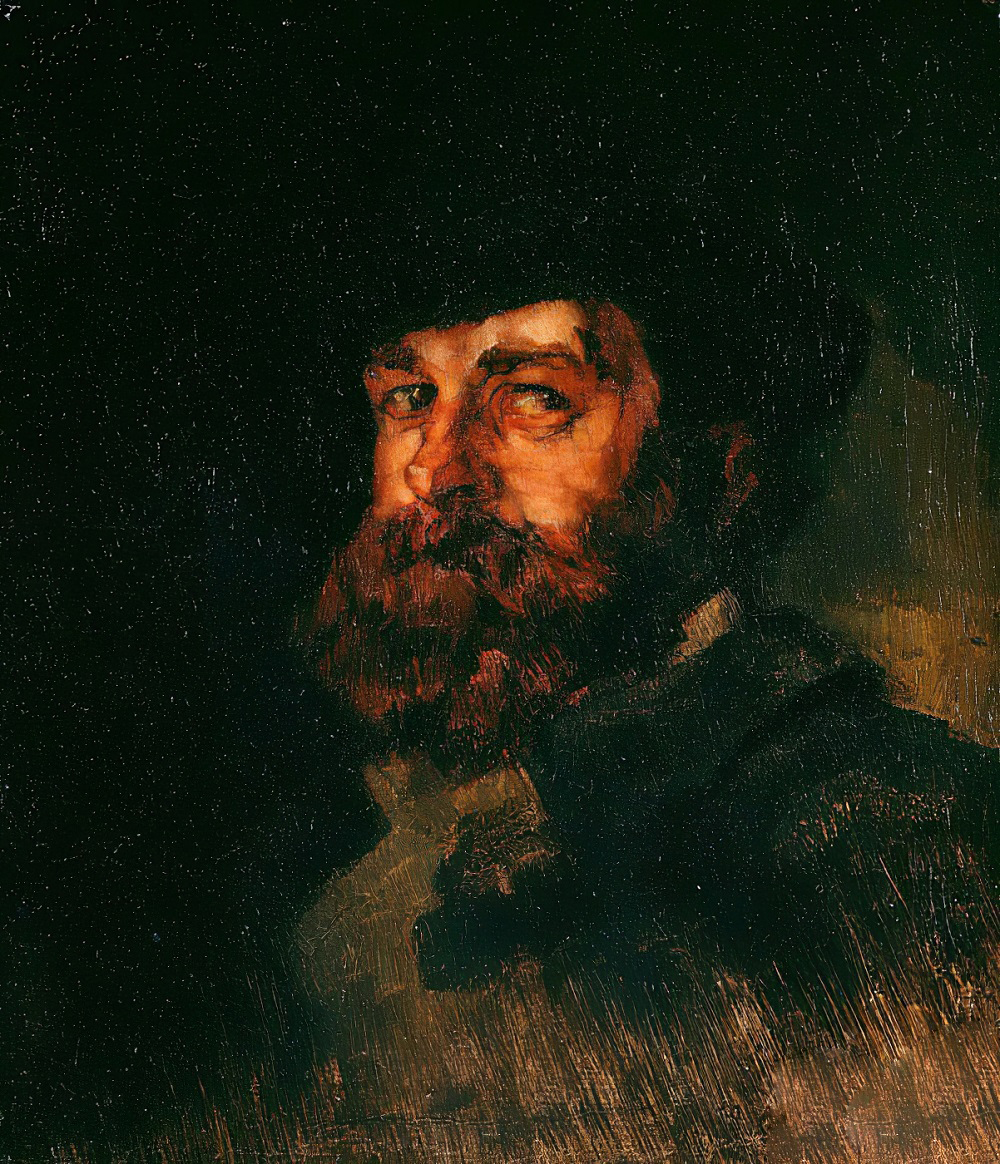
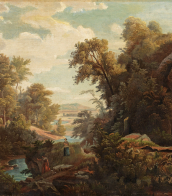
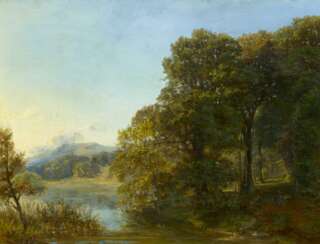
Karl Hagemeister was a German landscape painter.

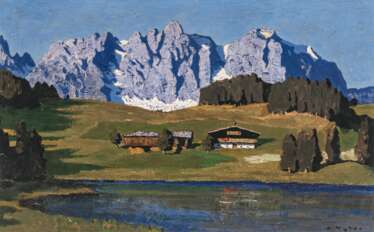

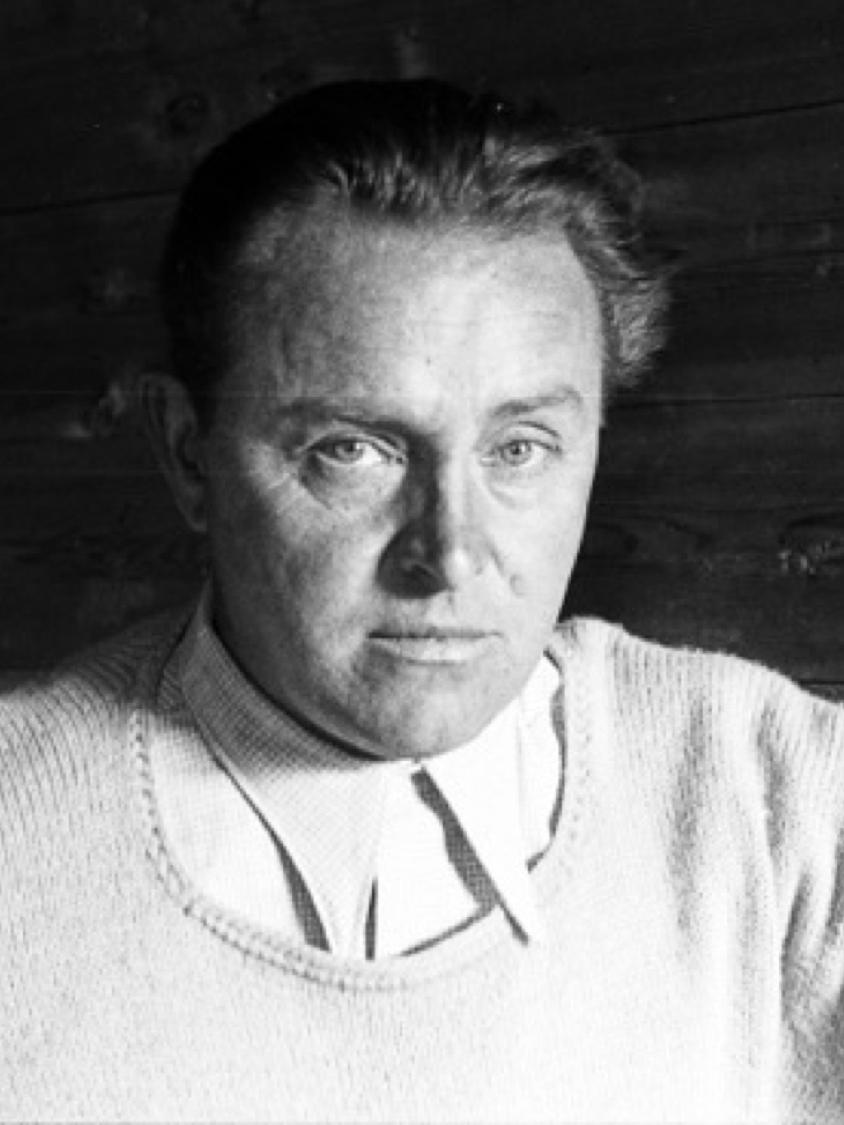
Alfons Walde was an Austrian expressionist painter and architect.
He studied architecture at the Higher Technical School in Vienna, but became interested in painting, found his muse in his native Kitzbühel Alps and became famous for his paintings of their snow-covered slopes and mountain huts. He was particularly fascinated by the dashing skiers of the time. Walde's popularity grew along with the popularity of the ski resort. Walde was also an active graphic artist and designed many posters.
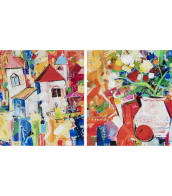
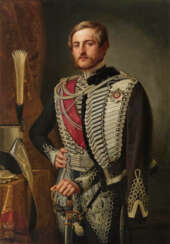

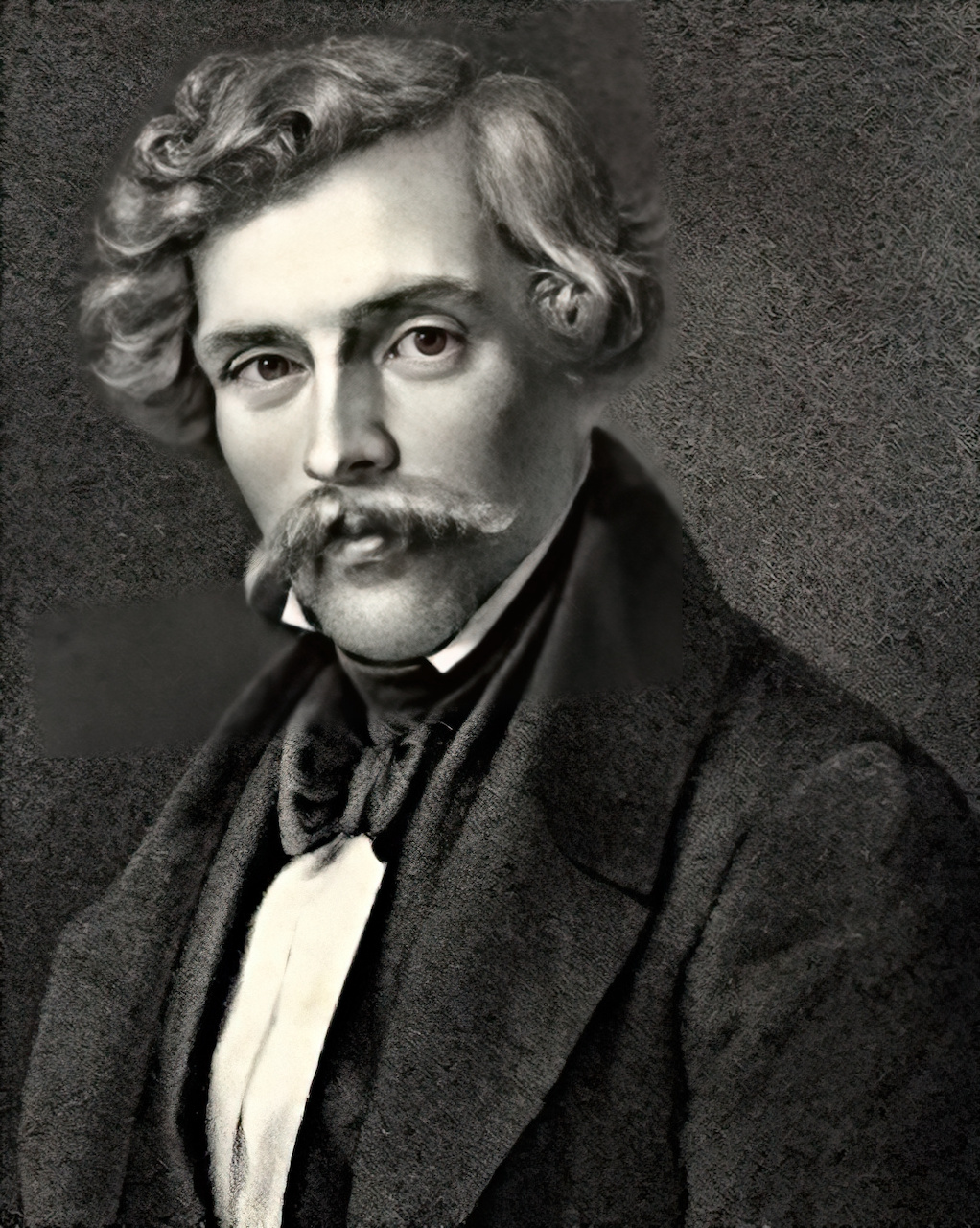
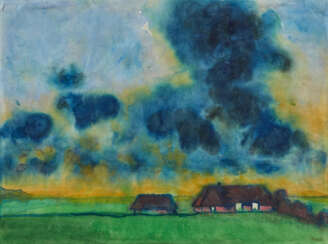

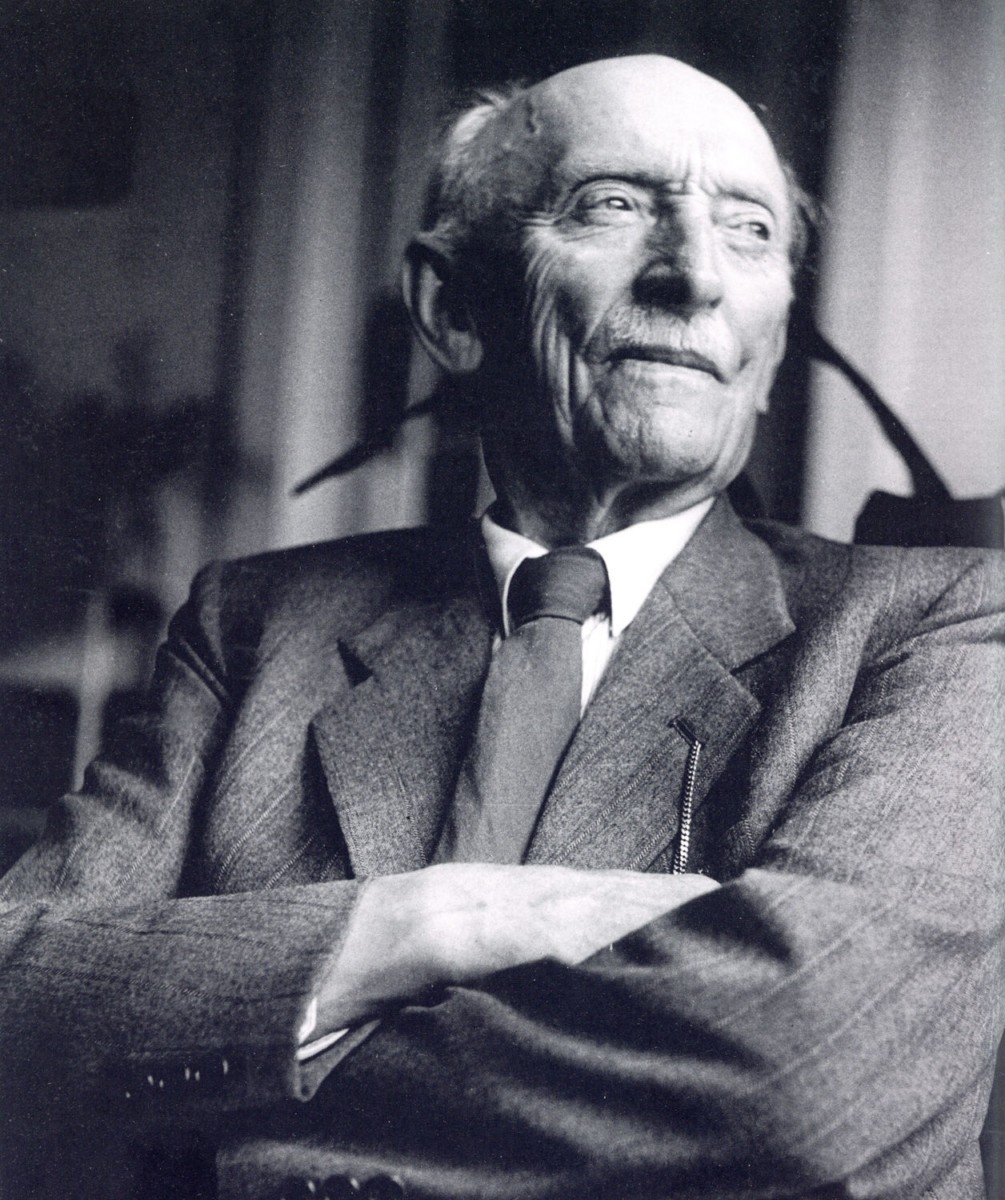
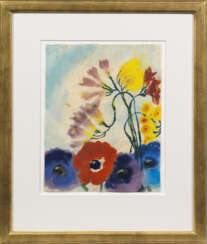
Emil Nolde, a German-Danish artist, stands out as a pivotal figure in the Expressionist movement, celebrated for his vibrant use of color and dynamic brushwork. Born on August 7, 1867, Nolde was initially self-taught, developing a style that later became synonymous with expressive use of color and form. His early work included religious themes and landscapes, characterized by their emotional intensity and innovative color palette. Nolde's contributions to art were not limited to painting; he also excelled in printmaking, creating a significant body of work that includes etchings, woodcuts, and lithographs.
One of Nolde's most noteworthy periods was his time spent on the Baltic Sea island of Alsen from 1903 to 1916, where he produced seascapes that captured the natural world's dynamic essence. His painting "Meer Bei Alsen" (Sea Off Alsen) is a testament to this period, showcasing his ability to convey movement and emotion through color. Furthermore, Nolde's fascination with religious and mythological themes is evident in works like "Dance Around the Golden Calf," where he employs vivid colors and expressive figures to explore complex narratives.
Despite his artistic achievements, Nolde's life was not without controversy. During the Nazi regime, his work was labeled "degenerate," and he faced significant professional and personal challenges. Nonetheless, Nolde continued to create, producing a series of watercolors known as the "Unpainted Pictures" during this time. After World War II, Nolde's reputation was rehabilitated, and he was once again celebrated as a leading figure in modern art.
Nolde's legacy is preserved at the Nolde Foundation Seebüll, a museum dedicated to his life and work, established in the year of his death, 1956. His influence on the field of modern art, particularly within Expressionism, is undeniable, with his bold approach to color and form inspiring subsequent generations of artists.
For art collectors and experts, Nolde's work offers a compelling study in the evolution of modern art, reflecting the tumultuous times he lived through and his unyielding dedication to artistic expression. His ability to capture the essence of his subjects, from the natural beauty of the sea to the depths of human emotion, makes his work a valuable addition to any collection.
To stay updated on sales and auction events related to Emil Nolde's work, signing up for updates is recommended. This subscription service ensures you're informed about the latest opportunities to acquire pieces by this influential artist.
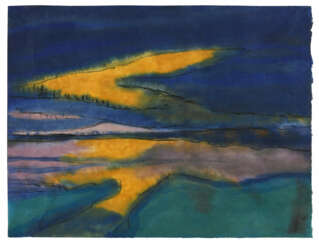

Emil Nolde, a German-Danish artist, stands out as a pivotal figure in the Expressionist movement, celebrated for his vibrant use of color and dynamic brushwork. Born on August 7, 1867, Nolde was initially self-taught, developing a style that later became synonymous with expressive use of color and form. His early work included religious themes and landscapes, characterized by their emotional intensity and innovative color palette. Nolde's contributions to art were not limited to painting; he also excelled in printmaking, creating a significant body of work that includes etchings, woodcuts, and lithographs.
One of Nolde's most noteworthy periods was his time spent on the Baltic Sea island of Alsen from 1903 to 1916, where he produced seascapes that captured the natural world's dynamic essence. His painting "Meer Bei Alsen" (Sea Off Alsen) is a testament to this period, showcasing his ability to convey movement and emotion through color. Furthermore, Nolde's fascination with religious and mythological themes is evident in works like "Dance Around the Golden Calf," where he employs vivid colors and expressive figures to explore complex narratives.
Despite his artistic achievements, Nolde's life was not without controversy. During the Nazi regime, his work was labeled "degenerate," and he faced significant professional and personal challenges. Nonetheless, Nolde continued to create, producing a series of watercolors known as the "Unpainted Pictures" during this time. After World War II, Nolde's reputation was rehabilitated, and he was once again celebrated as a leading figure in modern art.
Nolde's legacy is preserved at the Nolde Foundation Seebüll, a museum dedicated to his life and work, established in the year of his death, 1956. His influence on the field of modern art, particularly within Expressionism, is undeniable, with his bold approach to color and form inspiring subsequent generations of artists.
For art collectors and experts, Nolde's work offers a compelling study in the evolution of modern art, reflecting the tumultuous times he lived through and his unyielding dedication to artistic expression. His ability to capture the essence of his subjects, from the natural beauty of the sea to the depths of human emotion, makes his work a valuable addition to any collection.
To stay updated on sales and auction events related to Emil Nolde's work, signing up for updates is recommended. This subscription service ensures you're informed about the latest opportunities to acquire pieces by this influential artist.
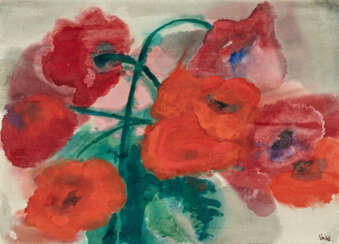

Emil Nolde, a German-Danish artist, stands out as a pivotal figure in the Expressionist movement, celebrated for his vibrant use of color and dynamic brushwork. Born on August 7, 1867, Nolde was initially self-taught, developing a style that later became synonymous with expressive use of color and form. His early work included religious themes and landscapes, characterized by their emotional intensity and innovative color palette. Nolde's contributions to art were not limited to painting; he also excelled in printmaking, creating a significant body of work that includes etchings, woodcuts, and lithographs.
One of Nolde's most noteworthy periods was his time spent on the Baltic Sea island of Alsen from 1903 to 1916, where he produced seascapes that captured the natural world's dynamic essence. His painting "Meer Bei Alsen" (Sea Off Alsen) is a testament to this period, showcasing his ability to convey movement and emotion through color. Furthermore, Nolde's fascination with religious and mythological themes is evident in works like "Dance Around the Golden Calf," where he employs vivid colors and expressive figures to explore complex narratives.
Despite his artistic achievements, Nolde's life was not without controversy. During the Nazi regime, his work was labeled "degenerate," and he faced significant professional and personal challenges. Nonetheless, Nolde continued to create, producing a series of watercolors known as the "Unpainted Pictures" during this time. After World War II, Nolde's reputation was rehabilitated, and he was once again celebrated as a leading figure in modern art.
Nolde's legacy is preserved at the Nolde Foundation Seebüll, a museum dedicated to his life and work, established in the year of his death, 1956. His influence on the field of modern art, particularly within Expressionism, is undeniable, with his bold approach to color and form inspiring subsequent generations of artists.
For art collectors and experts, Nolde's work offers a compelling study in the evolution of modern art, reflecting the tumultuous times he lived through and his unyielding dedication to artistic expression. His ability to capture the essence of his subjects, from the natural beauty of the sea to the depths of human emotion, makes his work a valuable addition to any collection.
To stay updated on sales and auction events related to Emil Nolde's work, signing up for updates is recommended. This subscription service ensures you're informed about the latest opportunities to acquire pieces by this influential artist.
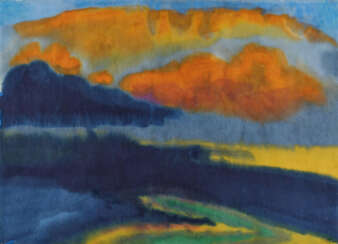

Emil Nolde, a German-Danish artist, stands out as a pivotal figure in the Expressionist movement, celebrated for his vibrant use of color and dynamic brushwork. Born on August 7, 1867, Nolde was initially self-taught, developing a style that later became synonymous with expressive use of color and form. His early work included religious themes and landscapes, characterized by their emotional intensity and innovative color palette. Nolde's contributions to art were not limited to painting; he also excelled in printmaking, creating a significant body of work that includes etchings, woodcuts, and lithographs.
One of Nolde's most noteworthy periods was his time spent on the Baltic Sea island of Alsen from 1903 to 1916, where he produced seascapes that captured the natural world's dynamic essence. His painting "Meer Bei Alsen" (Sea Off Alsen) is a testament to this period, showcasing his ability to convey movement and emotion through color. Furthermore, Nolde's fascination with religious and mythological themes is evident in works like "Dance Around the Golden Calf," where he employs vivid colors and expressive figures to explore complex narratives.
Despite his artistic achievements, Nolde's life was not without controversy. During the Nazi regime, his work was labeled "degenerate," and he faced significant professional and personal challenges. Nonetheless, Nolde continued to create, producing a series of watercolors known as the "Unpainted Pictures" during this time. After World War II, Nolde's reputation was rehabilitated, and he was once again celebrated as a leading figure in modern art.
Nolde's legacy is preserved at the Nolde Foundation Seebüll, a museum dedicated to his life and work, established in the year of his death, 1956. His influence on the field of modern art, particularly within Expressionism, is undeniable, with his bold approach to color and form inspiring subsequent generations of artists.
For art collectors and experts, Nolde's work offers a compelling study in the evolution of modern art, reflecting the tumultuous times he lived through and his unyielding dedication to artistic expression. His ability to capture the essence of his subjects, from the natural beauty of the sea to the depths of human emotion, makes his work a valuable addition to any collection.
To stay updated on sales and auction events related to Emil Nolde's work, signing up for updates is recommended. This subscription service ensures you're informed about the latest opportunities to acquire pieces by this influential artist.
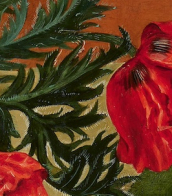
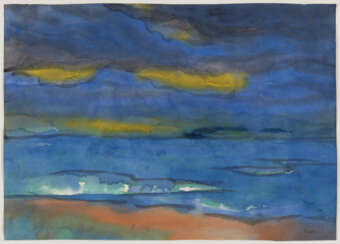

Emil Nolde, a German-Danish artist, stands out as a pivotal figure in the Expressionist movement, celebrated for his vibrant use of color and dynamic brushwork. Born on August 7, 1867, Nolde was initially self-taught, developing a style that later became synonymous with expressive use of color and form. His early work included religious themes and landscapes, characterized by their emotional intensity and innovative color palette. Nolde's contributions to art were not limited to painting; he also excelled in printmaking, creating a significant body of work that includes etchings, woodcuts, and lithographs.
One of Nolde's most noteworthy periods was his time spent on the Baltic Sea island of Alsen from 1903 to 1916, where he produced seascapes that captured the natural world's dynamic essence. His painting "Meer Bei Alsen" (Sea Off Alsen) is a testament to this period, showcasing his ability to convey movement and emotion through color. Furthermore, Nolde's fascination with religious and mythological themes is evident in works like "Dance Around the Golden Calf," where he employs vivid colors and expressive figures to explore complex narratives.
Despite his artistic achievements, Nolde's life was not without controversy. During the Nazi regime, his work was labeled "degenerate," and he faced significant professional and personal challenges. Nonetheless, Nolde continued to create, producing a series of watercolors known as the "Unpainted Pictures" during this time. After World War II, Nolde's reputation was rehabilitated, and he was once again celebrated as a leading figure in modern art.
Nolde's legacy is preserved at the Nolde Foundation Seebüll, a museum dedicated to his life and work, established in the year of his death, 1956. His influence on the field of modern art, particularly within Expressionism, is undeniable, with his bold approach to color and form inspiring subsequent generations of artists.
For art collectors and experts, Nolde's work offers a compelling study in the evolution of modern art, reflecting the tumultuous times he lived through and his unyielding dedication to artistic expression. His ability to capture the essence of his subjects, from the natural beauty of the sea to the depths of human emotion, makes his work a valuable addition to any collection.
To stay updated on sales and auction events related to Emil Nolde's work, signing up for updates is recommended. This subscription service ensures you're informed about the latest opportunities to acquire pieces by this influential artist.
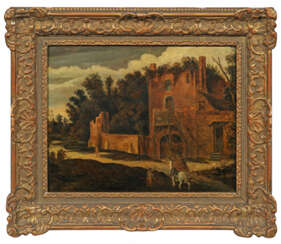










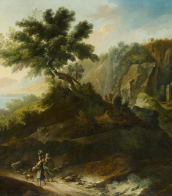



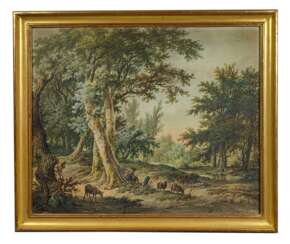


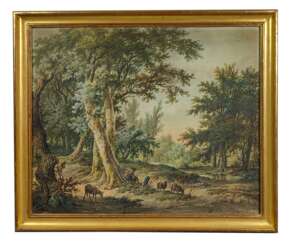

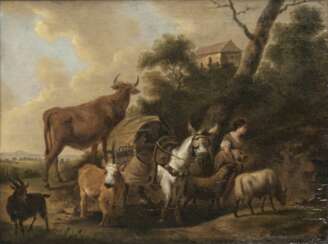

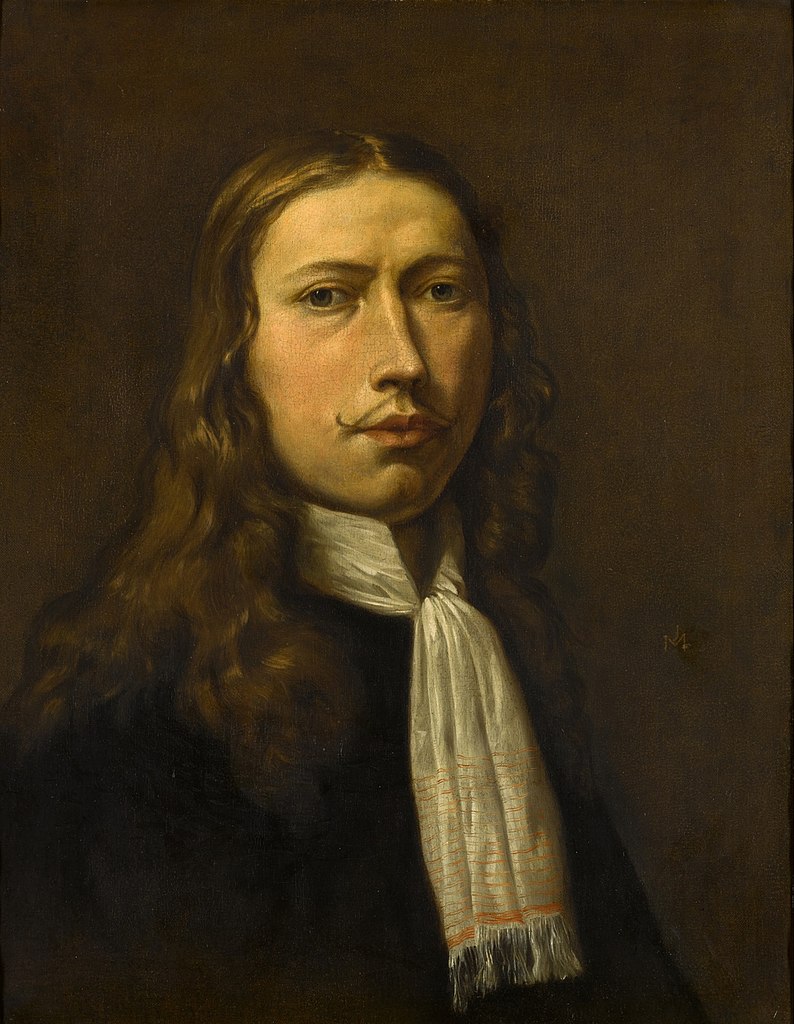
Adriaen van de Velde was a Dutch painter, draughtsman and print artist. His favorite subjects were landscapes with animals and genre scenes. He also painted beaches, dunes, forests, winter scenes, portraits in landscapes, as well as mythological and biblical scenes. He belongs to a group of painters referred to as the Dutch Italianate painters, who combined Dutch agricultural landscapes with mythological or Arcadian scenes in Italian settings. His paintings are characterised by their delicate, careful composition and his mastery of lighting effects as well as the human figure.

Emil Nolde, a German-Danish artist, stands out as a pivotal figure in the Expressionist movement, celebrated for his vibrant use of color and dynamic brushwork. Born on August 7, 1867, Nolde was initially self-taught, developing a style that later became synonymous with expressive use of color and form. His early work included religious themes and landscapes, characterized by their emotional intensity and innovative color palette. Nolde's contributions to art were not limited to painting; he also excelled in printmaking, creating a significant body of work that includes etchings, woodcuts, and lithographs.
One of Nolde's most noteworthy periods was his time spent on the Baltic Sea island of Alsen from 1903 to 1916, where he produced seascapes that captured the natural world's dynamic essence. His painting "Meer Bei Alsen" (Sea Off Alsen) is a testament to this period, showcasing his ability to convey movement and emotion through color. Furthermore, Nolde's fascination with religious and mythological themes is evident in works like "Dance Around the Golden Calf," where he employs vivid colors and expressive figures to explore complex narratives.
Despite his artistic achievements, Nolde's life was not without controversy. During the Nazi regime, his work was labeled "degenerate," and he faced significant professional and personal challenges. Nonetheless, Nolde continued to create, producing a series of watercolors known as the "Unpainted Pictures" during this time. After World War II, Nolde's reputation was rehabilitated, and he was once again celebrated as a leading figure in modern art.
Nolde's legacy is preserved at the Nolde Foundation Seebüll, a museum dedicated to his life and work, established in the year of his death, 1956. His influence on the field of modern art, particularly within Expressionism, is undeniable, with his bold approach to color and form inspiring subsequent generations of artists.
For art collectors and experts, Nolde's work offers a compelling study in the evolution of modern art, reflecting the tumultuous times he lived through and his unyielding dedication to artistic expression. His ability to capture the essence of his subjects, from the natural beauty of the sea to the depths of human emotion, makes his work a valuable addition to any collection.
To stay updated on sales and auction events related to Emil Nolde's work, signing up for updates is recommended. This subscription service ensures you're informed about the latest opportunities to acquire pieces by this influential artist.


Emil Nolde, a German-Danish artist, stands out as a pivotal figure in the Expressionist movement, celebrated for his vibrant use of color and dynamic brushwork. Born on August 7, 1867, Nolde was initially self-taught, developing a style that later became synonymous with expressive use of color and form. His early work included religious themes and landscapes, characterized by their emotional intensity and innovative color palette. Nolde's contributions to art were not limited to painting; he also excelled in printmaking, creating a significant body of work that includes etchings, woodcuts, and lithographs.
One of Nolde's most noteworthy periods was his time spent on the Baltic Sea island of Alsen from 1903 to 1916, where he produced seascapes that captured the natural world's dynamic essence. His painting "Meer Bei Alsen" (Sea Off Alsen) is a testament to this period, showcasing his ability to convey movement and emotion through color. Furthermore, Nolde's fascination with religious and mythological themes is evident in works like "Dance Around the Golden Calf," where he employs vivid colors and expressive figures to explore complex narratives.
Despite his artistic achievements, Nolde's life was not without controversy. During the Nazi regime, his work was labeled "degenerate," and he faced significant professional and personal challenges. Nonetheless, Nolde continued to create, producing a series of watercolors known as the "Unpainted Pictures" during this time. After World War II, Nolde's reputation was rehabilitated, and he was once again celebrated as a leading figure in modern art.
Nolde's legacy is preserved at the Nolde Foundation Seebüll, a museum dedicated to his life and work, established in the year of his death, 1956. His influence on the field of modern art, particularly within Expressionism, is undeniable, with his bold approach to color and form inspiring subsequent generations of artists.
For art collectors and experts, Nolde's work offers a compelling study in the evolution of modern art, reflecting the tumultuous times he lived through and his unyielding dedication to artistic expression. His ability to capture the essence of his subjects, from the natural beauty of the sea to the depths of human emotion, makes his work a valuable addition to any collection.
To stay updated on sales and auction events related to Emil Nolde's work, signing up for updates is recommended. This subscription service ensures you're informed about the latest opportunities to acquire pieces by this influential artist.