graphic contemporary art
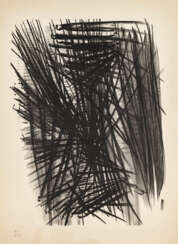

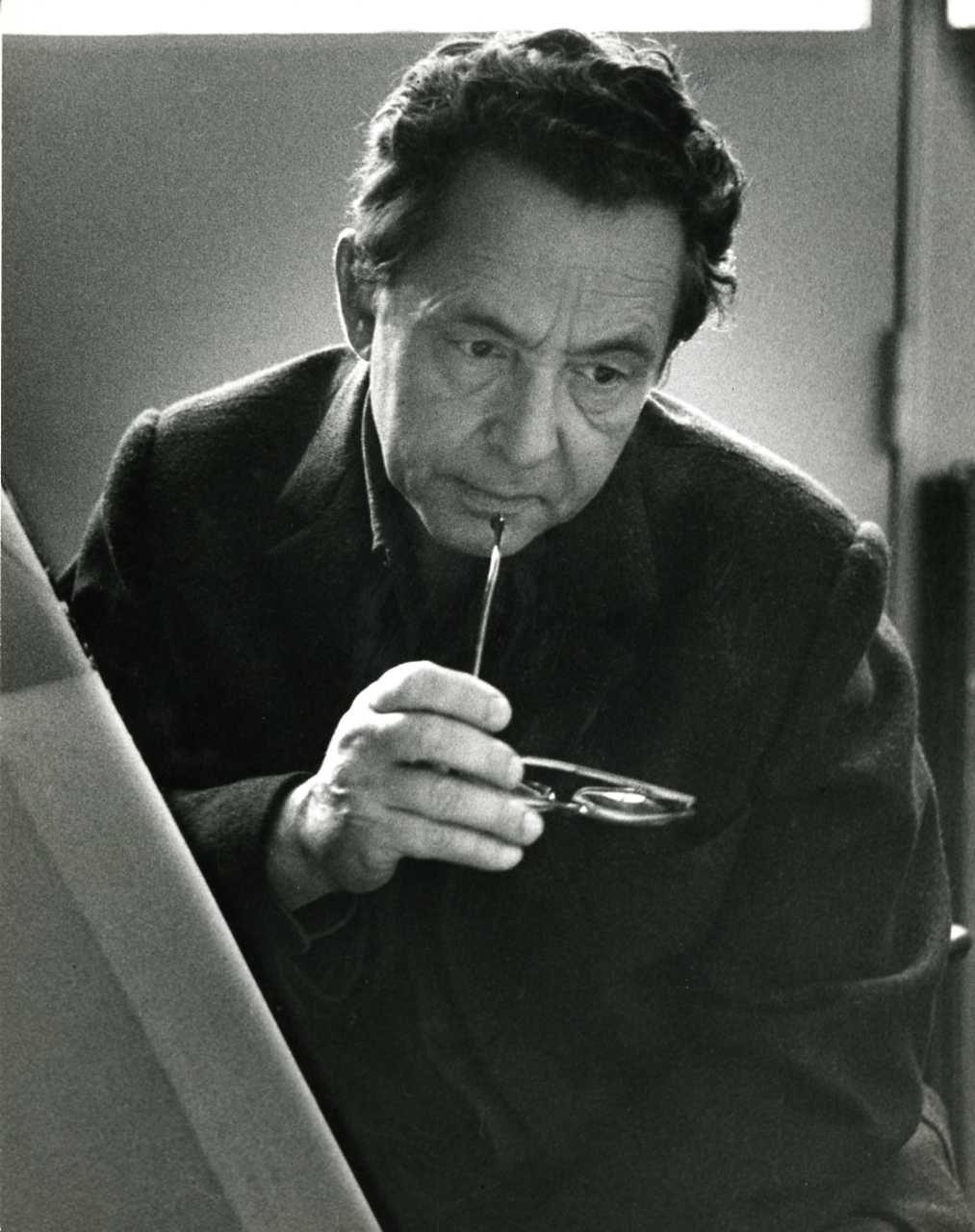
Hans Hartung was a German-French painter, known for his gestural abstract style. He was also a decorated World War II veteran of the Legion d'honneur.
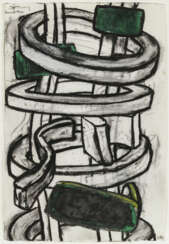


Stuart Farmery is a British artist and sculptor who lives and works in New York, USA.


Stuart Farmery is a British artist and sculptor who lives and works in New York, USA.


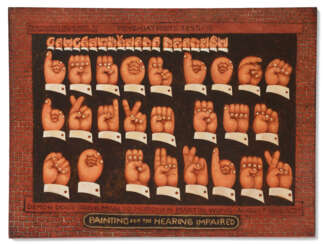

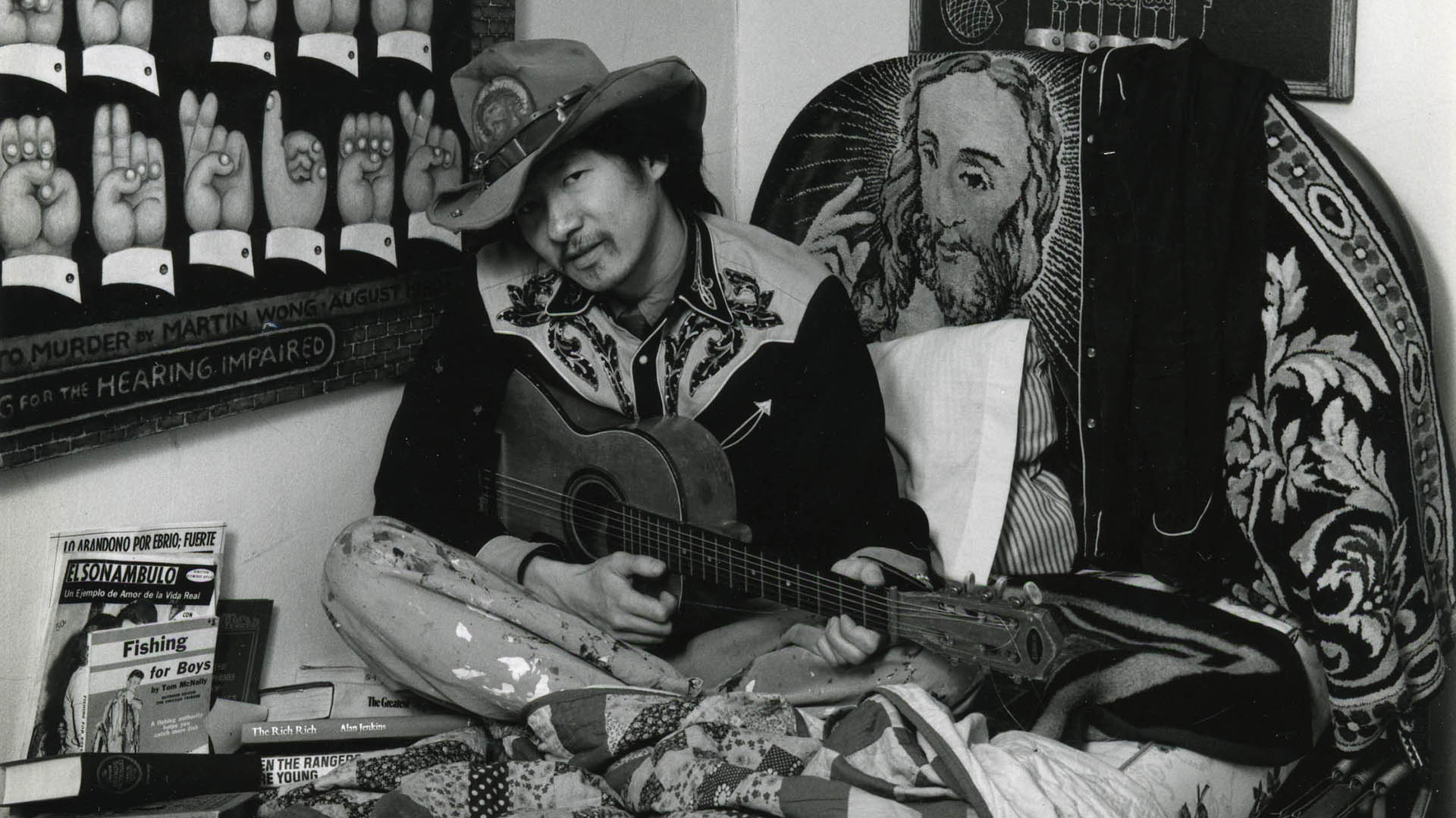
Martin Wong was a Chinese-American painter of the late 20th century. His work has been described as a meticulous blend of social realism and visionary art styles. Wong's paintings often explored multiple ethnic and racial identities, exhibited cross-cultural elements, demonstrated multilingualism, and celebrated his queer sexuality.
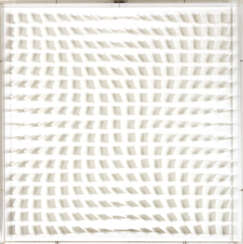

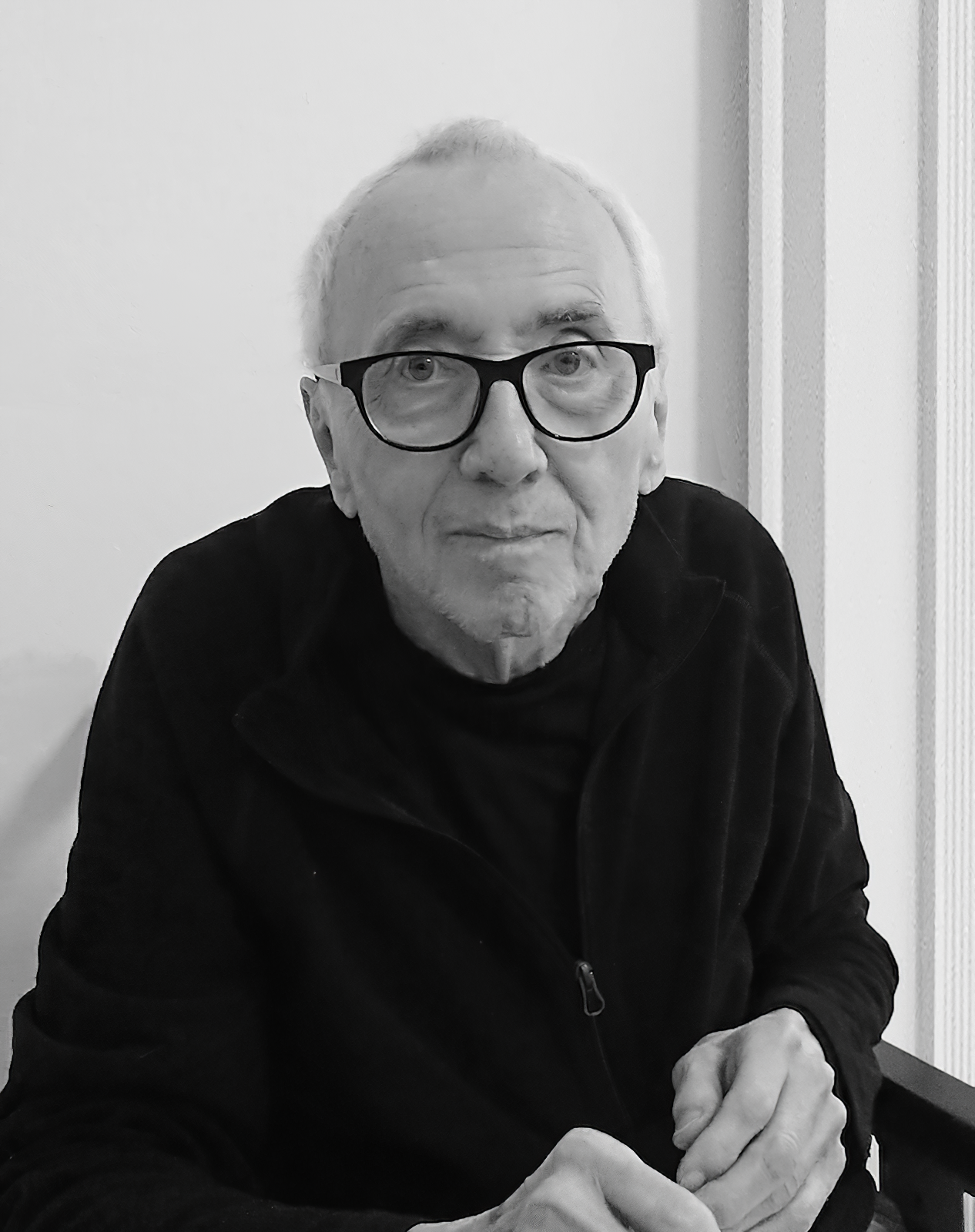
Hartmut Böhm was a German object artist.
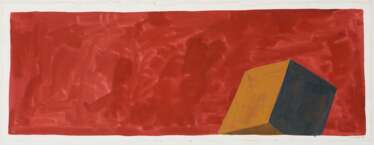




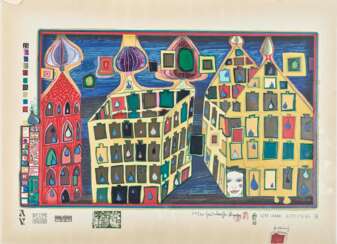


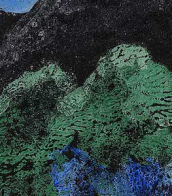


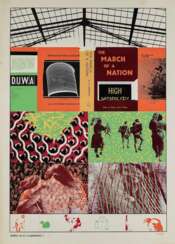



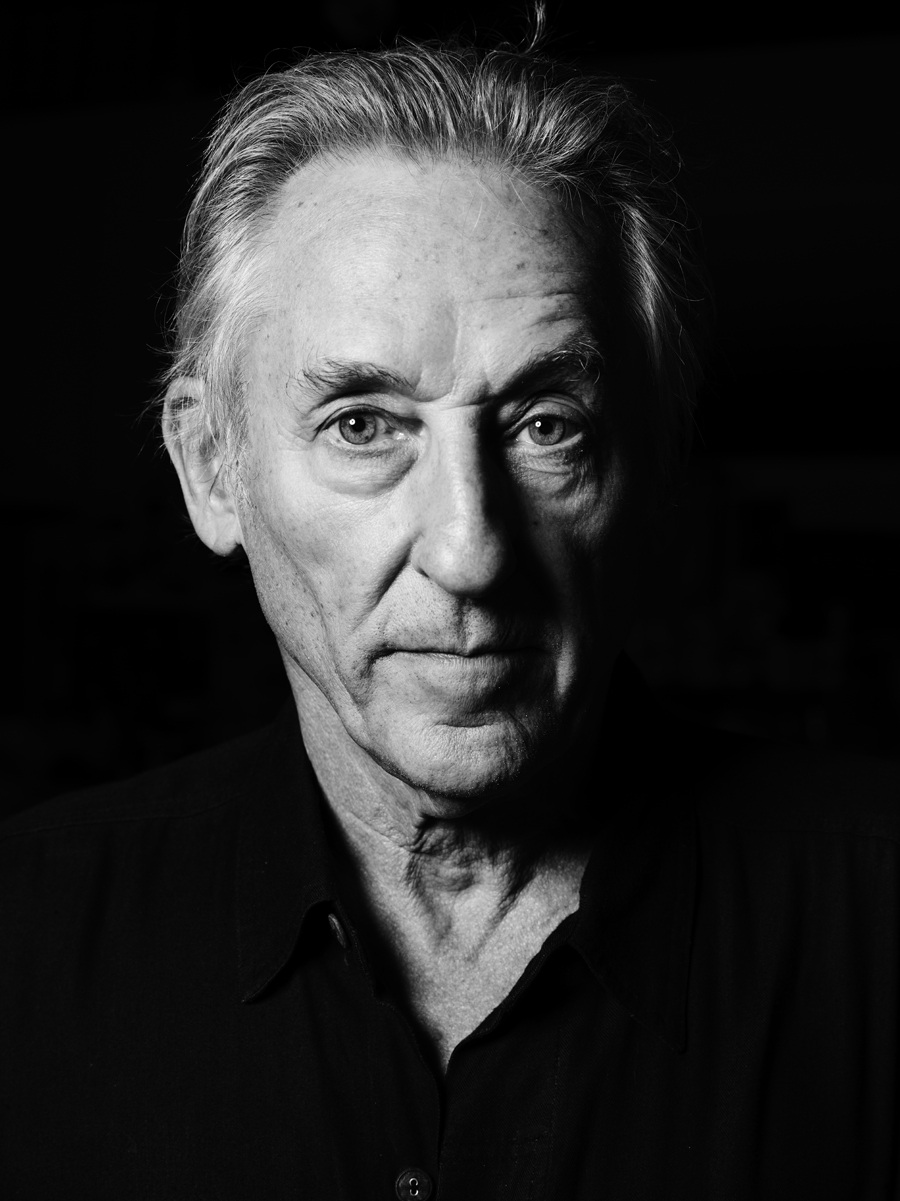
Edward Ruscha, an American artist born in 1937, is a prominent figure associated with West Coast Pop art, celebrated for his innovative approach to blending visual and verbal language within his works. Ruscha's journey in the art world began after moving to Los Angeles in 1956, where his fascination with the urban landscape and commercial culture flourished. He attended Chouinard Art Institute, now known as CalArts, which laid the foundation for his artistic exploration.
Edward Ruscha's art is deeply influenced by the Hollywood film industry, with works like "Large Trademark with Eight Spotlights" echoing the commercial graphics and cinematic influence of his time. His "Word paintings" series, starting in the 1960s, showcases his unique approach to typography and language, setting monosyllabic words against solid backgrounds, a style that continued to evolve throughout his career.
During the 1970s, Edward Ruscha expanded his narrative, incorporating phrases into his works, further exploring the relationship between text and image. His work in the 1980s and beyond includes landscapes juxtaposed with text, creating intriguing visual narratives that challenge viewers to find connections between the words and the images.
Edward Ruscha's contributions to the art world are significant, with his works held in major collections and institutions. His career spans various mediums, including painting, printmaking, photography, and artist's books, showcasing his versatility and enduring influence on contemporary art.
For enthusiasts and collectors of modern art, Edward Ruscha's works offer a unique blend of visual artistry and linguistic play. His innovative approach to combining text and image has cemented his status as a pivotal figure in contemporary art. To stay updated on the latest exhibitions, sales, and insights related to Edward Ruscha's art, consider subscribing to updates from renowned art galleries and auction houses. This subscription will ensure you're informed about new opportunities to engage with and appreciate the distinct and influential art of Edward Ruscha.



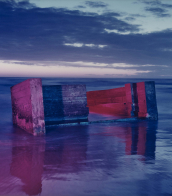






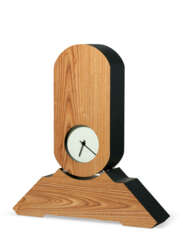

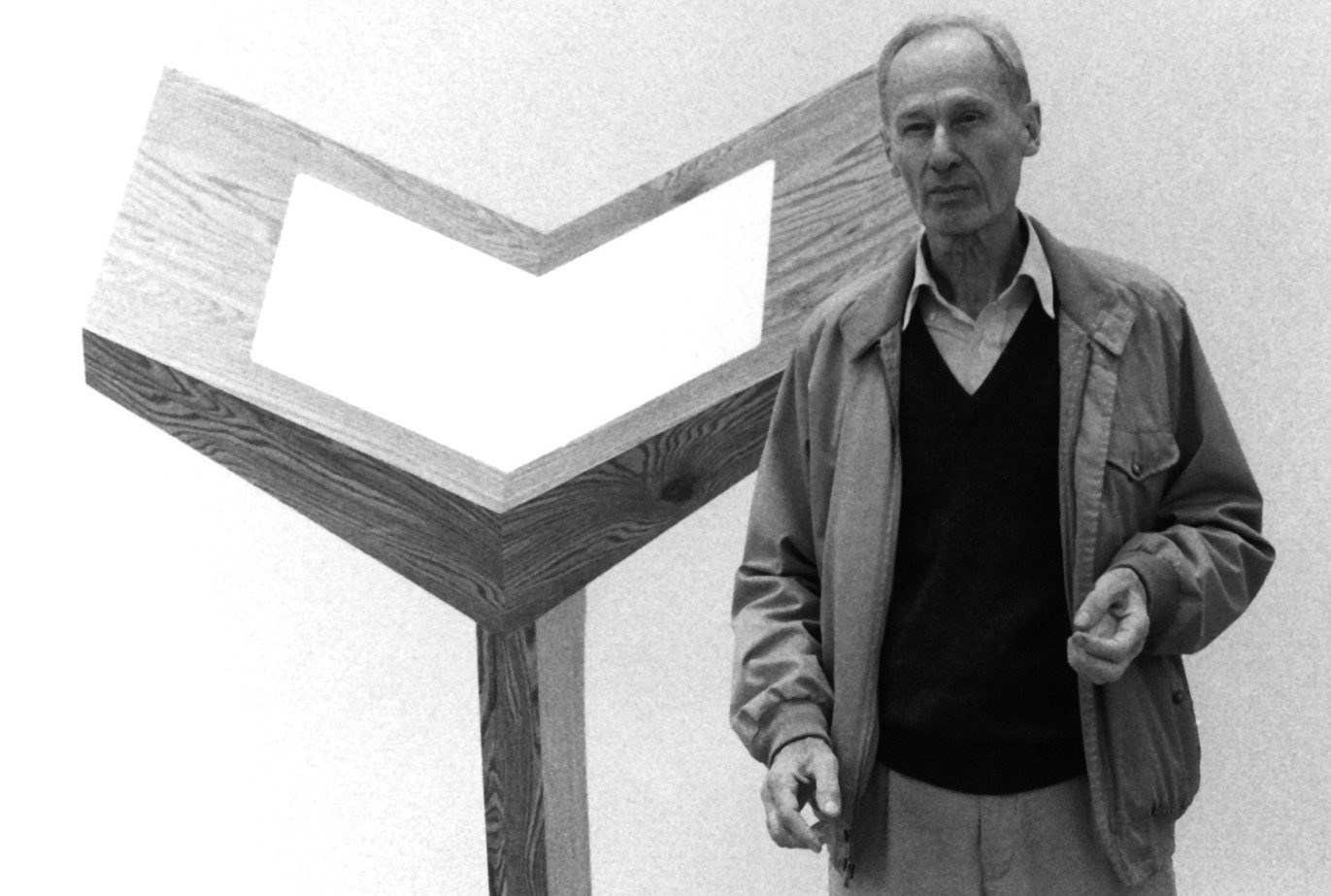
Richard Ernst Artschwager was an American painter, illustrator and sculptor. His work has associations with Pop Art, Conceptual art and Minimalism.

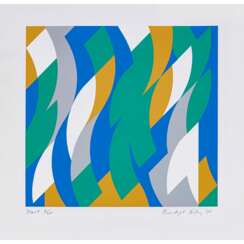

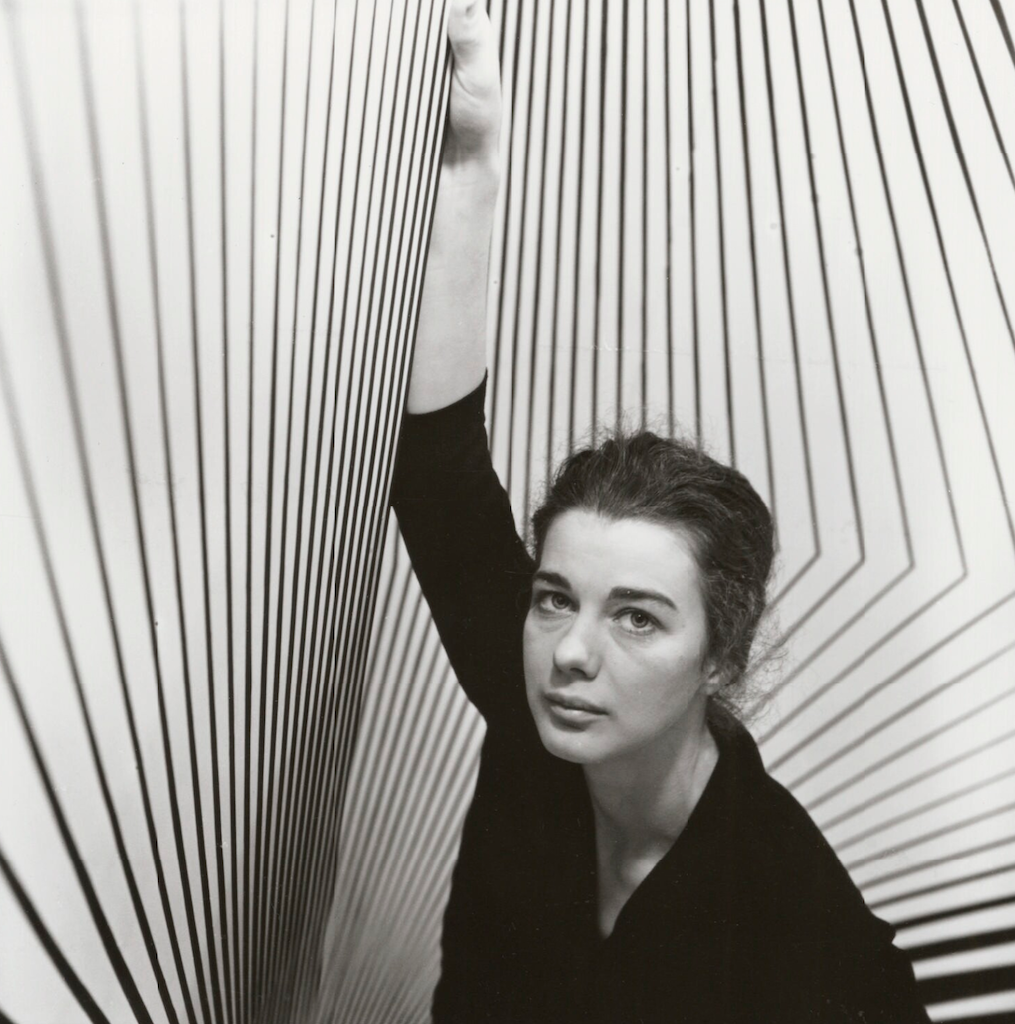
Bridget Louise Riley, an eminent English painter, has captivated the art world with her pioneering contributions to the Op Art movement. Born in London in 1931, Riley's early works were characterized by a figurative, semi-impressionist style. However, her artistic trajectory took a significant turn in the late 1950s and early 1960s when she began experimenting with optical illusions, leading to the development of her signature Op Art style. These works, utilizing geometric patterns in black and white, explored the dynamics of perception, creating disorienting effects and sensations of movement or color in the viewer.
Riley's exploration into color, which commenced in 1967, marked a new phase in her career. Her visit to Egypt in the early 1980s further enriched her palette, leading to the creation of works that reflected the vibrant hues of the Egyptian landscape. This period also saw the introduction of her 'Egyptian palette', which captured both the spirit of ancient and modern Egypt. Notable among her colorful works is "Cataract 3", where Riley utilized the contrast between warm and cold colors to produce a shifting, dynamic effect on the canvas, a testament to her continuous exploration of the interaction between form, color, and human perception.
Riley's work extends beyond canvas, with significant contributions to public art through murals. Her installations at prestigious institutions like the Tate, the Musée d'Art Moderne de la Ville de Paris, and the National Gallery, as well as a large-scale mural for the Chinati Foundation in Marfa, Texas, demonstrate her versatility and commitment to engaging with a broader public audience.
For collectors and experts in art and antiques, Riley's work represents a fascinating intersection of art, science, and perception, offering a unique visual experience that challenges and delights. Her dedication to expanding the boundaries of visual art ensures her place as a central figure in contemporary art discourse.
Sign up for updates related to Bridget Louise Riley to stay informed about new product sales and auction events showcasing her groundbreaking work. Join us in celebrating the legacy and ongoing journey of one of the foremost exponents of optical art.
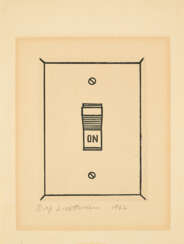

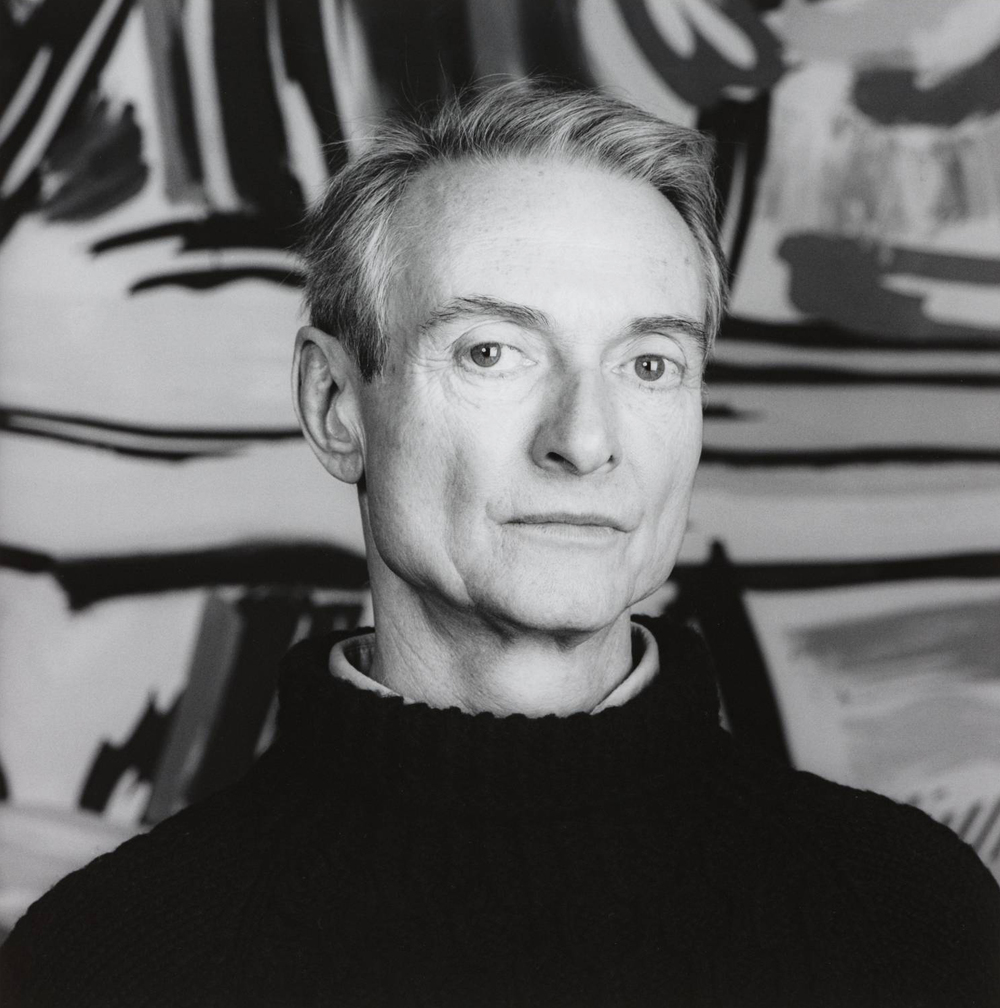
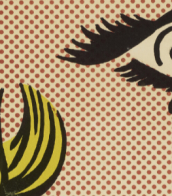
Roy Fox Lichtenstein, an American icon of the Pop Art movement, is celebrated for his comic strip-inspired art. Born in 1923 in New York City, Lichtenstein's journey into the art world was marked by various phases, evolving from Cubism and Abstract Expressionism to the distinctive Pop Art style he is renowned for.
Roy Lichtenstein's artistic career gained momentum in the 1960s, a period during which he embraced the comic strip as his primary source of inspiration. His pioneering use of Ben-Day dots, a technique borrowed from commercial printing, became his signature style, bringing a new visual language to fine art. His approach transformed mundane subjects from popular culture into compelling fine art, challenging traditional notions of artistry.
Among his most notable works, "Drowning Girl" (1963), displayed at the Museum of Modern Art in New York, exemplifies his iconic style with its bold lines, vivid colors, and Ben-Day dots. This piece, along with others like "Look Mickey" and "Whaam!", played a critical role in establishing Pop Art as a major art movement, contrasting starkly with the Abstract Expressionism prevalent at the time.
Roy Lichtenstein's art was not just limited to canvas; he explored multiple media, showcasing his versatility. His shift to Pop Art marked a significant turn in his career, bringing him fame and controversy alike. His works, often based on comic strips and advertisements, were both a parody and homage to the mass-produced, consumerist culture of his time.
For art collectors and experts, Lichtenstein's works offer a fascinating glimpse into a transformative era in art history. His approach to Pop Art remains influential, and his works are celebrated worldwide for their innovative and provocative style.
Interested in staying updated on sales and auction events featuring Roy Lichtenstein's works? Sign up for our updates. We provide straightforward, no-nonsense information on the latest in art sales and auctions related to Lichtenstein.
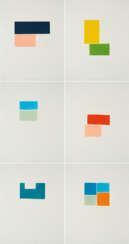


Martin Noel is a contemporary German painter and graphic artist.



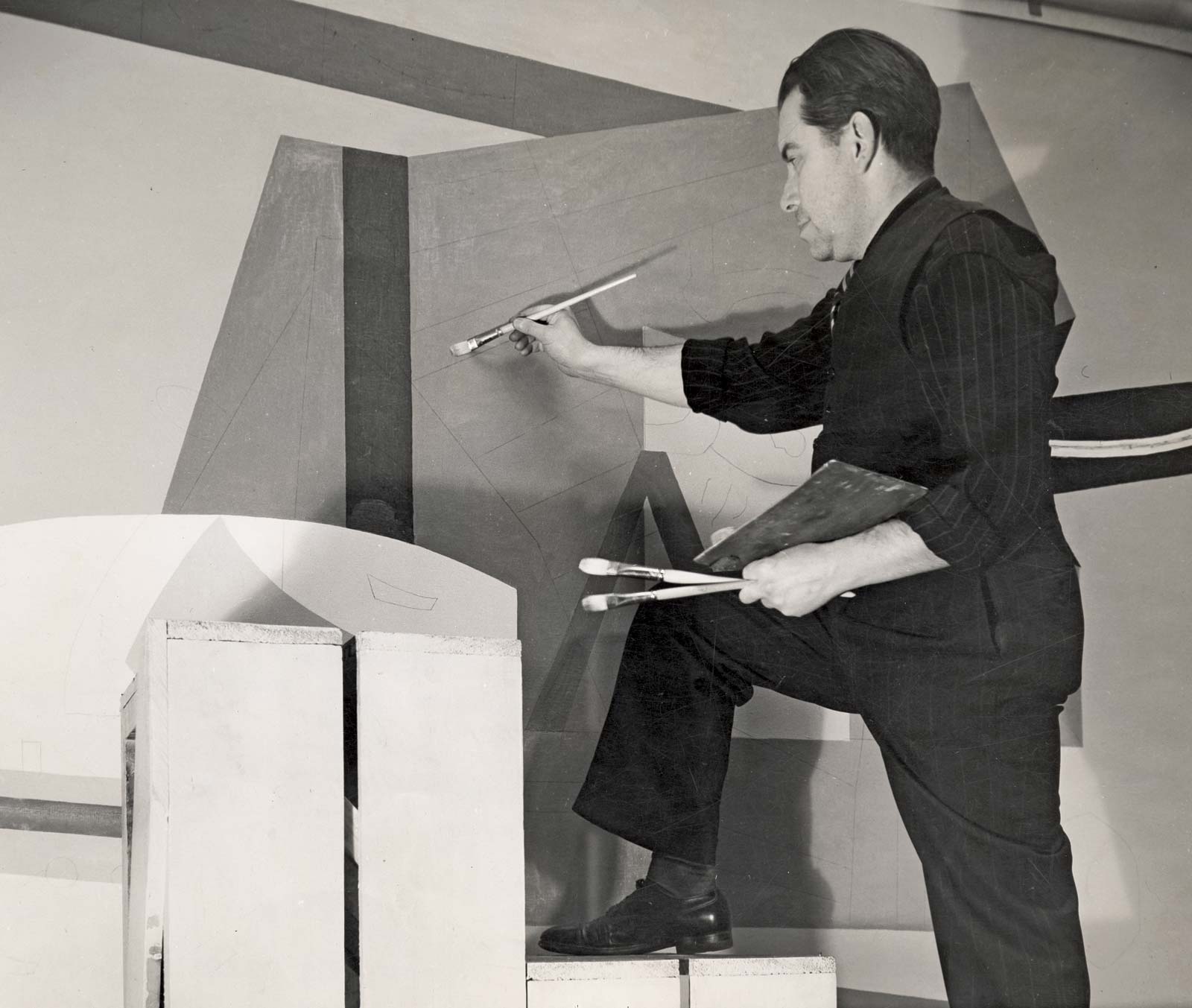
Edward Stuart Davis was an American artist, a representative of Cubism and Pop Art in painting. He was also active in politics; one of Davis's goals was to "reconcile abstract art with Marxism and modern industrial society. Along with his paintings, Davis was also an engraver and member of the Society of American Graphic Artists.
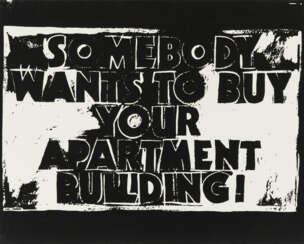

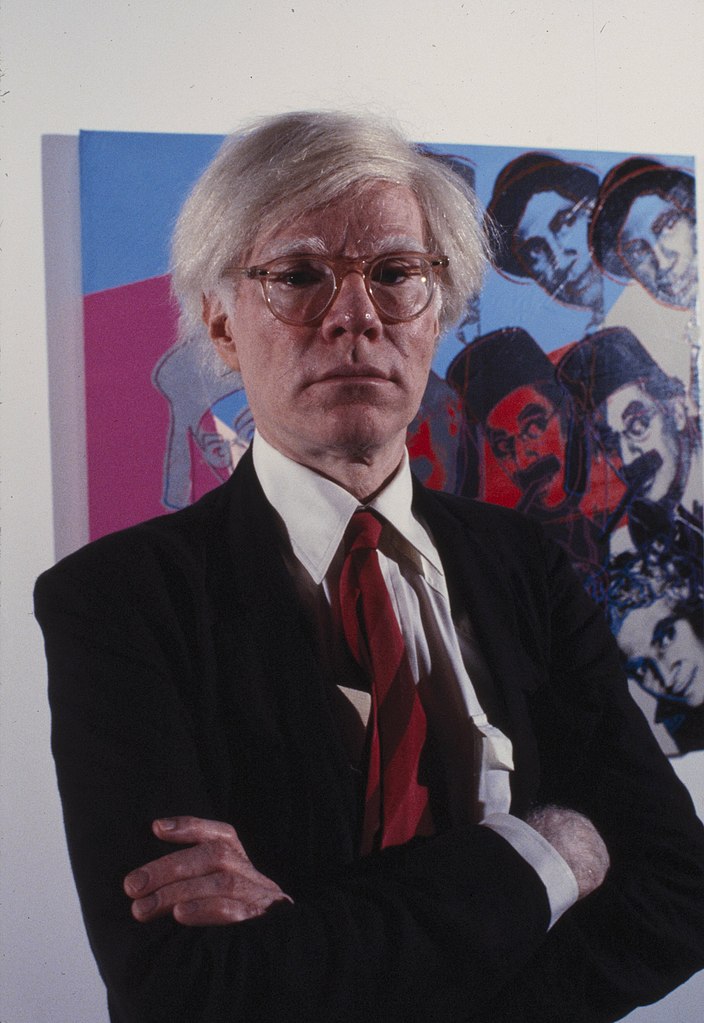
Andy Warhol, born as Andrew Warhola Jr., was an American visual artist, film director, and producer, who played a pivotal role in the development of the Pop Art movement. His art delved into the interplay between artistic expression, advertising, and celebrity culture, especially prevalent in the 1960s. Warhol was renowned for his diverse range of media, which included painting, silkscreening, photography, film, and sculpture.
Warhol's journey began in Pittsburgh, where he was born and raised, initially making a name for himself as a commercial illustrator. His New York studio, "The Factory," became a famous hub for intellectuals, celebrities, and various artistic minds. He was known for creating the notion of "Warhol superstars" and popularized the phrase "15 minutes of fame."
His contribution to the art world is significant, with notable works like "Campbell's Soup Cans" (1962) and "Marilyn Diptych" (1962), as well as his experimental films like "Empire" (1964) and "Chelsea Girls" (1966). These works not only define his career but also underscore the essence of the Pop Art movement.
Warhol's influence extended beyond his artwork. He managed and produced the experimental rock band The Velvet Underground, founded Interview magazine, and wrote several books, including "The Philosophy of Andy Warhol" and "Popism: The Warhol Sixties." Living openly as a gay man before the gay liberation movement, Warhol's personal life was as influential as his professional endeavors.
Tragically, Warhol's life was nearly cut short in 1968 when he was shot by radical feminist Valerie Solanas. He eventually passed away in 1987 due to cardiac arrhythmia following gallbladder surgery. His legacy continues, with The Andy Warhol Museum in Pittsburgh standing as the largest U.S. museum dedicated to a single artist.
Warhol's art remains highly collectible and valuable. His works, like the "Silver Car Crash (Double Disaster)" and "Shot Sage Blue Marilyn," have fetched staggering amounts at auctions, signifying his enduring impact on the art market.
For art collectors and experts, Andy Warhol's work represents a crucial intersection of pop culture and fine art, offering a unique perspective on consumerism and celebrity. His pieces are not just art; they are historical landmarks that capture a transformative era in both art and society.
To stay updated on new products, sales, and auction events related to Andy Warhol, sign up for our updates. This subscription will keep you informed about all things Warhol without overwhelming you with unnecessary information.






Hartmann Schedel was a German humanist, medical scientist, historian and chronicler.
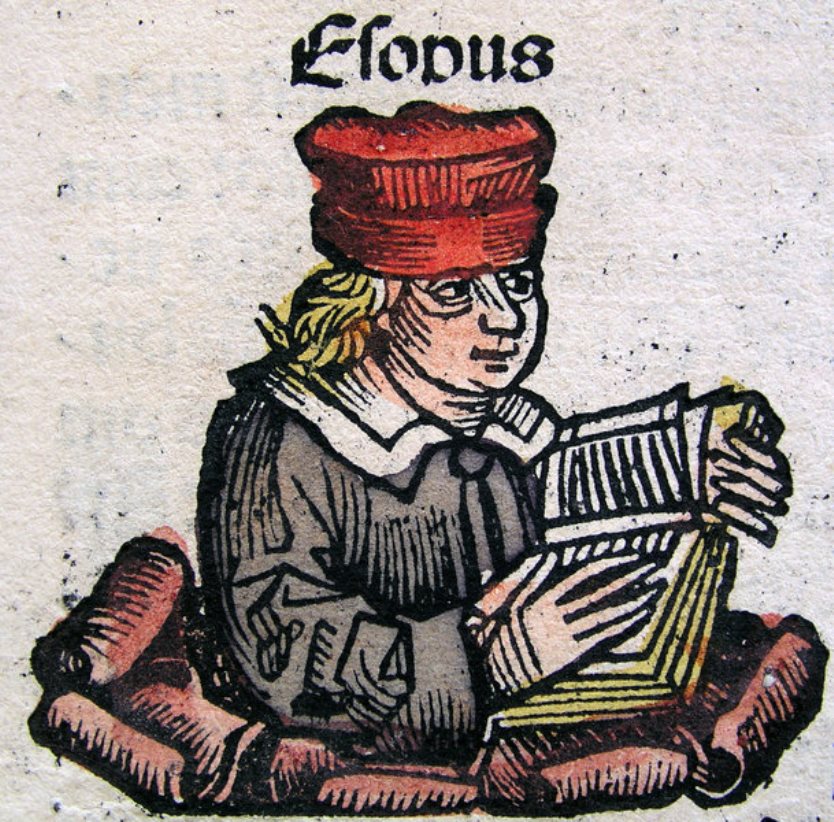
Schedel was the first to compile a world chronicle, the so-called Visual History of the Earth from the Creation of the World to the 1490s, known as Schedelsche Weltchronik (Schedel's World Chronicle). It was published in 1493 in Nuremberg. About 600 woodcuts for this book were created by the artists and engravers Michael Wolgemuth (1434-1519) and Albrecht Dürer (1471-1528). The illustrations depict biblical scenes, family trees, portraits of famous personalities, and fairy tale or legendary creatures. However, the main ones here were maps of the world, Germany and Central Europe.
Hartmann Schedel was one of the first cartographers to use machine printing. He was also a renowned collector of books, artworks and engravings by old masters.

Hartmann Schedel was a German humanist, medical scientist, historian and chronicler.
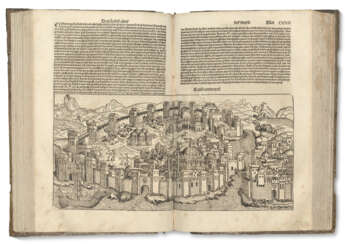
Schedel was the first to compile a world chronicle, the so-called Visual History of the Earth from the Creation of the World to the 1490s, known as Schedelsche Weltchronik (Schedel's World Chronicle). It was published in 1493 in Nuremberg. About 600 woodcuts for this book were created by the artists and engravers Michael Wolgemuth (1434-1519) and Albrecht Dürer (1471-1528). The illustrations depict biblical scenes, family trees, portraits of famous personalities, and fairy tale or legendary creatures. However, the main ones here were maps of the world, Germany and Central Europe.
Hartmann Schedel was one of the first cartographers to use machine printing. He was also a renowned collector of books, artworks and engravings by old masters.