

h.höschen
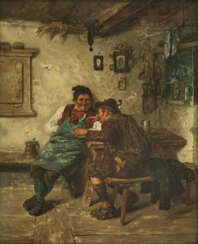

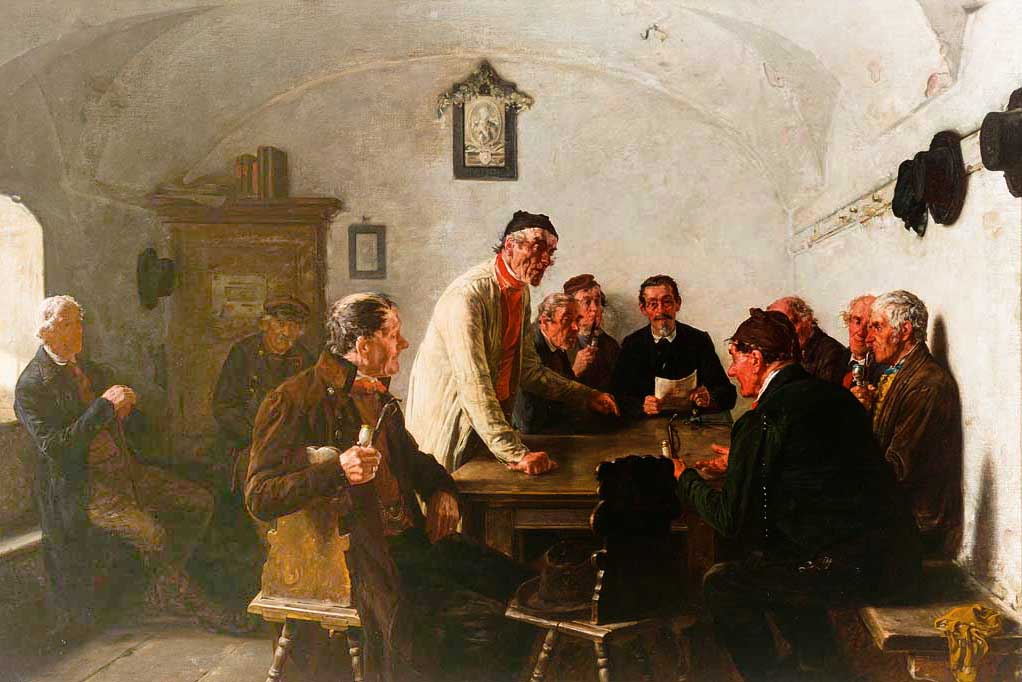
Johann Hugo Georg Gottlieb Kotschenreiter was a German genre painter and illustrator.
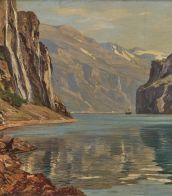
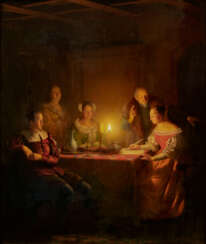

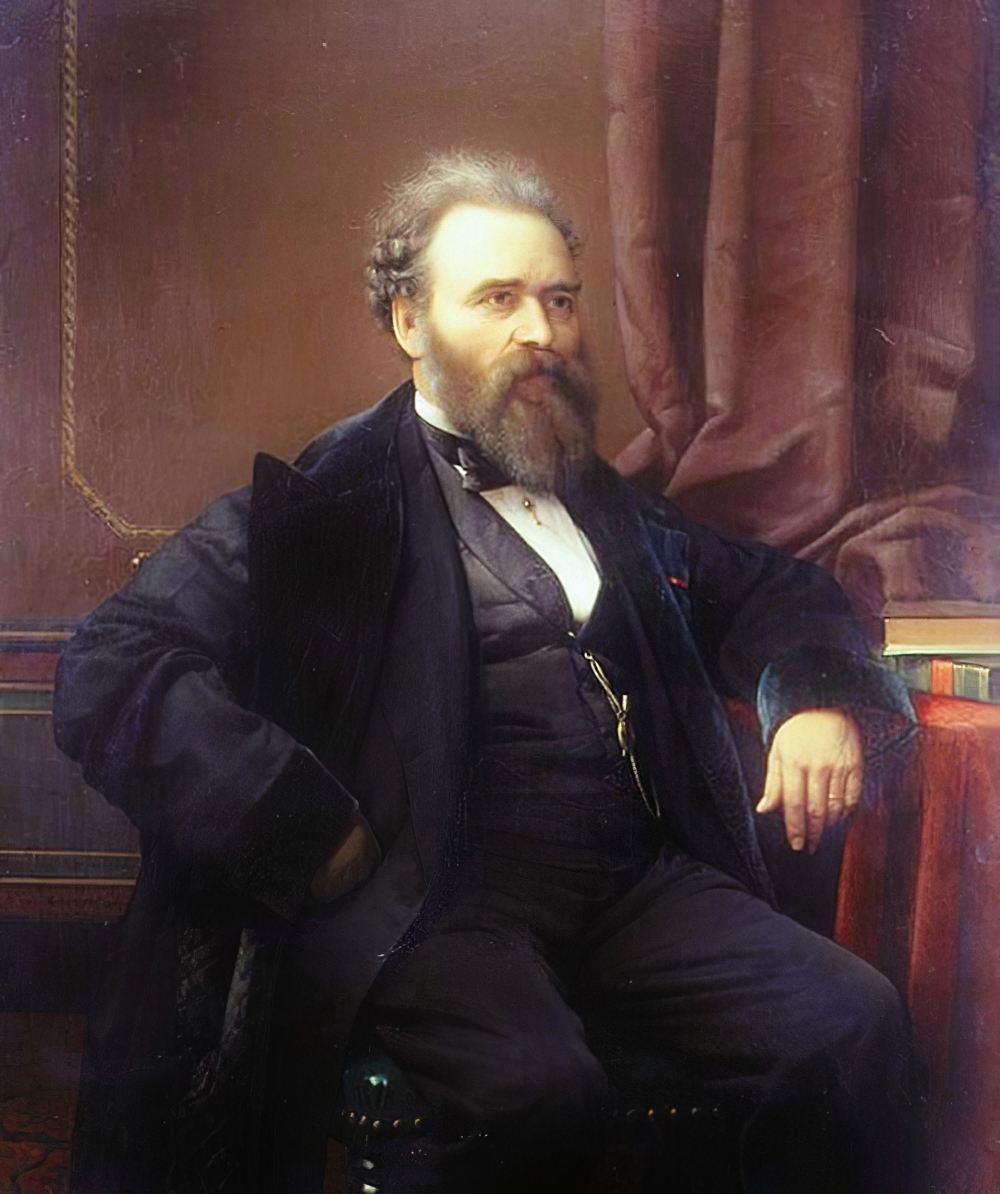
Petrus van Schendel was a Dutch-Belgian genre painter in the Romantic style who specialized in nighttime scenes, lit by lamps or candles. This led to him being known as "Monsieur Chandelle".


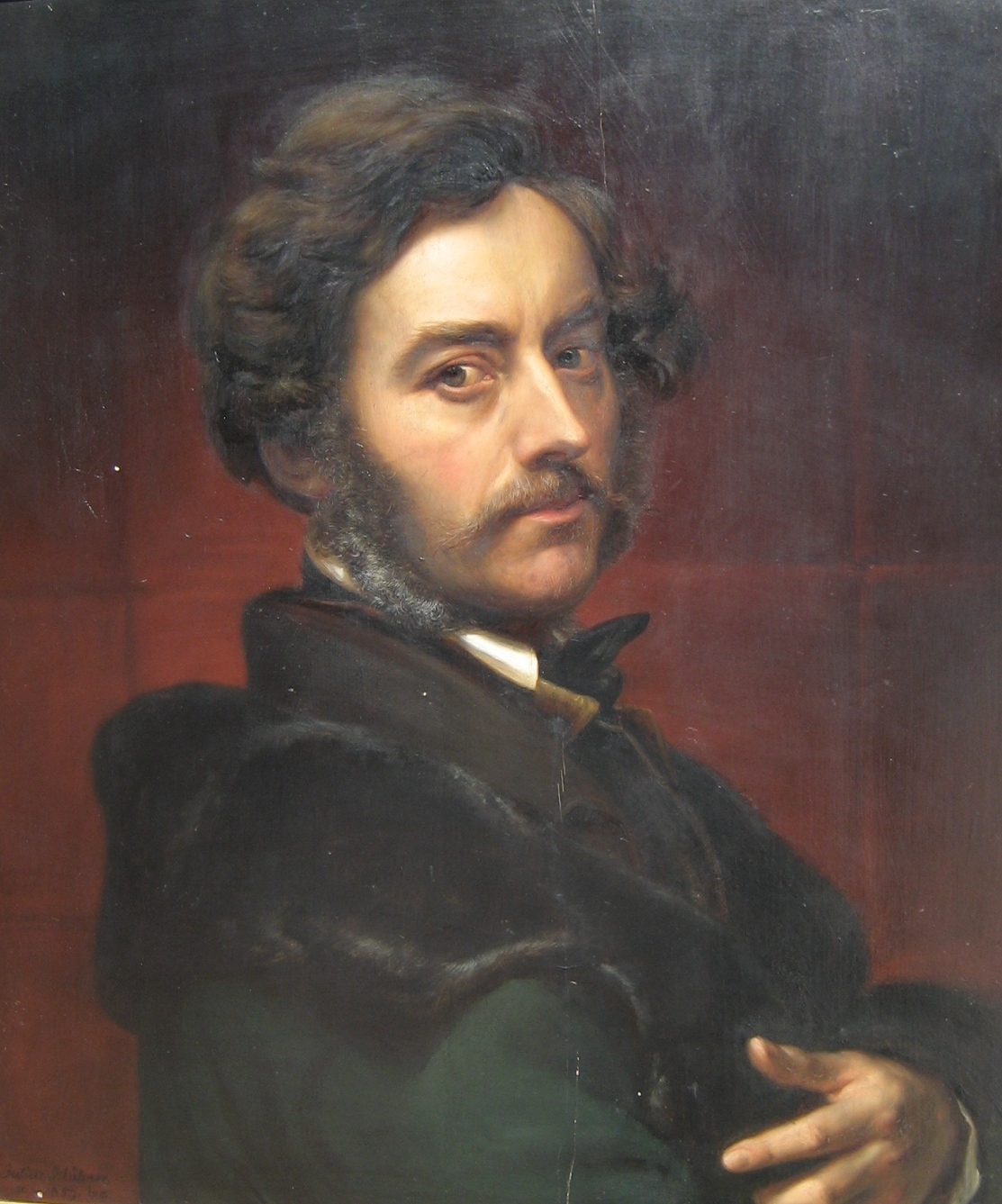
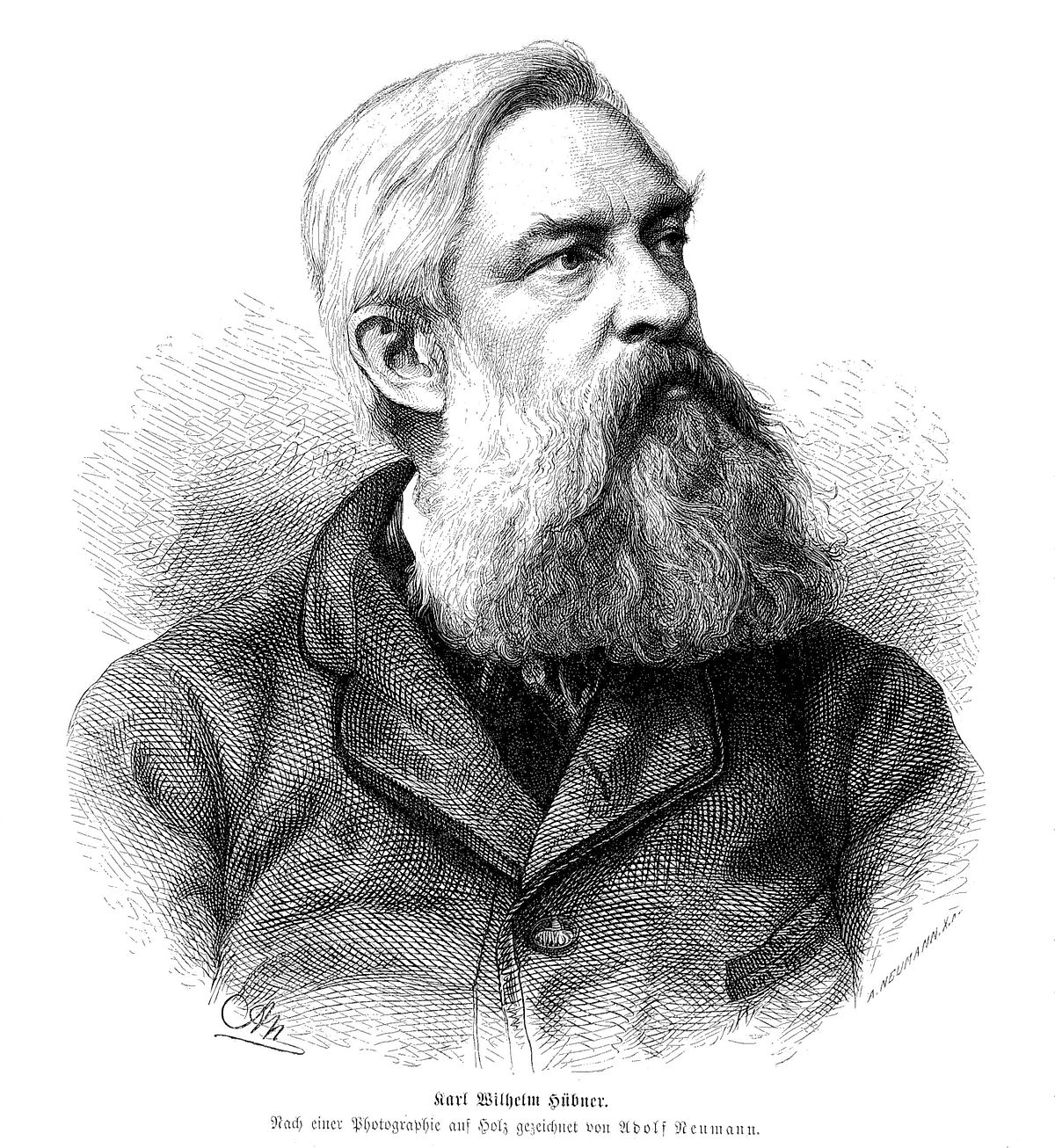
Rudolf Julius Benno Hübner was a German historical painter of the Düsseldorf school of painting. He was also known as a poet and the father of Emil Hübner, a distinguished classical scholar.
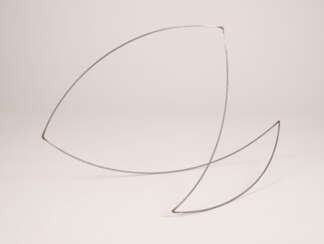

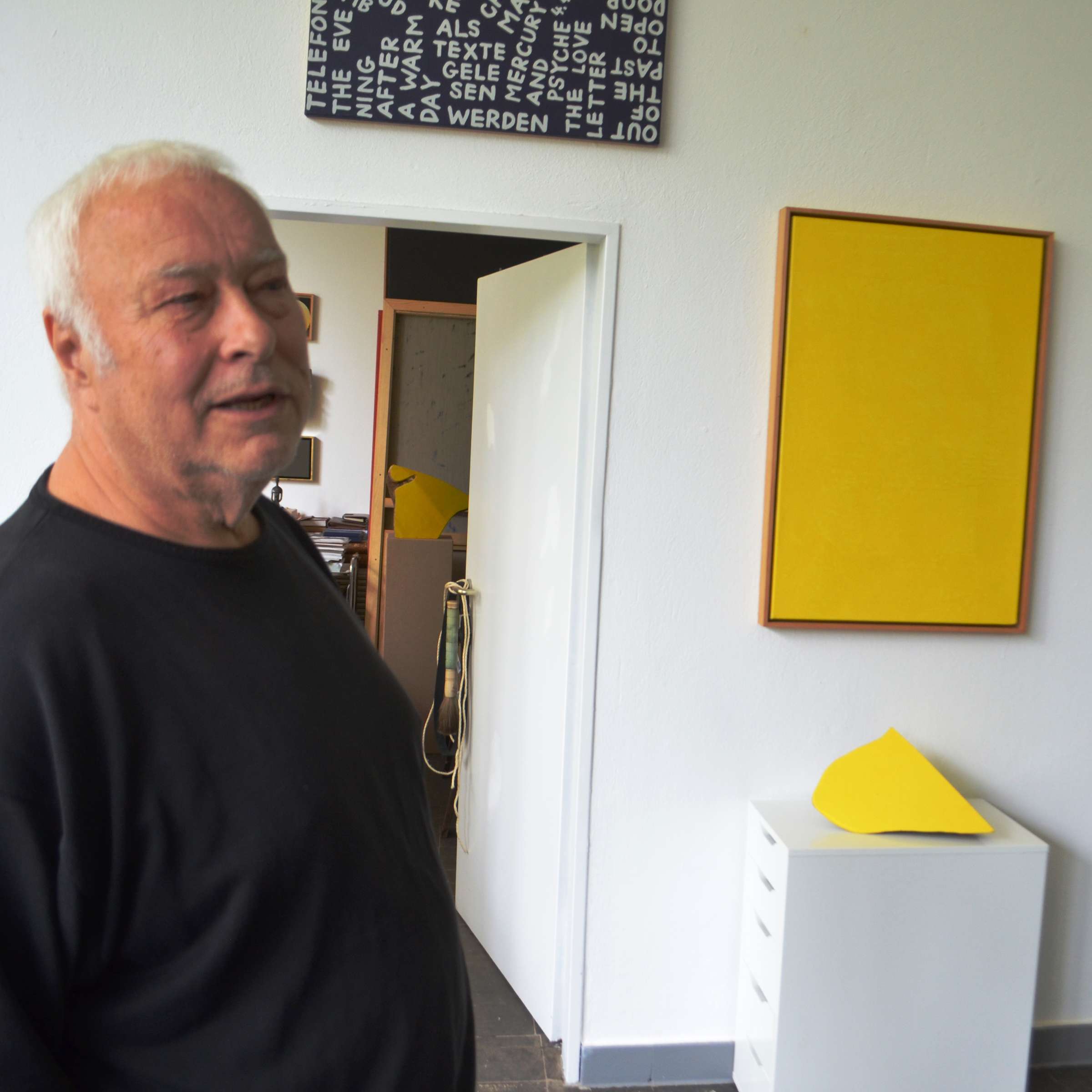
Edgar Hofschen was a German artist.
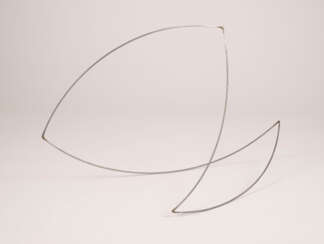

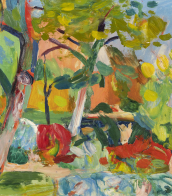
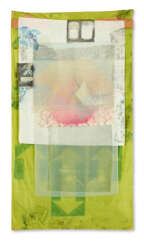

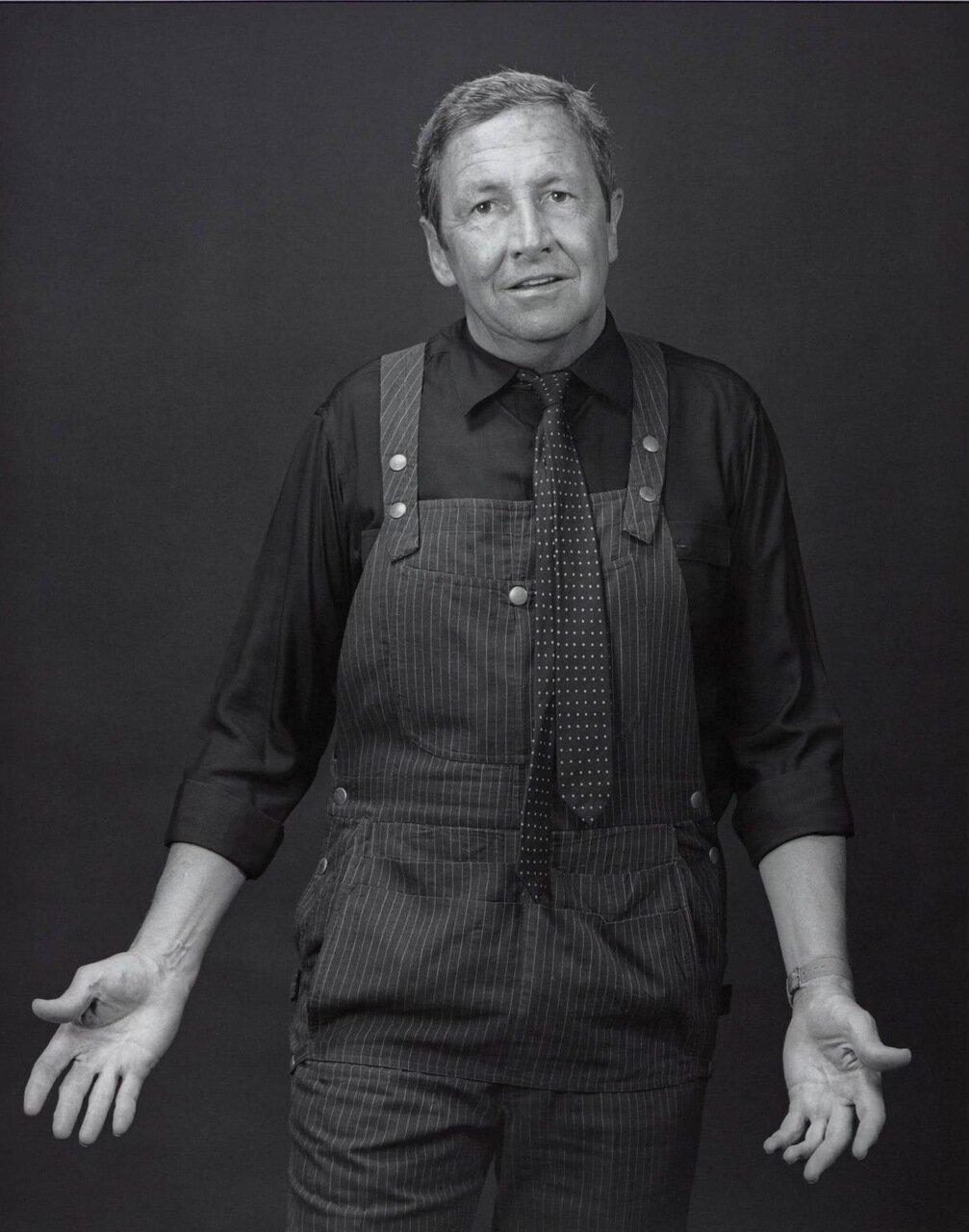
Robert Milton Ernest Rauschenberg was an American artist renowned for his pioneering work that blurred the boundaries between painting and sculpture, thereby anticipating the Pop art movement. From his early days at the Art Students League of New York to his experiments at Black Mountain College, Rauschenberg's career was marked by innovation and collaboration. His "Neo-Dadaist" approach, shared with contemporaries like Jasper Johns, questioned traditional distinctions between art objects and everyday items, drawing inspiration from Marcel Duchamp's Dadaist principles.
Rauschenberg's most notable works, such as "Erased de Kooning Drawing" and his "Combines," utilized found materials and images to create new art forms that challenged viewers' perceptions. His use of non-traditional materials like twine, soil, and even taxidermied animals, alongside traditional canvas and paint, set new precedents for what could be considered art. His groundbreaking silkscreen paintings incorporated found images, further cementing his role in the evolution toward Pop art.
The artist's work is represented in major museums and galleries worldwide, reflecting his significant impact on contemporary art. His pieces like "Canyon" and "Monogram" are celebrated for their innovative integration of sculpture and painting, while "Signs" captures the tumultuous spirit of the 1960s through its collage of cultural figures and events, housed in institutions like the Museum of Contemporary Art, San Diego, and The Minneapolis Institute of Arts.
For collectors and experts in art and antiques, Rauschenberg's oeuvre represents a critical junction in the history of modern art, where the lines between different media and disciplines were explored and often erased. His legacy is not just in the objects he created but in his bold reimagining of the art-making process itself, encouraging a dialogue between art and life that continues to inspire artists today.
For updates on new product sales and auction events related to Robert Milton Ernest Rauschenberg, consider signing up for our newsletter. This subscription service is tailored specifically for enthusiasts eager to stay informed about the latest opportunities to acquire works by or related to this transformative artist.
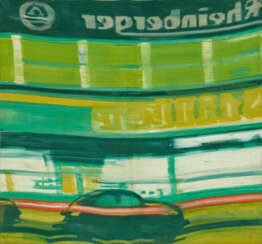

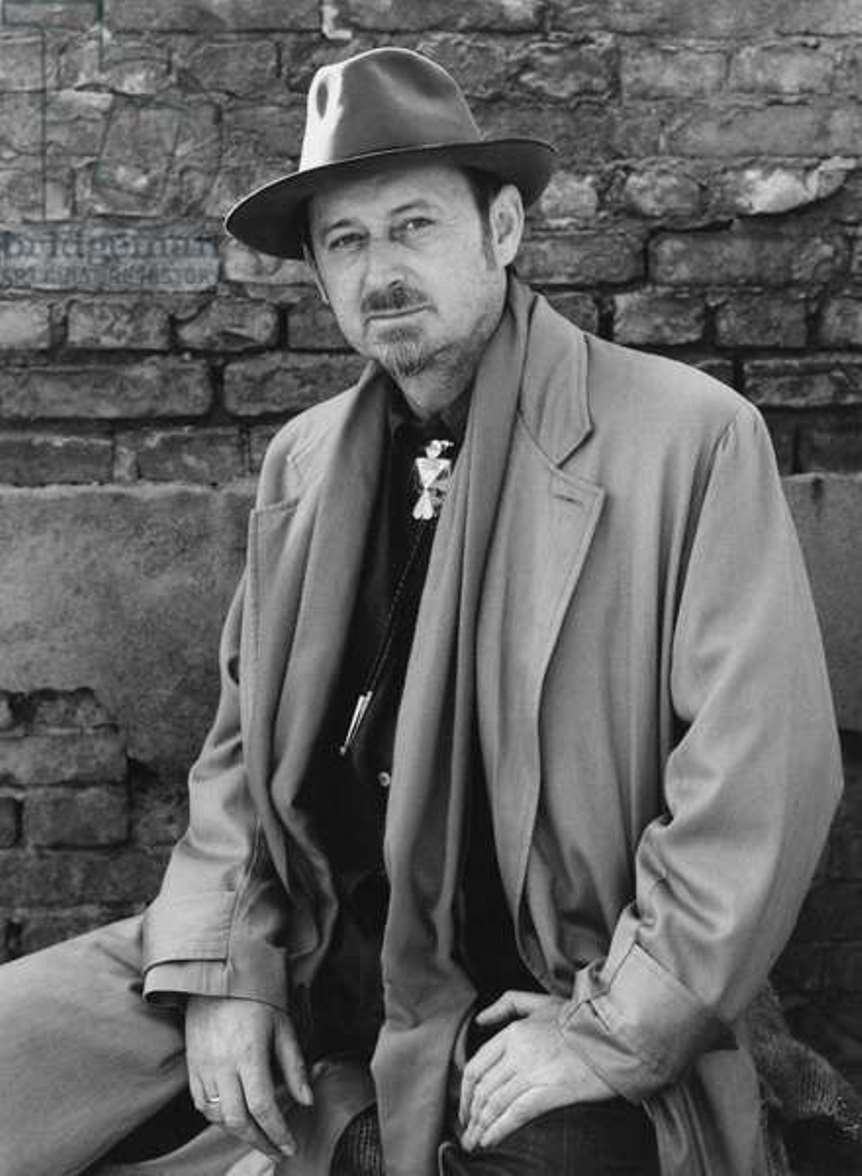
Karl Horst Hödicke is a German artist, a pioneer of German Neo-Expressionism and new figuration, and one of the most important representatives of German post-war painting.
After moving to Berlin in 1957, Hödicke encountered the eventful history of Berlin - the construction of the Berlin Wall, the Cold War, and reunification - and reflected it in his paintings.


.jpg)
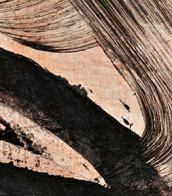
Alfonso Hüppi is a Swiss painter.
In 1998, he co-founded with Erwin Gebert the "Museum in the Bush" in Etaneno, Namibia. Since then, he serves as the Director of the museum and the artist programs.

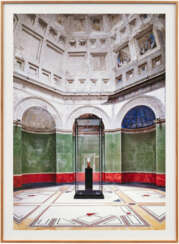

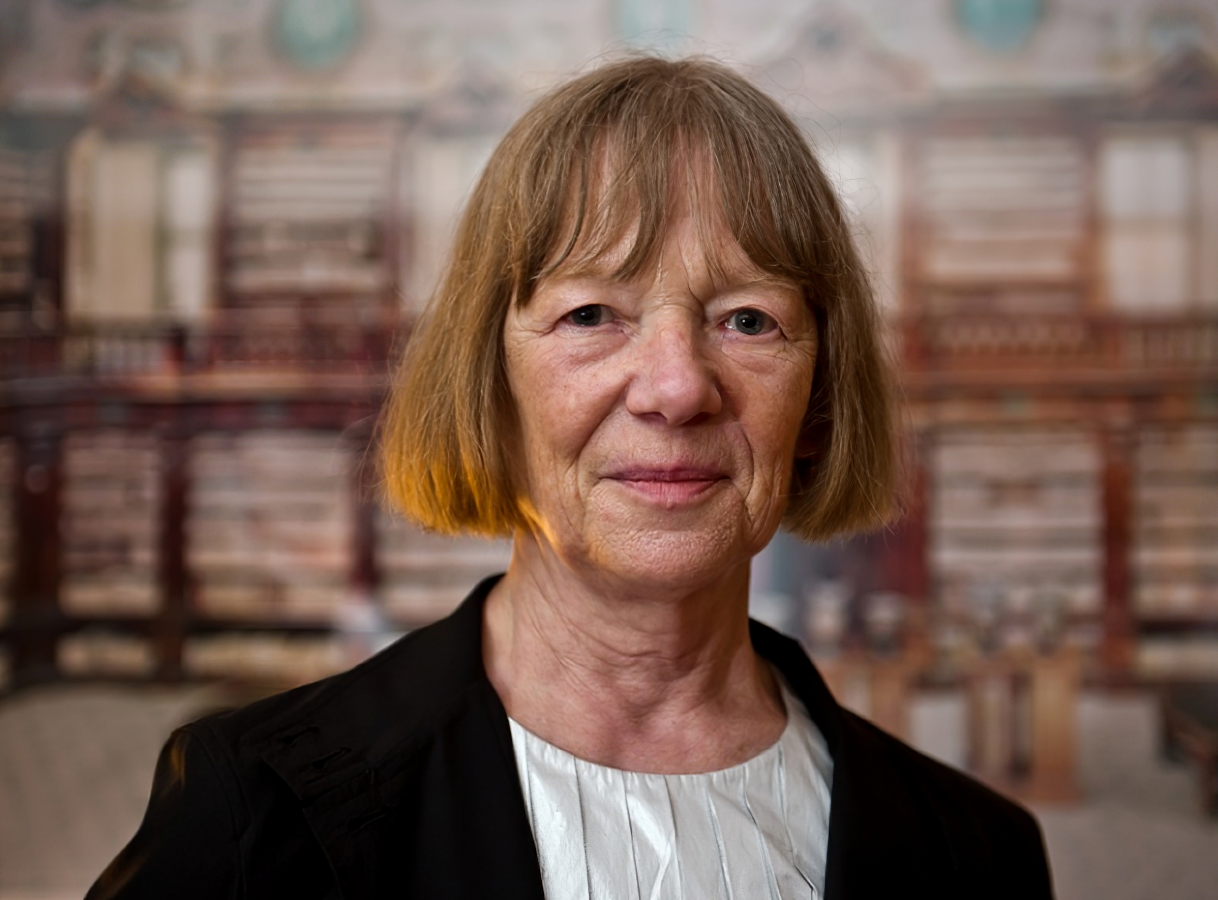
Candida Höfer is a German photographer. She is a former student of Bernd and Hilla Becher. Like other Becher students, Höfer's work is known for technical perfection and a strictly conceptual approach. From 1997 to 2000, she taught as professor at the Hochschule für Gestaltung, Karlsruhe. Höfer is the recipient of the 2018 Outstanding Contribution to Photography award, as part of the Sony World Photography awards. She is based in Cologne.



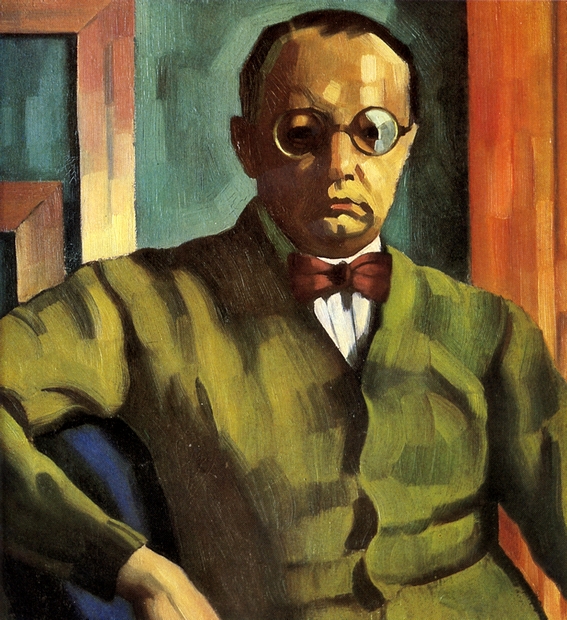
Adolf Erbslöh was a German painter and representative of classical modernism.
Erbslöh attended the academy in Karlsruhe, continued his studies at the Munich Academy. The decisive impetus for his further development as an artist was given by a meeting with Alexei von Jawlensky. In 1909, the artist was secretary of the founding circle Neue Künstlervereinigung München. This group of artists included Kandinsky, Jawlensky, Kanoldt, Münter, Verevkin and others who later formed the basis of the Blue Rider (Der Blaue Reiter) group. Their new art form was characterized by strictly stylized images in close connection with Expressionism.
In 1914 Erbslöh was drafted into the army, where he served as a war artist on the western front until the end of the war. In 1916 he joined the New Munich Secession of Munich. During the Nazi "Degenerate Art" campaign, his paintings, as well as many others, were withdrawn from collections, after which the artist retreated to his home near Iking and led a secluded life there with his family for the rest of his life.
Erbslöh still painted many portraits of family members and friends, as well as depicting in small formats the nearby landscapes: his garden, his house, his church and the surrounding fields. Regardless of all directions, the artist is one of the most important representatives of classical modernism.

Adolf Erbslöh was a German painter and representative of classical modernism.
Erbslöh attended the academy in Karlsruhe, continued his studies at the Munich Academy. The decisive impetus for his further development as an artist was given by a meeting with Alexei von Jawlensky. In 1909, the artist was secretary of the founding circle Neue Künstlervereinigung München. This group of artists included Kandinsky, Jawlensky, Kanoldt, Münter, Verevkin and others who later formed the basis of the Blue Rider (Der Blaue Reiter) group. Their new art form was characterized by strictly stylized images in close connection with Expressionism.
In 1914 Erbslöh was drafted into the army, where he served as a war artist on the western front until the end of the war. In 1916 he joined the New Munich Secession of Munich. During the Nazi "Degenerate Art" campaign, his paintings, as well as many others, were withdrawn from collections, after which the artist retreated to his home near Iking and led a secluded life there with his family for the rest of his life.
Erbslöh still painted many portraits of family members and friends, as well as depicting in small formats the nearby landscapes: his garden, his house, his church and the surrounding fields. Regardless of all directions, the artist is one of the most important representatives of classical modernism.
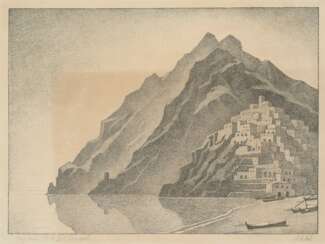

Adolf Erbslöh was a German painter and representative of classical modernism.
Erbslöh attended the academy in Karlsruhe, continued his studies at the Munich Academy. The decisive impetus for his further development as an artist was given by a meeting with Alexei von Jawlensky. In 1909, the artist was secretary of the founding circle Neue Künstlervereinigung München. This group of artists included Kandinsky, Jawlensky, Kanoldt, Münter, Verevkin and others who later formed the basis of the Blue Rider (Der Blaue Reiter) group. Their new art form was characterized by strictly stylized images in close connection with Expressionism.
In 1914 Erbslöh was drafted into the army, where he served as a war artist on the western front until the end of the war. In 1916 he joined the New Munich Secession of Munich. During the Nazi "Degenerate Art" campaign, his paintings, as well as many others, were withdrawn from collections, after which the artist retreated to his home near Iking and led a secluded life there with his family for the rest of his life.
Erbslöh still painted many portraits of family members and friends, as well as depicting in small formats the nearby landscapes: his garden, his house, his church and the surrounding fields. Regardless of all directions, the artist is one of the most important representatives of classical modernism.
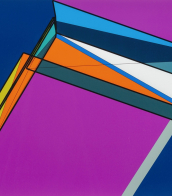


Adolf Erbslöh was a German painter and representative of classical modernism.
Erbslöh attended the academy in Karlsruhe, continued his studies at the Munich Academy. The decisive impetus for his further development as an artist was given by a meeting with Alexei von Jawlensky. In 1909, the artist was secretary of the founding circle Neue Künstlervereinigung München. This group of artists included Kandinsky, Jawlensky, Kanoldt, Münter, Verevkin and others who later formed the basis of the Blue Rider (Der Blaue Reiter) group. Their new art form was characterized by strictly stylized images in close connection with Expressionism.
In 1914 Erbslöh was drafted into the army, where he served as a war artist on the western front until the end of the war. In 1916 he joined the New Munich Secession of Munich. During the Nazi "Degenerate Art" campaign, his paintings, as well as many others, were withdrawn from collections, after which the artist retreated to his home near Iking and led a secluded life there with his family for the rest of his life.
Erbslöh still painted many portraits of family members and friends, as well as depicting in small formats the nearby landscapes: his garden, his house, his church and the surrounding fields. Regardless of all directions, the artist is one of the most important representatives of classical modernism.
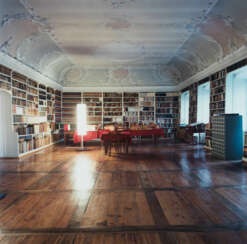

Candida Höfer is a German photographer. She is a former student of Bernd and Hilla Becher. Like other Becher students, Höfer's work is known for technical perfection and a strictly conceptual approach. From 1997 to 2000, she taught as professor at the Hochschule für Gestaltung, Karlsruhe. Höfer is the recipient of the 2018 Outstanding Contribution to Photography award, as part of the Sony World Photography awards. She is based in Cologne.
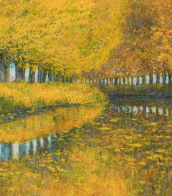
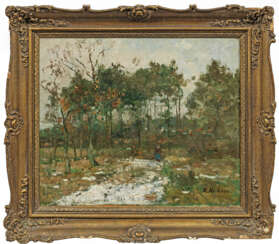

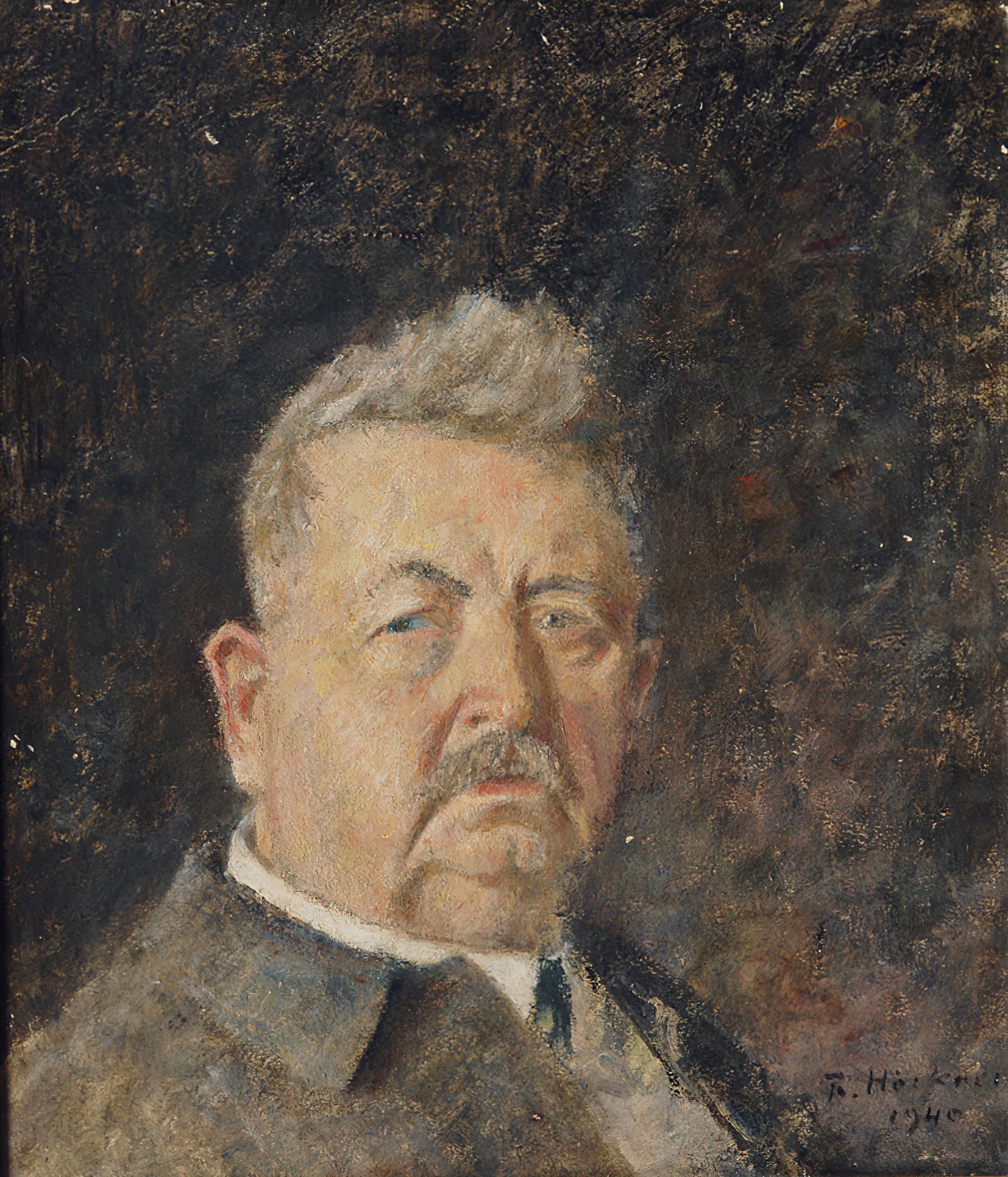
Rudolf Höckner was a German Impressionist landscape and cityscape painter.
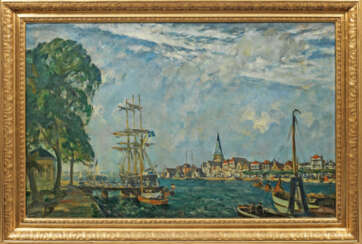

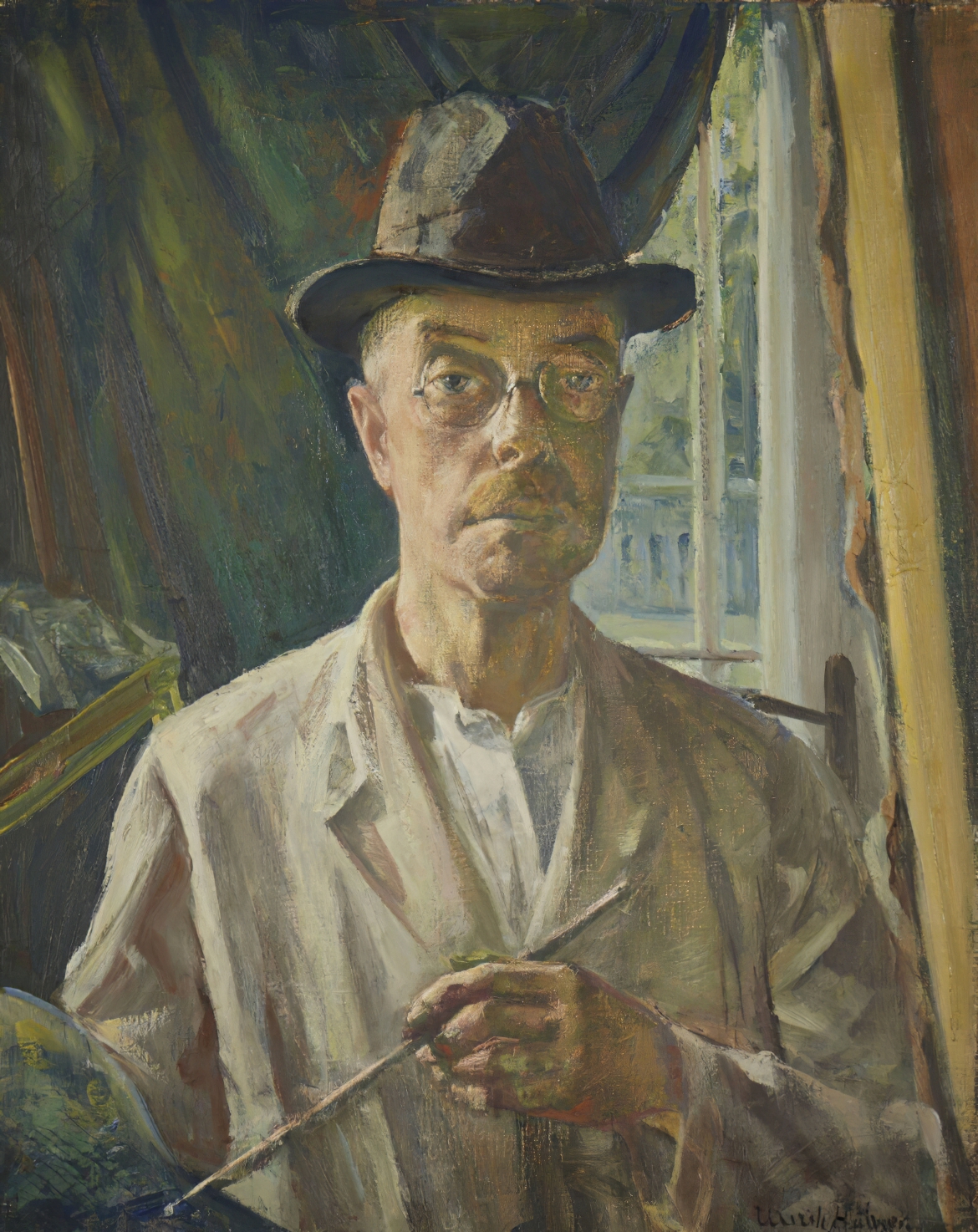
Ulrich Hübner was a German impressionist painter.


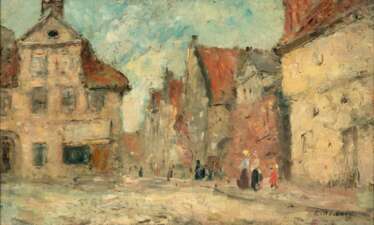

Rudolf Höckner was a German Impressionist landscape and cityscape painter.

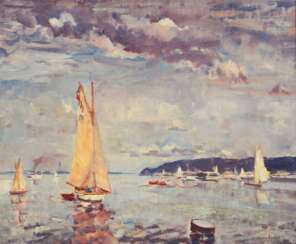

Ulrich Hübner was a German impressionist painter.
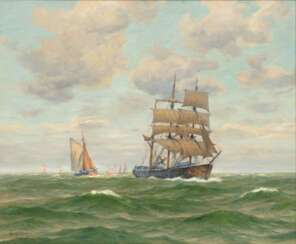

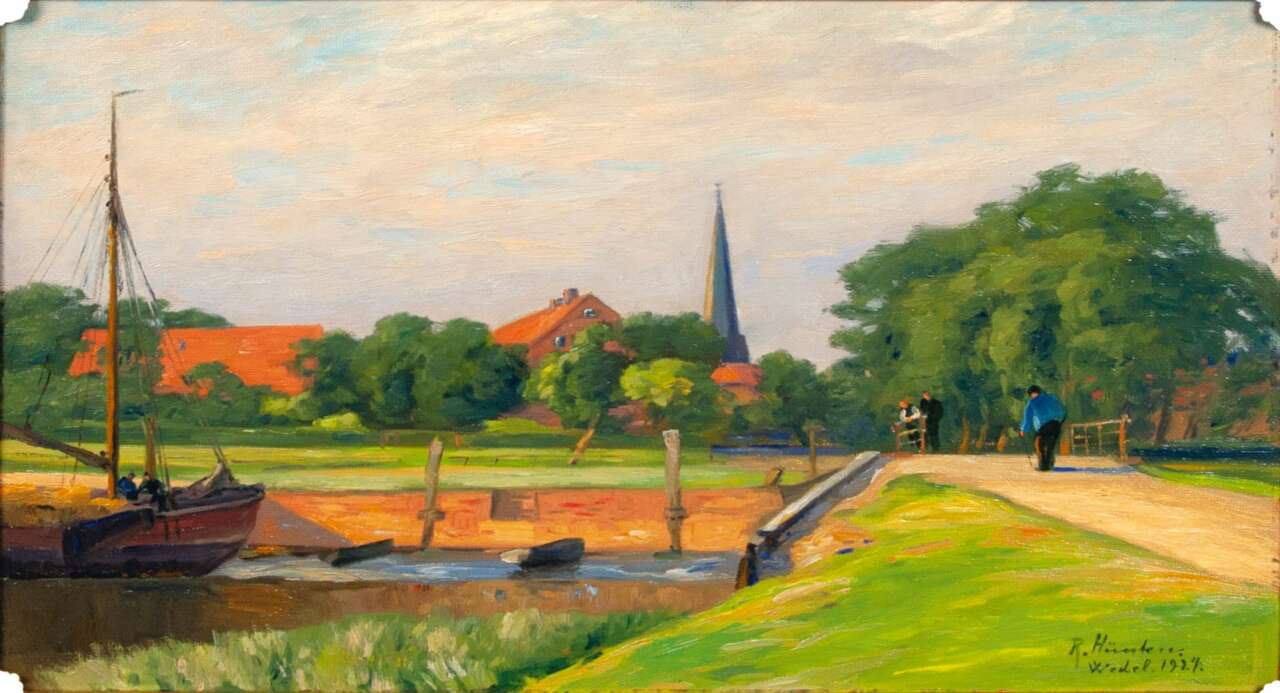
Richard John Hünten was a German marine painter.


Richard John Hünten was a German marine painter.

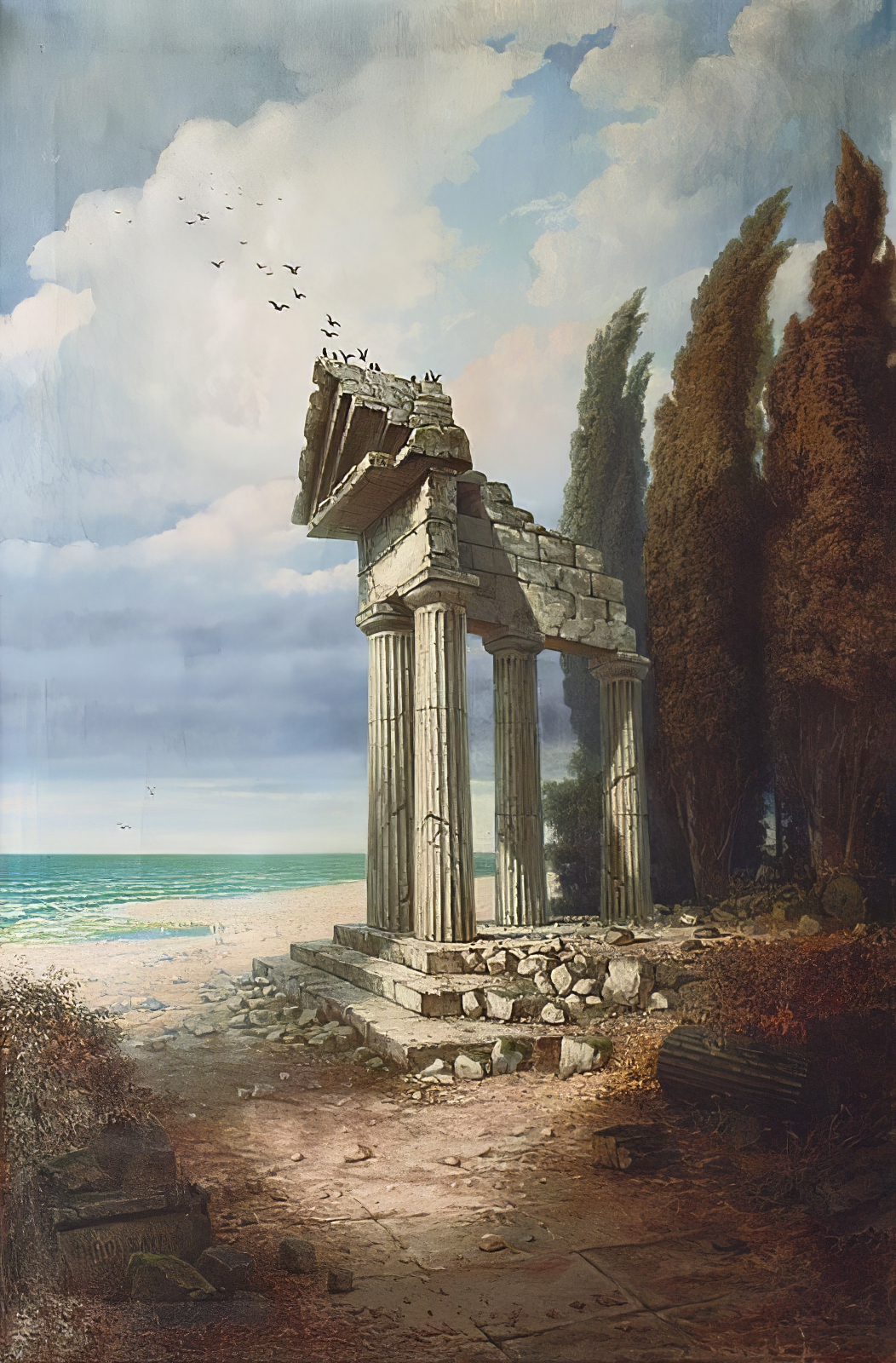
Constantin Hölscher was a German landscape painter.
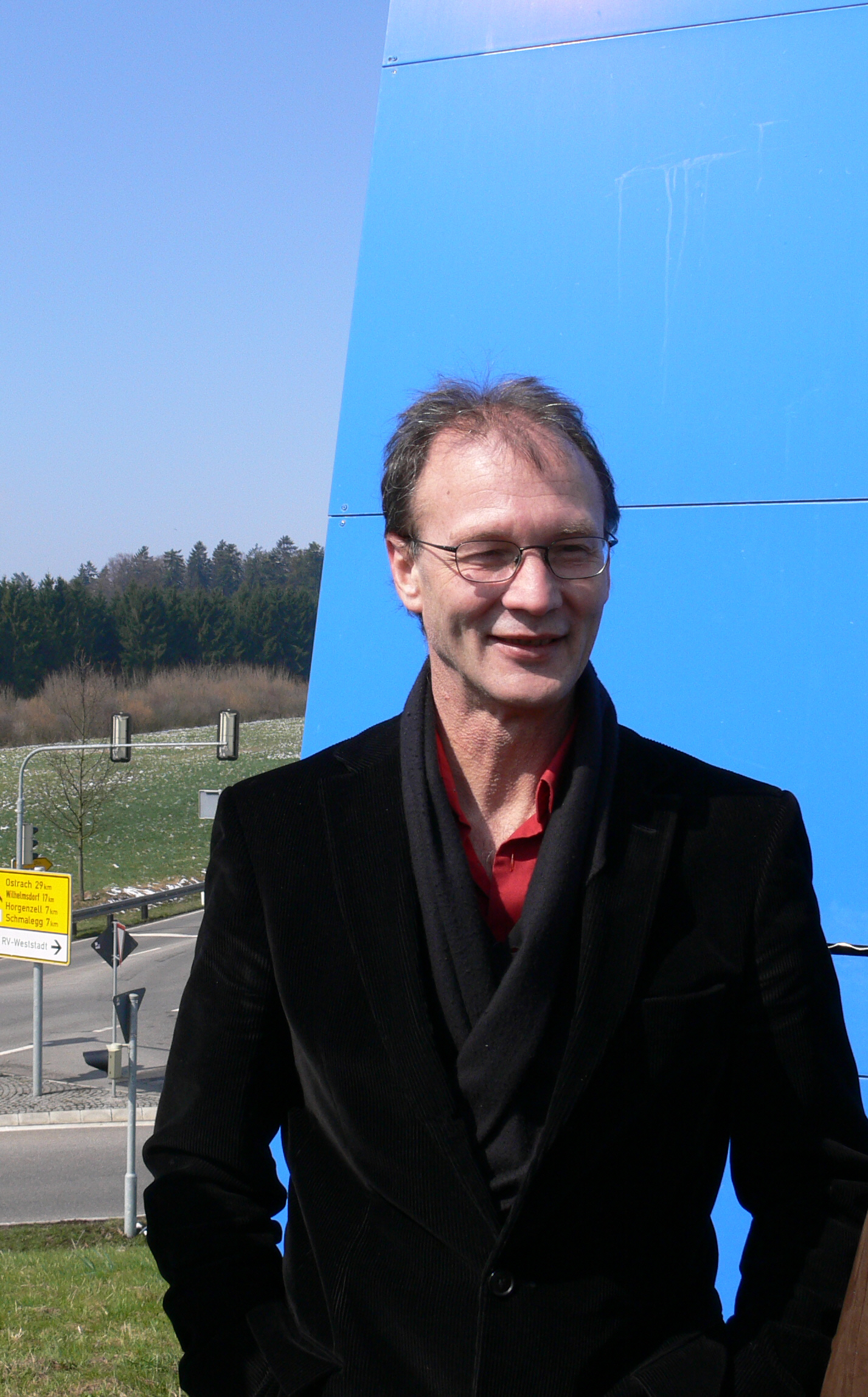
Ottmar Hörl is a contemporary German artist born in Nauheim in 1950. He is known for his conceptual and installation art that often involves repetition, mass production, and humor.
One of Hörl's most well-known works is his "Multiple of 300" series, which features 300 identical objects arranged in a grid. This series has been applied to various subjects, including garden gnomes, plastic toy soldiers, and busts of famous figures such as Beethoven and Martin Luther.
Hörl has also created public sculptures and installations in many cities throughout Germany, including Frankfurt, Nuremberg, and Würzburg. One of his most notable installations is the "Bavarian Forest" in the Munich Residenz, which consists of 1,000 golden deer statues arranged in a forest-like formation.
Hörl has exhibited his works internationally, and he has received numerous awards for his contributions to the arts.
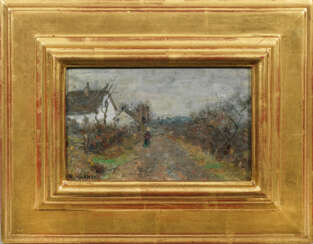

Rudolf Höckner was a German Impressionist landscape and cityscape painter.


Ottmar Hörl is a contemporary German artist born in Nauheim in 1950. He is known for his conceptual and installation art that often involves repetition, mass production, and humor.
One of Hörl's most well-known works is his "Multiple of 300" series, which features 300 identical objects arranged in a grid. This series has been applied to various subjects, including garden gnomes, plastic toy soldiers, and busts of famous figures such as Beethoven and Martin Luther.
Hörl has also created public sculptures and installations in many cities throughout Germany, including Frankfurt, Nuremberg, and Würzburg. One of his most notable installations is the "Bavarian Forest" in the Munich Residenz, which consists of 1,000 golden deer statues arranged in a forest-like formation.
Hörl has exhibited his works internationally, and he has received numerous awards for his contributions to the arts.



.jpg)
Hannah Höch was a German Dada artist. She is best known for her work of the Weimar period, when she was one of the originators of photomontage. Photomontage, or fotomontage, is a type of collage in which the pasted items are actual photographs, or photographic reproductions pulled from the press and other widely produced media.
Höch's work was intended to dismantle the fable and dichotomy that existed in the concept of the "New Woman": an energetic, professional, and androgynous woman, who is ready to take her place as man's equal. Her interest in the topic was in how the dichotomy was structured, as well as in who structures social roles.
Other key themes in Höch's works were androgyny, political discourse, and shifting gender roles. These themes all interacted to create a feminist discourse surrounding Höch's works, which encouraged the liberation and agency of women during the Weimar Republic (1919-1933) and continuing through to today.
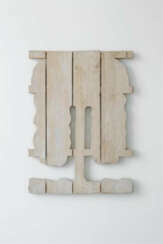

Alfonso Hüppi is a Swiss painter.
In 1998, he co-founded with Erwin Gebert the "Museum in the Bush" in Etaneno, Namibia. Since then, he serves as the Director of the museum and the artist programs.