henry viii
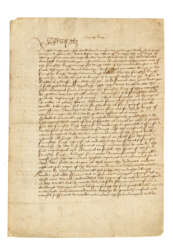

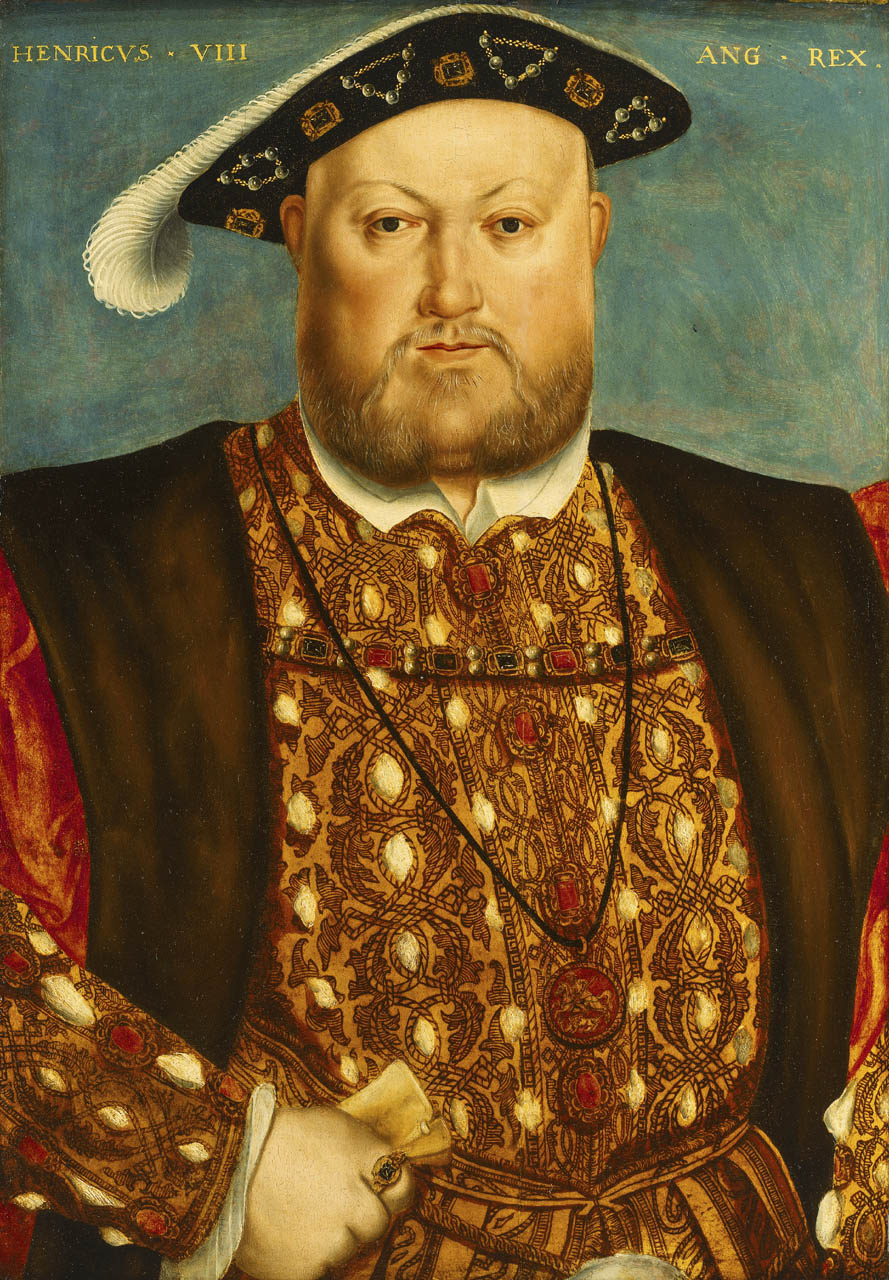
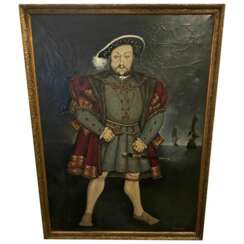
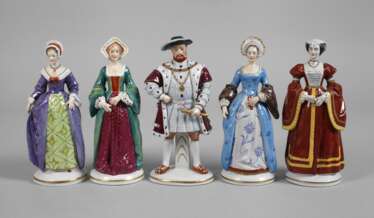
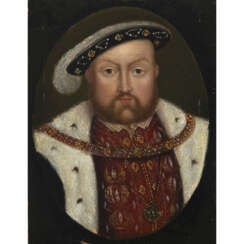
Henry VIII was King of England and Ireland, who ruled from 1509 to 1547.
Henry VIII was one of England's most famous monarchs, he launched the English Reformation and broke with the Roman Church to form the Church of England. He had six wives, including Anne Boleyn.
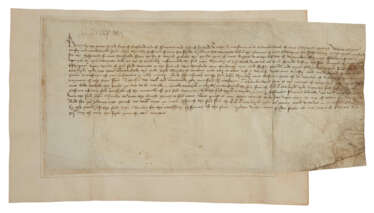

Henry VIII was King of England and Ireland, who ruled from 1509 to 1547.
Henry VIII was one of England's most famous monarchs, he launched the English Reformation and broke with the Roman Church to form the Church of England. He had six wives, including Anne Boleyn.








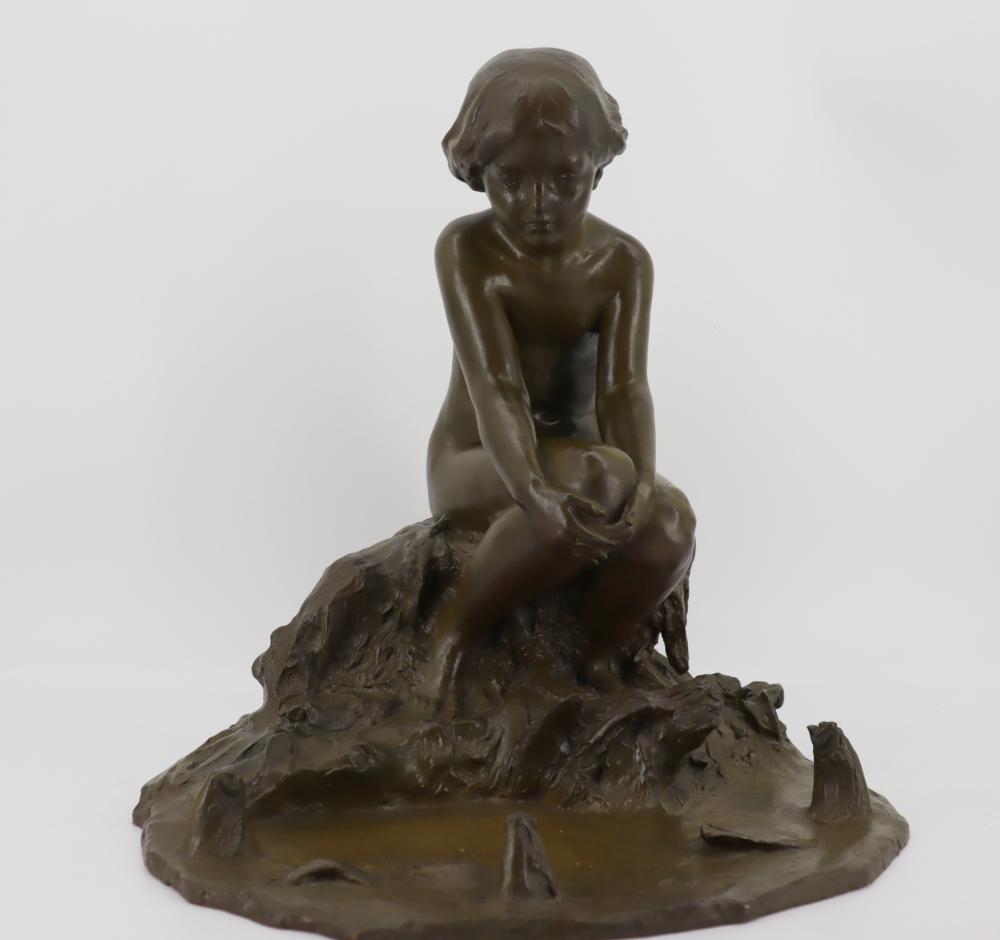

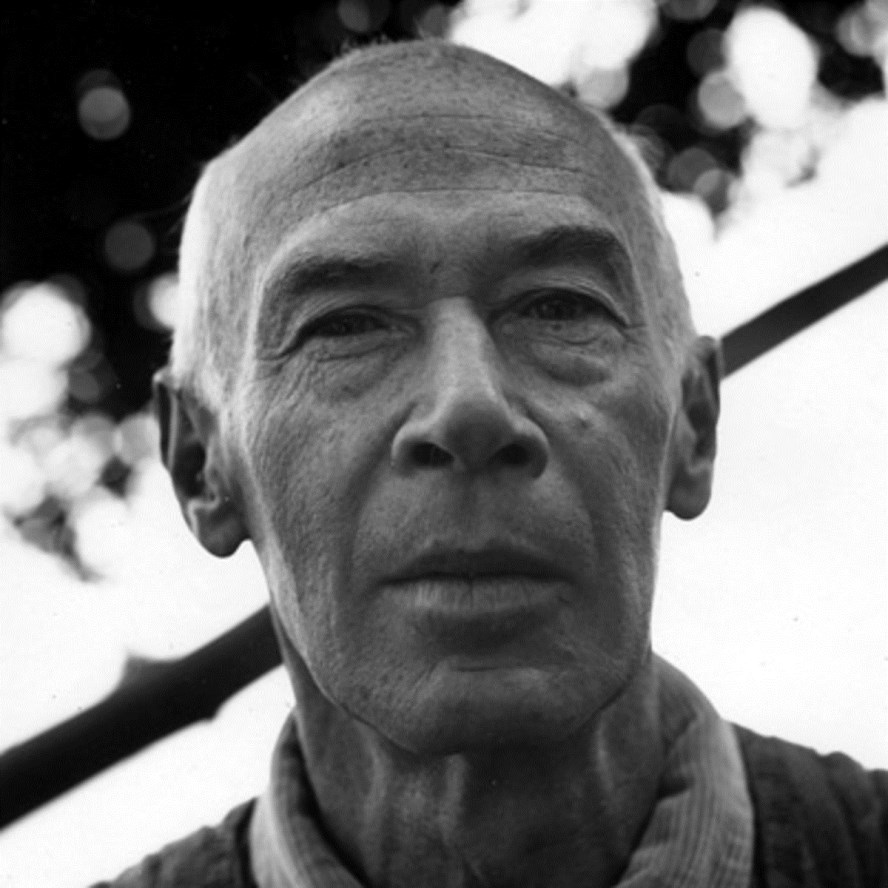
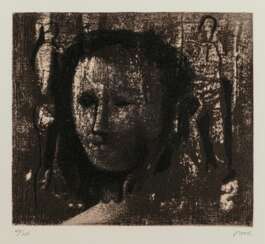

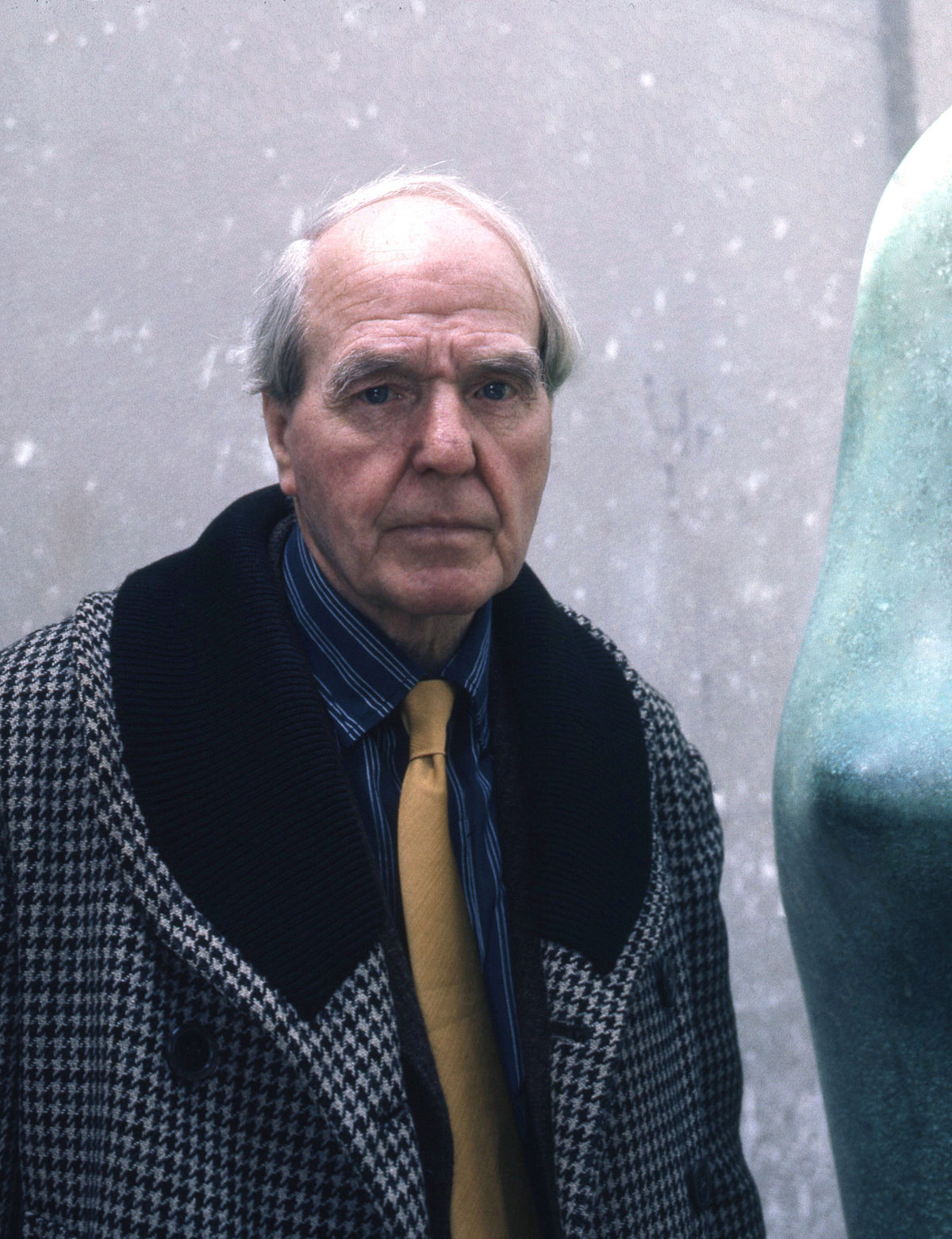
Henry Spencer Moore was an influential English sculptor and artist, renowned for his semi-abstract monumental bronze sculptures that have found homes around the world as public works of art. Born on July 30, 1898, in Castleford, Yorkshire, Moore showed early talent in art, but his journey towards becoming a sculptor was not straightforward. His experiences as a young teacher and a soldier in the First World War, where he was injured in a gas attack, significantly shaped his perspectives and artistic direction.
After the war, Moore pursued his passion for art, winning a scholarship to the Royal College of Art in London, where he began to experiment with modernist influences and direct carving techniques, moving away from the traditional Victorian style. His works, characterized by organic shapes and a blend of abstraction and figuration, were inspired by a wide range of sources, including primitive art, the human body, and the natural world.
Moore's sculptures are celebrated for their unique ability to blend form with space in the landscape, offering viewers a dynamic interaction with his works. His dedication to public art made his sculptures accessible to a wide audience, contributing to his status as one of the 20th century's most significant sculptors. Moore's legacy is preserved through the Henry Moore Foundation, which supports artists and promotes public appreciation of sculpture.
For collectors and experts in art and antiques, Moore's work remains a testament to the power of sculpture to evoke emotion and thought. His contributions to modern art and sculpture continue to inspire and influence artists around the world.
To stay informed about new exhibitions and opportunities to view Henry Spencer Moore's work, sign up for updates. This subscription will ensure you are alerted to new product sales and auction events related to Moore's influential body of work.





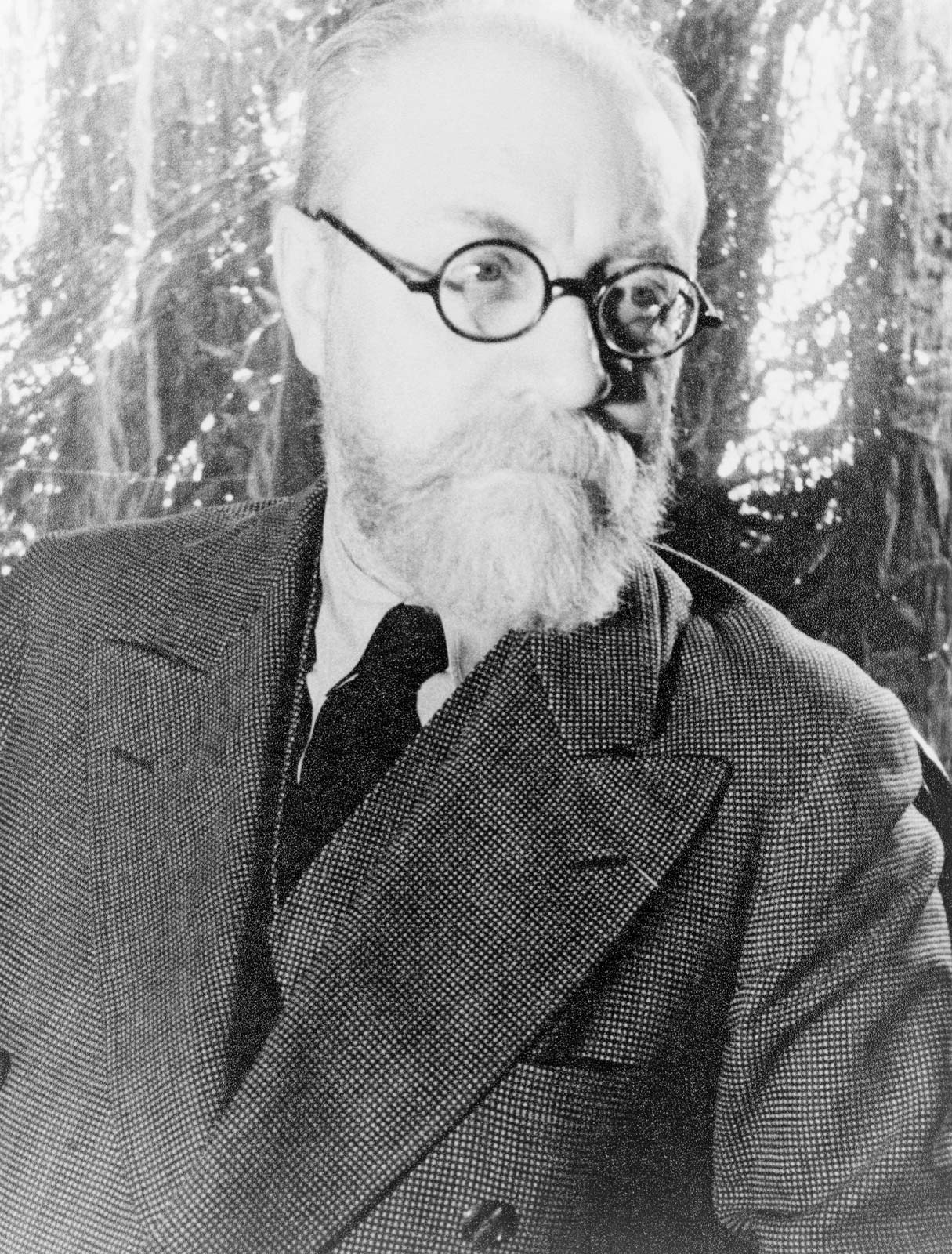
Henri Matisse, a renowned French visual artist, was celebrated for his vibrant use of color and fluid, original draughtsmanship. Born on December 31, 1869, in Le Cateau-Cambrésis, France, Matisse initially pursued a career in law before turning to art. He first began painting in 1889, a change inspired by convalescence art supplies his mother provided. This marked the beginning of a journey that would see him become a leading figure in modern art.
Matisse's career is notable for its stylistic evolution yet consistent aim to capture the "essential character of things." His early works, characterized by intense colorism, earned him recognition as one of the Fauves, or "wild beasts." The period from 1908 to 1913 was marked by significant developments, with works like "Reclining Odalisque" and "The Red Studio" showcasing his mastery in balance and serenity. In the 1920s, his style evolved to more relaxed forms, with a focus on light, color, and decorative patterns in paintings like his odalisque series.
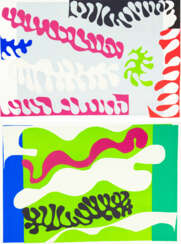
Matisse's exploration of various mediums, including sculpture and paper collage, reflects his innovative spirit. His later years were dominated by cut paper collages, as health challenges limited his ability to paint. These works, alongside his bold drawings and sculptures, cemented his status as a pioneer in visual art.
For collectors and art experts, Matisse's work remains a testament to creative evolution and expressive use of color and form. His masterpieces can be found in prominent museums and galleries worldwide, continuing to inspire and fascinate art enthusiasts.
To stay updated on new product sales and auction events related to Henri Matisse's art, sign up for our updates. This subscription will keep you informed about opportunities to appreciate and acquire works connected to this iconic artist.










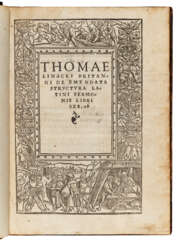













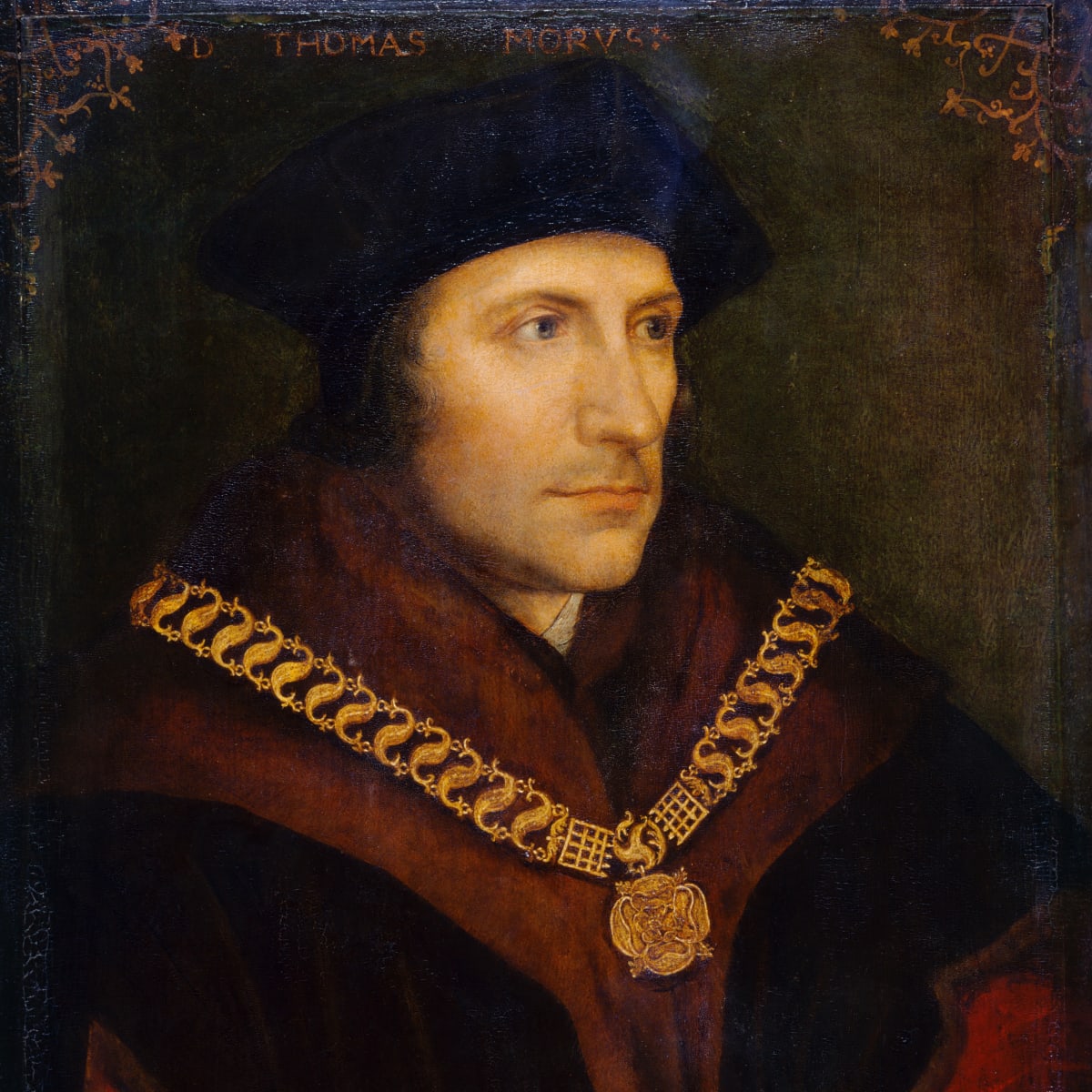
Thomas More was a British lawyer, humanist philosopher, writer and statesman.
As the son of a London judge of the Royal High Court, Thomas studied at Oxford and then in London with the best lawyers. More also studied the works of the ancient classics, improved in Greek and Latin languages, composed his works. In 1497 More met and became friends with Erasmus of Rotterdam, became a member of his humanist circle.
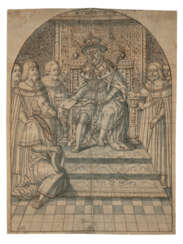
In 1510-1518 Thomas More was deputy sheriff of London, and in 1517 entered the service of the king, becoming one of the most effective and trusted civil servants of Henry VIII. He acted as his secretary, interpreter, speech writer, chief diplomat, counselor, and confidant. He was knighted in 1521, became Speaker of the House of Commons in 1523, and in 1525. - Chancellor of the Duchy of Lancaster. Around 1515. More wrote The History of Richard III, and in 1516 he published his most significant work, Utopia, in which he described an imaginary ideal state.
Thomas More opposed the divorce of King Henry VIII from Catherine of Aragon and refused to recognize the king as the head of the Church of England, as required by the Act of Supremacy in 1534. For his refusal, he was beheaded in the Tower of London in 1535. 400 years later, in 1935 Thomas More was canonized by the Catholic Church, and in 1980 the Church of England recognized him as a "saint and hero of the Christian Church."