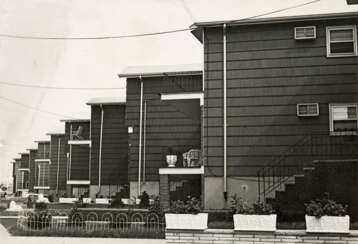
houses illinois







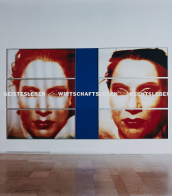
Daniel Graham was an American visual artist, writer, and curator in the writer-artist tradition. In addition to his visual works, he published a large array of critical and speculative writing that spanned the spectrum from heady art theory essays, reviews of rock music, Dwight D. Eisenhower's paintings, and Dean Martin's television show. His early magazine-based art predates, but is often associated with, conceptual art. His later work focused on cultural phenomena by incorporating photography, video, performance art, glass and mirror installation art structures, and closed-circuit television.

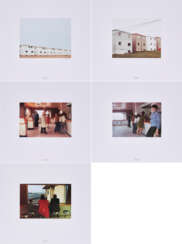

Daniel Graham was an American visual artist, writer, and curator in the writer-artist tradition. In addition to his visual works, he published a large array of critical and speculative writing that spanned the spectrum from heady art theory essays, reviews of rock music, Dwight D. Eisenhower's paintings, and Dean Martin's television show. His early magazine-based art predates, but is often associated with, conceptual art. His later work focused on cultural phenomena by incorporating photography, video, performance art, glass and mirror installation art structures, and closed-circuit television.





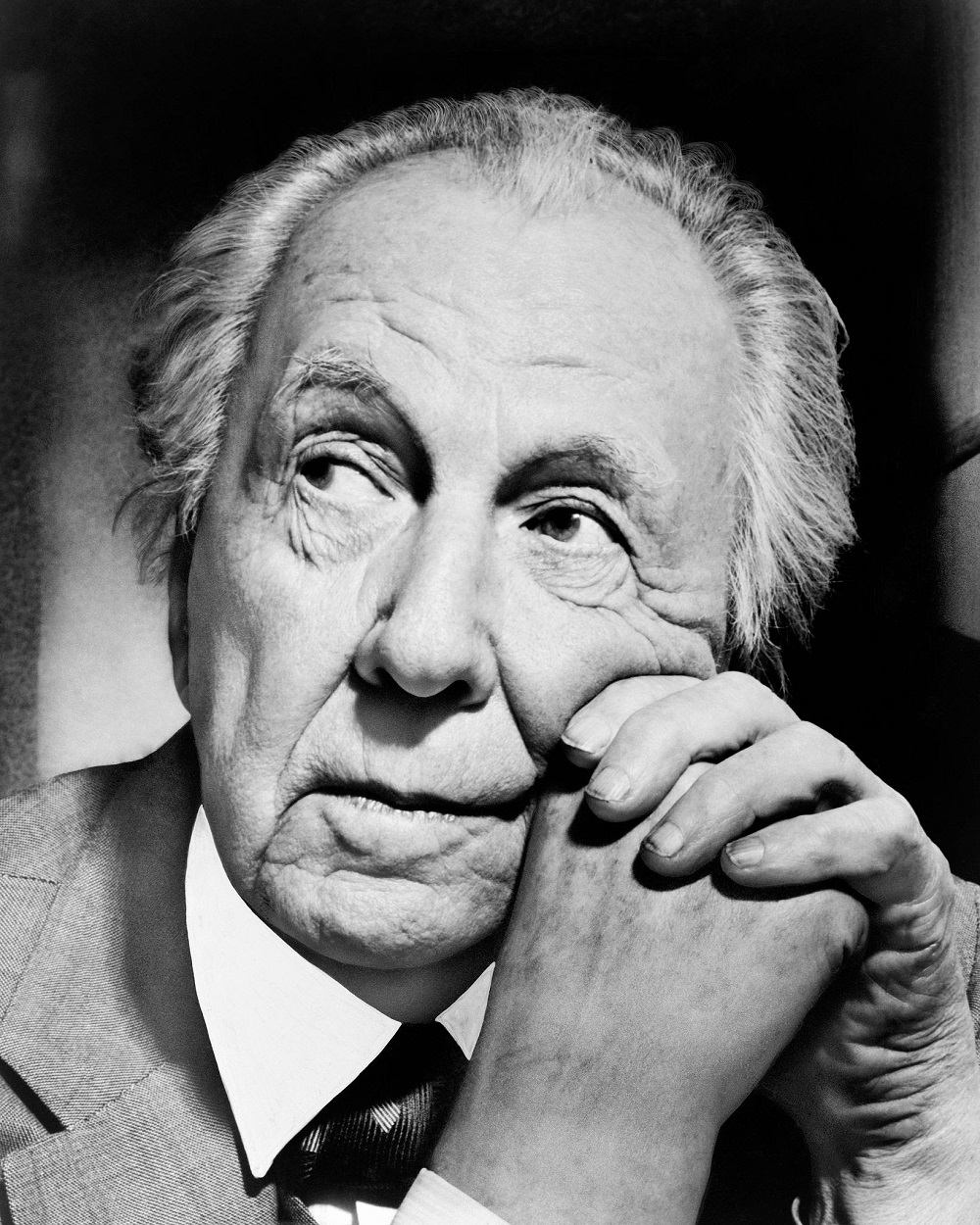
Frank Lloyd Wright was an American architect, interior designer, writer, and educator. He is widely regarded as one of the most important and innovative architects of the 20th century, with a career spanning over 70 years.
Wright is known for his organic architecture philosophy, which aimed to create structures that were in harmony with their natural surroundings. He designed over 1,000 structures, including private homes, public buildings, and commercial buildings, such as the iconic Guggenheim Museum in New York City.
Some of Wright's most famous works include Fallingwater, a private residence built over a waterfall in Pennsylvania, and the Robie House, a Prairie-style home in Chicago. He also designed the Imperial Hotel in Tokyo, which survived the Great Kanto Earthquake of 1923.
Throughout his career, Wright was known for his innovative use of materials, such as his signature use of concrete blocks, and for his emphasis on the relationship between the built environment and the natural world. He also wrote extensively on architecture and design, publishing over 20 books and numerous articles throughout his life.
Frank Lloyd Wright's influence on modern architecture is profound, and his work continues to be studied and celebrated around the world. He is often regarded as a pioneer of modern architecture and a master of American design.


Frank Lloyd Wright was an American architect, interior designer, writer, and educator. He is widely regarded as one of the most important and innovative architects of the 20th century, with a career spanning over 70 years.
Wright is known for his organic architecture philosophy, which aimed to create structures that were in harmony with their natural surroundings. He designed over 1,000 structures, including private homes, public buildings, and commercial buildings, such as the iconic Guggenheim Museum in New York City.
Some of Wright's most famous works include Fallingwater, a private residence built over a waterfall in Pennsylvania, and the Robie House, a Prairie-style home in Chicago. He also designed the Imperial Hotel in Tokyo, which survived the Great Kanto Earthquake of 1923.
Throughout his career, Wright was known for his innovative use of materials, such as his signature use of concrete blocks, and for his emphasis on the relationship between the built environment and the natural world. He also wrote extensively on architecture and design, publishing over 20 books and numerous articles throughout his life.
Frank Lloyd Wright's influence on modern architecture is profound, and his work continues to be studied and celebrated around the world. He is often regarded as a pioneer of modern architecture and a master of American design.



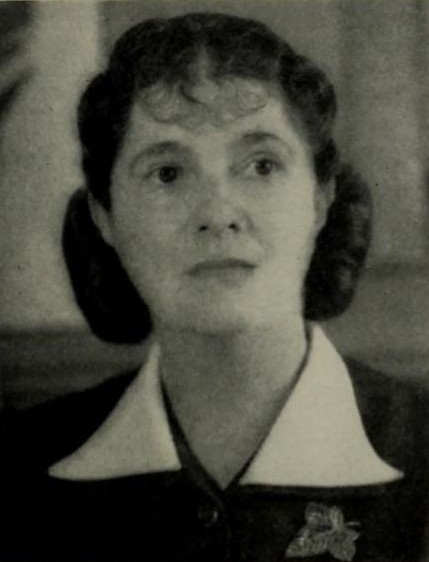

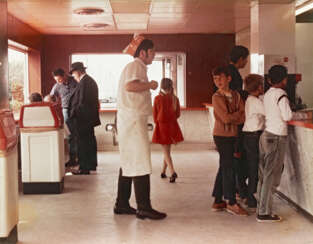

Daniel Graham was an American visual artist, writer, and curator in the writer-artist tradition. In addition to his visual works, he published a large array of critical and speculative writing that spanned the spectrum from heady art theory essays, reviews of rock music, Dwight D. Eisenhower's paintings, and Dean Martin's television show. His early magazine-based art predates, but is often associated with, conceptual art. His later work focused on cultural phenomena by incorporating photography, video, performance art, glass and mirror installation art structures, and closed-circuit television.

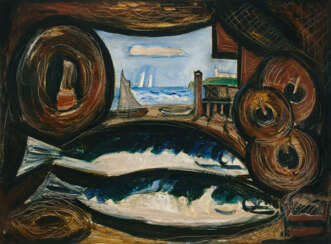

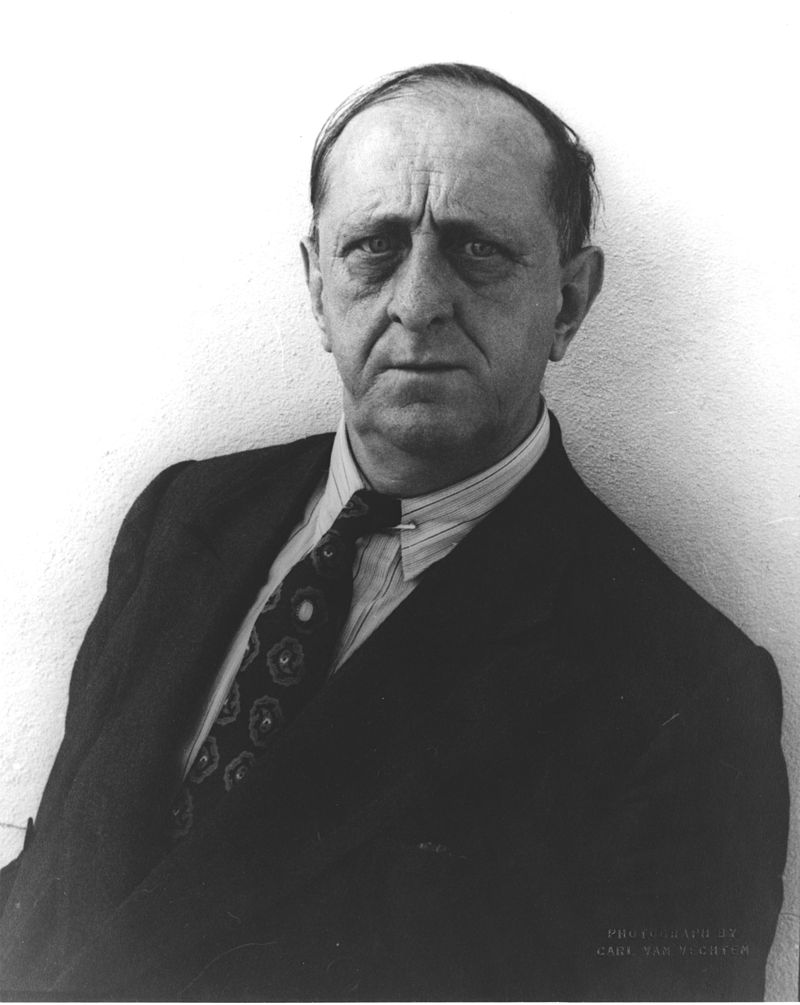
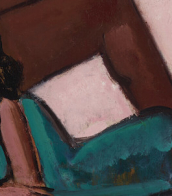
Marsden Hartley, real name Edmund Hartley, was an American artist and poet, one of the greatest representatives of classical modernism in the United States.


Frank Lloyd Wright was an American architect, interior designer, writer, and educator. He is widely regarded as one of the most important and innovative architects of the 20th century, with a career spanning over 70 years.
Wright is known for his organic architecture philosophy, which aimed to create structures that were in harmony with their natural surroundings. He designed over 1,000 structures, including private homes, public buildings, and commercial buildings, such as the iconic Guggenheim Museum in New York City.
Some of Wright's most famous works include Fallingwater, a private residence built over a waterfall in Pennsylvania, and the Robie House, a Prairie-style home in Chicago. He also designed the Imperial Hotel in Tokyo, which survived the Great Kanto Earthquake of 1923.
Throughout his career, Wright was known for his innovative use of materials, such as his signature use of concrete blocks, and for his emphasis on the relationship between the built environment and the natural world. He also wrote extensively on architecture and design, publishing over 20 books and numerous articles throughout his life.
Frank Lloyd Wright's influence on modern architecture is profound, and his work continues to be studied and celebrated around the world. He is often regarded as a pioneer of modern architecture and a master of American design.
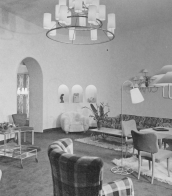


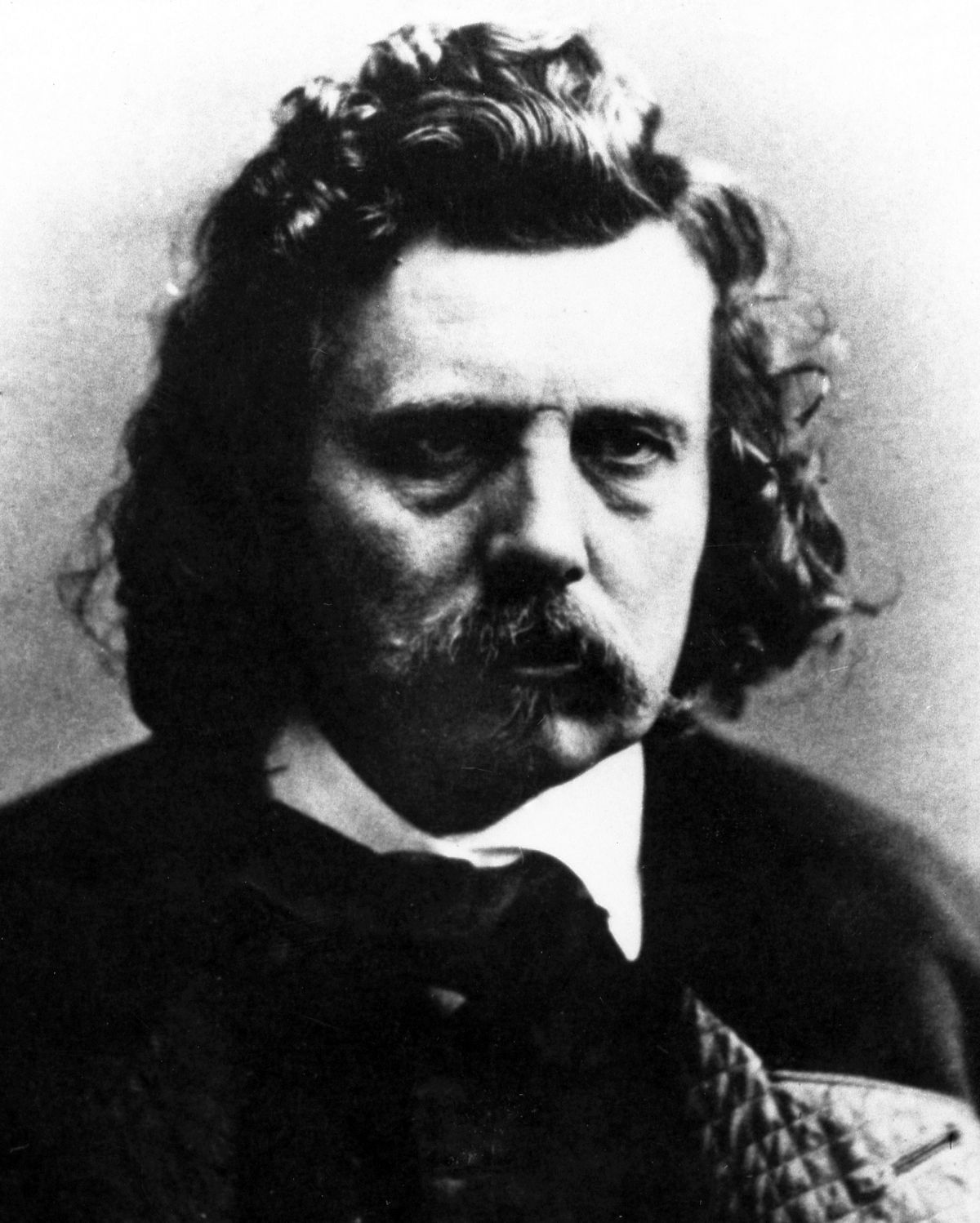
Emanuel Leutze was an American and German painter of the mid-nineteenth century. He is known as a painter who worked in the historical genre and is considered a representative of the Düsseldorf School of painting.
Emanuel Leutze was born in Germany and moved to America at the age of nine. He received his art education in Philadelphia, then, returning to Germany, at the Düsseldorf Academy of Fine Arts. His most famous painting, "Washington Crossing the Delaware," was painted in his native country, with views of the Delaware River taken from Rhenish landscapes. Returning to the United States in 1859, the artist decorated the Washington Capitol with his historical paintings. His work is highly regarded in America for its patriotic orientation.
In Germany, Leutze was one of the founders of the Association of Artists "Malkasten", the Association of German Artists, headed the Union of Mutual Aid of Düsseldorf artists.
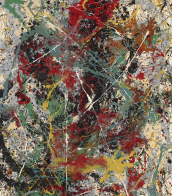


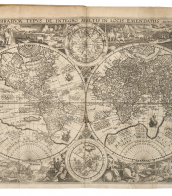
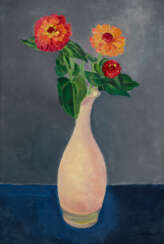

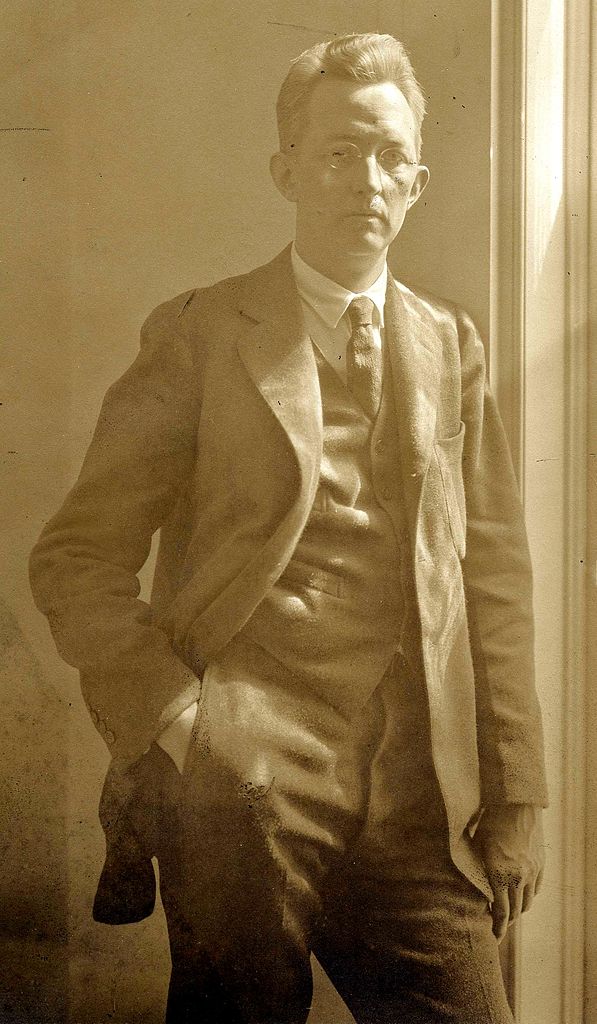
Charles Sheeler was an American realist painter, one of the greatest representatives of precursorism and American art photography of the twentieth century. He was educated at the Pennsylvania Academy of Fine Arts, after which he worked as a professional photographer. Later he began to create artistic works, the basis of which were made by his earlier photographs. The theme of his work is the beauty of modern production, the age of machines and mechanisms, and the industrial landscape.

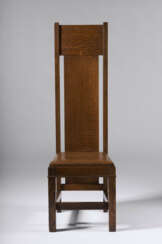

Frank Lloyd Wright was an American architect, interior designer, writer, and educator. He is widely regarded as one of the most important and innovative architects of the 20th century, with a career spanning over 70 years.
Wright is known for his organic architecture philosophy, which aimed to create structures that were in harmony with their natural surroundings. He designed over 1,000 structures, including private homes, public buildings, and commercial buildings, such as the iconic Guggenheim Museum in New York City.
Some of Wright's most famous works include Fallingwater, a private residence built over a waterfall in Pennsylvania, and the Robie House, a Prairie-style home in Chicago. He also designed the Imperial Hotel in Tokyo, which survived the Great Kanto Earthquake of 1923.
Throughout his career, Wright was known for his innovative use of materials, such as his signature use of concrete blocks, and for his emphasis on the relationship between the built environment and the natural world. He also wrote extensively on architecture and design, publishing over 20 books and numerous articles throughout his life.
Frank Lloyd Wright's influence on modern architecture is profound, and his work continues to be studied and celebrated around the world. He is often regarded as a pioneer of modern architecture and a master of American design.
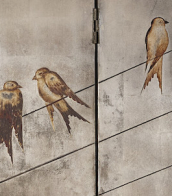
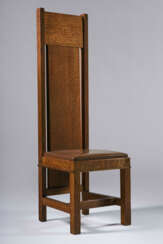

Frank Lloyd Wright was an American architect, interior designer, writer, and educator. He is widely regarded as one of the most important and innovative architects of the 20th century, with a career spanning over 70 years.
Wright is known for his organic architecture philosophy, which aimed to create structures that were in harmony with their natural surroundings. He designed over 1,000 structures, including private homes, public buildings, and commercial buildings, such as the iconic Guggenheim Museum in New York City.
Some of Wright's most famous works include Fallingwater, a private residence built over a waterfall in Pennsylvania, and the Robie House, a Prairie-style home in Chicago. He also designed the Imperial Hotel in Tokyo, which survived the Great Kanto Earthquake of 1923.
Throughout his career, Wright was known for his innovative use of materials, such as his signature use of concrete blocks, and for his emphasis on the relationship between the built environment and the natural world. He also wrote extensively on architecture and design, publishing over 20 books and numerous articles throughout his life.
Frank Lloyd Wright's influence on modern architecture is profound, and his work continues to be studied and celebrated around the world. He is often regarded as a pioneer of modern architecture and a master of American design.


Frank Lloyd Wright was an American architect, interior designer, writer, and educator. He is widely regarded as one of the most important and innovative architects of the 20th century, with a career spanning over 70 years.
Wright is known for his organic architecture philosophy, which aimed to create structures that were in harmony with their natural surroundings. He designed over 1,000 structures, including private homes, public buildings, and commercial buildings, such as the iconic Guggenheim Museum in New York City.
Some of Wright's most famous works include Fallingwater, a private residence built over a waterfall in Pennsylvania, and the Robie House, a Prairie-style home in Chicago. He also designed the Imperial Hotel in Tokyo, which survived the Great Kanto Earthquake of 1923.
Throughout his career, Wright was known for his innovative use of materials, such as his signature use of concrete blocks, and for his emphasis on the relationship between the built environment and the natural world. He also wrote extensively on architecture and design, publishing over 20 books and numerous articles throughout his life.
Frank Lloyd Wright's influence on modern architecture is profound, and his work continues to be studied and celebrated around the world. He is often regarded as a pioneer of modern architecture and a master of American design.


Frank Lloyd Wright was an American architect, interior designer, writer, and educator. He is widely regarded as one of the most important and innovative architects of the 20th century, with a career spanning over 70 years.
Wright is known for his organic architecture philosophy, which aimed to create structures that were in harmony with their natural surroundings. He designed over 1,000 structures, including private homes, public buildings, and commercial buildings, such as the iconic Guggenheim Museum in New York City.
Some of Wright's most famous works include Fallingwater, a private residence built over a waterfall in Pennsylvania, and the Robie House, a Prairie-style home in Chicago. He also designed the Imperial Hotel in Tokyo, which survived the Great Kanto Earthquake of 1923.
Throughout his career, Wright was known for his innovative use of materials, such as his signature use of concrete blocks, and for his emphasis on the relationship between the built environment and the natural world. He also wrote extensively on architecture and design, publishing over 20 books and numerous articles throughout his life.
Frank Lloyd Wright's influence on modern architecture is profound, and his work continues to be studied and celebrated around the world. He is often regarded as a pioneer of modern architecture and a master of American design.
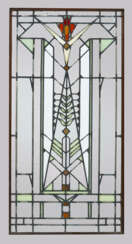

Frank Lloyd Wright was an American architect, interior designer, writer, and educator. He is widely regarded as one of the most important and innovative architects of the 20th century, with a career spanning over 70 years.
Wright is known for his organic architecture philosophy, which aimed to create structures that were in harmony with their natural surroundings. He designed over 1,000 structures, including private homes, public buildings, and commercial buildings, such as the iconic Guggenheim Museum in New York City.
Some of Wright's most famous works include Fallingwater, a private residence built over a waterfall in Pennsylvania, and the Robie House, a Prairie-style home in Chicago. He also designed the Imperial Hotel in Tokyo, which survived the Great Kanto Earthquake of 1923.
Throughout his career, Wright was known for his innovative use of materials, such as his signature use of concrete blocks, and for his emphasis on the relationship between the built environment and the natural world. He also wrote extensively on architecture and design, publishing over 20 books and numerous articles throughout his life.
Frank Lloyd Wright's influence on modern architecture is profound, and his work continues to be studied and celebrated around the world. He is often regarded as a pioneer of modern architecture and a master of American design.
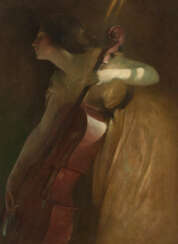

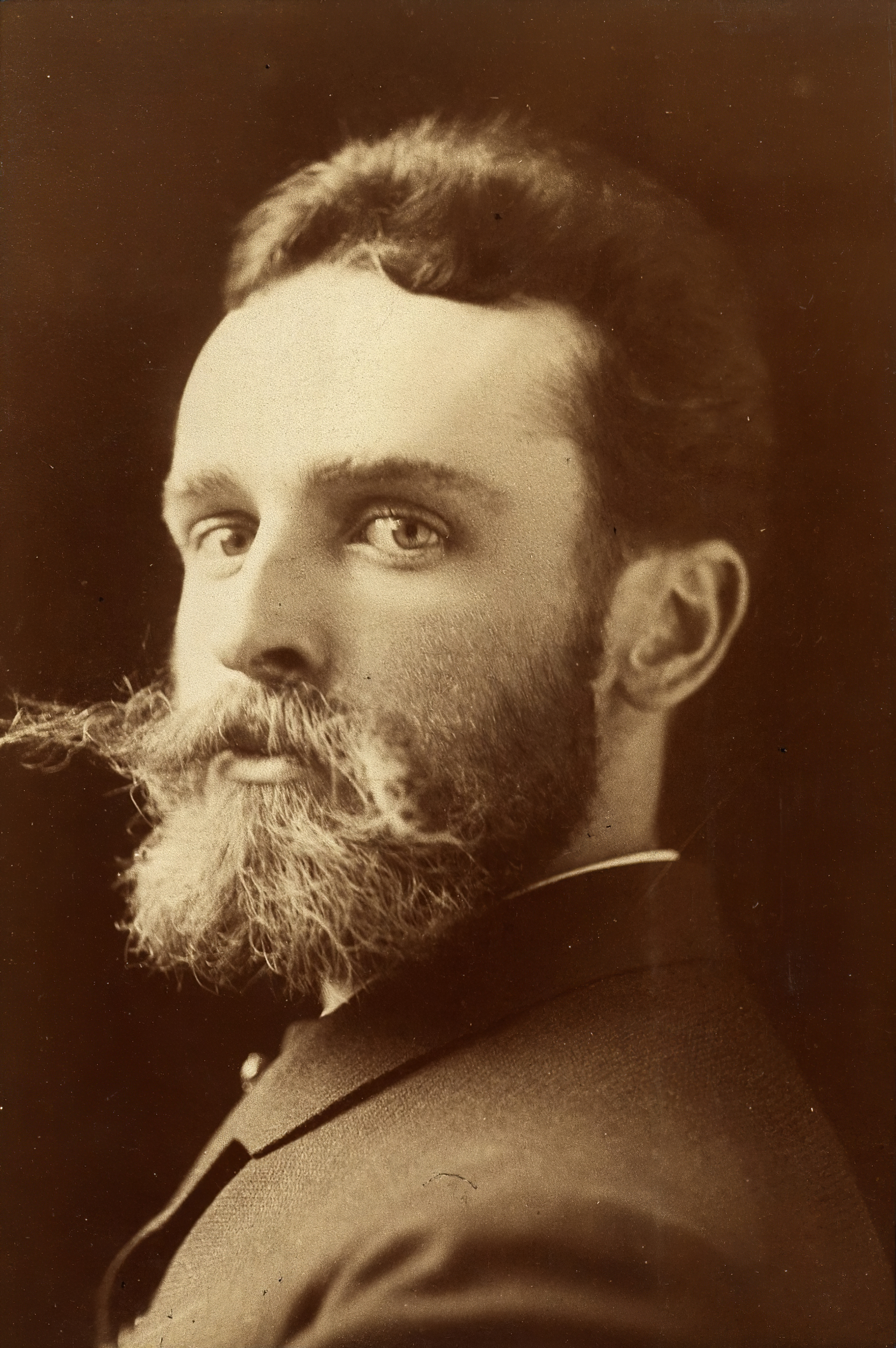
John White Alexander was an American portrait, figure, and decorative painter and illustrator.
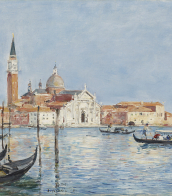
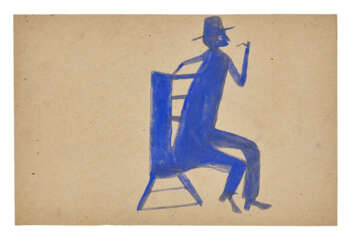

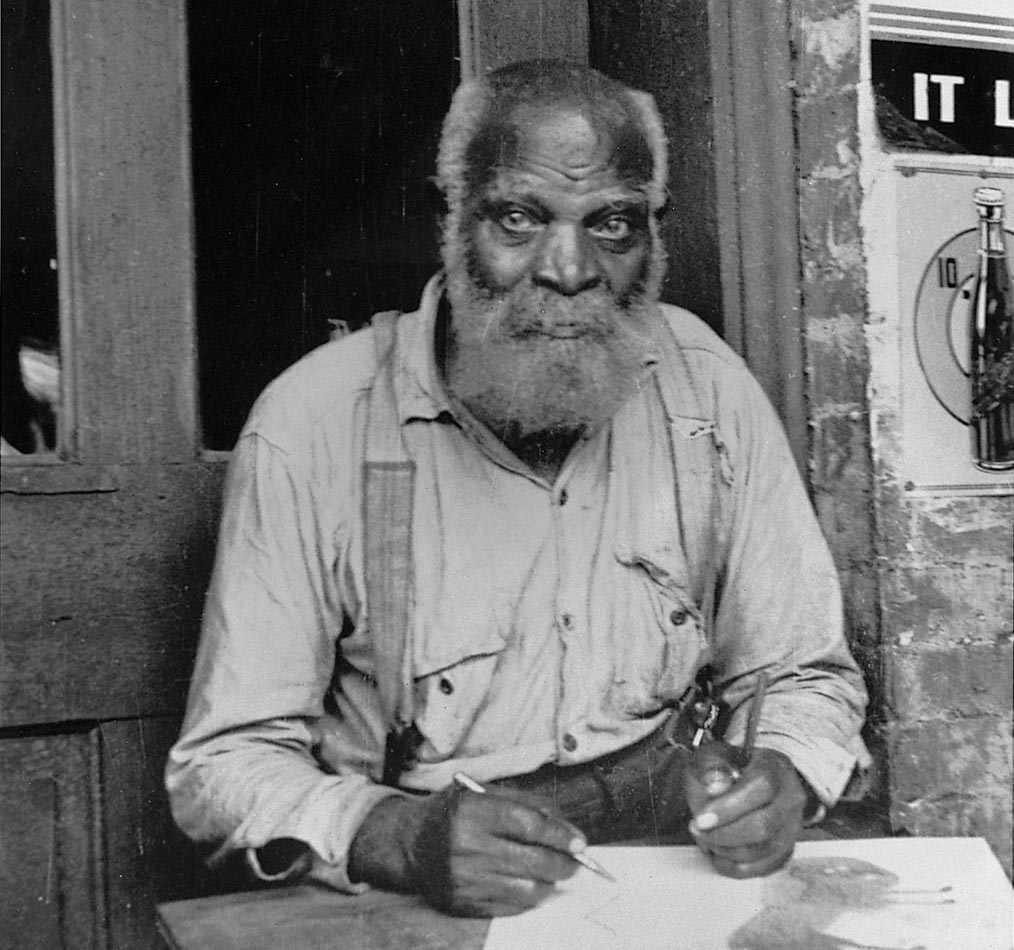
William Traylor was an African-American self-taught artist from Lowndes County, Alabama. Born into slavery, Traylor spent the majority of his life after emancipation as a sharecropper. It was only after 1939, following his move to Montgomery, Alabama, that Traylor began to draw. At the age of 85, he took up a pencil and a scrap of cardboard to document his recollections and observations. From 1939 to 1942, while working on the sidewalks of Montgomery, he produced nearly 1 500 pieces of art.
While Traylor received his first public exhibition in 1940, it was not until 30 years after his death that his work finally began to receive broader attention, in the late 1970s. Recent acceptance of Traylor as a significant figure of American folk and modern art has been founded on the efforts of Charles Shannon, as well as the evolving tastes of the art world. Shannon, who first encountered Traylor's work in 1940, brought Traylor to the attention of the larger art world. Traylor now holds a central position in the fields of "self-taught" and modern art.



Frank Lloyd Wright was an American architect, interior designer, writer, and educator. He is widely regarded as one of the most important and innovative architects of the 20th century, with a career spanning over 70 years.
Wright is known for his organic architecture philosophy, which aimed to create structures that were in harmony with their natural surroundings. He designed over 1,000 structures, including private homes, public buildings, and commercial buildings, such as the iconic Guggenheim Museum in New York City.
Some of Wright's most famous works include Fallingwater, a private residence built over a waterfall in Pennsylvania, and the Robie House, a Prairie-style home in Chicago. He also designed the Imperial Hotel in Tokyo, which survived the Great Kanto Earthquake of 1923.
Throughout his career, Wright was known for his innovative use of materials, such as his signature use of concrete blocks, and for his emphasis on the relationship between the built environment and the natural world. He also wrote extensively on architecture and design, publishing over 20 books and numerous articles throughout his life.
Frank Lloyd Wright's influence on modern architecture is profound, and his work continues to be studied and celebrated around the world. He is often regarded as a pioneer of modern architecture and a master of American design.


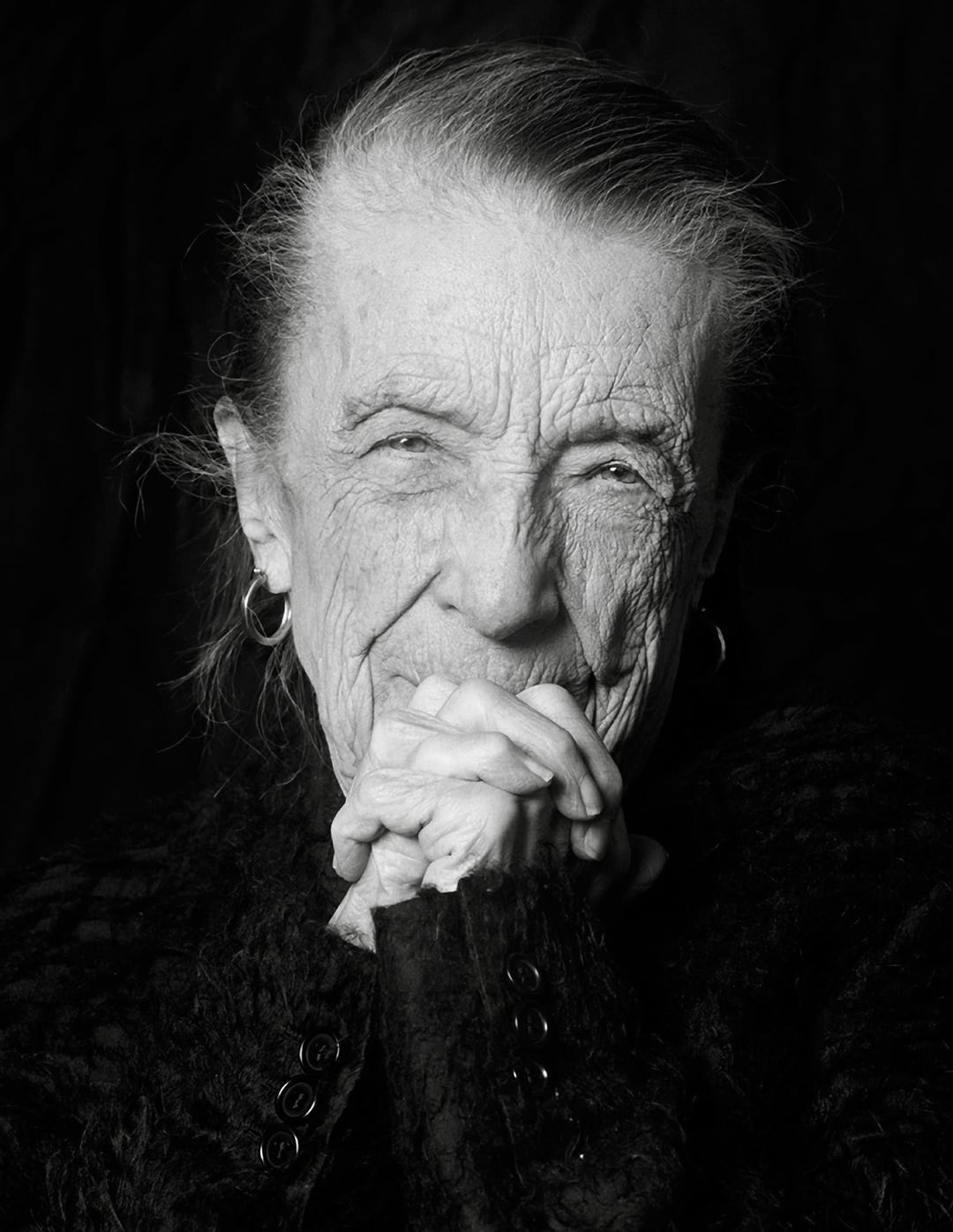
Louise Joséphine Bourgeois was a French-American artist. Although she is best known for her large-scale sculpture and installation art, Bourgeois was also a prolific painter and printmaker. She explored a variety of themes over the course of her long career including domesticity and the family, sexuality and the body, as well as death and the unconscious. These themes connect to events from her childhood which she considered to be a therapeutic process. Although Bourgeois exhibited with the Abstract Expressionists and her work has much in common with Surrealism and Feminist art, she was not formally affiliated with a particular artistic movement.
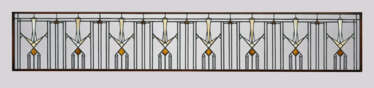

Frank Lloyd Wright was an American architect, interior designer, writer, and educator. He is widely regarded as one of the most important and innovative architects of the 20th century, with a career spanning over 70 years.
Wright is known for his organic architecture philosophy, which aimed to create structures that were in harmony with their natural surroundings. He designed over 1,000 structures, including private homes, public buildings, and commercial buildings, such as the iconic Guggenheim Museum in New York City.
Some of Wright's most famous works include Fallingwater, a private residence built over a waterfall in Pennsylvania, and the Robie House, a Prairie-style home in Chicago. He also designed the Imperial Hotel in Tokyo, which survived the Great Kanto Earthquake of 1923.
Throughout his career, Wright was known for his innovative use of materials, such as his signature use of concrete blocks, and for his emphasis on the relationship between the built environment and the natural world. He also wrote extensively on architecture and design, publishing over 20 books and numerous articles throughout his life.
Frank Lloyd Wright's influence on modern architecture is profound, and his work continues to be studied and celebrated around the world. He is often regarded as a pioneer of modern architecture and a master of American design.


Frank Lloyd Wright was an American architect, interior designer, writer, and educator. He is widely regarded as one of the most important and innovative architects of the 20th century, with a career spanning over 70 years.
Wright is known for his organic architecture philosophy, which aimed to create structures that were in harmony with their natural surroundings. He designed over 1,000 structures, including private homes, public buildings, and commercial buildings, such as the iconic Guggenheim Museum in New York City.
Some of Wright's most famous works include Fallingwater, a private residence built over a waterfall in Pennsylvania, and the Robie House, a Prairie-style home in Chicago. He also designed the Imperial Hotel in Tokyo, which survived the Great Kanto Earthquake of 1923.
Throughout his career, Wright was known for his innovative use of materials, such as his signature use of concrete blocks, and for his emphasis on the relationship between the built environment and the natural world. He also wrote extensively on architecture and design, publishing over 20 books and numerous articles throughout his life.
Frank Lloyd Wright's influence on modern architecture is profound, and his work continues to be studied and celebrated around the world. He is often regarded as a pioneer of modern architecture and a master of American design.









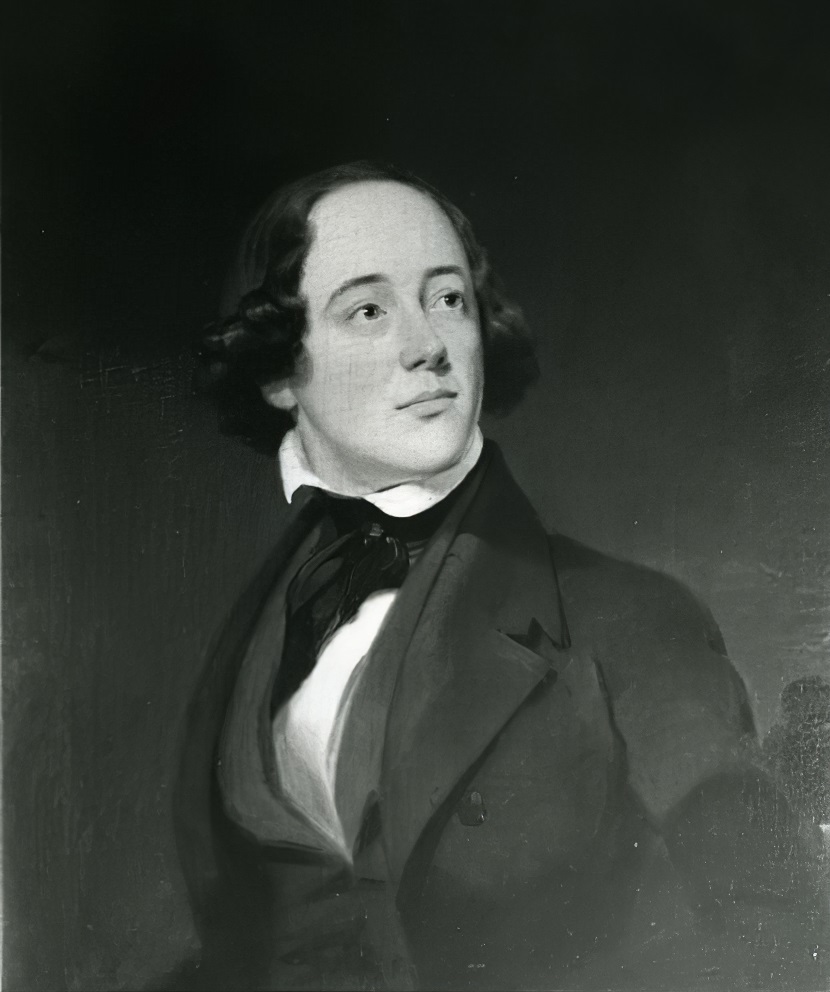
Martin Johnson Heade was an American painter known for his salt marsh landscapes, seascapes, and depictions of tropical birds (such as hummingbirds), as well as lotus blossoms and other still lifes. His painting style and subject matter, while derived from the romanticism of the time, are regarded by art historians as a significant departure from those of his peers.