humbert &






























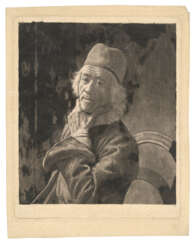

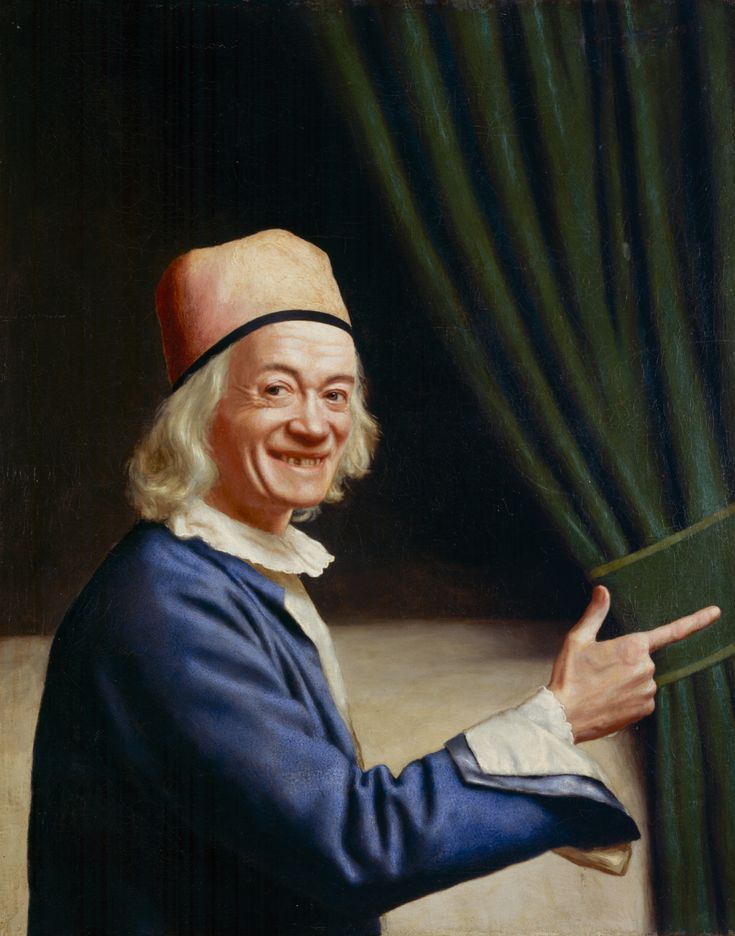
Jean-Étienne Liotard was a Swiss painter, art connoisseur and dealer. He is best known for his portraits in pastel, and for the works from his stay in Turkey. A Huguenot of French origin and citizen of the Republic of Geneva, he was born and died in Geneva, but spent most of his career in stays in the capitals of Europe, where his portraits were much in demand. He worked in Rome, Istanbul, Paris, Vienna, London and other cities.


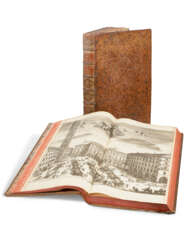

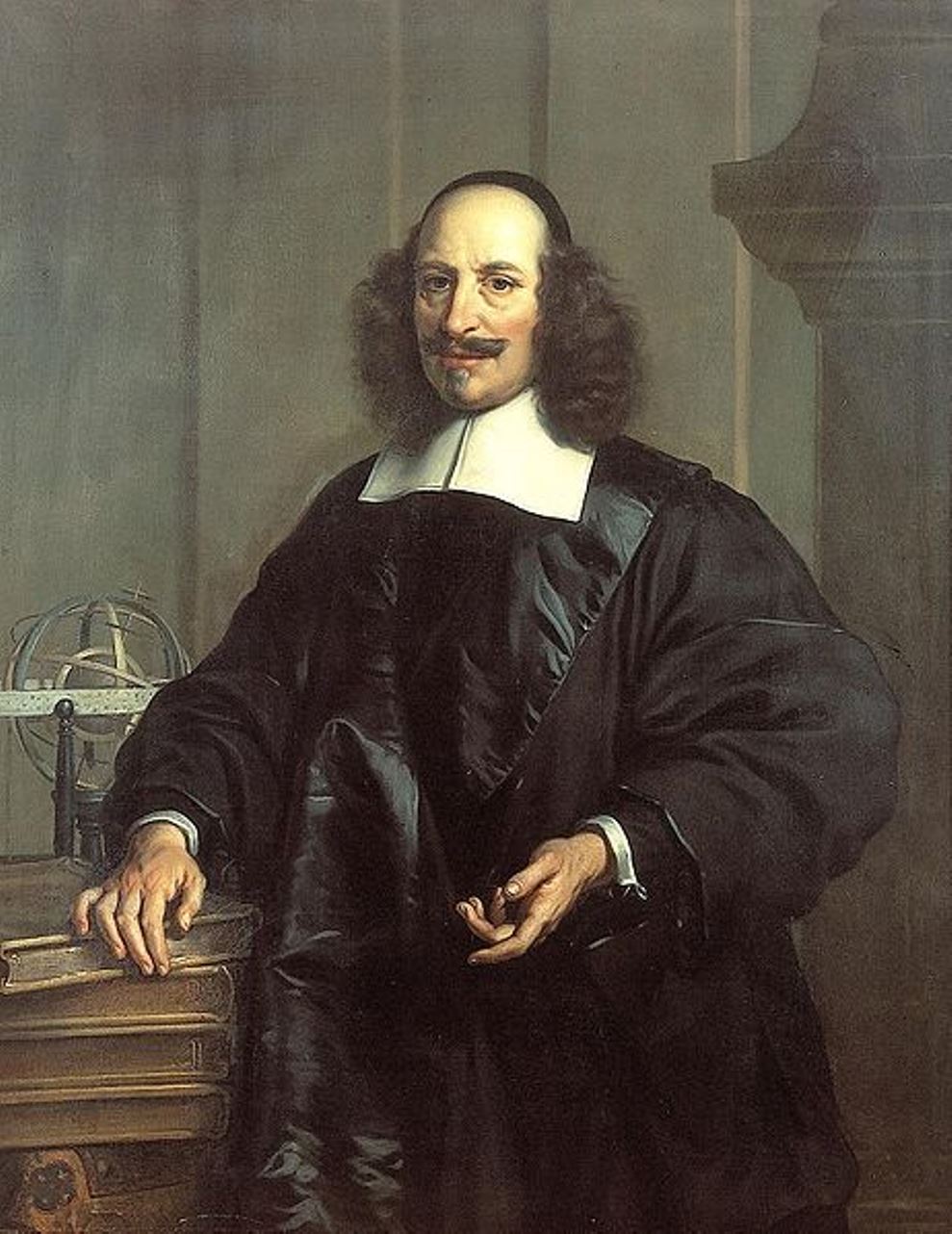
Jan (Joan) Willemsz. Blaeu was a Dutch cartographer, publisher and judge.
Jan was born into the family of the cartographer and publisher Willem Janszoon Blaeu (1571-1638). He studied in Leiden, where he earned a doctorate in law, and in Padua. He then began to assist his father, who was engaged in the manufacture of globes and maps. After his father's death, Jan, together with his brother Cornelius, continued his work, and succeeded him as cartographer for the Dutch East India Company.
In 1651 Blaeu was elected to the Amsterdam city council and later appointed as a judge. At the same time, he was engaged in his publishing business: he continued to publish volumes of Atlas novus, which contained maps of English counties and, for the first time, an atlas of Scotland, as well as one volume of maps of the Far East.
Blaeu did not have time to complete his most ambitious project, but it made him famous as the author of the famous 11-volume Dutch atlas. Based on his previous maps, Blaeu created the Great Atlas (Atlas Maior) - it contained nearly 600 maps and a total of 3,000 pages of Latin text - and was published in 1662. Blaeu's maps were groundbreaking for their time because they were created in accordance with the heliocentric theories of Nicolaus Copernicus.
In 1672, a great fire in Amsterdam destroyed Blaeu's workshop, and the cartographer died a year later, apparently never recovering from this stroke of fate.
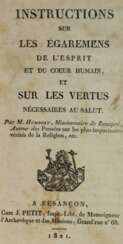
![THOMAS AQUINAS (pseudo, c.1225-1274) – [BERNARDUS DE PARENTINIS (fl. 1340)]](/assets/image/picture_4734979/bcf5e/bc5e8f5360024b2c46fb78e7302c17691752012000jpg__fix_374_244.jpeg)
![THOMAS AQUINAS (pseudo, c.1225-1274) – [BERNARDUS DE PARENTINIS (fl. 1340)]](https://veryimportantlot.com/assets/image/picture_4734979/bcf5e/bc5e8f5360024b2c46fb78e7302c17691752012000jpg__fix_374_244.jpeg)


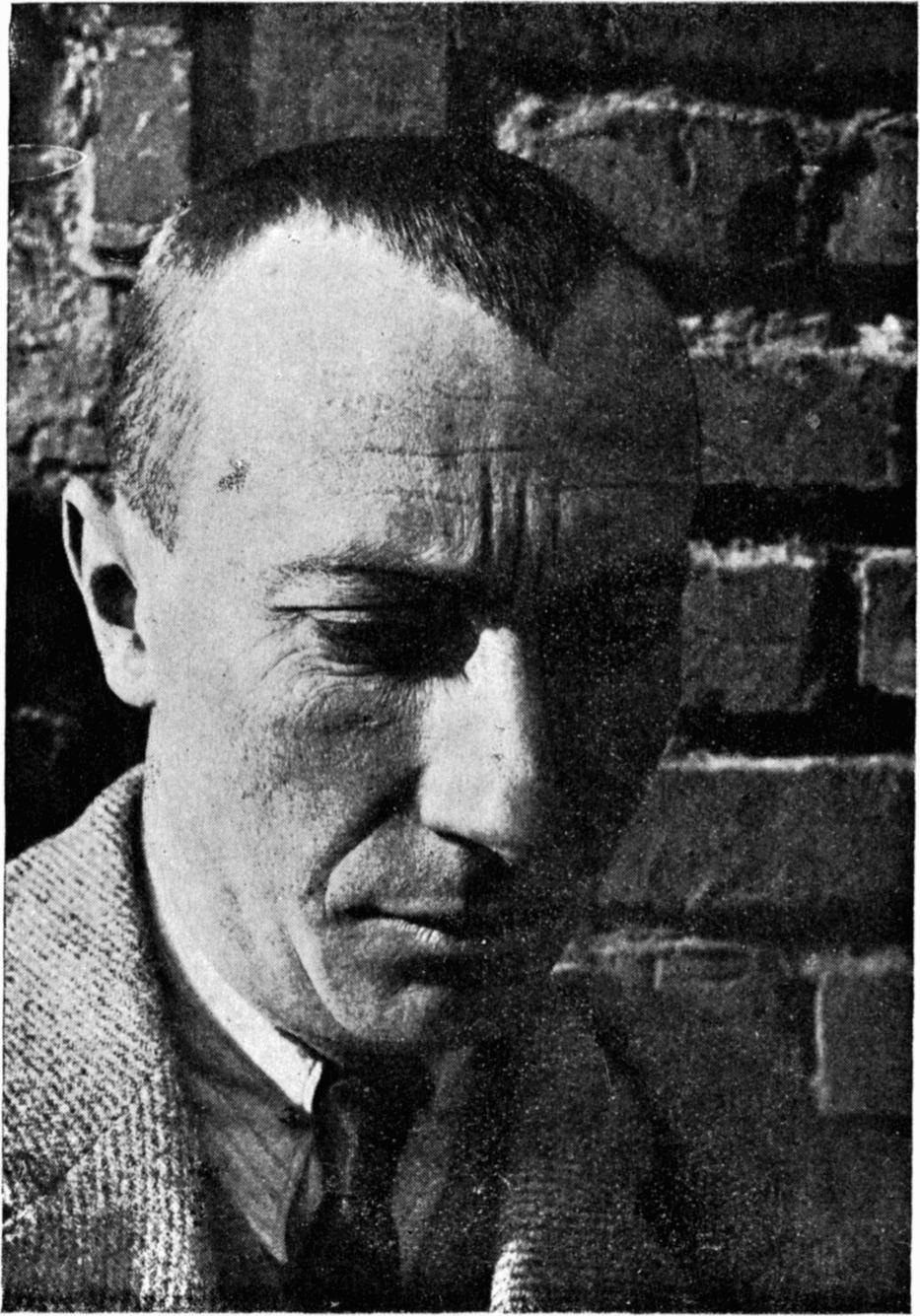
Jean Arp, born Hans Peter Wilhelm Arp, was a German and French poet, painter, graphic artist and sculptor. one of the founders of the Dada movement in Zurich.
Arp used abstract forms in his work and experimented with different materials such as wood, metal and stone. He was also known for his poetic works, in which he applied a method of randomly selecting words, called the "clutter method". Arp believed that this method helped him express his thoughts more precisely and originally. Arp's influence on the arts is still significant today.